Sign in
Create Your Account
Create My Account
Sign In
Create Your Account
Learn to make, design and print custom iron on patches with this DIY guide. Craft personalized apparel, gifts or business merch with unique, durable decals.

Personalized apparel has become a powerful form of self-expression, and learning how to make my own iron on decal opens up a world of creative possibilities. Whether you're looking to create unique gifts, promote your business, or simply add a personal touch to your wardrobe, mastering the art of custom decals and patches is an invaluable skill. This comprehensive guide will walk you through every step of the process, from initial concept to final application. When you understand how to design my own iron on patch, you gain the ability to transform ordinary items into extraordinary statements. The journey to design and print your own iron on decal and patch combines artistic vision with practical technique, resulting in professional-quality creations that reflect your unique style. As you learn to design your own iron on logo and discover how to print your own iron on patches, you'll unlock endless opportunities for customization that can elevate everything from clothing to accessories with your personal signature.
What Are Iron-On Decals and How Do They Work?
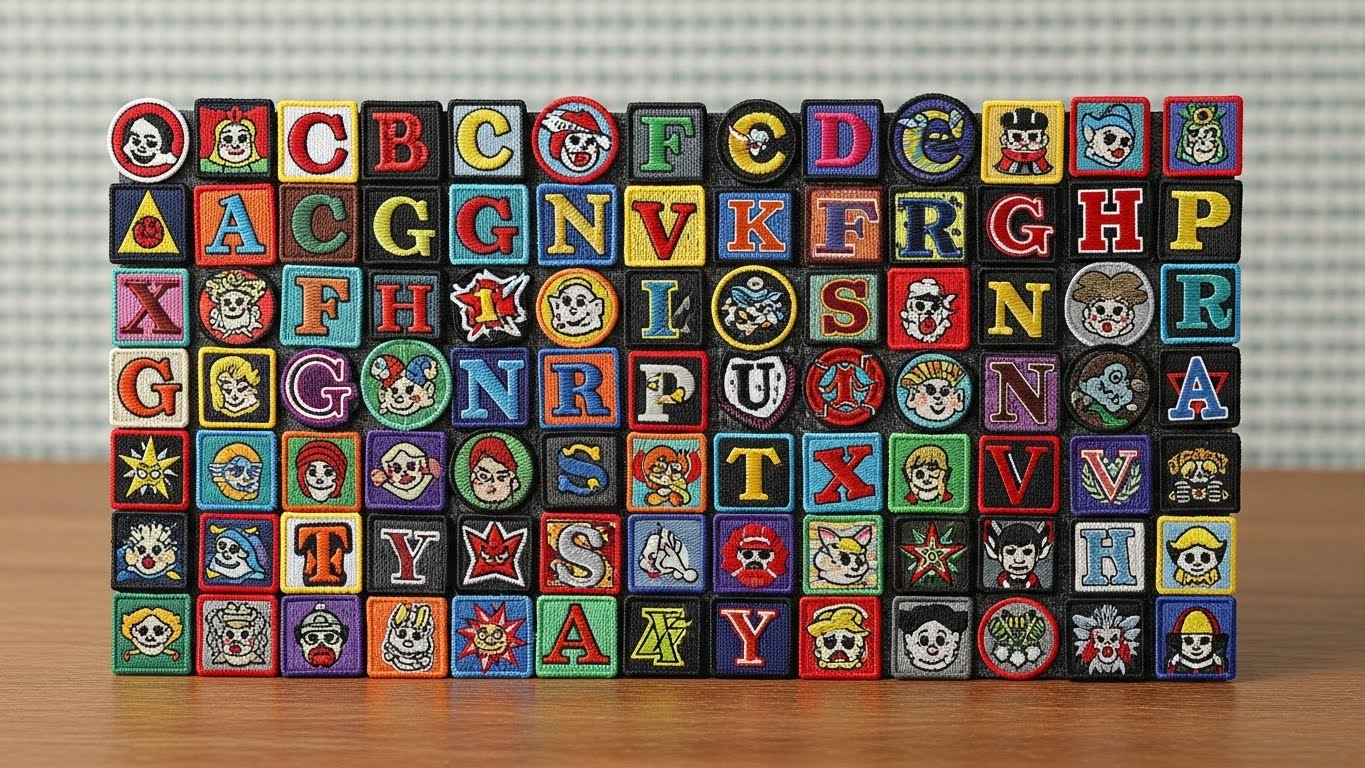
Iron-on decals, also known as heat transfer vinyl (HTV) applications, are specialized designs that adhere to fabric surfaces through the application of heat and pressure. These versatile creations consist of a vinyl layer with a heat-activated adhesive backing that bonds permanently to textiles when properly applied. The fundamental process begins with creating your design, which is then cut from a sheet of HTV material using either a craft cutter or precision scissors. When you decide to make my own iron on decal, you're engaging in a creative process that merges artistry with technology. The adhesive backing activates at specific temperatures, typically between 270-315°F (132-157°C), creating a strong bond with the fabric fibers. This bonding process ensures that your custom creation withstands regular washing and wearing, making it ideal for both temporary and permanent applications. Understanding these mechanics is essential whether you plan to design my own iron on patch for personal use or commercial purposes.
Why Should You Create Your Own Custom Patches and Decals?
Creating custom patches and decals offers numerous advantages that extend beyond simple customization. When you learn how to make my own iron on decal, you gain complete control over the design process, ensuring that every element reflects your vision perfectly. This creative autonomy allows for unique personalization that simply isn't available with mass-produced options. The ability to design my own iron on patch means you can create exactly what you envision without compromise, whether it's matching specific color schemes, incorporating intricate details, or achieving particular aesthetic effects. Furthermore, developing the skills to design and print your own iron on decal and patch can be surprisingly cost-effective, especially for multiple items or recurring needs. The satisfaction of wearing or using something you've created from scratch is immensely rewarding, and the knowledge that you can design your own iron on logo empowers you to establish a consistent brand identity across all your items. Additionally, the flexibility to print your own iron on patches means you can quickly update designs, create limited editions, or make last-minute additions without relying on external suppliers.
How to Create Professional-Quality Iron-On Decals
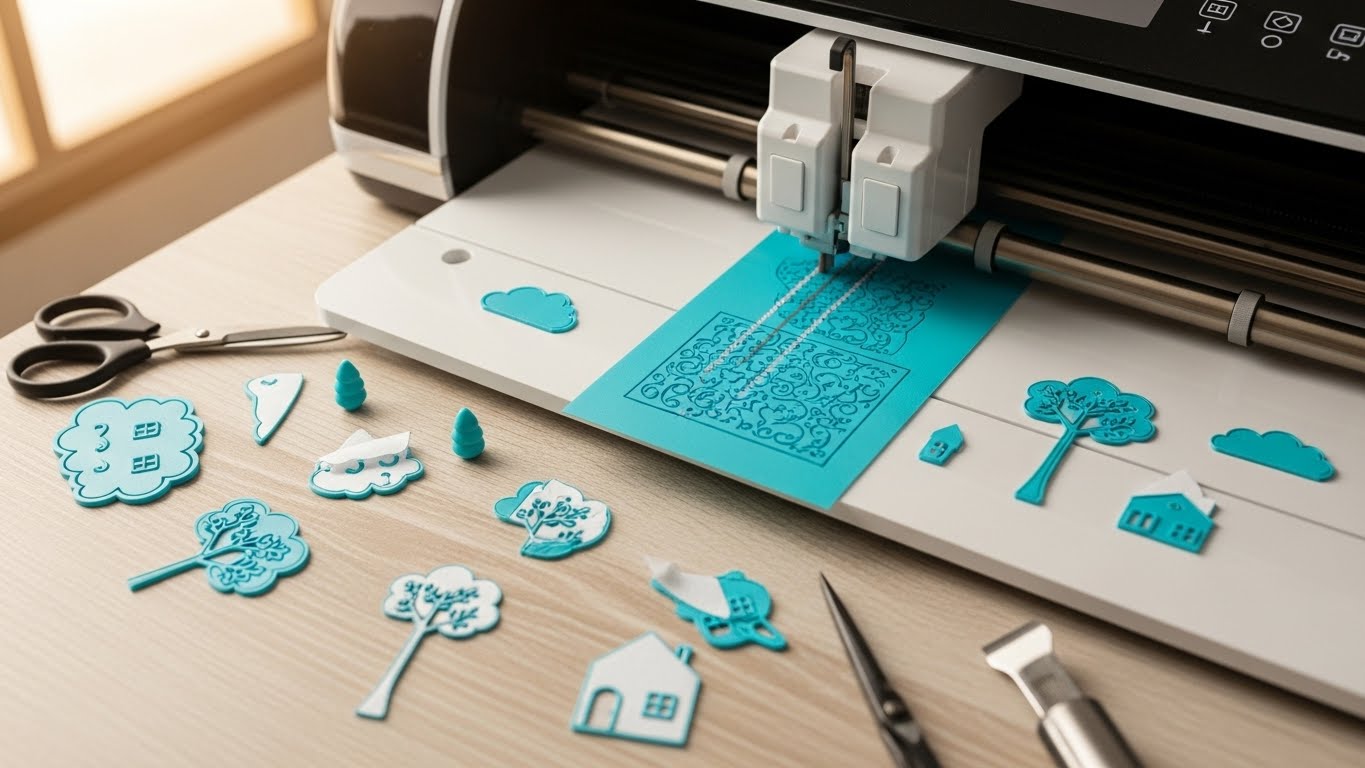
Creating professional-looking iron-on decals requires careful attention to each step of the process. When you set out to make my own iron on decal, begin with proper design preparation. Use vector-based design software whenever possible, as this ensures clean lines and scalability without loss of quality. If you plan to design my own iron on patch with multiple colors, consider how these will layer during application and account for any registration marks if using a cutting machine. The material selection phase is critical to your success with any project where you design and print your own iron on decal and patch. Different fabrics require specific types of HTV, so always test your materials before committing to a full project. The cutting process demands precision—whether using an electronic cutter or manual tools, ensure your blades are sharp and your settings are calibrated correctly. When you design your own iron on logo, pay special attention to the size and placement, as these factors significantly impact the final appearance. The application process itself requires consistent heat and pressure distribution, which is why many crafters invest in heat presses for professional results when they print your own iron on patches. Following manufacturer guidelines for temperature and timing is essential for achieving durable bonds that withstand repeated washing and wearing.
Essential Materials for DIY Iron-On Projects
Successful DIY iron-on projects begin with gathering the right materials. When you prepare to make my own iron on decal, your material selection will directly impact the quality and durability of your final product. Here are the essential components you'll need:
Heat Transfer Vinyl (HTV): Available in various finishes including matte, glossy, glitter, flocked, and metallic. Each type offers different visual and tactile properties for your projects.
Cutting Machine: Electronic cutters like Cricut or Silhouette provide precision for complex designs, while craft knives work for simpler shapes when you design my own iron on patch.
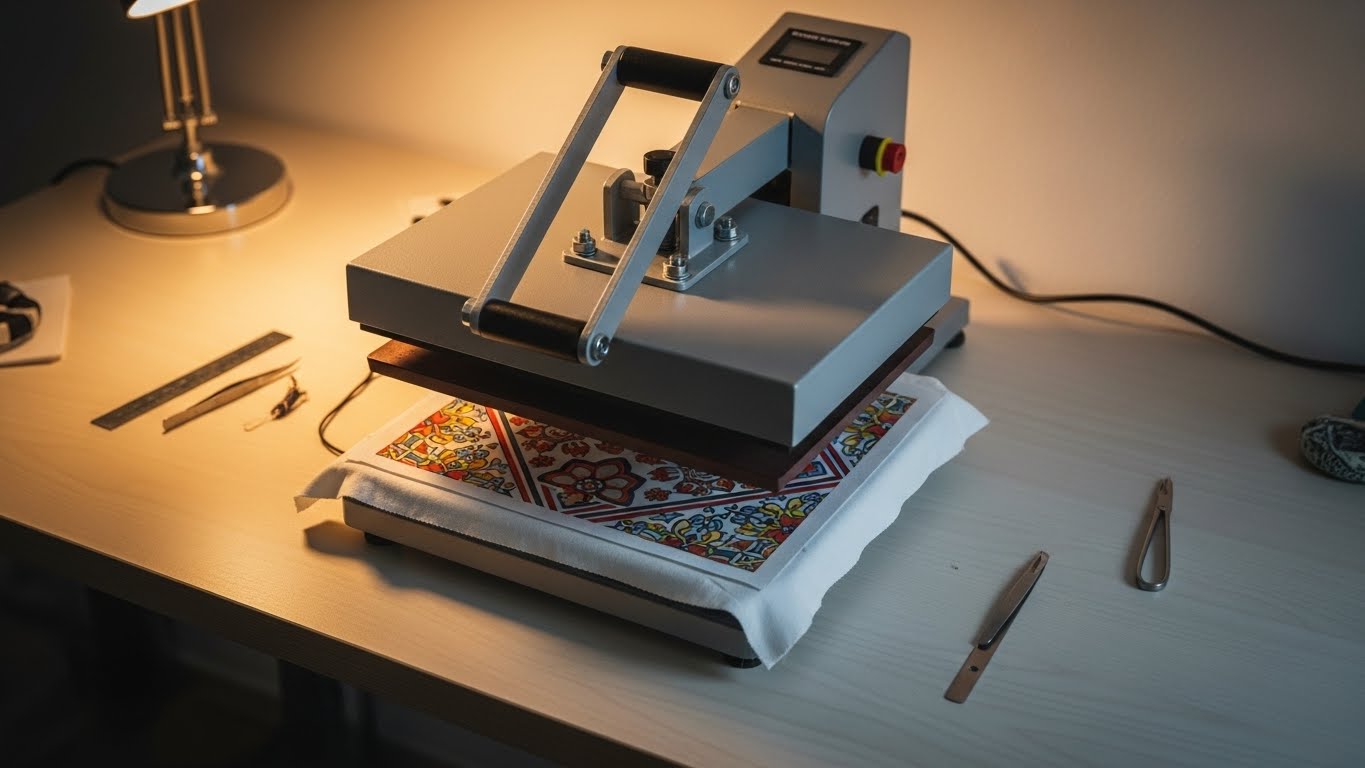
Application Tools: A standard household iron can work, but a heat press offers more consistent pressure and temperature control for professional results.
Weeding Tools: Essential for removing excess vinyl from your designs before application. Protective Sheets: Teflon sheets or parchment paper protect your design and iron from direct contact during the heating process.
Design Software: Programs like Adobe Illustrator, Inkscape, or specialized cutter software help you design your own iron on logo with precision.
Understanding how these materials interact is crucial when you plan to design and print your own iron on decal and patch. The right combination ensures that your creations not only look professional but also maintain their appearance through repeated use and cleaning.

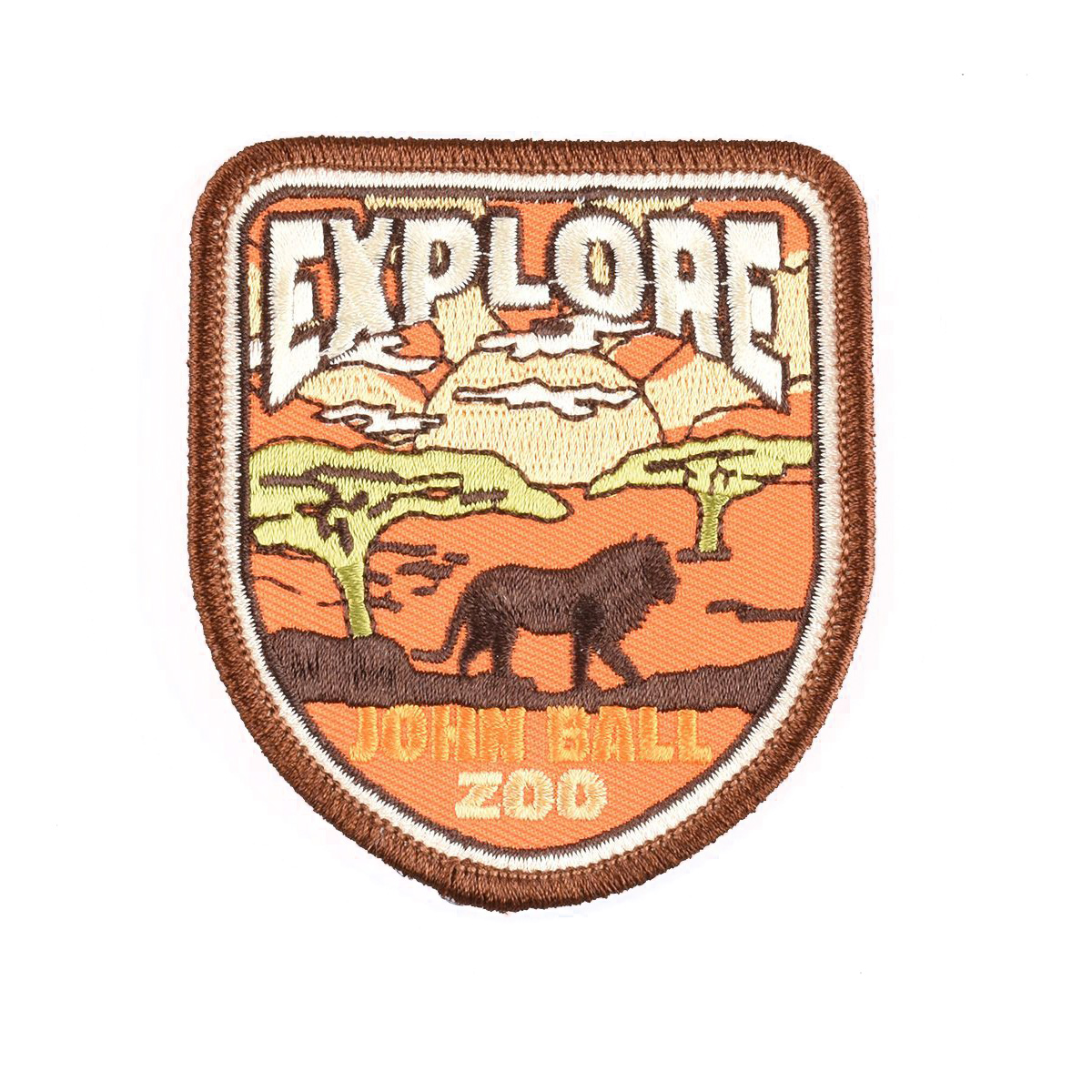
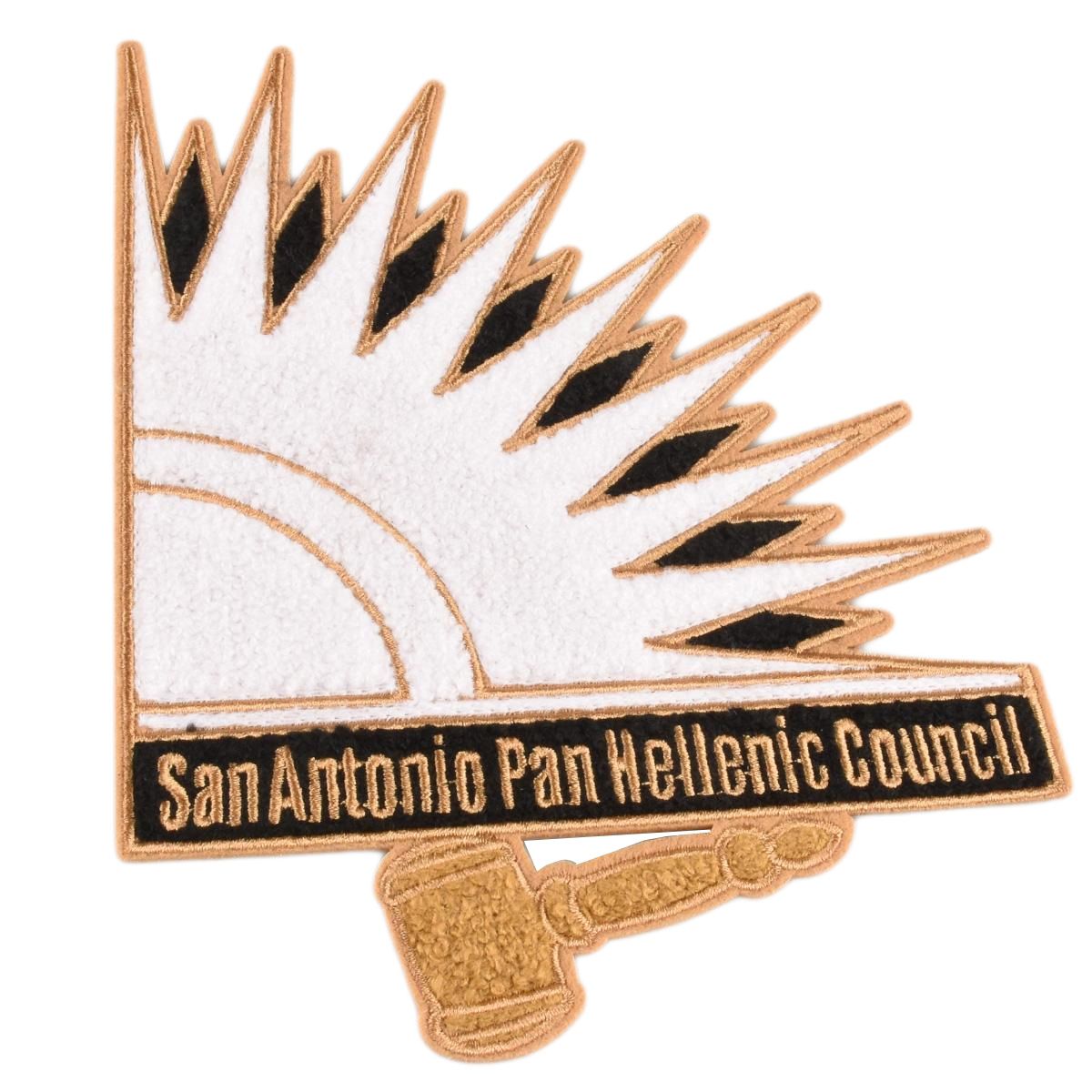
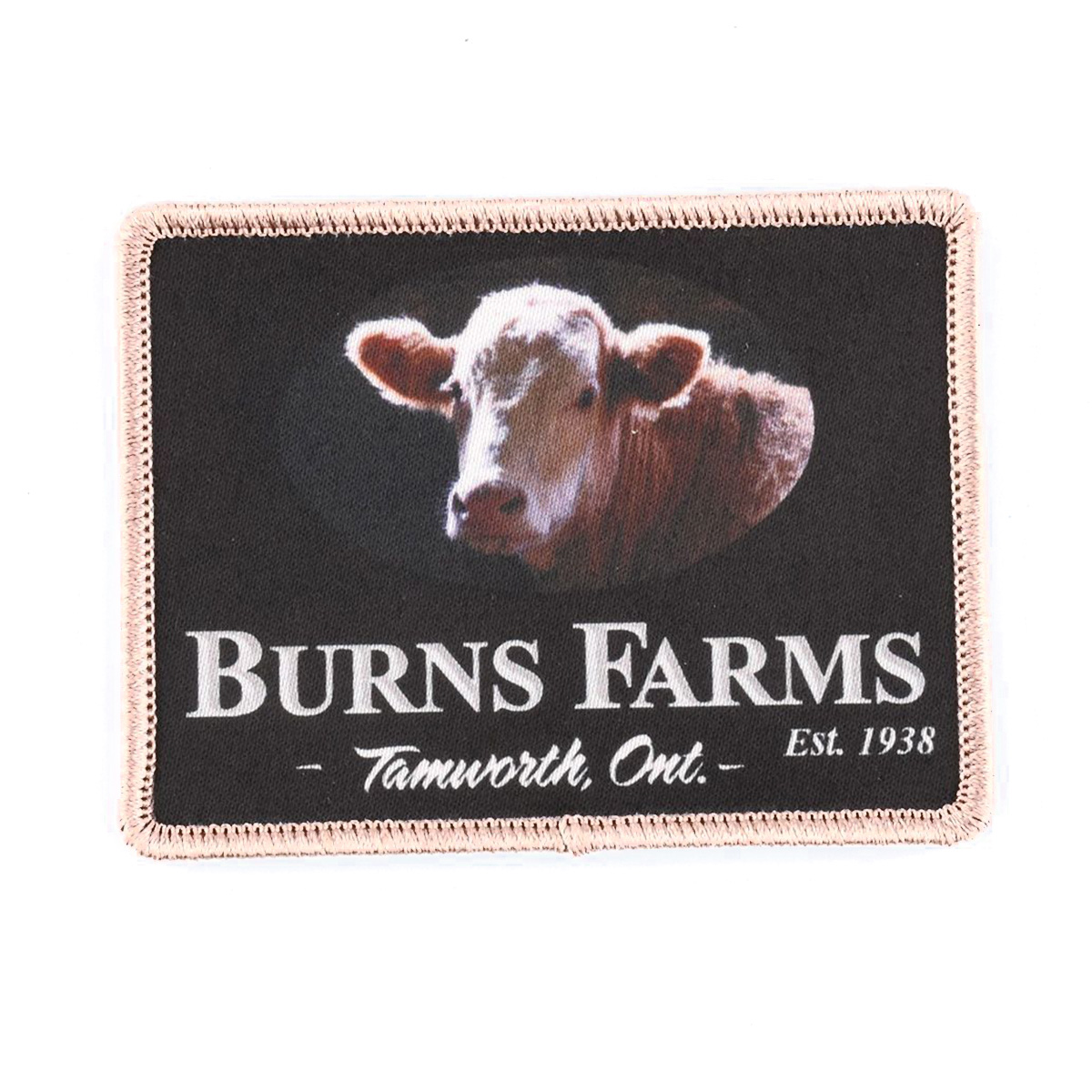
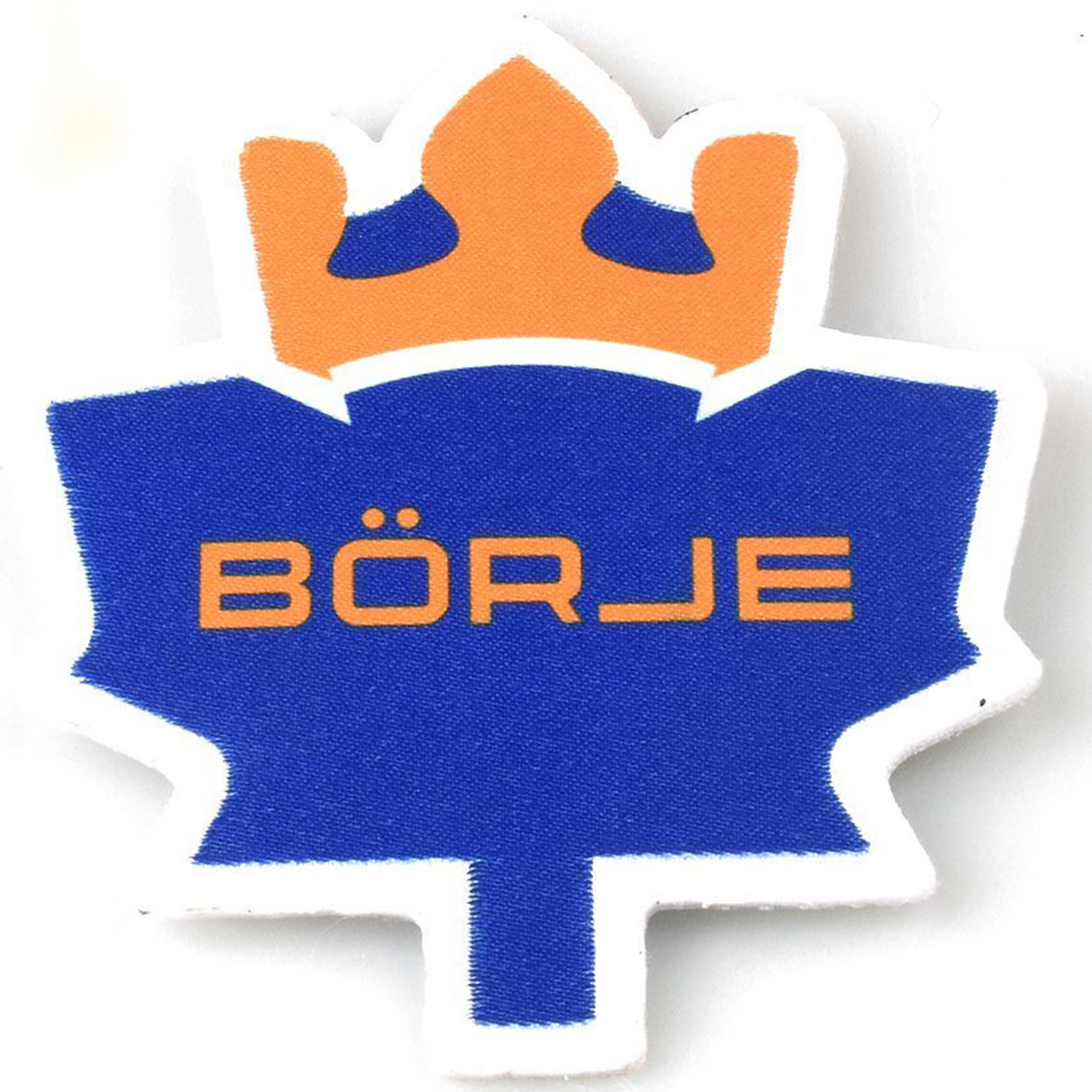

Step-by-Step Guide to Applying Iron-On Decals
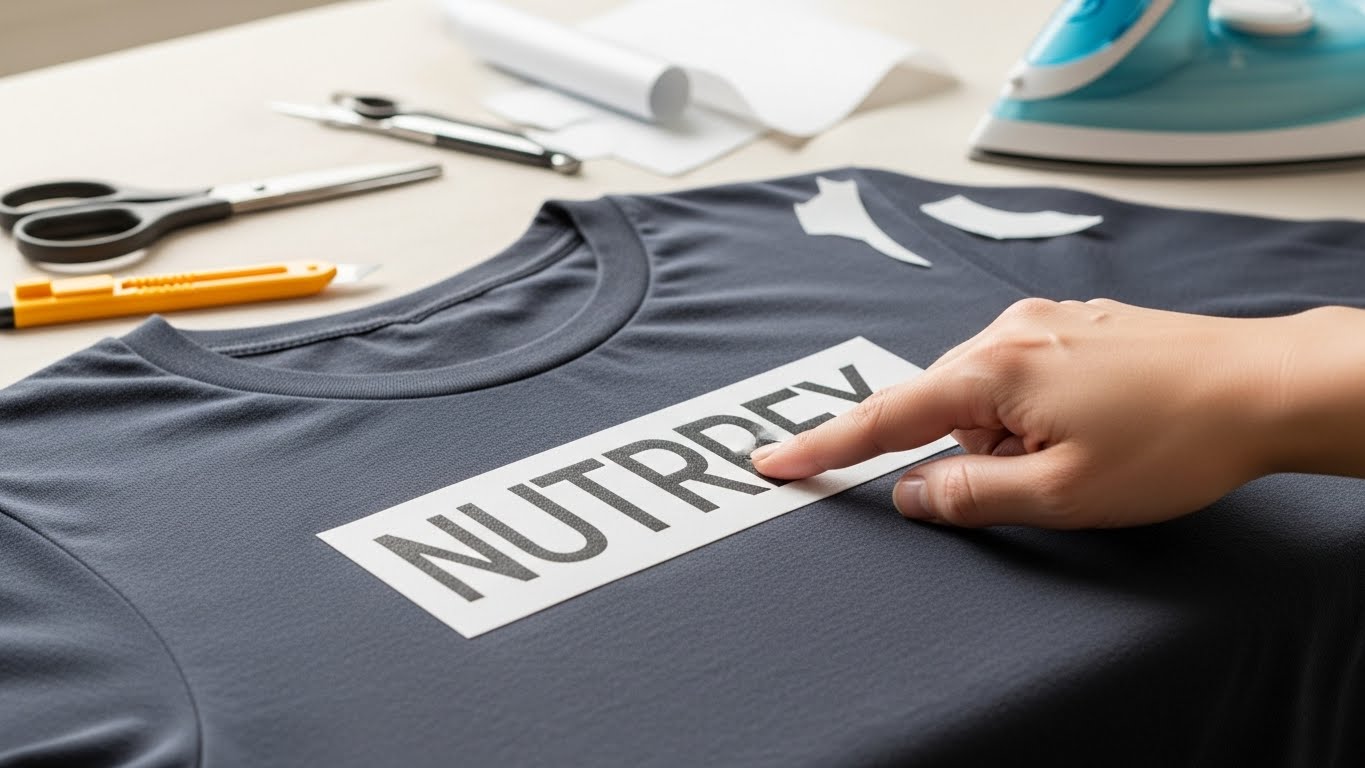
Proper application technique separates amateur-looking results from professional-quality finishes when you make my own iron on decal. Follow this detailed process to ensure optimal adhesion and appearance:
Surface Preparation: Begin with a clean, dry, and smooth fabric surface. Pre-wash garments without fabric softener to remove any residues that might interfere with adhesion.
Weeding: Carefully remove all excess vinyl from your design using weeding tools, leaving only the elements you want to transfer.
Positioning: Place your design adhesive-side down on the fabric. Use heat-resistant tape to secure complex designs in place during application.
Heat Application: Cover your design with a protective sheet and apply consistent heat and pressure according to your HTV manufacturer's specifications.
Cooling and Peeling: Allow the design to cool completely before carefully peeling away the carrier sheet at a 45-degree angle.
Each of these steps requires attention to detail, especially when you design my own iron on patch with intricate elements. Rushing any part of the process can compromise the final result, so patience and precision are essential virtues. The cooling phase is particularly important—premature peeling can cause stretching or incomplete transfer of your design elements. When you follow these steps meticulously for each project where you design and print your own iron on decal and patch, you'll achieve consistent, professional-looking results that withstand the test of time. This methodical approach ensures that every time you design your own iron on logo or print your own iron on patches, the application process enhances rather than detracts from your creative vision.
Design Considerations for Effective Iron-On Creations
Thoughtful design is the foundation of successful iron-on projects. When you set out to make my own iron on decal, several design principles will significantly impact your final result. First, consider scale and proportion relative to your intended application surface. A design that looks perfect on a computer screen might need adjustment when translated to fabric. If you plan to design my own iron on patch with text, ensure that fonts are legible at the intended size and that there's sufficient contrast between the text and background colors. The complexity of your design should match your skill level and equipment capabilities—intricate designs with fine details require precise cutting tools and experienced handling. When you design and print your own iron on decal and patch, color selection extends beyond aesthetic preferences to practical considerations like how different hues might interact with your base fabric color. If you're learning how to design your own iron on logo, simplicity often yields the most professional results, especially when starting out. As you gain experience and confidence in your ability to print your own iron on patches, you can gradually incorporate more complex elements and techniques into your designs.
Common Challenges and Solutions in Iron-On Projects
Even experienced crafters encounter challenges when working with iron-on materials. Understanding these potential issues before you make my own iron on decal can help you avoid frustration and achieve better results. One frequent problem is incomplete adhesion, where parts of the design peel away after application. This usually results from insufficient heat, pressure, or time during the bonding process. When you design my own iron on patch, another common issue is vinyl cracking or peeling after washing, which often indicates that the fabric isn't compatible with HTV or that washing instructions weren't followed properly. Bubbling or wrinkling can occur if the material is stretched during application or if heat is unevenly distributed. If you design and print your own iron on decal and patch with multiple layers, registration problems might cause misalignment between colors or elements. When you design your own iron on logo, you might discover that certain fine details don't transfer cleanly, requiring design adjustments to maintain clarity. As you learn to print your own iron on patches, keeping a project journal noting settings, materials, and outcomes can help you troubleshoot issues more efficiently and develop your personal best practices.
Advanced Techniques for Professional Results
Once you've mastered the basics of how to make my own iron on decal, exploring advanced techniques can elevate your creations to professional standards. Layering different types of HTV opens up exciting possibilities for texture and dimension in your designs. When you design my own iron on patch with layered elements, careful planning of the application sequence ensures clean results without compromising adhesion. Incorporating specialty materials like glitter, flock, or glow-in-the-dark HTV adds unique characteristics that make your creations stand out. If you frequently design and print your own iron on decal and patch, investing in a quality heat press rather than relying on a household iron can significantly improve consistency and durability. Learning to design your own iron on logo with registration marks facilitates precise alignment when working with multi-color designs. As you advance in your ability to print your own iron on patches, experimenting with different finishing techniques like adding protective top coats or combining HTV with other embellishment methods can create truly one-of-a-kind pieces that reflect your evolving skills and creative vision.
Creative Applications Beyond Clothing
The versatility of iron-on technology extends far beyond traditional apparel applications. When you know how to make my own iron on decal, you can personalize an astonishing range of items. Home decor elements like pillows, curtains, and table linens become canvases for your creativity. If you design my own iron on patch for accessories, consider applying them to bags, hats, shoes, or even tech cases for personalized everyday items. The ability to design and print your own iron on decal and patch means you can create coordinated sets for events, teams, or families with matching designs across different items. When you design your own iron on logo, think beyond clothing to promotional items like banners, tablecloths, or custom displays for businesses or events. The knowledge of how to print your own iron on patches enables quick customization of gifts, party favors, or organizational items with names, dates, or special messages. This expanded application range demonstrates the true value of mastering iron-on techniques—it's a skill that enhances nearly every fabric surface in your environment.
The journey to master the craft of creating custom iron-on applications offers endless creative satisfaction and practical benefits. As you continue to develop your skills and make my own iron on decal with increasing confidence, you'll discover new ways to express your individuality through personalized items. The ability to design my own iron on patch means you're never limited by commercially available options—you can create exactly what you envision, when you need it. Embracing the complete process to design and print your own iron on decal and patch empowers you with self-sufficiency in your creative pursuits while producing professional-quality results. Whether you're looking to design your own iron on logo for business purposes or simply want to print your own iron on patches for personal enjoyment, the techniques you've learned provide a solid foundation for endless customization possibilities. Each project builds your expertise and refines your approach, transforming the way you interact with the items in your daily life. The true power of this craft lies not just in the items you create, but in the creative confidence you develop throughout the process.
Frequently Asked Questions
What materials work best for iron-on decals?
Natural fibers like cotton and cotton-polyester blends typically yield the best results for iron-on applications. These materials withstand the heat required for proper adhesion without damaging the fabric. Avoid fabrics with special coatings, waterproof finishes, or those that can't tolerate high heat.
How long do iron-on decals typically last?
With proper application and care, high-quality iron-on decals can last the lifetime of the garment. Following correct washing instructions—turning items inside out, using cold water, and avoiding harsh detergents—significantly extends the lifespan of your custom designs.
Can I remove an iron-on decal if I make a mistake?
Yes, though removal can be challenging. Applying high heat with an iron or heat press can sometimes reactivate the adhesive, allowing you to carefully peel the decal. Alternatively, using a commercial adhesive remover or applying heat with a parchment paper barrier may help loosen the bond.
What's the difference between iron-on patches and sew-on patches?
Iron-on patches use heat-activated adhesive for quick application, while sew-on patches require stitching but offer superior durability. Iron-on works well for casual use, but for items requiring frequent washing or heavy wear, sew on embroidered name tags provide more permanent attachment.
Can I use regular printer paper for iron-on transfers?
No, regular printer paper isn't suitable for iron-on projects. You need special heat transfer paper designed specifically for this purpose. The type varies based on your printer (inkjet vs laser) and whether you're transferring to light or dark fabrics.