The Ultimate Guide to Custom Embroidered Name Patches: Military, Work, and Style
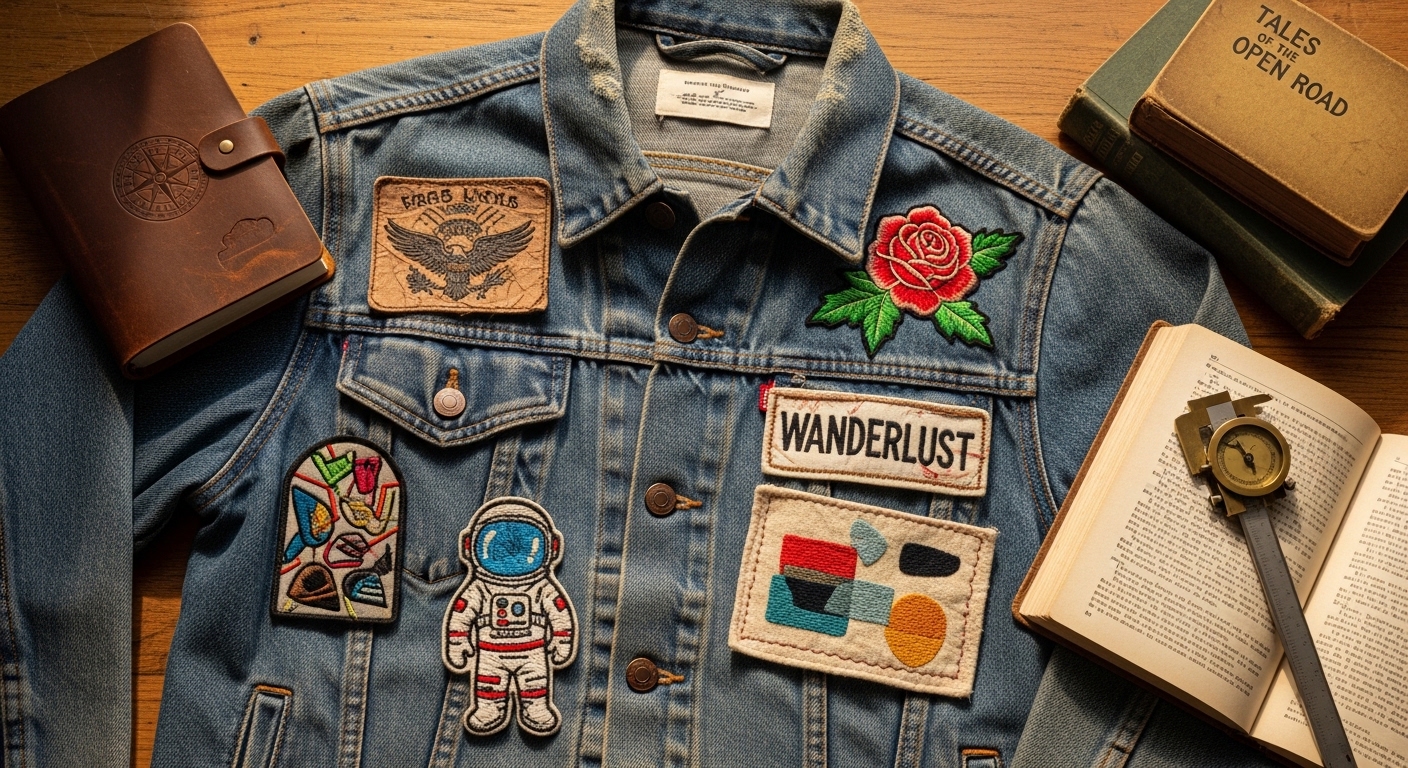
In the field, on the factory floor, or on the street, your name is your identity. A custom embroidered name patch serves as that critical first line of identification, fostering accountability, professionalism, and team cohesion. But its function has beautifully evolved. Today, personalized embroidered name patches are not just for uniforms; they are a key element of personal style, adding a unique, vintage-inspired touch to denim jackets, backpacks, and hoodies.
At Maxemblem, with two decades of expertise in precision manufacturing, we understand this dual role. We combine high-density embroidery technology with a wide range of material and backing options to ensure every patch—whether a single, highly detailed single custom name patch for a collector or a bulk order of standardized military last name patches—meets rigorous professional standards. This guide is your comprehensive resource to navigate the world of name patches, empowering you to make informed decisions from design to application.
The 4 Essentials of Name Patch Customization
Before you place an order, mastering these four pillars will ensure your patches with names on them look professional, serve their purpose, and provide true value. Let's eliminate the guesswork.
1. Size & Layout: Finding the Perfect Fit
An improperly sized patch looks unprofessional. Whether it's for a uniform shirt pocket or the back of a tactical vest, proportions are key.
How to Determine the Right Size:
- Measure the Placement Area: Use a soft measuring tape. For a standard shirt pocket, the typical maximum width is about 3.5 inches (8.9 cm). For a vest or jacket back, you have more freedom, but consider balance and visibility.
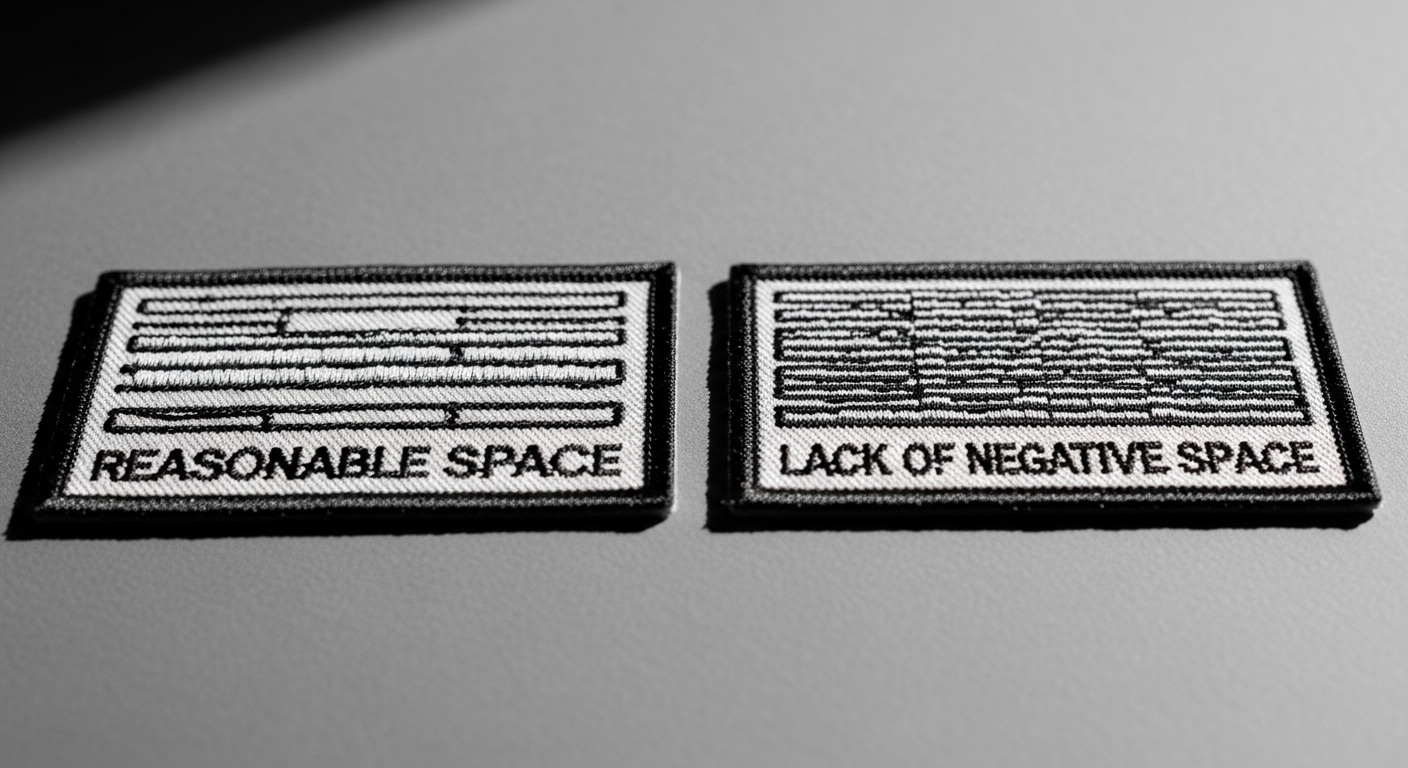
- The "Text Shrink" Rule: When embroidered, text can appear slightly denser. For multi-line patches (e.g., First Name + Last Name), ensure there is adequate vertical spacing (leading). We recommend a minimum of 0.1 inches (2.5mm) between lines of text to prevent visual crowding.
- Large vs. Standard: Large embroidered name patches (over 4 inches wide) are excellent for high-visibility needs on lab coats, coveralls, or banners. Remember, larger patches require a denser stitch count to look solid, which can increase cost and stiffness.
- Proportional Layout: The text should not feel crammed into the patch. A good rule is to have a border (or "frame") of empty fabric around the text that is at least 10% of the patch's height. This creates a balanced, professional look.
2. Font & Stitch Density: The Anatomy of Readability
Not all fonts are created equal for embroidery. The translation from screen to stitch is a specialized art called digitizing.
Font Style |
Best For |
Embroidery Considerations |
Our Recommendation |
|---|---|---|---|
Bold, Sans-Serif (e.g., Arial Black, Impact) |
Standard military last name patches, workwear, any application where clarity from a distance is critical. |
Excellent stitch coverage, minimal thin lines, very stable during sewing. Resists puckering. |
The most reliable and readable choice for 95% of applications. Our default for durability. |
Script or Cursive Fonts |
Fashion patches, personalized gifts, patches with names on them for decorative purposes. |
Challenging to digitize. Thin upstrokes may break, requires expert programming and high stitch density to look smooth. |
Can be done beautifully but often incurs a higher digitizing fee. We advise simplifying intricate connections. |
Serif Fonts (e.g., Times New Roman) |
Corporate uniforms, law enforcement, where a traditional, formal appearance is desired. |
The small serifs (feet) on letters can be problematic if too small, potentially fusing together or breaking. |
We recommend choosing a serif font with pronounced, robust serifs and never going below 0.7mm in detail size. |
Stitch Density Explained: This is the number of stitches per square inch. Low density looks sparse and thin; high density looks rich and solid but uses more thread and can make the patch stiffer. For standard name patches, we target an optimal density that ensures full coverage without compromising flexibility.
3. Color Matching: Meeting Official Standards
Color accuracy is paramount, especially for uniforms. An embroidered navy name patch that's too black or too royal blue immediately looks unprofessional.
- Pantone Matching System (PMS): This is the industry gold standard. If you have a specific color requirement (e.g., USAF Blue 1517, US Army Green 350), provide the Pantone number. We maintain a vast library of polyester embroidery thread colors that can be matched to most PMS codes with exceptional accuracy.
- Material Context: Remember, thread color looks different on different background fabrics (twills). A thread color proof on a swatch of your actual garment material is always recommended for critical color-matching projects.
- Contrast is Key: Ensure there is sufficient contrast between the thread color and the patch base fabric. Dark blue thread on a black patch will be invisible. We can advise on the most legible combinations.
4. Pricing Transparency: Understanding Digitizing and Volume
Custom embroidery is a manufacturing process, not a commodity purchase. The cost structure is straightforward when you understand what you're paying for.
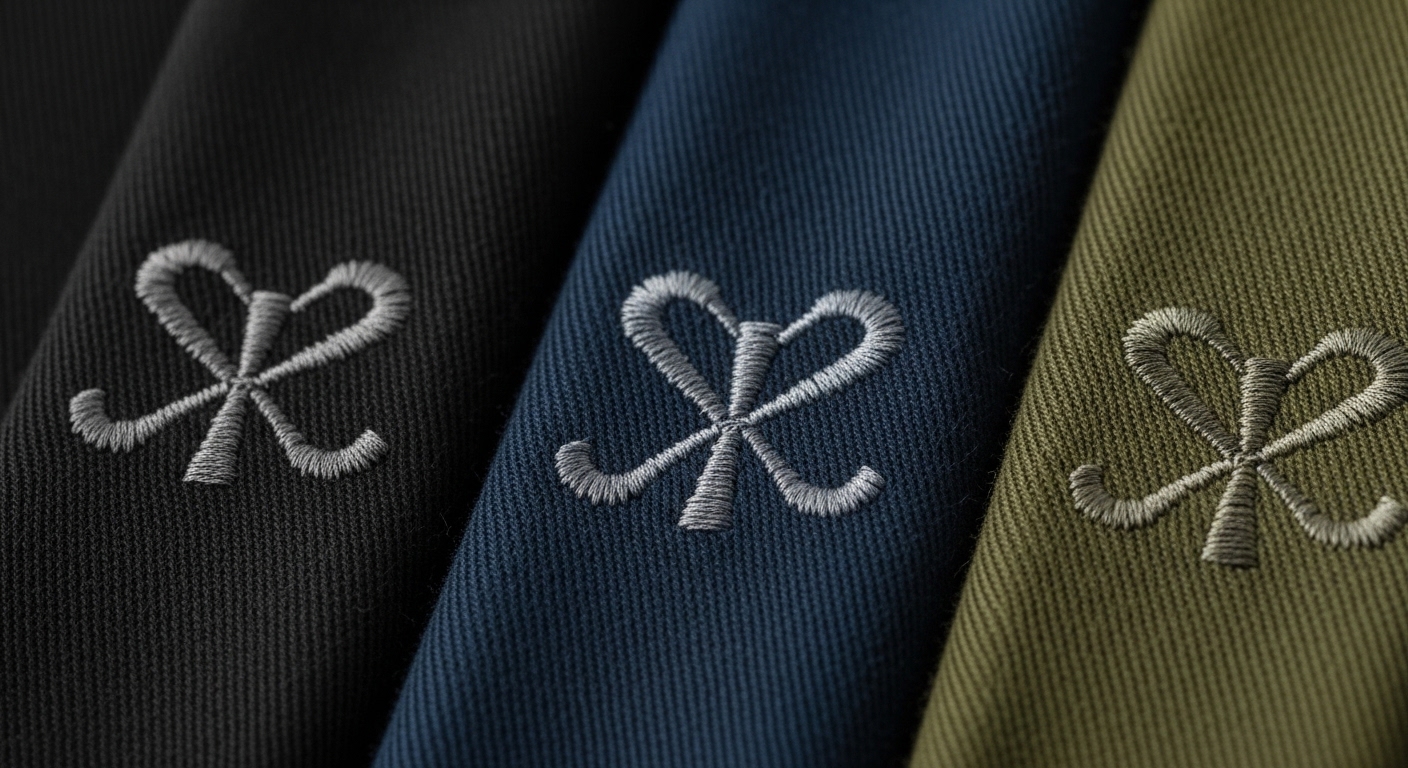
- One-Time Digitizing Fee (The "Setup"): This is the essential, non-negotiable first step. Your text/logo is not embroidered directly from a font file. A skilled technician must "digitize" it—programming every single stitch's direction, length, and density into a language the embroidery machine understands. This is specialized labor and intellectual property. This fee applies whether you order 1 patch or 1,000.
- Per-Unit Cost: This covers the physical patch: fabric, thread, backing, machine runtime, labor, and finishing. This is where volume saves you money. The digitizing fee is amortized over the total order. The cost per patch in an order of 500 is a fraction of the cost per patch in an order of 5.
- The Maxemblem Approach: We believe in clear, upfront pricing. When you request a quote for custom made patches wholesale, we provide a breakdown: digitizing fee + per-unit cost. For very small orders or single custom name patches, we have solutions but are transparent that the digitizing fee will represent a larger portion of the total cost. Contact us to discuss the most economical path for your specific quantity.
Matching Patches to Your Purpose: A Style Guide
The best patch is one perfectly suited to its environment. Here’s how to match patch characteristics to specific needs.
Military & Tactical: Built for the Field
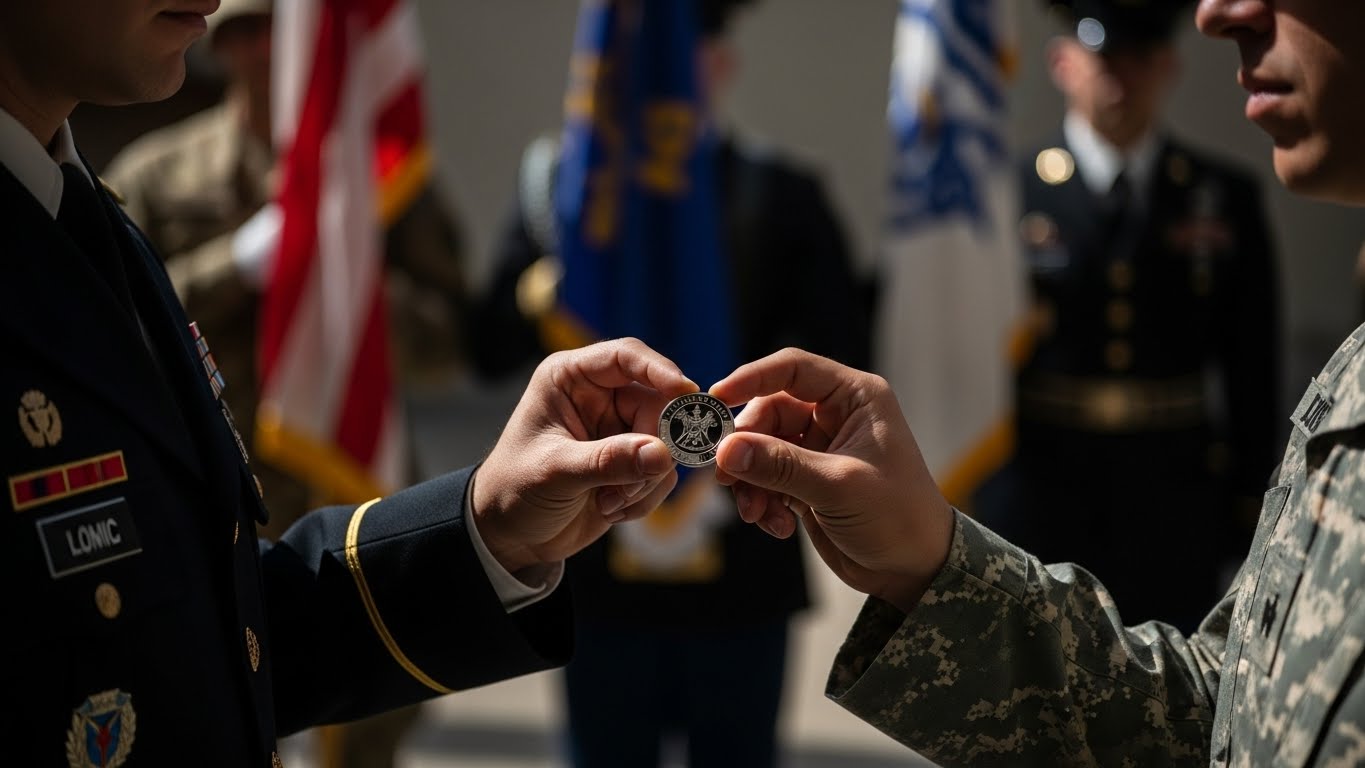
For this sector, durability, compliance, and functionality are non-negotiable. Our military last name patches are crafted to meet these demands.
- Material & Construction: We use heavyweight, 5.0 oz twill fabric for exceptional tear resistance. Embroidery is done with high-tenacity, UV-resistant polyester thread that withstands abrasion and repeated laundering.
- Color Compliance: We stock threads that precisely match official military color standards (e.g., OCP Scorpion, MARPAT, Navy Blue). Provide your spec number or Pantone for an exact match.
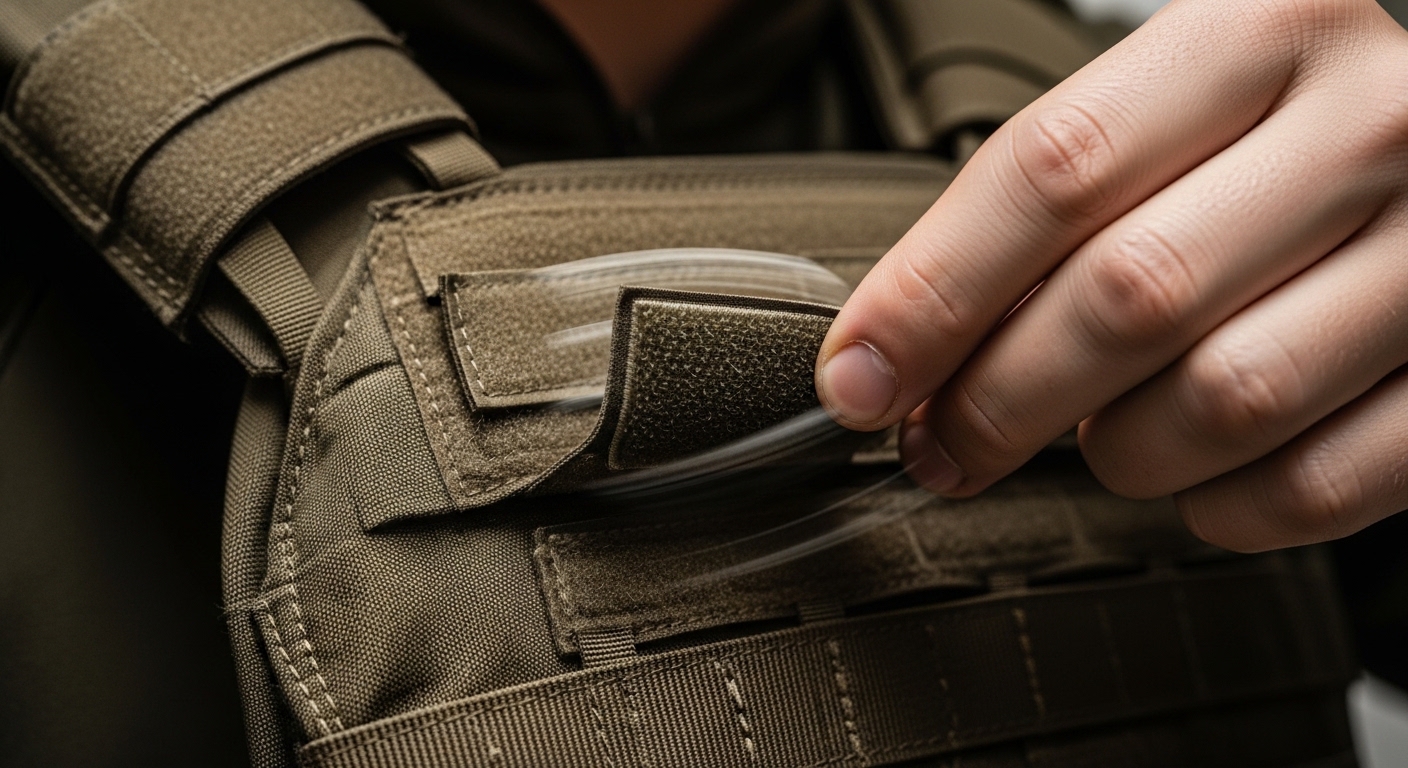
- Attachment for Tactical Use: While custom sew on name patches are the standard for permanent wear, the tactical world heavily utilizes Velcro (Hook & Loop). This allows for quick removal (for security) or transfer between different pieces of gear (vests, packs, jackets). We offer patches with loop backing sewn on, ready to attach to the hook side on your gear.
- Beyond Embroidery: For wet or muddy environments, a PVC name patch is superior. It's 100% waterproof, can be wiped clean, and offers a low-profile, non-snag surface—ideal for tactical packs or wet-weather jackets.
Corporate Uniforms & Workwear: Professional Branding
Here, the patch is an extension of the company brand, requiring a polished look and employee comfort.
- The Polished Look: For corporate logos alongside names, woven patches often provide a sleeker, more detailed alternative to embroidery. They can replicate small text and complex gradients with photographic clarity while remaining very thin and flexible.
- Comfort & Durability: For industrial workwear (mechanics, technicians), we recommend a merrow (overlock) border on custom embroidered name patches. This thick, woven border encapsulates the patch edge, preventing fraying through years of tough wear and industrial washing.
- Application Efficiency: For uniform companies outfitting hundreds of employees, iron on embroidered name patches with a professional heat press offer a fast, consistent, and permanent application method that saves significant time over sewing.
Fashion & Personal Expression: Making a Statement
This is where creativity shines. Personalized embroidered name patches for denim jackets, hoodies, and bags are a massive trend.
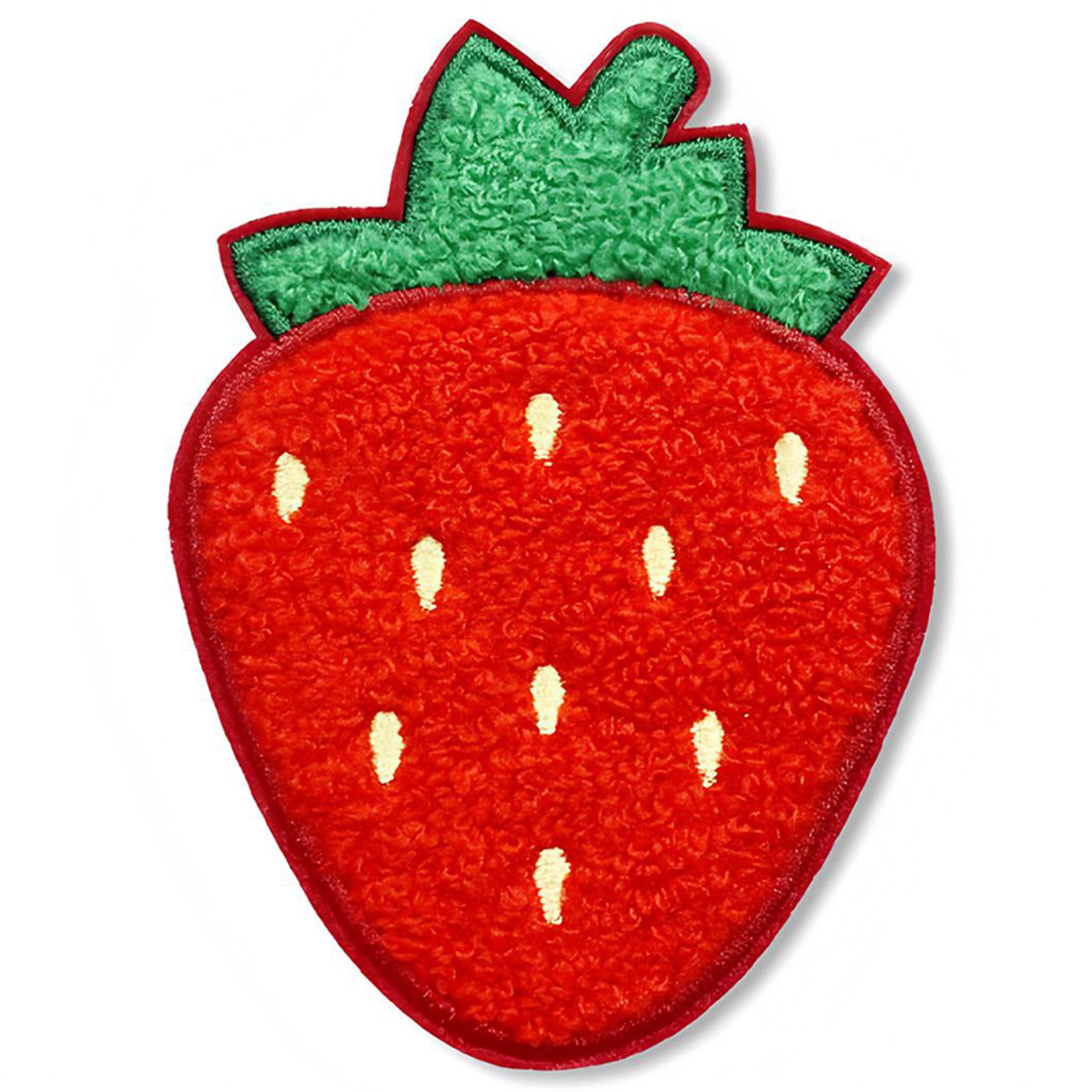
- The Vintage Vibe: Chenille patches offer a fantastic, retro 3D texture that mimics classic letterman jackets. They are soft, tactile, and make a bold statement.
- Modern Minimalism: For a sleek look on a designer backpack or minimalist jacket, a finely embroidered script name on a felt or leather base delivers understated luxury.
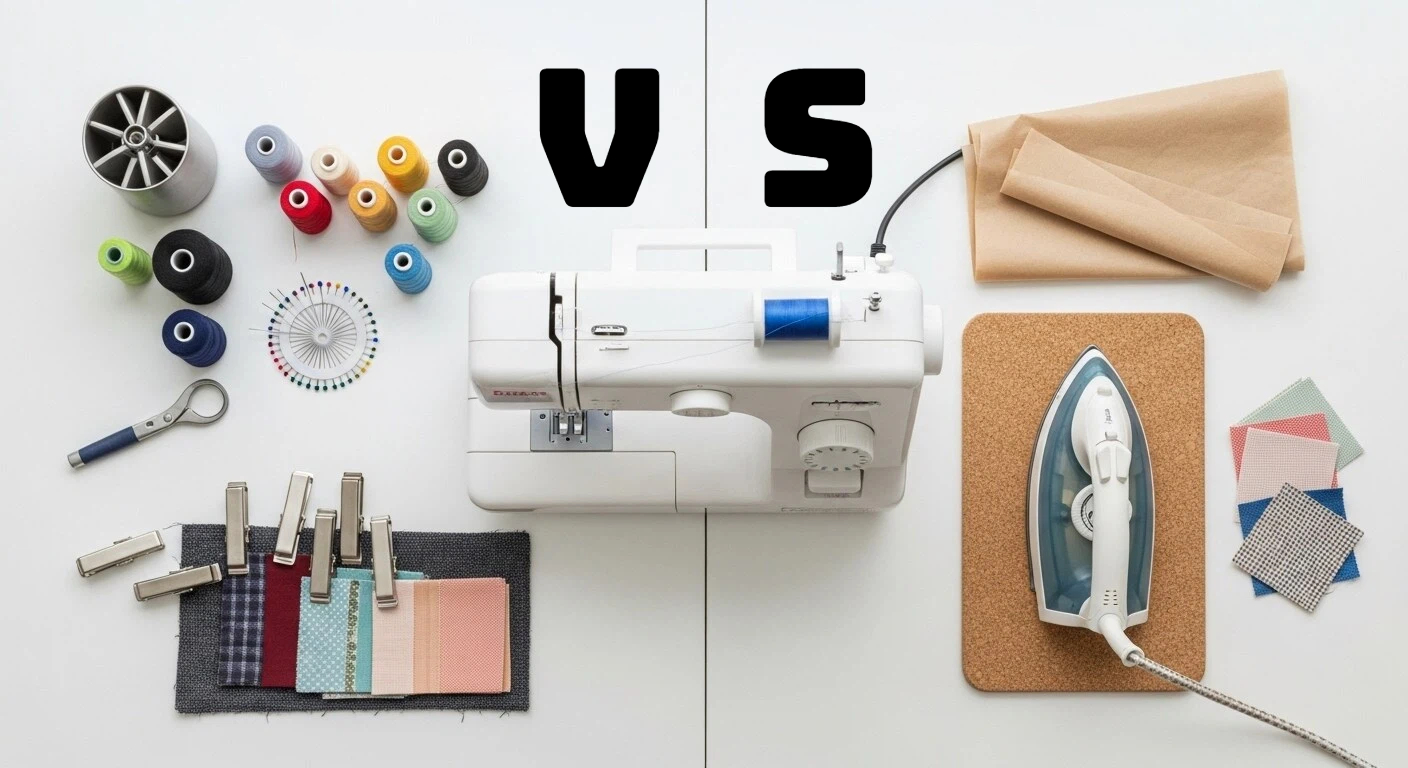
- DIY & Easy Application: For personal projects, iron on embroidered name patches are perfect. They allow you to easily customize off-the-shelf clothing without any sewing skills. Just remember to follow our heat application guide closely.
Attachment Methods Explained: Permanent, Easy, or Flexible?
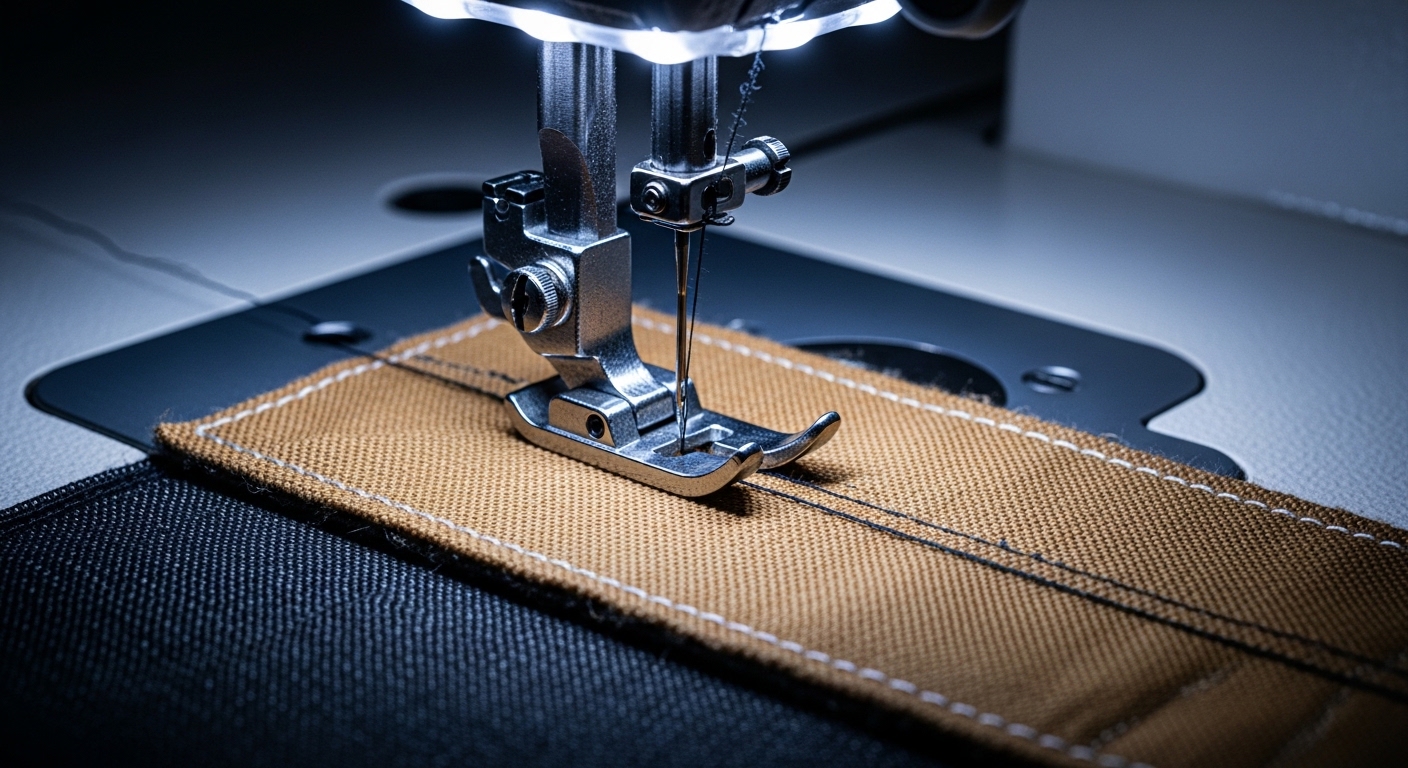
Custom Sew On Name Patches: The Gold Standard for Permanence
This is the original and most durable method. The patch comes with a pre-sewn border or perforated sewing holes.
-
Why Choose Sew-On?
1.Maximum Durability:The thread connection distributes stress and can withstand industrial laundering, extreme abrasion, and years of use.
2.Professional Finish: It's the expected standard for military, first responder, and high-quality work uniforms. It signals permanence and quality.
3.Material Compatibility: Safe for all fabrics, including delicate, heat-sensitive, or waterproof materials where an iron-on backing could cause damage. - Best For: Any garment or gear that will see hard, frequent use and regular washing. The undisputed choice for true permanence.
Iron On Embroidered Name Patches: Convenience Meets Strength
These patches have a layer of heat-activated thermoplastic adhesive on the back. When heated, it melts and bonds to the fabric fibers.
- How It Works: The adhesive requires sufficient heat (typically 320-340°F / 160-170°C) and pressure for 12-15 seconds to form a proper bond. A household iron can work, but a commercial heat press guarantees uniform pressure and temperature for a truly permanent hold.
- Critical Warning: Always test on a scrap of your garment fabric. Avoid direct ironing on nylon, waterproof, or heat-sensitive fabrics (like some performance materials), as the high heat can melt or scorch the fabric itself. In these cases, sewing is mandatory.
- Best For: Cotton, polyester, and cotton-blend fabrics. Ideal for corporate uniforms (applied with a heat press), school projects, or personalizing casual wear at home.
Velcro (Hook & Loop) Patches: The Ultimate in Modularity
This system uses two components: the patch with loop backing, and a hook panel sewn onto the garment.
-
Why It's Preferred for Tactical & Aviation:
1.Quick Change: Personnel can switch patches between different uniforms, jackets, or gear in seconds.
2.Security: Patches can be removed when off-duty or in non-permissive environments.
3.Laundering: The patch can be removed before washing, prolonging the life of both the patch and the garment. - Considerations: The hook panel adds a permanent texture to the garment. Ensure the hook panel is sewn on securely, as it bears the pull-force every time the patch is removed.
Quality Assurance: How We Avoid Common Production Pitfalls
Mass production often leads to corner-cutting. At Maxemblem, our process is designed to prevent the common issues that plague cheap patches.
- Eliminating Loose Threads: We utilize embroidery machines with automatic thread trimmers. After each color section is completed, the machine precisely cuts both the top and bobbin threads, resulting in a clean back and no unsightly thread tails on the front that can unravel.
- Preventing Color Bleed (Migration): This happens when contrasting thread colors on a densely stitched patch appear to "bleed" into each other. We combat this through expert digitizing—programming stitch directions to create clean borders—and by using high-quality, tightly twisted threads that resist fiber migration.
- Stopping Fabric Puckering: Puckering (when the fabric gathers around stitches) is caused by improper thread tension, poor stabilizer use, or excessive stitch density. Our technicians calibrate machines for each project and use the correct stabilizer (a backing material) to keep the fabric taut and flat during sewing, ensuring a smooth final product.
- Ensuring Text Integrity: To keep letters in your custom embroidered name patches perfectly aligned and legible, our digitizing process carefully manages "pull compensation." Embroidery thread pulls slightly on the fabric. We pre-program the design to account for this physical pull, so letters like "m" and "n" don't pinch together, and curves remain smooth.
Our standard production time for embroidered patches is 3 business days for production plus shipping (which varies by service level: Priority = +3 days, Standard = +9 days). This includes the time for our rigorous multi-point quality checks.
Ready to Define Your Identity with Precision?
Ready to Define Your Identity with Precision? A well-made name patch is more than fabric and thread; it's a marker of professionalism, a badge of belonging, and a canvas for individuality. Whether you're equipping a unit, branding a workforce, or creating a one-of-a-kind personal item, the details matter.
At Maxemblem, we bring two decades of manufacturing expertise to every order, large or small. Our process—from collaborative design consultation to precision digitizing and rigorous quality control—is designed to deliver patches that meet the highest standards of durability, aesthetics, and accuracy.
Frequently Asked Questions
Q: Can I order just one single custom name patch?
Yes, you can. We accommodate orders for single patches, which are popular for gifts, replacement patches, or prototype samples. Please understand that the one-time digitizing fee will apply, making the total cost for one patch higher on a per-unit basis than in a bulk order. Contact us with your single-patch request, and we'll provide a transparent quote that includes the digitizing fee and unit cost.
Q: Will the embroidery thread fade or bleed when washed?
We use only high-grade, colorfast polyester embroidery thread. This thread is specifically engineered to resist fading from UV exposure and to prevent color bleeding during washing. For optimal care, we recommend washing garments with patches inside out in cold water and avoiding harsh bleach. Following these guidelines, our patches will maintain their vibrant colors through countless washes.
Q: Why did my detailed logo lose its fine lines when embroidered?
Embroidery has physical limitations. Thread has thickness, and a sewing needle cannot replicate a printer's dot. Extremely fine lines (thinner than 0.7mm), tiny serifs, or subtle gradients in a logo will often be consolidated or boldened during the digitizing process to create a viable, durable stitch file. This is not a mistake; it's a necessary translation. We offer free design consultation to help optimize your logo for embroidery before digitizing begins, suggesting simplifications that preserve the visual intent while ensuring a beautiful embroidered result.