Sign in
Create Your Account
Create My Account
Sign In
Create Your Account
Get field-ready custom multicam name tapes & military velcro patches. Learn specs, materials & standards for tactical gear identification.

In the world of tactical gear, law enforcement, and military service, identification is not a matter of convenience—it's a matter of safety, coordination, and protocol. A name tape is the most fundamental piece of this visual language. But not just any name tape will do. The precision of the camouflage match, the durability of the hook-and-loop backing, the correct font and size: these details separate a professional, field-ready identifier from a subpar accessory. For those seeking reliable custom multicam name tapes or specialized flight suit velcro name patch solutions, understanding these specifications is the first step to ensuring your gear meets the highest standards.
This guide is for unit supply officers, individual operators, and procurement specialists who need to navigate the precise landscape of personalized military velcro patches. We'll break down the standards, explore the materials and craftsmanship behind a durable custom name tapes with velcro backing, and provide clear guidance on how to select the right patch for every application, from a standard-issue uniform to a specialized kit.
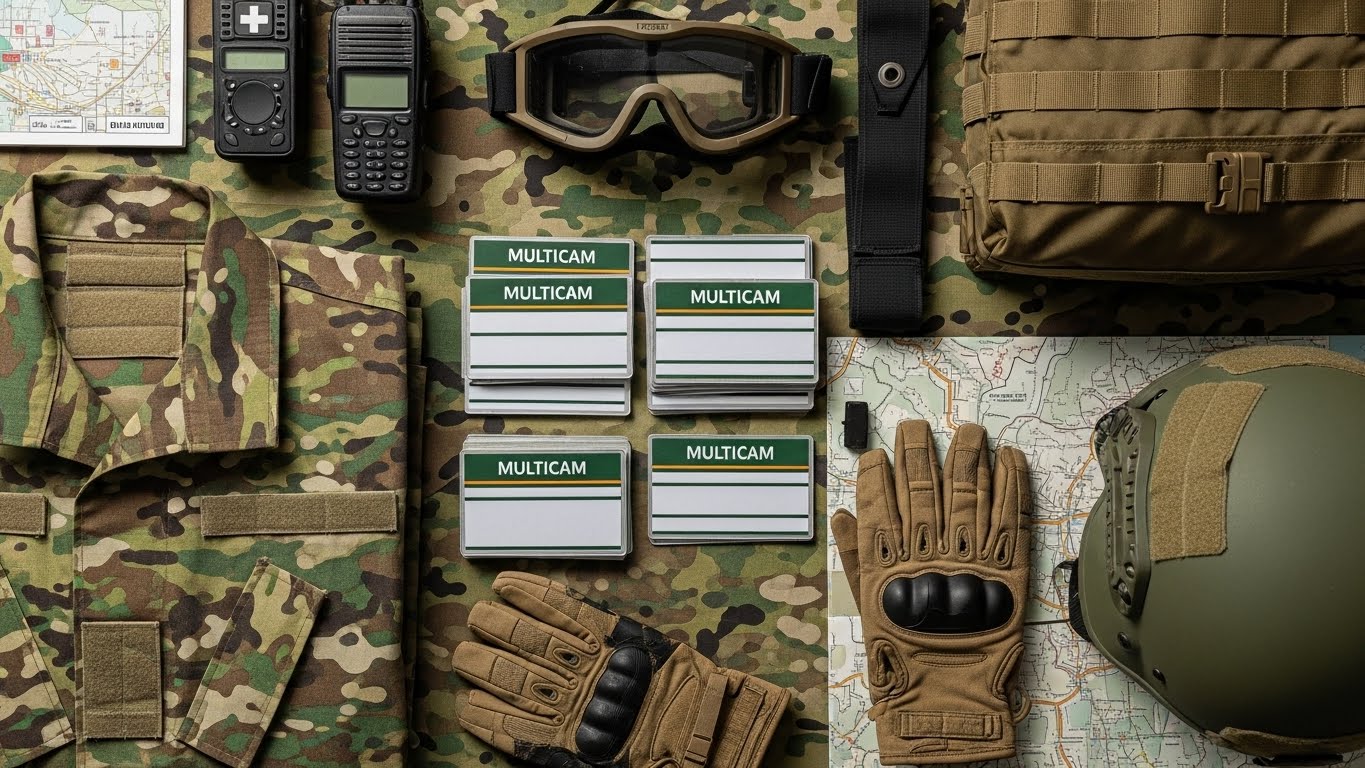
Understanding Standard Types and Specifications
Adherence to specification is what makes gear interoperable and professional. Here are the core categories of identification patches.
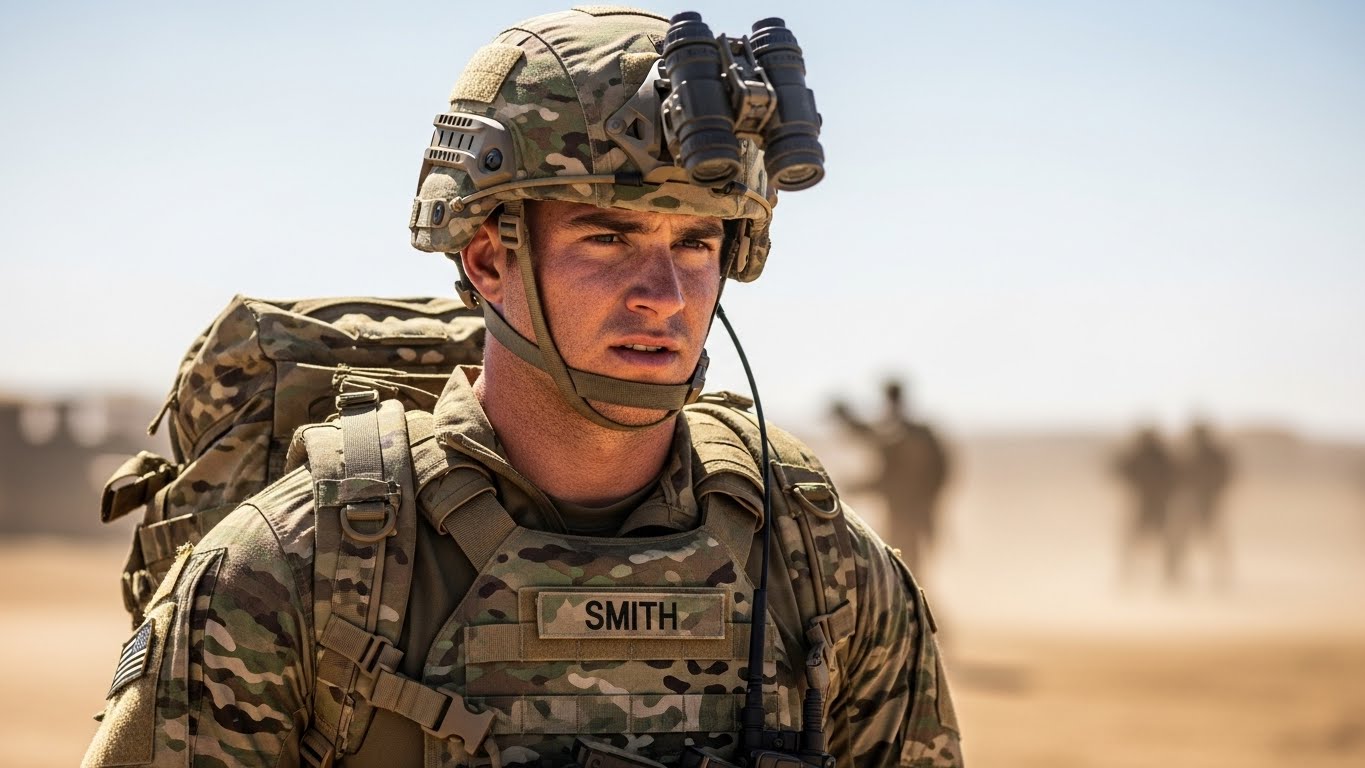
The Tactical Standard: The 1x5 Velcro Name Patch
The 1x5 velcro name patch (approximately 1 inch tall by 5 inches wide) is the unofficial global standard for modular tactical gear. Its prevalence is due to the standardized hook-and-loop (Velcro®) fields found on nearly every modern plate carrier, chest rig, and military backpack. This size provides ample space for a last name, and often a first initial or blood type, while remaining low-profile. When ordering, ensure the patch uses high-density hook backing that matches the aggressive "grip" of professional gear, not the weaker variety found on consumer products. This ensures your patch stays securely in place during dynamic movement.
Service-Specific Requirements
Beyond the generic tactical patch, specific branches have their own exacting standards.
Craftsmanship: Embroidery vs. Woven Patches
The method used to create the text and borders is critical for clarity and longevity.
Technique |
Best For |
Characteristics |
Consideration |
|---|---|---|---|
Embroidery Patches |
Standard name tapes, tactical identifiers, uniform patches. |
Classic raised, textured look. High durability with dense stitching. Excellent color contrast and visibility. |
The gold standard for most custom multicam name tapes. Ensure high stitch density. |
Woven Patches |
Patches with extremely fine detail, small text, or intricate rank insignia. |
Flat, smooth surface. Can reproduce tiny text and complex graphics with superior clarity. |
Less textured than embroidery. Ideal when legibility of very small fonts is paramount. |
A User-Centric Guide to Choosing Your Patches
Making the right choice involves more than just picking a size. It's about application, environment, and intended use.
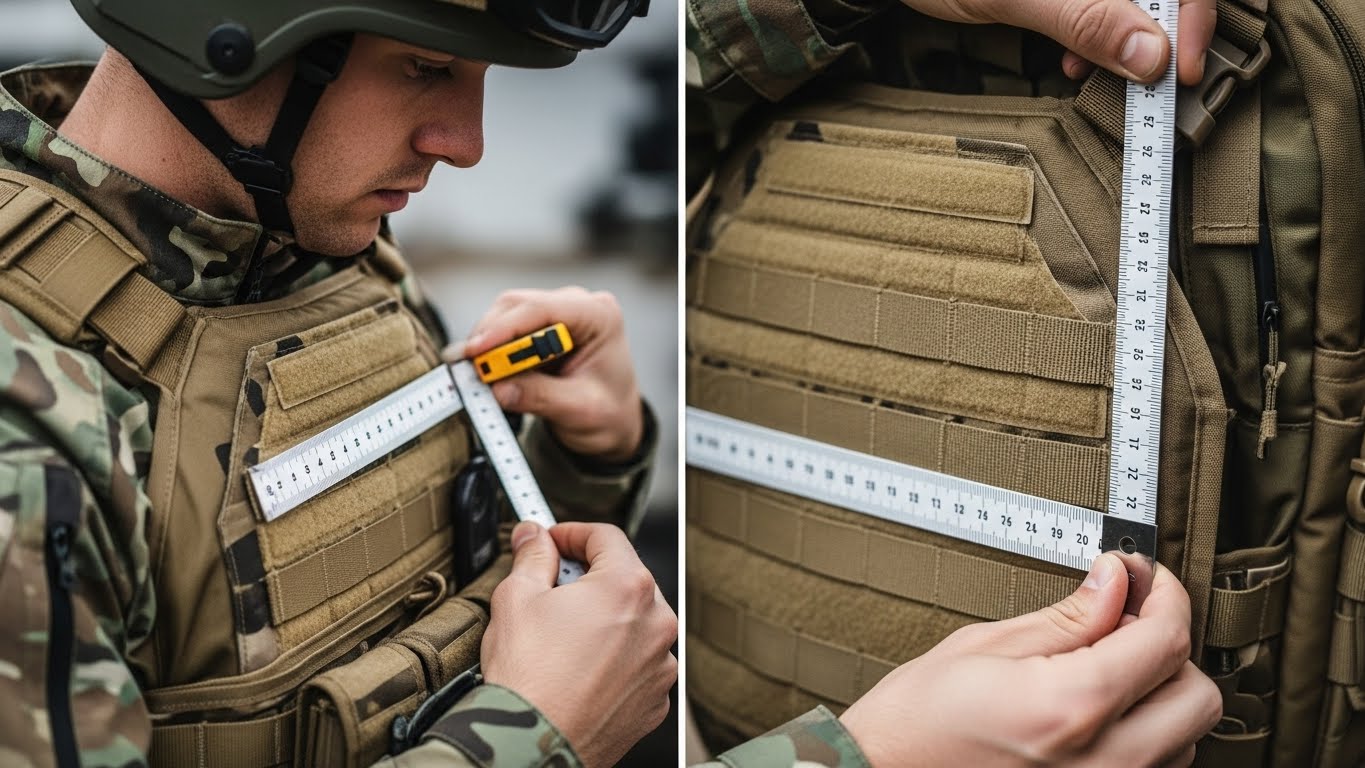
How to Measure and Select the Correct Size?
While the 1x5 velcro name patch is a common default, you should always verify the size of the loop field (the "fuzzy" side) on your specific gear. Use a ruler to measure the height and width of the velcro panel on your plate carrier, backpack, or uniform. Your patch should be slightly smaller than this panel to ensure a proper seal and prevent the hook backing from catching on other materials. For non-standard applications, such as a small identifier on a helmet or bag, custom sizes are always an option with a professional manufacturer.
Color, Contrast, and Symbolism
Visibility and meaning are conveyed through color. For standard operational uniforms, the text color is regulated (e.g., Coyote Brown on OCP). For other applications, contrast is key for quick identification. The thin blue line velcro name patch is a powerful example, using a black background with a blue center stripe and white text to show support for law enforcement. The design ensures high visibility and immediate recognition of its symbolic meaning. Always choose text colors that stand out clearly against the background fabric, whether it's Multicam, black, or navy blue.
Understanding Backing Systems: Hook & Loop is King
The backing is what makes a patch functional. For tactical and professional use, custom name tapes with velcro backing is the only logical choice. This system consists of two parts: the hookloop (the soft, fuzzy side) is sewn onto the uniform or gear. This allows for:
Iron-on backing is insufficient for field use, and sew-on backing, while permanent, lacks flexibility. For modern personalized military velcro patches, a professionally applied hook backing (both adhesive and stitched for security) is non-negotiable.
Creative and Personal Applications
While functionality is paramount, name tapes and patches also offer room for personal expression and team building.

Informal and Team-Building Patches
Not all patches are for the field. A hello my name is velcro patch is a fantastic tool for corporate retreats, large training events, conferences, or even as a lighthearted addition to a work backpack in a large office. It breaks the ice, encourages interaction, and can be customized with colors and fonts that match company branding. It leverages the familiar utility of the velcro system for a completely different, social purpose.
Alternative Materials for Specific Needs
When nylon or polyester twill isn't the right fit, other materials step in.
Quality Assurance: Avoiding Common Pitfalls
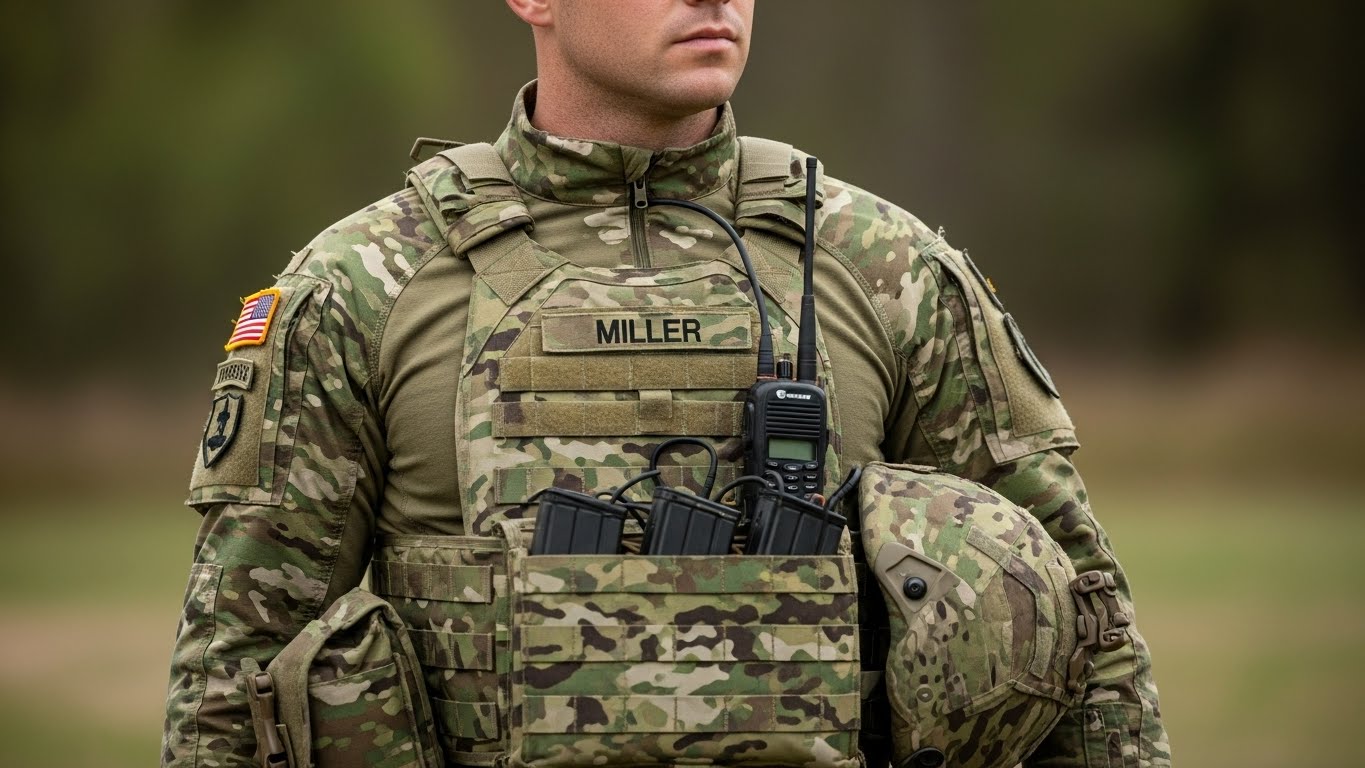
The difference between a patch that lasts for years and one that fails in months often comes down to a few critical details.

Precision, Compliance, and Durability in Every Patch
At Maxemblem, we understand that a name tape is a critical point of interface between the individual and their gear. For twenty years, we've specialized in producing custom multicam name tapes that meet exacting military and tactical standards. This means sourcing officially licensed camouflage fabrics, utilizing high-density embroidery and industrial hook-and-loop backing, and adhering to precise service-specific fonts and dimensions. Whether you need a bulk order of marine corps velcro name patches or a single, specialized flight suit velcro name patch, our process is built on a foundation of material integrity and manufacturing precision. Learn more about our commitment to producing professional-grade identification solutions.
Frequently Asked Questions
Will my custom multicam name tapes match my official OCP uniform perfectly?
Yes, provided they are manufactured using officially licensed OCP (Operational Camouflage Pattern) fabric. Reputable manufacturers source this specific fabric to guarantee that the color shades, pattern scale, and pixelation align exactly with the uniform issued by the U.S. Army and Air Force. Using generic "Multicam" or off-brand fabric will result in a visible mismatch. When ordering custom multicam name tapes for regulation uniforms, always confirm that the supplier uses licensed material for a perfect match.
Where should I place a 1x5 velcro name patch on my tactical gear?
The 1x5 velcro name patch is designed for the standardized hook-and-loop panels found on the front of plate carriers and chest rigs. The most common placement is on the upper chest, either on the dominant side (for quick identification) or centered. Many packs also have a similar-sized loop field on the front or top for identification. Always ensure the loop field on your gear is clean of debris for maximum holding power. If your gear lacks a loop field, you can purchase and sew on a loop panel to create a mounting point for your patch.
Why are embroidered name tapes generally more durable than printed ones?
Embroidery Patches are created by stitching hundreds of durable polyester threads directly into a heavyweight fabric backing. This creates a physical, raised structure that is highly resistant to abrasion, fraying, and fading from UV exposure. The color is in the thread itself. Printed patches use ink or dye applied to the surface of a fabric. This layer can crack, peel, or fade over time, especially with frequent washing, sun exposure, or abrasion. For custom name tapes with velcro backing that will see hard, frequent use, embroidery is the recommended choice for long-term durability and legibility.
Do you offer rush production for urgent orders?
Absolutely. We understand that deployments, training cycles, and special events often operate on tight deadlines. We offer expedited production services, such as Priority Shipping, which can produce standard embroidery patches in as few as 3 business days. When you have an urgent need for personalized military velcro patches or flight suit velcro name patch orders, communicate your required delivery date during your initial inquiry. We will work to prioritize your project and provide the fastest possible turnaround without compromising on quality.
What type of name tape is best for maritime or constantly wet environments?
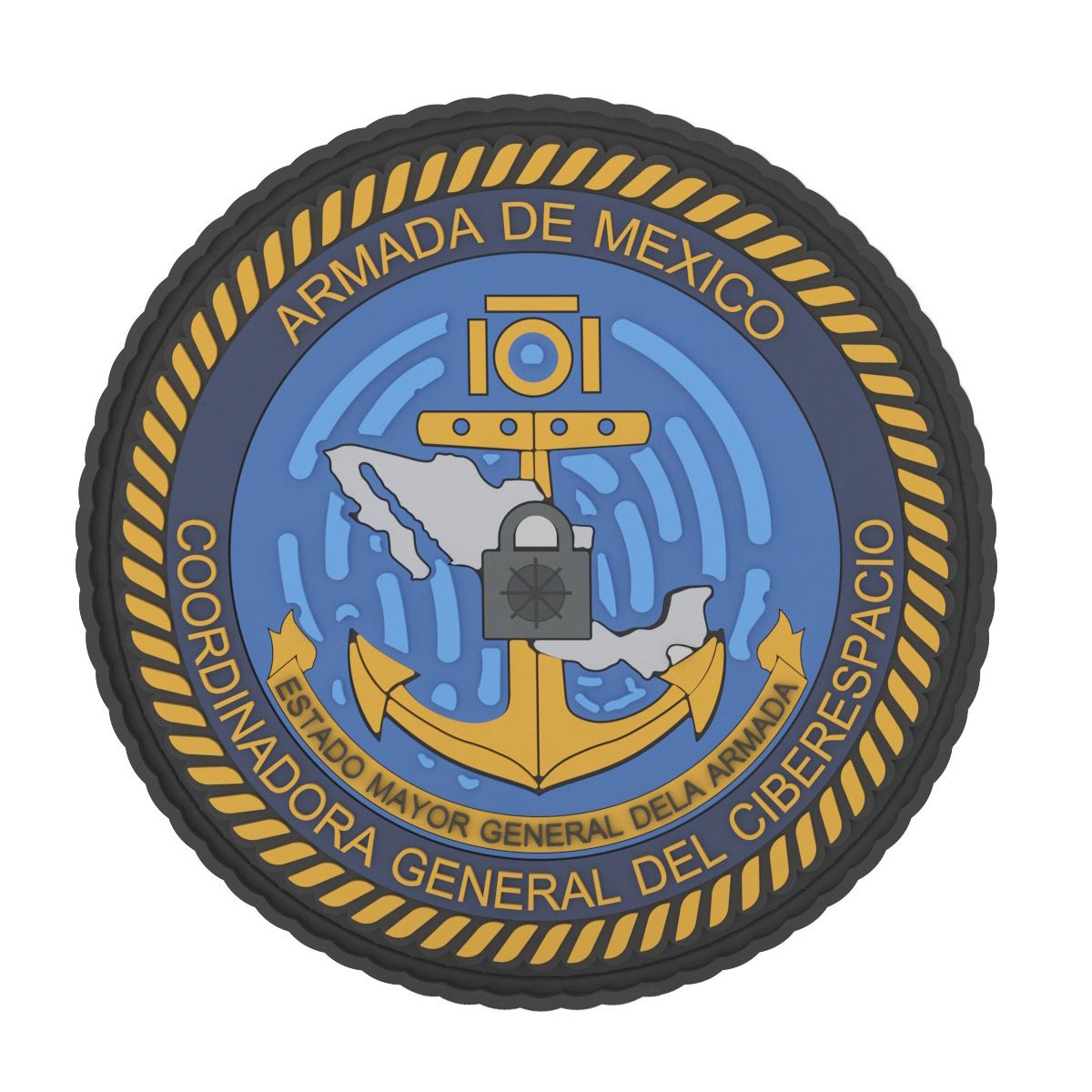
For environments with constant moisture, saltwater, or high humidity, traditional fabric name tapes can retain water, mildew, and degrade. In these cases, PVC patches are the superior solution. Molded PVC is completely waterproof, non-porous, and resistant to mold and UV degradation. A PVC patch with a heat-welded velcro backing can be rinsed with fresh water and will dry instantly, maintaining its shape and color integrity indefinitely. This makes it the ideal choice for maritime units, rescue swimmers, or any application where gear is routinely exposed to wet conditions.