Sign in
Create Your Account
Create My Account
Sign In
Create Your Account
Get functional custom tactical vest patches—velcro blood type, ID & plate carrier patches. Durable PVC/TPU materials for operational safety & identification.

In tactical operations, milliseconds and millimeters matter. Gear is not about aesthetics; it's about performance, survival, and communication. Among the most critical yet often overlooked components are the patches adorning a plate carrier or tactical vest. A custom velcro blood type patch isn't a decoration—it's a potential lifesaver for medics. A clear custom plate carrier id patch prevents blue-on-blue incidents in chaotic environments. This guide is written for operators, unit leaders, and serious preparedness enthusiasts who understand that every piece of gear must earn its place.
We will dissect what makes a truly functional custom velcro patches for tactical vest, from material science and manufacturing expertise to the specific design considerations for custom id patches for tactical vests. Whether you're looking to make your own tactical patch for a unit or procure reliable identification for a team, this resource provides the actionable intelligence you need.
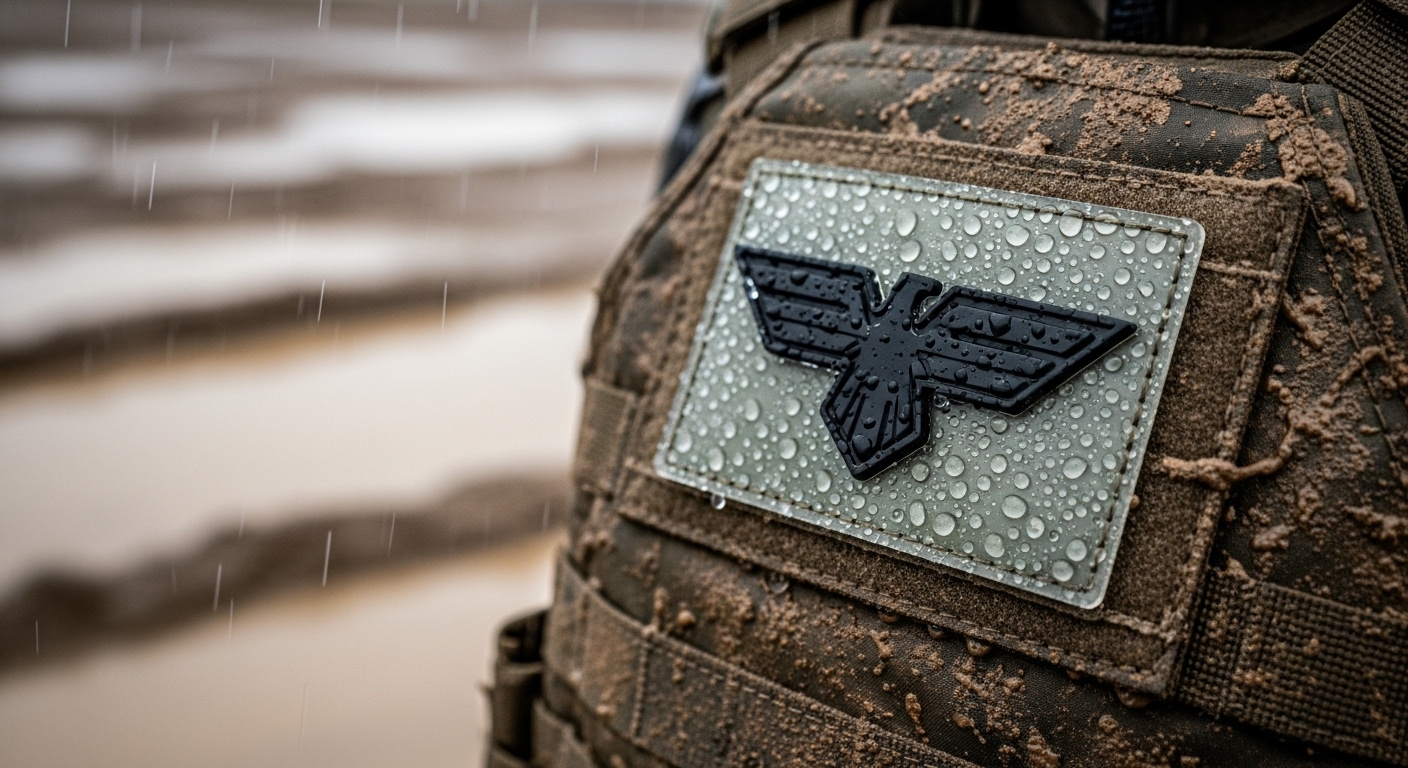
Evaluating a Manufacturer for Tactical-Grade Patches
The commercial patch market is vast, but the segment producing gear for genuine field use is narrow. The difference lies in a manufacturer's understanding of the operational environment and their commitment to unyielding standards.
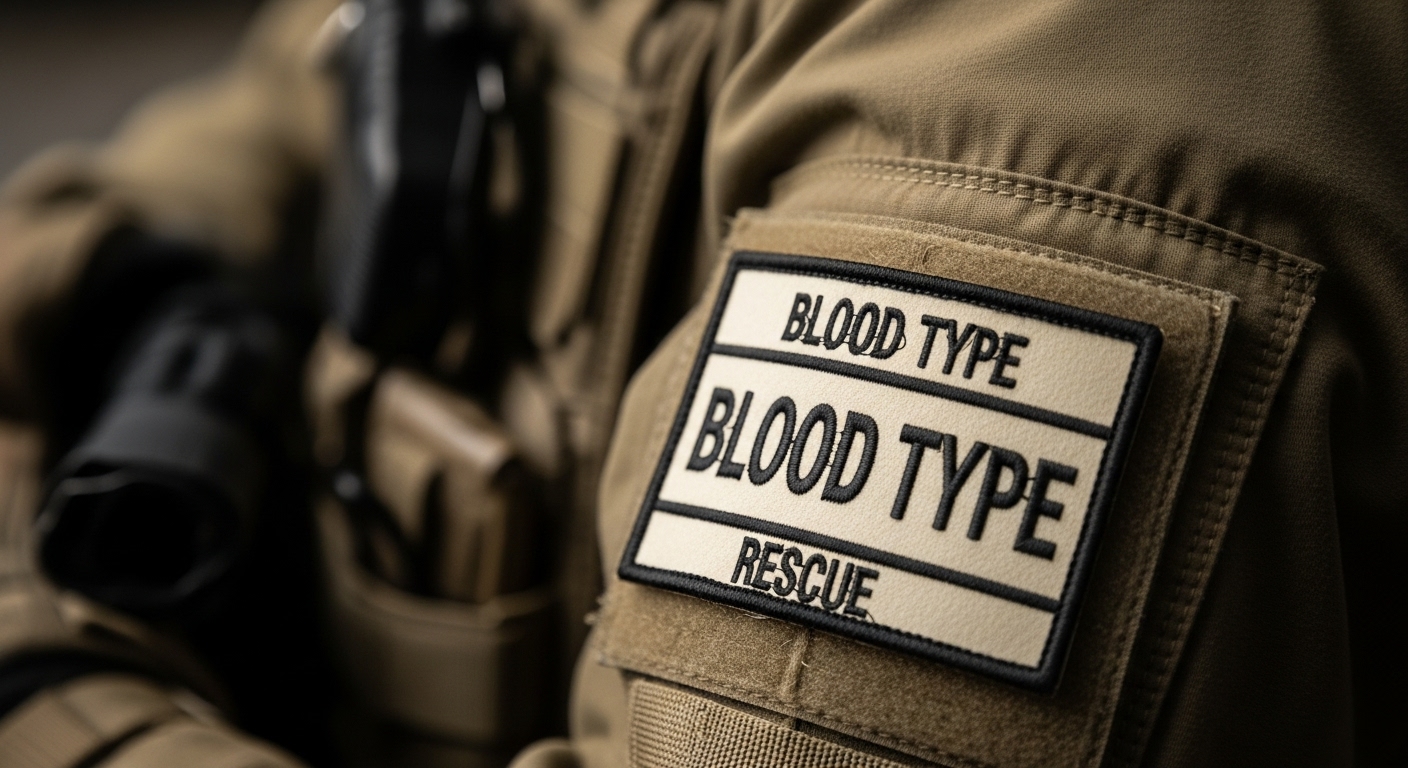
Mastery of Tactical-Grade Materials
Your vest faces mud, abrasion, moisture, UV exposure, and chemical contact. The patches on it must not only survive but remain legible. A manufacturer serving this market offers more than basic embroidery; they provide engineered solutions.
The right manufacturer will act as a consultant, guiding you to the material that best matches your operational profile, whether it's desert abrasion or jungle humidity.
Precision in Critical Information Customization
When the information on a patch can mean the difference between life and death, "good enough" is a failure. A manufacturer experienced with military, law enforcement, and SAR teams understands this intrinsically. Their process for creating custom velcro blood type patches or custom id patches for tactical vests is built on zero-tolerance for error:
Functional Enhancements and Backing Integrity
Functionality extends beyond the face of the patch. A specialist manufacturer offers options that enhance operational utility and ensures the patch stays attached.
Essential Considerations When Making Your Own Tactical Patch
Designing for the field requires a different mindset than designing for a convention. Here are the core functional categories and decisions.
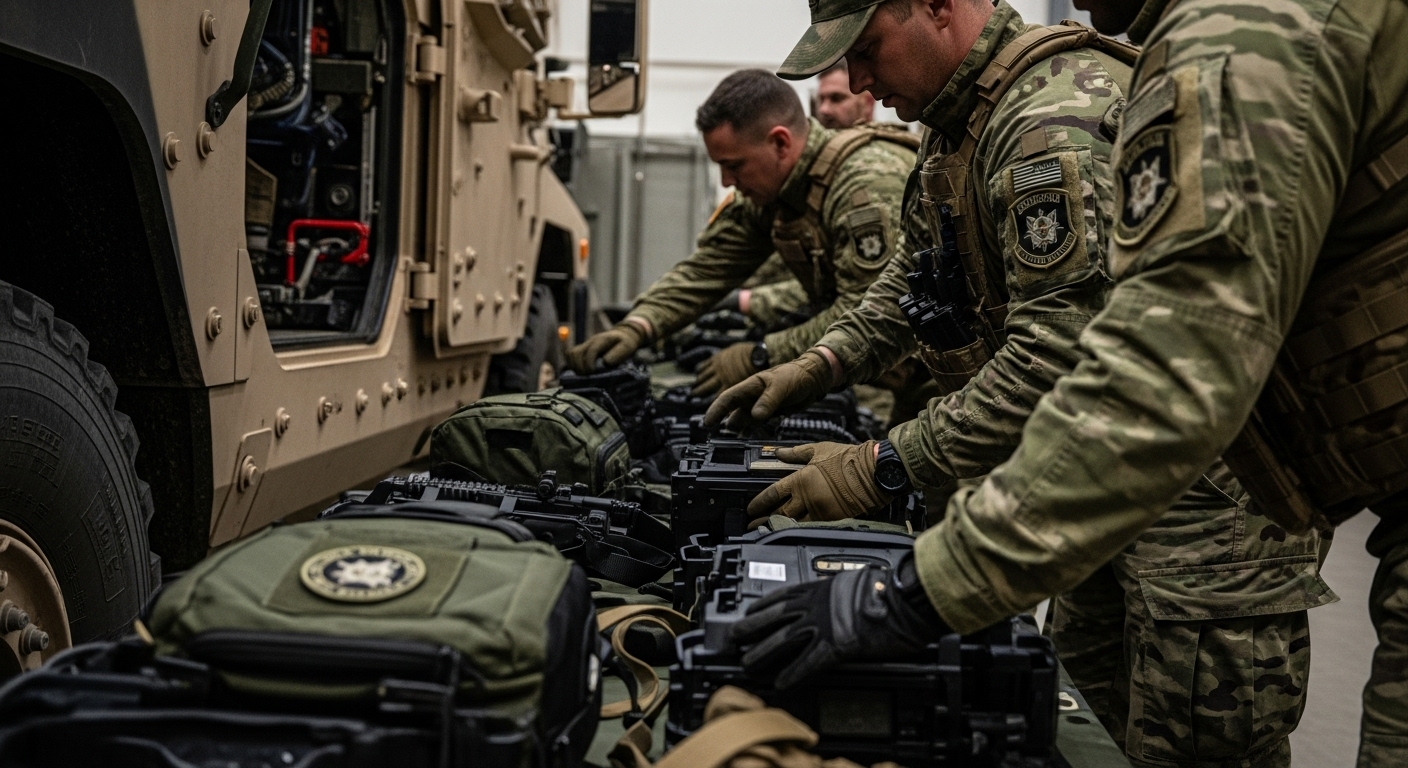
1. Critical Identification: Blood Type and ID Patches
These are non-negotiable for many teams. The custom velcro blood type patch follows a generally recognized format: the international medical symbol (a red cross, star of life, or caduceus) alongside bold, clear lettering for the blood type (e.g., "O+"). It should be placed in a standardized, easily accessible location on the vest, such as the upper chest or dominant shoulder.
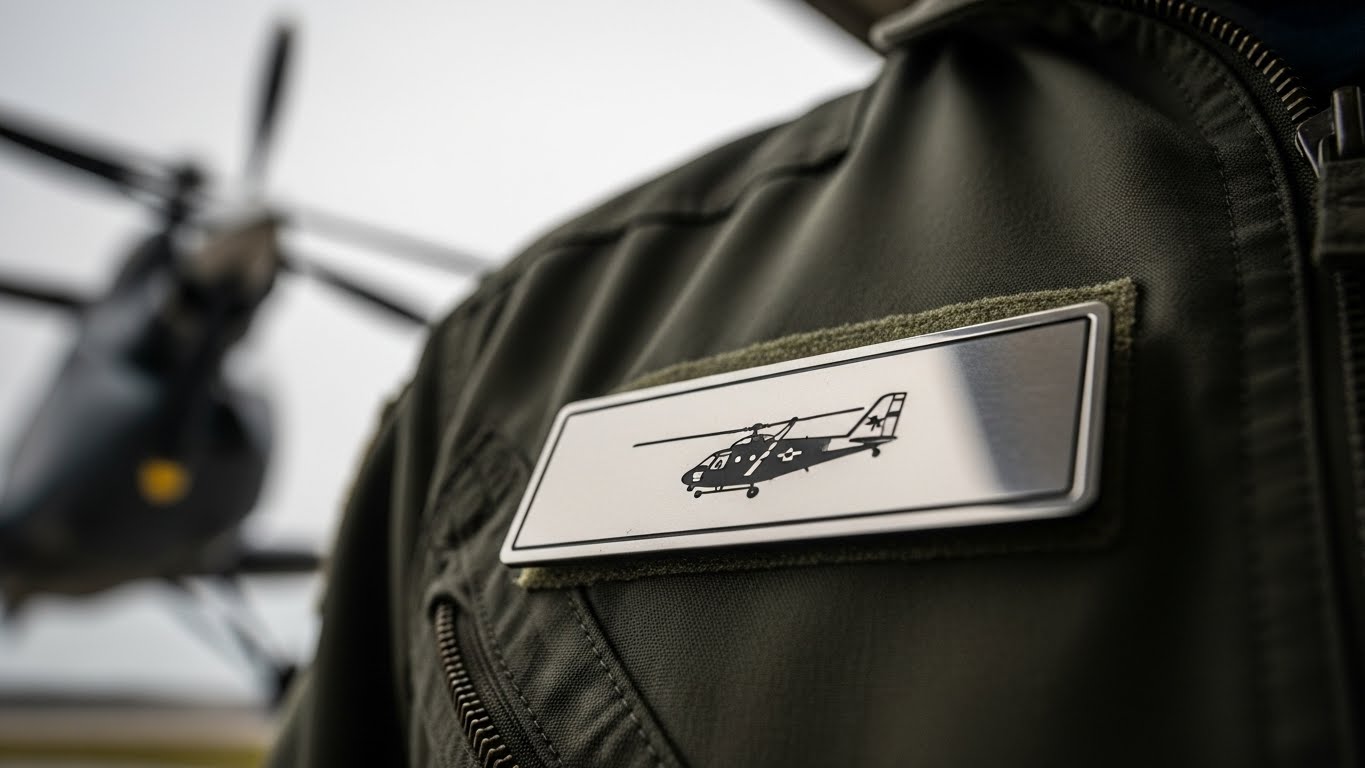
A custom plate carrier id patch or name tape serves dual purposes: immediate visual identification for team coordination and a placeholder for accountability. Common sizes range from 1" x 3" to 2" x 4". The design should include last name, and optionally first initial, rank, or call sign. Color should contrast with the vest fabric.
2. How to Choose the Right Material for Your Mission Profile
Your operational environment dictates material choice. Use this matrix to guide your decision:
Material |
Best For / Mission Profile |
Functional Advantages |
Key Limitation |
|---|---|---|---|
PVC |
All-weather operations, wet/dirty environments, high-abrasion use. |
100% waterproof, chemically inert, extremely durable, wipe-clean, best 3D detail. |
Rigid; less ideal for heavily curved surfaces. Slightly higher cost. |
TPU / Flex |
Operations requiring gear flexibility, curved plate carriers, or frequent bending. |
Extremely flexible and durable, maintains weather resistance, good abrasion resistance. |
May not hold ultra-crisp edges as well as rigid PVC. Softer surface can show scuffs. |
Embroidery |
Morale patches, unit insignia on uniform shirts, low-abrasion environments. |
Classic military look, good durability for standard wear, wide color range. |
Not waterproof, can snag, difficult to clean if muddy, fine detail limited. |
3. The Imperative of Hook-and-Loop (Velcro) Quality
This cannot be overstated. The hook backing must be industrial-grade, high-density nylon. Cheap hook tape will "mushroom" (the hooks deform and break) after repeated attachment cycles, losing grip. It must be permanently bonded:
Always specify that you need "tactical-grade" or "military-spec" hook backing. The difference in performance is dramatic.
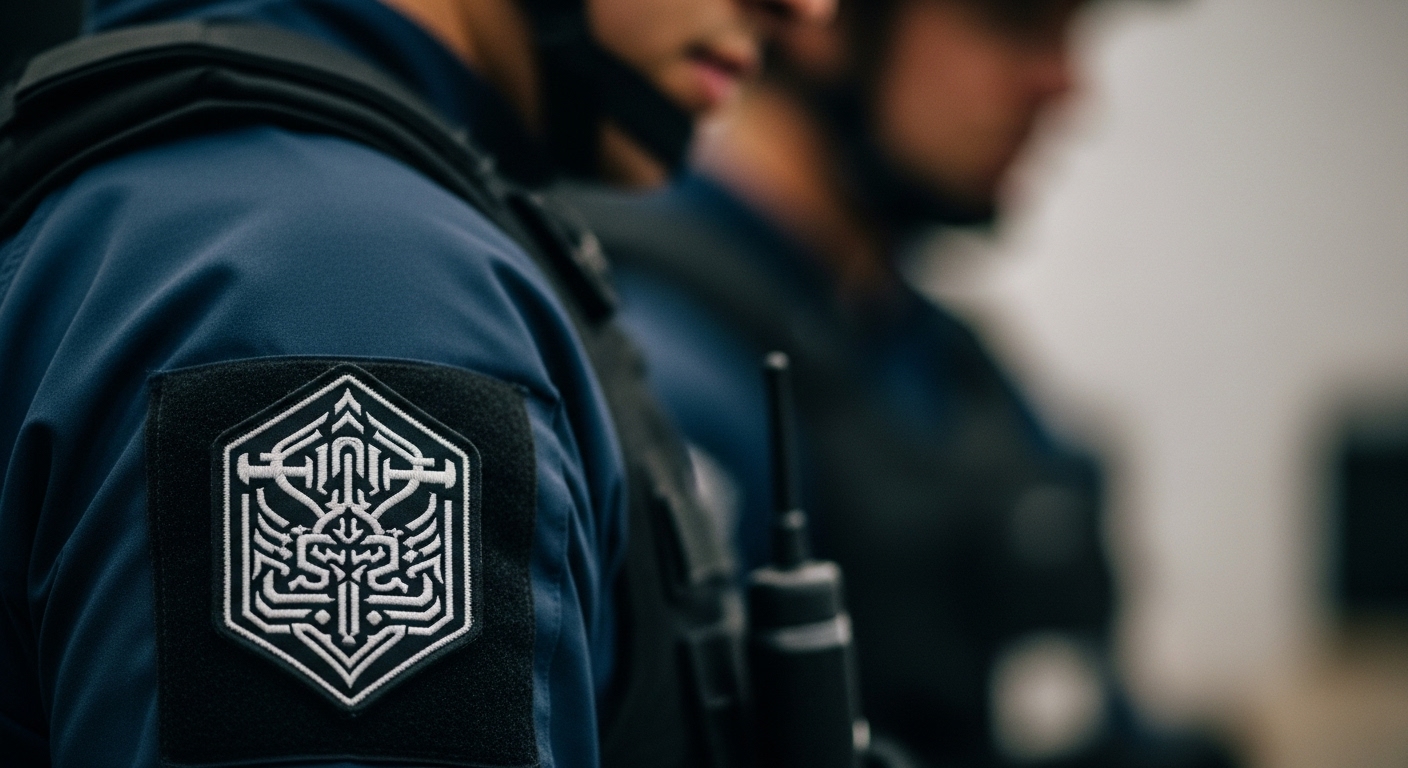
4. Standard Sizing and Placement Conventions
While customizable, adhering to common sizes ensures compatibility and a professional look. For custom velcro patches for tactical vest and plate carriers:
Measure the loop field on your gear before finalizing dimensions. A patch that overhangs the loop will not attach securely.
5. Leveraging Expedited Services for Operational Readiness
Training cycles, deployments, and new equipment issue don't wait. A manufacturer that understands operational timelines offers clear rush service options. For instance, Priority Shipping can produce PVC patches in approximately 7 business days and embroidery patches in as few as 3 business days. This capability allows units to rapidly integrate new patches for specific exercises or to replace damaged critical identification items without a lengthy delay.



Built for the Field, Backed by Experience
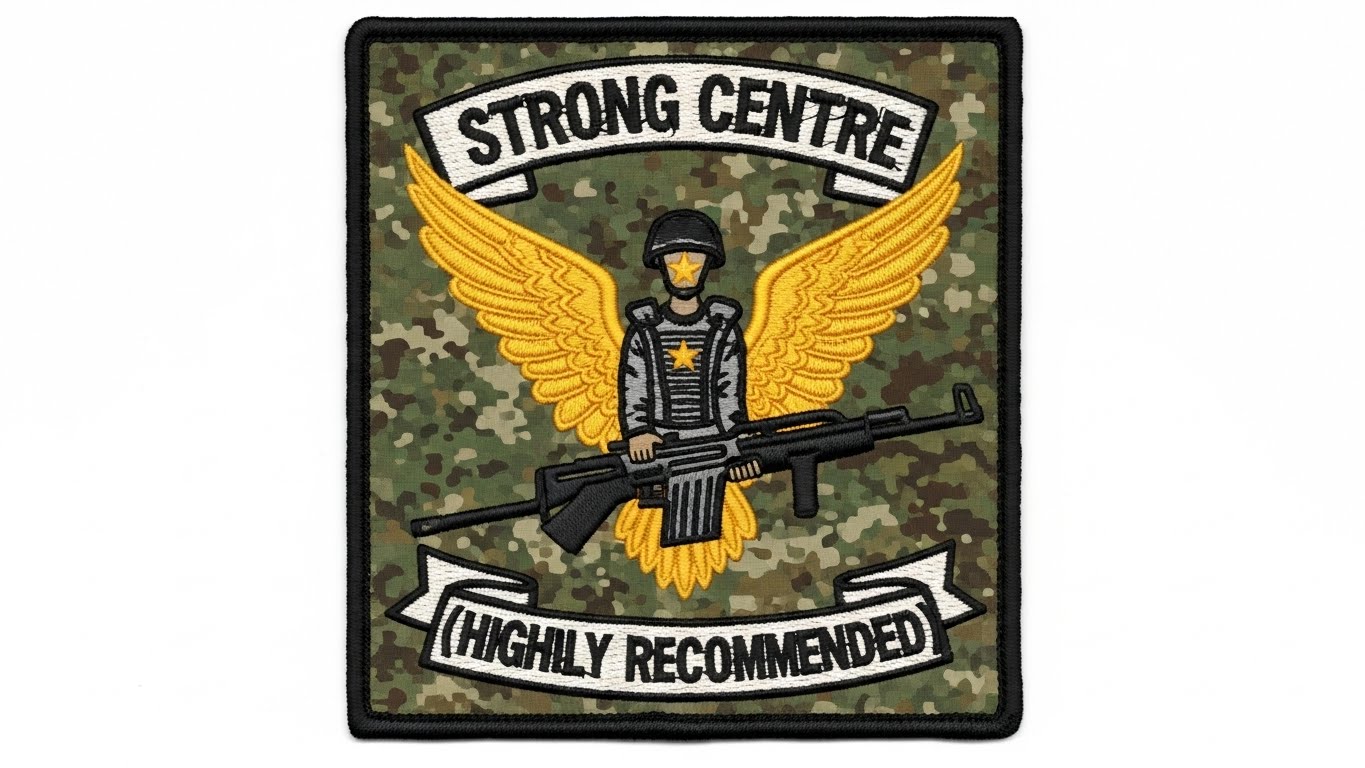
At Maxemblem, we engineer our custom velcro patches for plate carrier and tactical vests with the understanding that they are part of your mission-critical equipment. Our two decades of manufacturing have been defined by partnerships with users who cannot afford compromise. This means sourcing only tactical-grade materials, employing welding and stitching techniques that guarantee backing integrity, and maintaining a production flow agile enough to support both planned procurements and urgent needs. We provide the tools and expertise for you to make your own tactical patch that meets the uncompromising standards of field use.
Frequently Asked Questions
What are the most common sizes for custom velcro patches for tactical vests?
The most universal size is the 2" x 3" rectangle, which fits the loop fields on the vast majority of plate carriers and is the standard for national flag patches. For custom id patches for tactical vests (name tapes), the range is typically 1" x 3" to 2" x 4". Custom velcro blood type patches are often slightly smaller, around 1.5" x 2" or in a 2" square format. It is always best to physically measure the loop panel on your specific vest or carrier before finalizing your design to ensure a perfect, secure fit with no overhang.
Which is better for a tactical vest: PVC or embroidered patches?
For critical function patches (ID, blood type, medical, unit designations) on an operational vest, PVC is overwhelmingly the better choice. It is waterproof, chemically resistant, can be instantly wiped clean of mud or blood, and its molded details remain legible under adverse conditions. Embroidery, while durable for uniform wear, is porous, can retain contaminants, and its raised threads are more prone to snagging on vegetation or gear. Embroidery is perfectly suitable for "morale" or non-critical patches on a vest, but for mission-essential identification, PVC's functional advantages are decisive.
Do you offer custom velcro blood type patches with reflective or glow-in-the-dark material?
Yes, functional enhancements like reflective tape borders or glow-in-the-dark pigments are available from manufacturers specializing in tactical gear. For a custom velcro blood type patch, a common and effective configuration is to have the critical text and symbols made with glow-in-the-dark material, allowing for quick location and identification in low-light conditions after exposure to light. Reflective strips can be added as borders. These features add a layer of safety and functionality for night operations or low-visibility environments. When requesting a quote, explicitly ask about these options and provide details on your specific requirements.