Sign in
Create Your Account
Create My Account
Sign In
Create Your Account
Clothing brands use custom patches (embroidery, leather, PVC) to boost product value, build brand identity, and stand out from fast fashion.

In an era dominated by fast fashion and lookalike collections, differentiation has become the ultimate challenge for clothing brands. The difference between a forgotten garment and a coveted piece often hides in the details—specifically, the art of branded patches. These small yet powerful emblems act as physical anchors of identity, transforming ordinary apparel into designer statements. At Maxemblem, we’ve evolved from a conventional factory into a holistic solution integrator, partnering with global brands, independent creators, and enterprises to bring custom patch visions to life—from initial sketch to final delivery. With two decades of specialized craftsmanship, we help brands harness the silent language of patches: a language that speaks of quality, belonging, and unmistakable style.
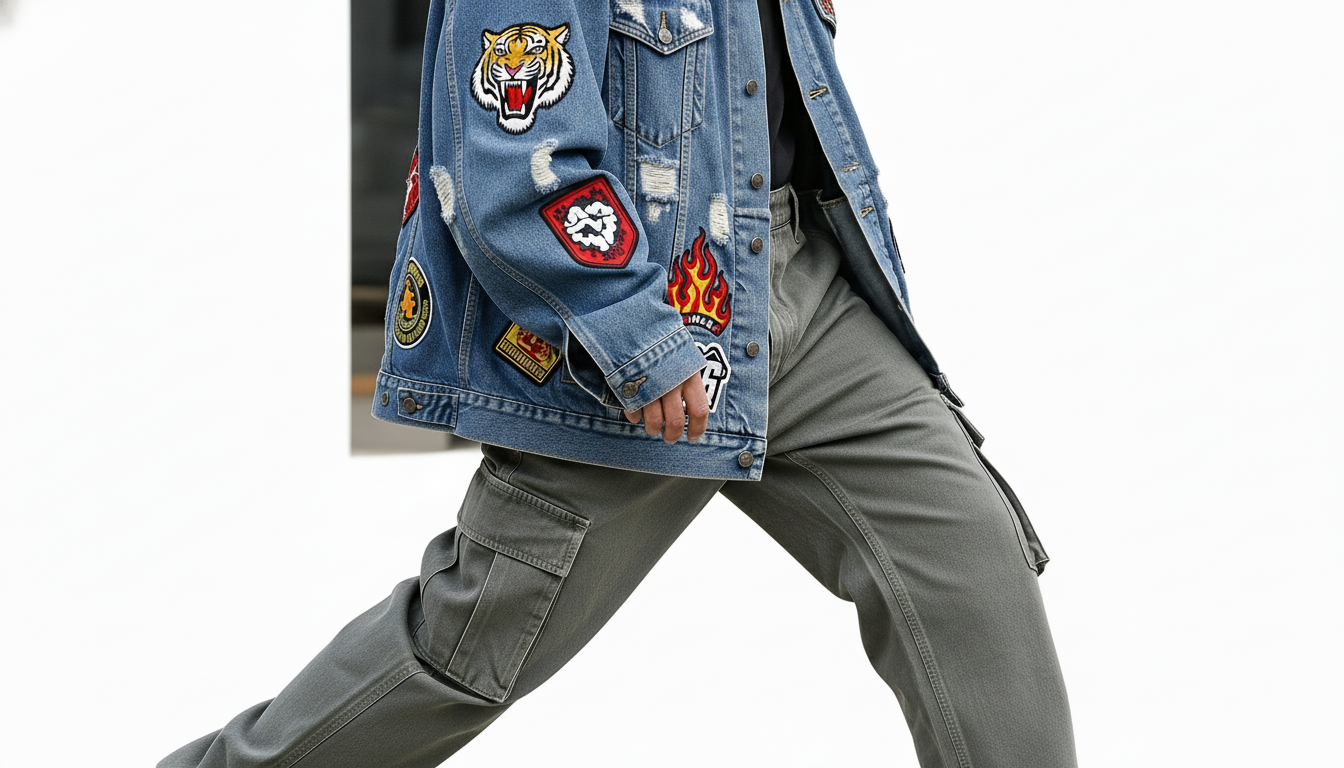
Why Do Custom Brand Patches for Clothes Unlock Premium Value?
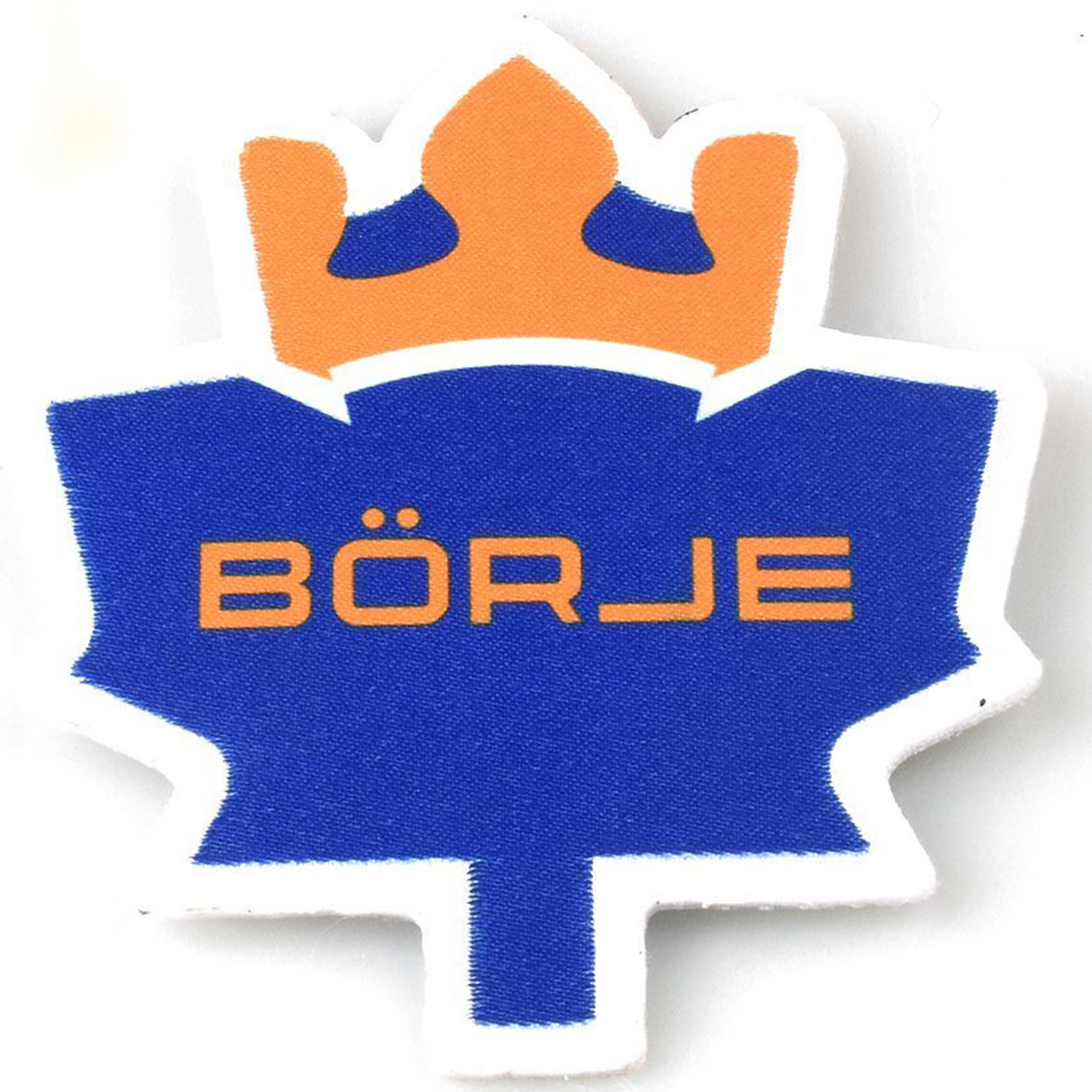
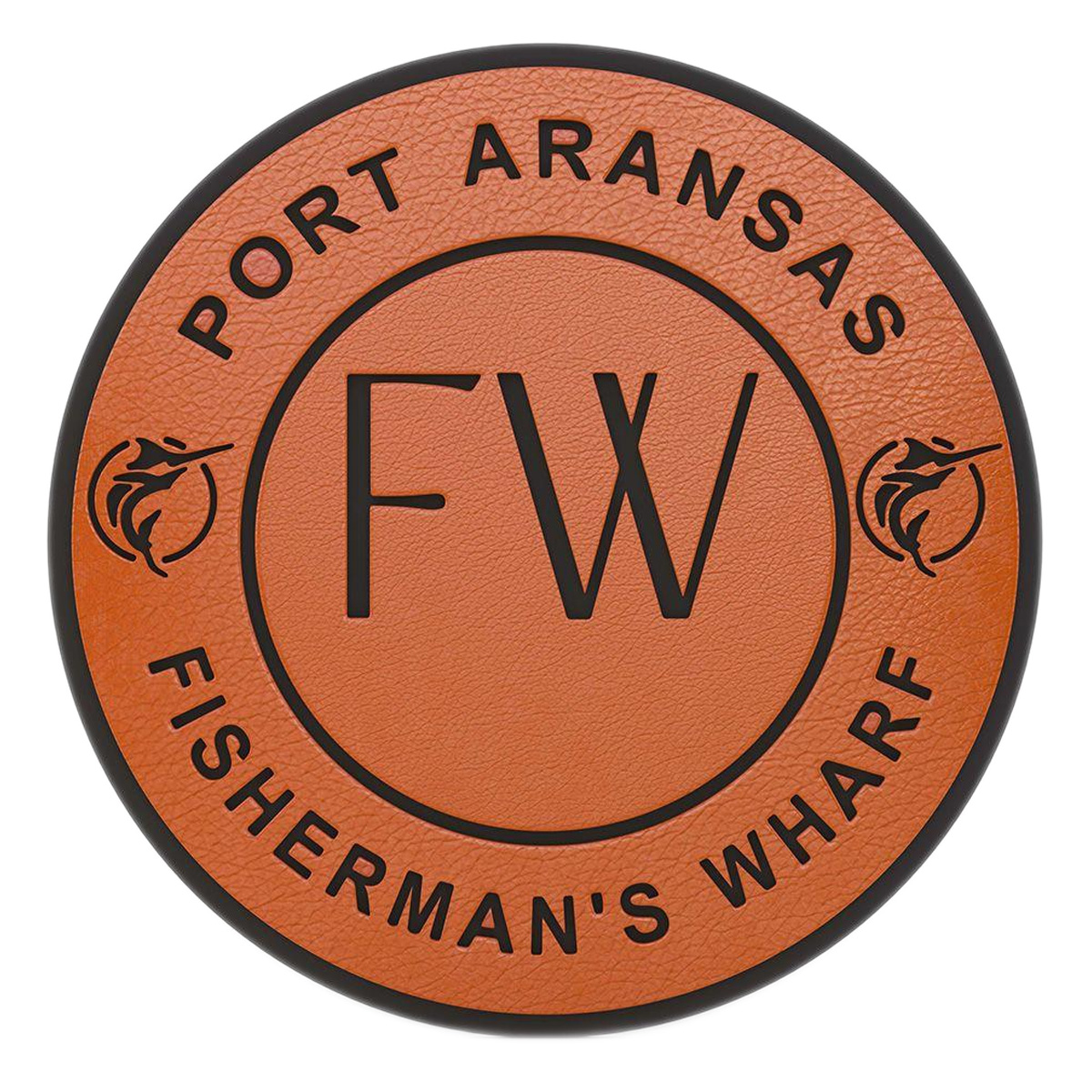
Consumers today crave authenticity and a sense of connection. A well-executed brand patches for clothes strategy does more than just label a product—it builds a narrative. Whether it’s a limited-edition collection or a signature logo, patches add a layer of perceived exclusivity. Embroidery patches bring a heritage-rich texture that resonates with nostalgia, while leather patches instantly elevate denim jackets or workwear into heirloom-quality pieces. For instance, a leather patch with debossed gold foil on premium selvedge jeans signals artisanal care. Moreover, patches enable storytelling: they can represent a brand’s founding year, a collaborative artist, or a special cause. This emotional resonance justifies higher price points and fosters customer loyalty. From a merchandising perspective, patches also reduce production complexity: instead of intricate all-over prints, a focused, high-end garment branding approach using patches can deliver maximum visual impact with minimal waste.
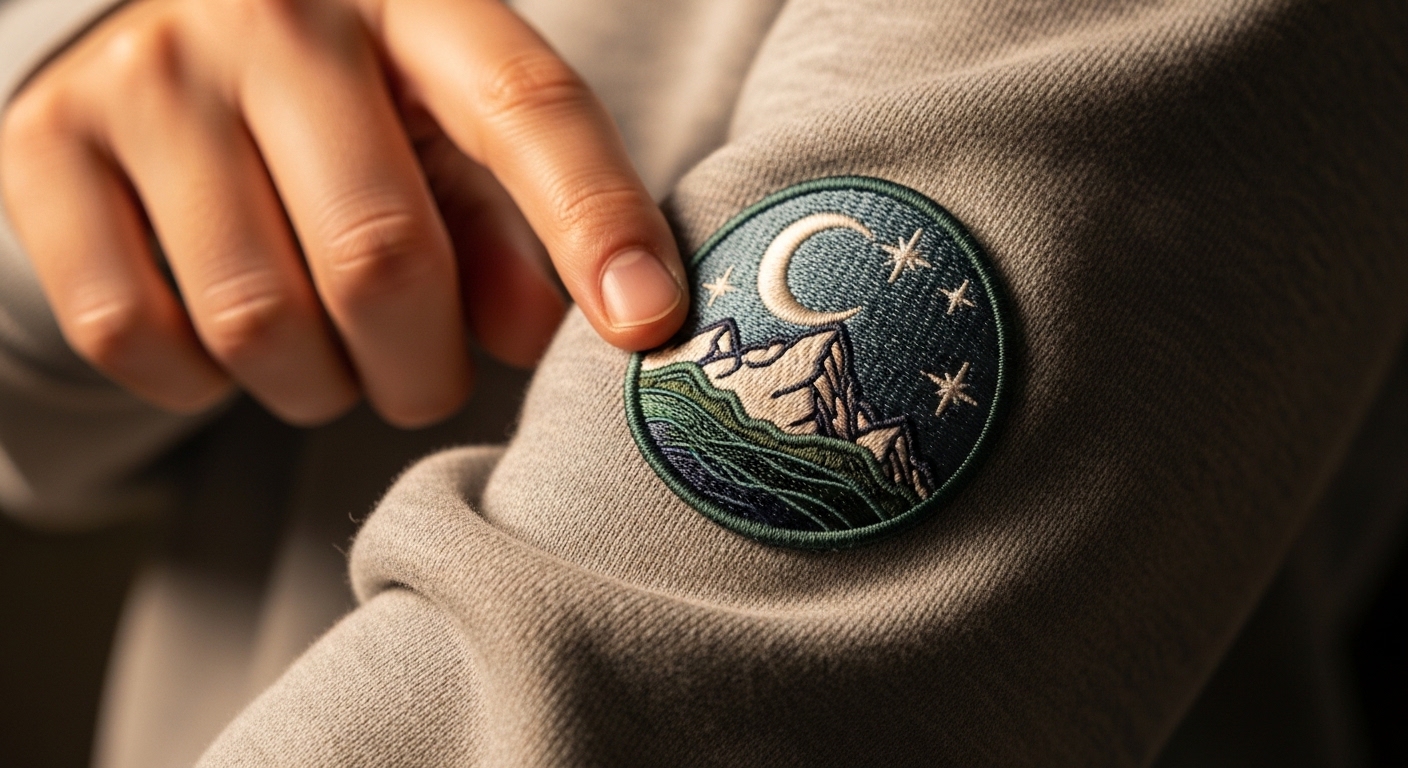
What Makes Patches a Powerful Tool for Brand Identity?
Patches act as mobile billboards, yet they’re intimate—they belong to the wearer. When a clothing brand integrates clothing brand patches that reflect its core ethos, it invites customers to become part of a tribe. This is especially true for streetwear labels leveraging chenille patches for varsity jackets, or outdoor brands using durable PVC patches that withstand harsh environments. The tactile experience—running fingers over raised embroidery or smooth silicone—creates a subconscious perception of quality. Moreover, patches are versatile: they can be removable (via Velcro) for modular styling, or permanently stitched to convey permanence. In either case, they allow brands to test market responses with small-batch releases without overcommitting inventory. The result is a brand identity that feels both curated and adaptable.
Visual & Tactile Upgrade: The Sensory Edge
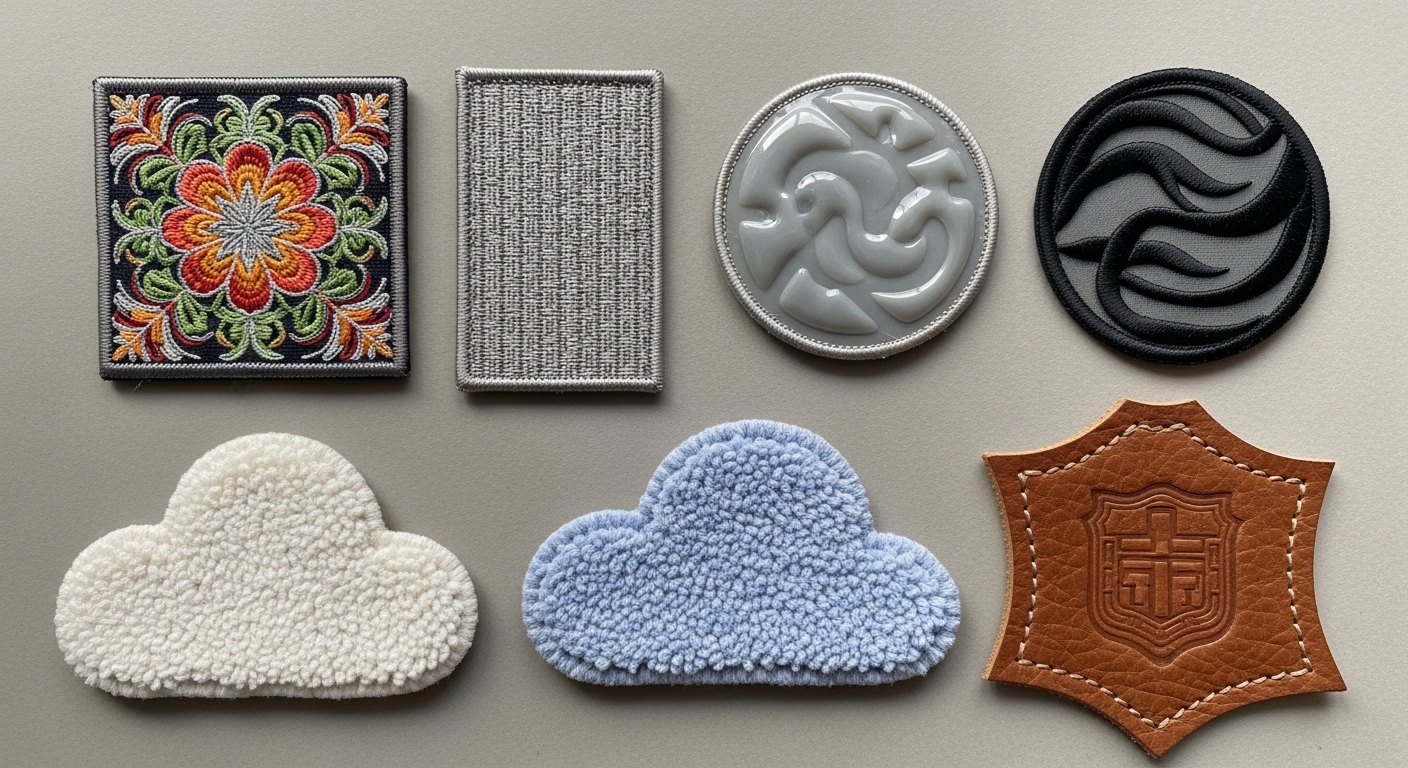
Standard screen-printed logos flatten brand expression; in contrast, patches introduce dimensionality. Brand embroidery patches offer a classic, premium hand-feel that elevates polo shirts, caps, and outerwear. Meanwhile, leather patches on jeans or canvas bags develop a unique patina over time—a quality highly prized by denim enthusiasts. At Maxemblem, we’ve seen how a simple change from printed label to a woven patch with metallic thread can shift a hoodie from commodity to collector’s item. The combination of color, texture, and finishing (such as merrow borders or laser-cut edges) gives designers creative freedom that aligns perfectly with luxury or avant-garde positioning. This multisensory branding is exactly what modern consumers subconsciously seek: garments that feel as good as they look.
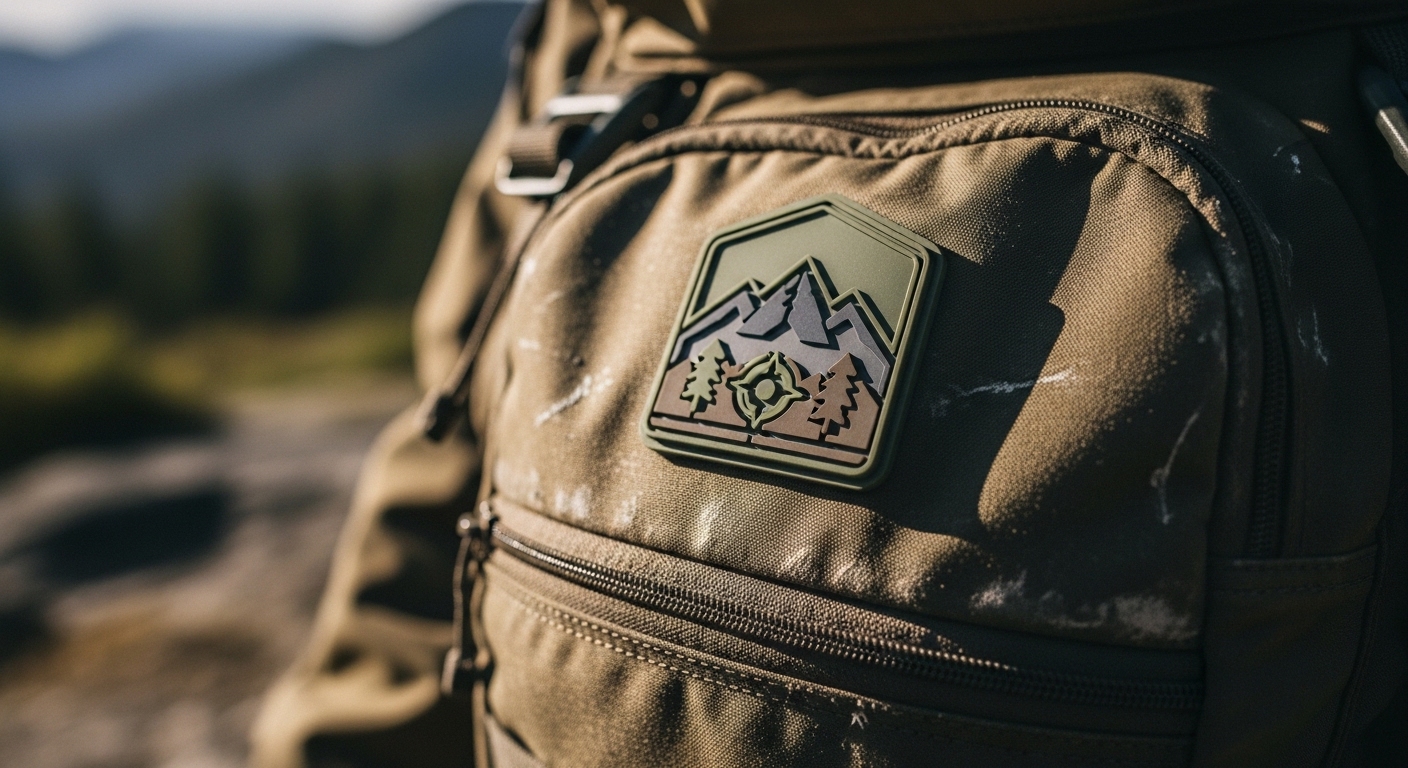
Diverse Patch Solutions: Matching the Right Style to Your Brand DNA
Not all patches are created equal; selecting the right material and construction is crucial to conveying the intended brand message. Below we break down patch categories by brand archetype, ensuring that your name brand patches align with your aesthetic and functional requirements.
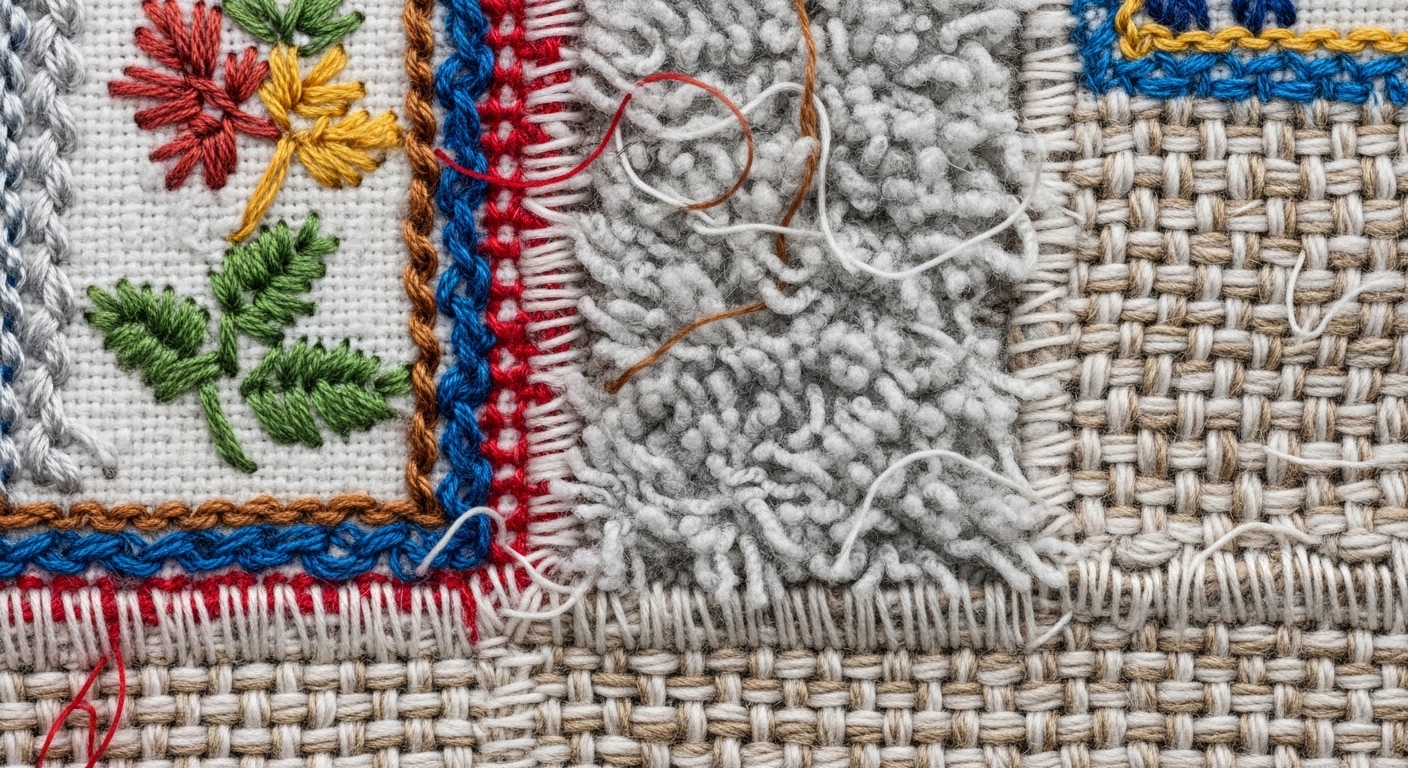
Streetwear & Urban Labels: Bold, Plush & Expressive
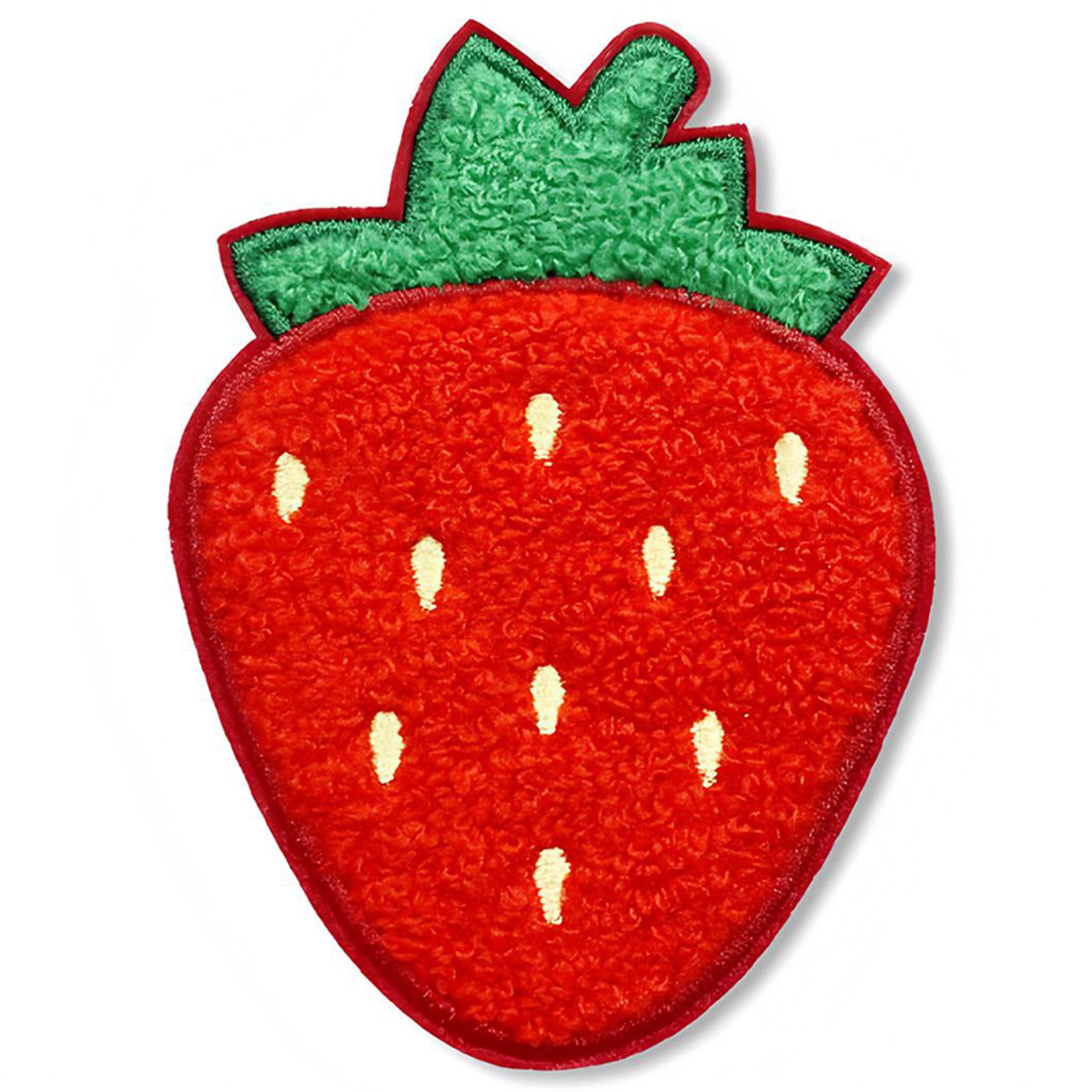
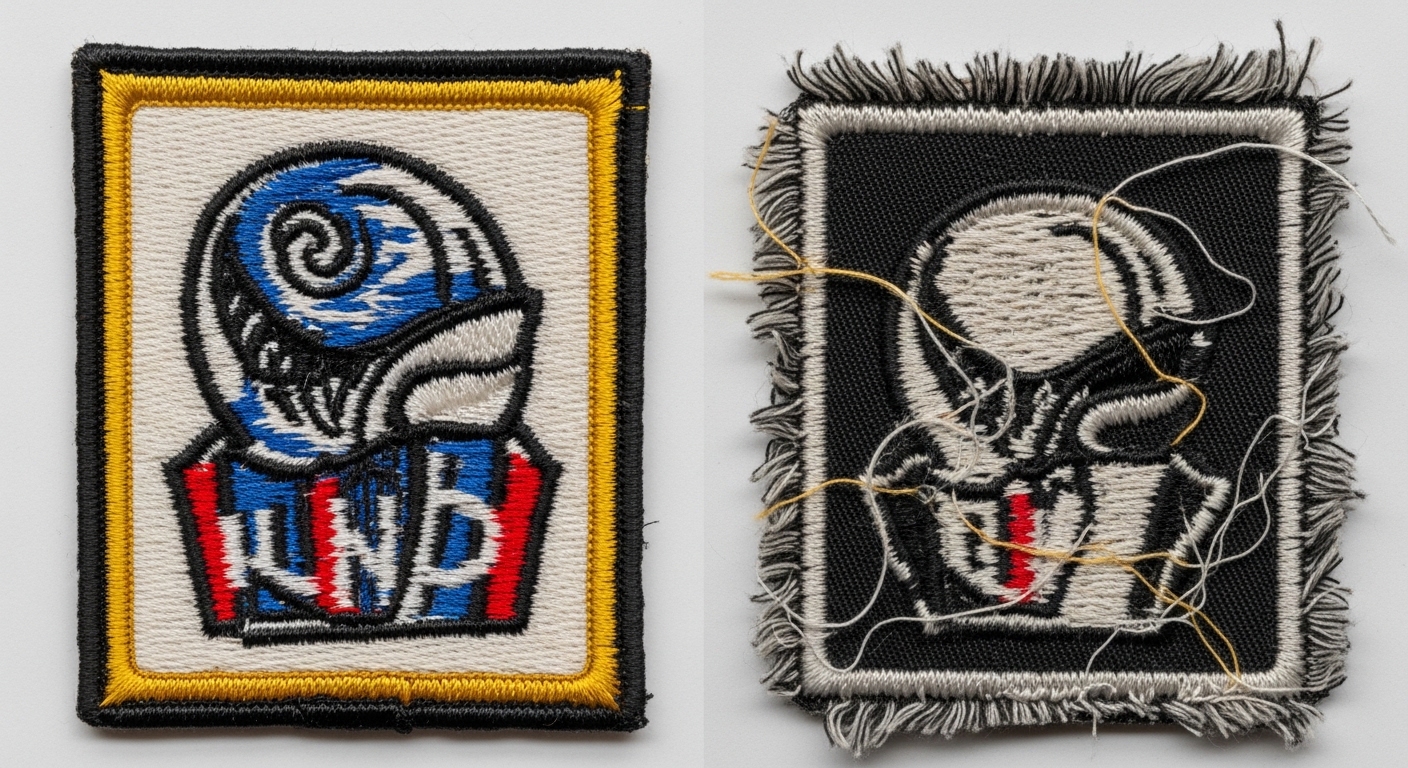
For streetwear brands that thrive on energy and individuality, chenille patches (also known as felt patches) deliver a fuzzy, dimensional look that screams vintage sports culture. They’re ideal for snapbacks, hoodies, and letterman jackets. Combined with chain-stitch embroidery, these patches become a statement of rebellion and nostalgia. Additionally, 3D puff embroidery adds dramatic relief for logos that need to pop. Maxemblem’s design team can help translate even the most intricate graffiti-style artwork into high-impact patches without losing sharpness.
Outdoor & Performance Gear: Built for the Elements
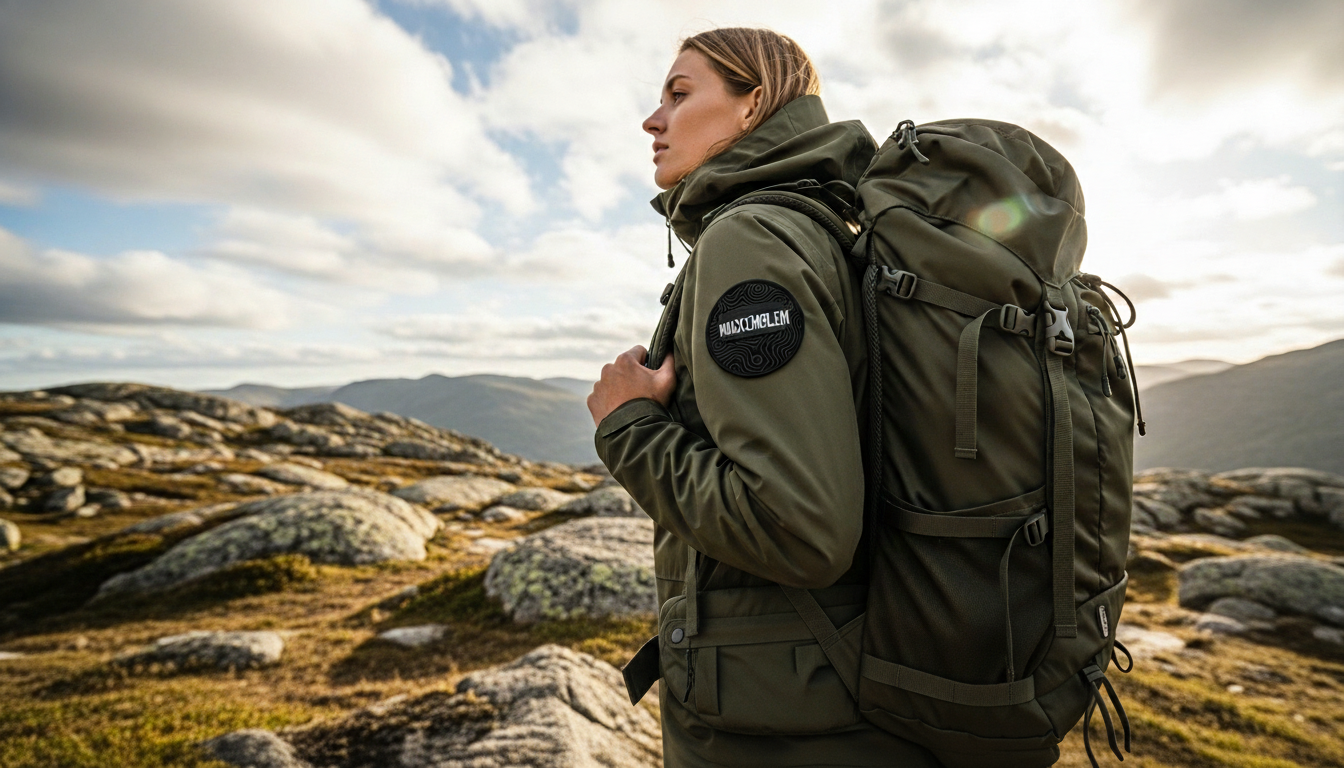
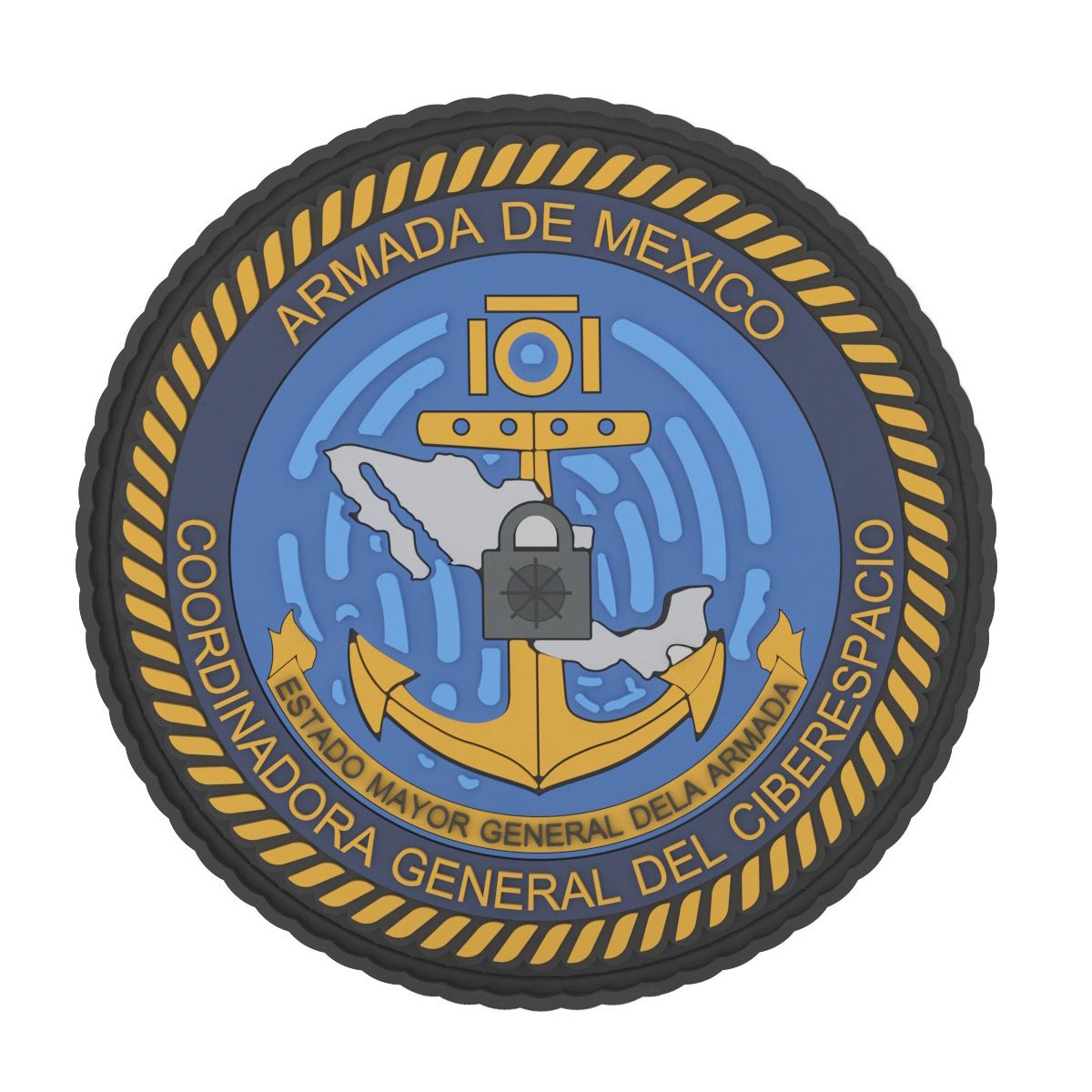
When durability matters most, TPU/flex patches and PVC patches are the industry standard. These materials are waterproof, UV-resistant, and flexible—perfect for tactical gear, hiking backpacks, and workwear. Unlike embroidered patches that may fray over time, PVC patches maintain their shape and color after extreme use. They also allow for undercuts and 3D detailing that give a rugged, modern look. For brands targeting adventurers, this choice reinforces reliability and toughness.
High-End & Contemporary Fashion: Subtle Elegance
Luxury labels demand precision. Woven patches are the pinnacle of fine detailing, supporting extremely fine lines, gradients, and complex designer brand patches motifs that cannot be achieved with traditional embroidery. Woven polyester threads create a smooth, satin-like finish that feels seamless against fine fabrics like silk or merino wool. For blazers, blouses, or premium knitwear, woven patches convey understated sophistication. At Maxemblem, we also offer custom finishing like folded edges or heat-seal backing for a clean, no-stitch look that keeps the garment’s drape untouched.
How to Streamline Production: From Design Sketch to 5-Day Rush Delivery
One of the biggest pain points for emerging and established clothing brands is speed—especially when facing influencer drops, seasonal deadlines, or event-specific merchandise. Traditional manufacturing often involves long lead times and rigid MOQs. Maxemblem addresses this with agile workflows: our integrated design-to-delivery system supports custom apparel solutions that compress timelines without sacrificing quality. 90% of our orders achieve on-time delivery, even for complex projects. For brands needing urgent samples, our rapid prototyping service delivers physical patch samples within 5 business days—allowing designers to touch, feel, and test before mass production. This is vital for small-batch testing, crowdfunding campaigns, or pop-up collections.
Design Optimization: Beyond Manufacturing
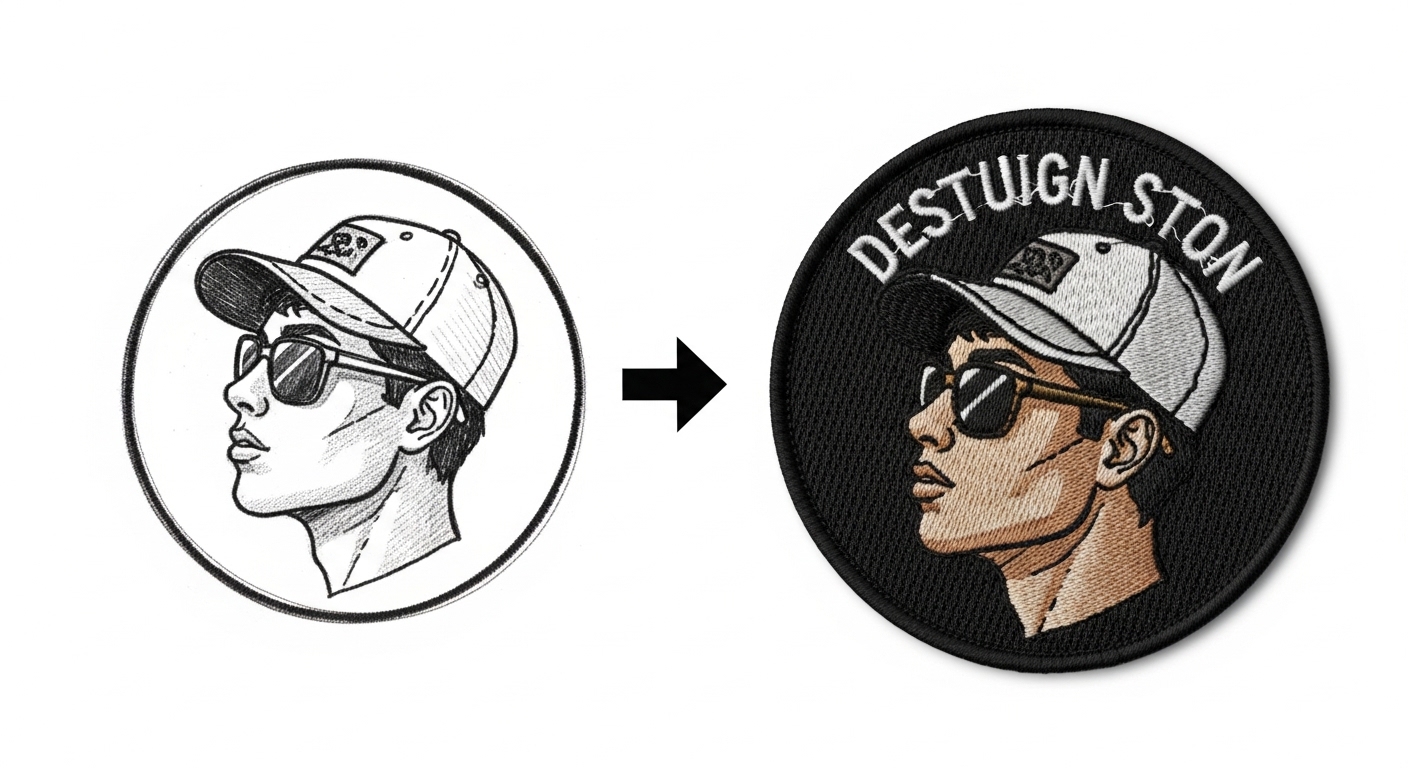
Many brands underestimate the importance of translating digital artwork into physical patches. Our in-house design team works collaboratively, offering guidance on stitch counts, color matching (Pantone), and backing types (sew-on, iron-on, Velcro). Whether you're developing blouse readymade patch work design for women's fashion or rugged motifs for utility wear, we ensure every detail is production-ready. This proactive approach prevents common pitfalls like design distortion due to thread tension or material shrinkage.
Efficiency & Scalability: From Sample to Bulk with Consistency
We’ve invested in automated laser cutting, high-speed multi-head embroidery machines, and rigorous quality control at every stage. For large orders, we maintain batch consistency so that the 10,000th patch matches the first sample. Additionally, our global logistics network ensures that brands in North America, Europe, and beyond receive shipments reliably. For urgent collections, our expedited air freight options reduce ocean freight delays, empowering brands to meet launch dates with confidence.
What to Consider When Choosing a Custom Patch Supplier?
Selecting the wrong vendor can damage brand reputation: poor colorfastness, shrinkage after washing, or inconsistent backing adhesion leads to returns and customer disappointment. To safeguard your brand equity, follow a structured evaluation framework.
Evaluation Factor |
What to Look For |
Red Flags |
|---|---|---|
Process Diversity |
Supplier offers multiple techniques: embroidery, woven, PVC, chenille, leather, printed patches. |
Only provides one type; unable to accommodate hybrid designs. |
Customization Capability |
In-house art team for digitizing; support for complex gradients, fine text, 3D effects. |
Outsources digitizing with slow revision cycles; rejects detailed artwork. |
Material Compliance & Durability |
Uses REACH/ROHS compliant threads, adhesives; provides wash test data (colorfastness up to 60°C). |
Vague about material origin; refuses to share testing standards. |
Global Logistics & Lead Time |
Clear timelines; proven track record for rush orders; transparent shipping options. |
Unclear delivery windows; hidden fees for express shipping. |
Critical Customization Decisions: Price, Size, Artwork & Process
When ordering custom patches, four factors often create confusion for first-time buyers. Understanding these will empower you to make informed decisions and avoid hidden surprises.
Low-volume orders often include a one-time setup charge because of mold creation and digitizing labor. This ensures your custom patch is precise and repeatable. Contact our team to receive a detailed cost breakdown tailored to your project scope.
Conclusion: Custom Patches as a Long-Term Investment in Brand Assets
In a saturated market, the smallest details often carry the biggest weight. Custom patches transcend mere decoration—they become collectible emblems that customers proudly display, share on social media, and associate with your brand story. Whether you are launching an exclusive streetwear line or refining a heritage outdoor collection, investing in high-quality garment accessories design is a decision that pays dividends in loyalty, perceived value, and visual distinctiveness. At Maxemblem, we view each patch as a medal of honor for your brand—crafted with precision, delivered with speed, and backed by two decades of manufacturing excellence. Join the community of forward-thinking clothing brands that leverage custom patches to turn garments into icons.
For standard embroidery or woven patches, sampling takes 3–5 business days after artwork approval. For PVC or leather patches, sampling can take 5–7 business days due to mold fabrication. Rush options are available; contact us to prioritize your timeline.
We use Pantone color matching for threads, PVC paste, and inks. Our quality control team measures each batch against a master standard under consistent lighting conditions, so your black remains deep black and your red stays vibrant even after bulk production.
Absolutely. We support low MOQs starting from 50 pieces for most patch types. Please note that small orders may incur a nominal setup fee to cover digitizing or mold creation. This makes it cost-effective for capsule collections, collaborations, or pre-launch tests.