Sign in
Create Your Account
Create My Account
Sign In
Create Your Account
Discover durable heavy-duty custom name patches for work uniforms. Oil/stain-resistant, industrial-wash proof—ideal for mechanics, factories & tough workplaces.
In a machine shop, on a factory floor, or in an auto garage, a uniform patch isn't just an identifier—it's a piece of equipment. It faces the same daily battle against grease, grit, chemical splashes, and industrial-grade laundering as the person wearing it. A standard, off-the-shelf custom name patch for a work shirt will quickly become unreadable, peeling at the edges and staining beyond recognition. This isn't just an appearance issue; it's a safety, efficiency, and professionalism issue. Faded names hinder identification, and loose patches can snag on machinery. At Maxemblem, with two decades of engineering custom insignia for the world's most demanding industries, we build custom made uniform patches from the ground up to survive real-world conditions. This guide breaks down the science of durability, helping facility managers, safety officers, and business owners specify patches that look professional on day one and remain that way for years.
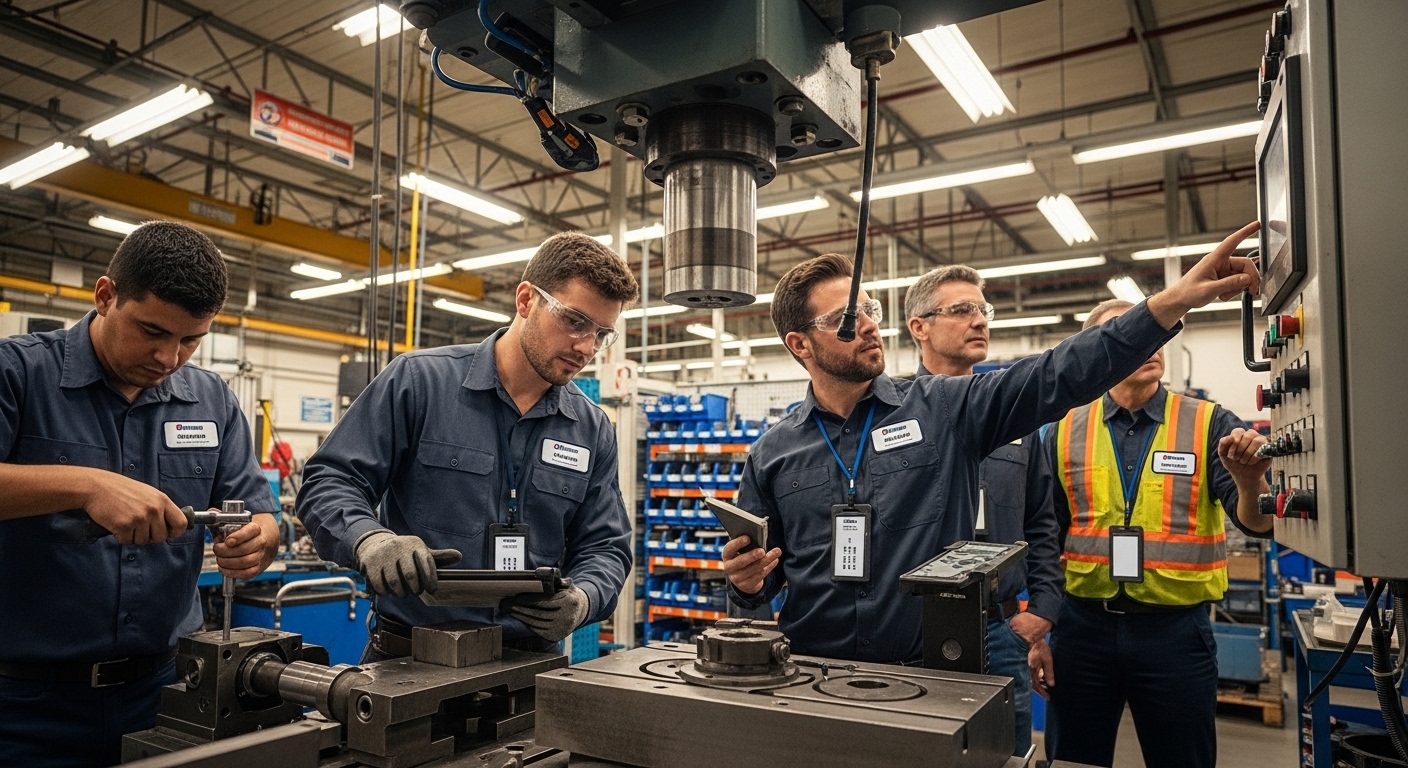
The Two Pillars of True Heavy-Duty Performance
For a patch to earn its place in a heavy industrial environment, it must master two fundamental challenges: repelling contaminants and surviving the brutal cleaning process designed to remove them. Most patches fail at one or both.
What Makes a Patch Truly Oil and Stain Resistant?
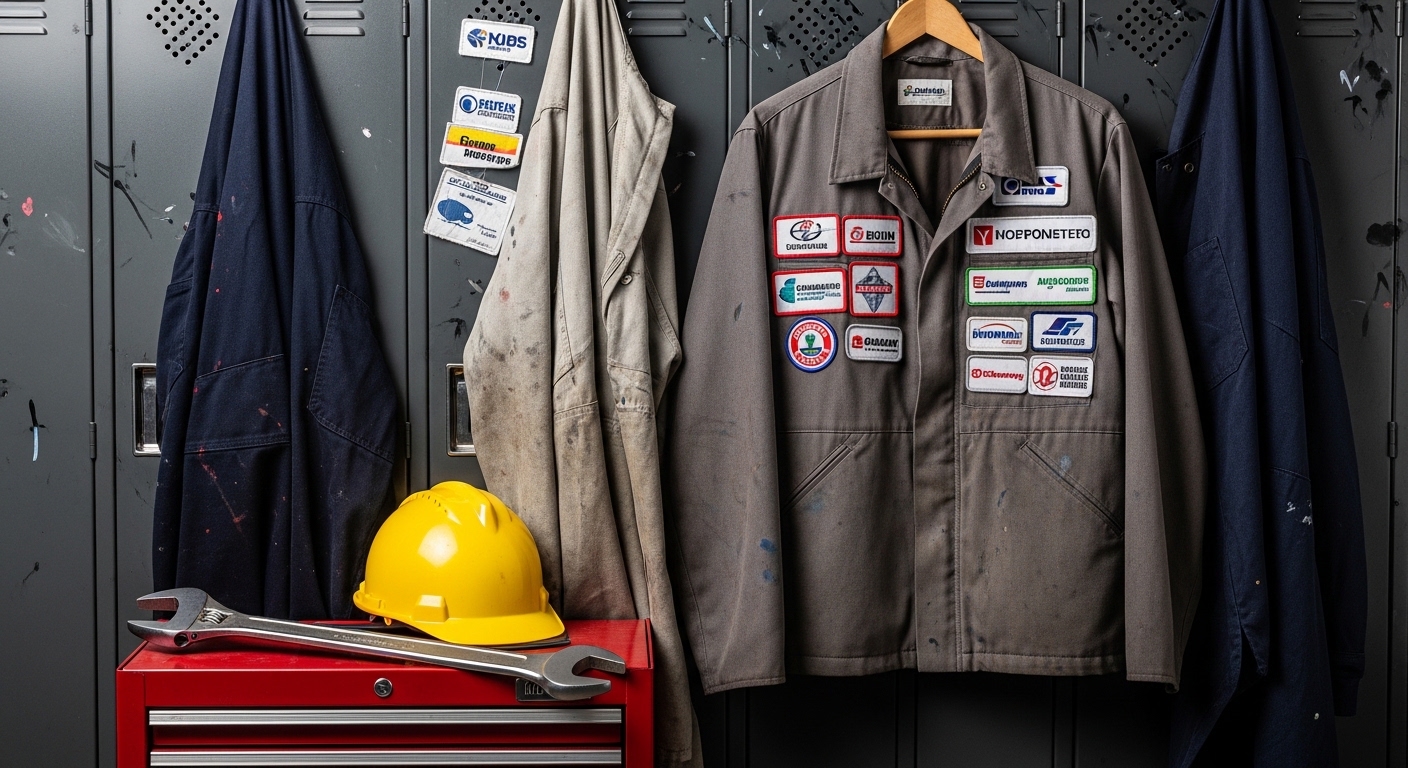
The core of the problem is fiber absorption. Standard rayon or cheap polyester threads used in low-cost patches act like a wick. When engine oil, hydraulic fluid, or solvent contacts them, the liquid is drawn into the very core of the thread via capillary action. This stains from the inside out, making the stain permanent and causing colors to fade and blur into a muddy, unprofessional mess.
The Maxemblem Solution: Industrial-Grade Materials
Our embroidered name patches for uniforms destined for workshops and factories are crafted using 100% high-density, solution-dyed polyester thread. Here's why this matters:
The result is a custom mechanic shirt patch where the employee's name and logo remain crisp, clean, and legible through months of grueling work, maintaining a standard of professionalism that reflects on your entire operation.
How to Ensure Your Iron-On Patches Survive 50+ Industrial Wash Cycles
The second major point of failure is the attachment. Many iron on name patches for work shirts use a basic, low-temperature thermoplastic adhesive. This adhesive might survive a few gentle home washes but disintegrates under the high-pressure, high-temperature (often up to 160°F/71°C), and chemical-rich environment of an industrial laundry tunnel. The edges peel up first, creating a flap that catches on everything and looks sloppy.
Engineering a "Fused" Bond: Beyond Basic Adhesive
For a patch to become a permanent part of the garment, it needs a bond that mimics sewing in strength. Our heavy-duty patches utilize a multi-stage approach:
Pro Tip for Procurement: When ordering, always inform your supplier about your laundering process. If you use a professional industrial laundry service, say so. This tells us to recommend our most robust adhesive and reinforce our quality checks. For the absolute most secure hold in extreme environments, we often recommend opting for sew-on embroidered name patches for work shirts instead of iron-on, as stitching provides undeniable mechanical permanence.
Choosing the Right Patch: A Decision Matrix for Every Work Environment
Not every job requires the same level of armor. Selecting the right type of patch balances durability, cost, and function. Here’s how to match the patch to the profession.
Work Environment / Need |
Recommended Patch Type |
Why It's the Best Fit |
Best Attachment Method |
|---|---|---|---|
Auto Repair, Manufacturing, Welding (High abrasion, oils, grease) |
Embroidered Patches |
The thick, textured construction offers supreme abrasion resistance. The dense stitches and solution-dyed polyester repel oil. The 3D profile maintains visibility even when dirty. |
Sew-On (most permanent) or Heavy-Duty Iron-On with Merrow border. |
Electronics, Cleanrooms, Logistics (Snag hazard, need flat profile) |
Woven Patches |
Exceptionally thin and flat. Lies perfectly smooth against the fabric with no raised threads to catch on delicate components or packaging equipment. Allows for very fine text detail. |
Iron-On (creates flattest finish) or Sew-On. |
High-End Hospitality, Branded Retail, Vintage Styling (Premium aesthetic, uniqueness) |
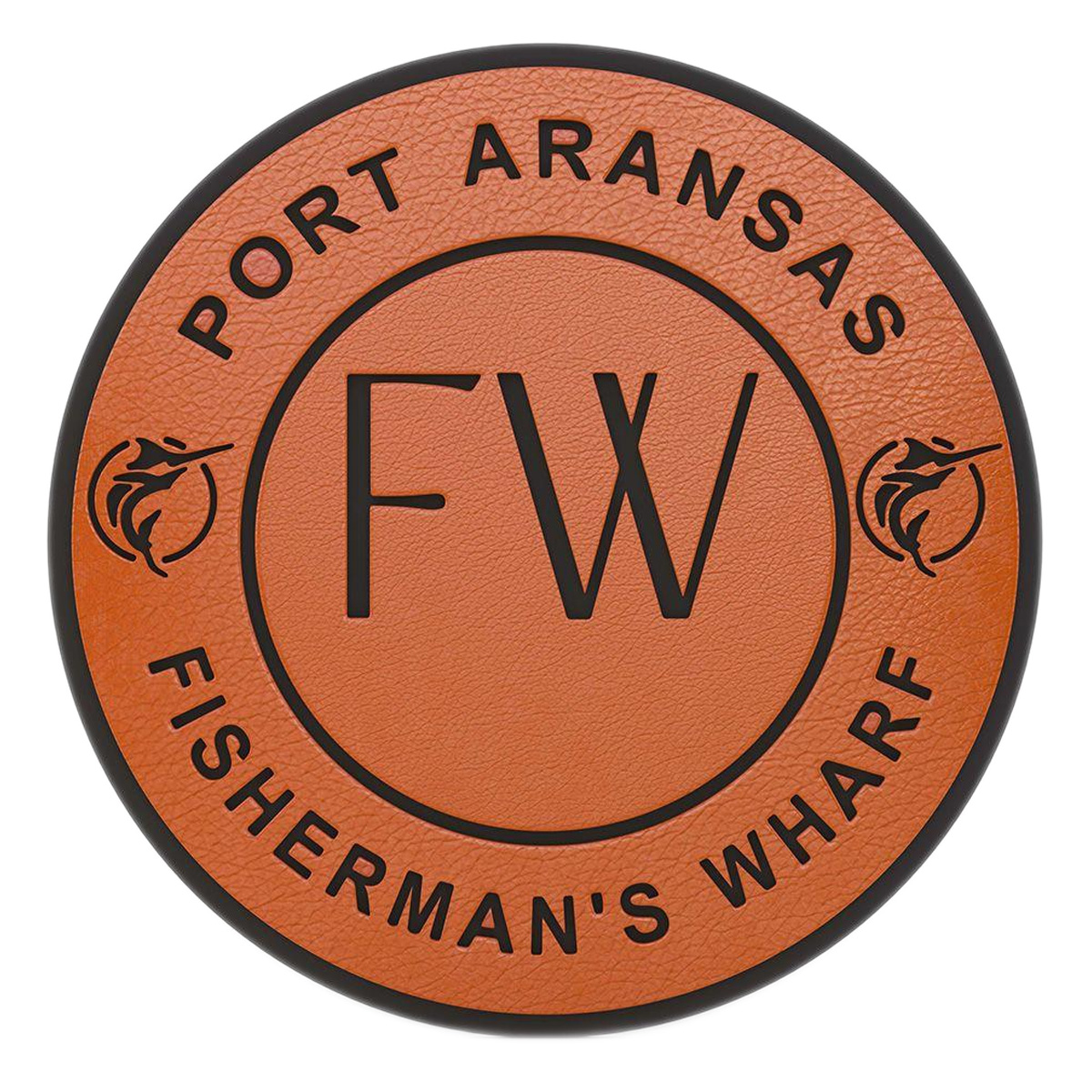
Leather Patches |
Offers an unmatched, classic look of quality. Develops a rich patina over time. Conveys brand prestige and craftsmanship. |
Sew-On (standard for leather). |
High-Turnover Roles, Seasonal Staff, Cost-Sensitive Bulk (Flexibility, low initial cost) |
Blank Name Patches |
Pre-made patches in standard colors/sizes. Names can be written or printed on-site with permanent marker or label printer as needed. Eliminates per-person customization cost and wait time. |
Iron-On or Sew-On. |

Navigating the Custom Order Process: A Transparent Guide
Understanding how custom patches are made helps you avoid surprises and make cost-effective decisions.
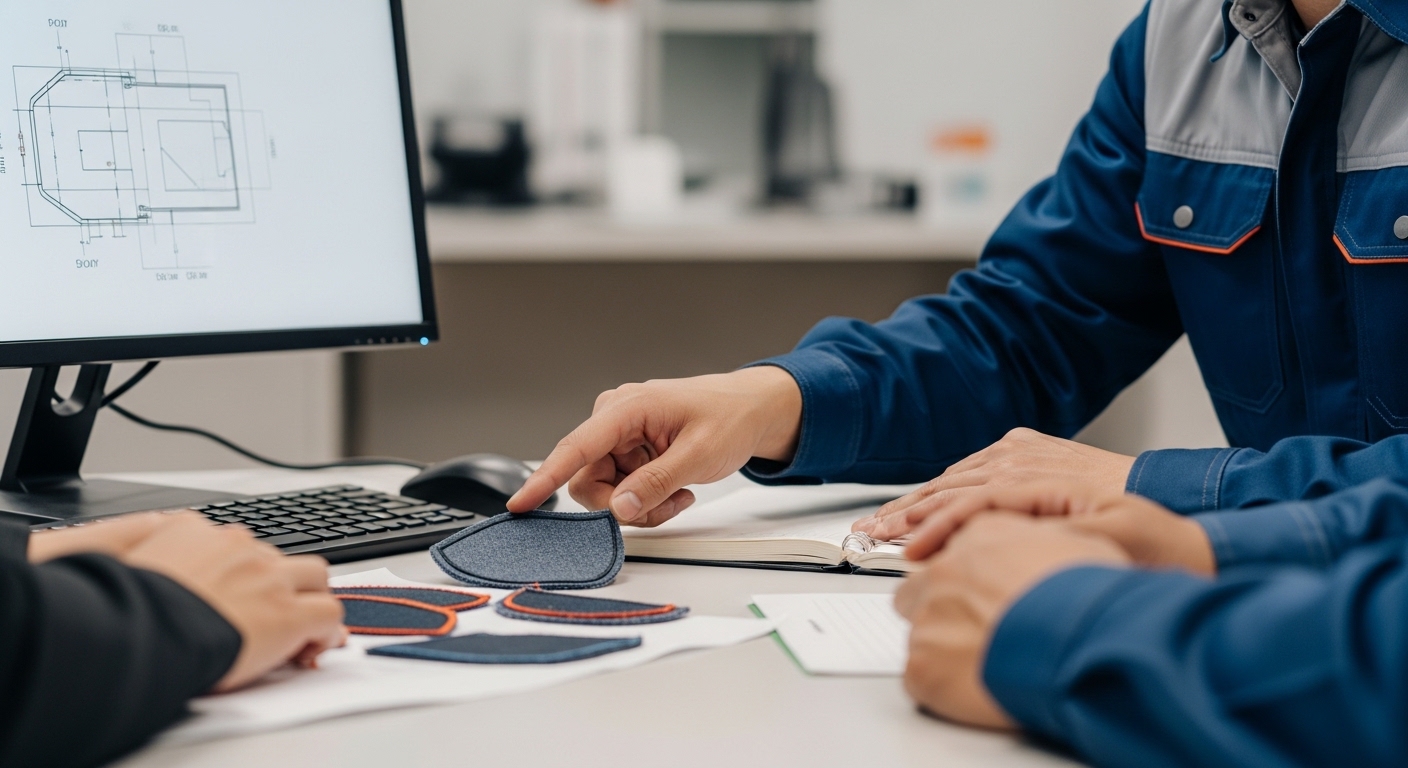
Understanding Setup Costs and Minimum Orders
When you request a quote for custom work shirt name patches, you'll encounter two key terms: Setup Fee and MOQ (Minimum Order Quantity).
The Maxemblem Advantage for Small Teams: We recognize that a small garage or a new department might not need 100 patches. If you have a low-quantity need, please contact us directly. We specialize in finding flexible solutions for smaller orders, whether through modified setups, shared runs, or different material choices, and we're always transparent about the cost implications.
Key Specifications for Your Quote: Getting Exactly What You Need
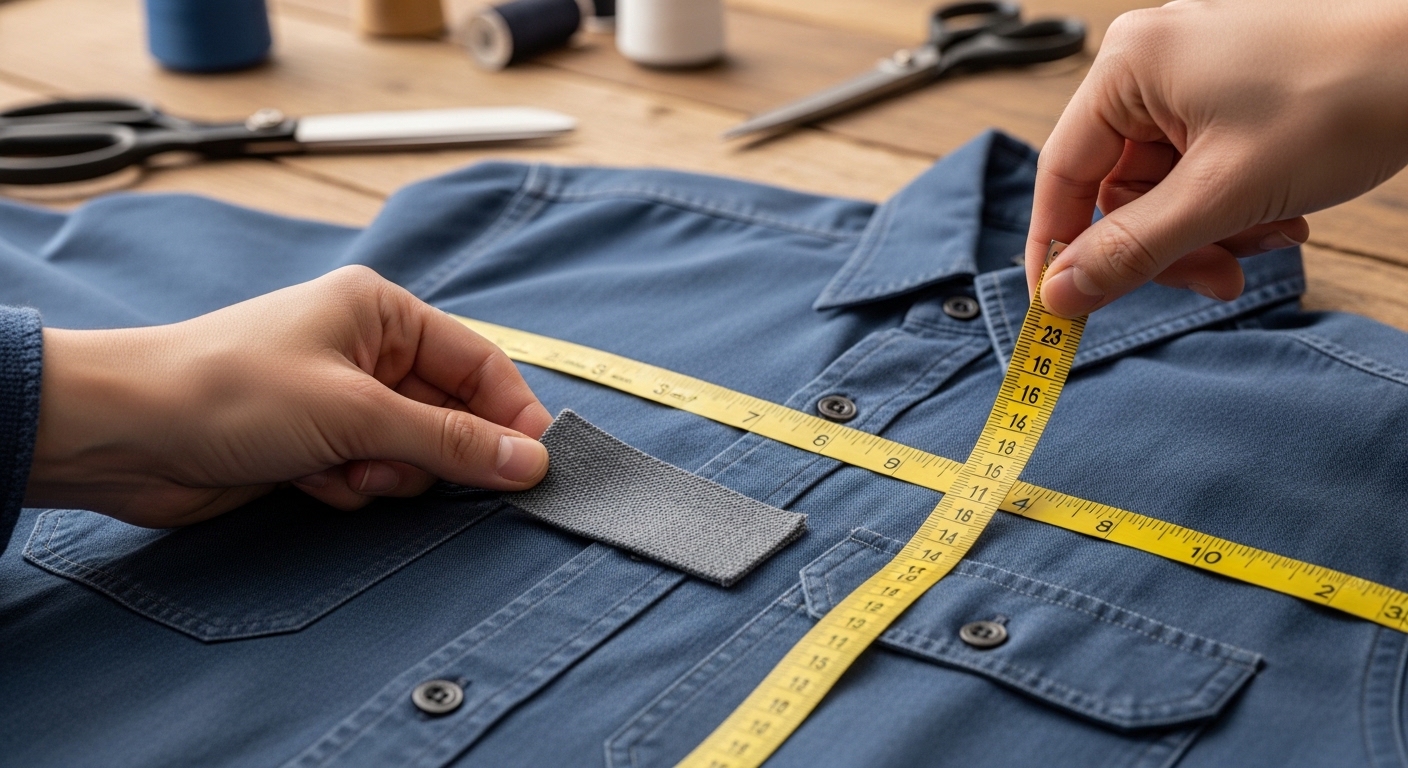
To ensure your custom made uniform patches are perfect, be prepared to specify these details:
Realistic Timelines: When Will Your Patches Arrive?
Planning a uniform rollout requires reliable timing. Here are our standard production times for patch types relevant to work uniforms. Times are in business days and start after final design approval.
Product Type |
Priority Service |
Express Service |
Standard Service |
|---|---|---|---|
Embroidered Patches (Our most recommended for durability) |
3 days production + 3 days shipping |
5-7 days production + 3 days shipping |
5-7 days production + 9 days shipping |
Woven Patches |
10 days production + 3 days shipping |
10 days production + 3 days shipping |
10 days production + 9 days shipping |
Printed Patches (For full-color complex logos) |
5 days production + 3 days shipping |
5-7 days production + 3 days shipping |
5-7 days production + 9 days shipping |
Stop Replacing Patches. Invest in Identification That Lasts.
The constant cycle of ordering, applying, and watching cheap patches fail is a drain on your budget and time. At Maxemblem, we apply 20 years of material science and manufacturing expertise to create workhorse patches engineered for real conditions. We ask the right questions about your environment and laundry process to recommend the optimal combination of fabric, thread, adhesive, and construction. The result is a custom name patch for uniforms that becomes a permanent, reliable part of your team's professional identity.
Frequently Asked Questions (FAQ)
What's the difference between embroidered and woven name patches?
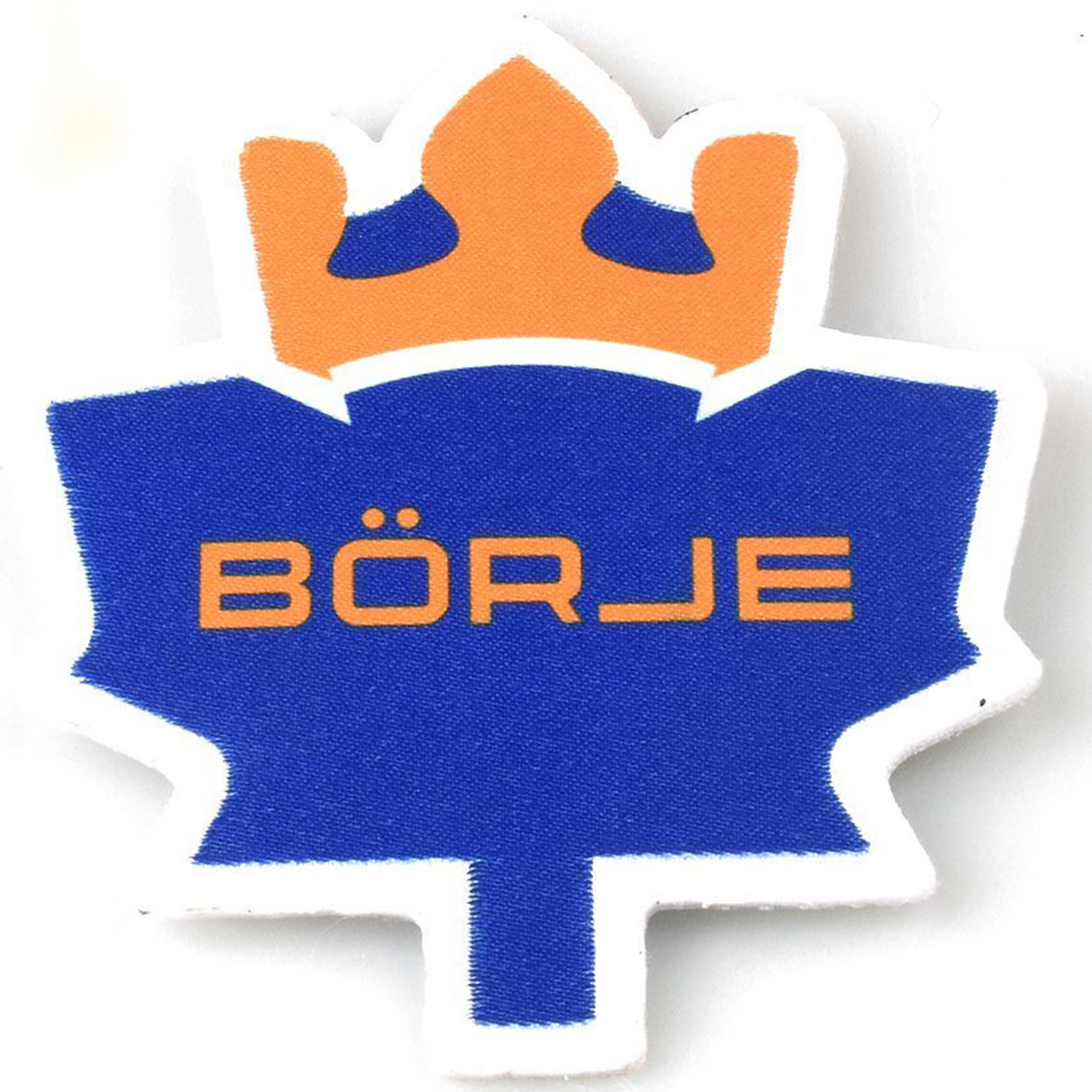
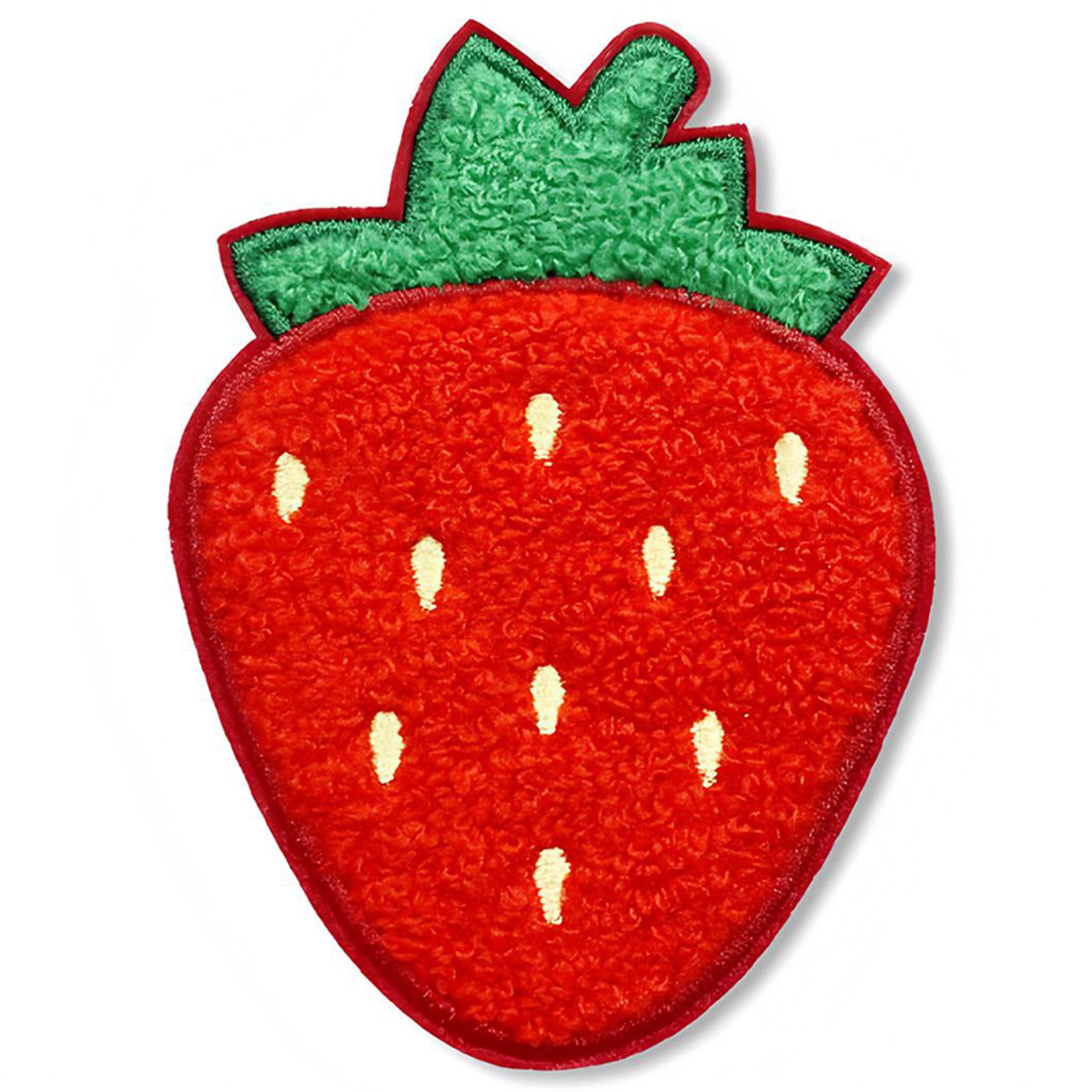
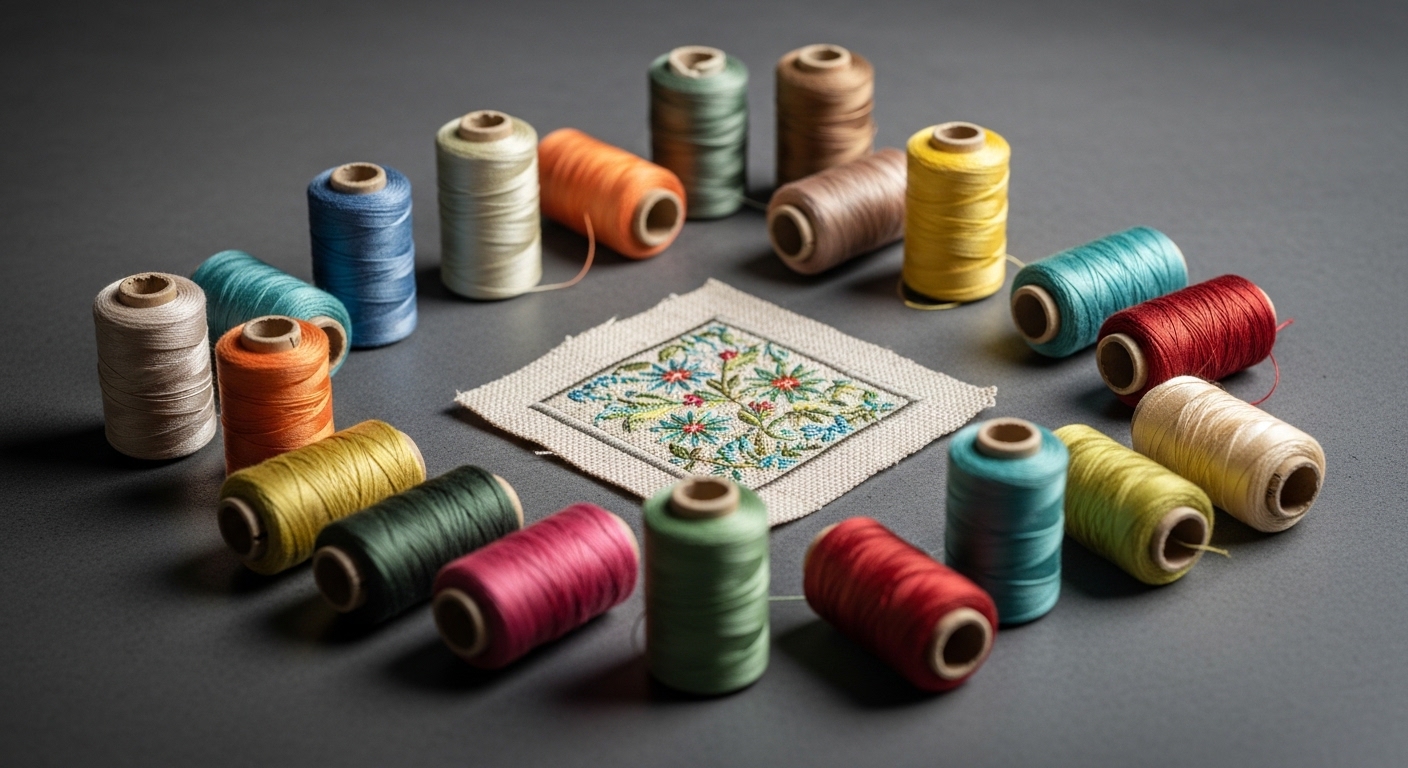
Embroidered patches are created by stitching thread onto a fabric backing, creating a raised, textured 3D effect. They are thicker and offer superior abrasion resistance, making them ideal for rough environments like auto shops. Woven patches are made by weaving threads together on a loom, much like a tiny tapestry. They are very thin, flat, and smooth, allowing for extremely fine detail. They are best where a low profile is needed to prevent snagging, such as in electronics assembly.
Will iron-on patches really hold up in an industrial laundry?
Standard, consumer-grade iron-on patches will not. However, our heavy-duty iron on name patches for work shirts are specifically engineered for this challenge. They combine a high-temperature reactive adhesive with a mandatory Merrow stitched border. When applied correctly with sufficient heat and pressure, they form a "fused" bond that, combined with the stitched edge, can withstand the high heat and aggressive agitation of commercial laundry cycles. For absolute certainty, sew-on patches are always the most permanent option.
We only need 15 patches for our new mechanics. Is custom ordering practical?
Yes, it can be. The key is understanding that a fixed setup fee will be part of the cost. For a very small run like 15 patches, the per-piece cost will be higher than for an order of 100. However, the quality and longevity will be far superior to generic, stock patches. Contact us directly to discuss your specific need. We often have solutions for low MOQ scenarios, such as using slightly modified standard setups or offering alternative materials that reduce upfront costs, ensuring you still get professional, durable identification.