Sign in
Create Your Account
Create My Account
Sign In
Create Your Account
June 2026 freight shortage from World Cup & USA 250. Beat rising shipping costs & delays for custom commemorative souvenirs early.

If you’re planning to order custom commemorative coins, medals, or promotional souvenirs for events in the second half of 2026, there’s a date you need to circle in red: June 2026. It’s not just another month on the calendar—it’s a perfect storm where two global phenomena collide, swallowing container space, spiking airfreight rates, and pushing lead times into dangerous territory. At Maxemblem, with two decades of navigating supply chains, we see the pattern clearly: the combination of the FIFA World Cup 2026 and the United States’ 250th anniversary celebrations will create a procurement bottleneck unlike anything since the post-pandemic rebound. This article breaks down the forces at play, why waiting until spring is a financial risk, and how you can still secure your custom souvenirs without the stress.
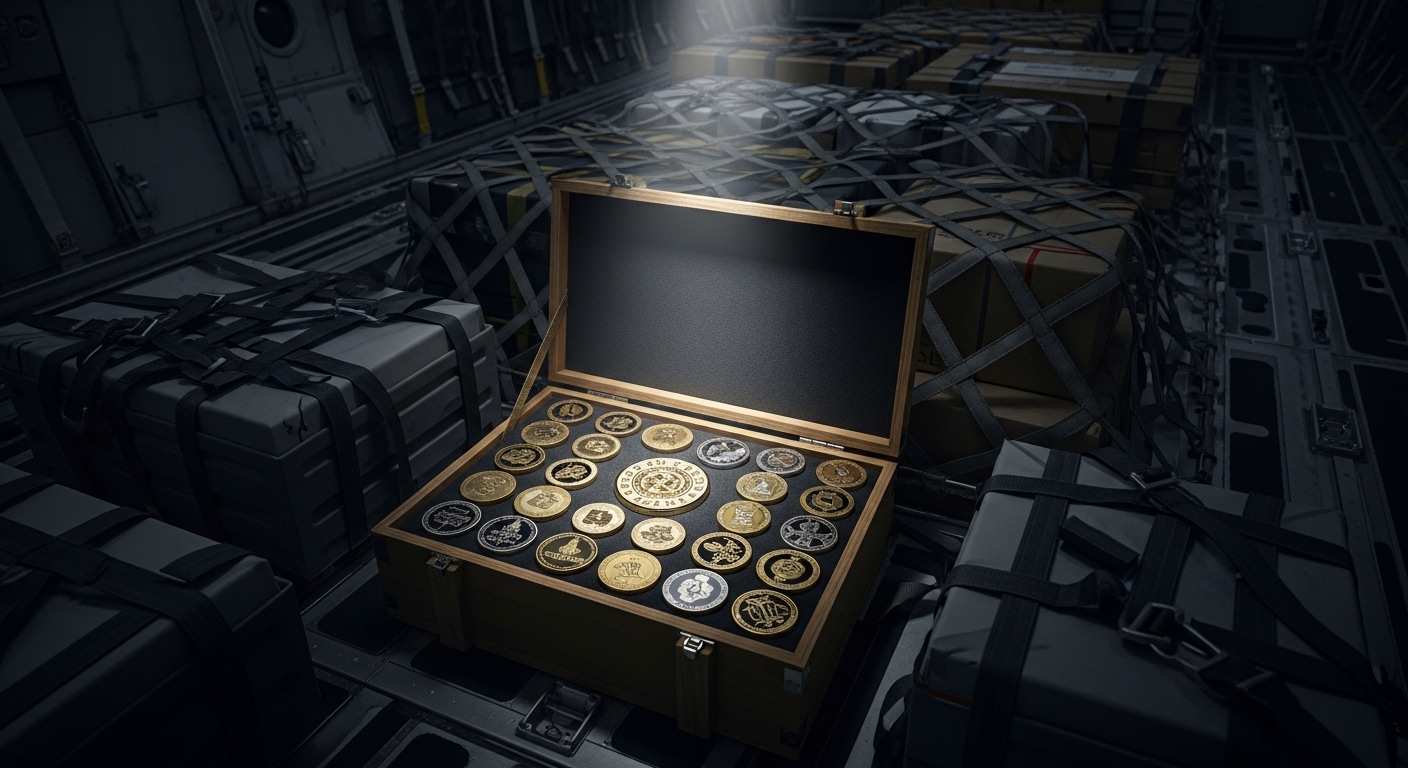
Two Giants Collide: How World Cup Freight and 250th Anniversary Shipments Are Squeezing Air and Sea Capacity
Imagine every available cargo container, every pallet position on an aircraft, and every truck slot being fought over by two massive, simultaneous demand spikes. That’s exactly what June 2026 looks like. The FIFA World Cup, hosted across the US, Canada, and Mexico, kicks off in June. But the logistics machine started rolling months earlier: think of all the fan merchandise, flags, promotional giveaways, stadium construction materials, and broadcast equipment that must be in place by late spring [citation:5].
Official suppliers, like the ones producing Coca-Cola’s promotional mini-bottles or team-branded accessories, have already booked vast amounts of freight capacity [citation:8].
Independent importers—from sports memorabilia sellers to regional distributors—are also rushing to get their World Cup–themed products onto shelves before the opening whistle. According to recent reports, Yiwu, the global hub for small commodities, saw World Cup–related orders surge 47% month-on-month as early as spring 2025, and that wave only intensifies as the tournament nears [citation:9].
On top of that, the 250th anniversary of the United States (Semiquincentennial) falls on July 4, 2026. This isn’t just a parade day—it’s a year-long celebration with countless events, municipal commemorations, and corporate programs ordering custom coins, pins, and memorabilia. Federal agencies, local governments, and historical societies are all procuring special edition items, many of which require sea freight from overseas manufacturers. Now overlay the two: World Cup cargo (mostly destined for stadium cities and retail chains) and 250th-anniversary goods (destined for museums, visitor centers, and civic events). Both want to arrive by late May or early June 2026.
The result? Vessel space on Trans-Pacific and Trans-Atlantic routes becomes a scarce commodity. Airlines, already cautious about adding capacity after the volatile post-COVID years, are slow to introduce extra freighters, leading to a supply–demand imbalance [citation:2].
The situation is further complicated by regulatory deadlines: the expiration of tariff suspensions and the end of the de minimis exemption have prompted exporters to frontload shipments, creating an artificial peak season as early as May [citation:2][citation:9].
When these two giants collide, the “shoulder season” disappears, and we enter a months-long crunch.
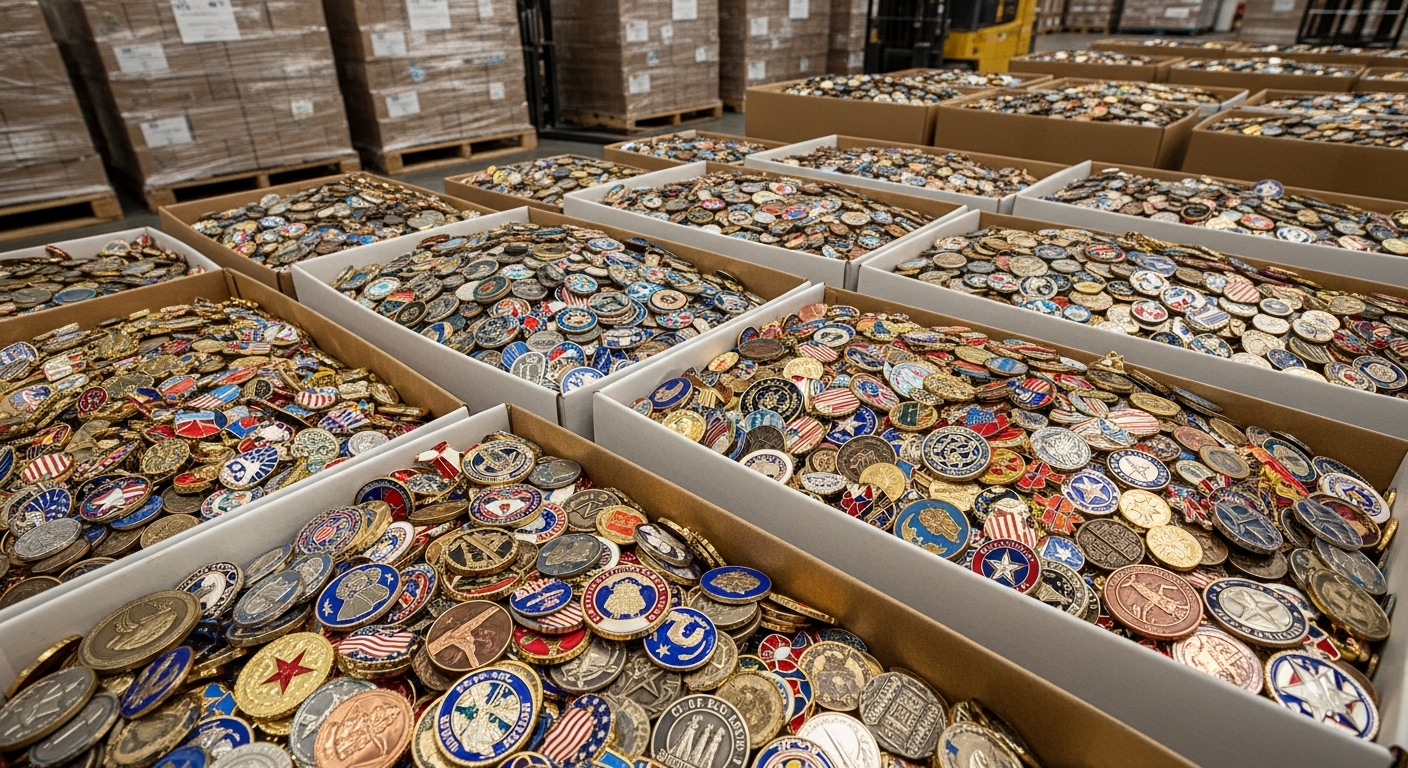
Rising Costs of Late Shipping: Why Freight Rates Could Double in May and June
It’s basic economics: when demand skyrockets and supply remains flat, prices go up. But in freight, the jumps aren’t gradual—they’re stair-steps. In the weeks leading up to past World Cups and major anniversaries, spot rates for 40-foot containers have climbed 30% to 100% above baseline. For 2026, analysts predict even steeper increases because the two events overlap. Airfreight, often used as a last-resort option for rushed souvenir orders, will see even more dramatic spikes. Already, market intelligence from freight forwarders indicates that Asia–North America westbound rates (the direction for most raw materials) could double in May as e-commerce and promotional goods compete for limited bellies [citation:2].
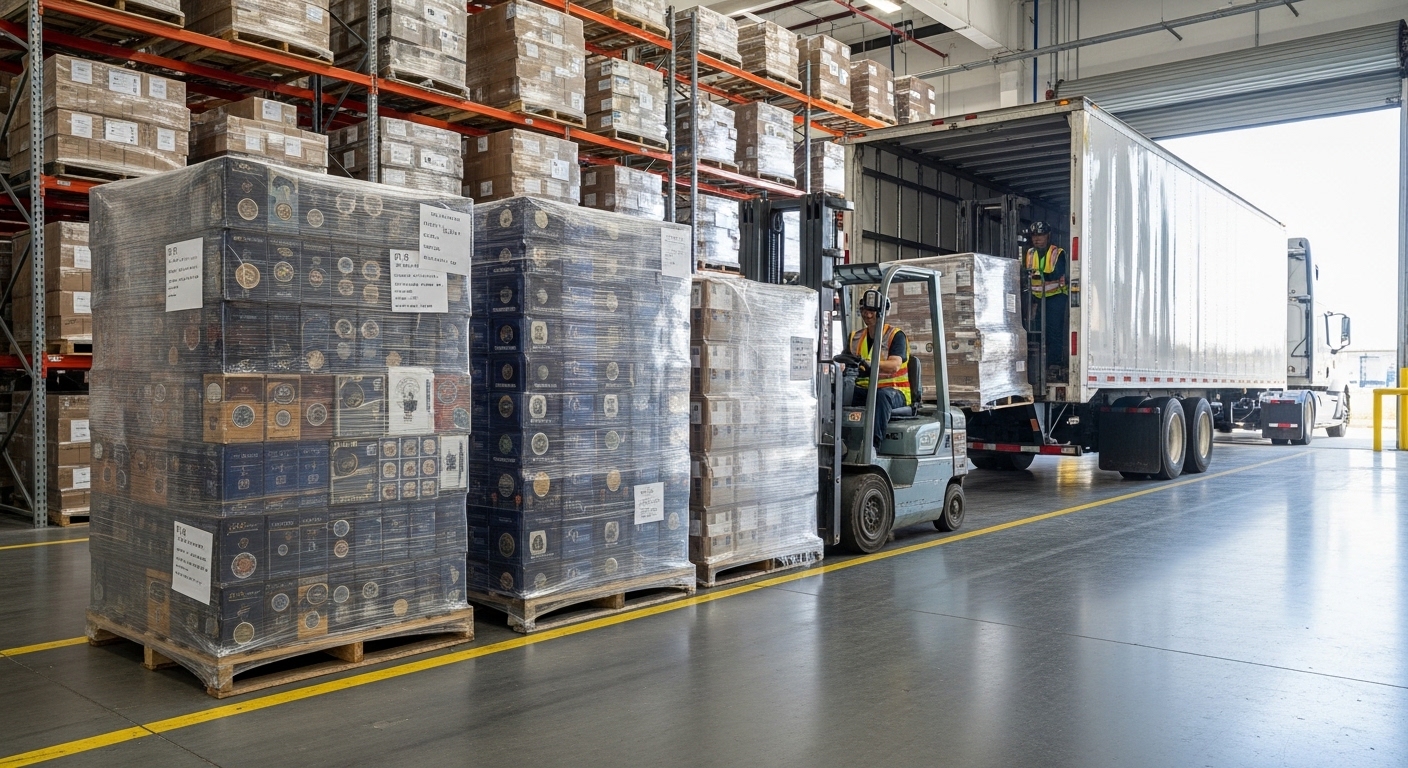
But it’s not just the headline rate—accessorial charges, fuel surcharges, and peak-season surcharges will pile on. Forwarders may also require “premium” fees to guarantee space. For a custom order of 5,000 commemorative coins, shipping by air instead of sea could add thousands of dollars to your landed cost. Worse, even if you’re willing to pay, space may be simply unavailable. Freight companies have become more disciplined about capacity; they aren’t running half-empty planes just to accommodate late surges [citation:2]. The same applies to trucking and rail once goods arrive in North America. Inland freight will be strained because distribution centers will be jammed with World Cup and 250th merchandise.
Warehousing space will be at a premium, and drayage providers will extend their lead times. And don’t forget the “last mile”: local couriers and parcel carriers like UPS, FedEx, and USPS will be overwhelmed with direct-to-consumer deliveries of fan gear and celebration products, mirroring the December peak but occurring in June [citation:3]. If your souvenirs are meant for a July 4th gala or a World Cup viewing party, any delay beyond mid-June means missing the event entirely. The cost of late shipping isn’t just financial—it’s reputational. You can’t hand out a souvenir after the moment has passed.
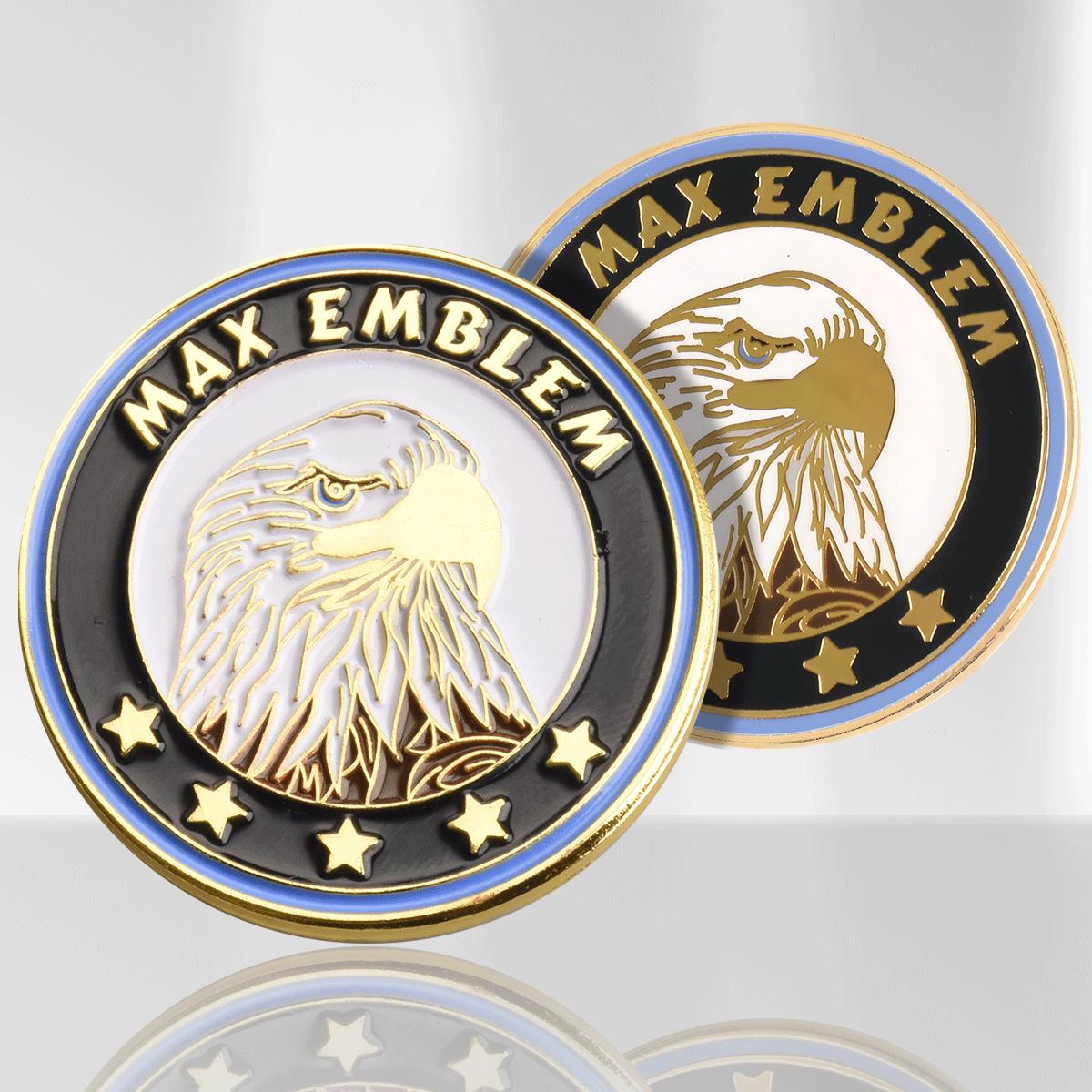

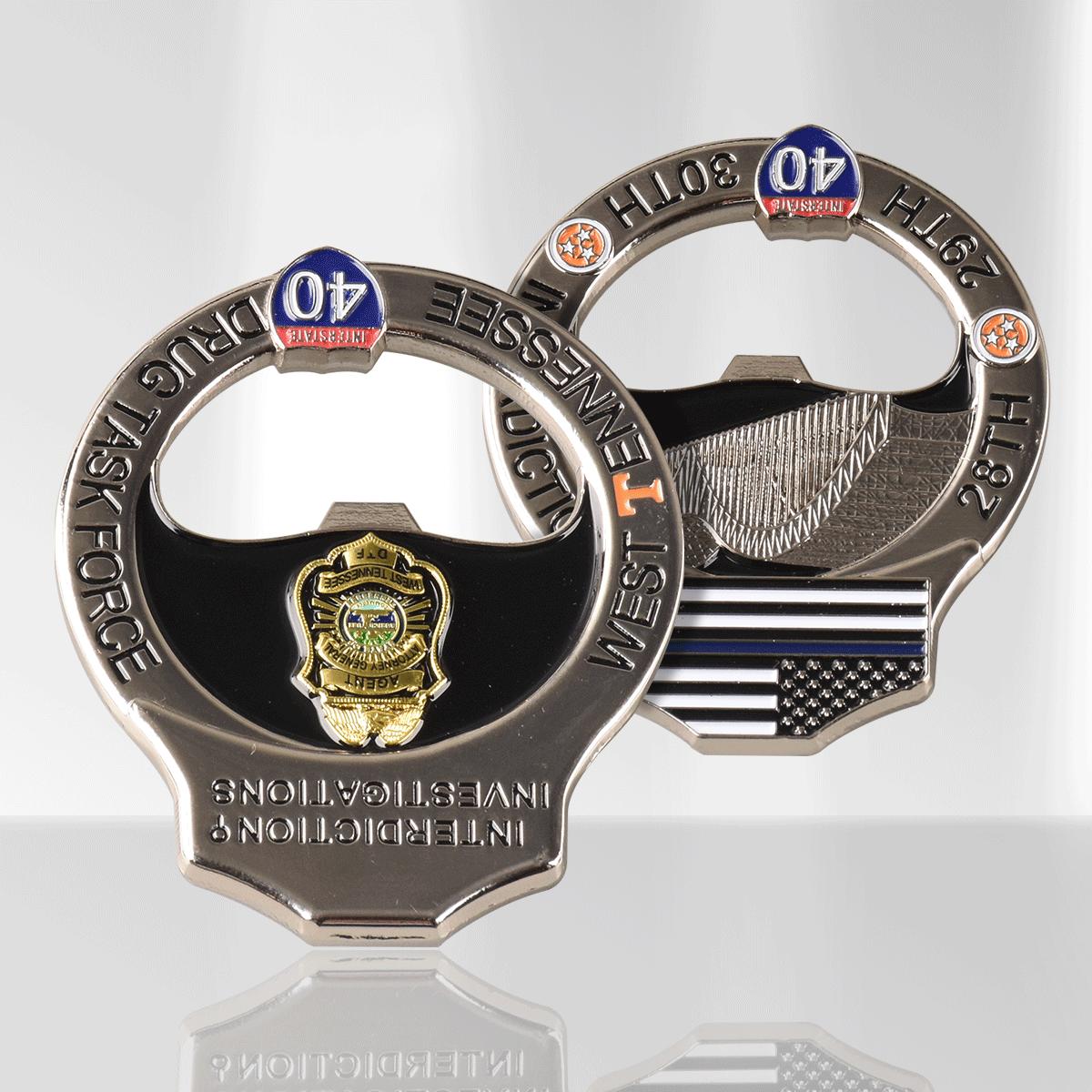
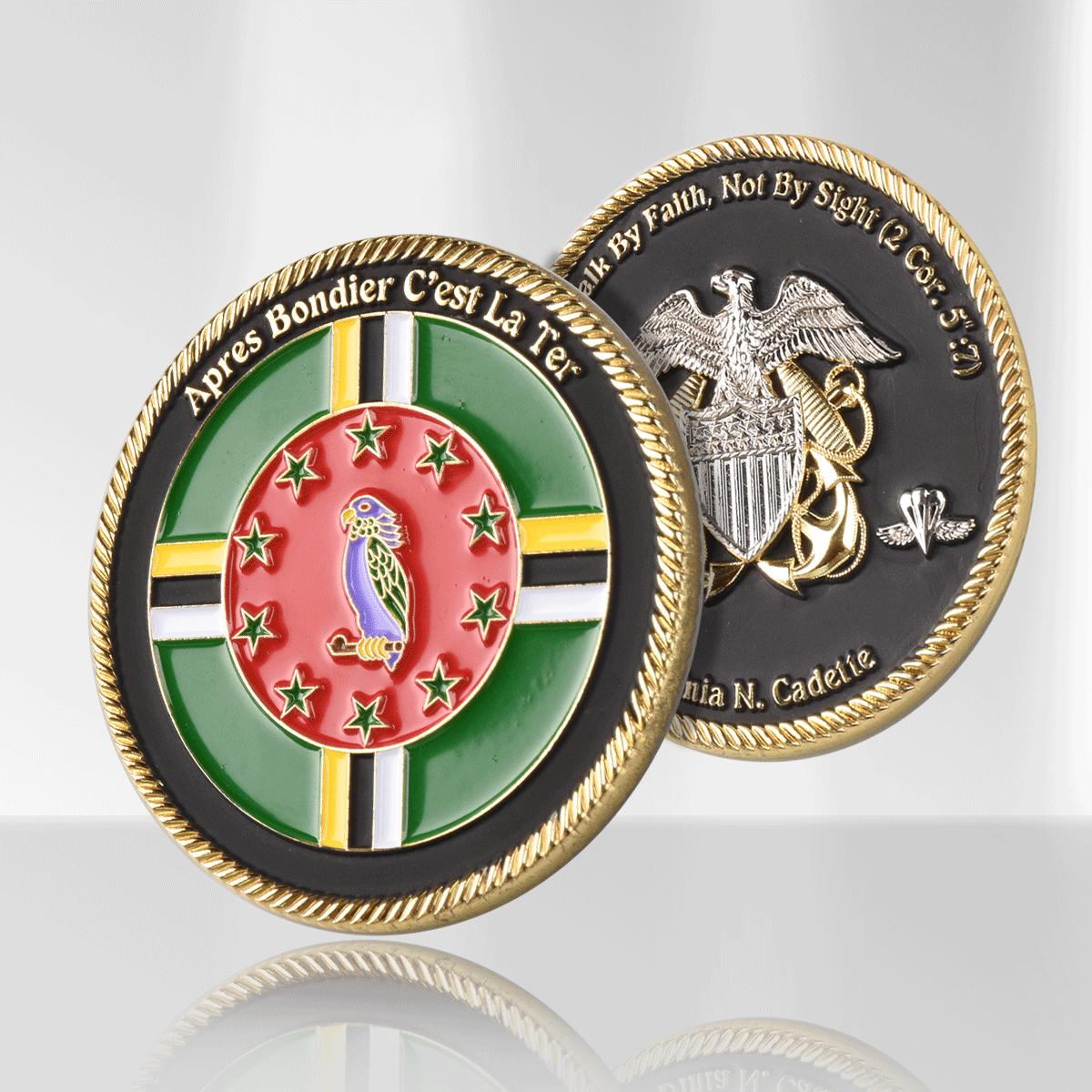
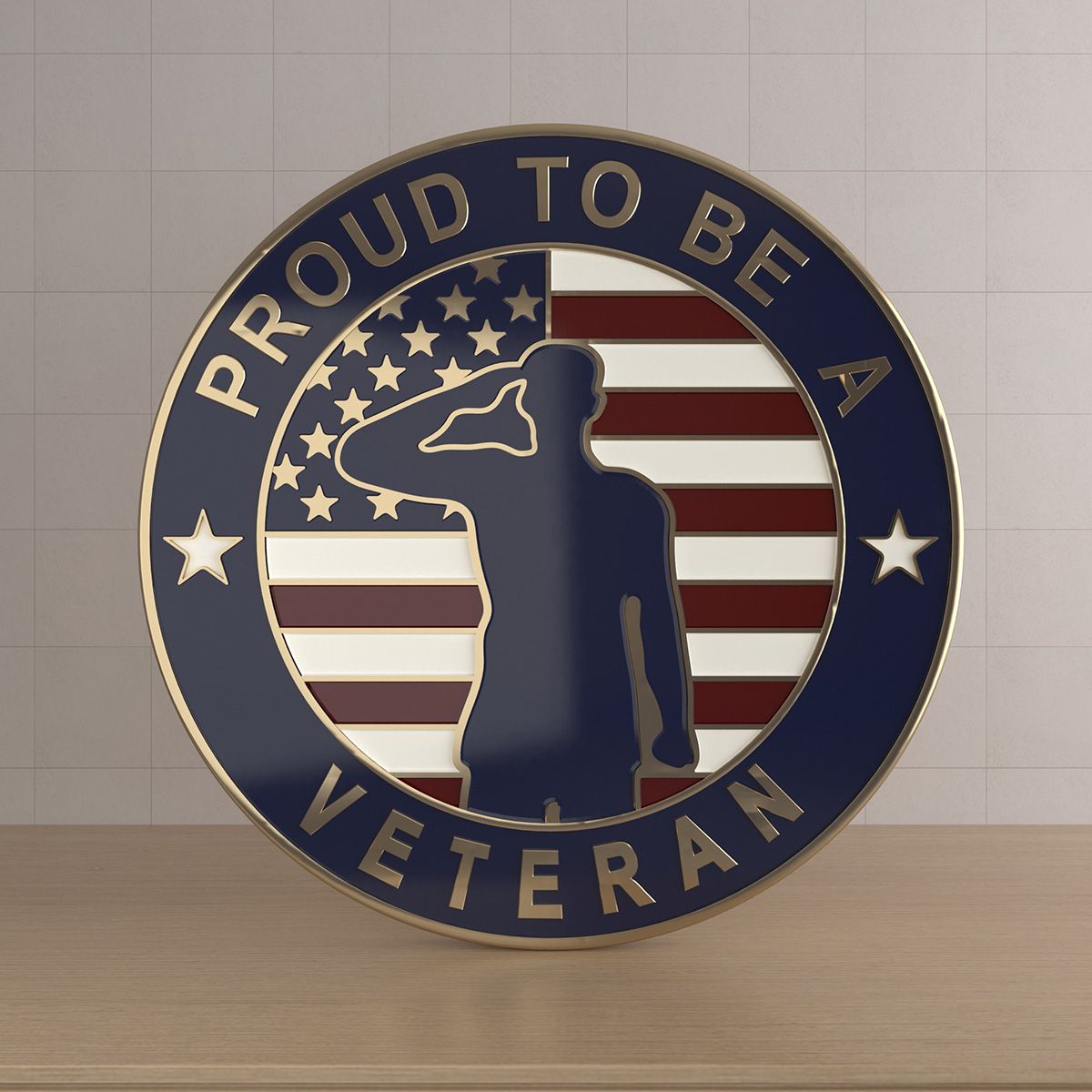
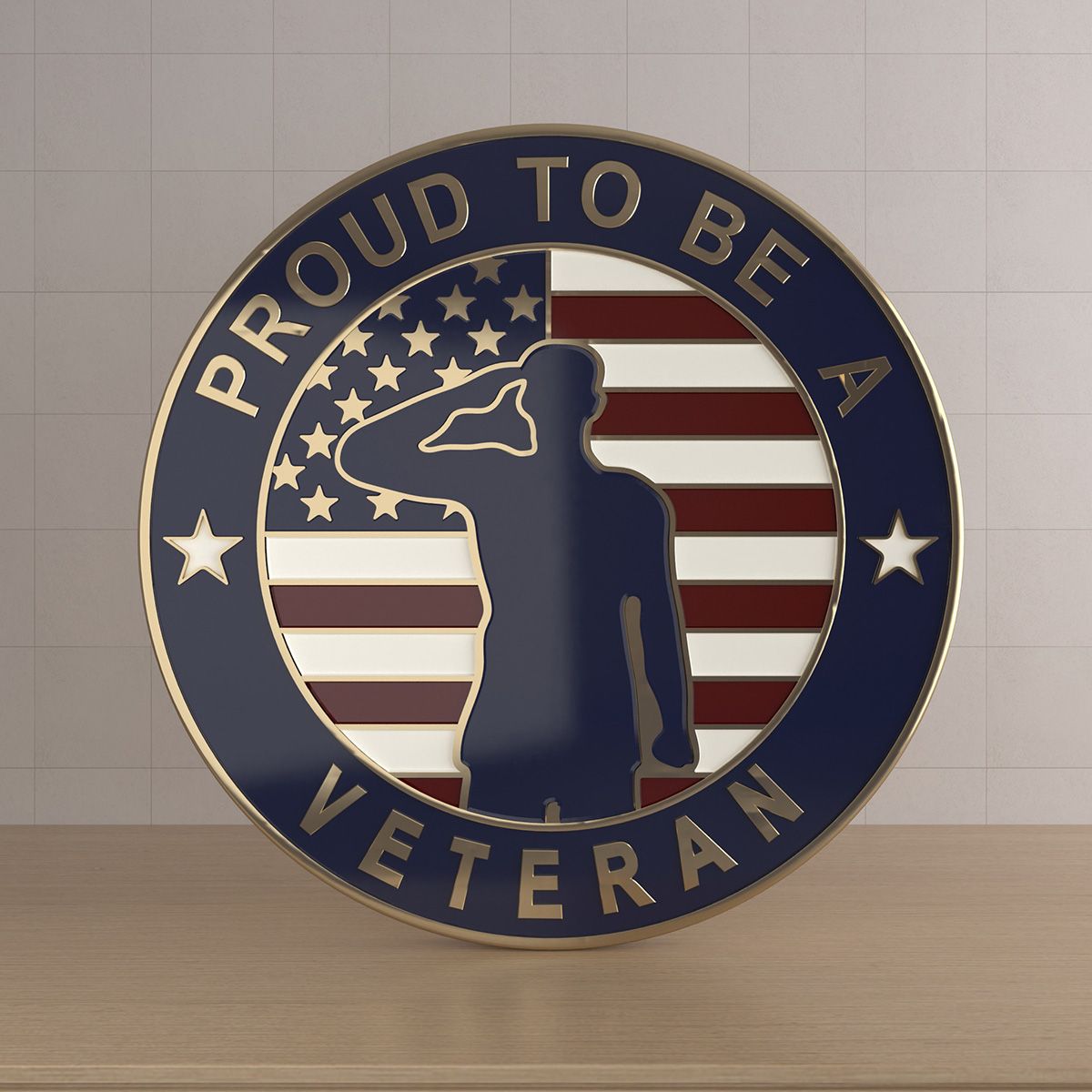



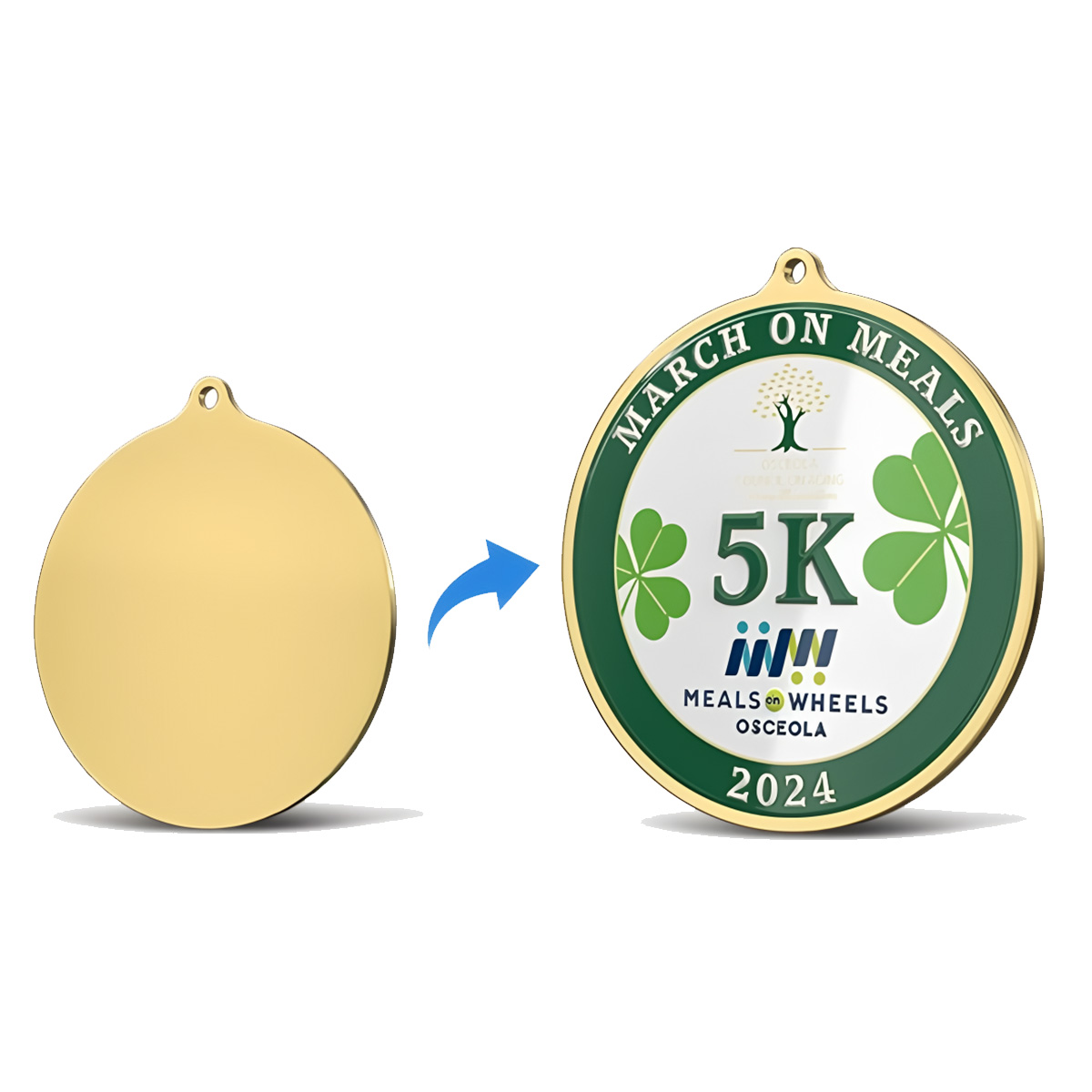
Case Study: Lessons from 1976 and Past World Cups — History Repeats
We’ve seen this movie before, and it never ends well for procrastinators. Take the US Bicentennial in 1976. Demand for commemorative items—challenge coins, medals, and flags—was astronomical. Manufacturers in Europe and Asia were swamped with orders from American municipalities, veterans’ groups, and corporations. But few anticipated the logistics crunch. Ports on the East Coast became clogged with merchandise that arrived too late for the July 4th celebrations. Warehouses in New Jersey and Virginia were overflowing. Many organizations received their custom coins in August or September, after the parades and ceremonies had ended. Those items ended up in storage, never fulfilling their purpose. Fast-forward to the 2010 FIFA World Cup in South Africa.
Suppliers who waited until early 2010 to ship products found that container vessels were fully booked from February onward. Airfreight rates tripled, and even then, space was rationed. Some retailers resorted to sending goods as passenger baggage—an expensive and unreliable hack. More recently, the 2022 World Cup in Qatar (held in November–December) taught a similar lesson: the normal summer shipping peak merged with tournament logistics, causing delays for non-tournament cargo. A study of that period shows that shippers who didn’t secure rates by the preceding spring paid 40% more on average [citation:2].
For the 2026 event, the risk is magnified because the tournament is in North America—the world’s largest import market. Every importer with a connection to the US, Canada, or Mexico will be trying to move goods at the same time. And the 250th anniversary adds a layer of demand that is purely ceremonial, not commercial, meaning those shipments are often non-deferrable (you can’t tell a city’s founding committee that their medals will arrive in July).
What does this mean for you? If you order custom souvenirs with a standard 90-day lead time in March 2026, you’re entering the freight market at its worst moment. Vessels will be oversubscribed, and your freight forwarder will struggle to even get a container booking. The only safe path is to shift your procurement earlier—ideally placing your order in the first quarter, with production finishing by April, so your goods are on the water before the June madness begins. Those who ignore history will pay the premium—or miss the moment entirely.
Four critical decisions you must get right (even when rushing to beat the 2026 rush)
When you’re under time pressure, it’s easy to make mistakes that cost you later. Here’s a no-nonsense guide to the four pillars of custom souvenir procurement. Understanding these will help you order with confidence, even as timelines tighten.
Factor |
Common pitfall |
Why it matters |
Smart strategy |
|---|---|---|---|
Price |
Focusing only on unit cost, ignoring tooling & dies |
Custom coins require a mould (die) costing $200–$800, amortized across order quantity. Small orders = high per-piece die cost. |
Always request a split quote: tooling fee + unit price. Consolidate designs to spread tooling. |
Size |
Choosing a size that feels tiny (e.g., 0.75") or too bulky |
Details get lost below 1.5"; oversized may not fit standard display boxes. |
Standard challenge coin: 1.75" (44mm). Request a 3D-printed mockup to feel the scale. |
Finishes |
Confusing soft enamel with hard enamel |
Soft enamel has texture; hard enamel is smooth, scratch-resistant, and requires extra firing. |
For high-durability souvenirs (handled often), choose hard enamel. Soft enamel is vibrant but more delicate. |
Design |
Overly intricate artwork with fine lines or tiny text |
Metal stamping can’t reproduce 6pt fonts clearly; lines thinner than 0.2mm may disappear. |
Keep line weights >0.25mm. Avoid reversed text smaller than 8pt. Let our designers simplify. |
Mould fact: Every custom design requires a new die. For small quantities (<200 pcs) the die cost is significant; we recommend bundling multiple designs or ordering slightly higher volumes to lower the impact. Questions? Contact us—we’ll guide you transparently.
⏳ Lock in your shipping rates now
Order by March to guarantee production completion before the June freight storm. We’ll manage the logistics so your souvenirs arrive calm and on time.
No obligation consultation – talk to our custom souvenir experts.
At the end of the day, the “2026 Rush” isn’t a myth—it’s a convergence of two of the largest demand generators in a generation. Whether you’re a global brand, a small nonprofit planning a 250th anniversary gala, or a sports association ordering fan coins, the timeline is the same: the later you wait, the higher the cost and the greater the risk. Maxemblem’s 20-year track record means we’ve navigated these storms before. We know the carriers, the mould-makers, and the buffers required. But we can’t control the calendar. The only reliable hedge is to start now, secure your production slot, and let us handle the rest while ocean freight is still sane. Don’t let your commemorative items become a case study in “what might have been.”
The World Cup drives massive movement of fan merchandise, broadcast equipment, and sponsor materials. Shipping lines allocate capacity to these high-volume, long-term contracts, leaving less space for spot bookings. Your container could be “rolled” to the next vessel, adding weeks. Booking early (by March) secures space before this allocation freeze [citation:2][citation:5].
After April, airfreight rates historically climb 50–100%, and ocean carriers impose peak surcharges. More critically, transit times become unpredictable: goods that normally take 25 days may take 45. If your event is late June/early July, you’ll be sweating every day. You might also face demurrage and port congestion fees [citation:6].
Absolutely. In 1976, Bicentennial merchandise flooded the supply chain, but many items arrived after July 4 because manufacturers underestimated port congestion and rail backlogs. The same will happen in 2026: the combination of anniversary and World Cup will stretch infrastructure. The lesson: earlier production = on-time delivery [citation:9].
Yes, smaller shipments are often consolidated into LCL (less than container load). During peak, consolidators run out of space, and your goods get left behind. Also, inland trucking for LCL becomes expensive and slow. A small order needs the same capacity as a large one, just in a shared container. Plan ahead to secure your slot.