Sign in
Create Your Account
Create My Account
Sign In
Create Your Account
Source premium wholesale Masonic lapel pins with precise symbolic craftsmanship. Navigate pricing, sizing, plating & bulk ordering for lodge regalia.


For procurement officers, lodge masters, and brand managers seeking custom masonic lapel pins wholesale, the journey from design to delivery is fraught with hidden challenges. Masonic regalia carries profound symbolic weight—every square, compass, and letter must reflect the dignity of the tradition. Yet, balancing budgetary constraints with uncompromising quality requires insider knowledge most suppliers won't share.
This guide distills twenty years of specialized manufacturing experience into actionable insights. We'll dismantle four common pricing and production traps, explain how to select the perfect size and finish for formal wear, and outline a streamlined process that ensures your symbols are reproduced with the reverence they deserve. Whether you're ordering for a local chapter or a nationwide organization, understanding these fundamentals transforms a complex procurement task into a confident investment in your brotherhood's identity.
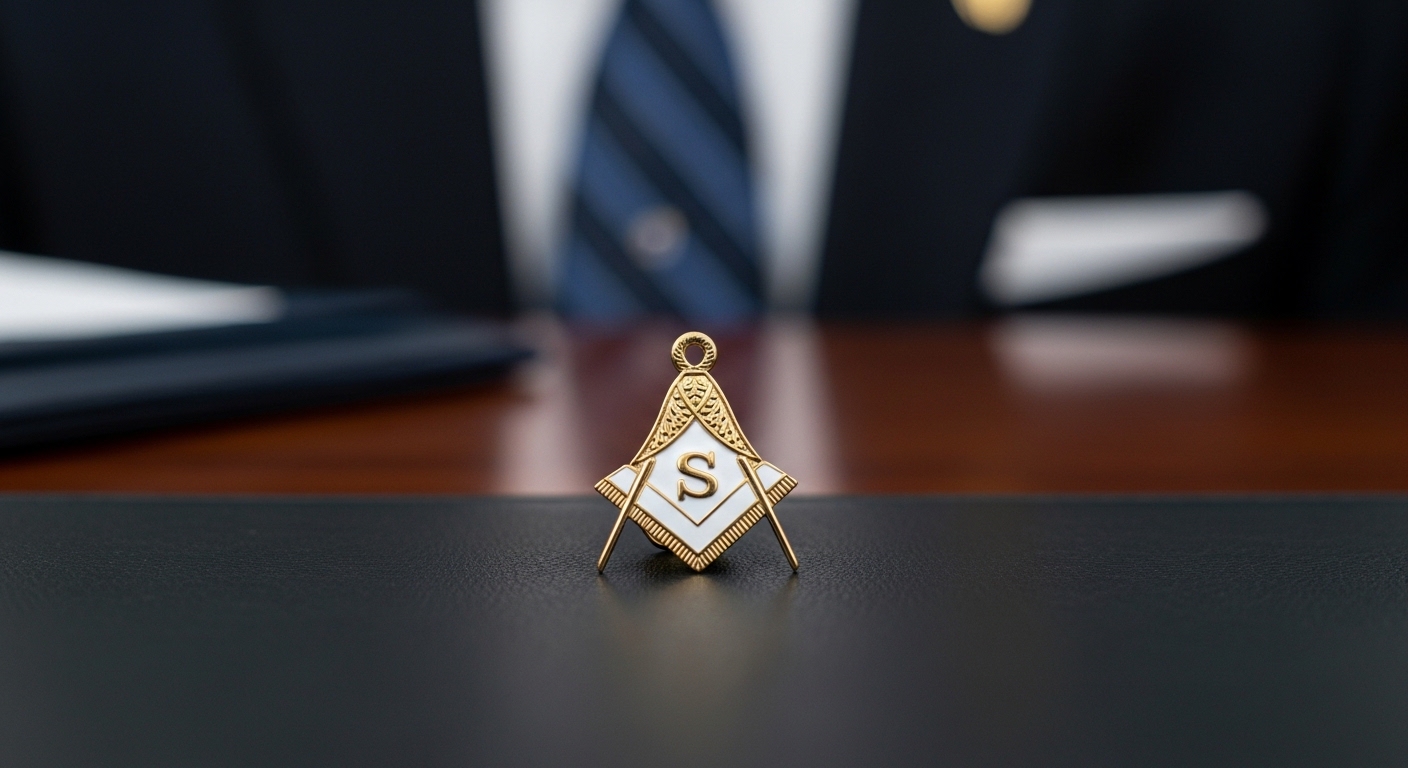
Making Informed Decisions: The Four Pillars of Custom Masonic Pin Procurement
Ordering wholesale enamel pins in bulk shouldn't feel like navigating a labyrinth. By breaking down the process into four core decision points—Price, Size, Craftsmanship, and Design—you gain control over the outcome. Each factor interlinks with the others; a choice in one area influences options in another. Let's examine each pillar, providing you with the clarity needed to communicate effectively with manufacturers and avoid costly missteps.
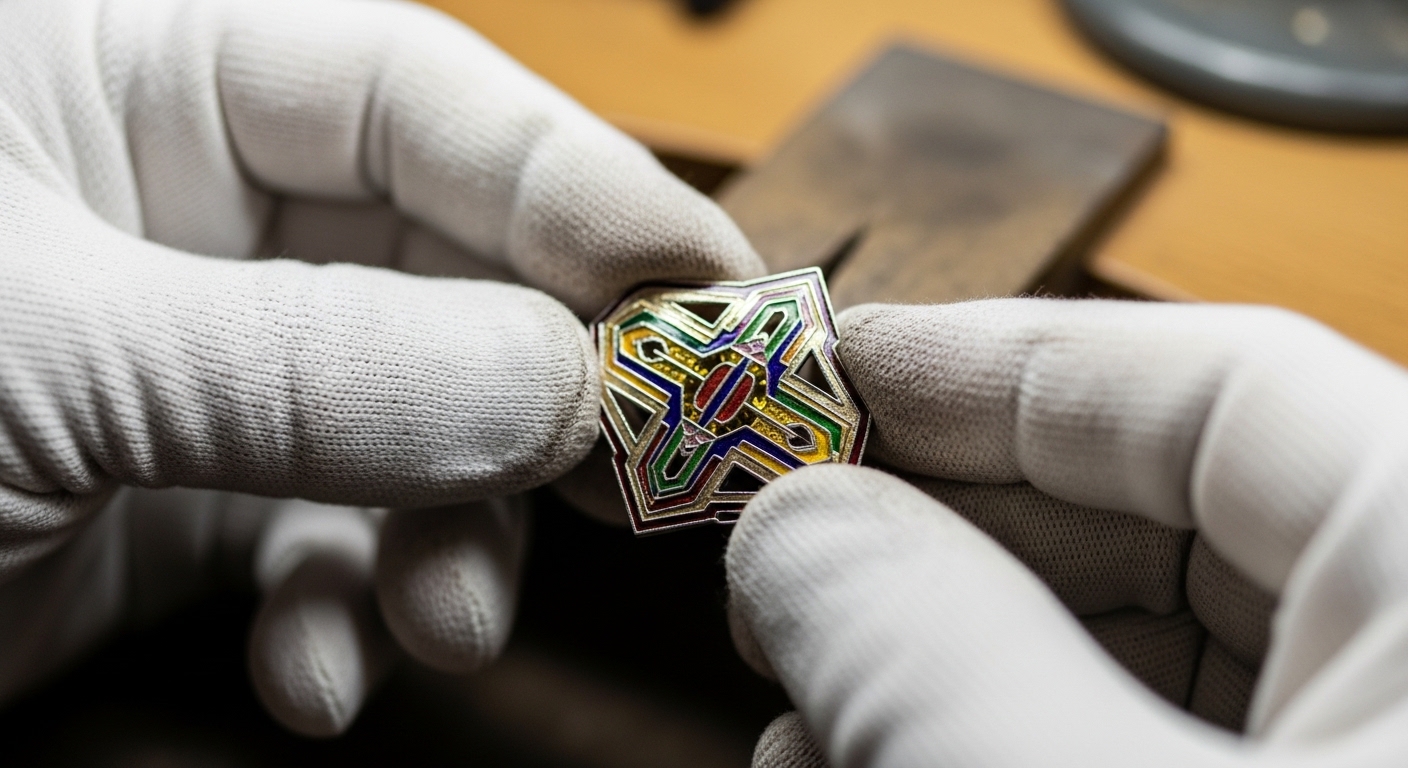
Decoding Wholesale Pricing: Why the Cheapest Quote is Often the Most Expensive
When evaluating custom masonic lapel pins wholesale prices, transparency is your first defense against disappointment. A legitimate wholesale quote clearly separates three fundamental cost components:
Cost Component |
What It Covers |
Critical Questions to Ask Your Supplier |
|---|---|---|
Mold/Tooling Fee |
The one-time cost to engrave the master die that stamps your design. Complexity (fine lines, multiple levels) increases cost. |
"Is the mold fee quoted per design? Who retains ownership of the mold after production?" |
Per-Unit Price |
The cost per pin, heavily influenced by material (zinc alloy vs. iron), plating (gold, silver, nickel), and order volume. |
"Does this price include all plating and enamel colors? What's the price break at 500, 1000, and 5000 units?" |
Shipping & Logistics |
Costs for packaging, international freight, customs brokerage, and final delivery. Often hidden in surprisingly low quotes. |
"Is this DDP (Delivered Duty Paid) or EXW (Ex-Works)? Can you provide a detailed shipping timeline?" |
The "low price trap" typically involves subsidizing the per-unit cost by using thinner, lower-grade metals that feel lightweight and are prone to bending or breaking. For Masonic pins worn with pride on suit lapels, heft and durability matter. A premium zinc alloy provides substantial feel and longevity. Experienced manufacturers like Maxemblem optimize production flow and material sourcing to offer competitive wholesale enamel pins pricing without compromising the foundational metal quality, ensuring your budget translates directly into value.
Finding the Perfect Proportion: What Size Masonic Pin Works Best for Formal Attire?
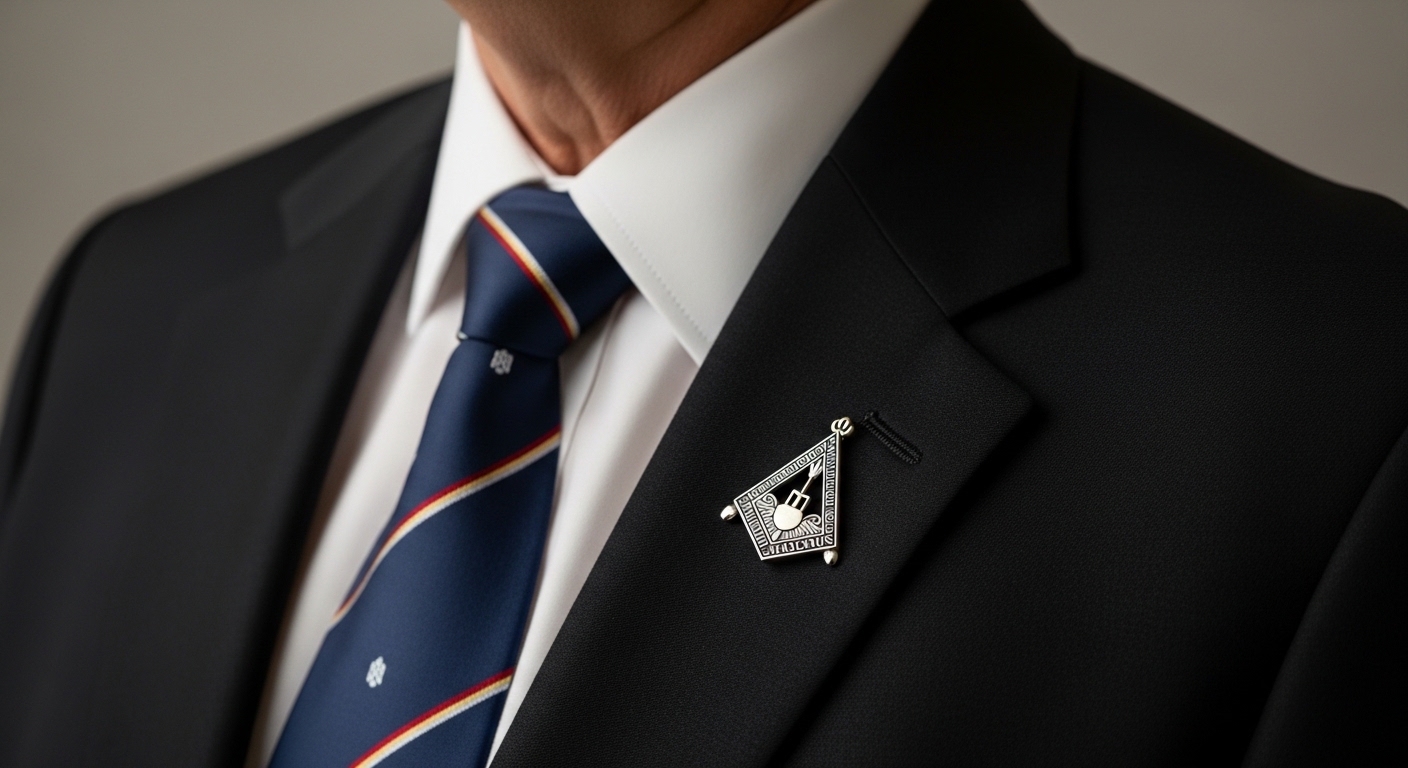
A Masonic lapel pin must complement, not overwhelm, the tailored lines of a suit jacket. Through years of fulfilling orders for lodges worldwide, we've identified 1.0 inch to 1.25 inches (25mm to 32mm) as the universally ideal diameter for masonic lodge pins. This range ensures visibility and significance without dragging on fine lapel fabric or clashing with other regalia.
Consider these visual guidelines:
The key is to mock up your design at these actual sizes and hold it against a lapel. Proportion is more art than science.
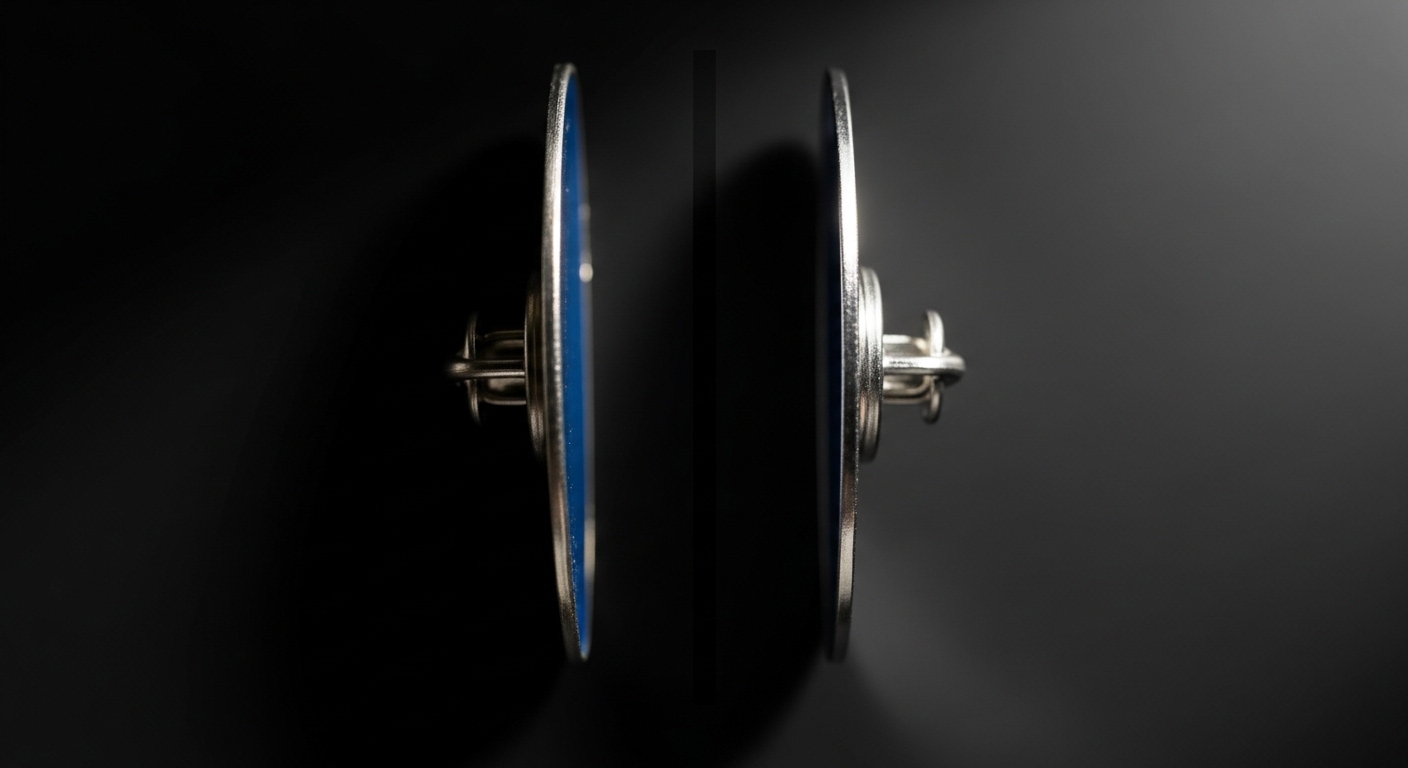
Hard Enamel vs. Soft Enamel: Which Finish Honors Your Symbolism?
This is the most consequential aesthetic choice. The enamel fills the recessed areas of your stamped design, creating color and contrast.
Hard Enamel (Cloisonné)
The Look: A perfectly smooth, glass-like surface polished flush with the metal lines. It has the refined, planar quality of fine jewelry.
Best For: Official lodge pins, officer badges, and any pin where a premium, timeless appearance is paramount. The colors are vibrant and protected under the hardened surface.
Consideration: Requires more skilled labor and polishing steps, often increasing cost slightly. It is the definitive choice for traditional bulk masonic regalia.
Soft Enamel
The Look: A textured surface where you can feel the raised metal lines and the recessed, slightly lower enamel pockets. It creates dramatic shadow and depth.
Best For: Pins with a modern, dynamic feel. Excellent for designs with many small, separated color fields.
Consideration: More affordable for complex, multi-color designs. The recessed enamel can collect lint over time, requiring occasional gentle cleaning.
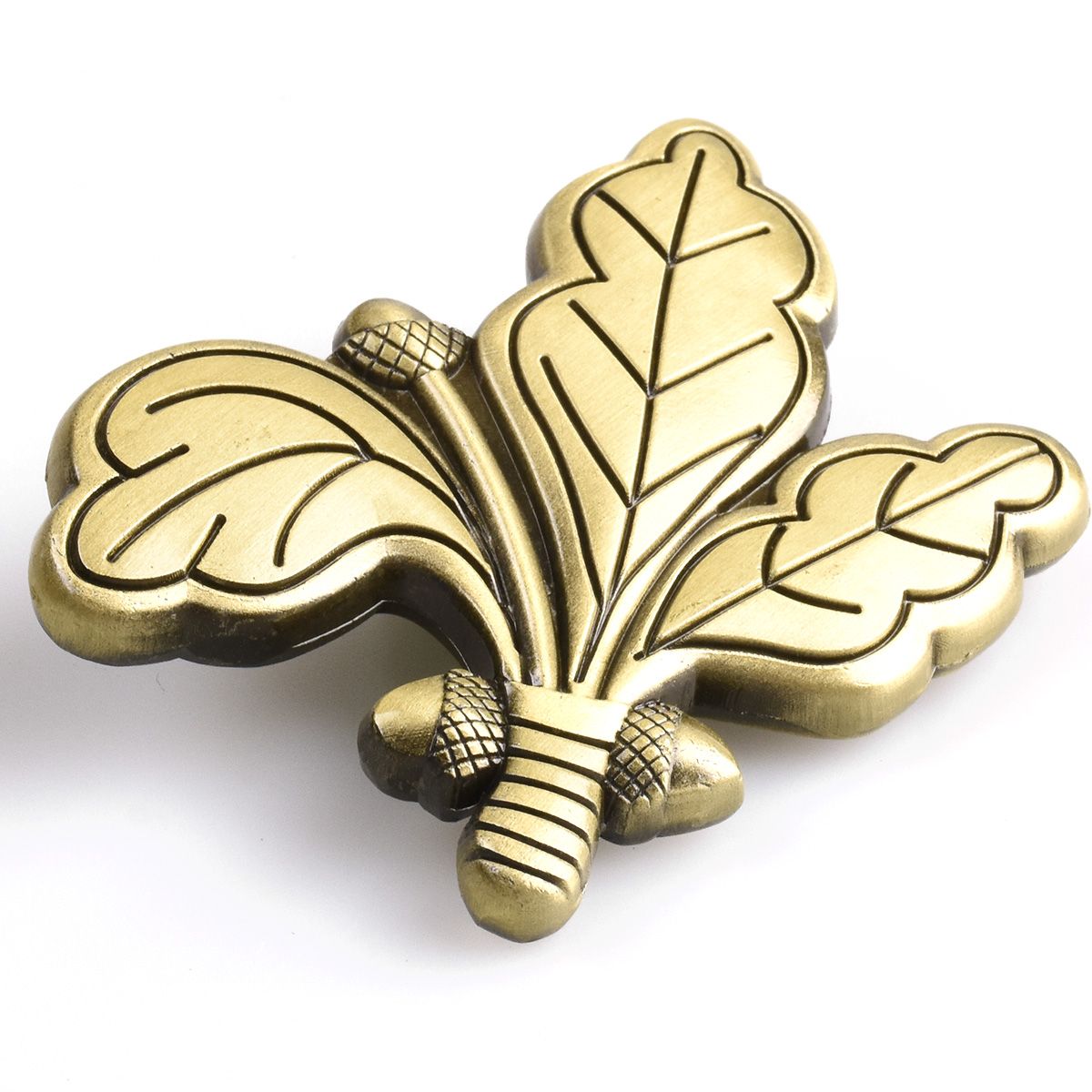
For lodges seeking a vintage, heirloom quality—reminiscent of antique masonic lodge pins—die-struck pins without enamel offer unparalleled gravitas. This ancient technique uses tremendous pressure to impress the design into a solid metal blank, creating a sharp, monochromatic bas-relief effect with a distinguished weight and feel.
From Digital Sketch to Physical Symbol: Translating Complex Masonic Imagery
Your emblem may feature the All-Seeing Eye, pillars, complex architectural details, or flowing script. Translating these into metal requires strategic technical planning.
Beyond the Lapel: Building Cohesion with Matching Masonic Regalia
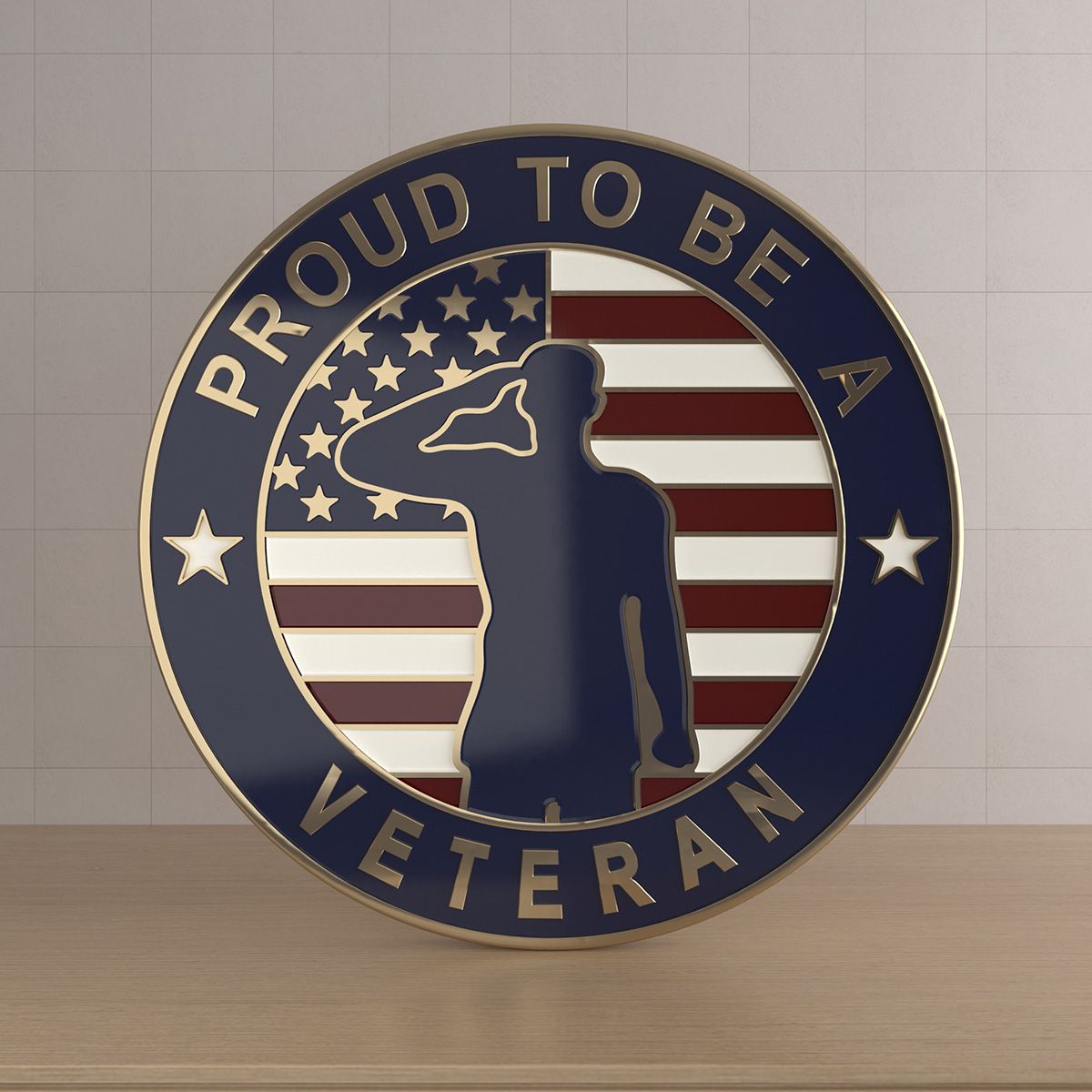
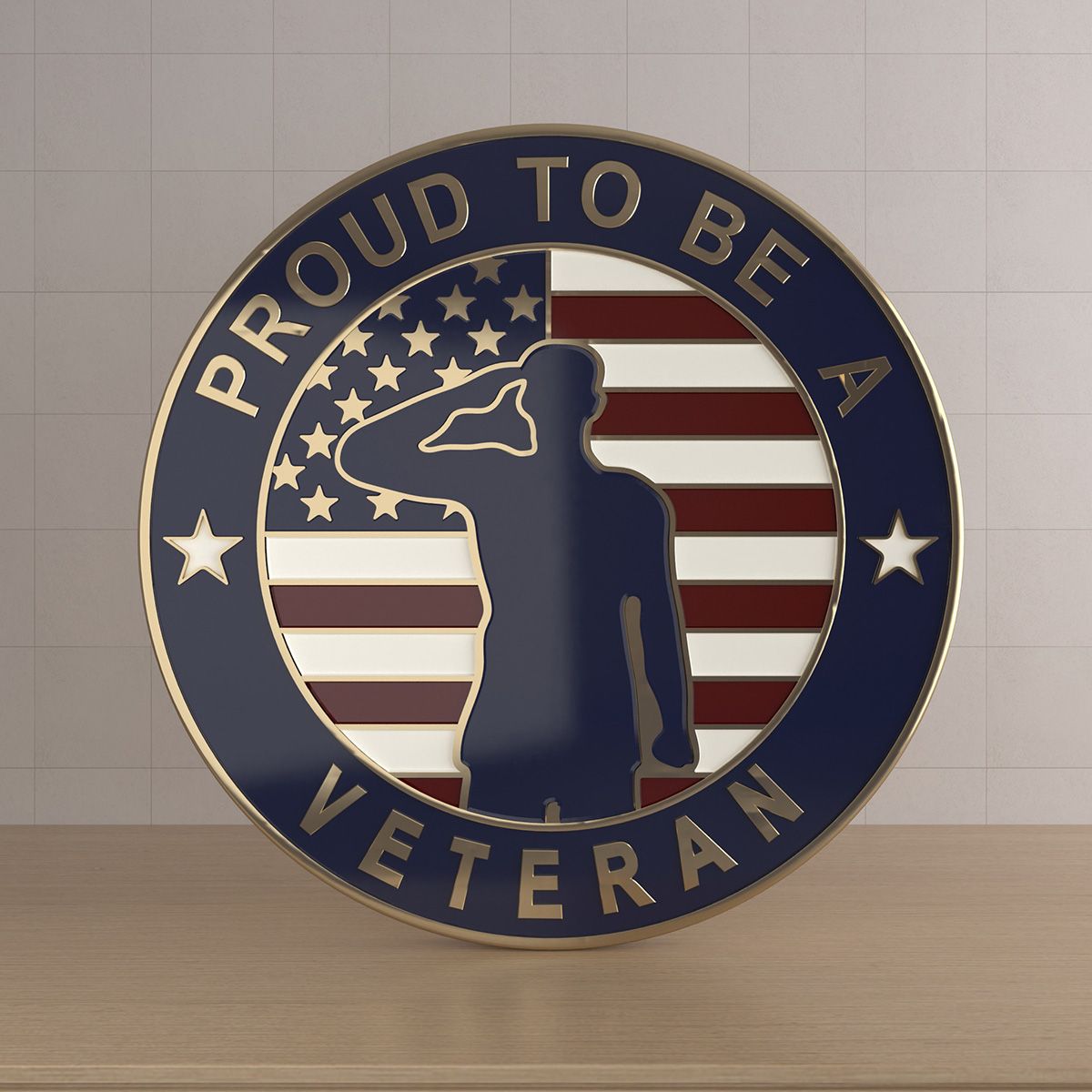
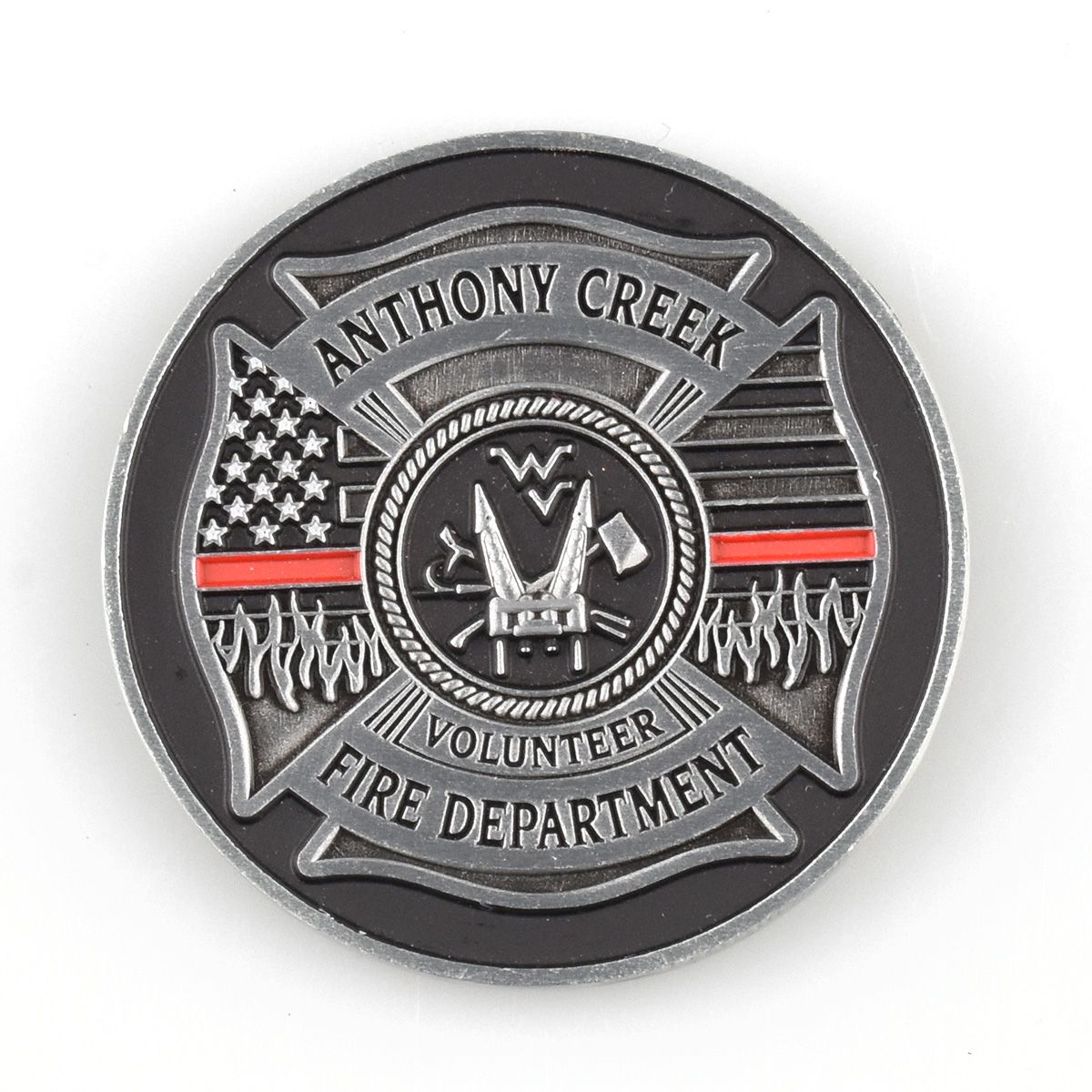
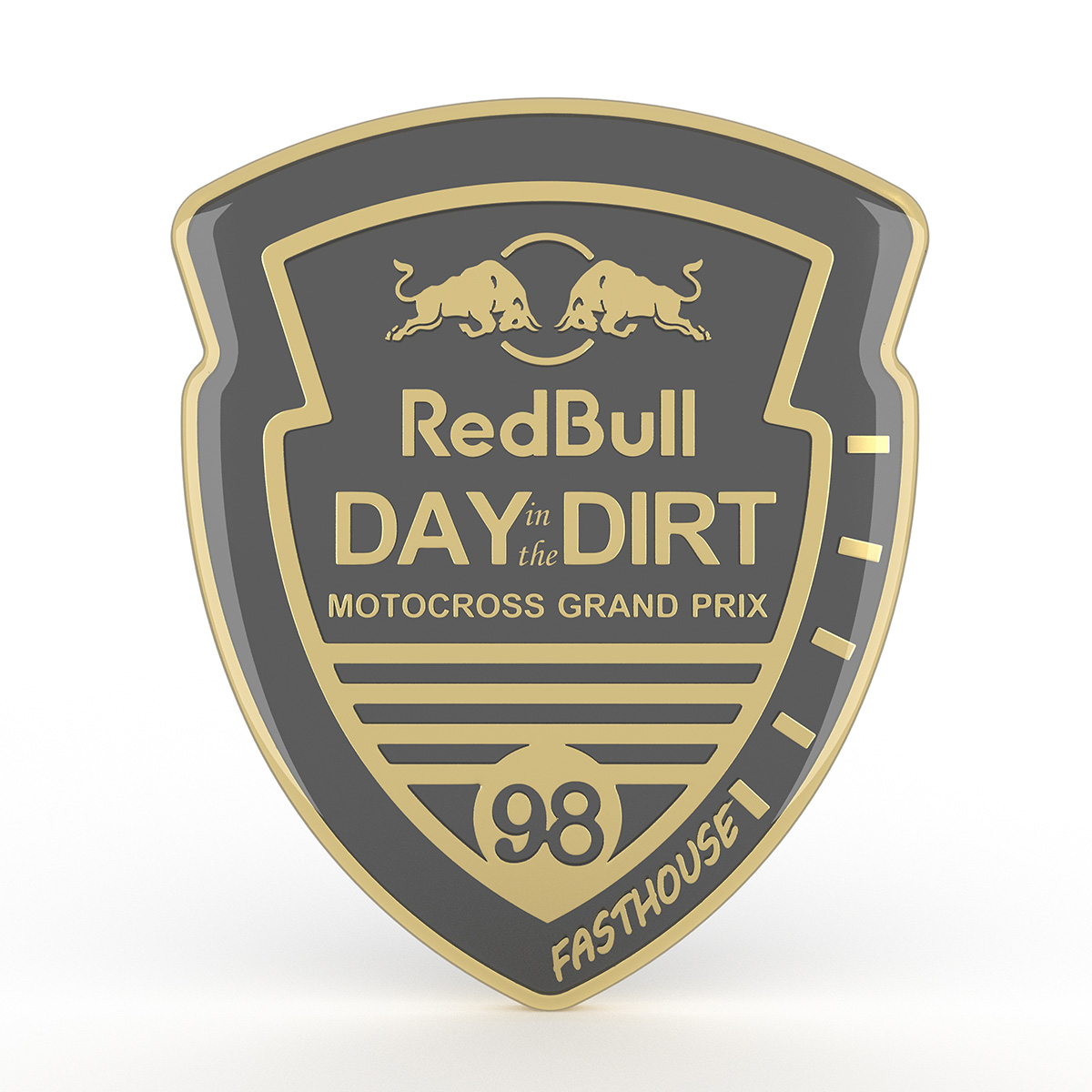
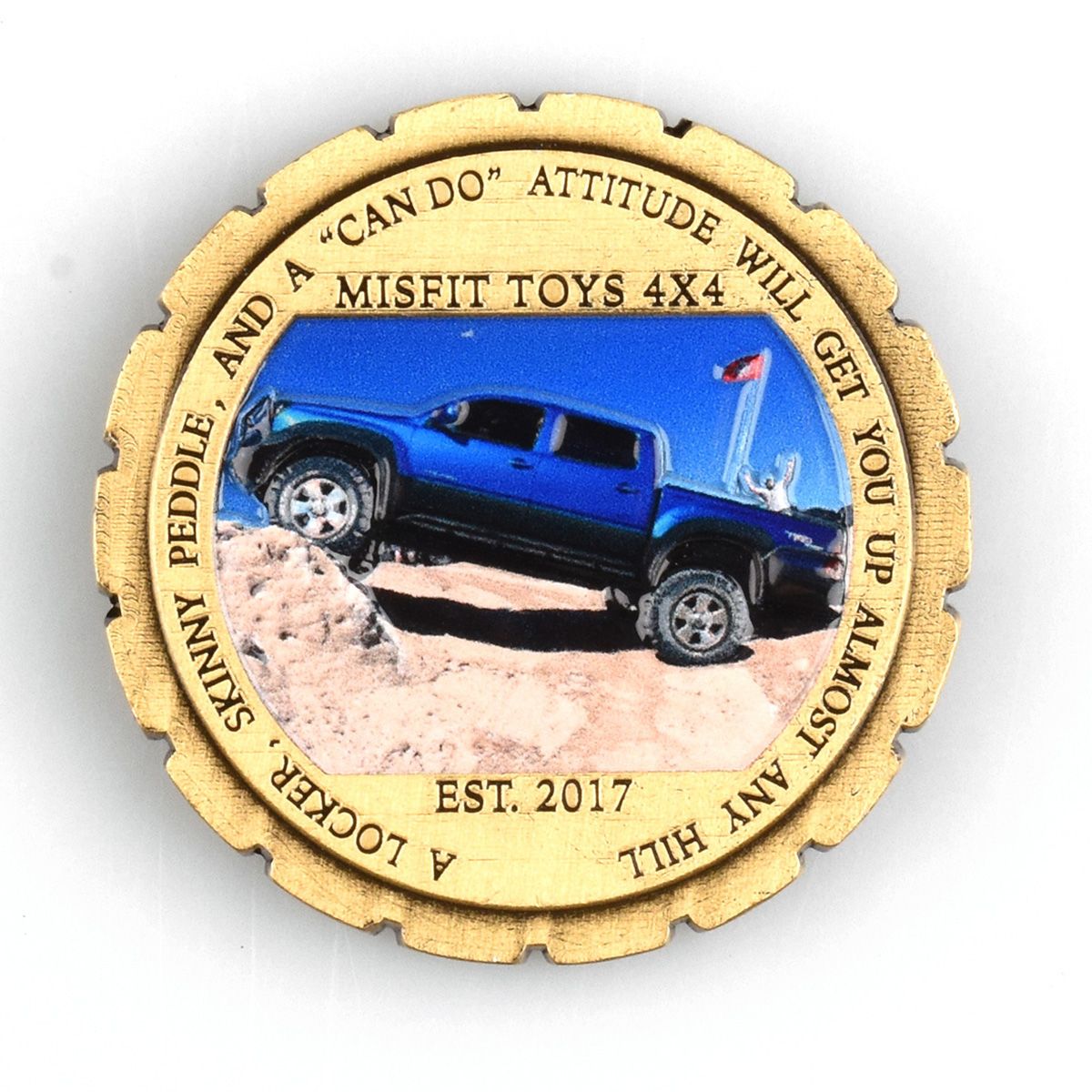
A cohesive set of regalia profoundly enhances group identity. Consider complementing your custom masonic lapel pins with matching items for a unified presentation at meetings or public events:
The Streamlined Wholesale Process: From Artwork to Delivery

A clear, documented process prevents 90% of custom manufacturing errors. Here is the standard workflow for a smooth custom masonic lapel pins wholesale order:
Avoiding Common Pitfalls:
Production & Shipping Timelines for Planning
Effective planning requires realistic timelines. Below are standard production and shipping windows for pins, based on different service levels. These are business day estimates; always confirm with your supplier for your specific order.
Shipping Service |
Product Type |
Production & Shipping Time (Business Days) |
|---|---|---|
Priority Shipping |
Pin |
8 business days for production + 3 business days shipping |
Priority Shipping |
Coin |
10 business days for production + 3 business days shipping |
Express Shipping |
Pin |
15 business days for production + 3 business days shipping |
Express Shipping |
Coin |
18 business days for production + 3 business days shipping_ |
A Partnership Built on Understanding and Precision
Choosing a manufacturer for your bulk masonic regalia is more than a transaction; it's entrusting them with your fraternity's visual identity. It requires a partner who appreciates the cultural significance behind each symbol and possesses the technical expertise to render it flawlessly.
This is where deep experience matters. A team that has worked with lodges, understands the importance of the square being truly square and the compass points sharp, and recognizes that these items are worn with honor, will approach production with a different level of care than a generic promotional supplier.
Furthermore, flexibility is crucial. Whether you need a small run of 100 pins for a special event or a sustained wholesale program for thousands, the process should be scalable and transparent. The hallmark of a true partner is offering a no-obligation sample process. This allows you to see, feel, and evaluate the quality with zero risk before committing your entire budget. They should guide you through design optimization in clear, jargon-free language, ensuring the final product meets both your symbolic and practical requirements.
Ready to See the Difference Expertise Makes?
Your journey to obtaining impeccably crafted Masonic lapel pins begins with a conversation. We invite you to connect with our dedicated team who can provide a transparent quote for your project and offer practical insights to perfect your design.
Frequently Asked Questions (FAQs)
What is the minimum order quantity (MOQ) for custom Masonic pins?
While many wholesale suppliers have high MOQs, we cater to lodges of all sizes. Typical MOQs start at 100 pieces for a custom design, making it accessible for local chapter projects. For standard die-struck designs without custom tooling, smaller quantities may be possible.
How do I ensure the colors on my pin match our lodge's official colors?
The only way to guarantee color accuracy is through a physical sample. Provide your manufacturer with Pantone (PMS) color numbers for both enamel and metal plating. They will create a "color strike-off" for your approval before mass production. Never rely solely on digital color proofs, as screen calibration varies widely.
Can you create a pin from a low-resolution image or a photograph?
We can work from a concept, but for a high-quality result, vector artwork (AI, EPS, PDF) is essential. Vector graphics are scalable without losing detail, allowing for precise engraving of metal lines. Our design team can often re-draw or optimize existing logos or images into a manufacturable vector file as part of the service.
Why is there a mold fee, and is it a one-time cost?
The mold (or tooling) fee covers the cost of precision-engineering a custom metal die that stamps your unique design into the metal blank. This is a complex, skilled process essential for achieving sharp details. This is typically a one-time, upfront cost per design. Once paid, the mold is retained for your future reorders, often for several years, making subsequent orders significantly cheaper per unit. Think of it as an investment in your lodge's unique identity.
Is it cost-effective to order a very small quantity, like 50 pins?
For a fully custom design requiring new tooling, the fixed mold fee divided across a very small number of pins (e.g., 50) results in a high cost per pin. For small quantities, we often recommend exploring standard die-struck designs (using existing molds) or discussing modified existing designs, which can be more economical. If a fully custom piece is essential for a small group, please contact us directly to discuss your specific needs—we can provide tailored solutions and transparent pricing to meet your budget and objectives.