Sign in
Create Your Account
Create My Account
Sign In
Create Your Account
Create professional custom leather patches for hats & clothing. Learn laser engraving, embossing, size, design & wholesale pricing for premium accents.

In a world of mass-produced accessories, how does a brand stand out? The answer often lies in the details—specifically, in the rich, tactile detail of a custom leather patch. More than just a label, a leather patch is a statement. It injects a garment with an immediate sense of heritage, quality, and authenticity. For brands, clubs, or creators looking to elevate their products, custom embossed leather patches or precision laser engraved leather patches offer a unique avenue for brand storytelling that synthetic materials simply cannot match.
At Maxemblem, with two decades of expertise in crafting premium custom products, we bridge traditional leatherworking artistry with cutting-edge digital fabrication. Whether you're a startup clothing line, an established outdoor brand, or a creator with a laser machine, we provide a complete ecosystem—from blank leather patches for hats wholesale to finished, sewn-on masterpieces. This guide is designed to be your comprehensive resource, helping you navigate every decision from工艺 selection to attachment, ensuring your vision is realized with precision and quality.
The 4 Pillars of Leather Patch Customization: Your Pre-Order Checklist
Ordering custom leather patches shouldn't feel like a gamble. By understanding these four foundational elements, you can make informed decisions that align with your vision, budget, and technical requirements, avoiding common pitfalls.
1. Craftsmanship: Laser Engraving vs. Embossing
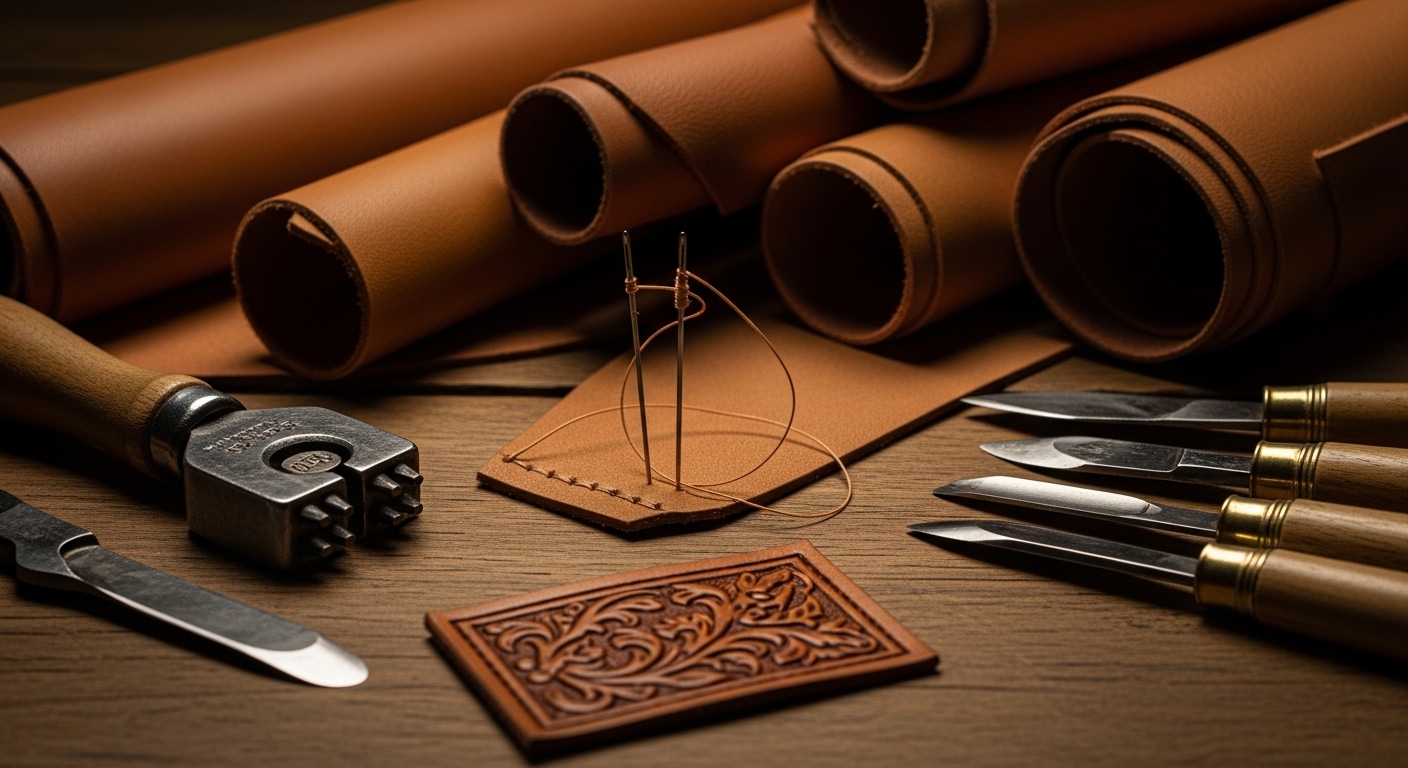
The production method fundamentally defines the look and feel of your patch. The two primary techniques are often confused but yield distinctly different results.
Feature |
Laser Engraved Leather Patches |
Custom Embossed Leather Patches |
|---|---|---|
Process |
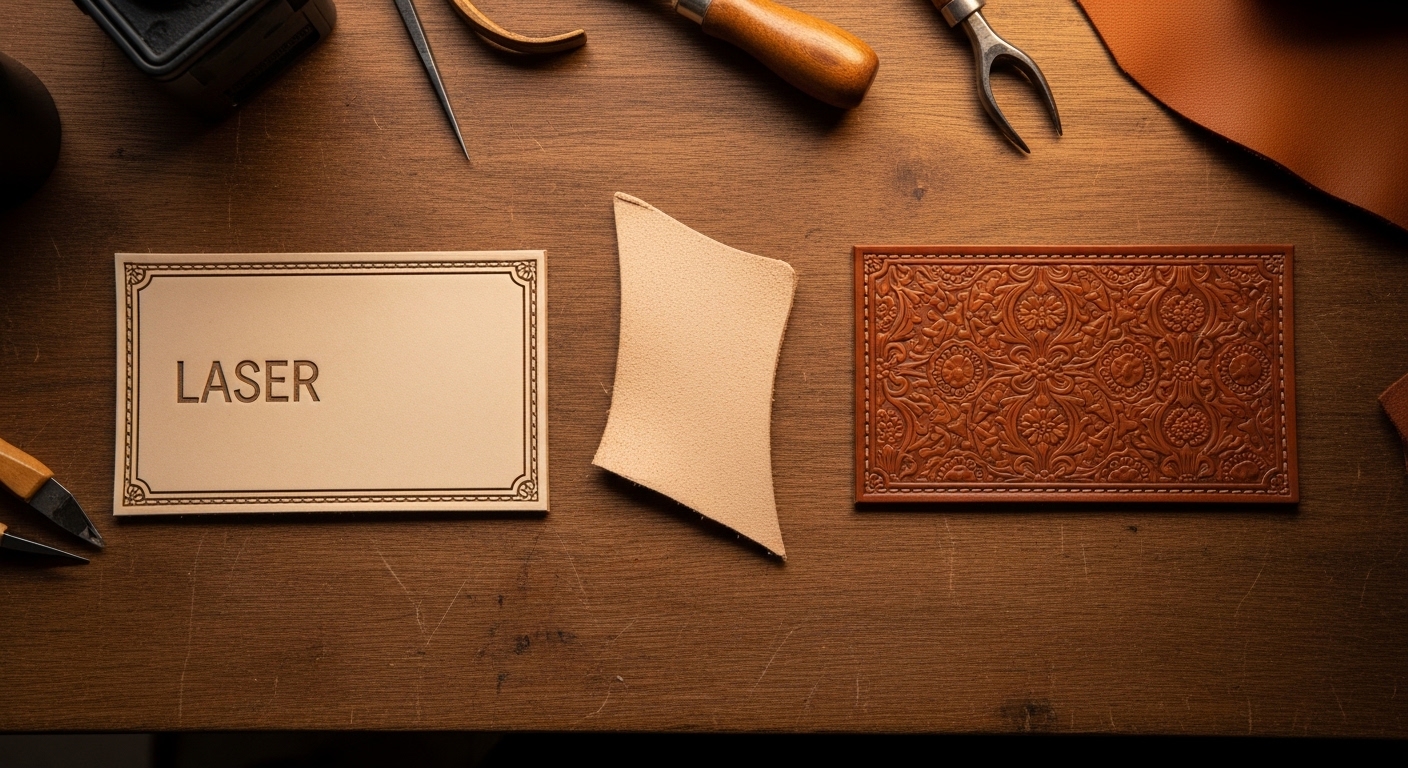
A high-power laser burns away the top layer of the leather, creating a permanent, recessed design. |
A custom-made metal die is used to press the design into the leather under high heat and pressure, creating a raised (debossed) or surrounding raised (embossed) effect. |
Best For |
Extremely complex logos, fine text, photographic details, and multi-tone effects. Perfect for laser engraving leather hat patches with intricate artwork. |
Classic logos, bold lettering, and designs where a traditional, tactile, three-dimensional feel is desired. Ideal for high-end workwear or heritage brands. |
Setup & Cost |
No physical mold needed. Digital file is used directly, making it cost-effective for prototypes and small batches. Ideal for make your own leather patches projects. |
Requires the creation of a custom steel mold (die). This involves a one-time setup fee, making it more economical for medium to large custom leather patches wholesale orders. |
Visual & Texture |
Flat, recessed design. Color contrast comes from the difference between the natural leather surface and the lighter, exposed layer beneath. |
Raised or recessed texture you can feel. Creates deep shadows and highlights, offering a classic, luxurious look. |
2. Size & Proportion: Getting It Just Right
An oversized patch can overwhelm a garment, while one that's too small gets lost. This is especially critical for leather hat patches.
How to measure for a leather hat patch:
For leather patches for clothing like jacket sleeves or jeans pockets, scale is equally important. A good reference is to keep back pocket patches under 4 inches in width.
3. Design Logic: Preparing Artwork for Success
Your beautiful digital logo might need adaptation to excel as a leather patch. Key considerations:
4. Price & Setup Fees: Understanding the Investment
Leather is a premium, natural material, and craftsmanship carries value. The pricing structure is transparent but crucial to grasp:
Pro Tip: If you have a tight budget but dream of an embossed look, discuss with us the possibility of using a standard "type holder" die for text or combining laser engraving with a generic textured border.
Laser Engraving vs. Embossing: A Deep Dive into Techniques
Let's explore each craftsmanship in greater detail to solve the selection dilemma once and for all.
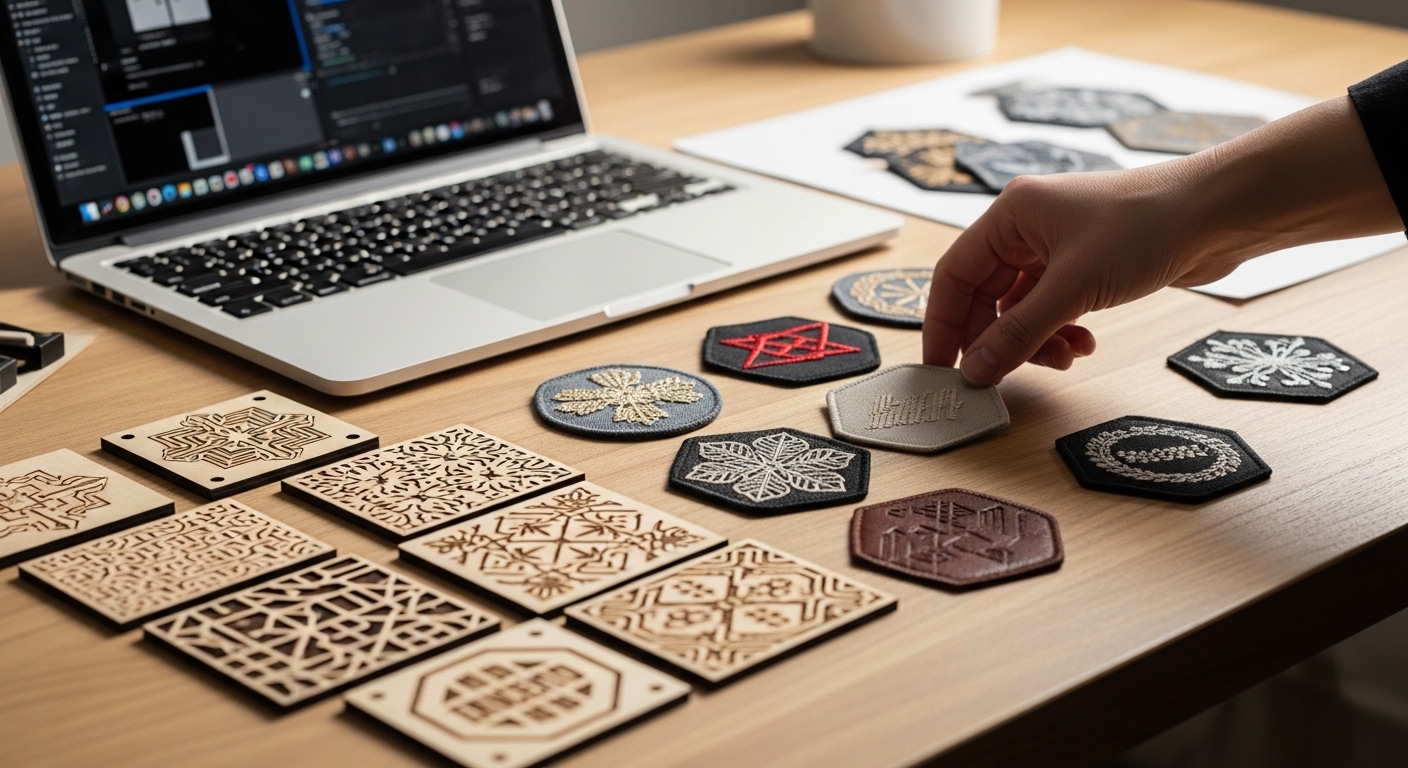
Why Laser Engraving is a Game-Changer for Modern Brands
Laser engraving leather hat patches has revolutionized small-batch and on-demand customization. The process uses a CO2 laser guided by your digital file to vaporize the leather's surface with pinpoint accuracy. This means:
The Enduring Power of Embossed Patches
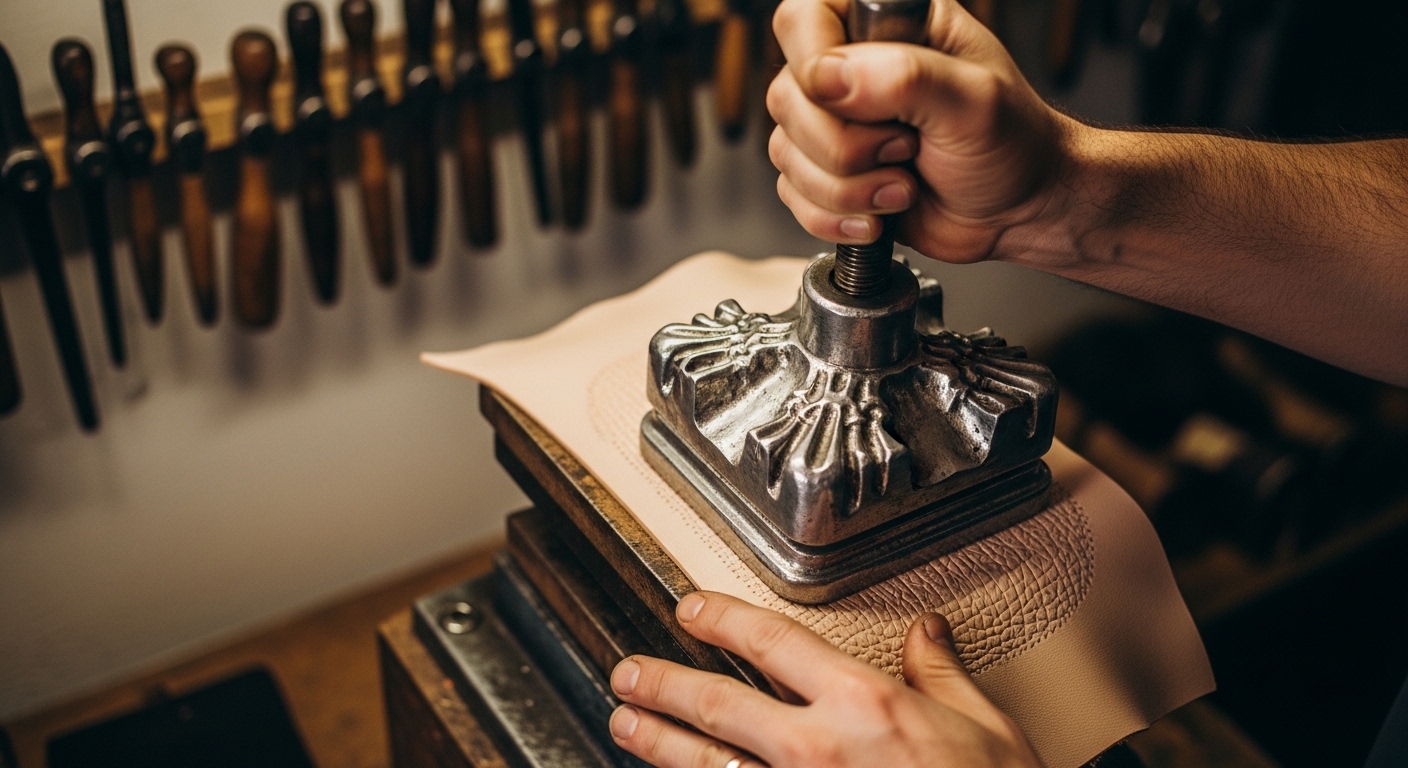
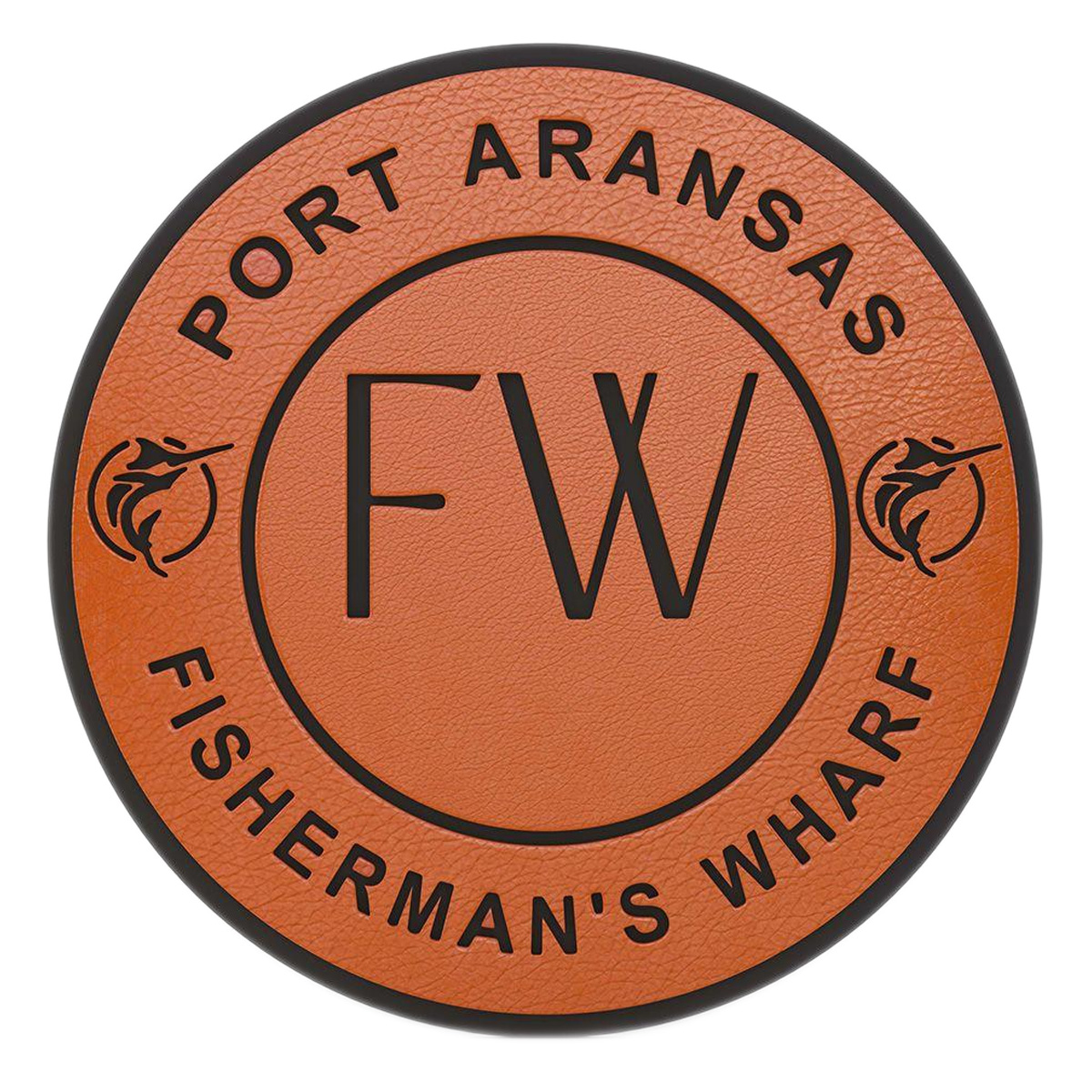
For many, the very essence of a leather patch is the deep, physical impression of embossing (or its counterpart, debossing). This time-tested technique involves creating a custom steel die, which is then pressed into the leather.

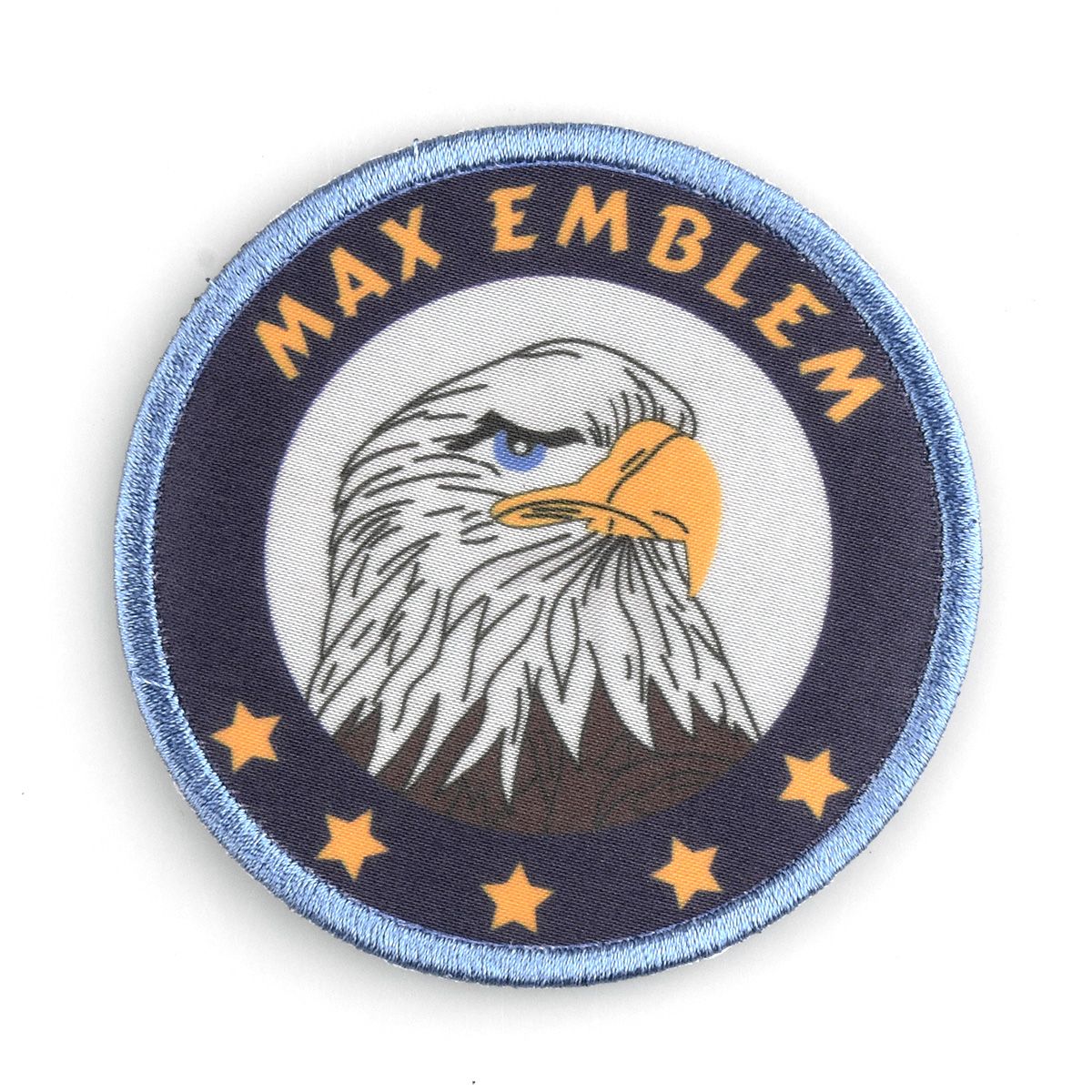
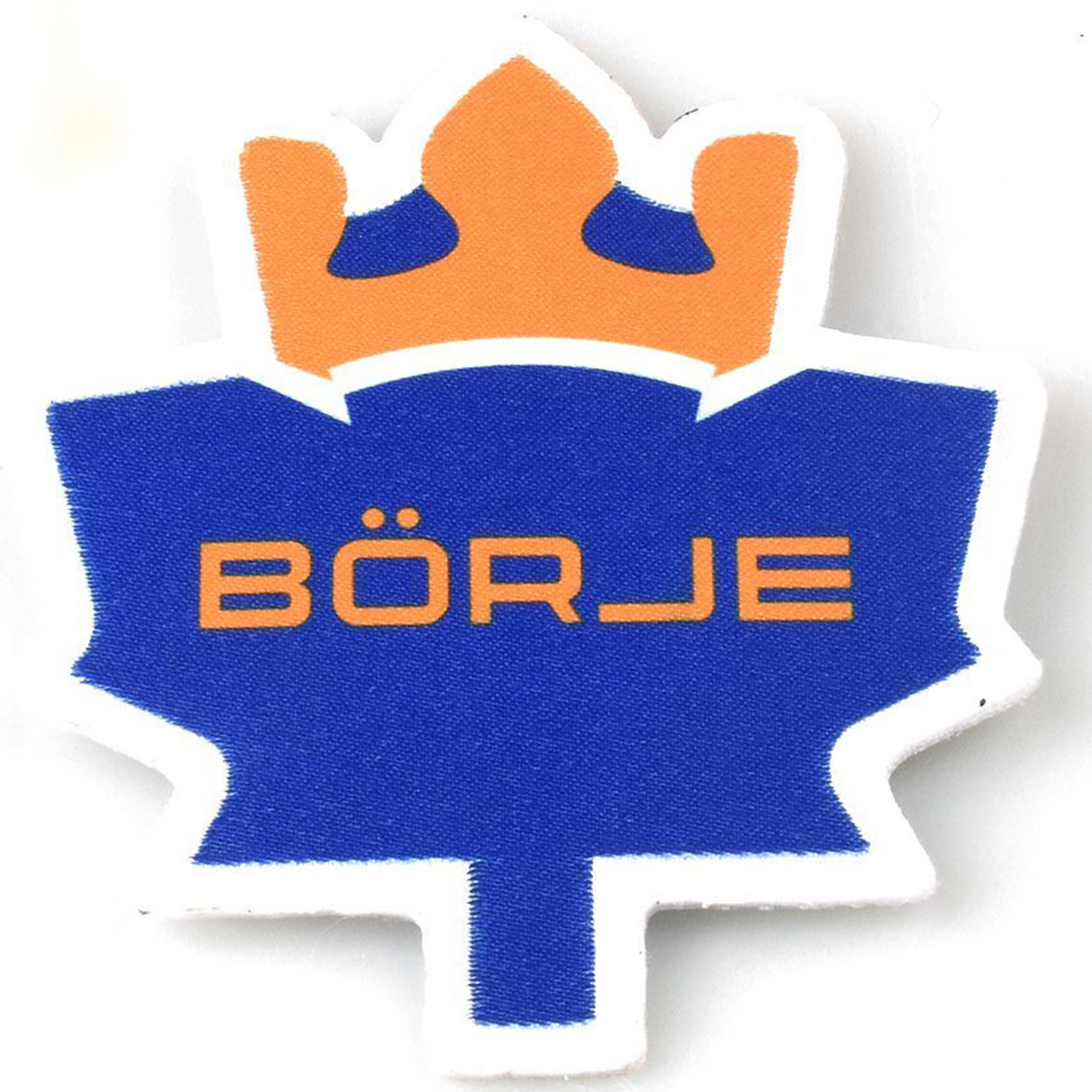
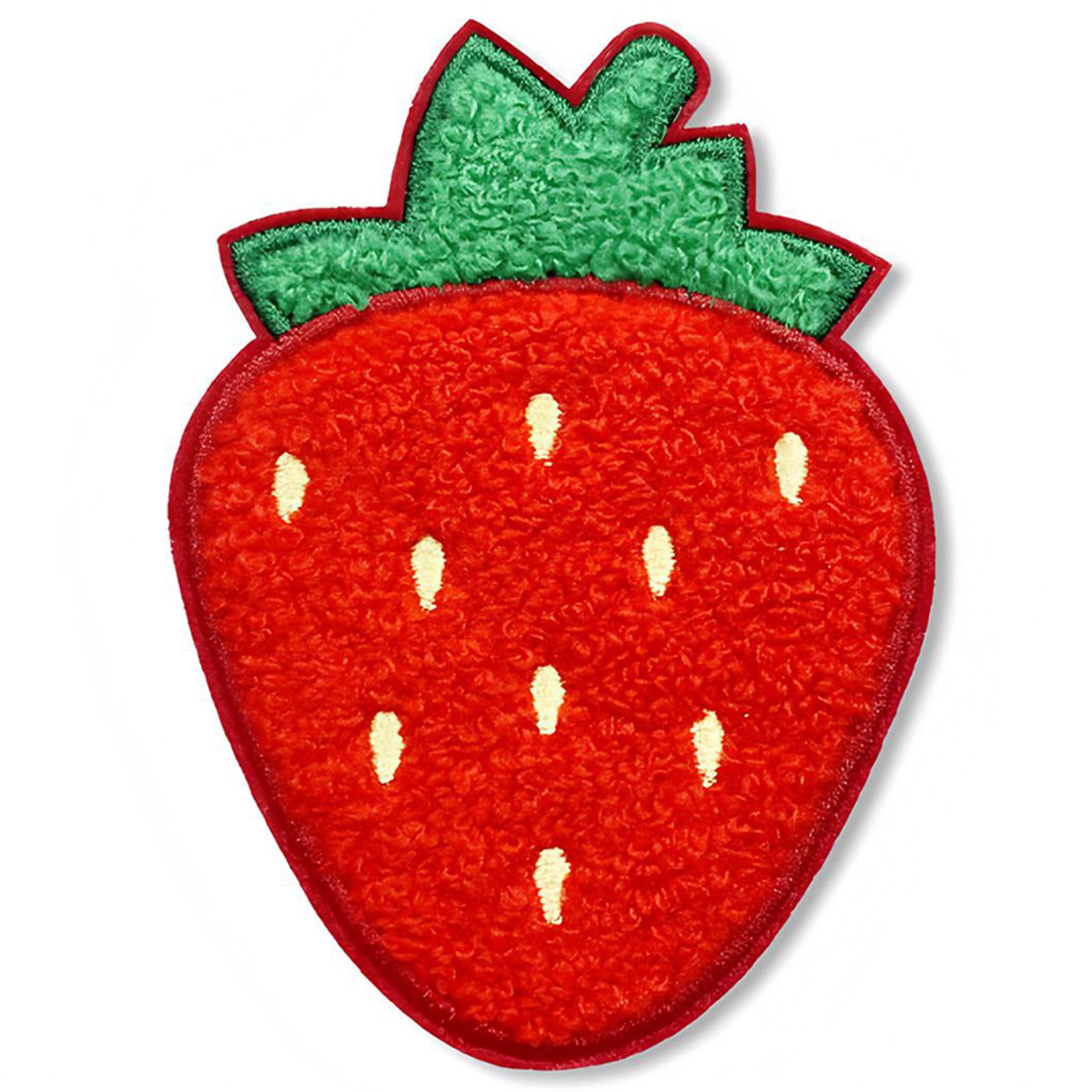

Where Style Meets Function: Application Ideas
For Hats: Defining Your Frontline Branding
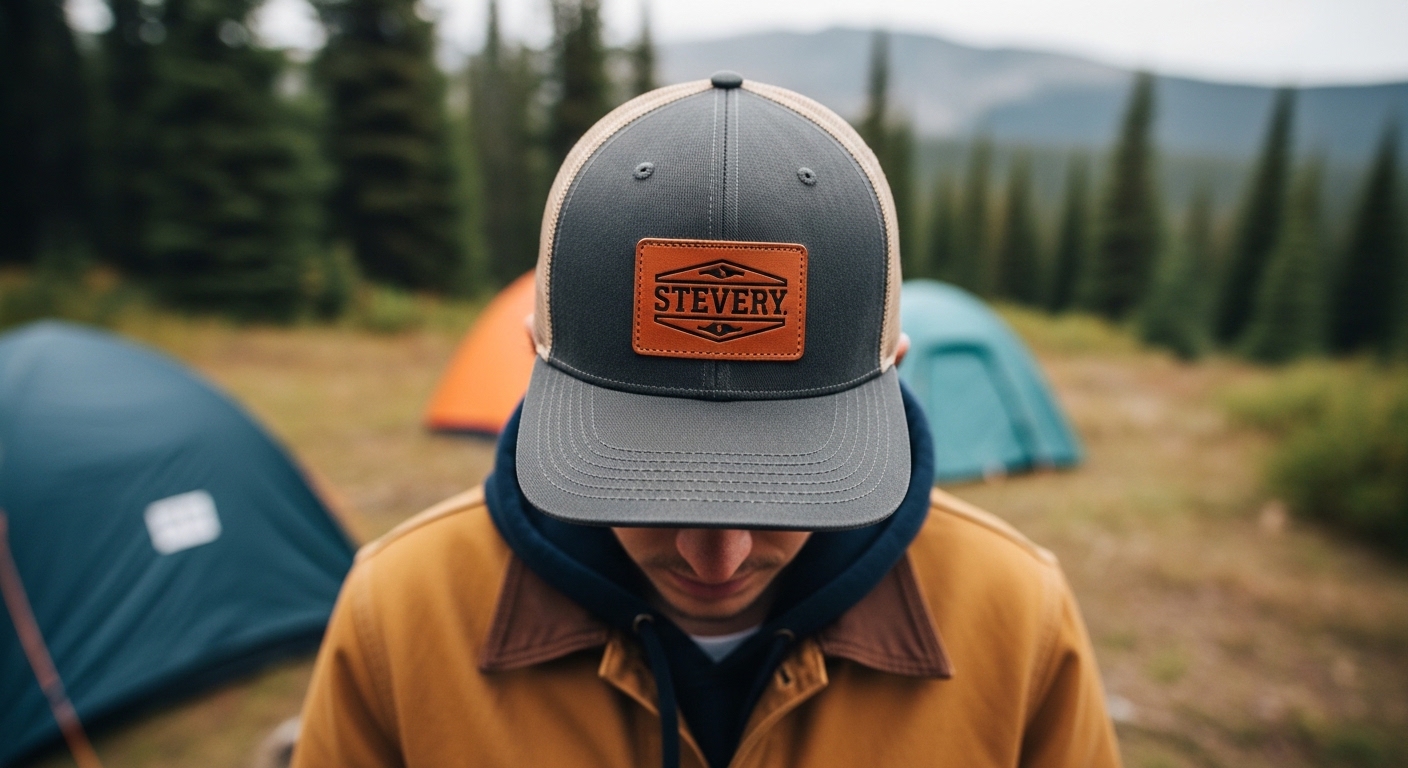
A cap is a walking billboard. Leather hat patches wholesale programs allow brands to create a cohesive, upscale look across their headwear line. Whether it's a laser engraved leather patch for hats with a detailed mascot for a sports team or a debossed ranch logo for an outdoor brand, the key is durability and proportion. A well-made leather patch won't crack or fade like printed alternatives, ensuring your brand looks sharp season after season.
For Clothing: The Signature Touch
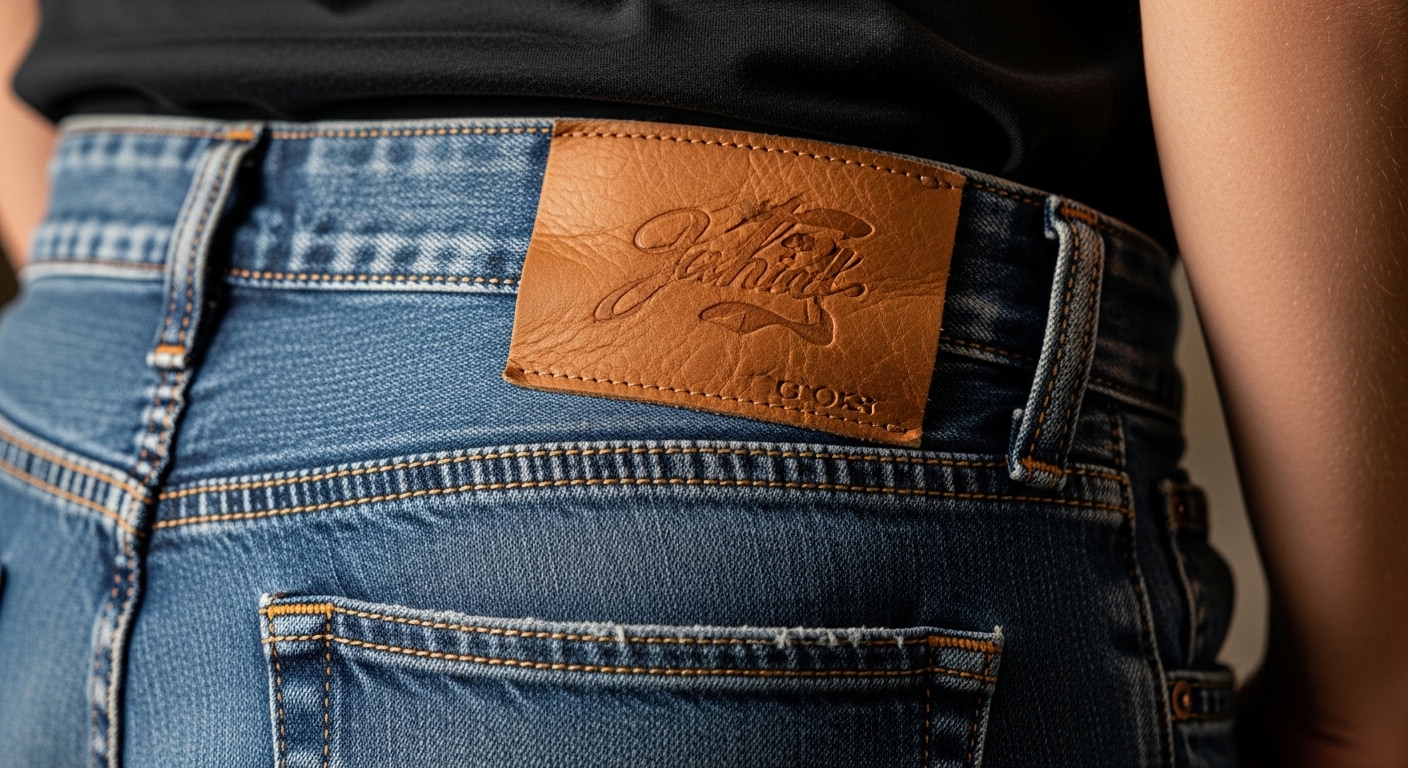
Leather patches for clothing move beyond the generic woven label. A thick, vegetable-tanned leather patch on the back waistband of jeans, a debossed patch on the sleeve of a waxed cotton jacket, or even a small, elegantly engraved patch on a leather bag strap—these are markers of attention to detail. They transform a garment from a commodity into a keeper piece.
For Creators & Wholesalers: The Raw Canvas
The DIY and maker movement is strong. For creators with access to laser cutters or who enjoy hand-tooling, we supply premium blank leather patches for hats wholesale. These are pre-cut, unfinished leather patches ready for your personal creative touch. Similarly, smaller brands can purchase blank leather patches for hats in smaller quantities to handle final customization in-house, offering ultimate flexibility.
How to Attach Your Leather Patches Securely
The best patch is useless if it falls off. Choose the right attachment for your garment's use case.
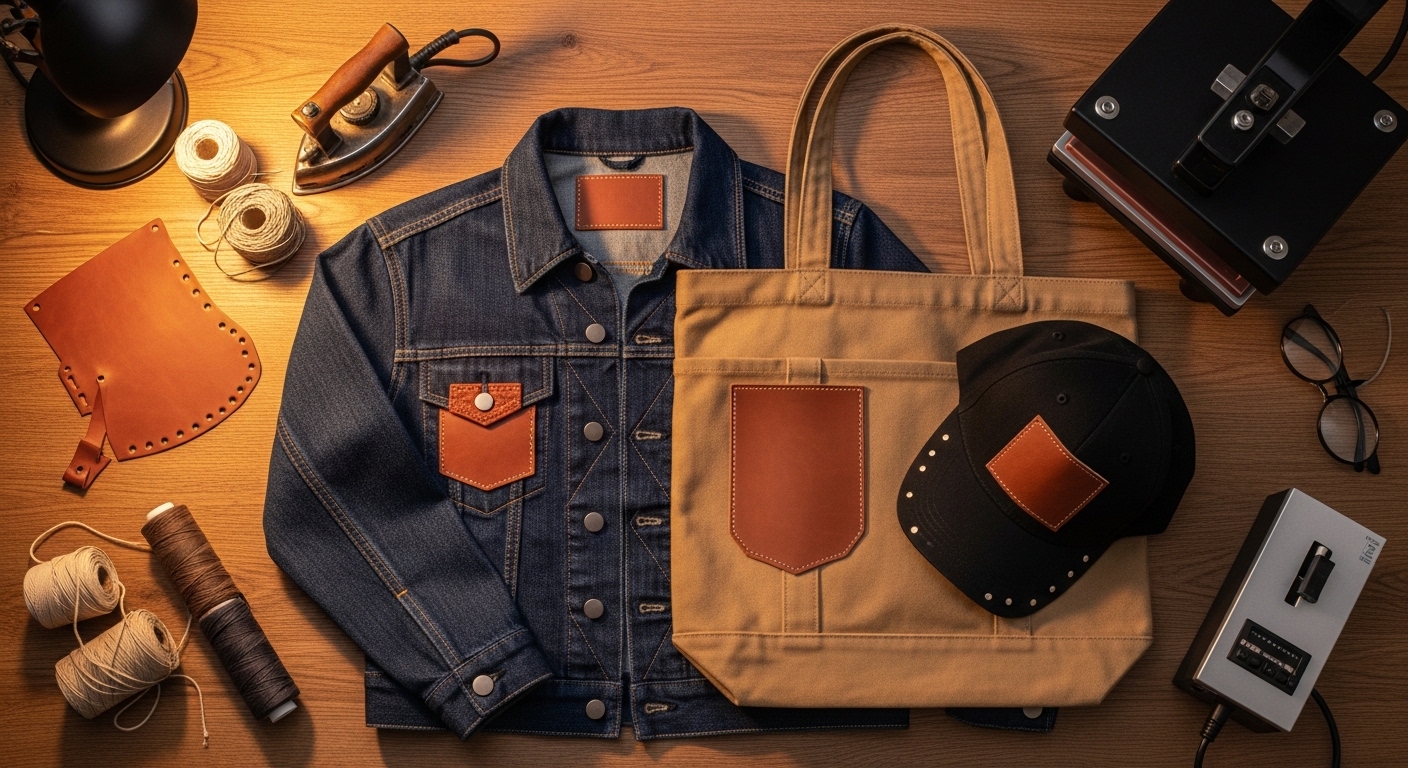
1. Iron-On (Heat Seal) Backing
Custom leather iron on patches are convenient, featuring a heat-activated adhesive layer. Critical Warning: Leather is a skin. Excessive, direct heat can scorch, shrink, or harden it.
2. Sew-On: The Gold Standard
This is the most durable, traditional, and high-end method. The patch comes with pre-punched stitching holes around the perimeter.
3. Pressure-Sensitive Adhesive (PSA)
High-strength adhesive (like 3M™) is applied to the back. Simply peel and press.
Method: Ensure the application surface is clean, dry, and oil-free. Apply firm, even pressure for 30 seconds.
Best For: Applications where stitching or heat isn't possible, or for temporary (but strong) placement. Ideal for make your own leather patches projects where the creator wants easy application for end-users.
Ready to Elevate Your Brand with Leather?
A custom leather patch is more than an accessory; it's a legacy in the making. It tells your customers that you value craftsmanship, durability, and authentic style. With Maxemblem's 20 years of expertise, you're partnering with a team that understands how to translate your brand identity into a tangible work of art.
Don't just get a patch; create an heirloom. Let our experts guide you through material selection, Let our experts guide you through material selection,craftsmanship optimization, and design refinement to ensure your project is a success from the first sketch to the final stitch.
Your Leather Patch Questions, Answered
Q: Does laser engraved leather have a burnt smell?
Freshly laser engraved leather can have a slight smoky aroma, similar to a campfire. This is normal and not a defect. The smell is superficial and will dissipate naturally within a few days in a well-ventilated area. To accelerate the process, you can gently wipe the patch with a slightly damp cloth and let it air out. The scent does not return once gone.
Q: Why are genuine leather patches more expensive than PVC or faux leather?
You are paying for a natural, biodegradable material that ages beautifully, offering unique character over time. The production is more involved: hides must be selected for quality, cut, and finished by hand. PVC is a mass-produced plastic. Think of it as the difference between solid wood furniture and laminate. The former is an investment that gains character; the latter is a disposable commodity.
Q: Can I get my leather patch in a custom shape?
Absolutely. One of the advantages of both laser cutting and custom steel-rule cutting dies is the ability to produce any shape you can imagine—from intricate animal silhouettes to abstract geometric forms. Just provide the vector outline. Note that highly complex, frilly shapes with very thin protrusions may be less durable than more robust designs.
Q: What is your production and delivery time for leather patches?
Our standard production and shipping times for leather patches are as follows:
*These times are estimates and begin after final design approval. Embossed patches requiring a new custom die will have an additional tooling time of 5-7 business days.