Sign in
Create Your Account
Create My Account
Sign In
Create Your Account
Design durable custom police & fire department patches. Get high-density embroidery/PVC options, no-minimum orders & tradition-honoring designs.

A badge or patch worn by a firefighter or police officer is more than uniform decoration. It's a symbol of public trust, a mark of community identity, and a daily testament to service. When it comes time to create or update these emblems, the stakes are high. The design must honor tradition, the quality must endure extreme conditions, and the procurement process must respect the budgetary and operational realities of public service. For those searching for custom embroidered fire department patches or exploring fire department patch design online, this guide serves as your roadmap to a successful, respectful, and professional outcome.
Whether you're a department procurement officer, a union representative, or a chief looking to commission a new design, this resource will walk you through evaluating manufacturers, navigating design choices, and understanding how services like custom police patches no minimum order can provide crucial flexibility for growing departments or special units.
Choosing a Manufacturer for Public Service Patches: What Really Matters
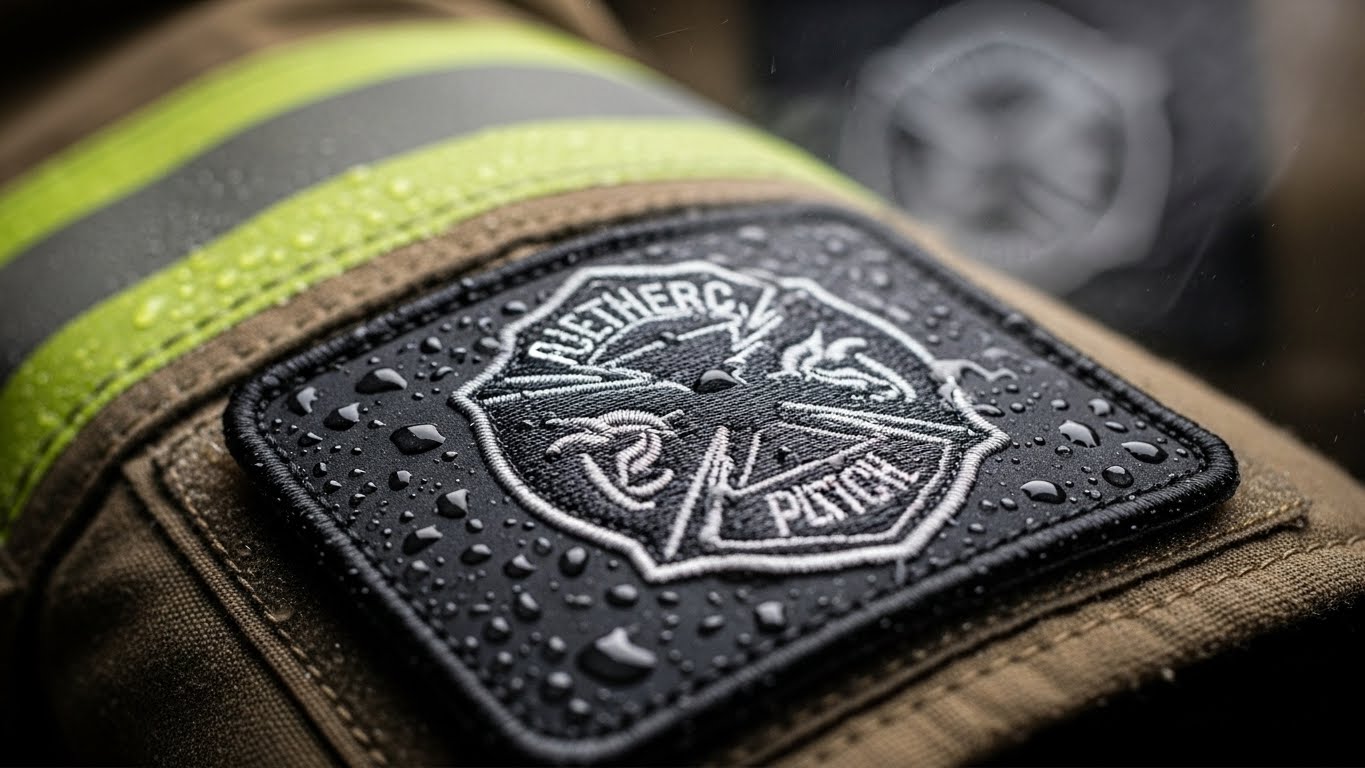
Public service patches carry a weight of expectation that commercial logos do not. The manufacturer you choose must understand this distinction and possess the specific capabilities to meet these unique demands.
Material Mastery for Extreme Durability
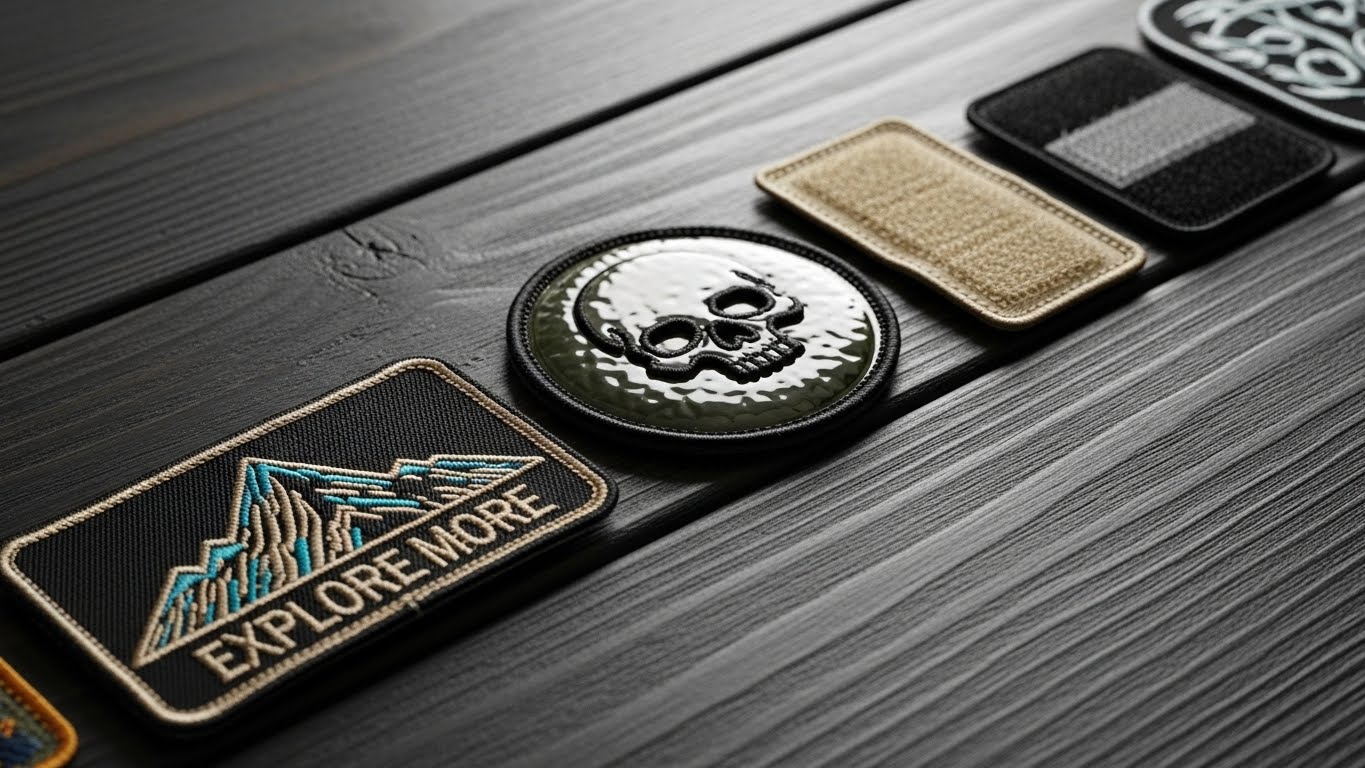
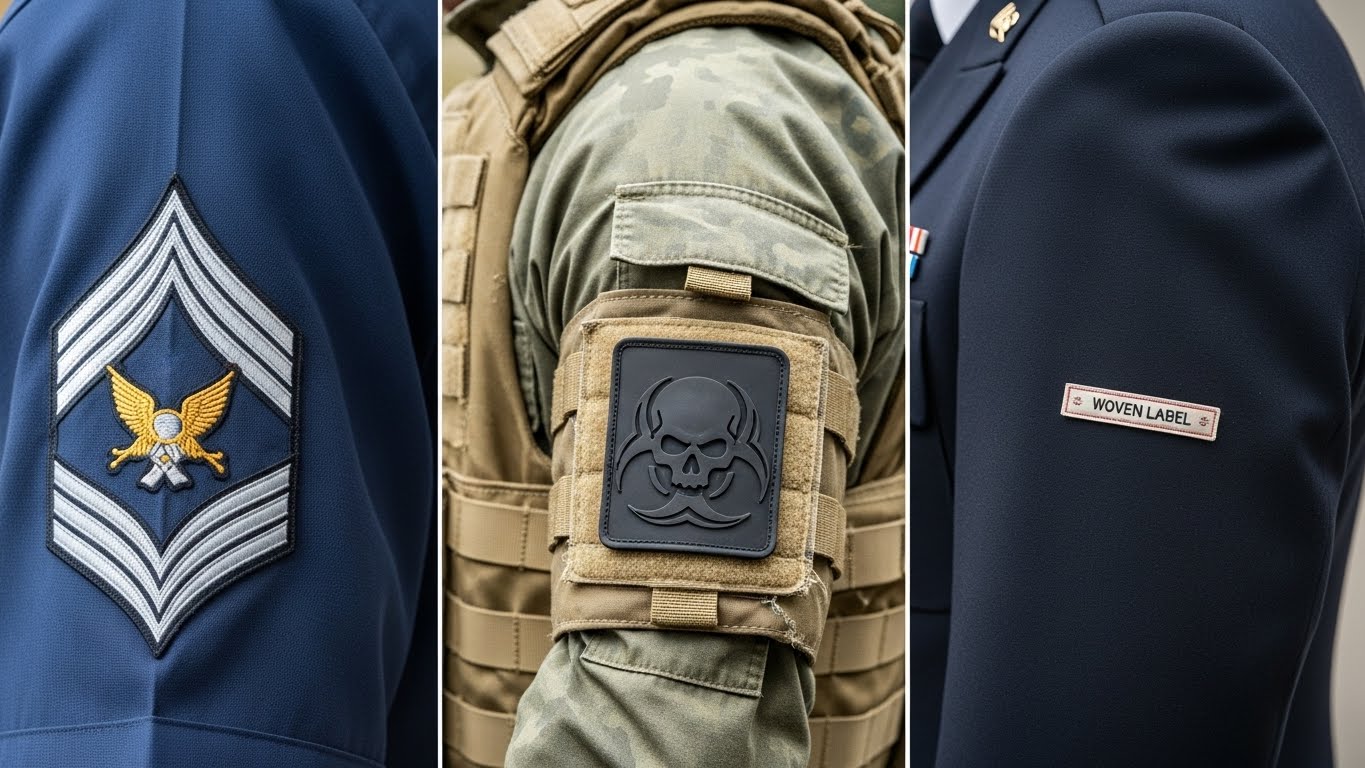
A patch on a firefighter's turnout gear or a police officer's uniform must survive what its wearer survives: heat, moisture, abrasion, and frequent, harsh cleaning. This isn't a question of "if" a material will degrade, but "how well" it resists. A specialist manufacturer offers a portfolio built for endurance:
Choosing the right material is the first step in ensuring your department's insignia is a source of pride for years, not a recurring budget line item for replacements.
Adherence to Official Design Protocols and Traditions
Police and fire patches are steeped in symbolism. Colors, shapes (shield, maltese cross, star, circle), and iconography (ladders, axes, badges, eagles) all carry specific meanings. A manufacturer serving this sector does more than replicate a JPEG; they understand these conventions and can advise on design feasibility. They ensure that fine text on a complex design your own police patch is legible when embroidered and that color boundaries are clean.
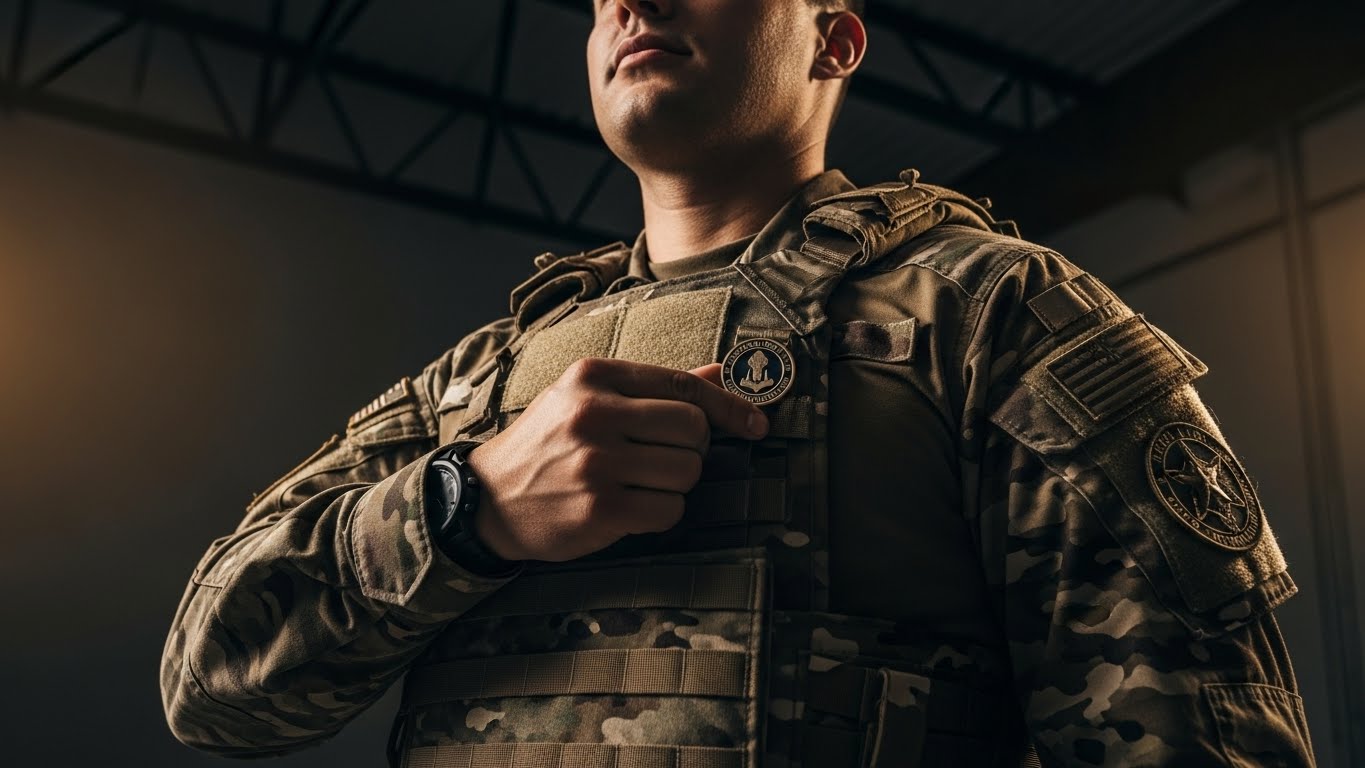
Furthermore, their expertise often extends beyond patches to other essential items of recognition and tradition, such as custom challenge coins. These coins serve as powerful tools for commemorating milestones, honoring acts of bravery, or fostering unit cohesion. A manufacturer experienced in public service will understand the solemn significance of these items and produce them with corresponding care.
Genuine Flexibility for Departments of All Sizes
Not every order is for an entire 500-person department. A new K-9 unit, a specialized hazmat team, or a honor guard may only need a few dozen patches. A manufacturer that truly supports public service will offer custom police patches no minimum order policies. This is not about lowering quality for small batches; it's about having efficient systems that make small production runs viable without exorbitant per-unit costs.
When evaluating this promise, look for:
A Step-by-Step Guide to Designing Your Custom Patch
The journey from concept to a patch on a uniform is collaborative. Here’s how to navigate it effectively.
Step 1: Defining Shape, Size, and Placement
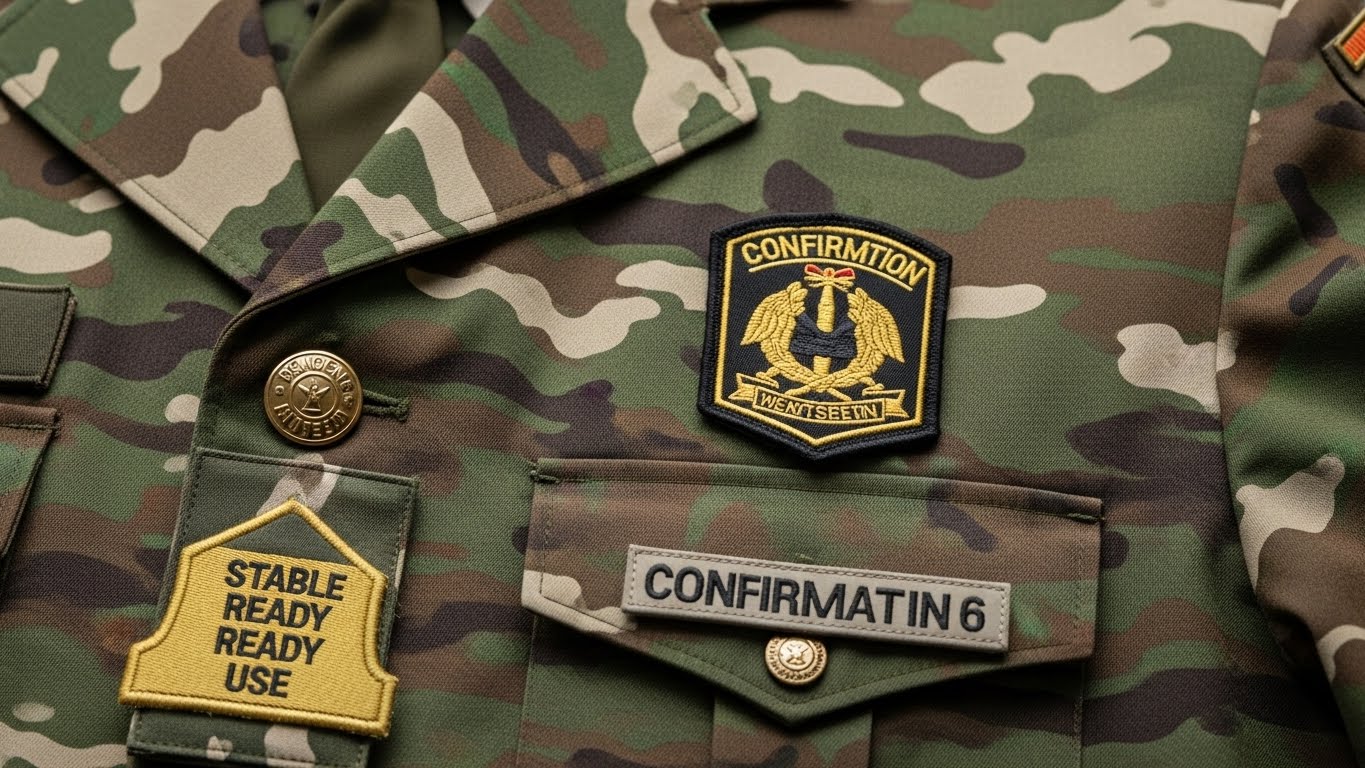
Tradition often dictates shape. Fire departments frequently use the maltese cross or shield. Police departments lean towards shields, stars, or ovals. Size is determined by placement: a shoulder patch for a uniform shirt is typically 3 to 4 inches wide, while a larger back patch for a turnout coat may be 5 inches or more. Discuss these parameters with your manufacturer early; they can provide templates and advise on standard sizing for your intended use, ensuring the final product looks proportional and professional.
Step 2: How to Use Online Design Tools Effectively
Many reputable manufacturers offer a fire department patch design online tool. These are invaluable for visualizing your concept. To use them effectively:
These tools empower you to design your own fire patch or design your own police patch with confidence, serving as a starting point for a professional collaboration.
Step 3: Making Informed Choices on Materials and Backing
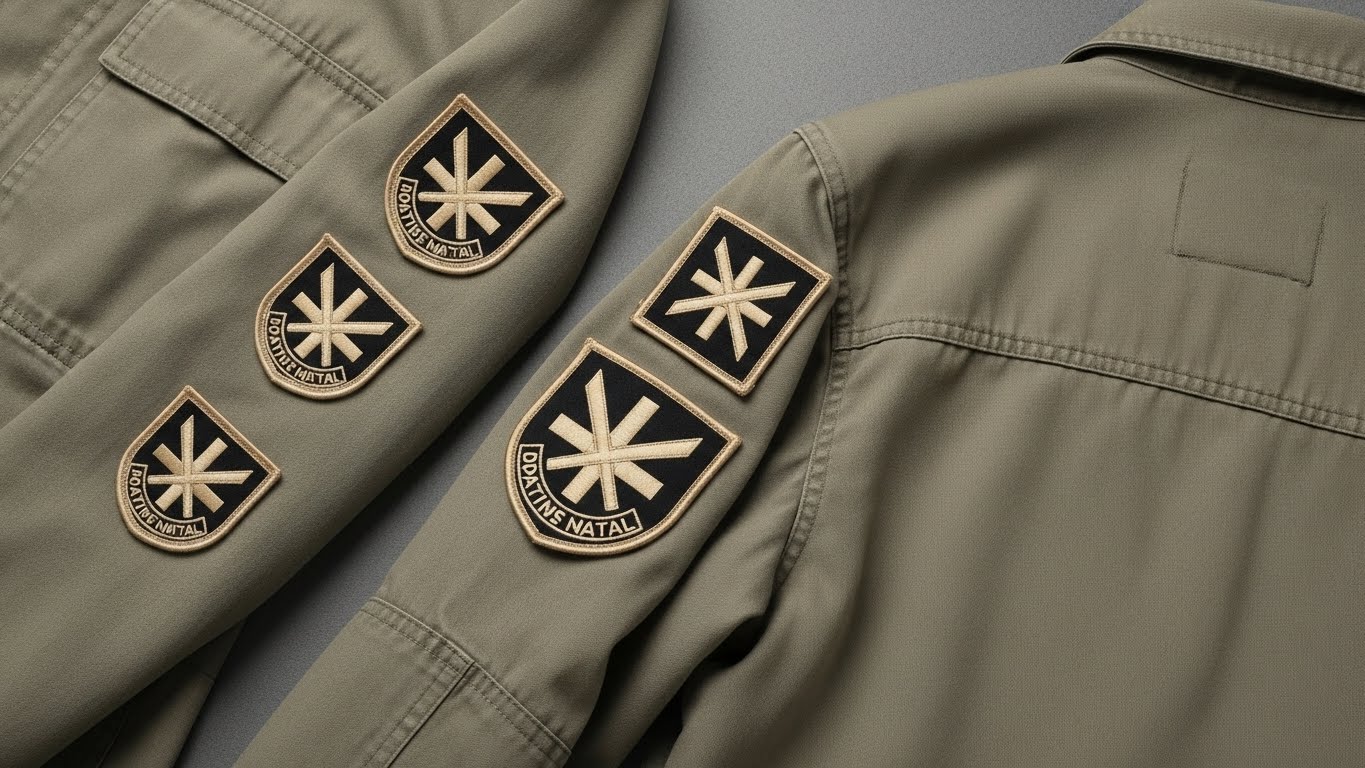
Your design intent should guide your material choice. This decision matrix can help:
Material |
Best Application |
Key Benefits |
Considerations |
|---|---|---|---|
Embroidered Patches |
Dress uniforms, Class B shirts, formal wear. |
Classic, textured look. Excellent durability for typical uniform wear and cleaning. |
Fine details and small text may not replicate perfectly. Choose high stitch density. |
PVC Patches |
Turnout gear, helmets, tactical vests, outerwear. |
Fully waterproof, wipe-clean, extremely durable. 3D details are highly visible. |
Slightly higher cost. Ideal for high-abrasion, wet, or dirty environments. |
Woven Patches |
Patches with extremely fine detail, gradients, or photorealistic elements. |
Can reproduce intricate artwork with clarity that embroidery cannot match. |
Softer "hand feel" and less textured. Durability is very good but different from thick embroidery. |
Step 4: Navigating Timelines with Rush Services
Public service doesn't run on a predictable calendar. Academy graduations, promotions, or the creation of a new unit can create urgent needs for patches. A reliable manufacturer will have established expedited production lanes. For instance, Priority Shipping can dramatically shorten the standard timeline for embroidery patches to just a few business days for production. This capability is a critical part of serving the public sector, ensuring personnel have the proper insignia when they need it.
Beyond the Patch: Recognition and Commemoration
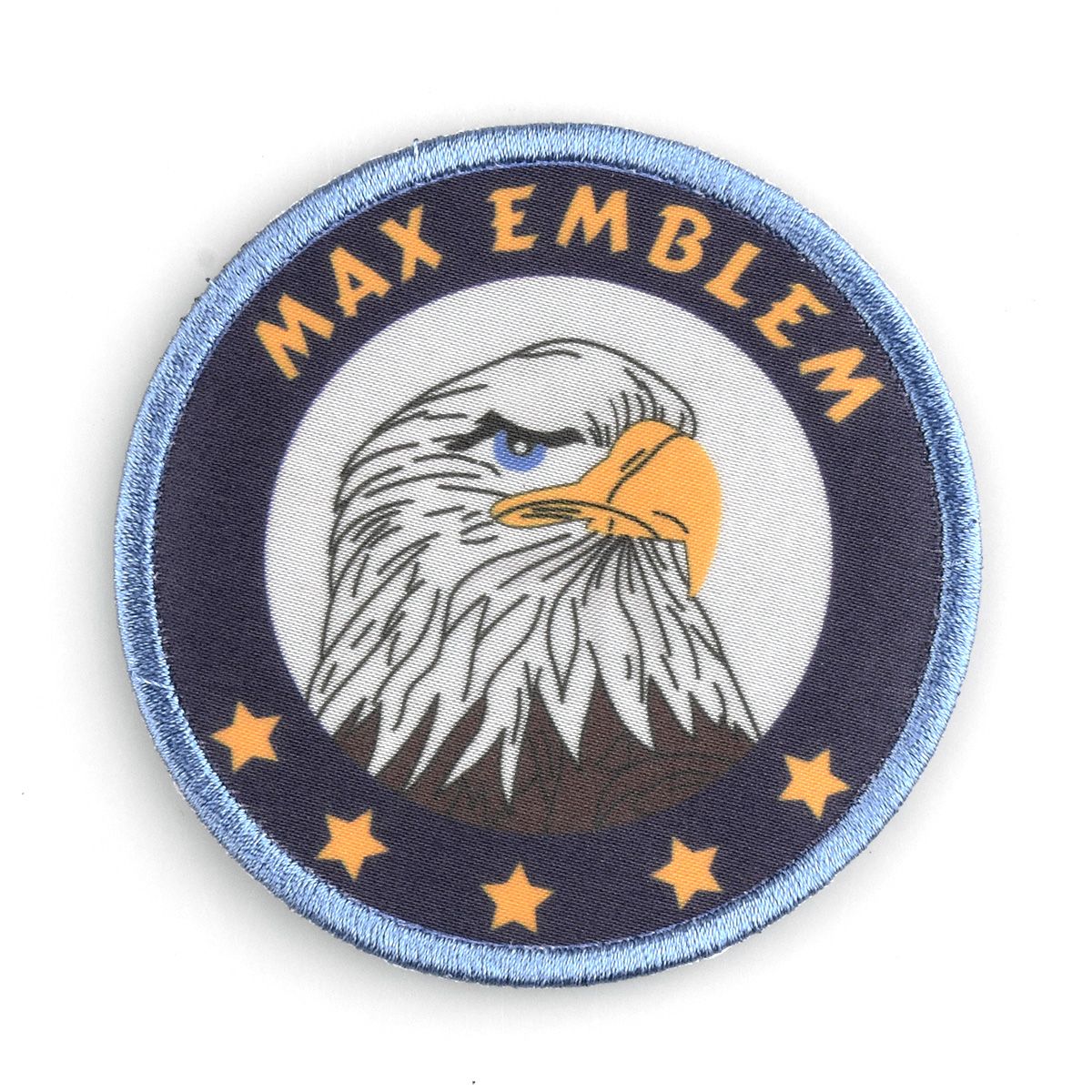
Patches are central to identity, but other custom items play vital roles in morale, tradition, and honor.


A Partnership Built on Respect for Service
At Maxemblem, we approach every order for custom embroidered fire department patches or police insignia with the understanding that we are helping to uphold a legacy. Our twenty years of experience have taught us that quality, compliance, and flexibility are not optional. From offering true custom police patches no minimum order flexibility for specialized teams to providing robust online tools for you to design your own fire department patch, our goal is to be a seamless, reliable partner in bringing your department's identity to life with the honor and durability it deserves.
Frequently Asked Questions
What are the typical sizes for custom fire department patches?
Size is determined by placement. The most common custom embroidered fire department patches for uniform shirt shoulders are between 3" and 4" in width. Larger "back of coat" patches for turnout gear can range from 5" to 7" or more. Sleeve patches are often smaller, around 2" to 3". It's always best to measure the area on the uniform where the patch will be placed and consult with your manufacturer. They can provide guidance on standard proportions to ensure a balanced, professional look.
Does ordering custom police patches with no minimum affect quality?
Absolutely not. With a reputable manufacturer, a custom police patches no minimum order policy reflects an efficient and adaptable production system, not a lower standard. The same high-grade materials, precision embroidery machines, and quality control inspections are used for an order of 25 patches as for an order of 250. The per-unit cost may be slightly higher due to fixed setup costs being distributed over fewer items, but the craftsmanship and durability should be identical. This policy exists to serve the real-world needs of smaller units, special teams, or pilot programs without forcing them into bulk purchases.
What embroidery density should I look for in a police patch?
High stitch density is the single most important factor for a durable, professional-looking embroidered patch. Look for a manufacturer that emphasizes high-density embroidery, typically in the range of 7,000 to 10,000 stitches per square inch. This creates a solid, tightly woven surface where the individual threads and the backing fabric are not easily visible. High density prevents the patch from looking "thin" or "cheap," makes colors appear more vibrant and saturated, and significantly increases the patch's resistance to fraying, pilling, and wear from friction and washing. Always ask about the manufacturer's standard stitch density for their custom embroidered fire department patches and police patches.