Sign in
Create Your Account
Create My Account
Sign In
Create Your Account
Master iron-on adhesive backing for leather, denim repairs & custom patches. Professional tips for strong, long-lasting fabric restoration projects.


Behind every durable fabric repair, perfectly applied custom patch, and professional-looking alteration lies an unsung hero: iron-on adhesive backing. This invisible foundation transforms temporary fixes into permanent solutions, offering strength without compromising aesthetics.
With over two decades of experience creating custom patches, bottle opener coins, and promotional products, MaxEmblem understands that adhesive quality directly impacts product longevity. This comprehensive guide shares professional insights to help you navigate the world of thermal-activated bonding, ensuring your fabric projects withstand the test of time.
Why Iron-On Adhesive Quality Determines Project Success
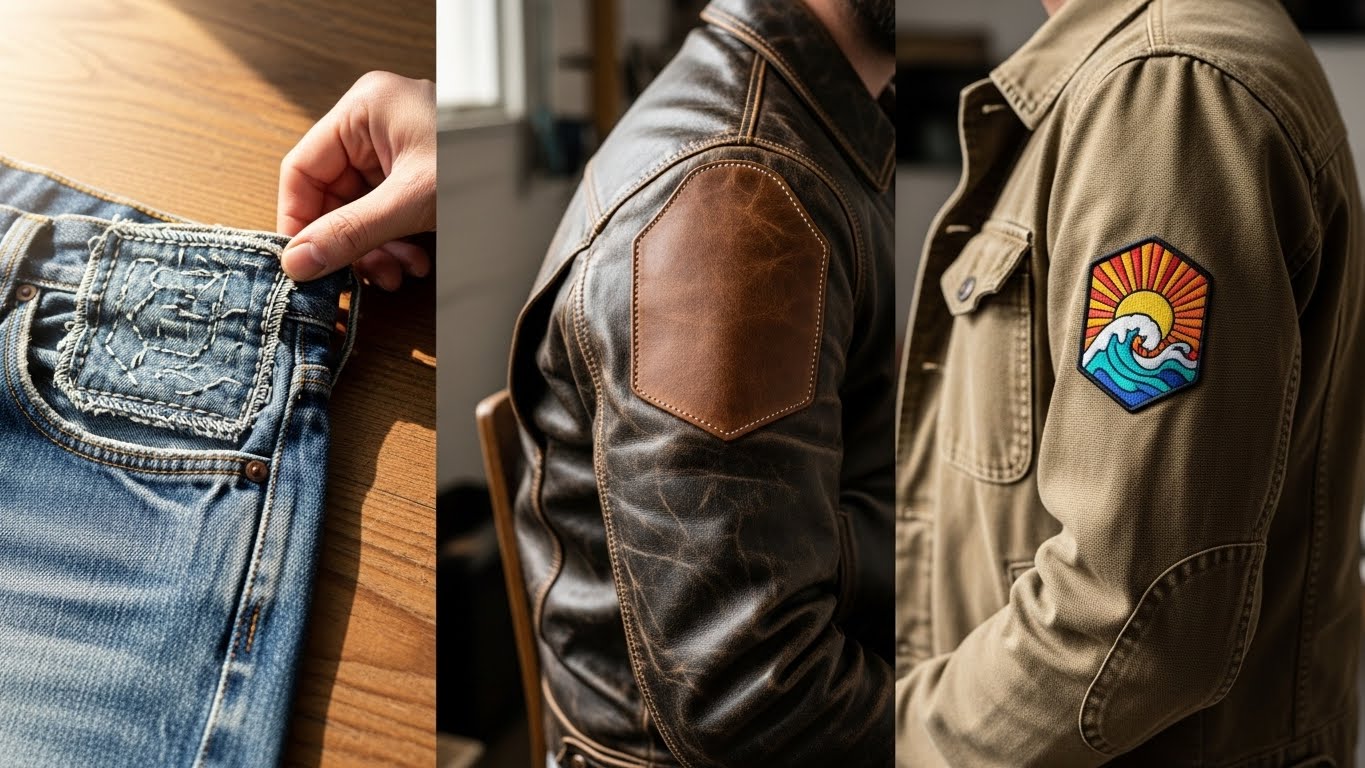
Think beyond the visible repair—the adhesive is what truly holds everything together. A subpar bond fails after a few washes, leaving edges frayed and patches peeling. Professional-grade adhesive, correctly matched to your fabric and properly applied, creates a union that often outlasts the surrounding material. Whether repairing a cherished leather jacket or applying iron on backing patches for jeans, understanding this critical component separates amateur fixes from professional results.
What Happens During Thermal Bonding?
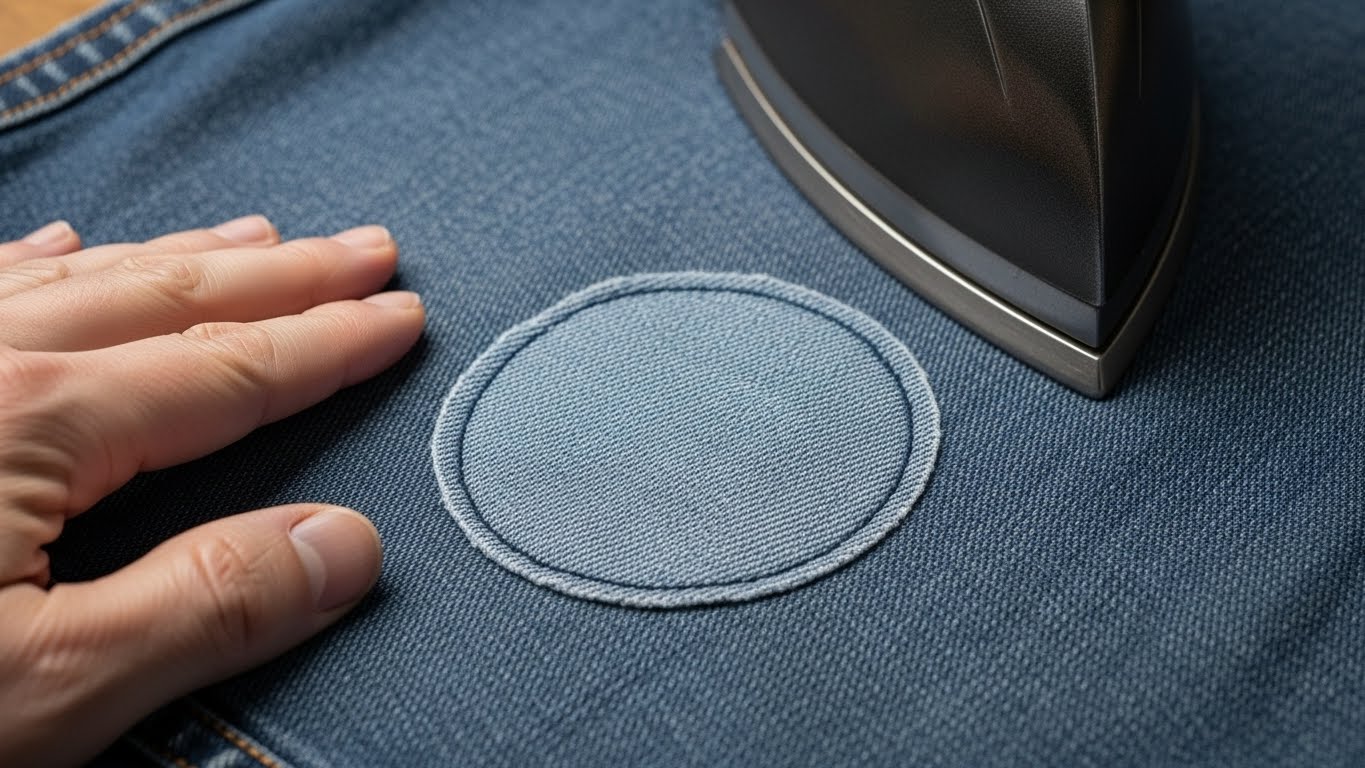
The science behind iron-on adhesives combines simplicity with sophisticated material engineering. Thermoplastic polymers within the adhesive soften at specific temperatures, flowing into fabric fibers. As they cool and solidify, they create mechanical bonds that lock materials together at a microscopic level.
The Critical Variables for Perfect Adhesion
Precision Temperature Control
Different materials require different activation temperatures. Standard polyester adhesives typically activate at 150-160°C (300-320°F), while specialized formulations for delicate materials like iron on backing for leather activate at lower temperatures. Too little heat leaves adhesive unactivated; too much can damage fabrics or degrade adhesive properties.
Optimal Pressure Application
Consistent pressure ensures melted adhesive makes complete contact with all fabric fibers. For most applications, firm pressure with a household iron works well. For professional results—particularly with thick materials like denim or delicate materials like leather—a heat press provides superior, even pressure distribution.
Proper Timing and Curing
Adhesive bonding requires specific timing. Most applications need 10-15 seconds of heat application followed by undisturbed cooling. Heavy-duty applications benefit from a 24-hour curing period before the item undergoes stress or washing, allowing bonds to reach maximum strength.
MaxEmblem's Professional Tip: When applying our custom patches with iron-on backing, place a thin cotton cloth between your iron and the patch. This prevents potential shine marks on sensitive fabrics and ensures more even heat distribution for stronger bonds.
How Do You Select the Right Adhesive for Different Materials?
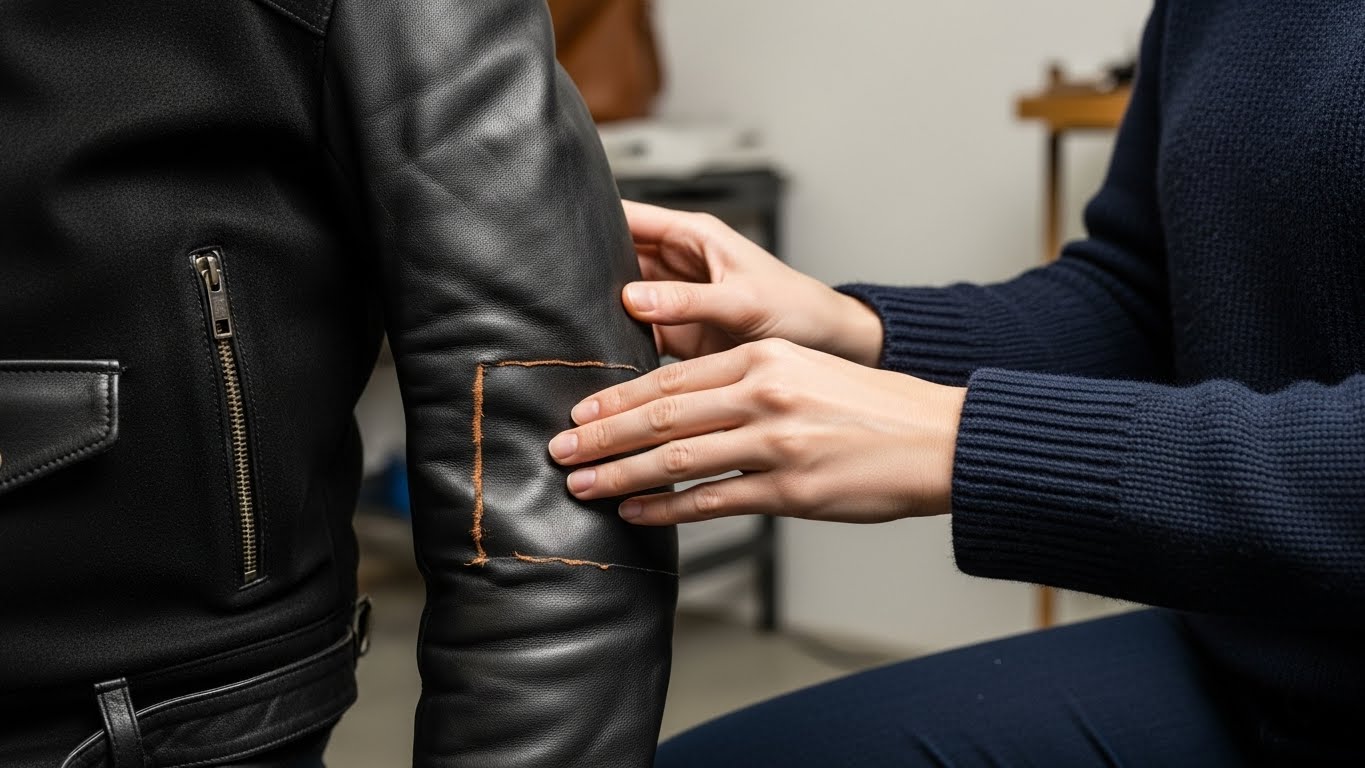
Adhesive selection is both a science and an art. The right choice depends on fabric type, intended use, and aesthetic requirements.
Fabric Type |
Recommended Adhesive |
Special Considerations |
Best Applications |
|---|---|---|---|
Denim & Canvas |
Heavy-duty flexible adhesive |
Requires higher heat and pressure |
Iron on backing patches for jeans, workwear repairs |
Leather & Suede |
Low-temperature specialized adhesive |
Test on inconspicuous area first |
Iron on backing for leather, accessory repair |
Delicate Synthetics |
Low-heat transparent adhesive |
Avoid high temperatures |
Sheer fabrics, lingerie repairs |
Cotton & Natural Fibers |
Standard polyester adhesive |
Most versatile option |
General repairs, patch application |
Double-Sided vs. Single-Sided Solutions
Single-sided adhesive has thermoplastic coating on one side only—ideal for applying patches, emblems, or repairs where only one surface needs bonding. This is standard on most custom patches, including MaxEmblem's embroidery and woven collections.
Double-sided adhesive, specifically iron on double sided adhesive cloth, creates seamless bonds between two fabric layers. Perfect for hemming, quilting, or creating invisible appliqués without stitching lines.
Invisible Repair Solutions for Aesthetic Perfection
When visual appeal matters as much as functionality, transparent options excel. Transparent invisible iron on mending tape blends seamlessly with most fabrics, while iron on mending tape white provides clean, subtle repairs on light-colored materials. Both offer strength without compromising appearance.
Can Liquid Adhesives Match Traditional Iron-On Performance?
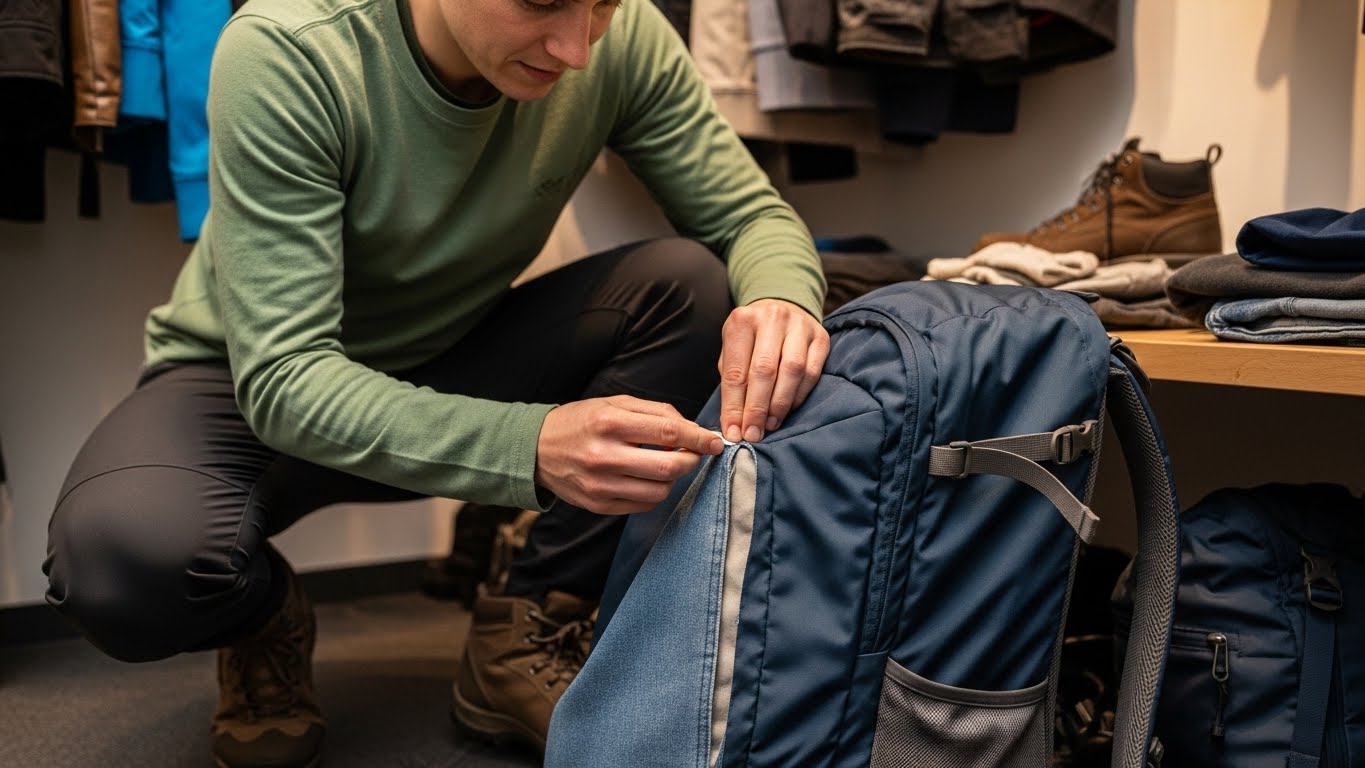
For situations where heat application is impractical or impossible, modern liquid adhesives offer surprisingly robust alternatives that can rival traditional methods in many applications.
Liquid Stitch Iron On Adhesive: Flexible Bonding Solution
Liquid stitch iron on adhesive creates flexible, washable bonds ideal for fabrics requiring movement. Applied like traditional glue, dried until tacky, then pressed with warm iron, it maintains fabric flexibility—perfect for stretch materials or areas subject to frequent bending.
Liquid Stitch Iron On Instant Bond: Rapid Repair Option
When time is critical, liquid stitch iron on instant bond provides quick-set solutions. This formulation bonds rapidly with minimal pressure, ideal for emergency repairs or projects where clamping or prolonged pressing isn't feasible.
Application Wisdom: With liquid adhesives, thin layers outperform thick applications. Excess adhesive can seep through fabrics, creating stiff spots or visible stains. Apply sparingly in even coats for strongest, cleanest results.
Heavy-Duty Fabric Reinforcement Techniques
For significant damage like torn knees or worn elbows, reinforced mending solutions combine adhesive with structural support. These specialized products bond to damaged areas while adding durability, effectively strengthening weak zones while repairing visible damage.
How Do Professionals Handle Specialty Applications?
Cross Stitch Iron On Backing: Preserving Needlework Masterpieces
For needlework enthusiasts, finishing requires as much care as stitching. Cross stitch iron on backing stabilizes the reverse of embroidery projects, preventing thread pull, fraying, and distortion. It provides professional finishing for framed pieces, ensuring hours of meticulous work remain pristine for generations.
Industrial Patch Application: Beyond Basic Adhesion
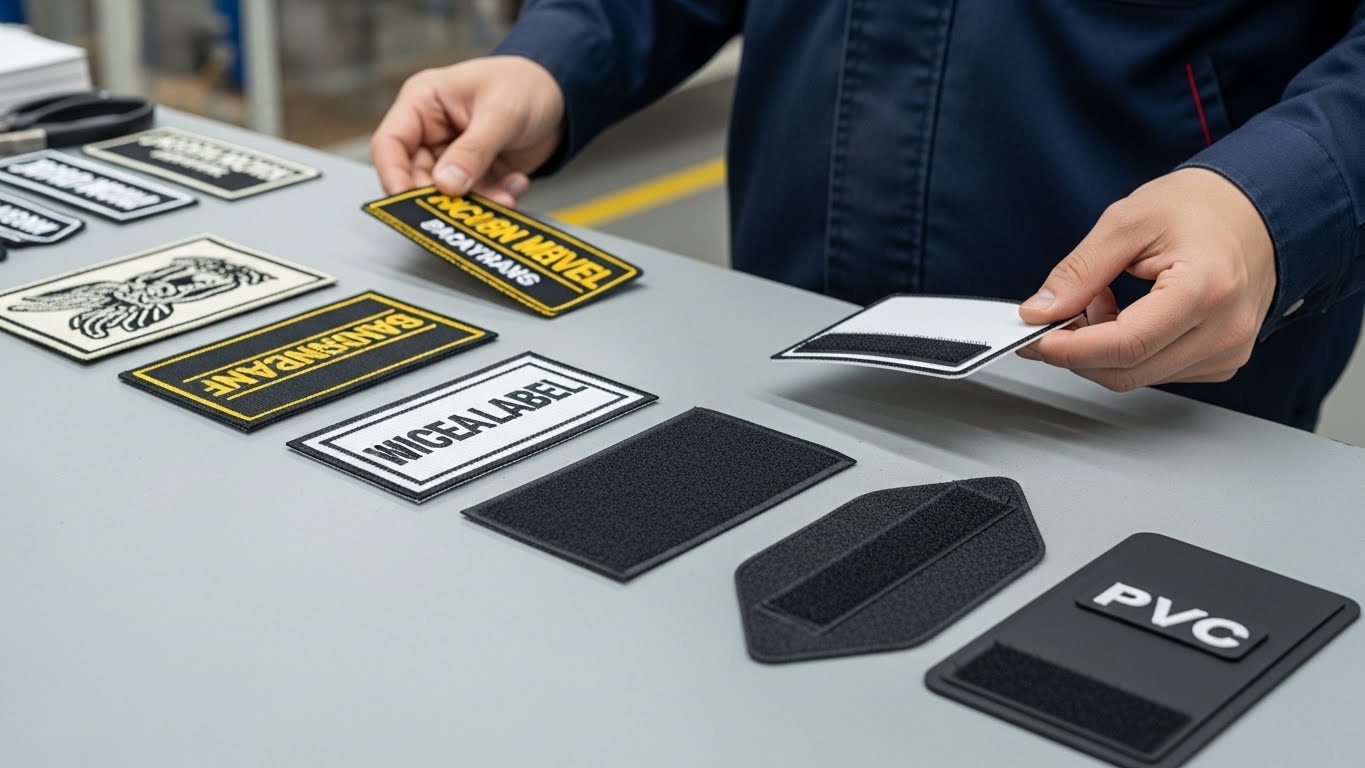
At MaxEmblem, we've processed thousands of custom patches for military, corporate, and organizational clients. Our professional application considers multiple factors:
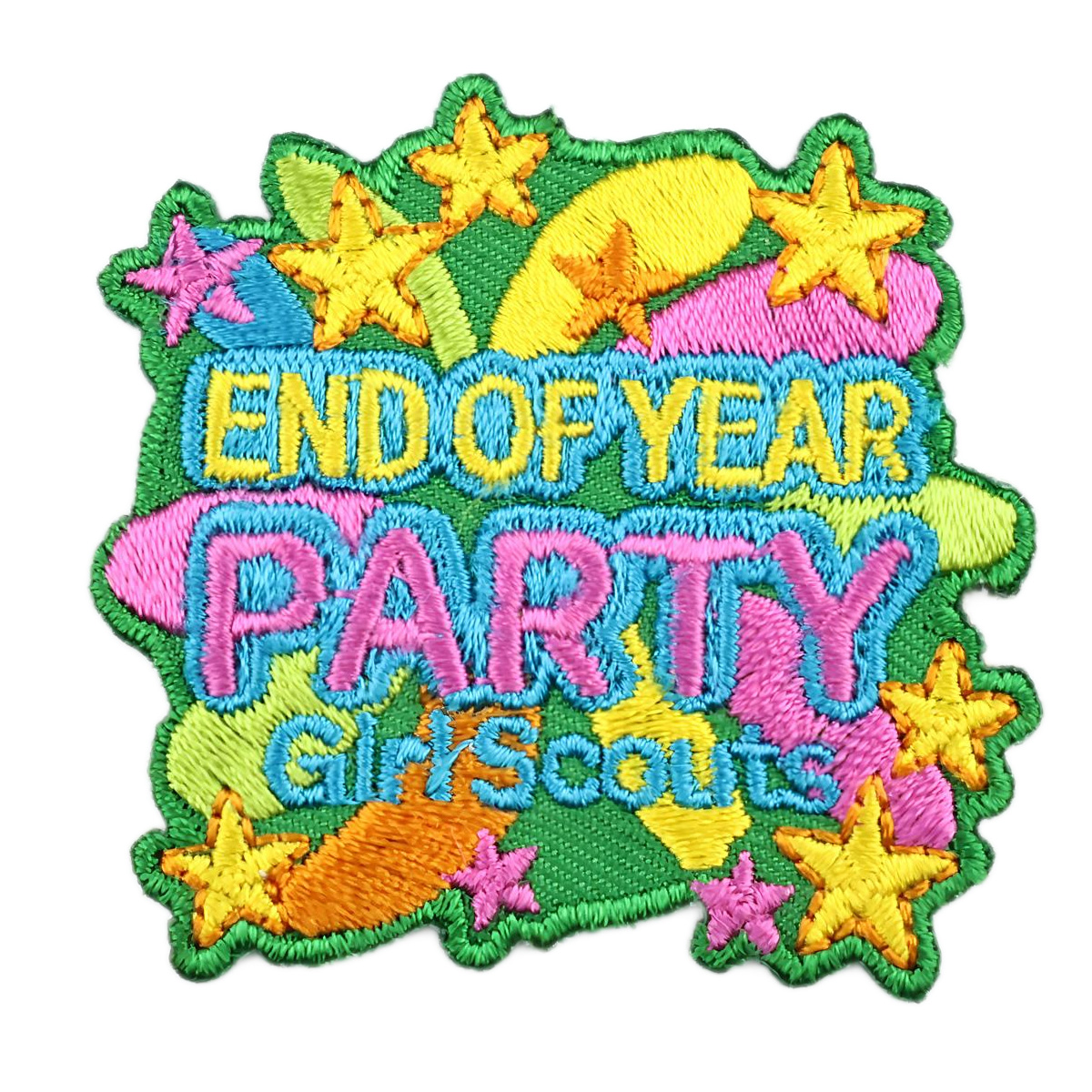
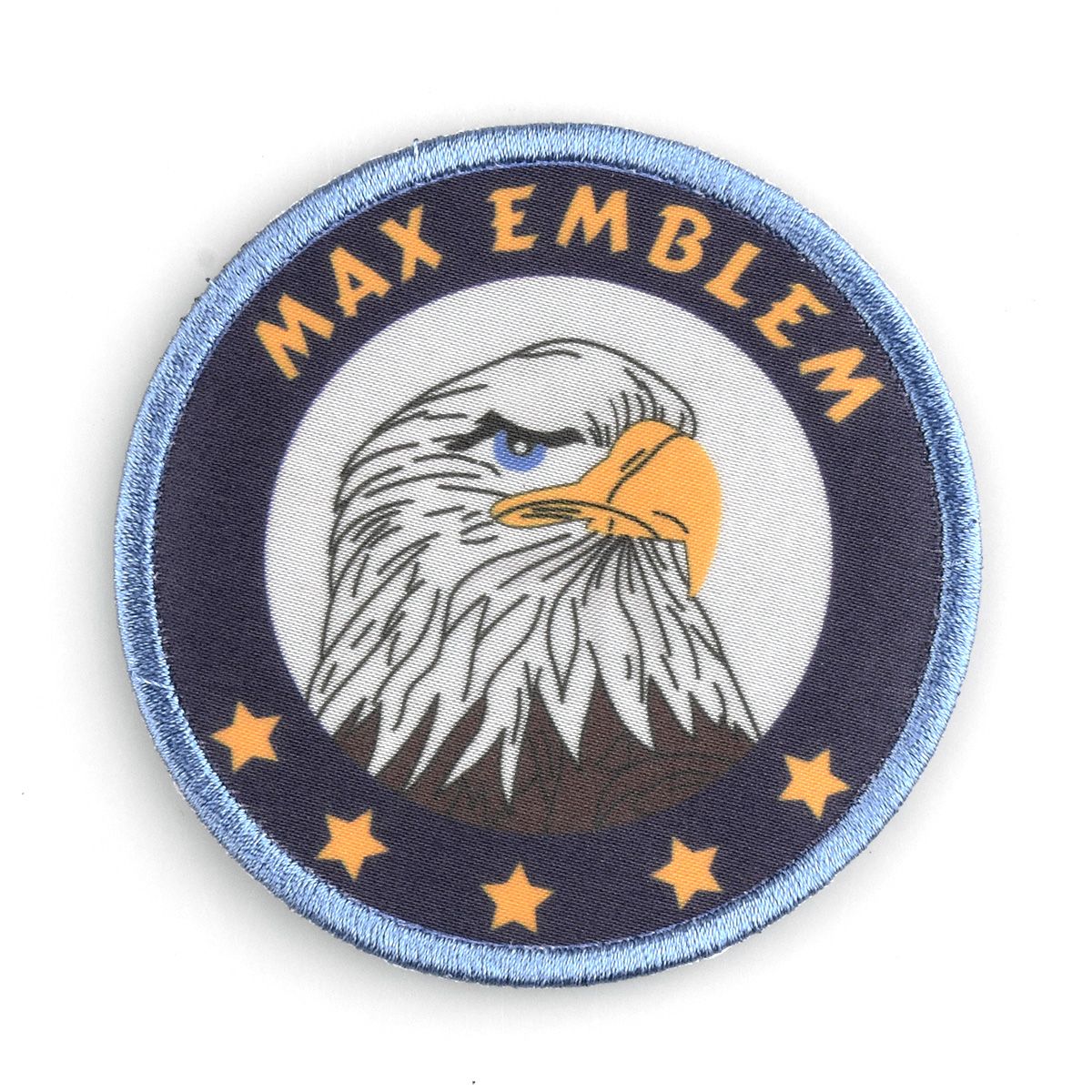
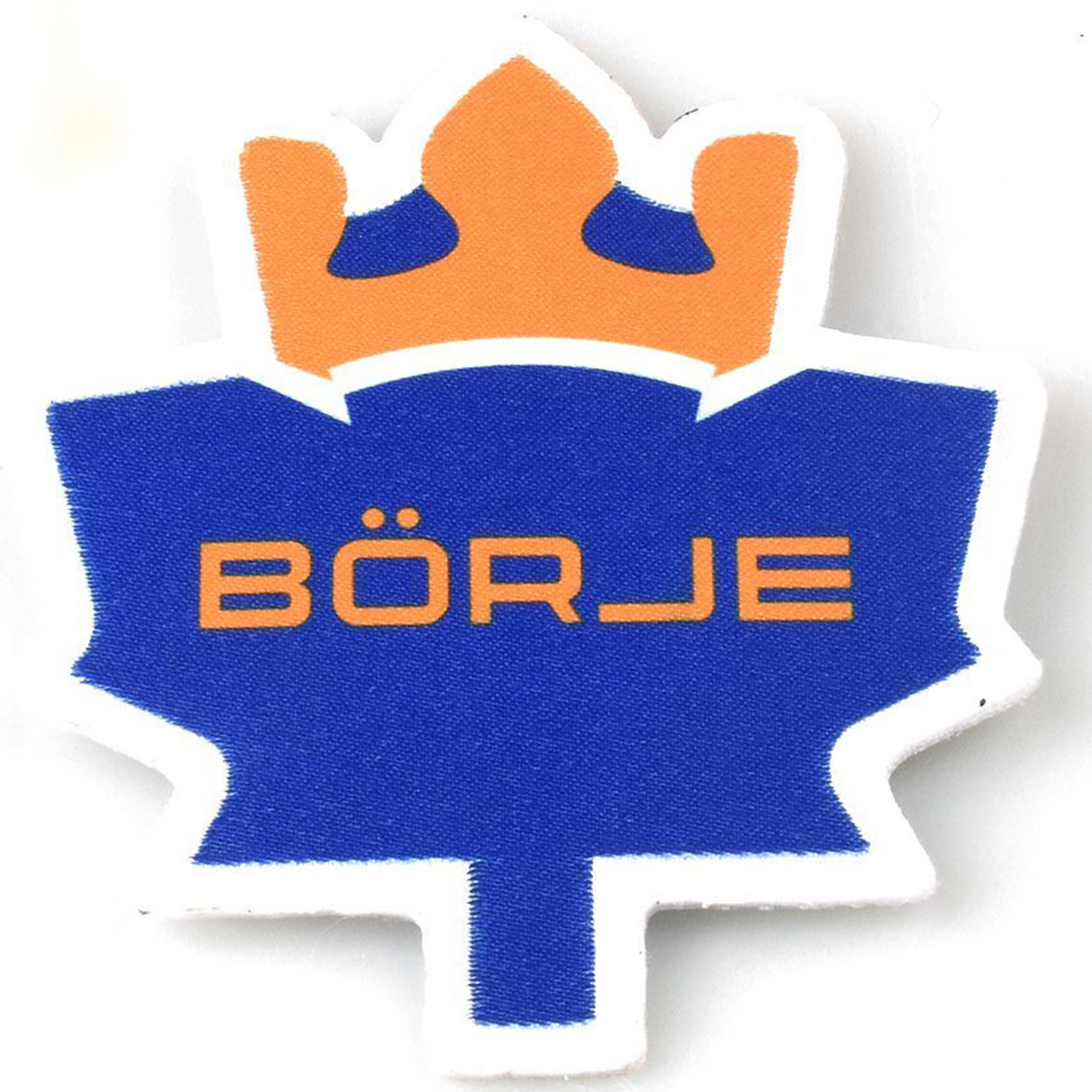
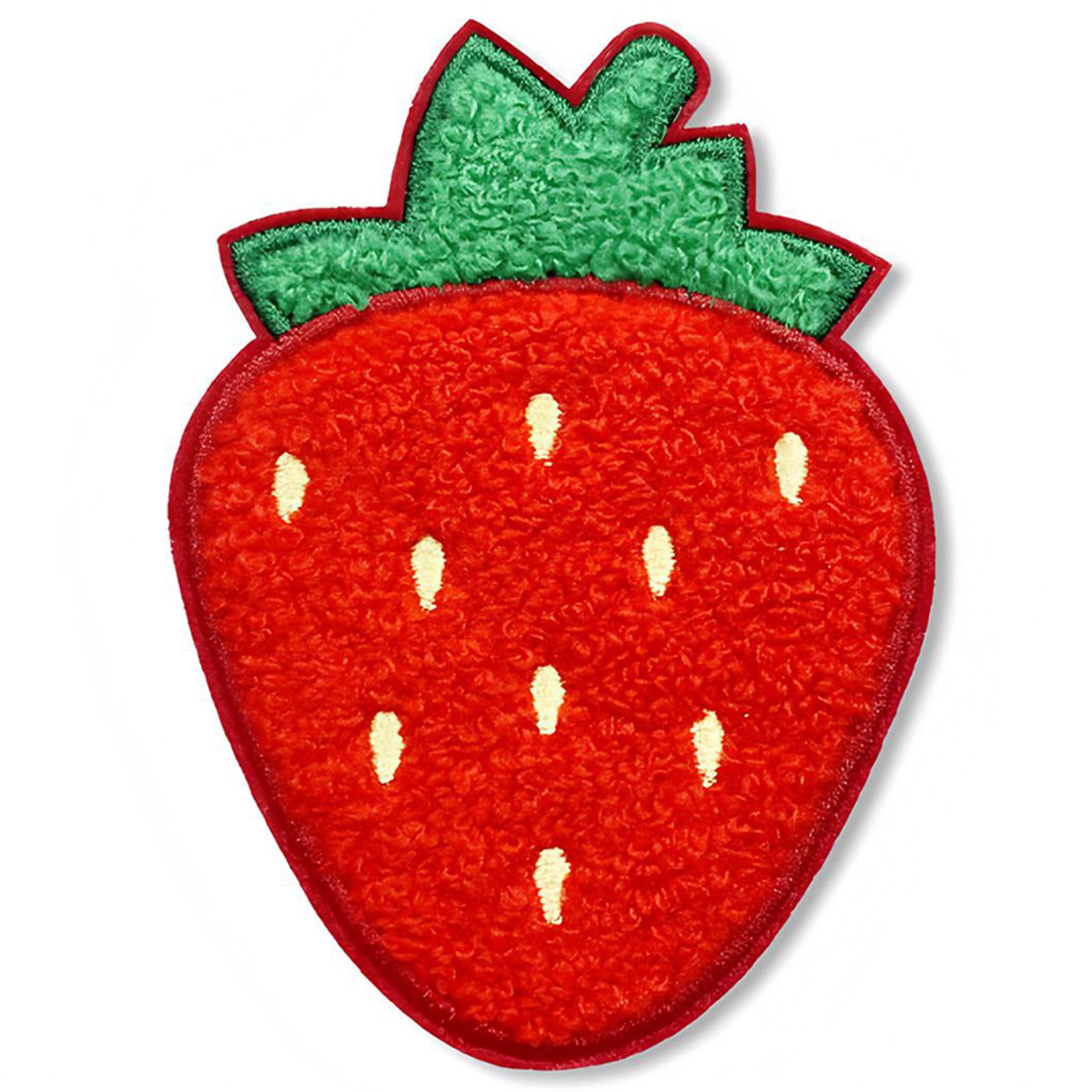
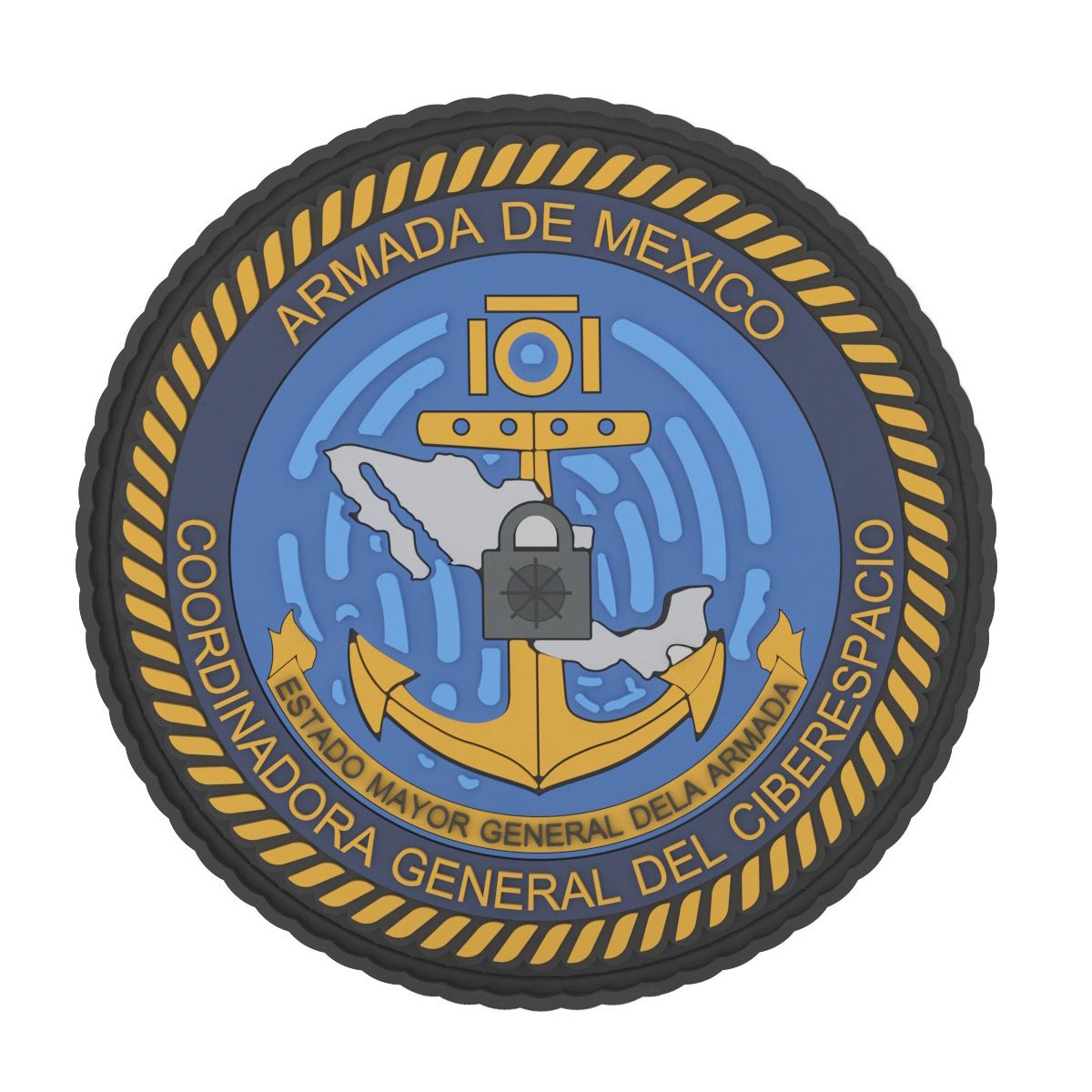
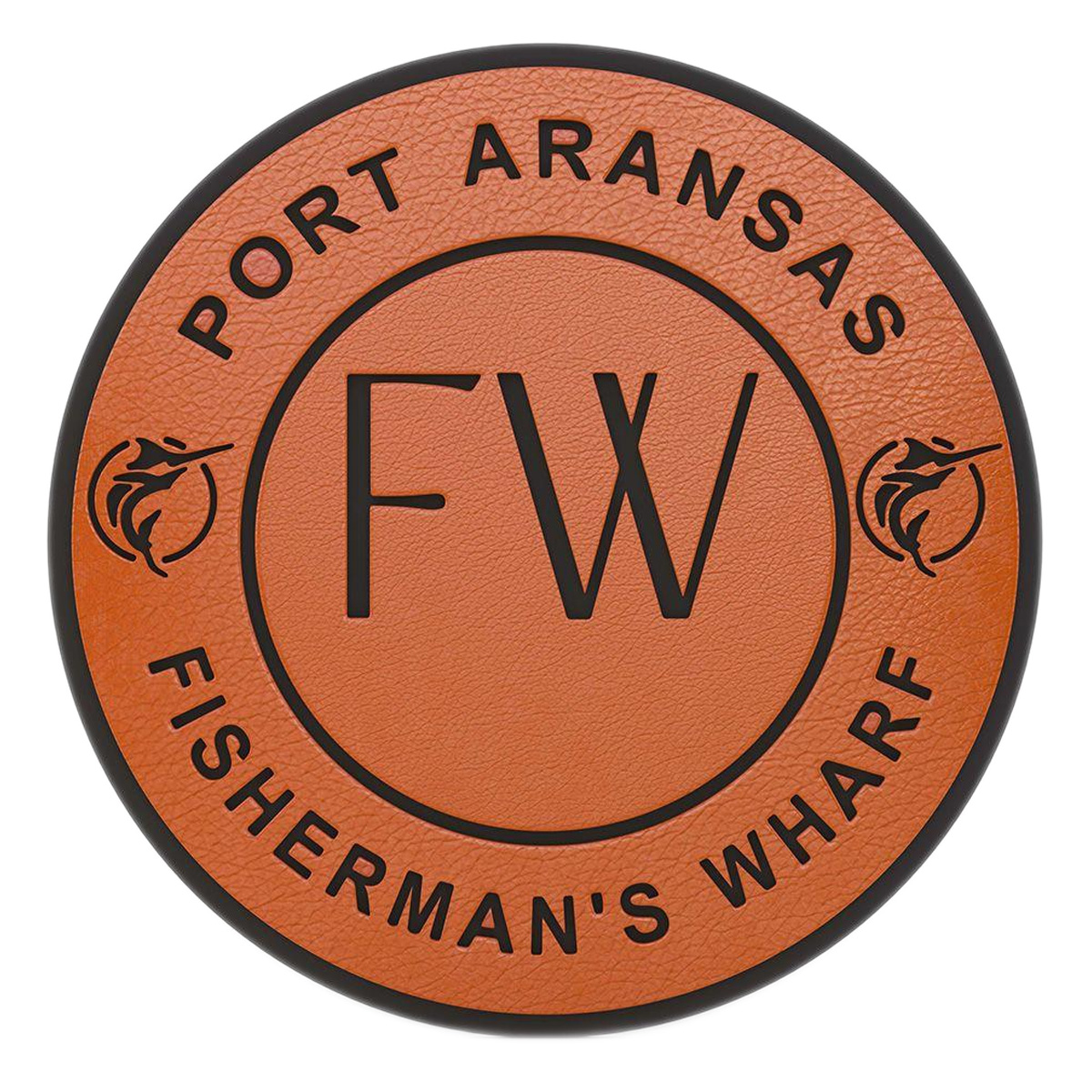
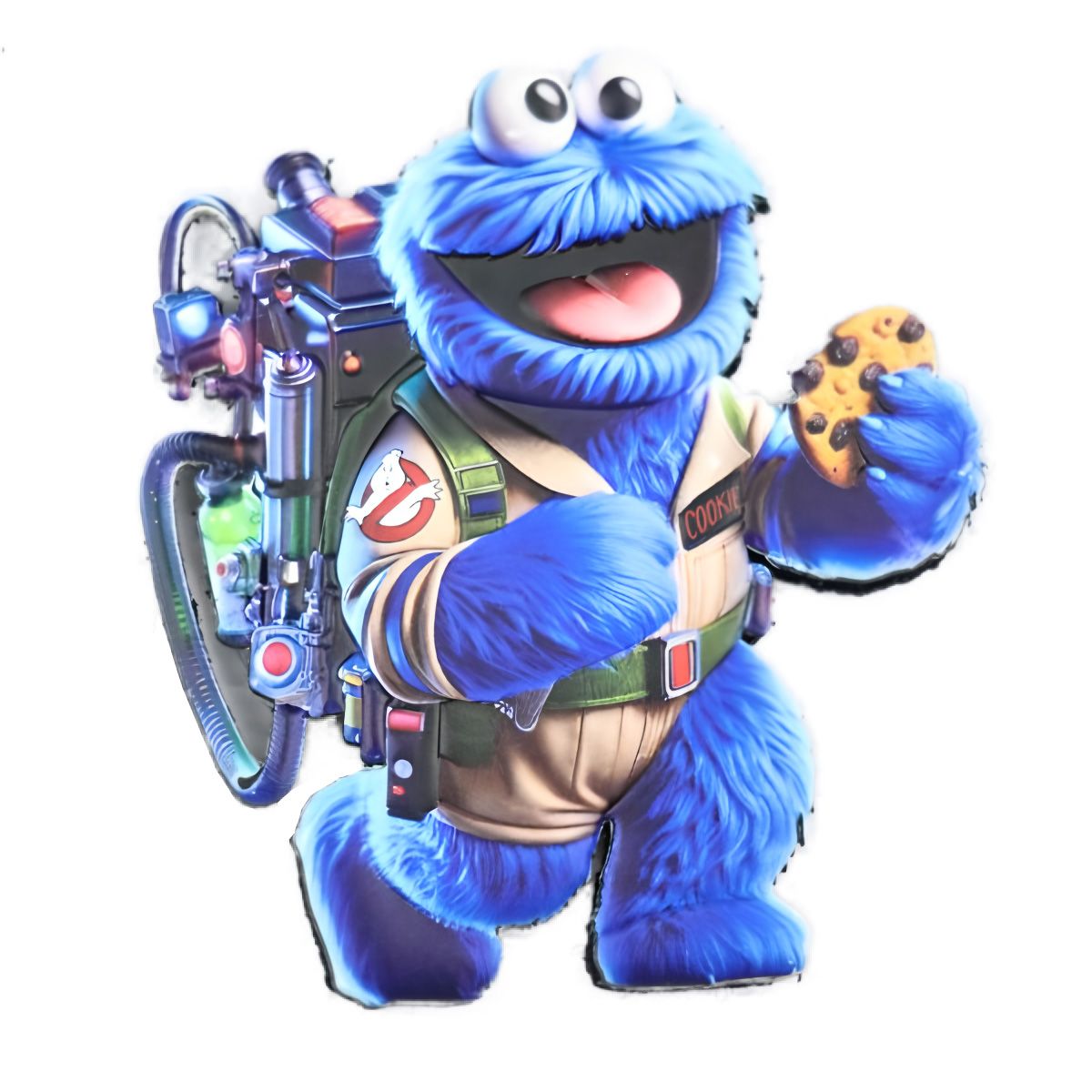
Each patch type receives specialized backing—embroidery patches get different treatment than woven or PVC patches, ensuring optimal performance for every construction method.
What Are the Most Common Application Errors and How to Avoid Them?
Even with quality materials, application mistakes compromise results. Recognize and avoid these frequent pitfalls:
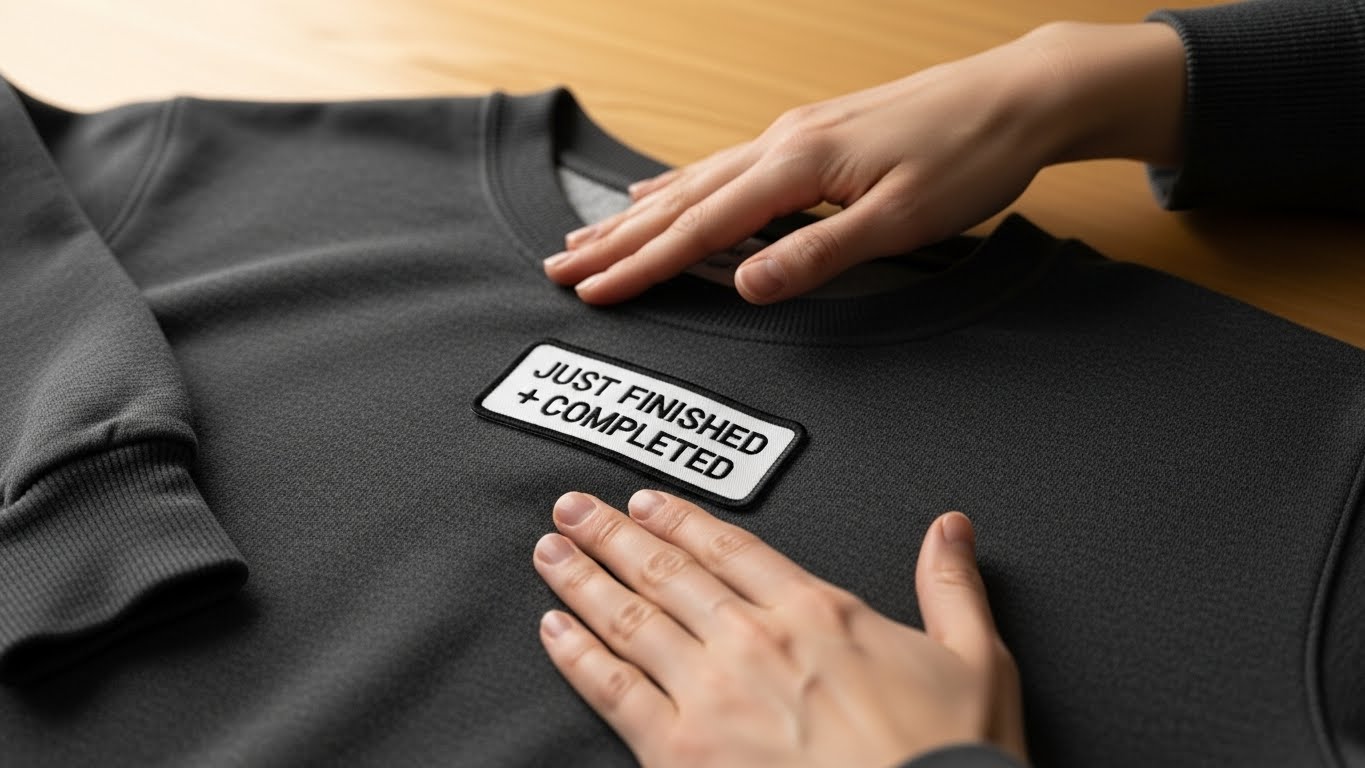
Temperature Inaccuracy: The Primary Culprit
Many iron temperature dials are inaccurate. Use an infrared thermometer to verify actual temperature. When uncertain, always test on scrap fabric first—especially critical for iron on backing for leather applications.
Uneven Pressure Distribution
Focusing pressure only on patch centers or using tipping motions creates weak peripheral bonds. Apply firm, even pressure across entire surfaces using slow, circular iron movements for consistent adhesion.
Material Incompatibility Issues
Waterproof coatings, silicone treatments, and certain synthetic blends resist standard adhesives. Always verify compatibility before application to prevent bond failure.
Premature Stress Application
New bonds need curing time. Avoid washing, stretching, or folding for at least 24 hours post-application. For heavy-duty items, consider 48 hours for maximum bond strength development.
The Professional Application Protocol
How Can You Maximize the Lifespan of Iron-On Repairs?
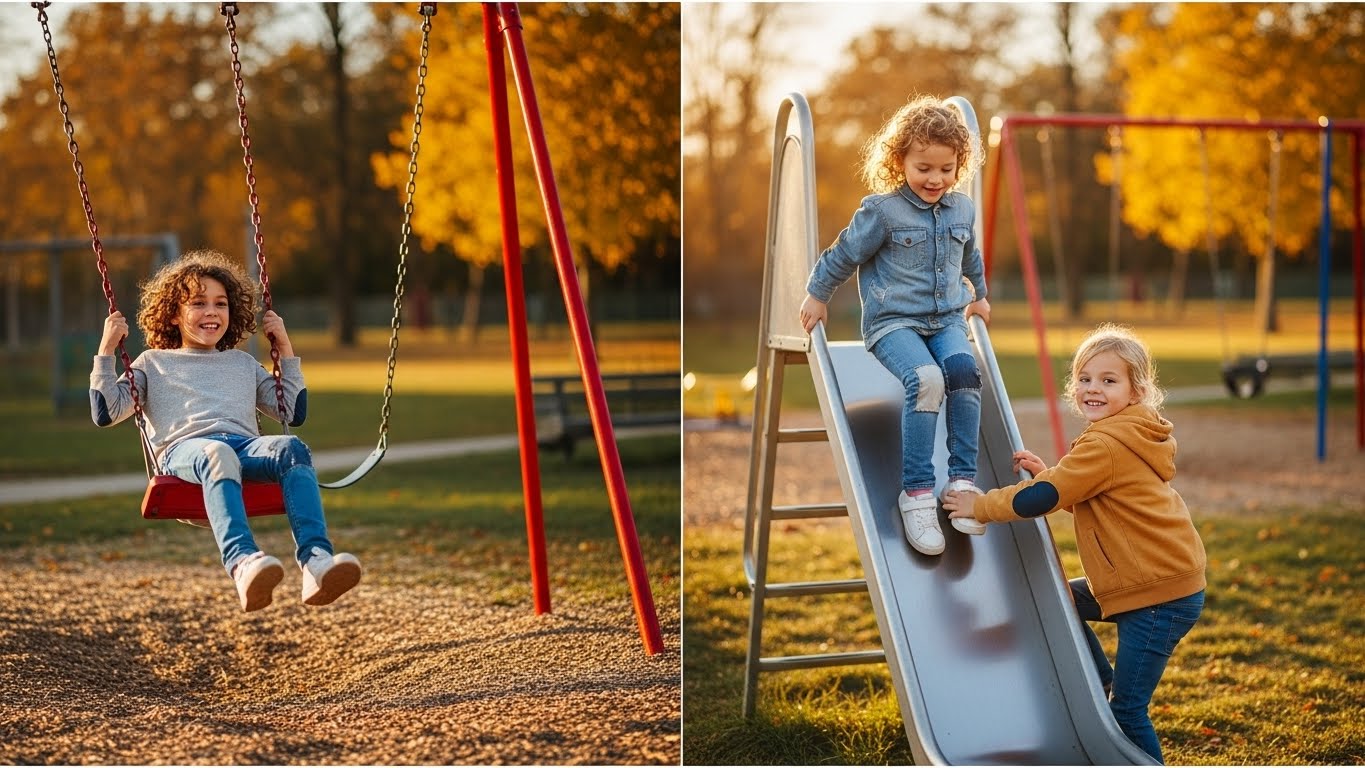
Proper care extends repair longevity significantly. Follow these professional maintenance guidelines:
Optimal Washing Practices
Always wash iron-on items inside out using cold water. Hot water can partially reactivate adhesives, potentially causing shifts or unwanted bonding to other items. Use gentle cycles and avoid harsh detergents near bonded areas.
Intelligent Drying Methods
Air drying preserves adhesive integrity best. If using dryers, select lowest heat settings and remove items promptly. High heat gradually degrades adhesive bonds over multiple cycles.
The Hybrid Approach: When to Combine Methods
For items undergoing extreme stress—work uniforms, children's clothing, or frequently laundered items—consider adding perimeter stitching after iron-on application. This combines aesthetic perfection with maximum durability, ideal for iron on backing patches for jeans that will see heavy use.
MaxEmblem's Quality Commitment: All our custom patches undergo rigorous testing, including multiple wash cycles and stress simulations. We offer a 45-day guarantee against production defects—if you receive patches with faulty adhesive, we reprint at no cost, maintaining permanent digital records for easy reordering.
Elevate Your Fabric Projects with Professional Adhesive Solutions
Whether restoring cherished garments, creating custom patches for your organization, or executing DIY projects requiring permanent bonds, adhesive quality determines success. With MaxEmblem's 20+ years of manufacturing expertise, we understand how superior materials create exceptional, lasting results.
Contact our specialists for professional advice or custom patch solutions with premium iron-on backing:
Email: [email protected] | Phone: +1 256-962-2937
Frequently Asked Questions About Iron-On Adhesive Applications
Is iron on backing for leather suitable for all leather types?
Specialized iron on backing for leather works with most genuine leathers, but always test on hidden areas first. Avoid use on suede, ultra-thin leather, or specially finished leathers. For delicate varieties, professional application or alternative attachment methods may be preferable.
What distinguishes iron on mending tape white from transparent invisible iron on mending tape?
Iron on mending tape white provides opaque repairs ideal for white or light fabrics where visibility isn't primary concern. Transparent invisible iron on mending tape creates near-invisible repairs on broader fabric range, blending seamlessly for discreet mending.
When should I choose iron on double sided adhesive cloth over single-sided options?
Select iron on double sided adhesive cloth when bonding two fabric layers seamlessly—ideal for hemming, quilting, or creating layered appliqués. Single-sided adhesive suits patch application, repairs, or emblems where only one surface bonds to base material.
How do liquid stitch iron on adhesive and instant bond versions differ?
Liquid stitch iron on adhesive requires drying before ironing, creating flexible bonds ideal for stretch fabrics. Liquid stitch iron on instant bond sets quickly with minimal pressure, perfect for rapid repairs or difficult clamping situations. Both provide effective no-sew alternatives.
Which projects benefit most from cross stitch iron on backing?
Cross stitch iron on backing is essential for finishing needlework like framed cross-stitch, embroidered gifts, or wall hangings. It prevents fraying, stabilizes stitches, provides professional backing finish, and maintains piece integrity over time.


