Sign in
Create Your Account
Create My Account
Sign In
Create Your Account
Learn how to clean, wash and store custom embroidered, PVC, chenille and leather patches properly to keep them vibrant and durable for years.


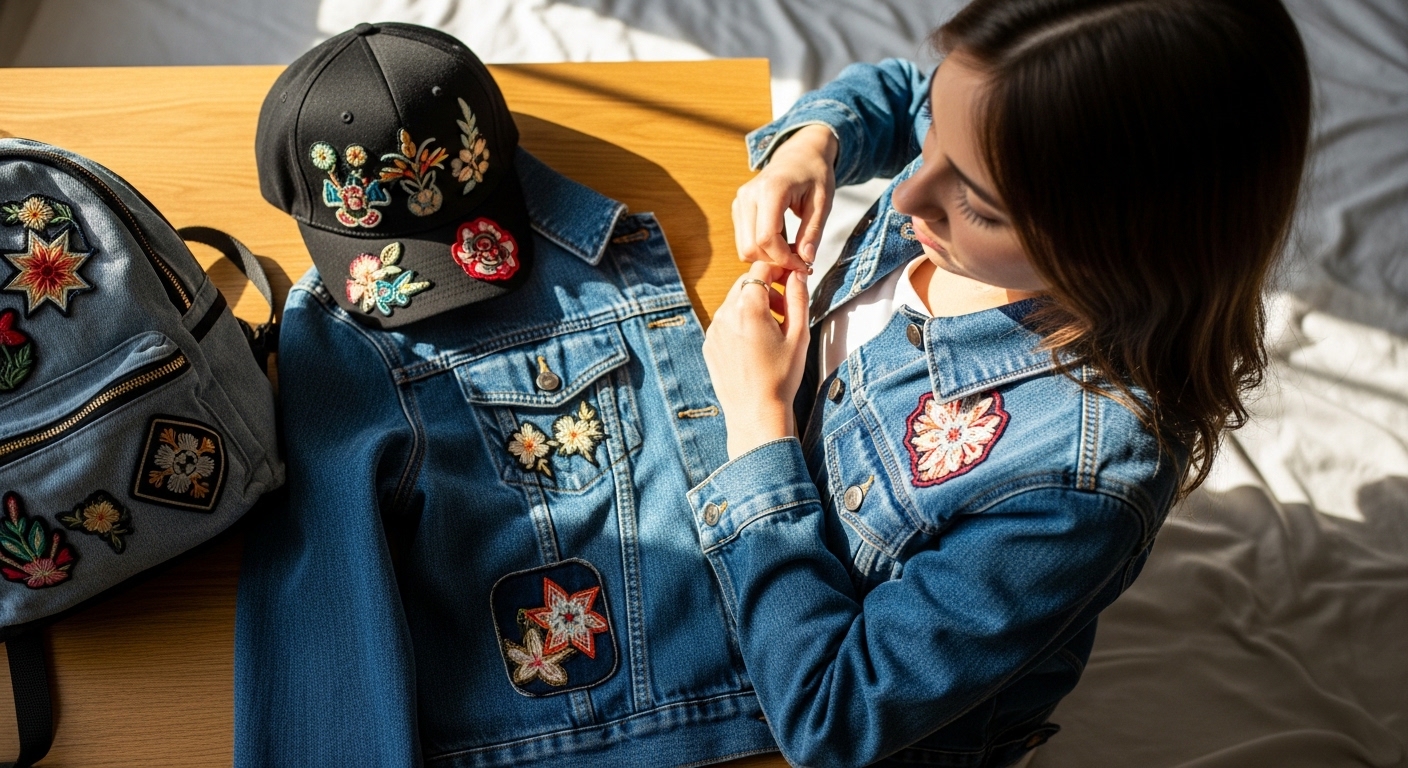
Custom embroidered patches add personality and style to jackets, bags, and uniforms. Whether you've invested in custom morale patches for your team or embroidered patches for your brand merchandise, proper care ensures they look vibrant for years. This comprehensive guide covers everything from cleaning to storage for all patch types.
Understanding Your Patch: Materials Matter
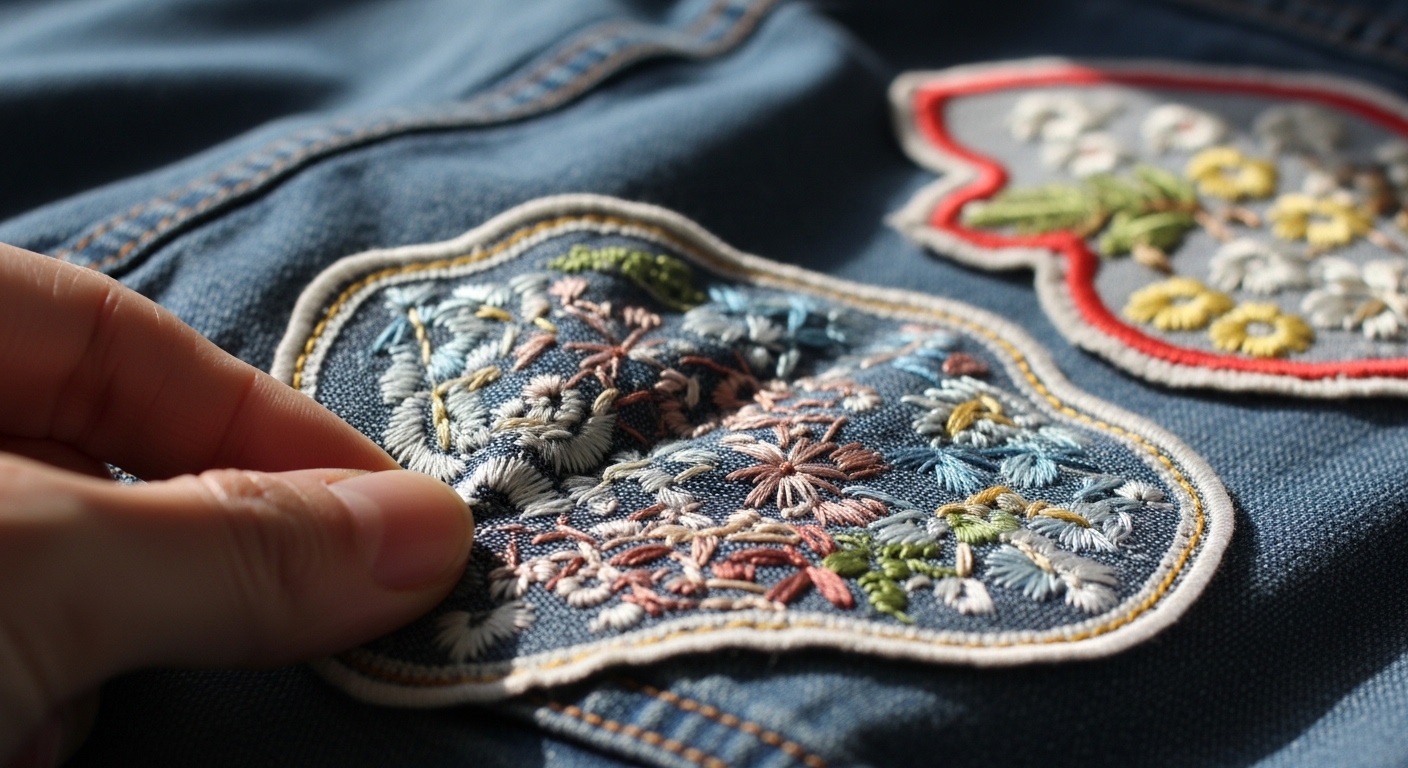
Before diving into care instructions, it's crucial to understand what your patch is made of. Different materials require different care approaches:
Patch Type |
Primary Materials |
Special Considerations |
|---|---|---|
Embroidered Patches |
Polyester/rayon thread, twill backing |
Colors may bleed if washed hot; threads can snag |
PVC Patches |
Polyvinyl chloride, rubber backing |
Heat sensitive; can warp or melt |
Chenille Patches |
Acrylic yarn, felt backing |
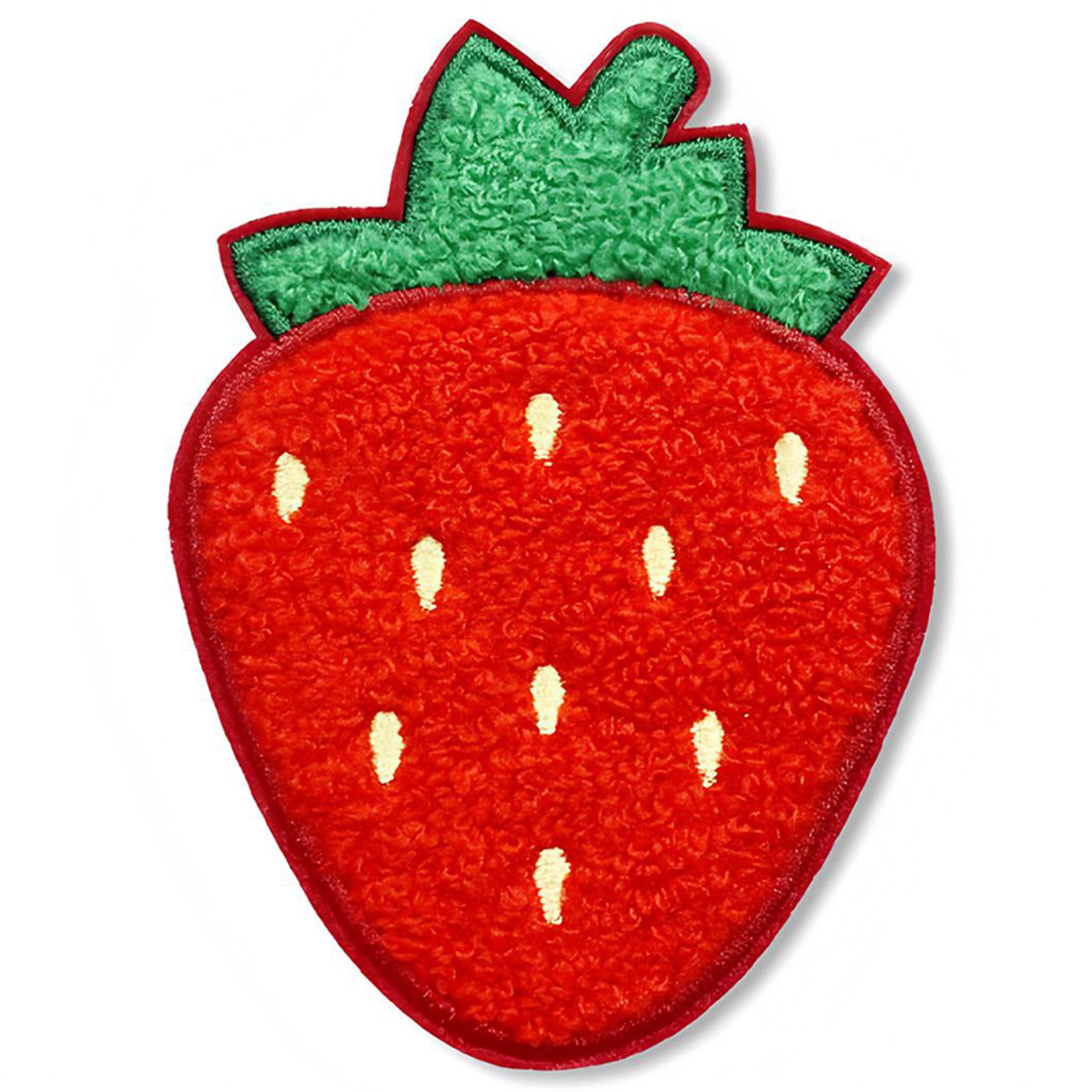
Fuzzy texture mats down; delicate fibers |
Leather Patches |
Genuine or synthetic leather |
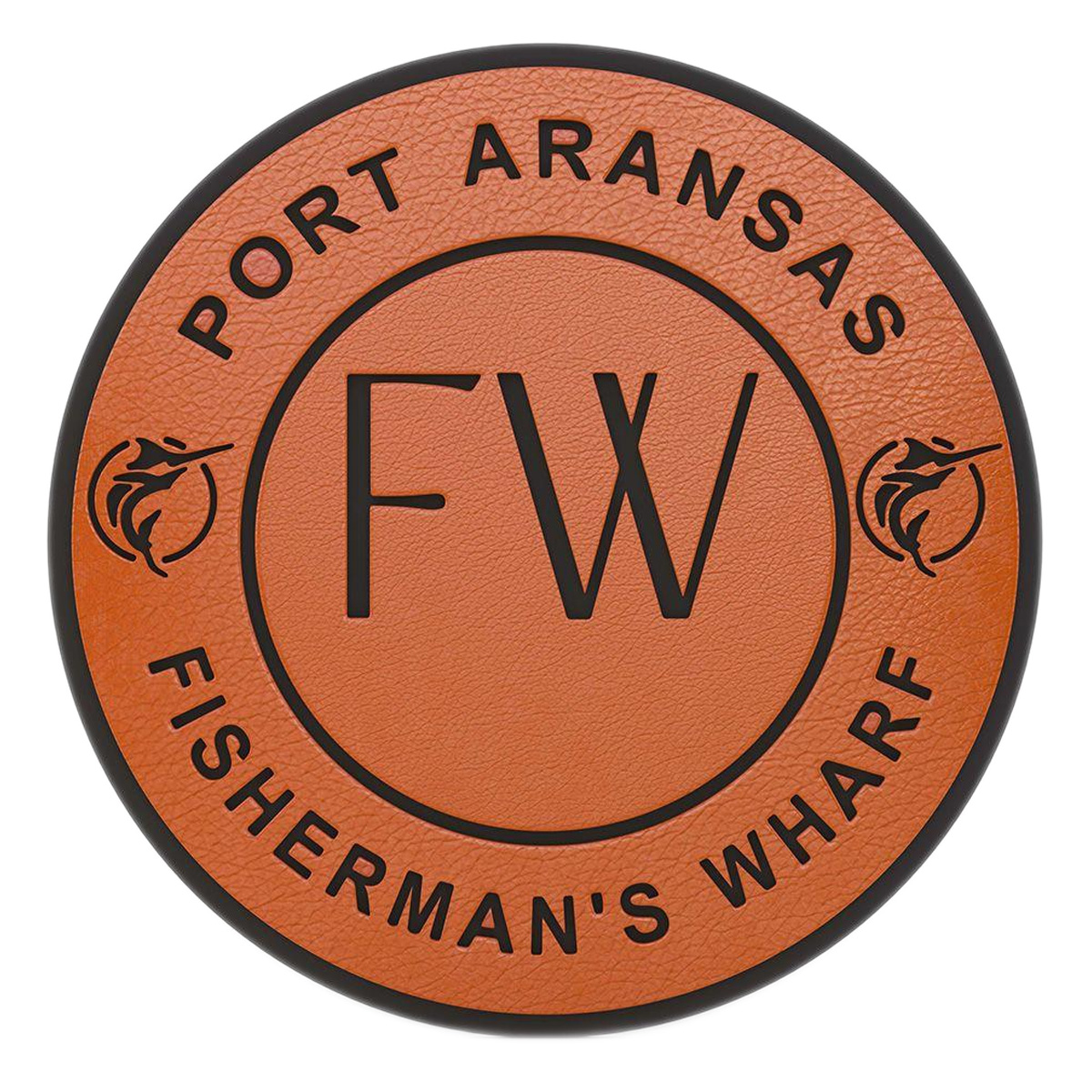
Can dry out and crack; sensitive to moisture |
Washing Instructions: Protecting Your Investment
Hand Washing: The Gold Standard
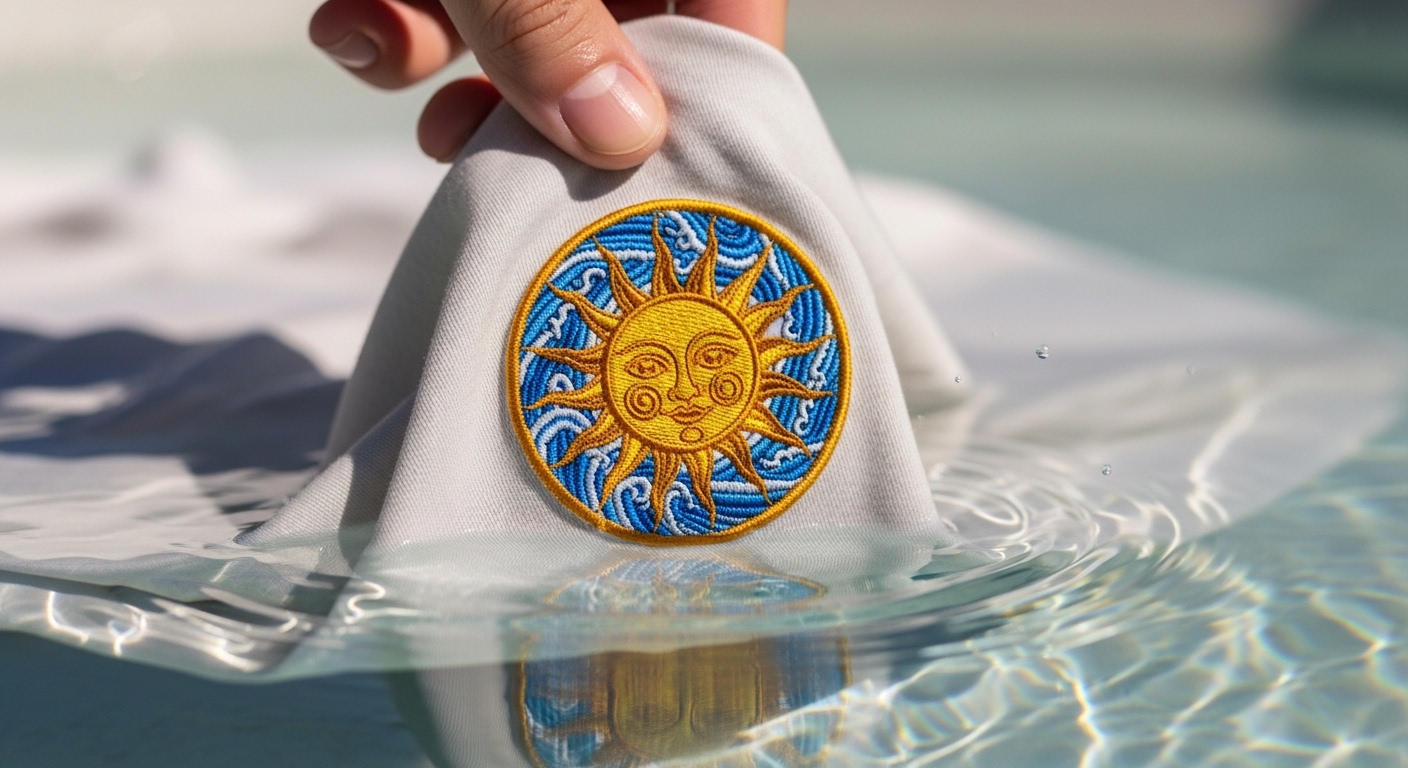
For custom embroidered patches and delicate patch types, hand washing is always the safest method. Here's the proper technique:
Pro Tip:
For custom PVC patches, avoid soaking for extended periods. PVC can absorb water through edges, potentially weakening the adhesive backing.
Machine Washing: When You Must
If machine washing is necessary, follow these precautions to protect your embroidered patches for clothing:
Drying Methods: Preserving Shape and Color
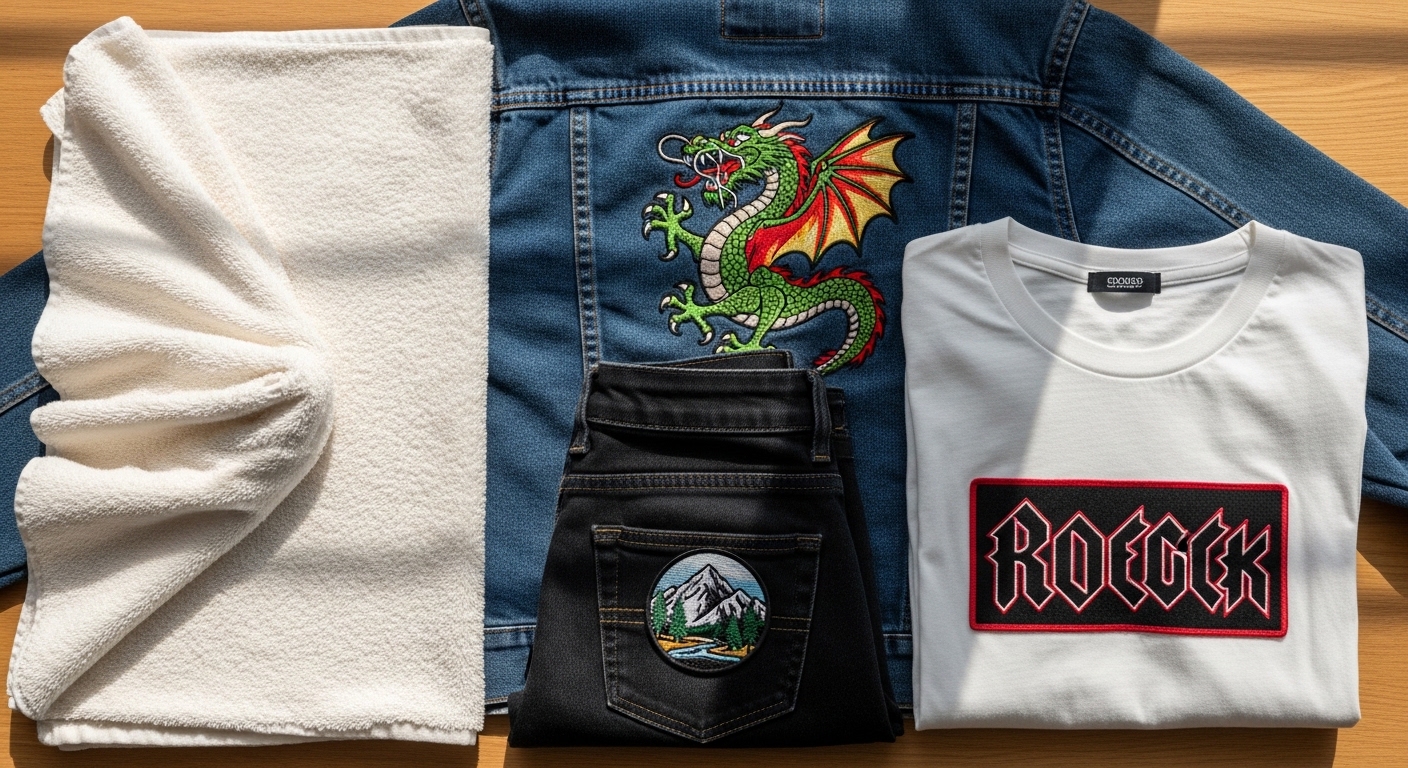
Improper drying is the leading cause of patch damage. Here's how to dry patched garments correctly:
Air Drying (Recommended)
Lay the garment flat on a clean, dry towel. Reshape it to its original dimensions. Roll the towel gently to remove excess water without wringing. Transfer to a drying rack away from direct sunlight and heat sources.
Tumble Drying (If Necessary)
Use the lowest heat setting or air-only cycle. Remove the garment while slightly damp to prevent overdrying. This is generally safe for most custom embroidered patches but should be avoided for PVC and leather patches.
Ironing and Heat Management
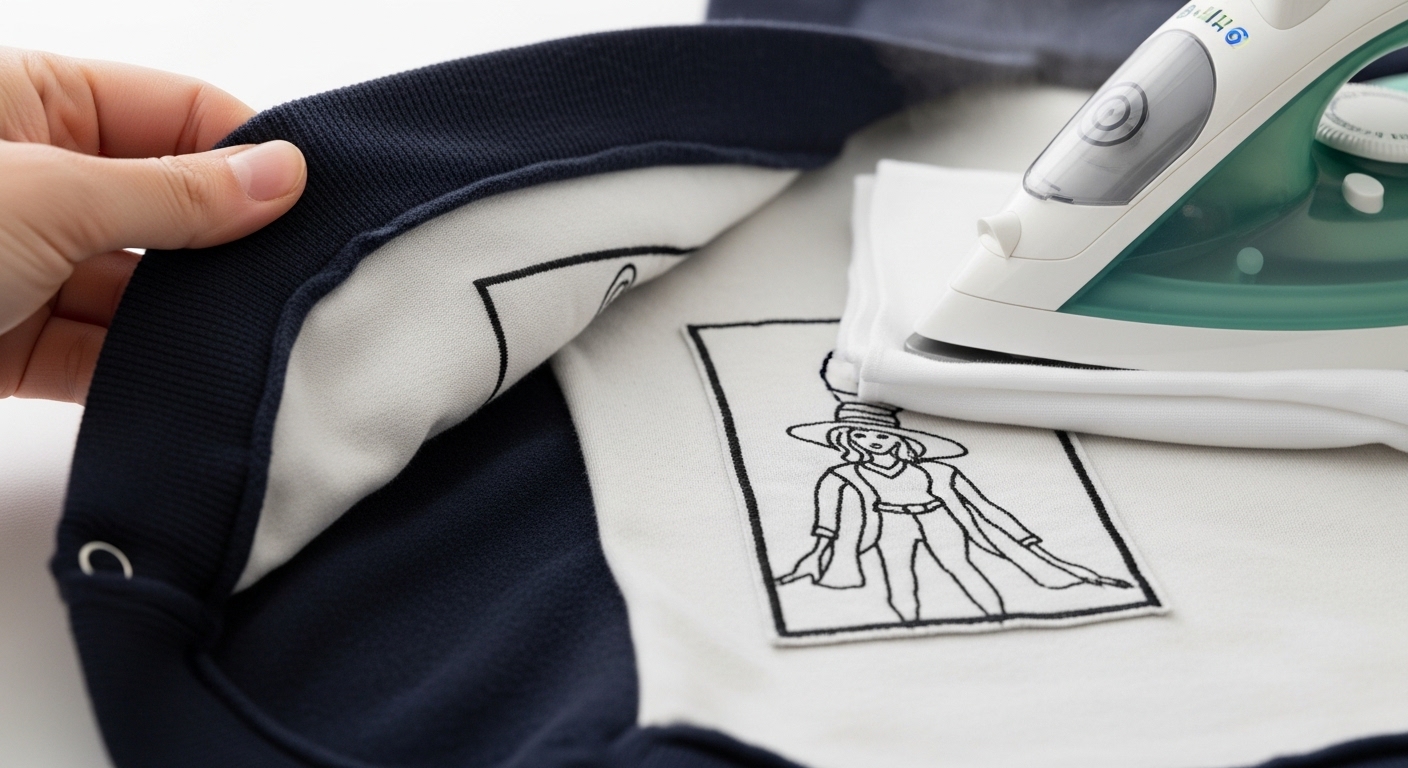
Many people ruin patches by improper ironing. Follow these guidelines:
Patch Type |
Ironing Recommendation |
Maximum Temperature |
|---|---|---|
Embroidered Patches |
Iron inside-out with cloth barrier |
Medium (300°F / 150°C) |
PVC & Rubber Patches |
DO NOT IRON - will melt |
No heat |
Chenille Patches |
Steam only, no direct contact |
Low (250°F / 120°C) |
Leather Patches |
Iron with parchment paper barrier |
Low-Warm (200°F / 95°C) |


Storage and Preventive Maintenance
Storage Best Practices:
Expert Care for Your Custom Creations
At Maxemblem, we've been crafting durable custom embroidered patches for over 20 years. We design our patches to withstand regular wear, but proper care ensures they maintain their vibrant colors and sharp details season after season.
Remember that high-quality patches are an investment in your brand identity or personal style. Taking a few extra minutes to care for them properly can extend their life significantly. When in doubt about caring for a specific patch type, contact our team for personalized advice based on your patch's materials and construction.
Your patches tell your story—keep them looking their best with proper care and maintenance.
Troubleshooting Common Issues
What if threads are coming loose on my embroidered patch?
Use a small amount of fabric glue on the back of the patch to secure loose threads. For valuable custom embroidered patches, consider professional repair by the original manufacturer who understands the thread pattern and tension.
How do I remove stains from patches without damaging them?
Create a paste from mild detergent and cool water. Apply with a soft toothbrush using gentle circular motions. Rinse immediately. Never use bleach, vinegar, or harsh chemicals on any patch type.
Can I dry clean garments with custom patches?
Most patches are dry clean safe, but always inform your cleaner about the patches. Some solvents can affect certain adhesives or materials. For PVC patches or patches with special finishes, consult the manufacturer first.