Sign in
Create Your Account
Create My Account
Sign In
Create Your Account
Boost donations for 2026! Learn how schools & non-profits use USA 250th collectibles for fundraising.
The year 2026 presents a once-in-a-lifetime opportunity for non-profits, schools, and community organizations. The 250th anniversary of the United States—the Semiquincentennial—isn't just a historic milestone; it's a powerful fundraising catalyst. Americans are searching for meaningful ways to connect with their heritage, and they're willing to support causes that help them do so. This guide explores how your organization can harness the power of custom commemorative coins and pins to drive donations, engage supporters, and create lasting impact during this historic year.
Why 2026 is the Best Year for Non-Profit Fundraising
Let's be honest: fundraising is always challenging. But every so often, a moment arrives when the stars align—when national sentiment, cultural momentum, and donor psychology converge to create a perfect storm of giving. The USA 250th anniversary is exactly such a moment. Patriotic enthusiasm will be at an all-time high in 2026. From coast to coast, Americans will be attending parades, historical reenactments, community festivals, and official ceremonies. This heightened sense of national pride translates directly into fundraising potential.
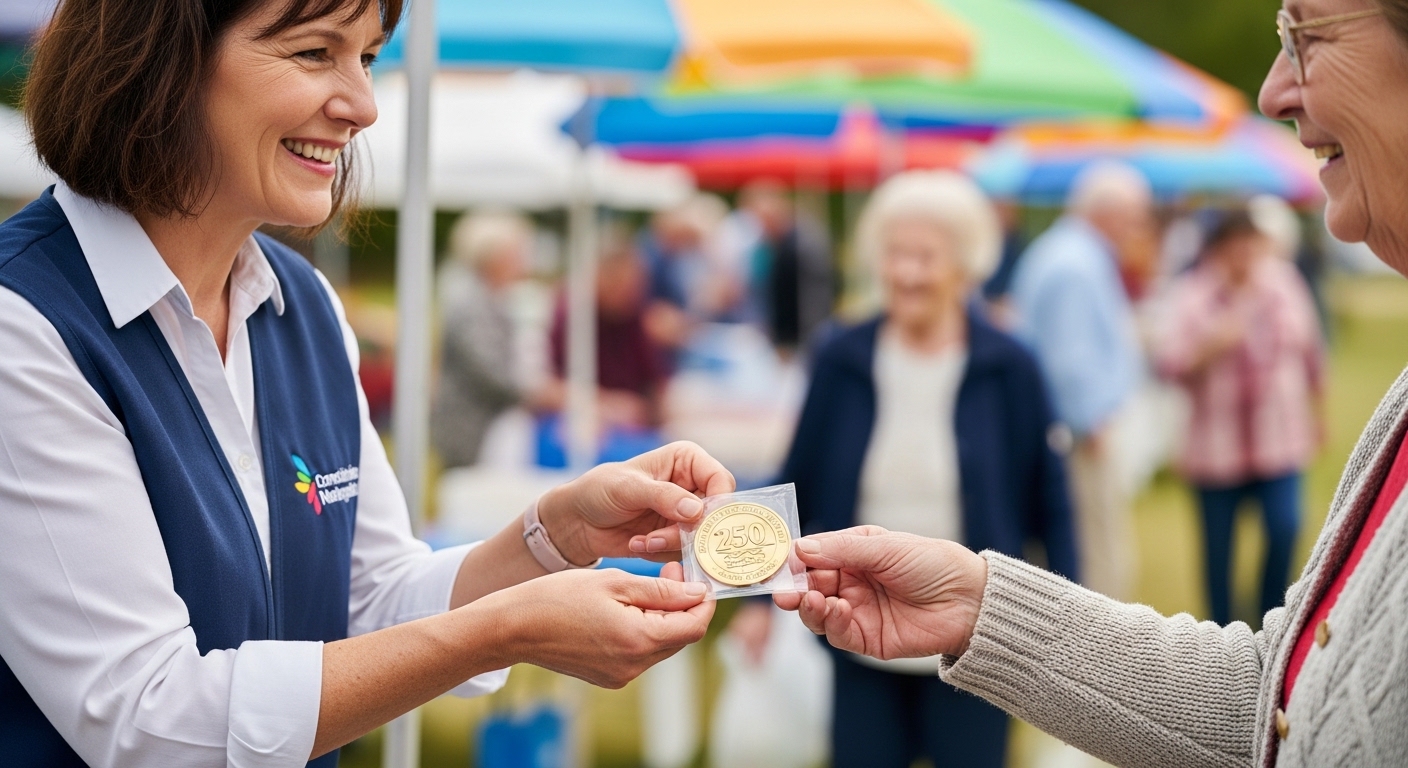
Why? Because people want to own a piece of history. When you offer a beautifully crafted commemorative coin or pin that celebrates 250 years of American independence, you're not just asking for a donation—you're offering something of tangible value in return. This exchange transforms the dynamic from "please support our cause" to "here's a limited-edition keepsake that honors our shared heritage, and your contribution makes it possible." The emotional connection to the 250th anniversary lowers resistance to giving and increases the perceived value of the souvenir. For schools, historical societies, veteran organizations, and community groups, this is the ideal vehicle for fundraising. You're not competing with generic candy bars or wrapping paper; you're offering a piece of Americana that donors will treasure for years.
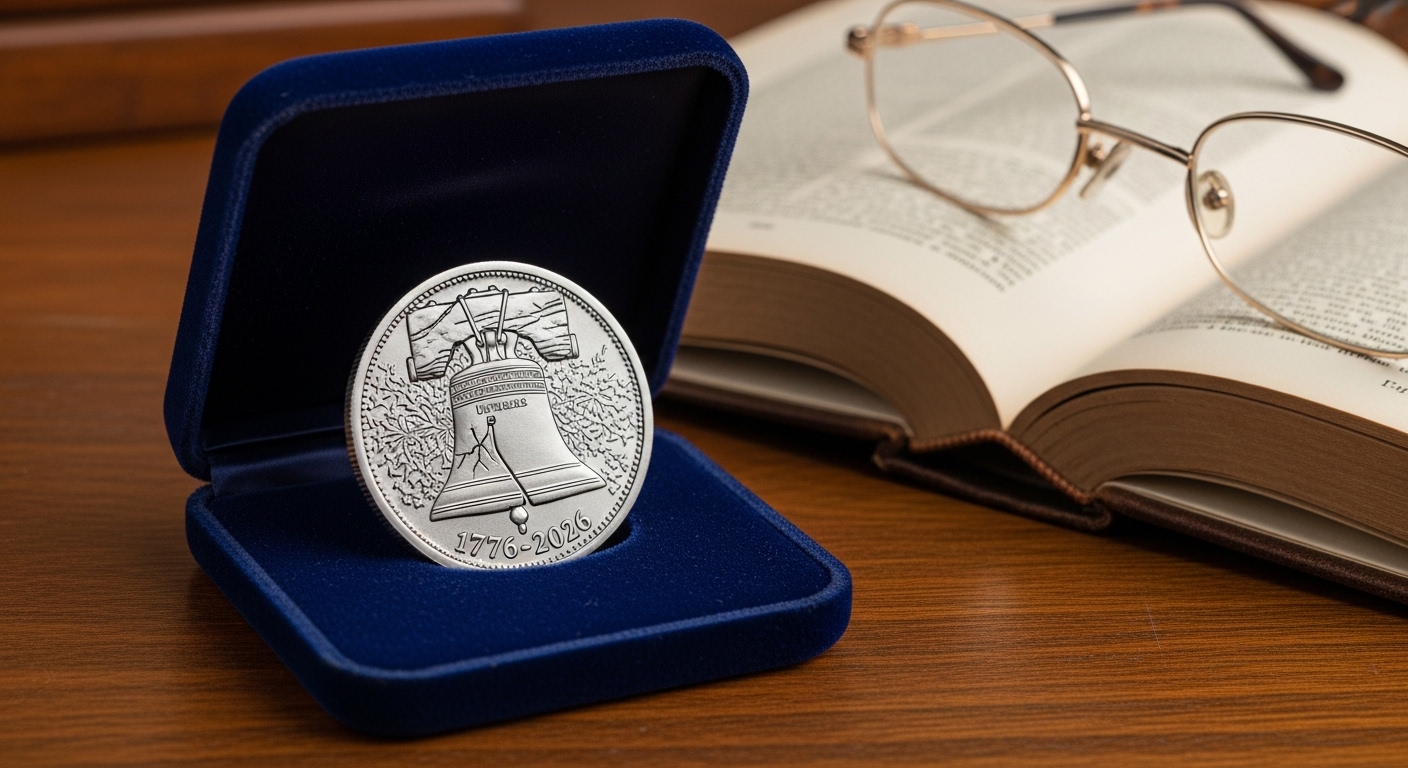
Product Ideas for Schools and Historical Societies
Not all commemoratives are created equal. The key to successful fundraising lies in selecting products that resonate with your specific audience. Schools have different needs than historical societies, which differ again from veteran groups or community foundations. Below are two proven concepts that leverage the 250th anniversary theme while appealing to distinct donor segments. Both are designed to be affordable for you to produce while offering excellent perceived value to your supporters.
Limited Edition "Student Heritage" Pins
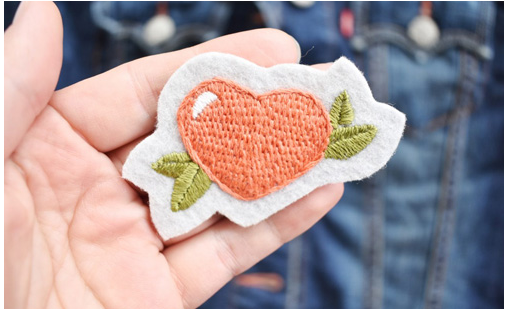
For schools and educational institutions, the 250th anniversary offers a unique chance to engage students, families, and alumni. Imagine a series of custom enamel pins designed specifically for your school community, celebrating both American heritage and school pride. These "Student Heritage" pins can be produced in different variations—perhaps one for each grade level, or a special edition for the class of 2026. The design could incorporate your school mascot or logo alongside iconic American symbols like the Liberty Bell, the American flag, or the dates 1776-2026.
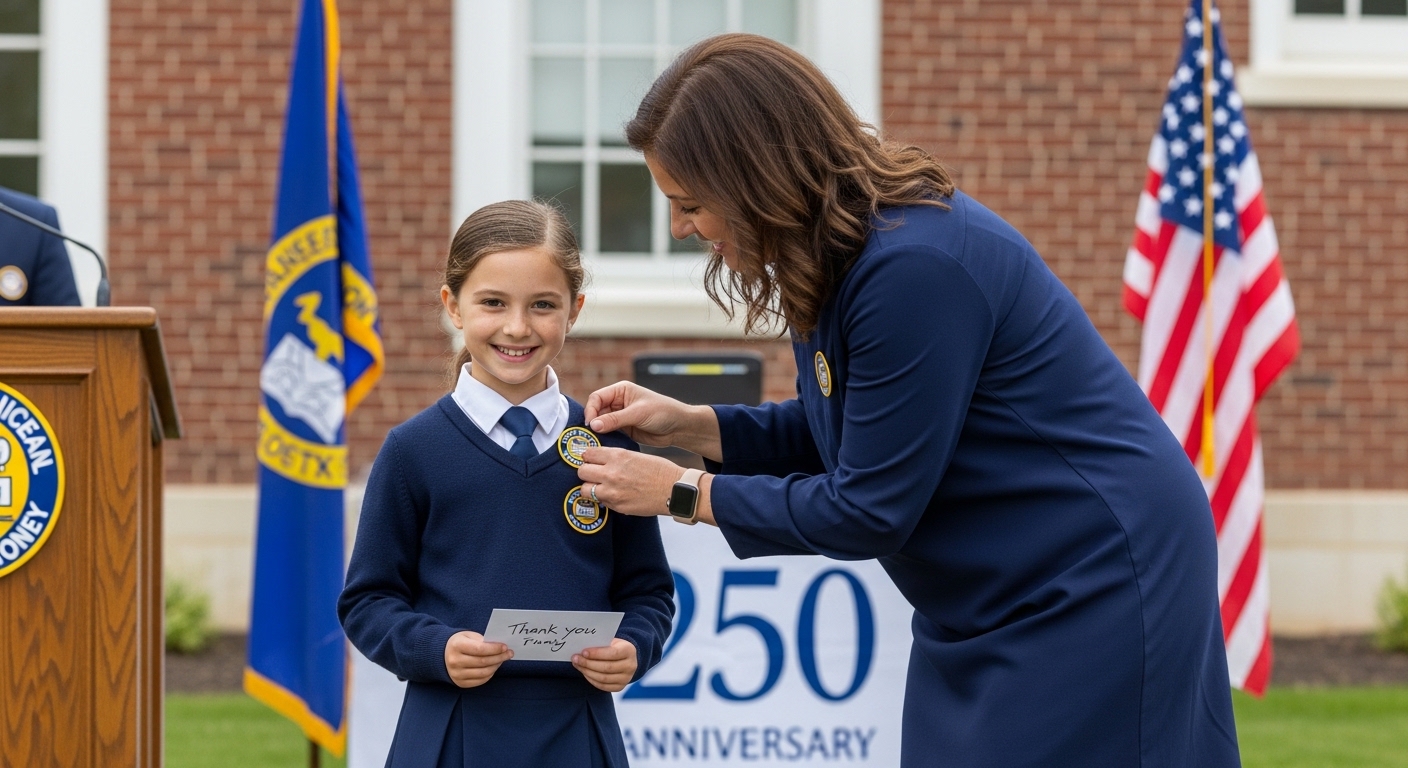
These pins become instant collectibles. Students will trade them, wear them on backpacks and lanyards, and treasure them as memories of their school years during this historic anniversary. For fundraising, you can offer the pins for a suggested donation amount during school events, parent-teacher conferences, or graduation ceremonies. Alumni associations can mail them to former students as a thank-you for annual gifts. The production cost is low enough that even a modest $5 or $10 donation yields a healthy profit margin, while the perceived value—a custom, limited-edition keepsake—feels much higher. Plus, every pin worn in the community becomes a walking advertisement for your school's involvement in the 250th celebration.
Donor Appreciation Challenge Coins
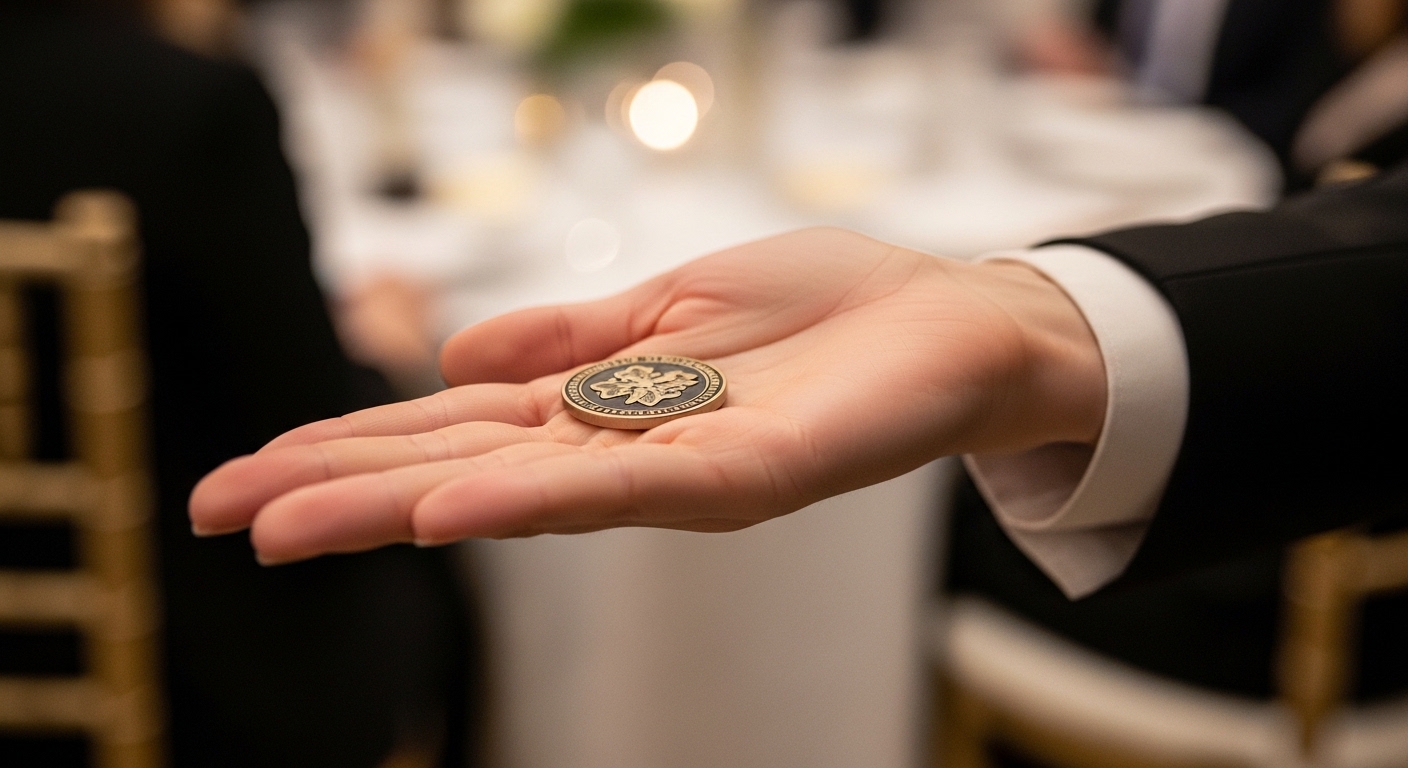
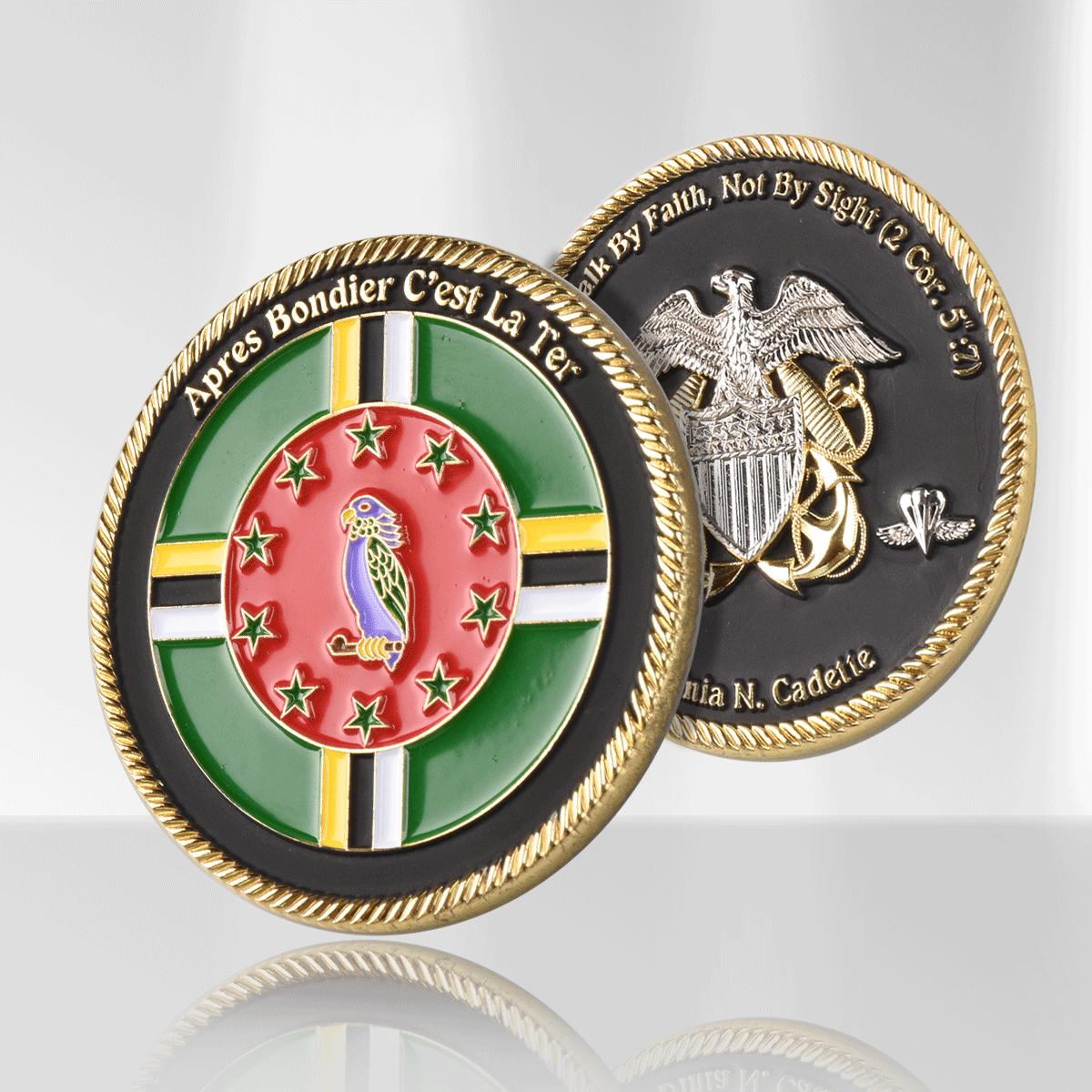
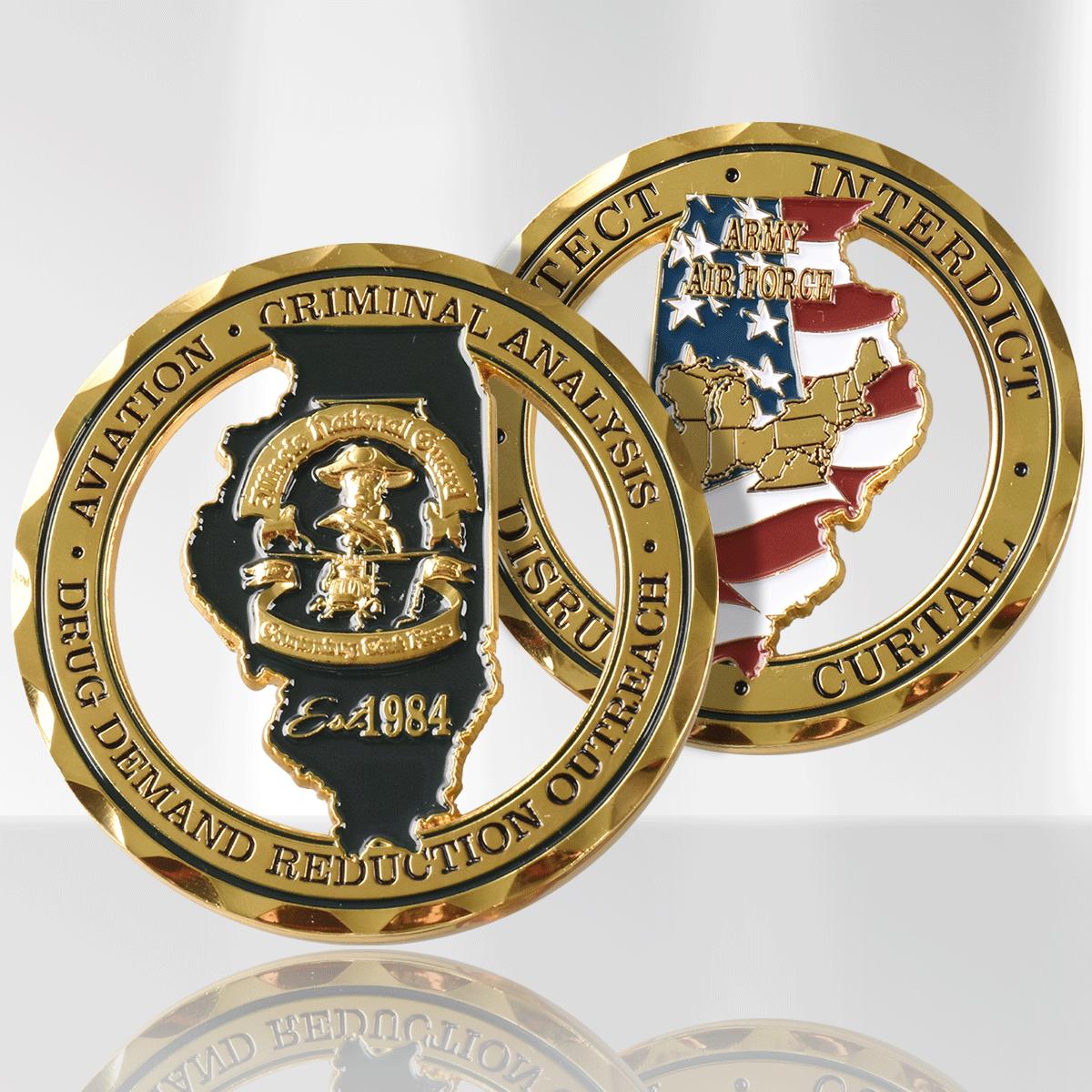
For historical societies, museums, and non-profits with tiered giving programs, custom challenge coins offer an elegant way to recognize and incentivize donations. The concept is simple: link the metal finish or color of the coin to the donor's contribution level. For example, donors at the "Bronze" level ($100) receive a coin with an antique bronze finish. "Silver" level donors ($250) receive a coin with a polished nickel finish. And "Gold" level donors ($500 or more) receive a coin with a brilliant 24k gold plating or a dual-tone antique gold finish.
This approach gamifies giving while providing tangible, lasting recognition. Unlike a printed certificate that might get filed away, a challenge coin is something donors can display on their desk, carry in their pocket, or add to a collection. Each time they see it, they're reminded of their contribution to preserving history. For your organization, these coins serve a dual purpose: they reward current donors and create aspiration for future ones. When potential supporters see the beautiful gold coin that top-tier donors receive, they have a tangible goal to work toward. You can even create a display showing the different coins and their corresponding donation levels at fundraising events, making the rewards visible and desirable.
What Every Non-Profit Should Know Before Ordering Custom Coins
Investing in custom commemoratives for fundraising is exciting, but it's also a process with its own unique considerations. To ensure your 250th anniversary campaign is profitable and hassle-free, it's essential to understand the four pillars of custom manufacturing: pricing, size, craftsmanship, and design. Let's break down how each applies specifically to fundraising products.
Understanding Pricing and Mold Costs
Price is critical for non-profits working with tight budgets. The good news is that custom coins and pins offer excellent profit margins when produced in sufficient quantities. However, you need to understand the cost structure. Every custom design requires a mold fee (also called tooling or die fee). This one-time charge covers the creation of the precision steel die that will stamp your design. Think of it as the master record from which every coin is made. This is an essential cost for any custom-shaped item.
The mold fee is a fixed cost, so the more coins you order, the lower the per-unit price becomes as that fee is spread across more pieces. For fundraising campaigns, this means ordering for a larger audience—perhaps combining with other schools in your district or running a multi-month campaign—can significantly improve your margins. Always request a quote that clearly separates the mold fee from the per-unit cost. For smaller organizations with limited budgets, we can discuss options, but understanding this fundamental cost is the first step in realistic planning. Remember, a well-designed coin that people actually want to buy is worth the initial investment.
Decoding Size and Dimensions
Size affects both cost and desirability. For fundraising pins intended for students or general supporters, a standard size of 0.75 to 1 inch is perfect—large enough to show detail and brand visibility, but small enough to be affordable and wearable on lanyards, hats, or jackets. For donor appreciation challenge coins, you might want something more substantial. A 1.5 to 2-inch coin feels weighty and premium in the hand, justifying a higher donation level.
The thickness, or "depth," of the design also matters. A coin with decent heft feels more valuable. However, larger and thicker coins use more material and cost more to produce. Our team can help you find the perfect dimensions to balance perceived value with cost, ensuring your fundraising items feel premium without eating into your profit margin.
Craftsmanship: The Art of Creating Keepsakes
The term "craftsmanship" refers to the quality of the manufacturing. For fundraising items, quality directly impacts sales. A cheap, poorly made pin with fuzzy details and dull colors won't inspire donations. A well-crafted piece with crisp lines, vibrant enamel, and a smooth finish feels like something worth owning. Donors are savvy—they can tell the difference.
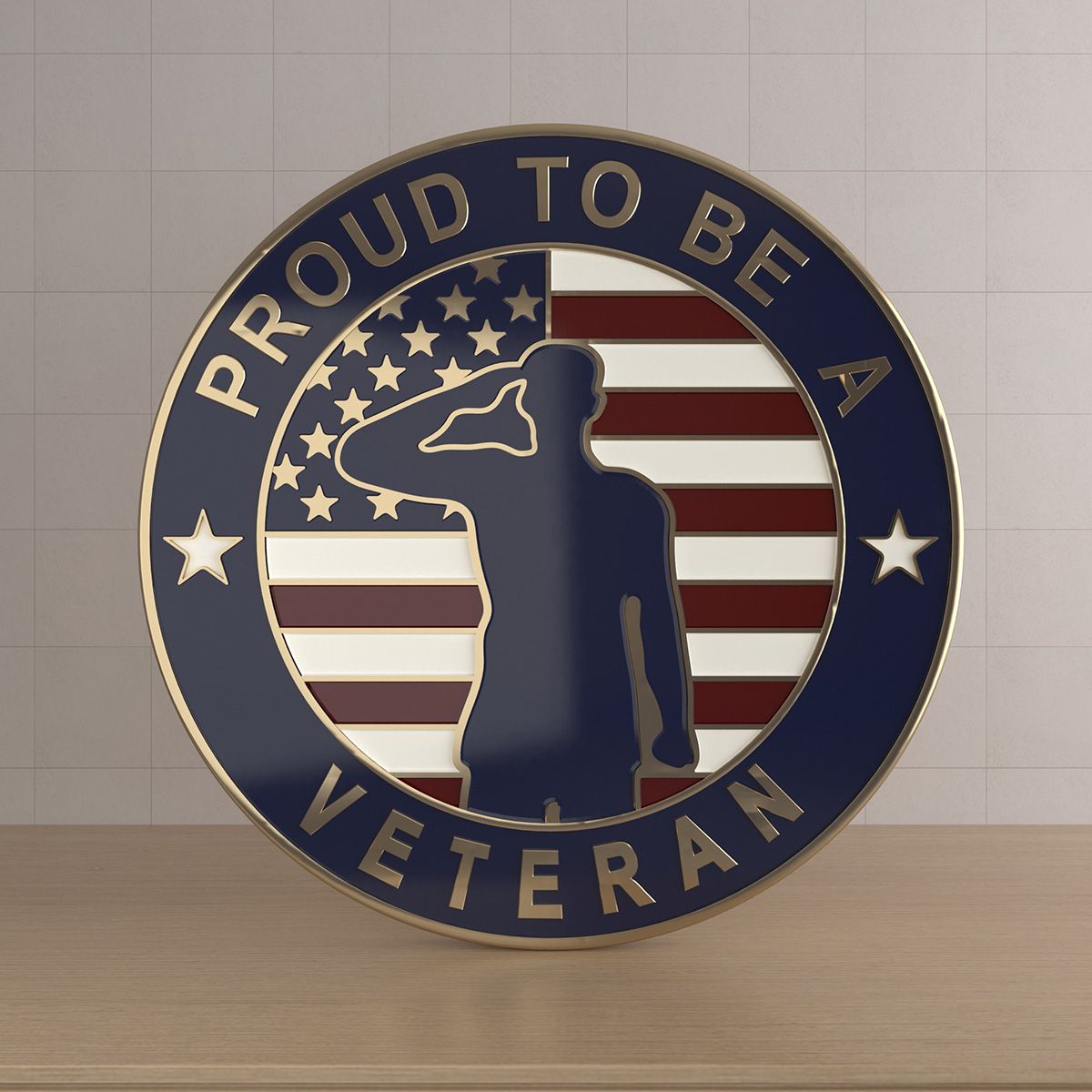
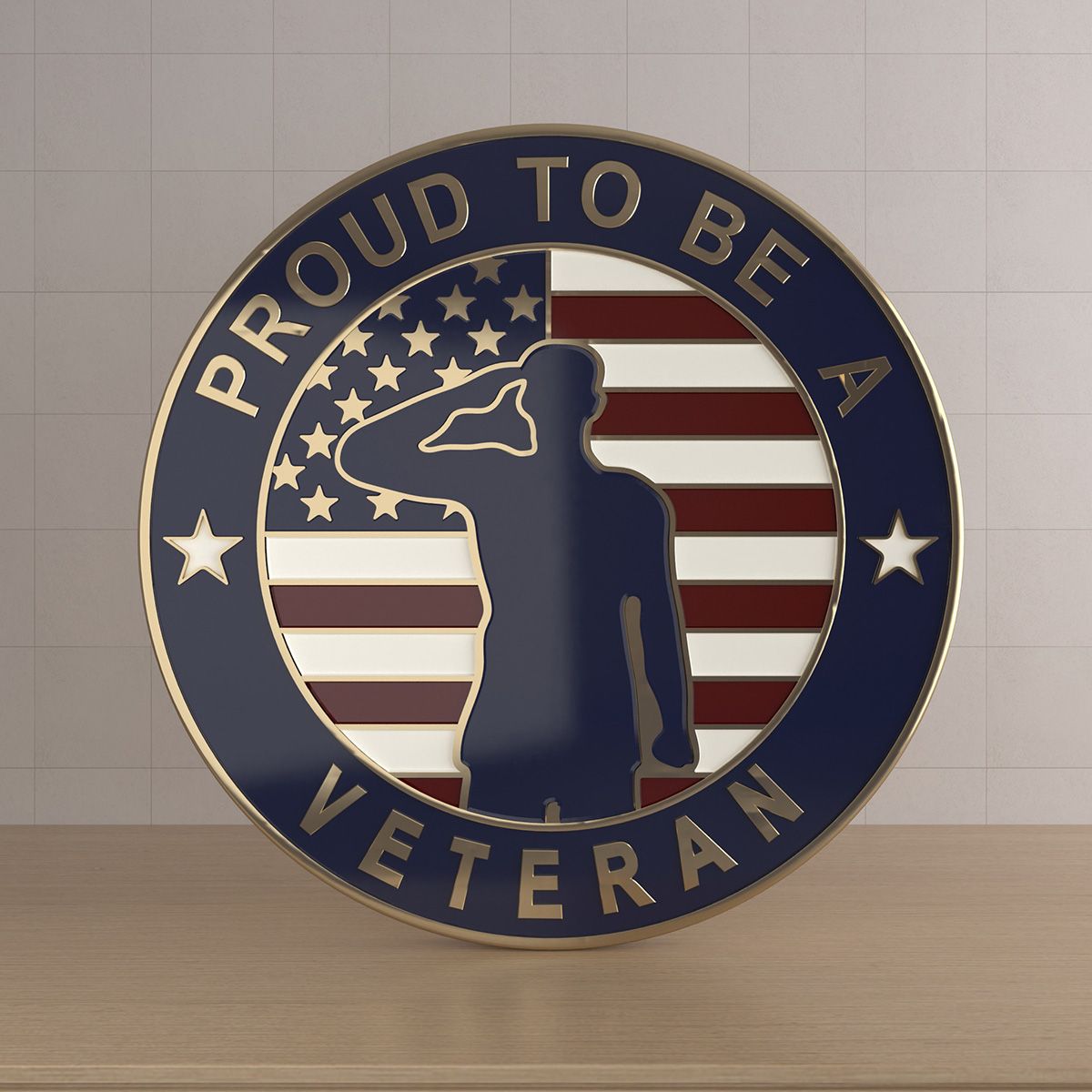
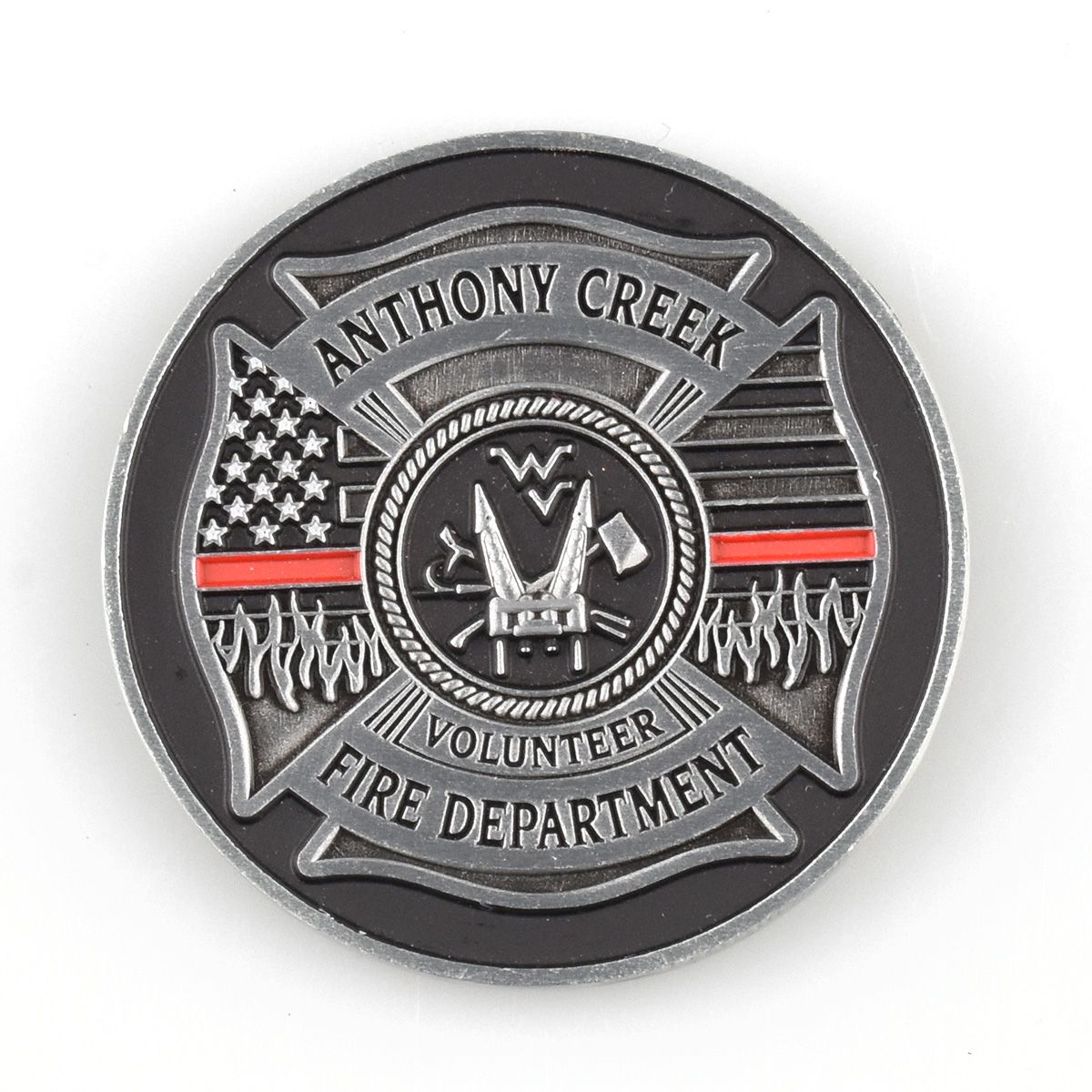
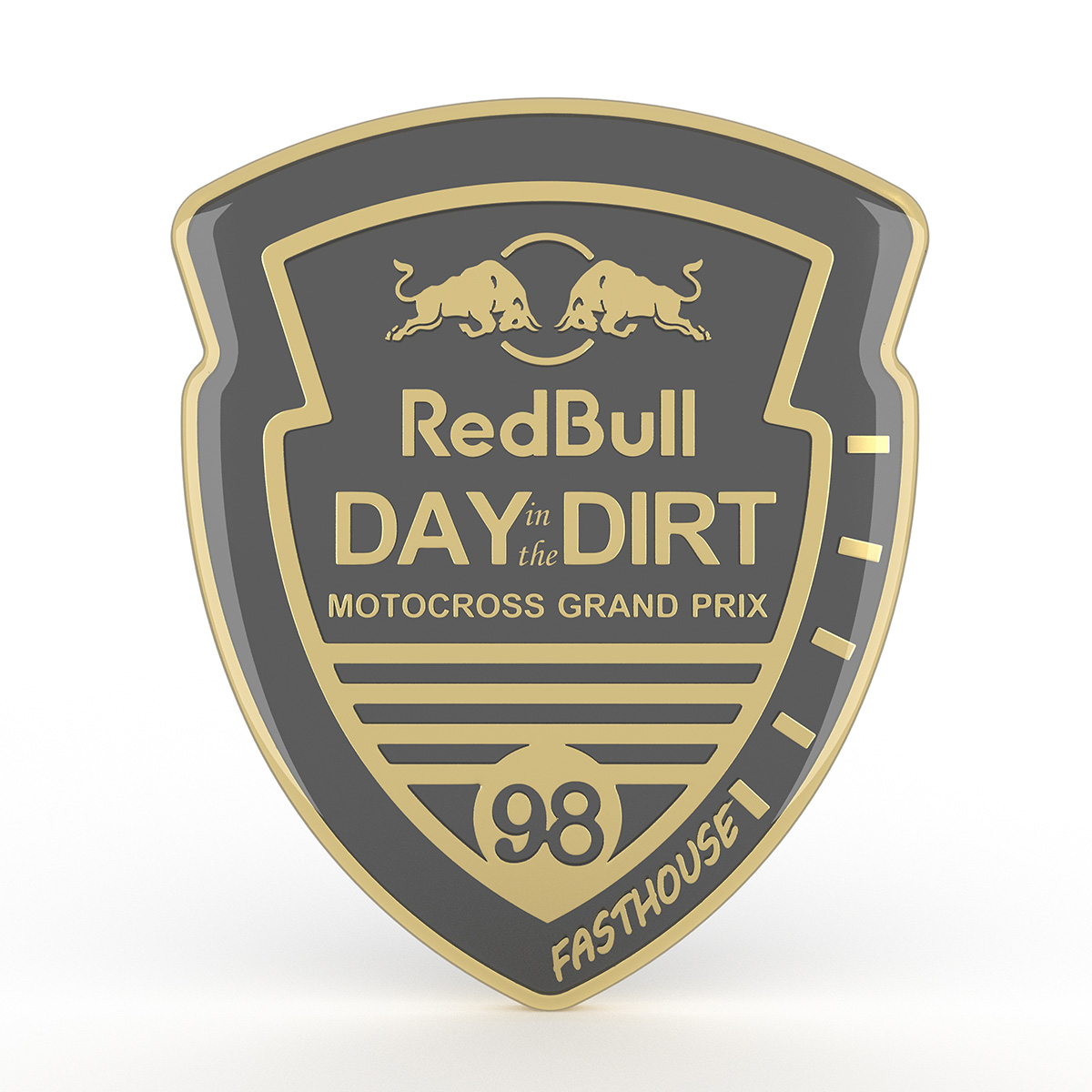
High-quality soft enamel pins have a textured finish where the metal lines are raised and the color sits in recessed areas. Hard enamel pins are polished smooth, creating a durable, glass-like surface. Challenge coins can feature antique finishes that give a sense of history. Each option requires different skill levels and results in a distinctly different product. We'll guide you to the right choice for your budget and goals, ensuring your commemoratives reflect well on your organization.
Design: Telling Your Story Through Metal
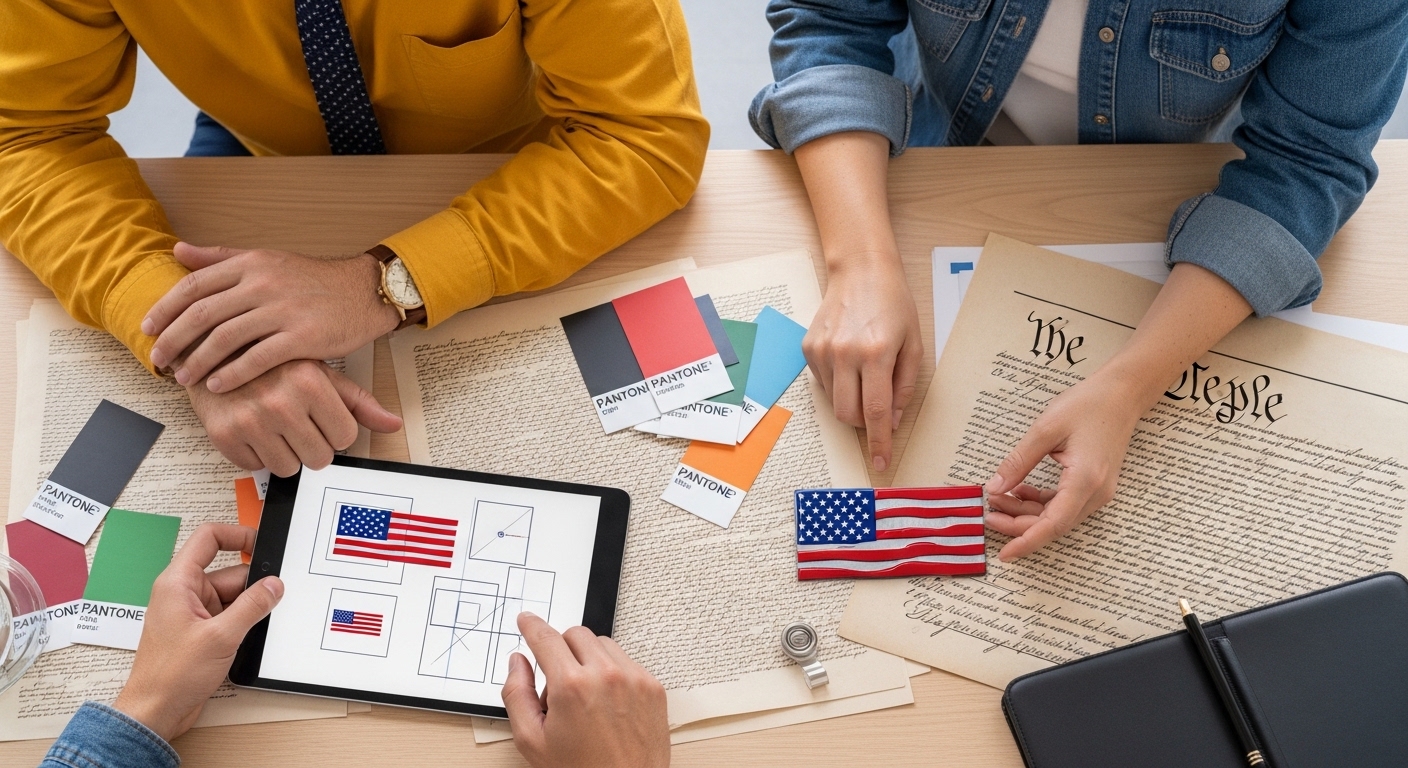
Your design is the heart of the project. For fundraising, it needs to communicate both your organization's identity and the 250th anniversary theme. Start with a clear concept. Do you want to feature your logo alongside patriotic symbols? Include the dates 1776-2026 prominently? Add text like "Preserving Our Heritage" or "Honoring 250 Years"?
Providing a vector file (.ai, .eps, .pdf) with fonts outlined is ideal for ensuring crisp reproduction. Our experienced design team specializes in translating 2D artwork into stunning metal products. We'll advise on details like line thickness (very thin lines may fill with enamel), text size (too small and it becomes illegible), and color separation. We'll work with you to refine your concept so the final product is a faithful, high-quality representation of your organization—something donors will be proud to own.
Note on Minimum Quantities: Because custom products require creating a unique mold, there is typically a minimum order quantity. If your fundraising campaign is smaller, there may be additional setup costs. Please contact us to discuss your needs; we can find a solution that works for your specific volume and budget.
Maxemblem's Success Tips for Charity Sales
Over two decades of working with non-profits, schools, and community organizations, we've learned what works—and what doesn't—when it comes to fundraising with custom products. Here are our top recommendations for maximizing your 2026 campaign's success.
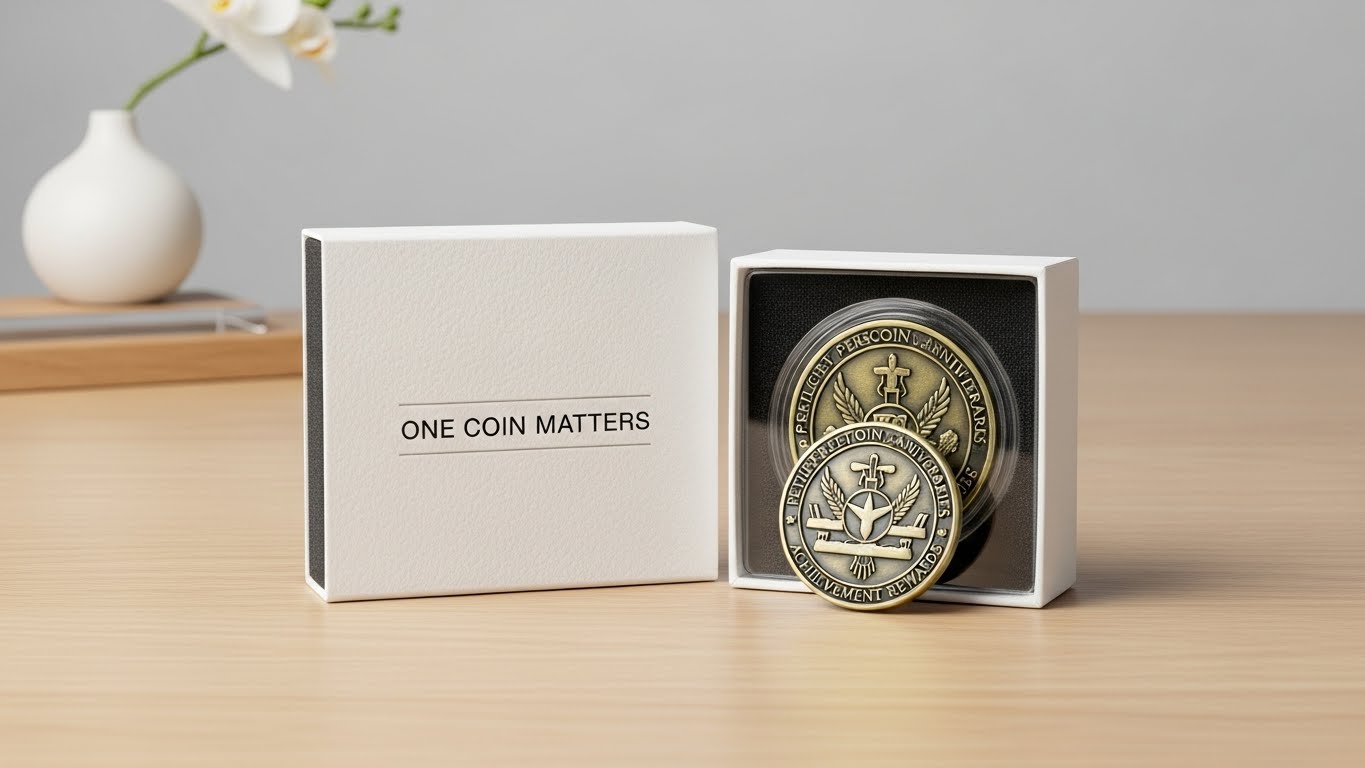
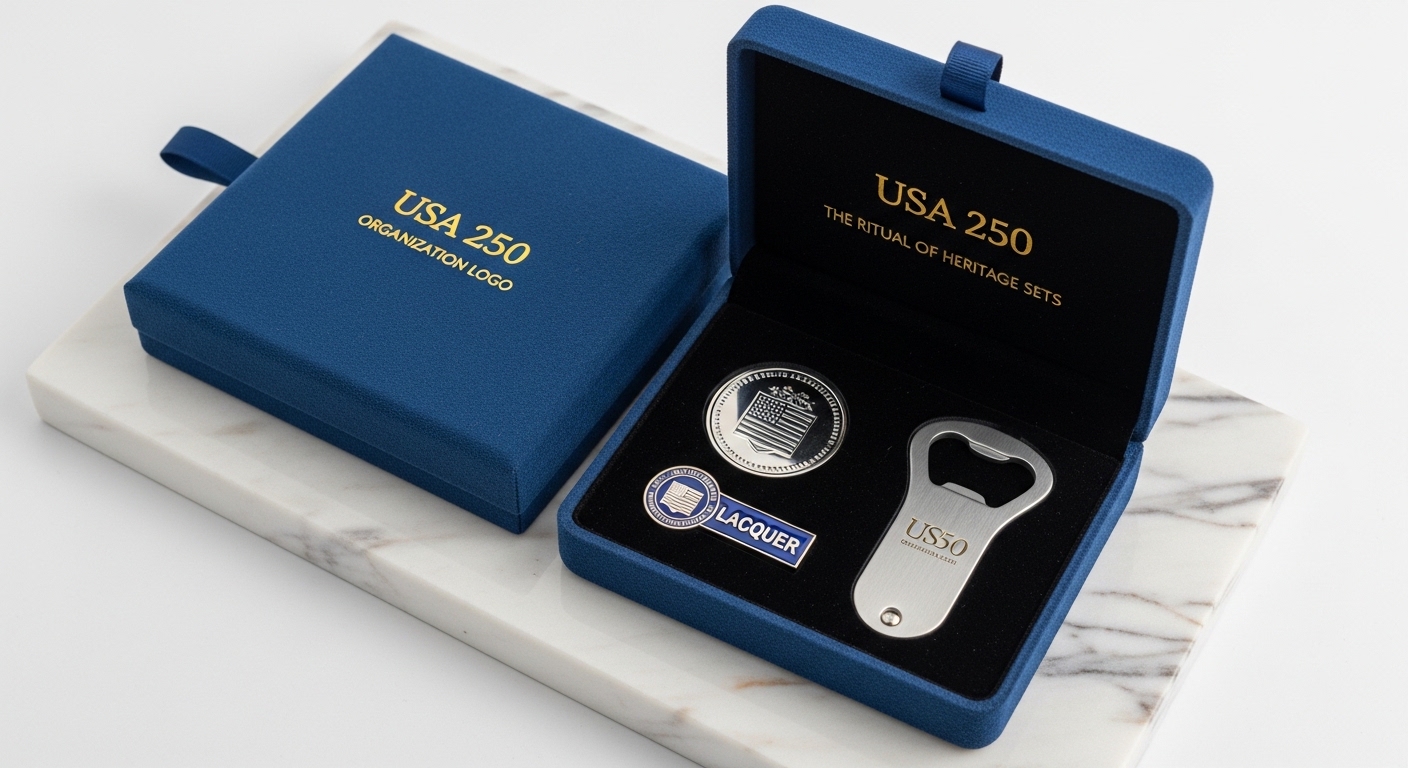
Create Gift Sets with Premium Packaging. One of the most effective strategies is to bundle your commemoratives into attractive gift sets. Instead of selling a single pin for $10, offer a "Heritage Set" that includes a pin, a matching challenge coin, and a beautiful presentation box for $35. The perceived value of the set is much higher than the sum of its parts, and the elegant packaging makes it gift-ready. People attending 250th anniversary events will be looking for souvenirs to give as gifts—tap into that demand. Custom packaging can include your organization's logo and messaging, turning the box into another marketing touchpoint.
Link Donation Levels to Metal Colors. As mentioned earlier, using different metal finishes to represent giving tiers is incredibly effective. Bronze, silver, and gold are universally understood symbols of achievement. When donors see that a gold-plated coin is reserved for those who give $500, many will stretch their donation to reach that tier. This strategy works because the reward is tangible and lasting—far more motivating than a generic thank-you letter.
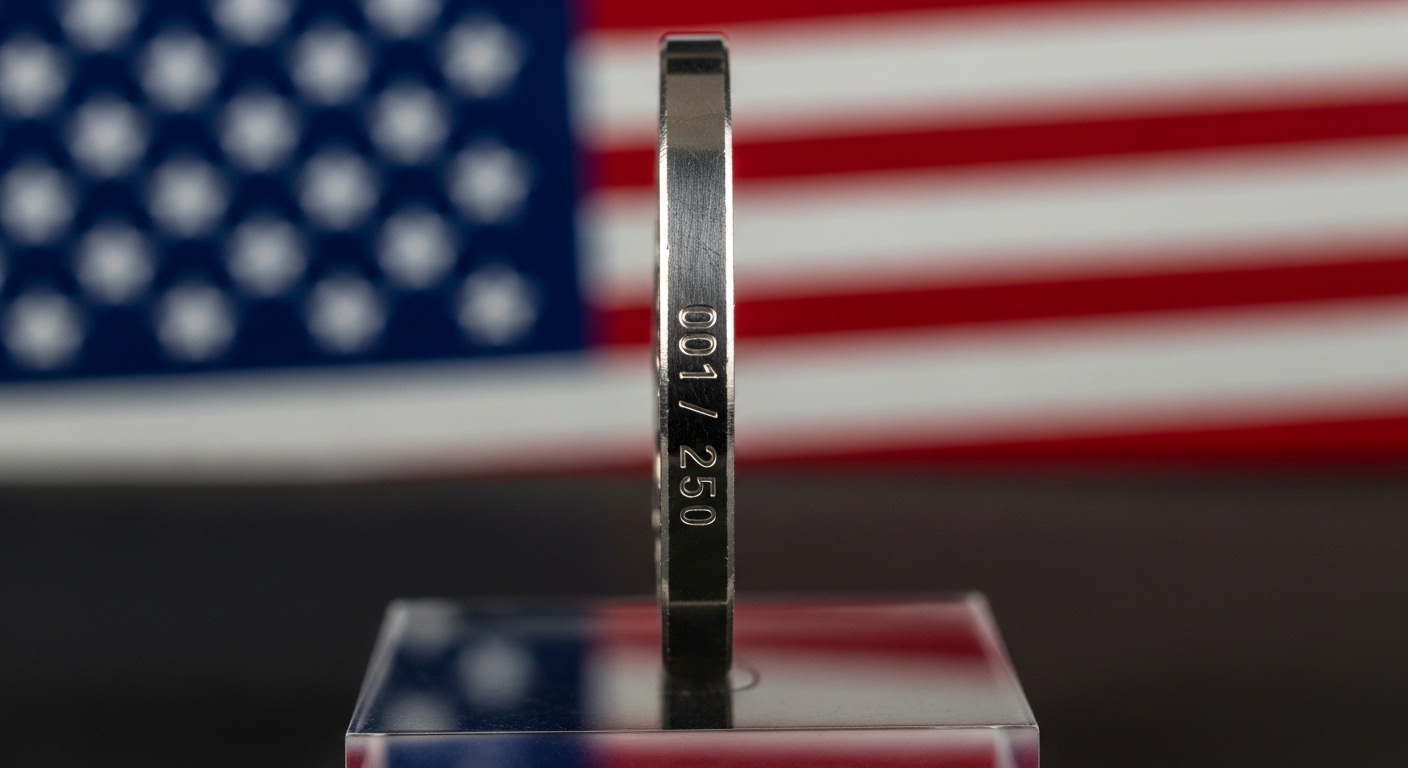
Promote Scarcity and Exclusivity. Limited editions drive action. Consider producing a specific quantity—say, "Only 250 of these special edition coins will be minted to honor 250 years." Number them sequentially (e.g., 001/250, 002/250). Collectors and history enthusiasts will move quickly to secure a low number. This scarcity creates urgency and can lead to faster sellouts.
Leverage Pre-Orders. Launch your campaign with a pre-order phase.This serves two purposes: it generates early cash flow to help pay for production, and it gives you valuable data on which designs are most popular. You can adjust your final order quantities based on real demand, reducing the risk of unsold inventory.
Tell the Story. Don't just sell a product—sell the story behind it. Explain on your website, in emails, and at events why this coin was designed the way it was. Share the historical significance of the symbols you've chosen. Introduce the artisans at Maxemblem who bring your vision to life. When donors understand the care and meaning behind the item, they're more willing to give generously.
Production Timelines for Your 2026 Fundraising Campaign
Timing is everything in fundraising. To ensure your custom pins and coins arrive in time for key 250th anniversary events—whether it's Memorial Day 2026, July 4th, or a local heritage festival—careful planning is essential. Below are our production and shipping timelines. Given the anticipated demand as 2026 approaches, we recommend initiating your project 4-6 months ahead of your target date.
Shipping Method |
Product Type |
Production Time (Business Days) |
Shipping Time (Business Days) |
|---|---|---|---|
Priority Shipping |
Pin |
8 |
3 |
Priority Shipping |
Coin |
10 |
3 |
Express Shipping |
Pin |
15 |
3 |
Express Shipping |
Coin |
18 |
3 |
Standard Shipping |
Pin |
15 |
9 |
Standard Shipping |
Coin |
18 |
9 |
*Times are estimates from approved artwork. For large fundraising campaigns, we recommend building in extra time for design revisions and sample approval.
Ready to Fundraise with History?
Let's create custom commemoratives that inspire donations and honor America's 250th anniversary. Expert guidance, competitive pricing, and end-to-end support for your non-profit campaign.
Margins vary based on quantity and design complexity, but many non-profits achieve 200-300% markups on custom coins. For example, a coin that costs you $3 to produce might sell for $10-15 as a donation thank-you. Higher-tier coins with premium finishes can support even larger donation amounts. We provide detailed pricing so you can calculate your expected margins before committing.
This depends on your school size and campaign goals. A good rule of thumb is to order enough for 25-50% of your student body plus alumni and community supporters. For a school of 500 students, an initial order of 250-300 coins might be appropriate. Remember that the per-unit cost drops significantly with volume, so combining with neighboring schools or running a multi-year campaign can improve economics.
Yes, absolutely. We can produce coins with different finishes (antique bronze, polished nickel, gold plating) in a single production run, as long as the underlying design is the same. This is perfect for tiered giving programs. The different finishes are achieved through post-strike plating processes, so they can be batched efficiently.
Yes, we provide a range of packaging options, from simple velvet pouches to custom-printed presentation boxes with your organization's logo. Gift packaging significantly increases perceived value and is highly recommended for premium fundraising tiers. Contact us to discuss packaging options that fit your budget and campaign goals.