Sign in
Create Your Account
Create My Account
Sign In
Create Your Account
March is the final safe window to order custom USA 250 lapel pins for July 4th. Avoid delays with our 8-week production & shipping timeline guide.

The countdown has begun. With the historic 250th anniversary of the United States' independence on the horizon, the demand for commemorative custom pins is reaching a fever pitch. Whether you are a municipal government office planning a ceremony, a heritage brand launching a patriotic line, or a grassroots organizer coordinating a local festival, the window to secure your custom USA 250 pins is closing fast. While July feels distant, the reality of global manufacturing and logistics dictates a much earlier deadline. Waiting until spring to place your order is not just a risk; it is a near-guarantee of disappointment. This article breaks down the critical timeline, explains the hidden pitfalls of last-minute ordering, and provides a clear roadmap to ensure your pins arrive in time to celebrate this once-in-a-lifetime occasion.
The Production Countdown: From March to July—A Week-by-Week Breakdown
Understanding the custom pin manufacturing process is essential to grasping why March is the final "safe zone." It is not a simple matter of placing an order and receiving boxes the next week. It is a complex, multi-stage industrial process that requires precision, patience, and buffer time. For a standard order of custom lapel pins, from the moment you approve a quote to the moment the pins are on your table, you are looking at a critical path of approximately six to eight weeks. Let us map out the ideal schedule for a July 4th delivery.
Week 1: Design Finalization and Tooling Setup
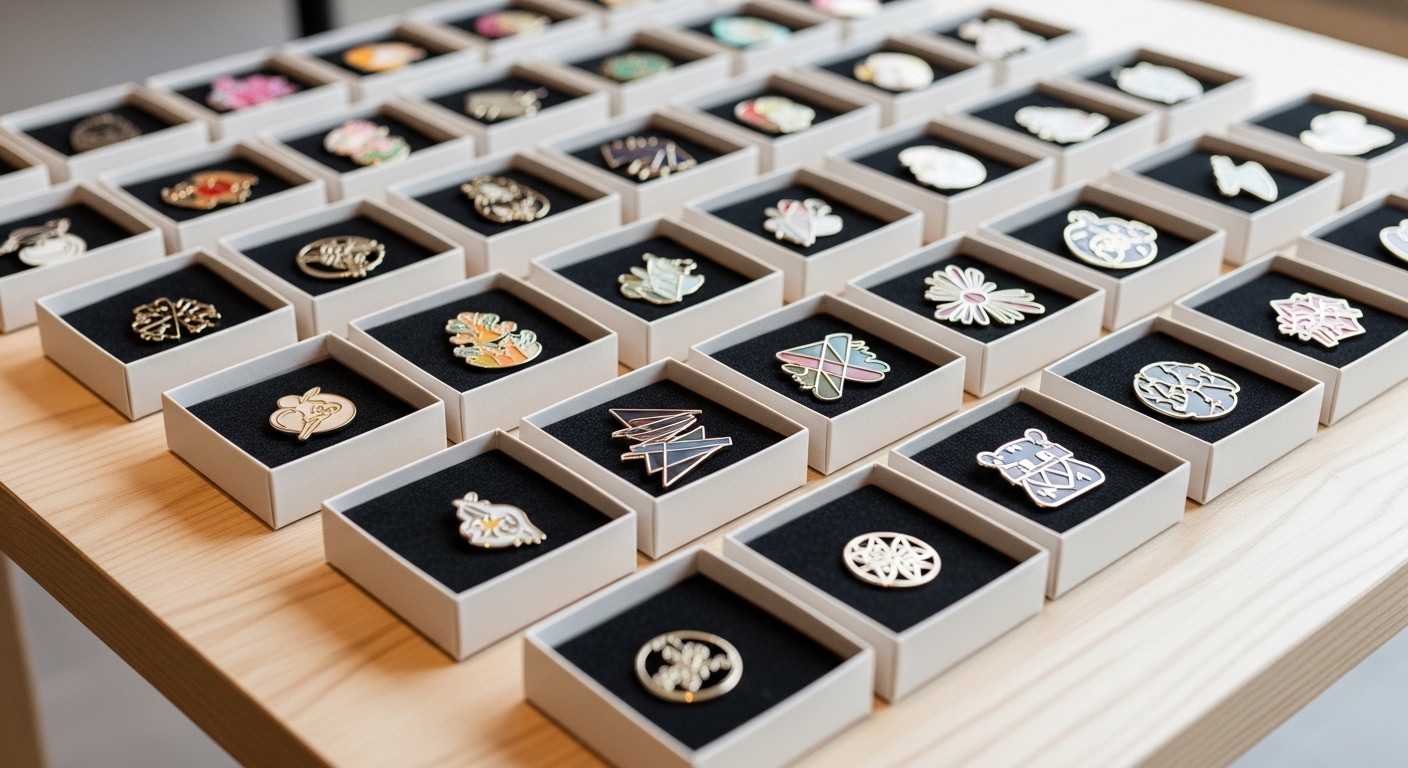
The journey begins with your artwork. After placing your order, the first step is "hardware preparation"—creating the die. This is a steel mold that will stamp your design into the metal. If your design needs tweaking for manufacturability (a process known as Design for Manufacturing, or DFM), this happens now . Rushing this phase leads to blurry lines or weak structures. A reputable manufacturer will work with you to refine your file, ensuring that the final pin is exactly as you envisioned. This phase, from final artwork sign-off to a completed mold, typically takes 5 to 7 business days.
Weeks 2-4: Manufacturing and Enameling
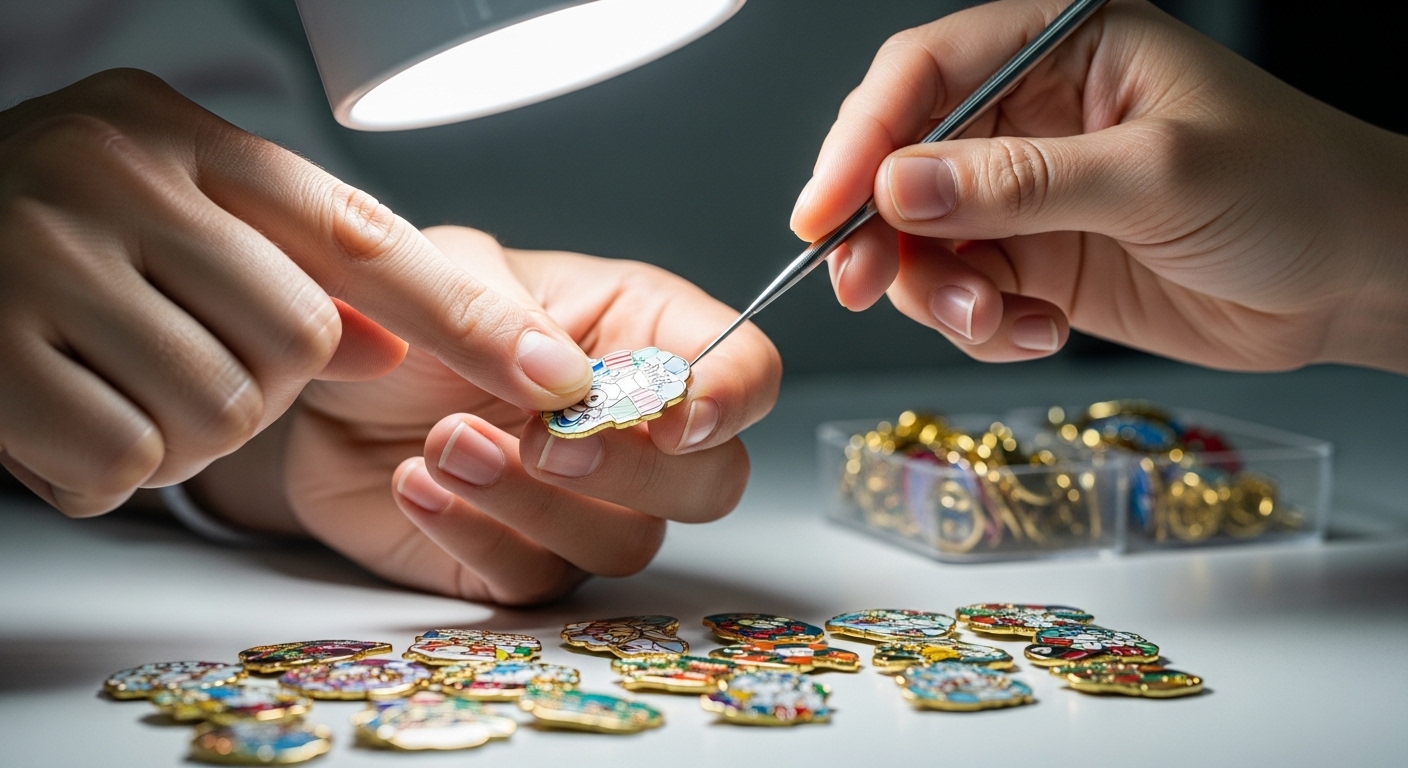
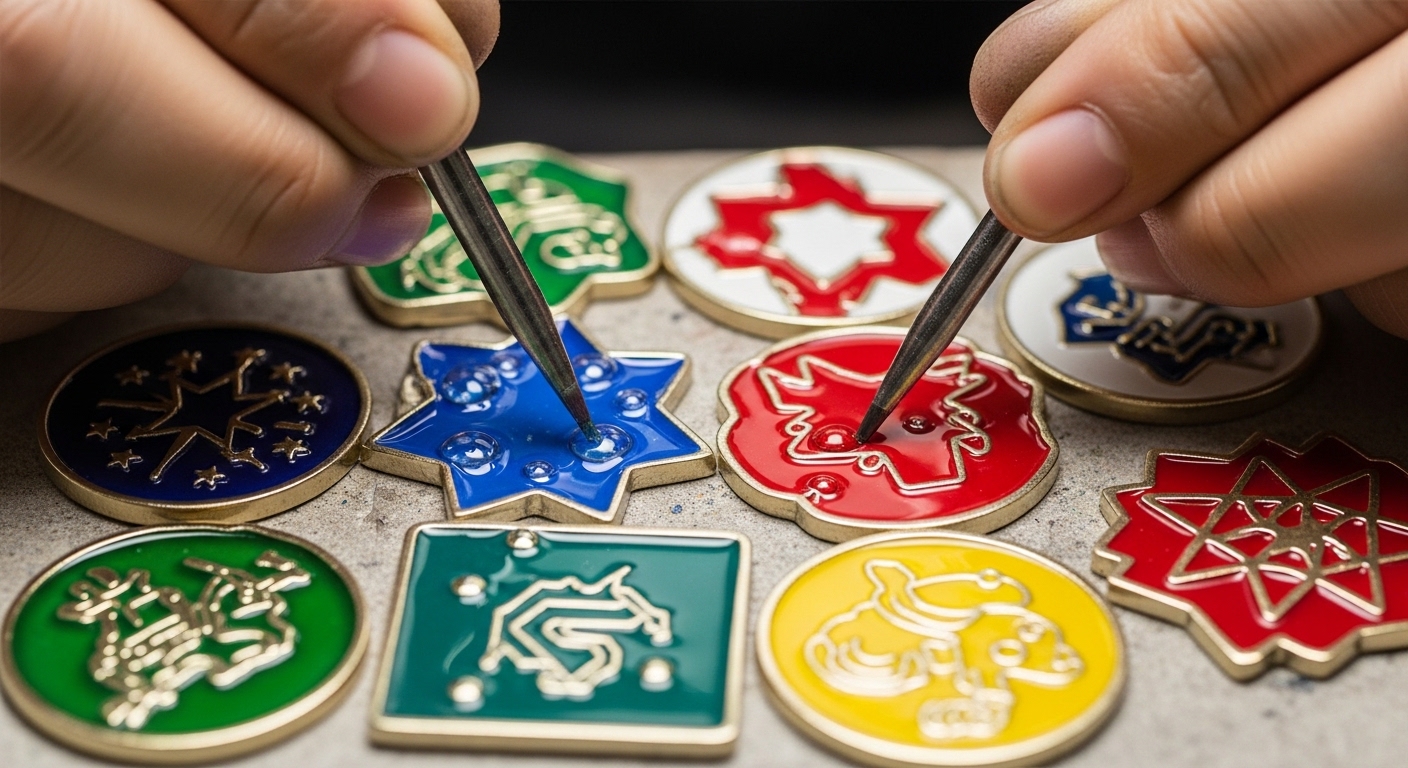
Once the mold is approved, mass production begins. The chosen metal—usually iron, brass, or zinc alloy—is stamped into shape. This is followed by the meticulous process of enameling. For soft enamel pins, colors are added to the recessed areas and then baked to harden. For hard enamel pins, the process involves multiple layers of filling, firing, and polishing to achieve a smooth, glass-like finish . This stage is the most time-intensive. A standard production run of 500-1000 pieces generally requires 15 to 18 business days . Any complexity, such as multiple colors or intricate plating (like antique gold or black nickel), can add time to ensure perfection.
Week 5: Quality Control and Packaging
After the pins are struck and colored, they undergo a rigorous quality check. Each pin is inspected for consistent color fill, secure plating, and proper attachment of the clasp (butterfly, rubber, or magnetic). They are then packaged, often on custom cards or in poly bags, to protect them during transit. This stage, while seemingly simple, is crucial for ensuring you receive a professional product rather than a box of factory seconds. This step takes about 3 to 5 days.

Weeks 6-7: International Logistics and Customs
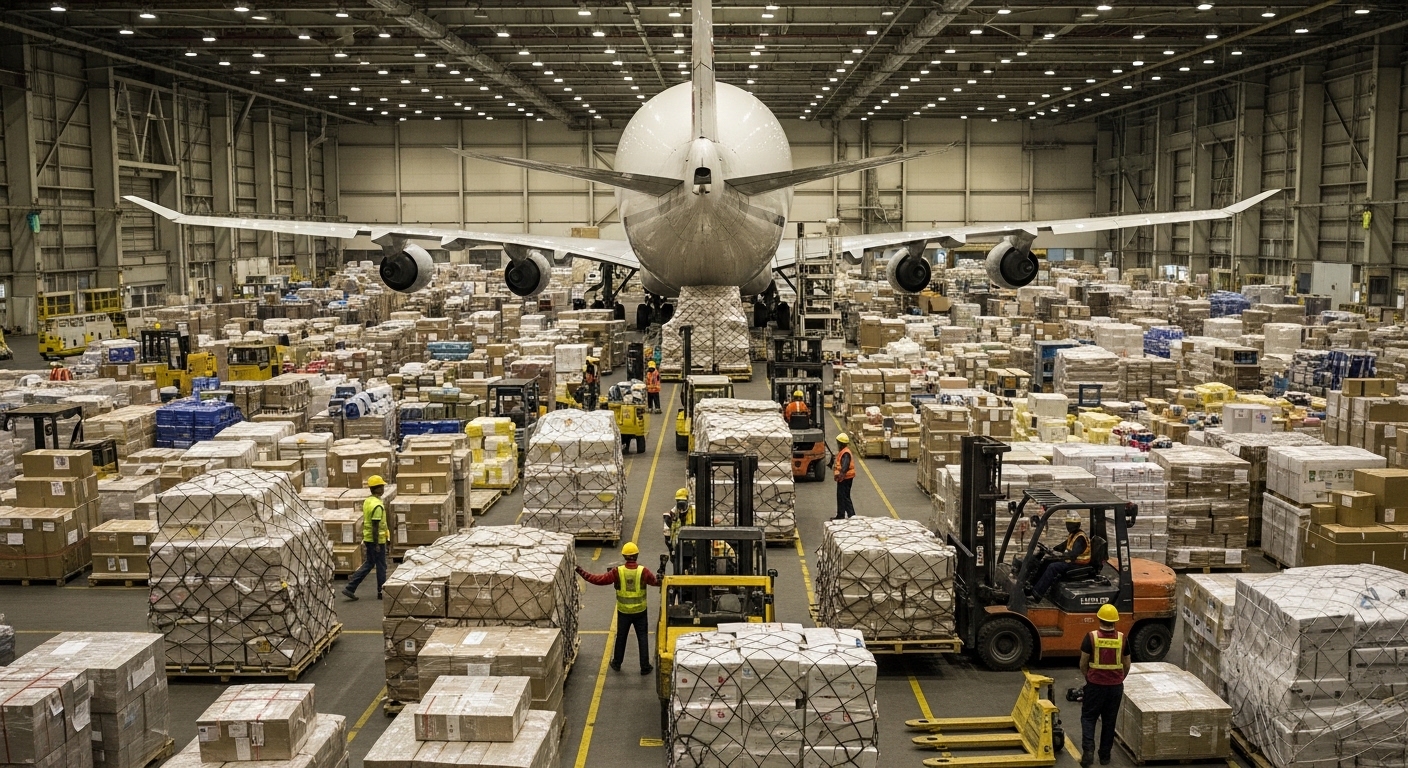
This is where many first-time buyers underestimate the timeline. Even if your pins are manufactured in a hub like Guangdong or Jiangsu, they must travel from the factory to a port (like Shenzhen or Shanghai), clear export customs, endure a transpacific ocean voyage (typically 12-20 days), and then clear import customs in the US before being handed to a local carrier like FedEx or USPS for final delivery . While air freight is faster (3-7 days), it is significantly more expensive. For a reliable, cost-effective timeline, factoring in a full two weeks for "door-to-door" logistics is a best practice.
Week 8: Buffer for Event Setup
Finally, we arrive at the "buffer." You do not want your pins arriving on July 3rd. What if there is a delay? What if the local courier loses a package? What if you need to distribute them to multiple volunteers before the event? Having a two-week buffer before your event date is essential for stress-free planning. This buffer allows you to inspect the final product, repackage if necessary, and have everything ready to go well in advance. Adding this buffer brings our total timeline to a solid 8 weeks—placing the deadline firmly in early March.
Avoiding the Pre-Holiday Rush: The Logistics Crunch of June
The global logistics network operates on cycles, and the period from late May through June is notorious for a "pre-holiday surge." As we approach summer, businesses across North America and Europe accelerate their imports in anticipation of the 4th of July, Canada Day, and summer festival seasons. This surge creates a bottleneck at every stage of the supply chain. Ports become congested, container space becomes competitive, and trucking capacity tightens. Placing an order in June, hoping for a "rush" delivery, puts you directly in this congested path. You are not only paying a premium for expedited services but also competing against thousands of other shippers for the same limited space. This is when "2-week air freight" can mysteriously stretch into 4 weeks due to backlogs at customs or missed flight connections. By ordering in March, you glide through this window before the rush hits, ensuring your goods travel smoothly and predictably.
Maxemblem's Priority Lane: Securing Your Place in the Production Queue
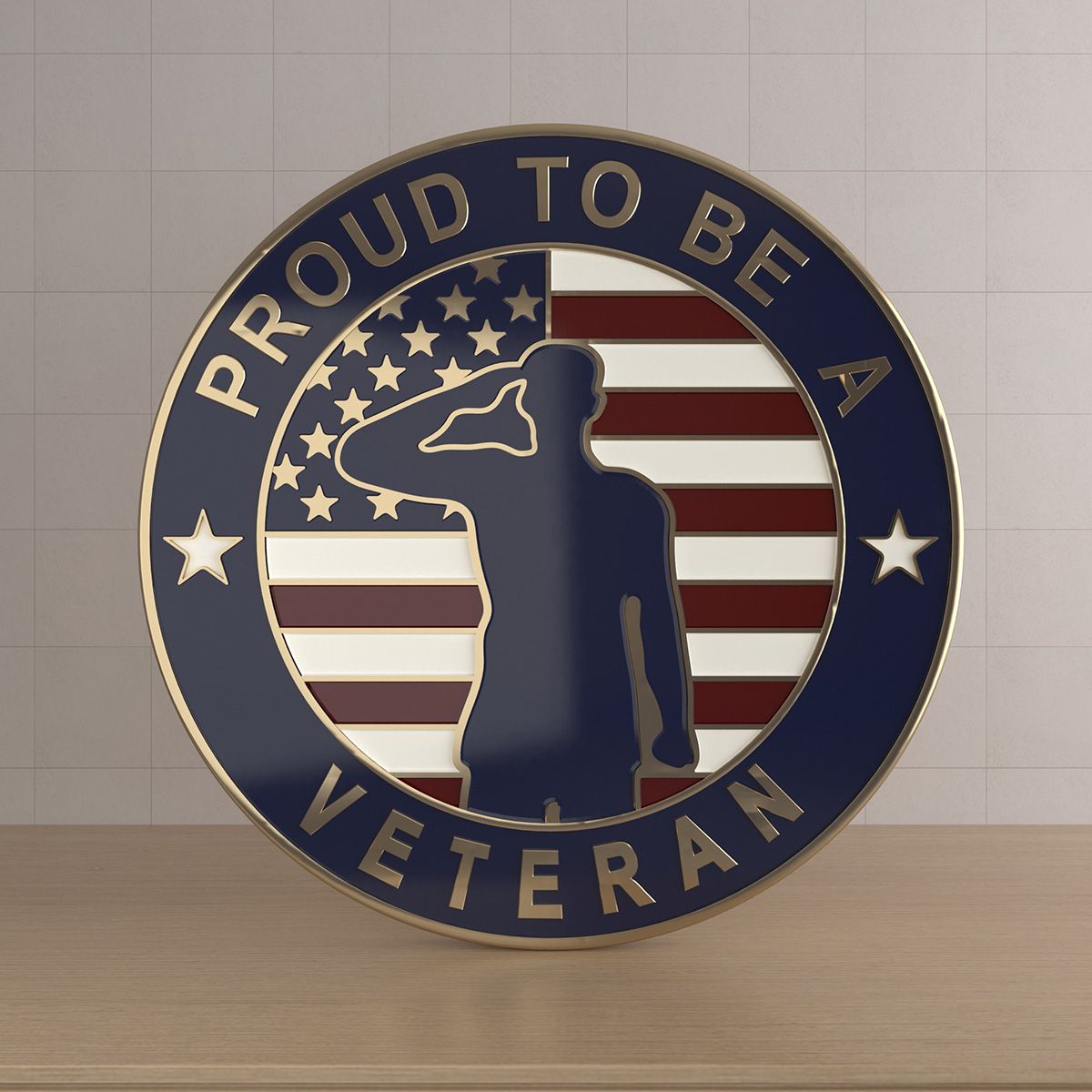
Recognizing the unique demands of the USA 250 celebration, Maxemblem has established a Priority Lane for orders placed before the March cutoff. This is more than just a marketing term; it is a dedicated workflow designed to beat the clock. Clients who commit in March are slotted into the production schedule immediately, ensuring their molds are cut and materials are allocated before the factory enters peak season. This commitment allows us to offer a guaranteed delivery window that standard, later orders simply cannot match. By securing your place now, you are effectively bypassing the "first-in, first-out" queue that will inevitably form later in the spring. This priority treatment ensures that when the summer rush hits, your project is already on the water, not waiting for an open line at the factory.
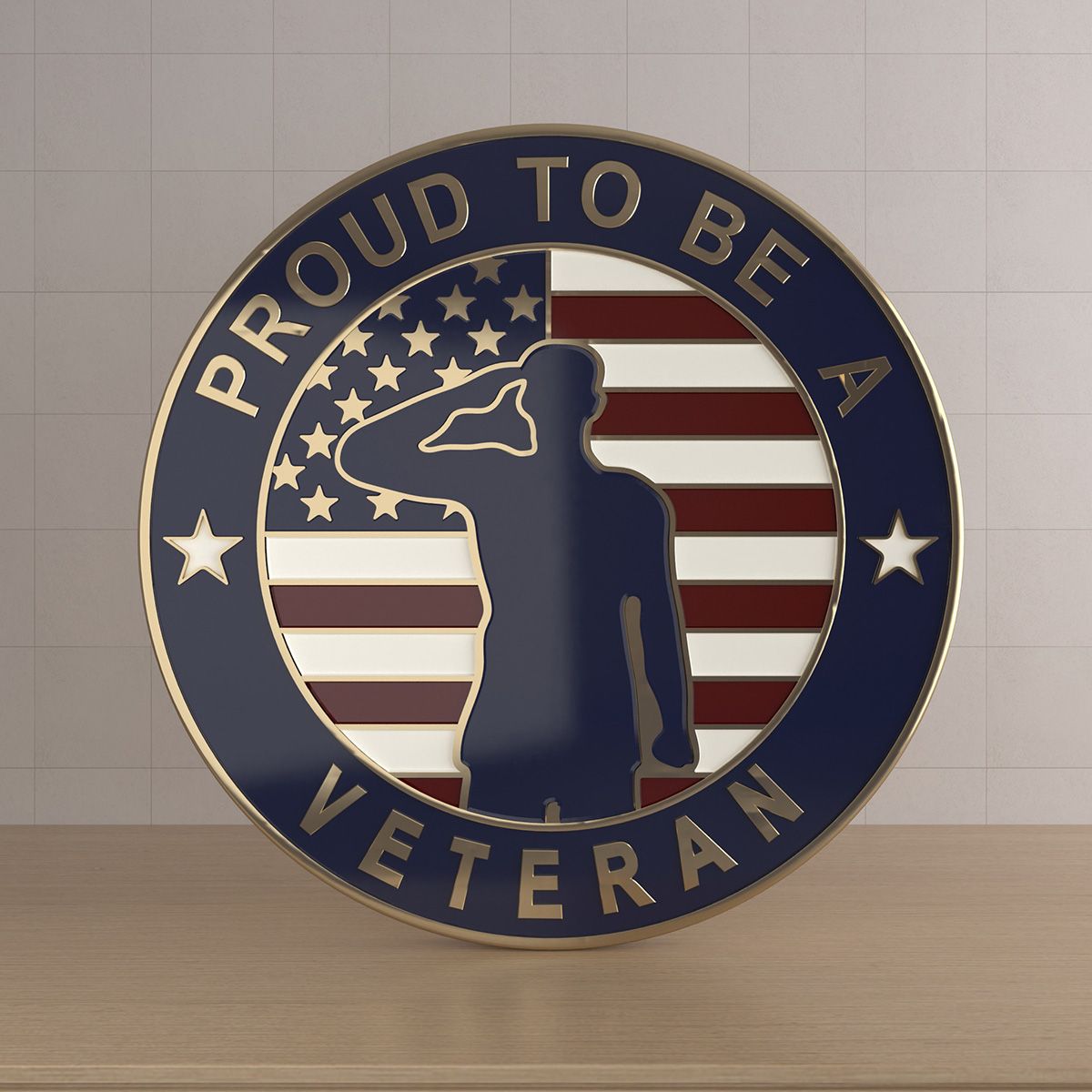
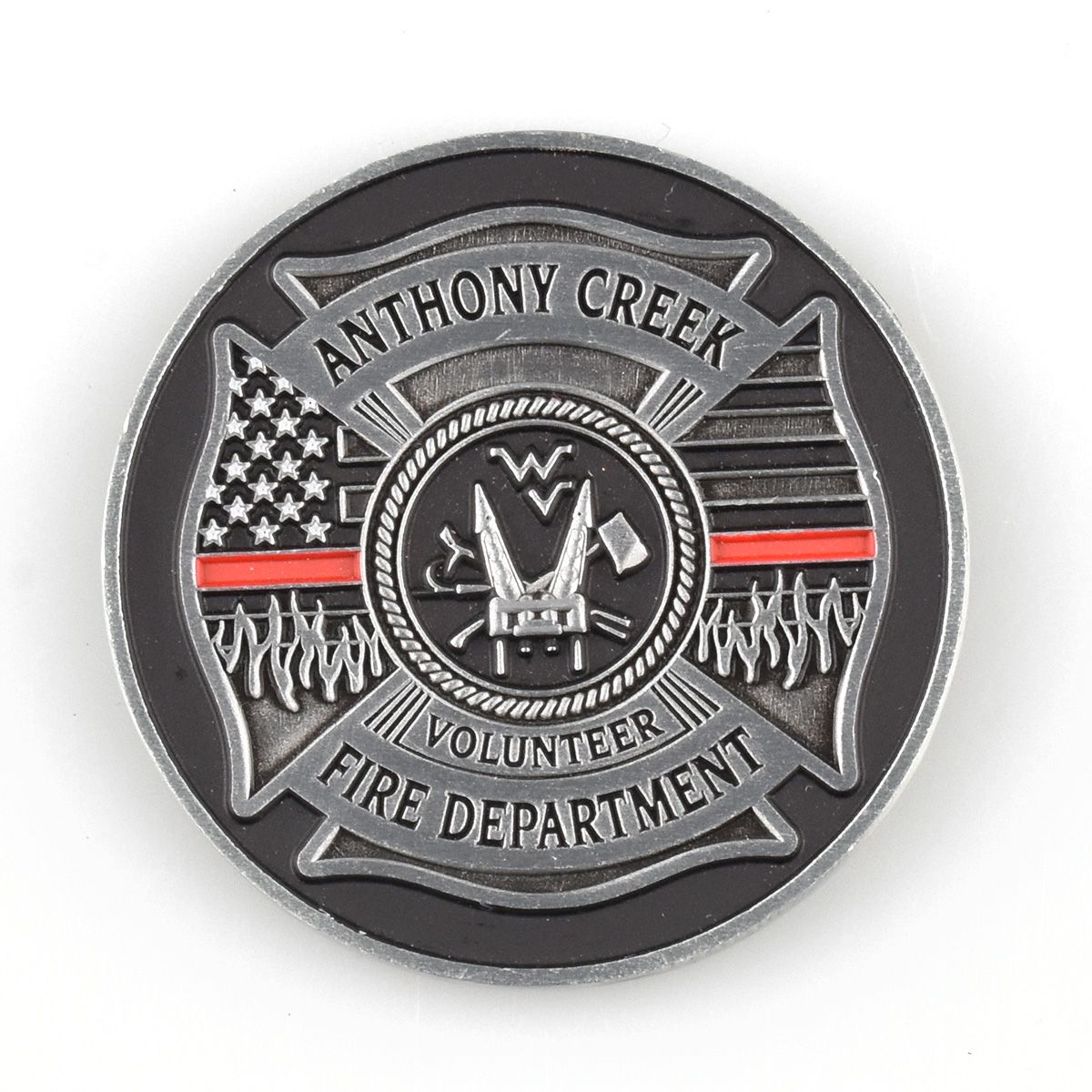
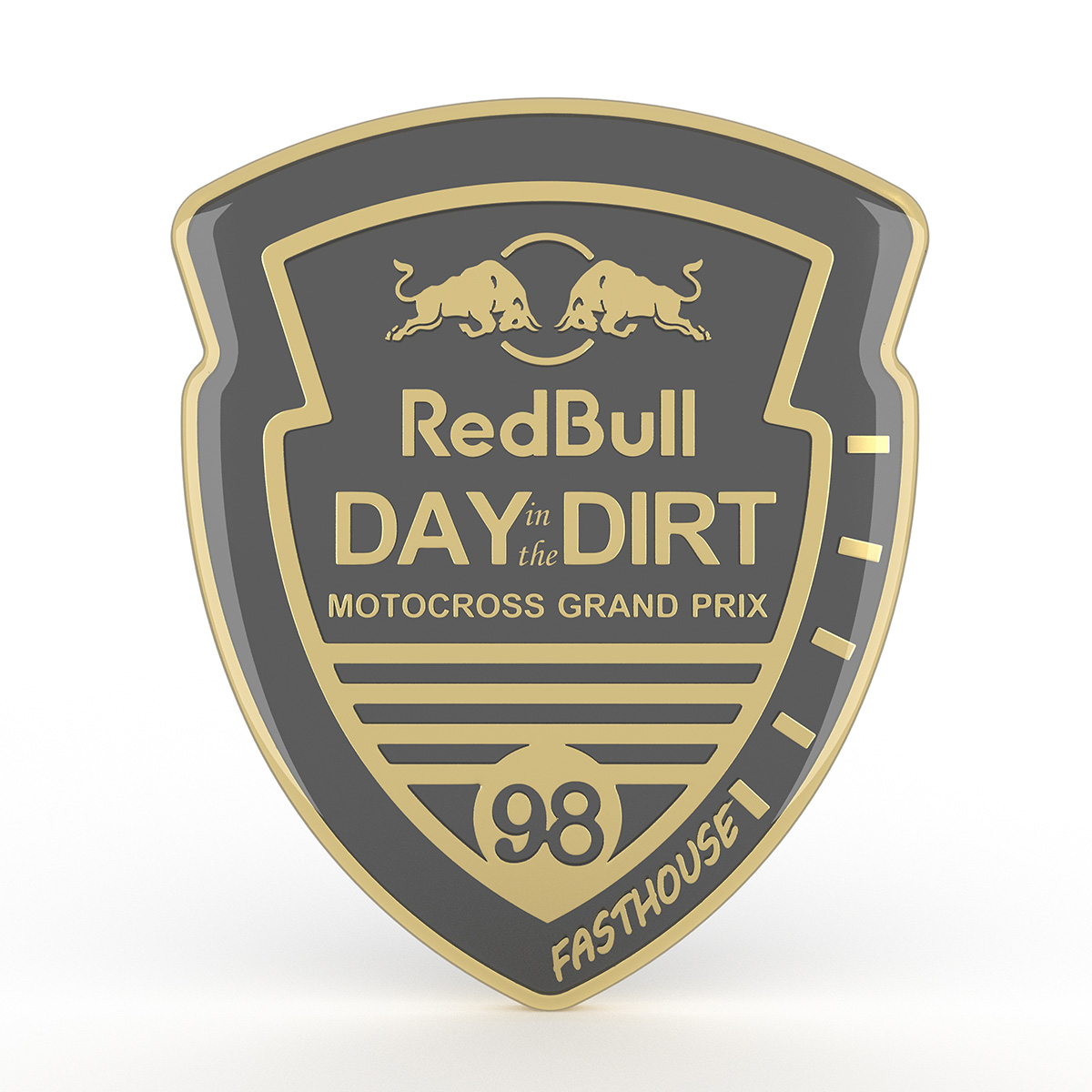

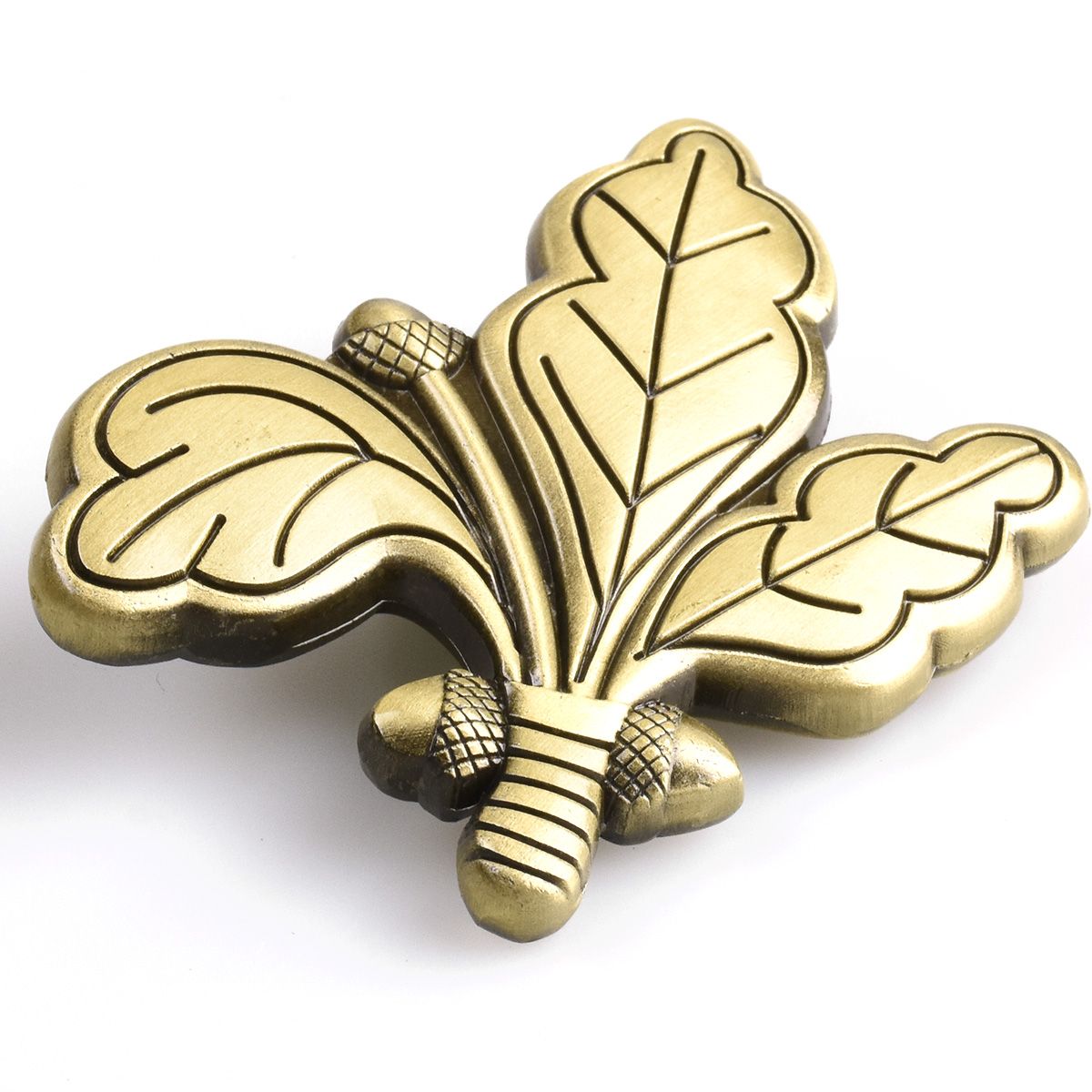
The Four Pillars of Custom Pin Ordering: A Buyer's Checklist
To ensure your project runs smoothly, it is vital to understand the four key variables that define your final product and its cost. Getting these right the first time prevents delays and expensive revisions.
1. What is the Real Cost? Understanding Pricing and Minimum Order Quantities (MOQs)
Pricing is not arbitrary; it is a formula based on size, complexity, and quantity. The single largest fixed cost is the mold fee (ranging from $50 to $150), which covers the creation of the steel die . This is a one-time cost. The per-unit price then varies. For example, ordering 50 units might cost $3.50 per pin, but ordering 500 units could drop the price to $1.20 per pin because the mold cost is spread over more pieces . This is why understanding MOQs is critical. If you need a small batch for a specific team or event, be prepared for a slightly higher per-unit cost to cover the setup. For the USA 250, many organizations are ordering in bulk to distribute to staff, veterans, and attendees, making the per-unit cost highly economical.
2. How to Choose the Right Size and Scale?
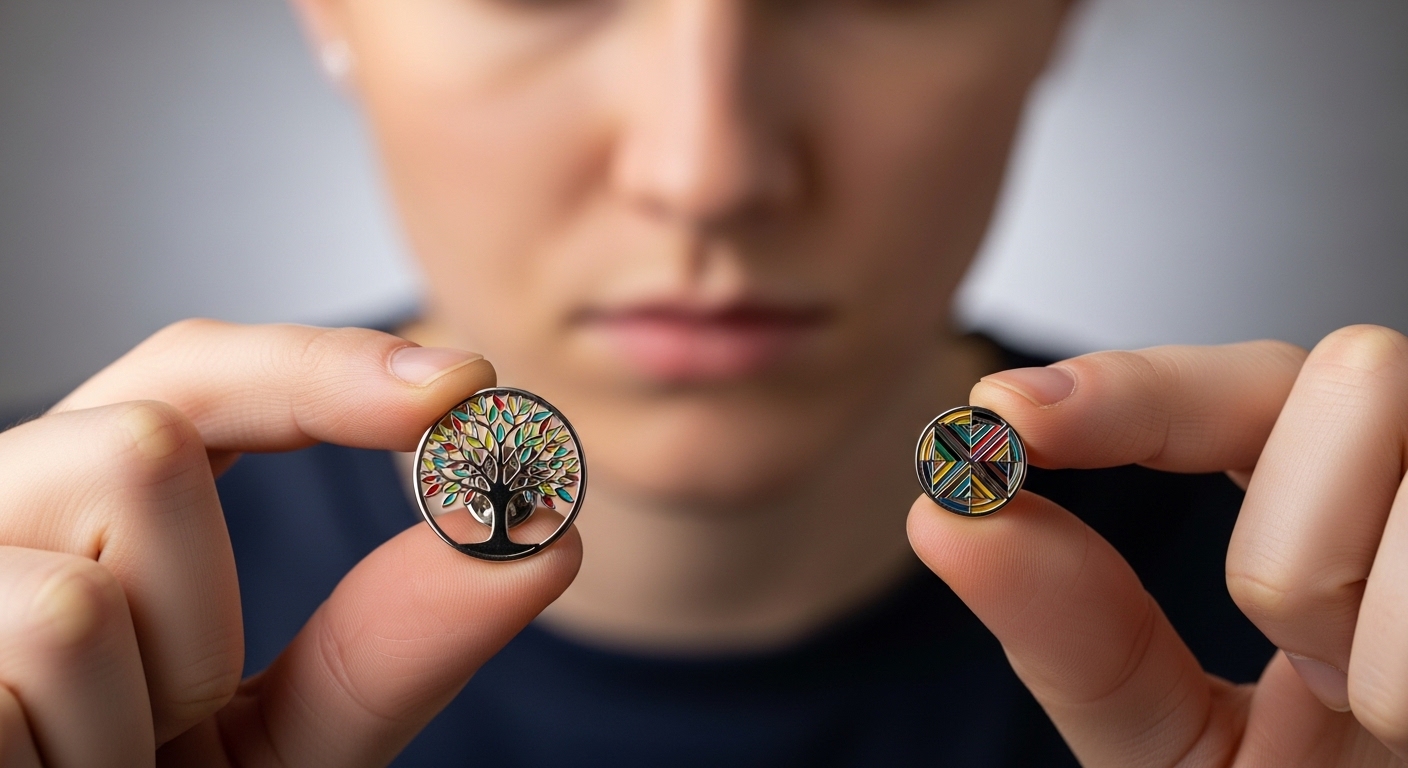
Size impacts both visual impact and cost. Pins are typically measured in millimeters (mm) or inches. A standard lapel pin is around 1 inch (25mm), which offers a good balance of visibility and wearability. Larger pins, such as 1.5 or 2 inches, make a bolder statement but use significantly more metal and enamel, driving up the cost . For the 250th celebration, consider the purpose. Is it a subtle identifier for staff (smaller size), or a commemorative collectible for the public (larger size)? Your choice should align with your budget and the pin's intended use.
3. How to Decide on the Correct Manufacturing Process: Soft vs. Hard Enamel?
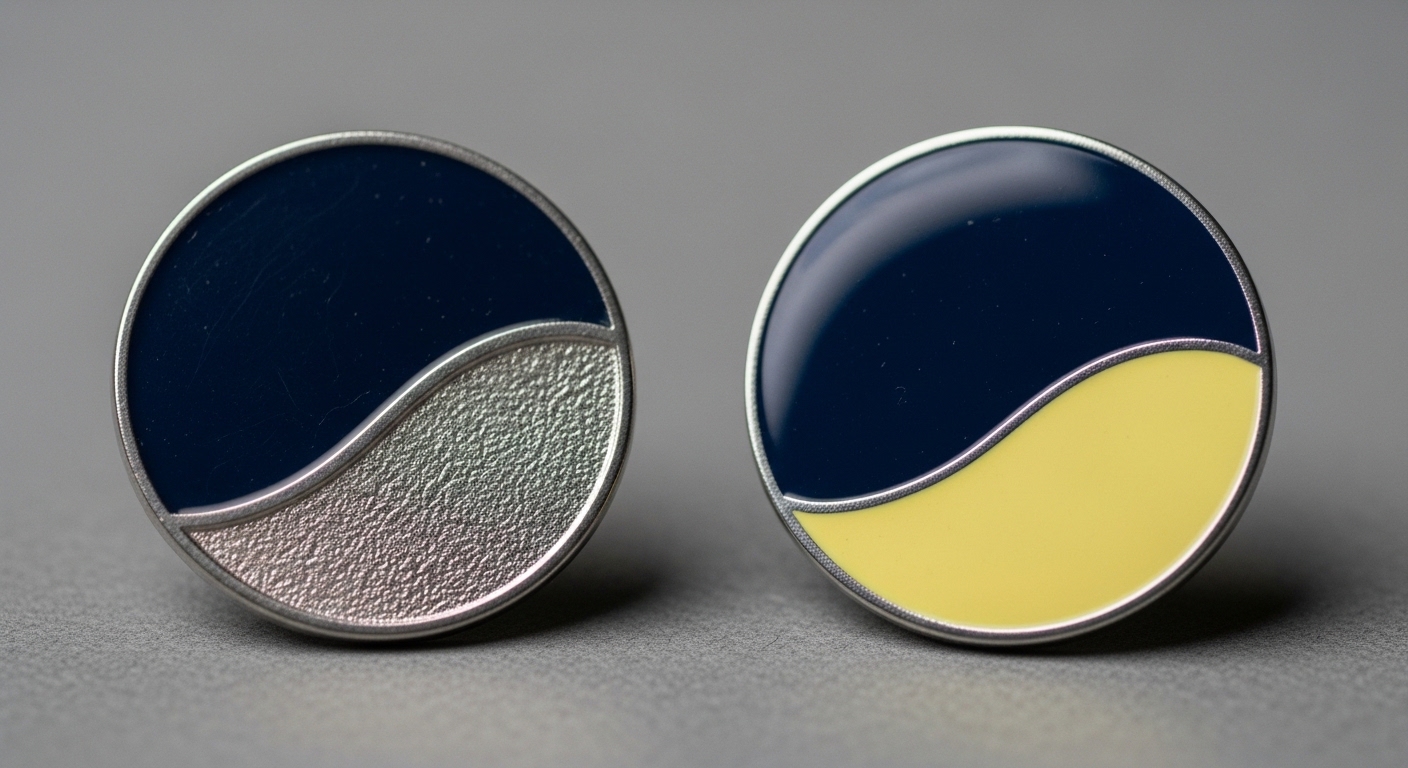
This is perhaps the most common point of confusion. Soft enamel pins have a textured finish where the colored enamel sits slightly lower than the metal borders. They are vibrant, durable, and slightly more affordable. Hard enamel pins are polished flat, creating a smooth, glass-like surface that is smooth to the touch. This process is more labor-intensive and results in a premium, jewelry-like feel, usually costing 10-20% more . For a historic event like the USA 250, many clients opt for hard enamel for its prestigious finish, while others choose soft enamel for its classic, textured look and faster production time.
4. How to Perfect Your Design for Manufacturing?
A beautiful digital image does not always translate to a beautiful pin. Designs must be converted into vector formats (.ai, .eps, .pdf) with clear, separated color areas. Extremely thin lines (under 0.3mm) or tiny text may not fill properly or could break during stamping . It is also crucial to specify exact plating colors (e.g., shiny gold vs. antique gold) and backing options (butterfly clutch for security, rubber clutch for comfort) . A good manufacturer will provide a digital proof—a "virtual pin"—for your approval before any metal is cut. This is your last chance to catch errors.
Specification |
Soft Enamel |
Hard Enamel |
Die-Struck |
|---|---|---|---|
Finish & Feel |
Textured, recessed color |
Smooth, polished, glass-like |
No enamel, raised metal design |
Typical Cost (per unit)* |
$ (Most Economical) |
$$ (10-20% Higher) |
$$ (Variable by detail) |
Best Use Case |
Vibrant logos, promotional giveaways |
Premium commemoratives, awards, luxury brands |
Elegant, monochrome designs, scrolled text |
Lead Time Impact |
Standard |
Slightly longer (extra polishing) |
Standard |
*Costs are estimates and vary based on quantity, size, and complexity.
Don't let your 250th event go without custom emblems.
*Priority Lane pricing and guarantees apply to orders placed by March 31st.
This is due to the fixed cost of the mold. Whether you make 50 pins or 500 pins, creating the steel die costs the same. That initial setup fee must be recouped across the order. With fewer units, each unit carries a higher portion of that fixed cost . For smaller quantities, we provide transparent pricing that includes this mold amortization.
A digital proof is a high-resolution, 2D rendering of what your pin will look like based on the finalized artwork. It shows the color placement, metal lines, and plating. Approving this proof is your final confirmation that the design is correct before production begins. It is a critical step to prevent manufacturing errors .
Absolutely. While it adds time to the schedule, pre-production samples are highly recommended for large or complex orders. The manufacturer creates a single pin from the actual mold so you can assess the weight, color, and finish in hand. This sample cost is often deducted from the final bulk payment .