Sign in
Create Your Account
Create My Account
Sign In
Create Your Account
Learn to select a top-tier embroidered patch maker by evaluating techniques, experience, quality, service and production for branding & uniform projects.

Custom embroidered patches are more than just decorative items—they’re powerful tools for branding, recognition, and storytelling. Whether you're a brand manager, event planner, or independent creator, the quality of your patches reflects directly on your project’s professionalism. But with so many suppliers claiming to be the best custom patch company, how do you separate true experts from mediocre providers?
This guide will walk you through the critical factors to evaluate when selecting embroidered patch manufacturers, helping you avoid costly mistakes and ensure your vision is perfectly translated into a tangible product. We’ll cover everything from material selection and production capabilities to timelines and quality assurance.
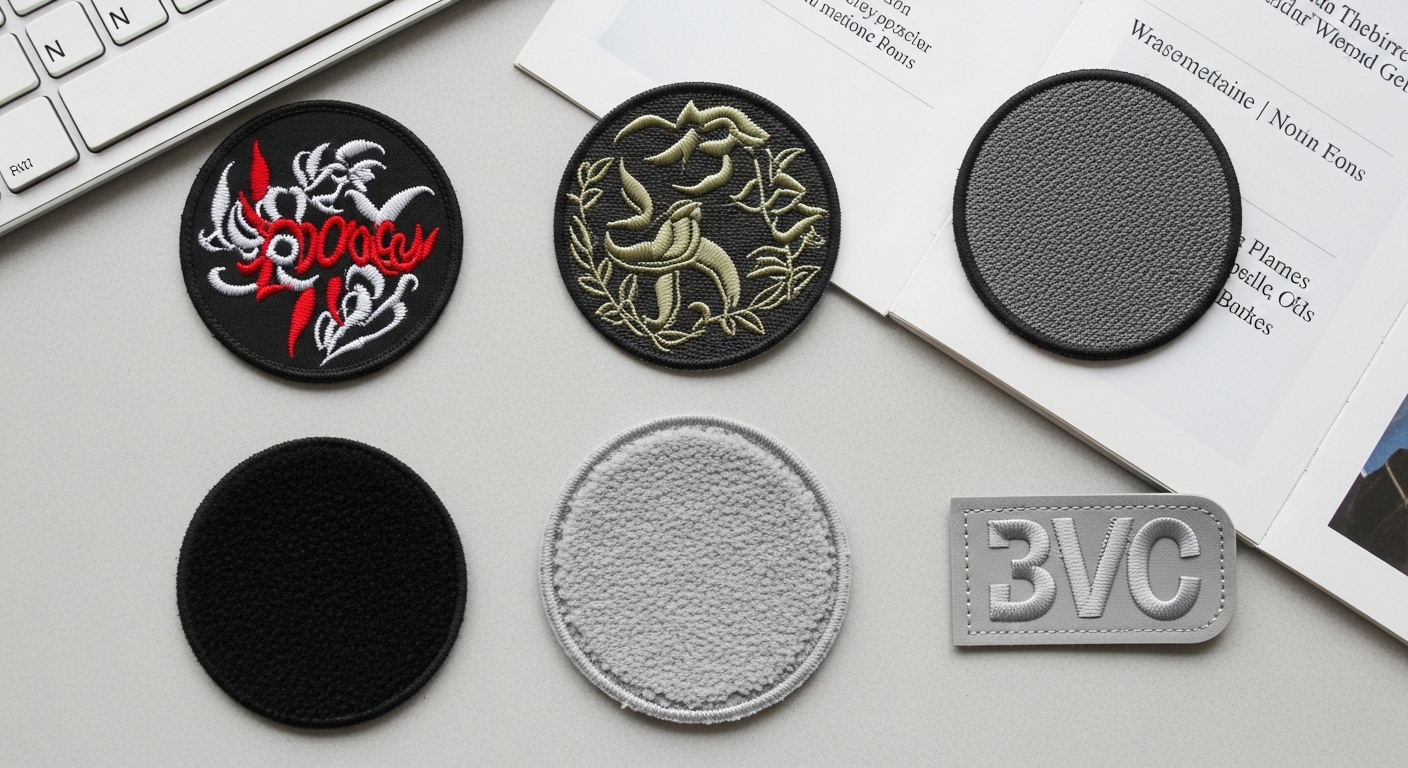
What Defines a Top-Tier Embroidered Patch Manufacturer?
Choosing a manufacturer isn't just about price—it's about partnership. A reliable patch embroidery company combines technical skill with consistent communication, ensuring your project runs smoothly from concept to delivery. Here are the core areas you should examine:
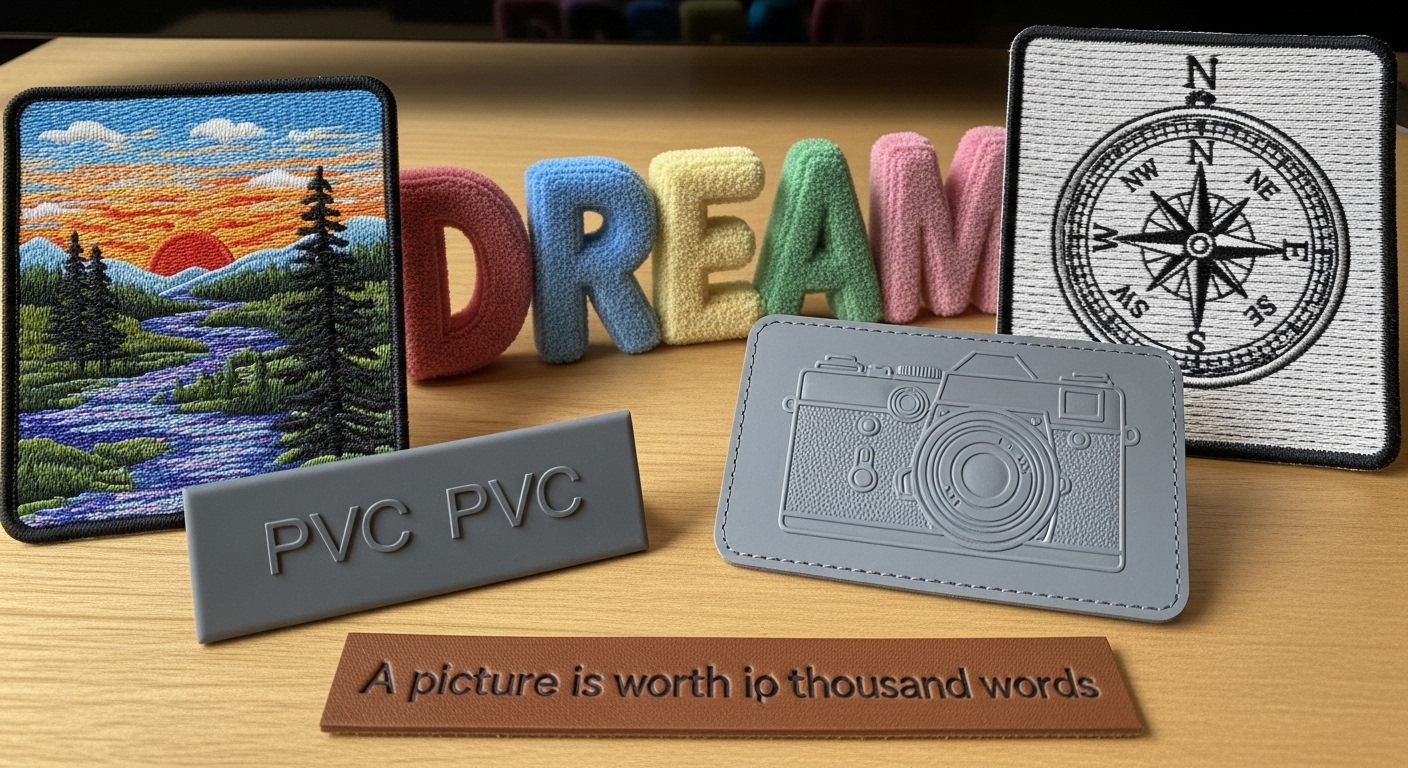
Demonstrated Expertise in Diverse Techniques
A true expert doesn’t just offer one type of patch. They should provide a full range of options to match your design needs and budget. This includes:
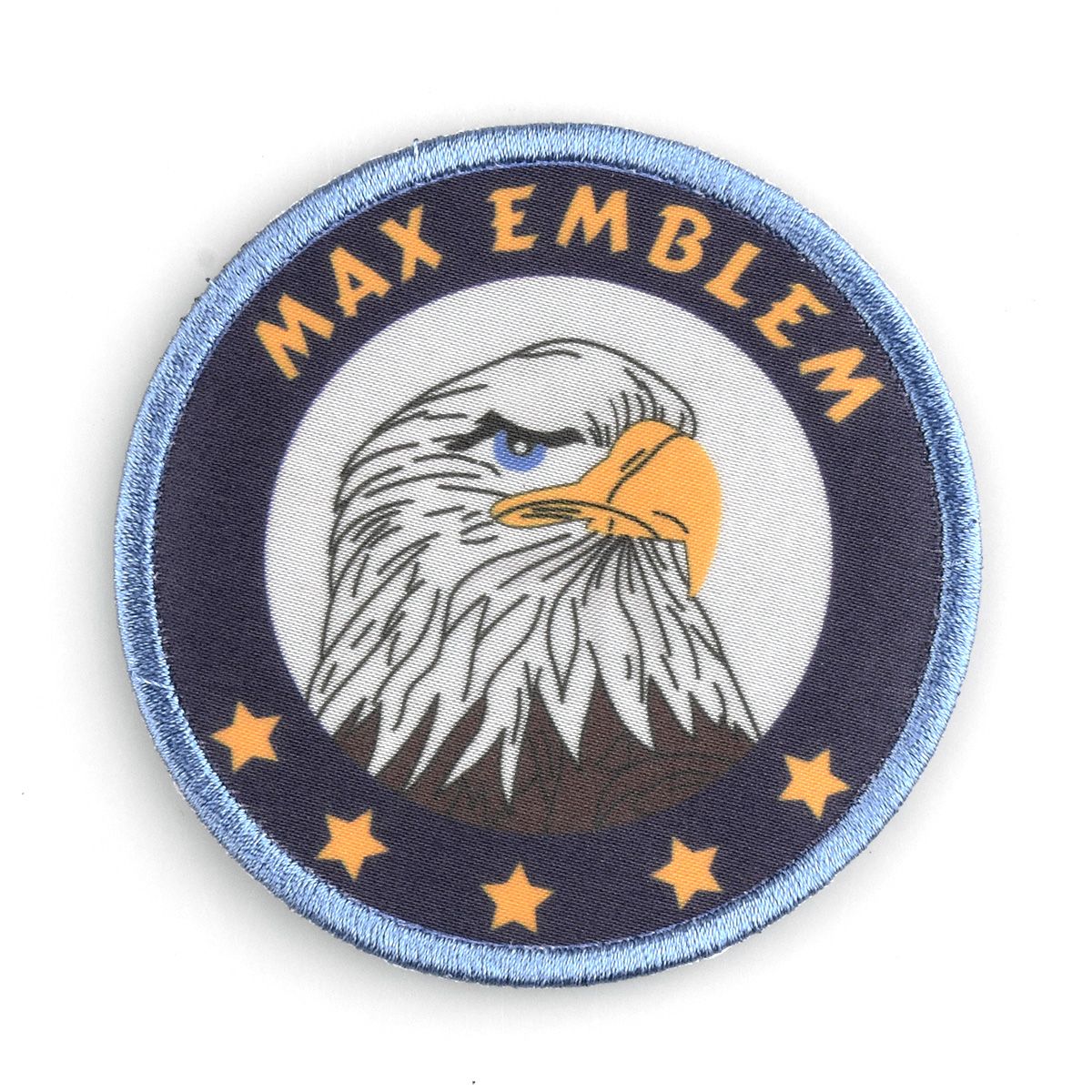
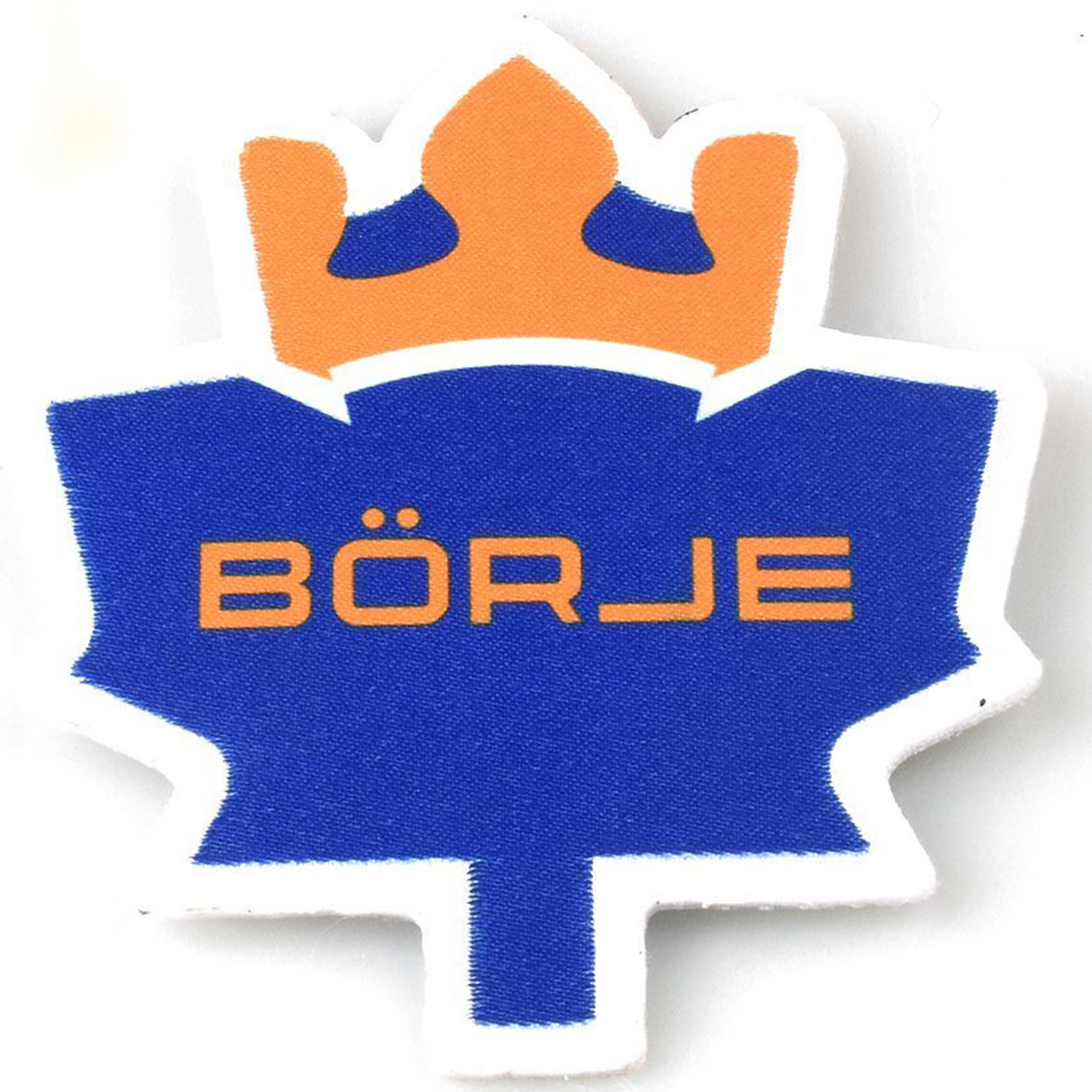
Ask potential suppliers for a portfolio showcasing these different techniques. Their ability to recommend the right type for your specific goal—like using woven patches for a complex logo or PVC for a durable keychain—is a mark of real expertise.
Proven Experience with Clients Like You
Longevity and a diverse client portfolio matter. A manufacturer with 10-20 years of experience has likely navigated every possible production challenge. When evaluating a wholesale embroidered patches manufacturers, consider:
A manufacturer that has consistently served a global clientele understands the nuances of international shipping, customs, and communication, which is crucial for a smooth process.
Commitment to Quality and Reliability
Trust is built on consistent delivery of promises. Key indicators of a trustworthy partner include:
5 Critical Capabilities for Your Patch Embroidery Company
Beyond basic manufacturing, your chosen partner should excel in these five areas to ensure a successful outcome.
1. Mastery of Materials and Color Matching
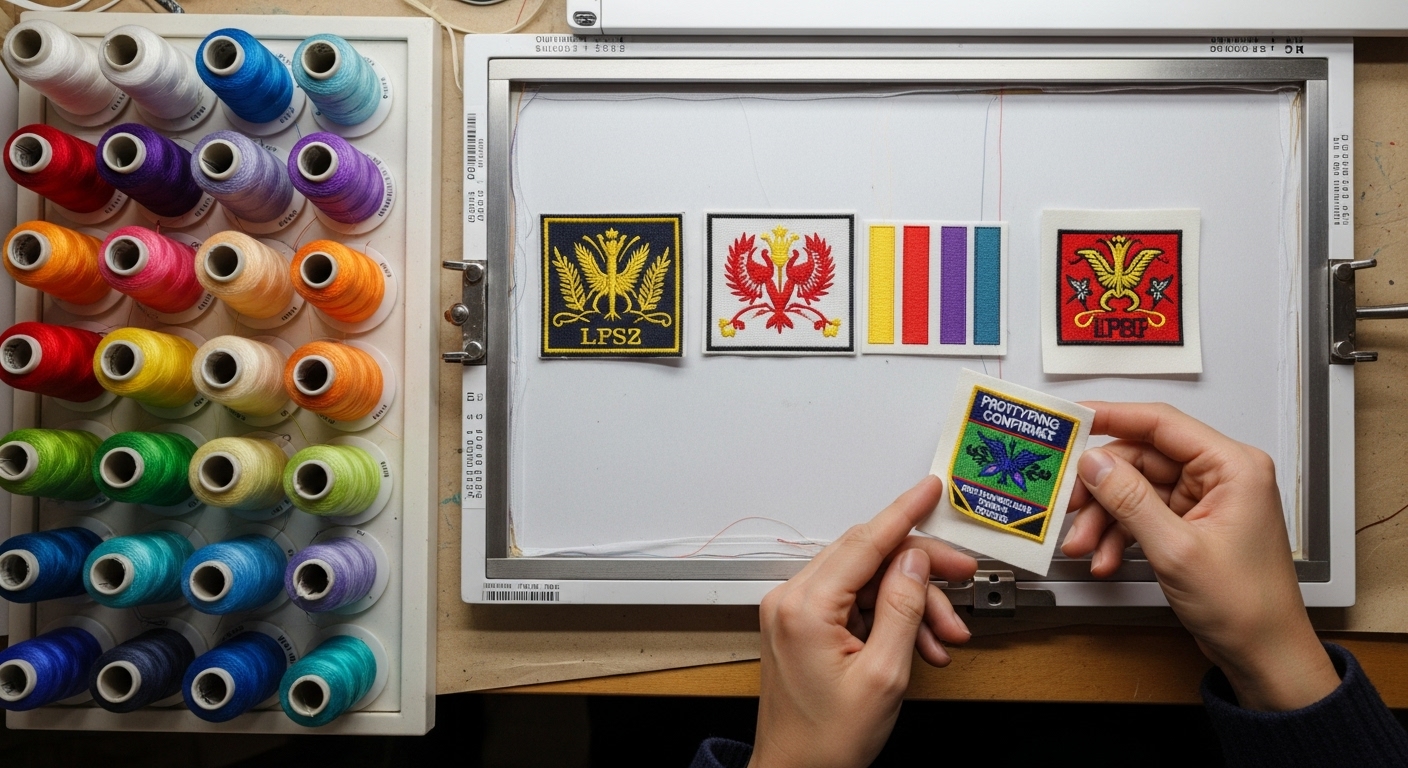
Color discrepancies are a common pitfall. The difference between “fire engine red” and “burgundy” can dilute your brand identity. Top manufacturers use two key tools:
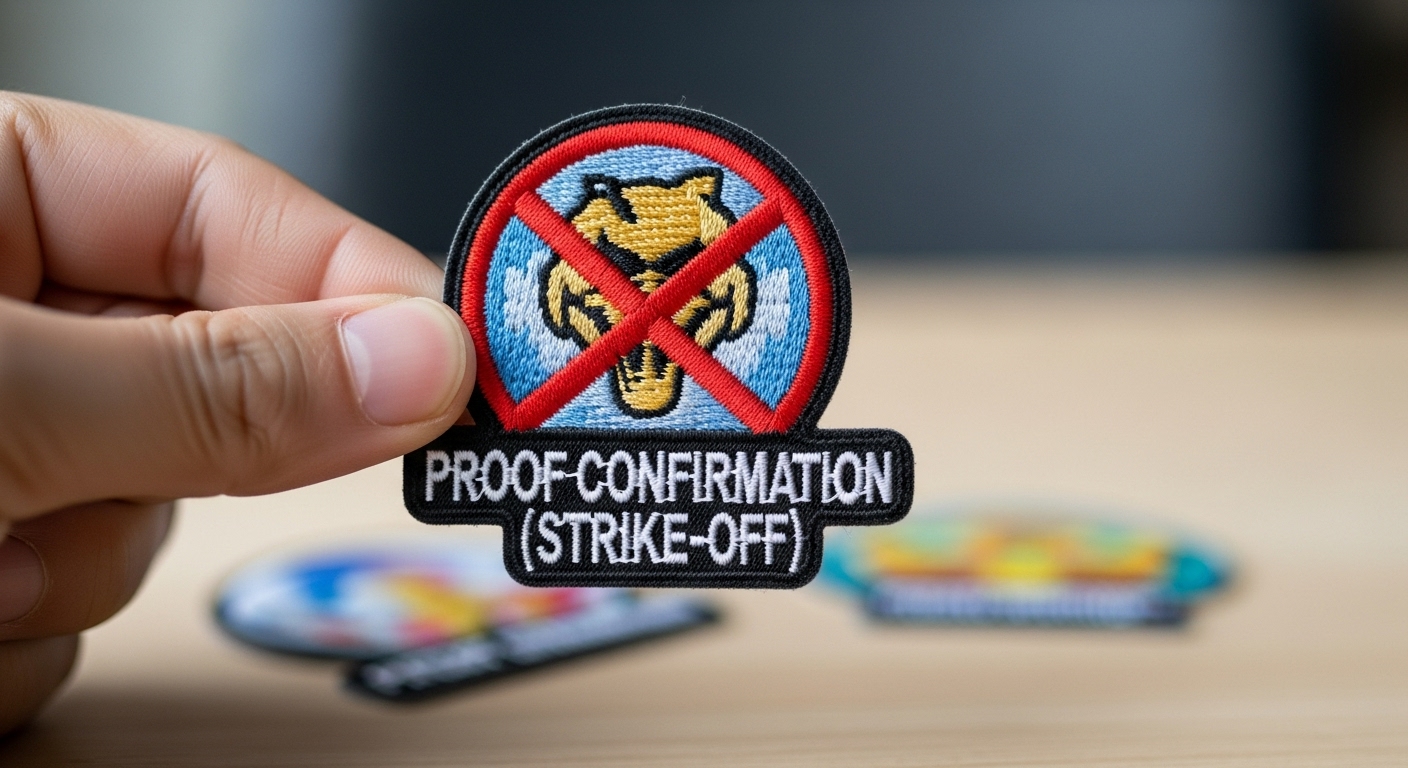
This is the final check for color, texture, and overall feel.
This precision is what transforms a good patch into a perfect brand asset.
2. Scalability and Consistent Bulk Production
Whether you need 200 patches for a corporate event or 20,000 for a nationwide promotion, the quality must remain identical from the first patch to the last. This is where evaluating wholesale embroidered patches manufacturers is crucial. Inquire about:
3. End-to-End Customer and Design Support
You’re not just buying a product; you’re buying a service. The best manufacturers act as consultants. This means:
4. Logistics and Delivery Speed Clarity
Understanding the complete timeline—production + shipping—is vital for planning. A professional company provides detailed estimates. Here is a general reference for production and shipping times based on different service levels:
Logistics Method |
Product Type |
Production & Shipping Time |
|---|---|---|
Priority Shipping |
Embroidery Patches |
3 business days production + 3 business days shipping |
Priority Shipping |
Chenille Patches |
1-2 business days production + 3 business days shipping |
Priority Shipping |
PVC Patches |
7 business days production + 3 business days shipping |
Priority Shipping |
Woven Patches |
10 business days production + 3 business days shipping |
Standard Shipping |
Embroidery Patches |
5-7 business days production + 9 business days shipping |
Standard Shipping |
Printed Patches |
5-7 business days production + 9 business days shipping |
Standard Shipping |
Leather Patches |
3-5 business days production + 9 business days shipping |
Note: Times are estimates and can vary by manufacturer. Always confirm specific timelines with your supplier.
5. Innovation and Value-Added Services
The industry evolves. Leading companies invest in new technologies (like laser-cutting for intricate PVC patch shapes) and offer complementary products like hard enamel pins or standard medals, providing a one-stop shop for all your recognition and branding needs.

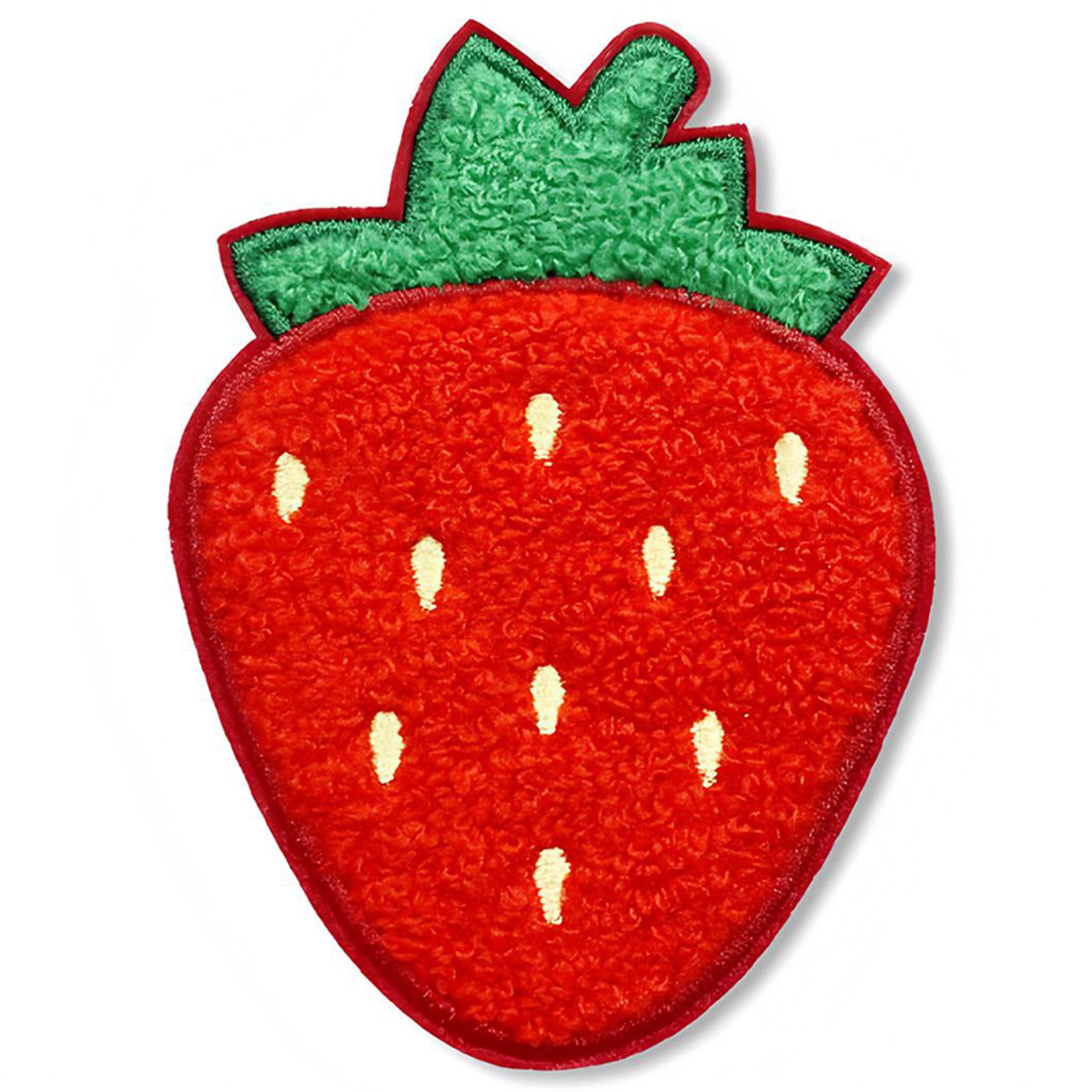
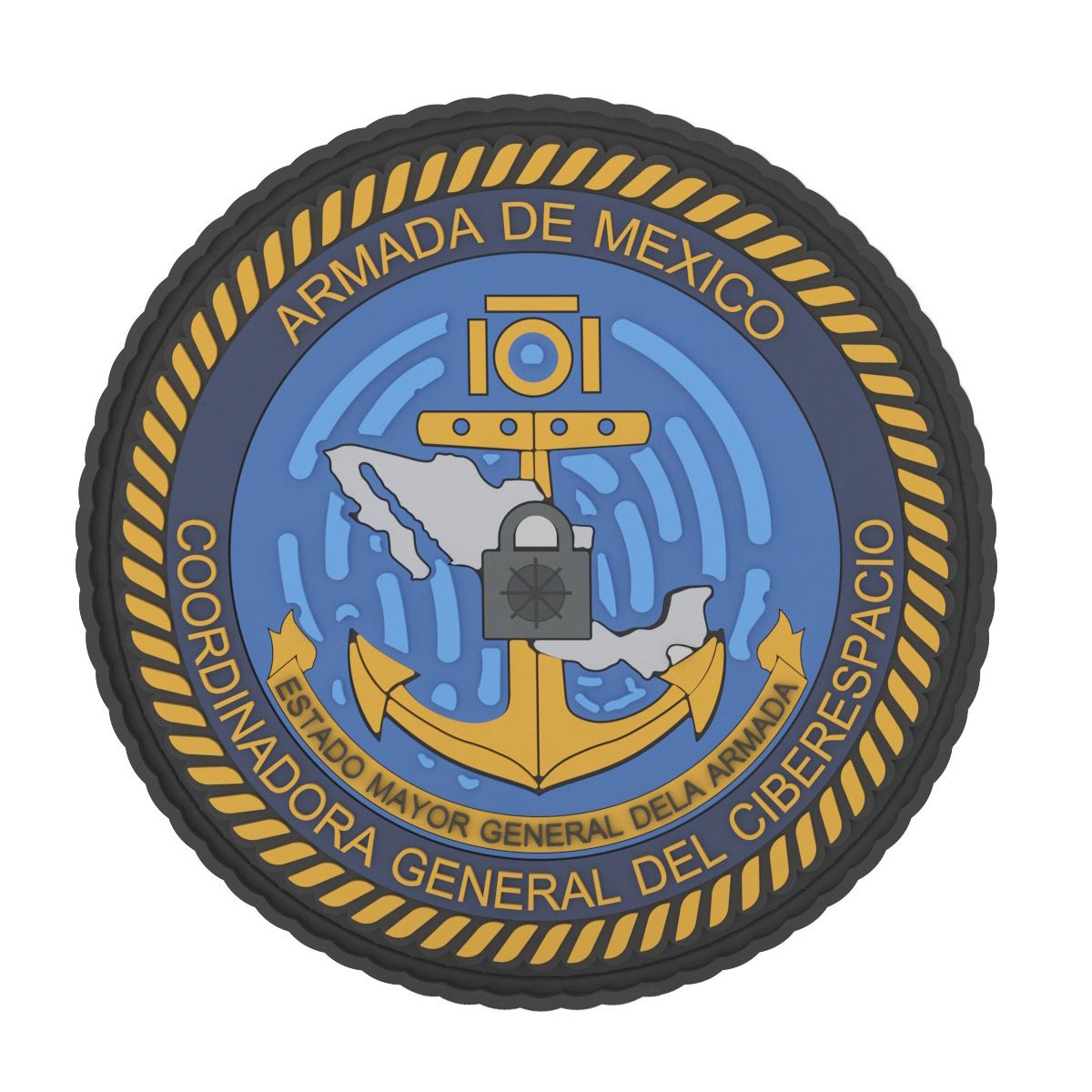
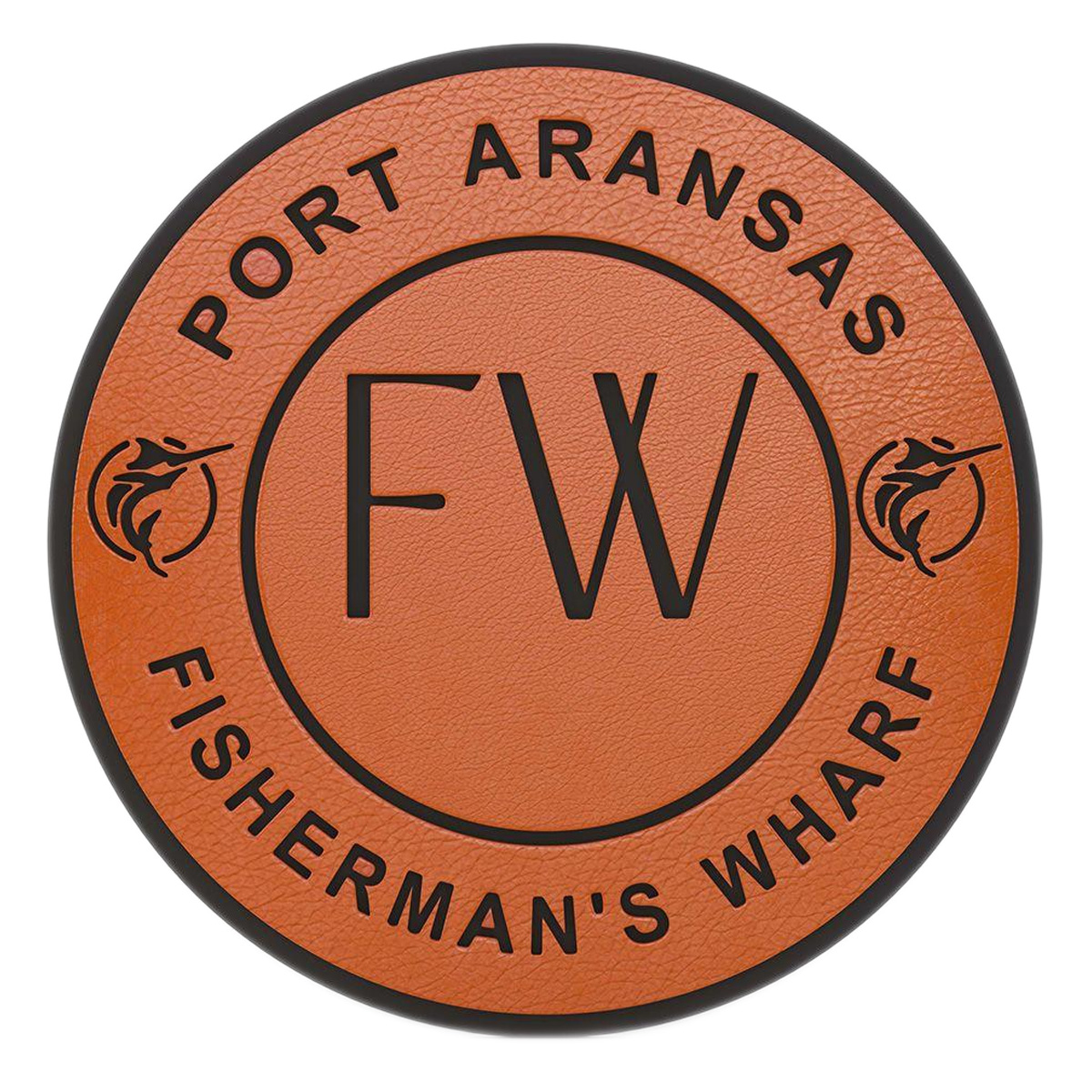
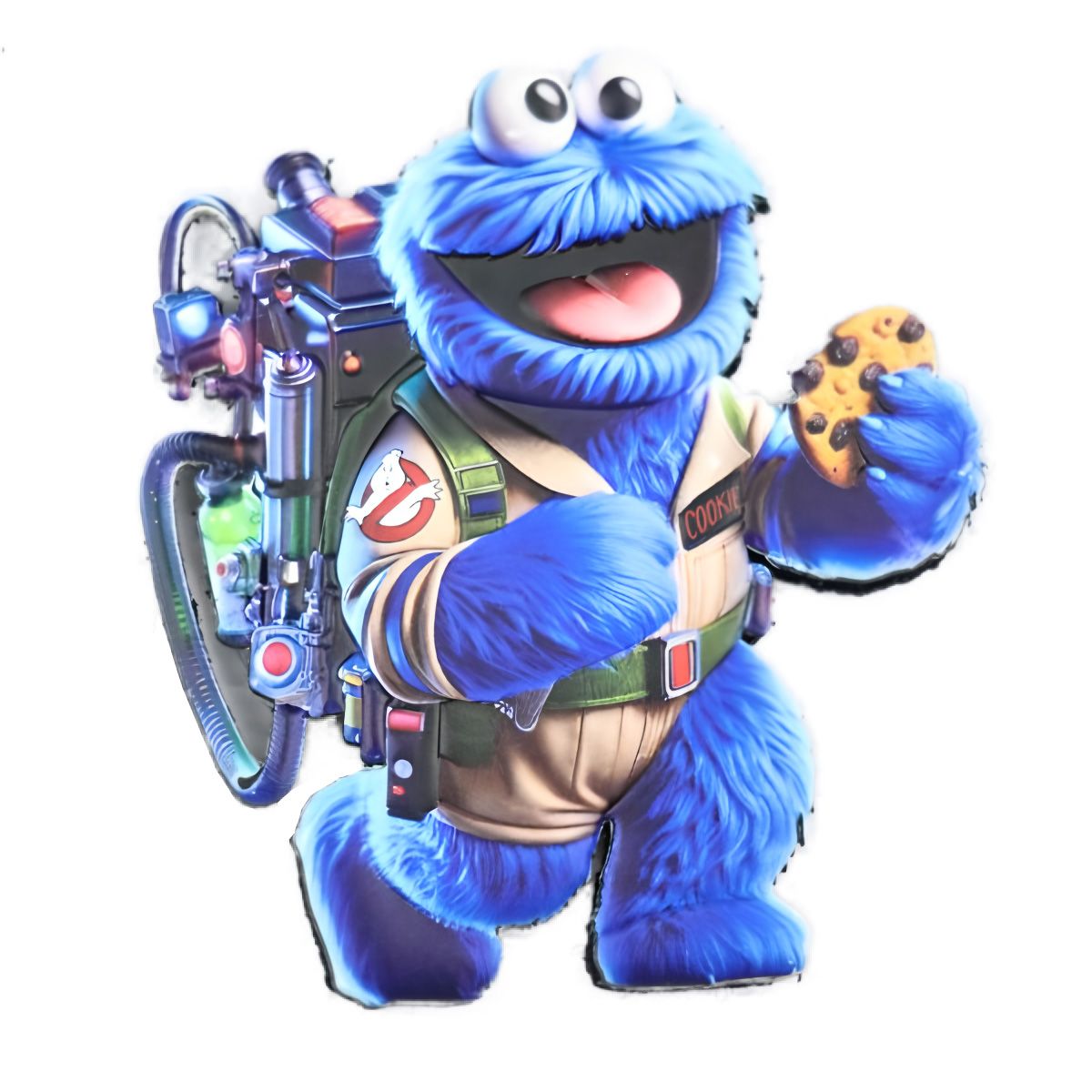
Your Blueprint: The Custom Patch Journey from Idea to Delivery
Understanding the standard process helps you manage expectations and spot manufacturers who cut corners.
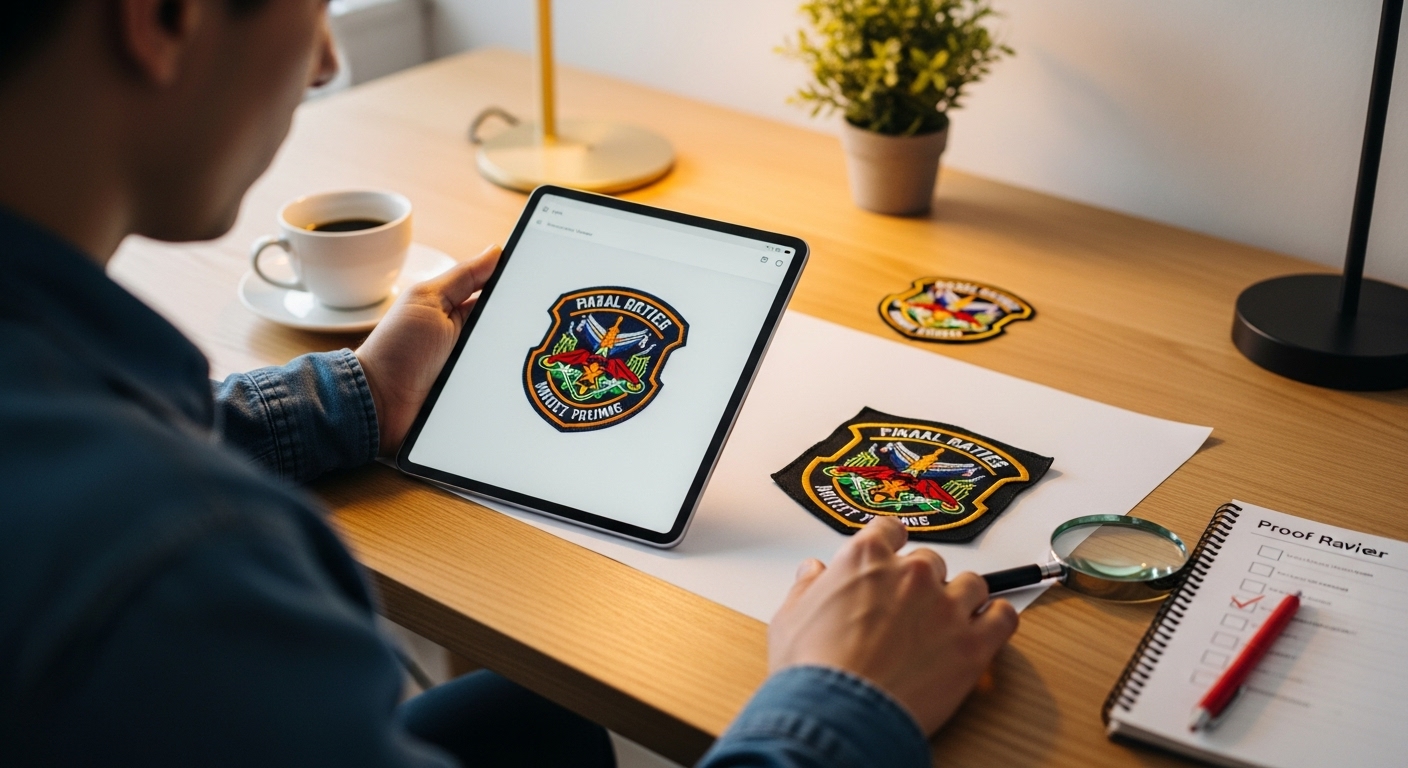
Why Experience and a Full Portfolio Matter
After two decades in the custom manufacturing space, the team at Maxemblem has learned that success hinges on a deep understanding of client needs and a commitment to precision. Serving everyone from global brands to independent artists requires not just machines, but a problem-solving mindset. By combining modern technology with seasoned craftsmanship, we focus on transforming your concept into a patch that exceeds expectations, delivered within a timeframe that supports your goals.
Frequently Asked Questions (FAQ)
How do I choose between embroidered and woven patches?
Choose embroidered patches for a classic, textured, and raised feel. They are durable and ideal for designs with larger color blocks. Choose woven patches when your design has very fine details, small text, gradients, or a more “printed” look. Woven patches are flatter and offer higher detail resolution.
What is the typical minimum order quantity (MOQ) for custom patches?
MOQs vary by manufacturer and patch type. Many reputable patch embroidery company providers offer MOQs as low as 50-100 pieces for standard embroidered patches to accommodate small businesses and events. For specialized techniques like PVC or die-struck items, MOQs may be higher due to mold costs. Always ask for confirmation.
How long does the full custom patch process usually take?
The total timeline depends on complexity, order quantity, and shipping method. A standard order for embroidered patches typically takes 2-3 weeks from approved proof to delivery. As shown in the table above, rush services can significantly shorten production time, and expedited shipping can cut transit time. Always build in extra time for the proofing/approval stage, as this is critical for quality.