Sign in
Create Your Account
Create My Account
Sign In
Create Your Account
Learn to create textured, 3D custom chenille patches for varsity jackets, teams & clubs. A complete guide to design & manufacturing professional results.
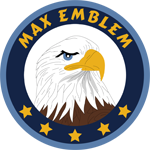

If you've ever admired the classic look of a varsity letterman jacket or wanted to create distinctive team patches, you've likely encountered custom chenille patches. These textured, three-dimensional emblems have a unique appeal that flat patches simply can't match. But how do you actually go about creating them?
This guide walks you through everything from understanding what makes chenille special to working with a chenille patch manufacturer to bring your design to life. Whether you're creating patches for a sports team, club, or organization, you'll learn the practical steps to get professional results.
What Exactly Are Chenille Patches?
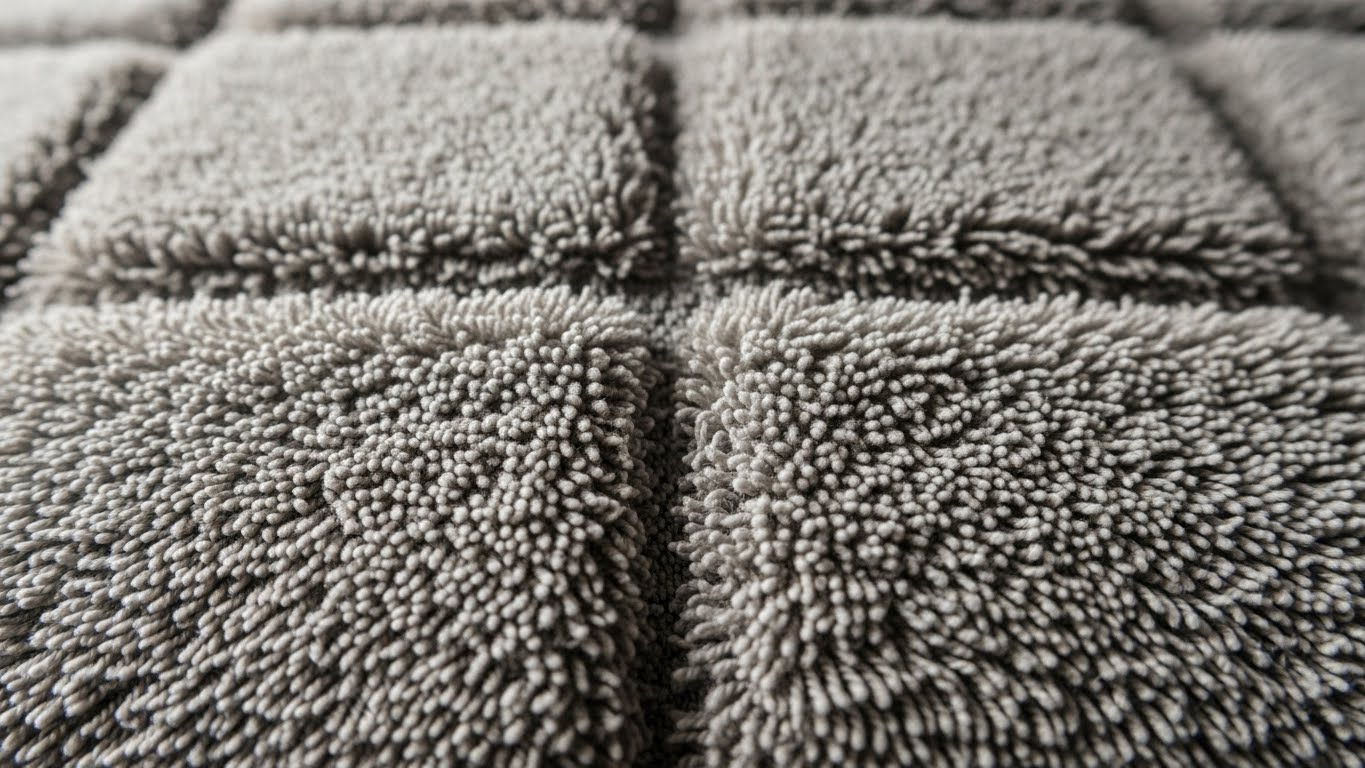
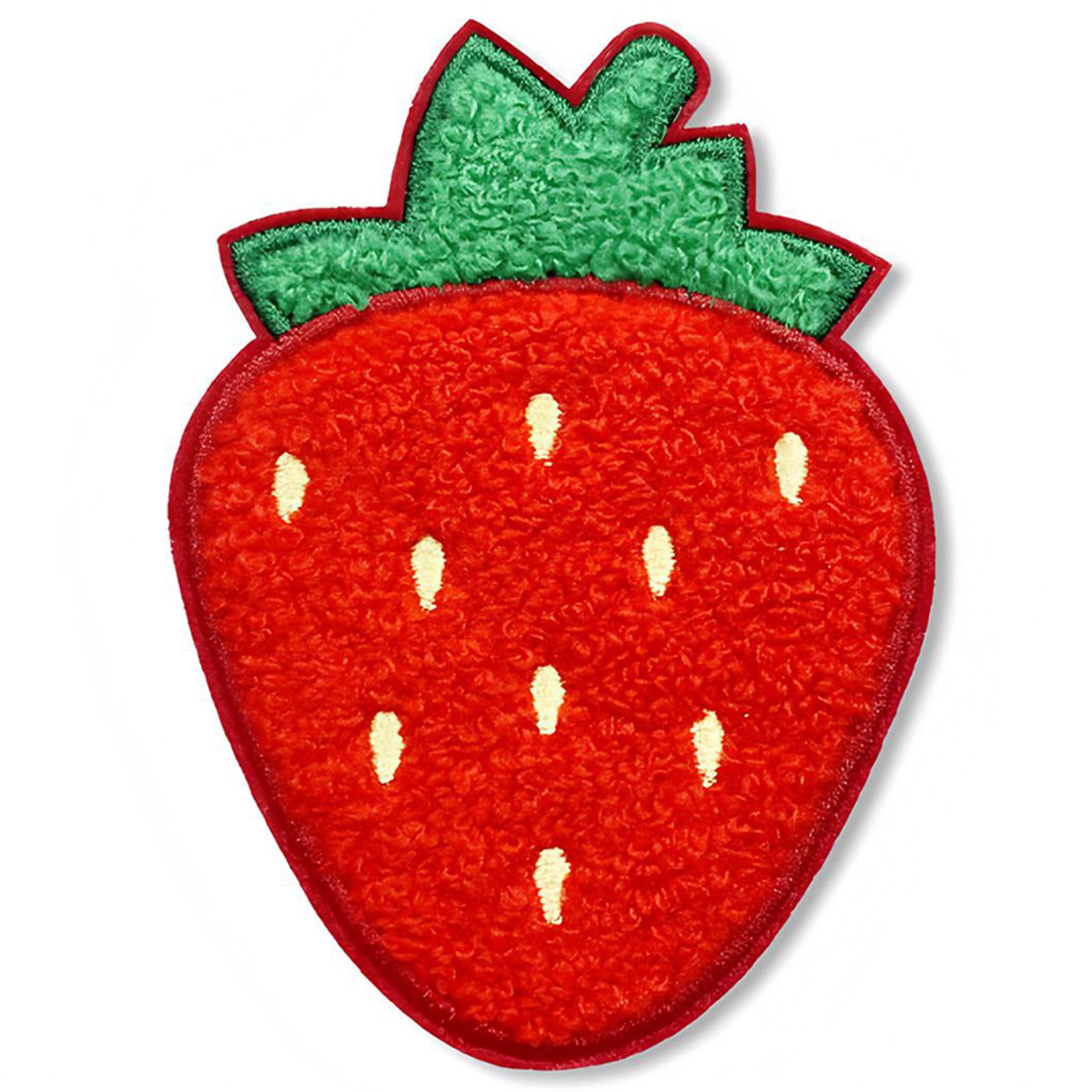
Chenille patches stand out immediately because of their soft, raised texture. Unlike standard embroidered patches that lie flat, chenille patches have a velvety surface that creates depth and dimension. This distinctive l ook comes from a specialized manufacturing process where looped yarn is stitched to create that signature fuzzy finish.
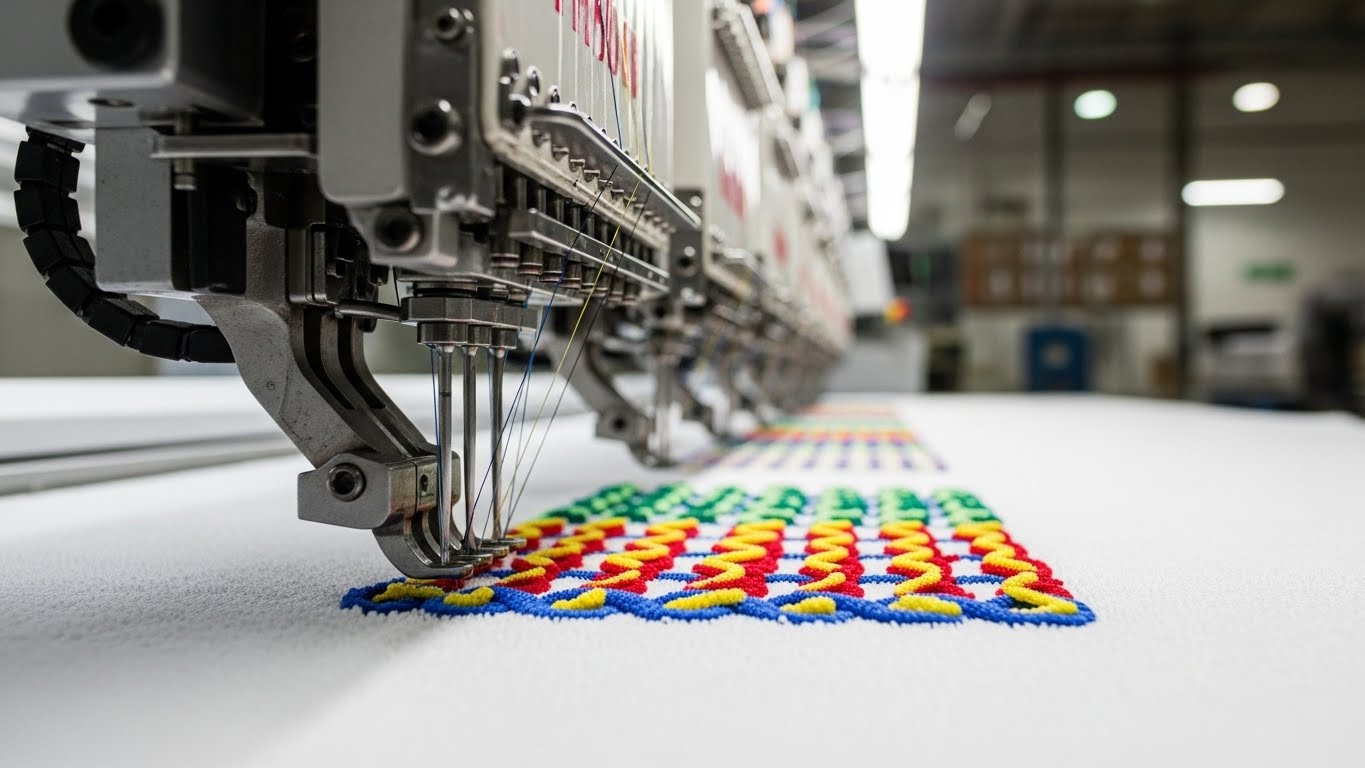
The term "chenille" actually refers to the type of yarn used—pre-looped threads that create that characteristic texture when stitched in layers. When you work with a professional chenille patch manufacturer, they use specialized chenille patch embroidery machine equipment designed specifically for this technique.
Quick Fact: The word "chenille" comes from the French word for caterpillar, describing the fuzzy, caterpillar-like texture of the yarn used in these patches.
The Manufacturing Process: How Chenille Patches Are Made
Understanding how custom chenille patches are created helps you design more effectively and set realistic expectations. Here's the typical process at a quality manufacturer:
Step 1: Design Preparation
Your artwork is converted into a format the embroidery machines can read. This is where working with experienced custom chenille embroidery inc professionals makes a difference—they know how to optimize designs for the chenille process.
Step 2: Machine Setup
Specialized chenille patch embroidery machine equipment is loaded with the looped chenille yarn in your chosen colors. These machines differ from standard embroidery machines in how they handle and stitch the yarn.
Step 3: Layered Stitching
The machine stitches the design in layers, building up that signature 3D texture. For big printing chenille patches, this process takes careful calibration to ensure even texture across large areas.
Step 4: Finishing and Backing
Once the chenille stitching is complete, patches are cut to shape, edges are finished to prevent fraying, and your chosen backing (Velcro, iron-on, etc.) is applied.
Key Applications: Where Chenille Patches Shine
Varsity Letters and Sports Teams
The classic use for chenille fabric for varsity letters remains one of the most popular applications. Schools and sports teams choose chenille because it conveys tradition, achievement, and quality. The texture makes letters and numbers stand out beautifully on jackets and sweaters.
First Responder and Military Patches
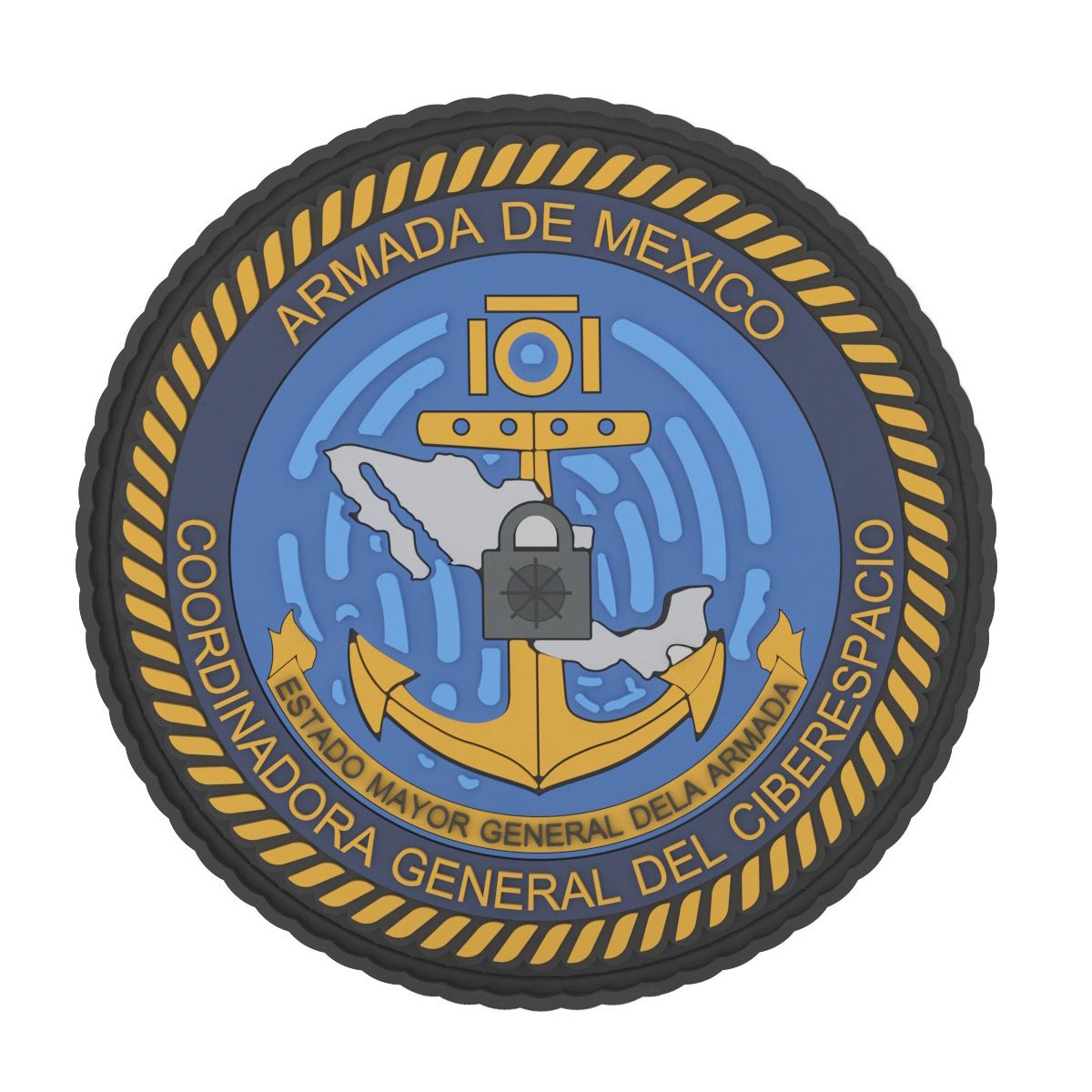
Police, fire departments, and military units often use chenille for rank insignia and unit patches. The durability and professional appearance make them ideal for uniforms that need to withstand regular wear.
Motorcycle Clubs and Organizations
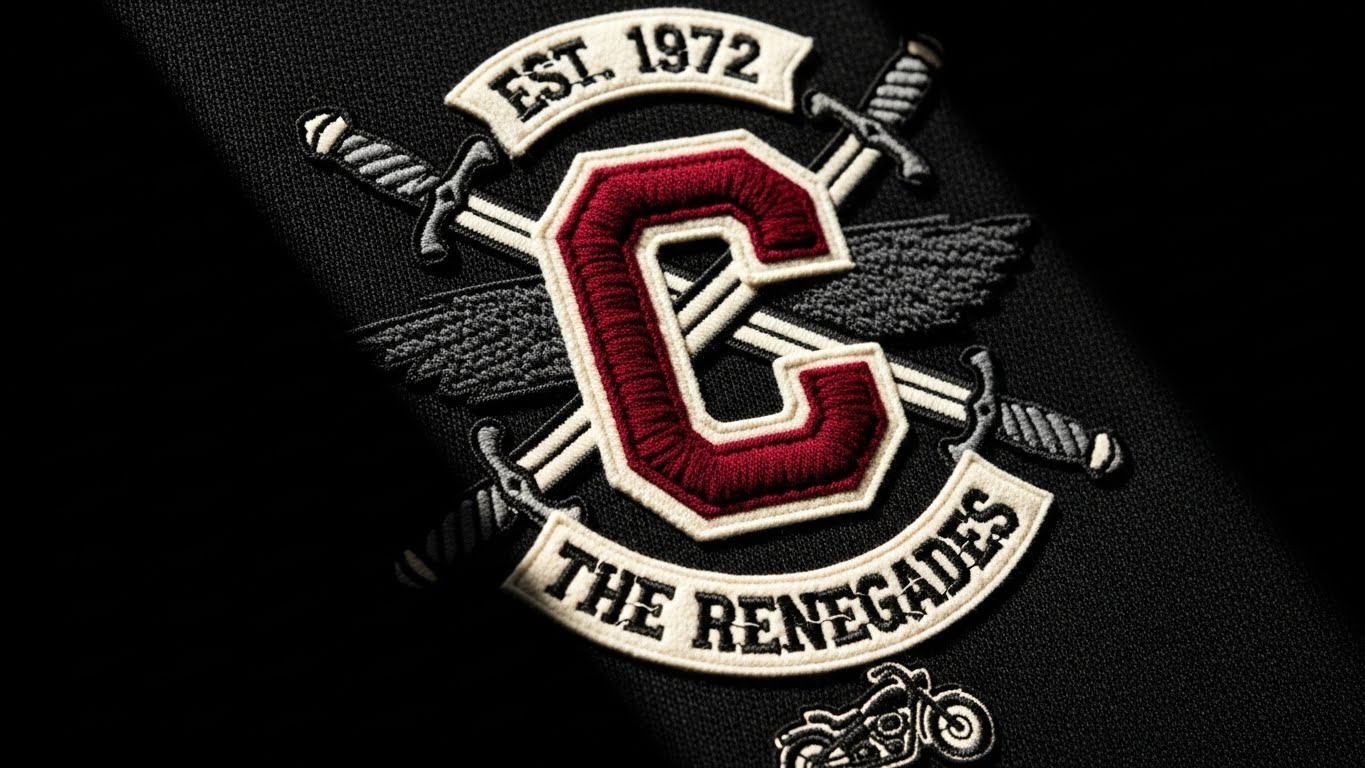
The rugged, textured look of chenille works perfectly for motorcycle club patches and organizational logos. The patches hold up well to outdoor conditions and have a distinctive look that sets them apart.
Designing Your Own Patches: What You Need to Know
When you want to design your own chenille patches or make your own chenille patches, keep these practical considerations in mind:
Design Limitations and Possibilities
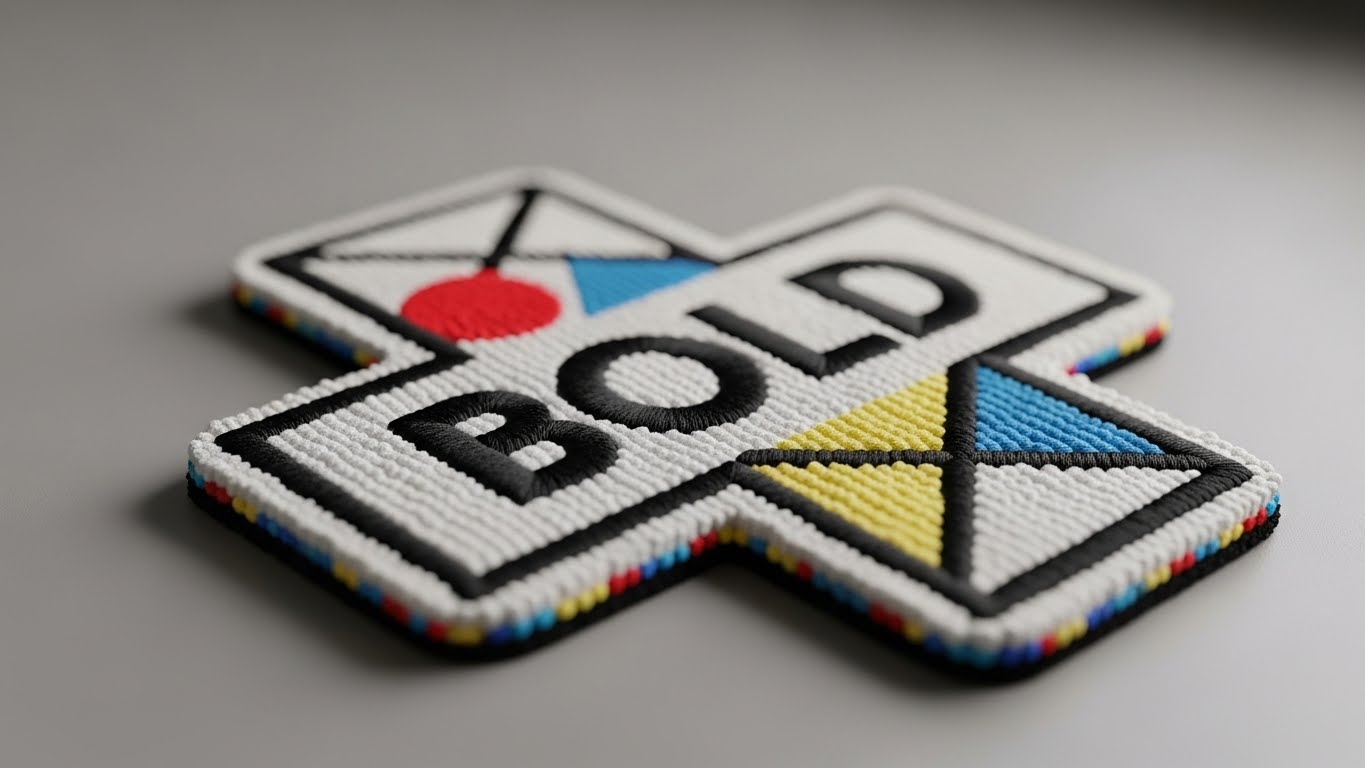
Chenille works best with bold, relatively simple designs. Extremely fine details and tiny text may not translate well to the textured medium. However, for the right designs—like block letters, solid shapes, and clear logos—the results are exceptional.
Color Considerations
The chenille process uses specific yarn colors, so exact Pantone matches may not always be possible. A good manufacturer will provide color charts showing available options. Remember that the textured surface can affect how colors appear compared to flat designs.
Size and Placement
Think about where the patch will be worn. Standard sizes for varsity letters typically range from 4 to 10 inches, while other applications might use smaller patches. Consider how the patch will drape or conform to the garment.
DesignTip: When creating artwork for chenille patches, use solid colors and avoid gradients or photographic details. The textured nature of chenille works best with clear, distinct color areas.
Working with Manufacturers: What to Expect
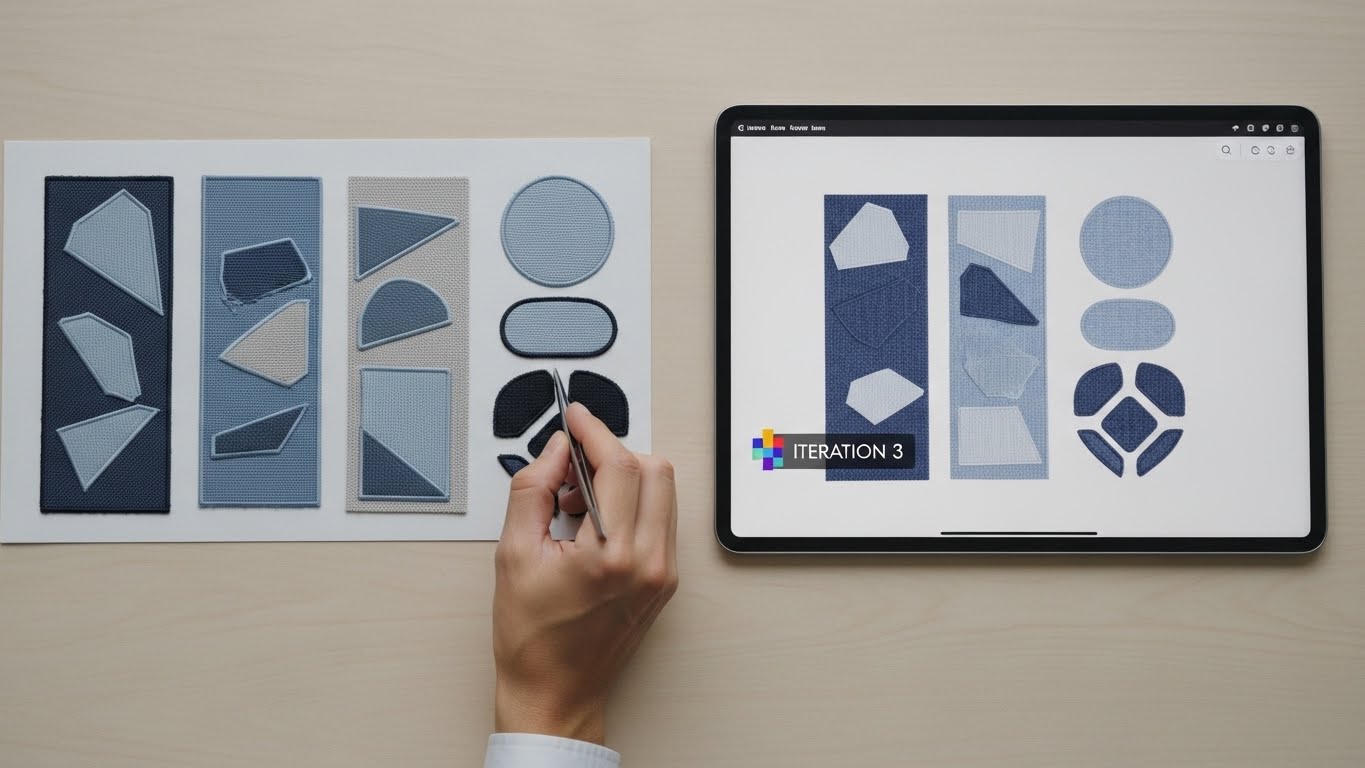
Finding the right chenille patch manufacturer makes all the difference. Here's what the process typically looks like:
No Minimum Order Policies
Many manufacturers now offer no minimum order requirements, which is perfect if you're just starting out or need a small batch. This lets you make your own chenille patches in any quantity.
Digital Proofs and Revisions
Reputable companies provide free digital proofs before production. This lets you see exactly how your design will look and make any necessary adjustments.
Production Timeline
Standard production typically takes 2-3 weeks, with rush options available for faster turnaround. Complex designs or big printing chenille patches may require additional time.
Ready to Create Your Custom Chenille Patches?
Whether you need traditional chenille fabric for varsity letters or distinctive patches for your organization, working with the right manufacturer ensures quality results.
MaxEmblem combines expertise in custom chenille embroidery inc techniques with flexible ordering and professional design assistance.
Cost Considerations and Value
Custom chenille patches typically cost more than standard embroidered patches due to the specialized materials and manufacturing process. However, many find the distinctive look and durability worth the investment.
Factors affecting cost include:
Frequently Asked Questions
How durable are chenille patches compared to regular embroidered patches?
Chenille patches are generally more durable than standard embroidered patches. The dense, looped construction creates a sturdy patch that withstands wear and washing better than flat embroidery. However, the raised texture can be more susceptible to snagging if not cared for properly.
Can I wash garments with chenille patches?
Yes, but with care. Turn the garment inside out before washing, use cold water on a gentle cycle, and avoid bleach and fabric softeners. Air drying is best, though low-heat tumble drying is usually safe. Proper care helps maintain the texture and color of your custom chenille patches.
What's the difference between chenille and felt letters?
Chenille has a distinctive looped, textured surface, while felt is flat and smooth. Chenille is typically more durable and has a traditional "letterman jacket" look, while felt offers a cleaner, more modern appearance. The choice depends on the aesthetic you want and how the patches will be used.
How do I choose between chenille and embroidered patches?
Choose chenille when you want that classic textured look, especially for traditional applications like varsity letters. Choose standard embroidery for more detailed designs, smaller text, or when you prefer a flatter, more contemporary appearance. Many organizations use both—chenille for main logos and embroidery for smaller details.
What file format should I provide for my design?
Vector files (AI, EPS, or PDF) are ideal as they allow for clean scaling. High-resolution PNG or JPG files (300 DPI minimum) also work. A good chenille patch manufacturer will have designers who can work with various file types and help optimize your artwork for the chenille process.