Sign in
Create Your Account
Create My Account
Sign In
Create Your Account
7 key indicators to select a reliable custom patch manufacturer: materials, stitch quality, rush service, design support, pricing & industry experience.

A patch is never just a piece of fabric. On a police uniform, it represents authority. On a scout’s sleeve, it marks achievement. On a startup’s jacket, it signals brand pride. Yet when procurement teams search for companies that make custom patches, they face a bewildering array of options — from basement hobbyists to industrial-scale embroidered patch manufacturers. One poor choice can damage your brand’s reputation for years.
This guide moves beyond price comparisons. It provides a procurement‑grade framework to evaluate patch makers online based on seven measurable indicators. At Maxemblem, we are not just a factory — we are a design‑to‑logistics integration partner. With 20 years of experience serving global brands, government agencies, and event organizers, we understand that the best custom patch company is one that combines technical mastery with creative partnership.
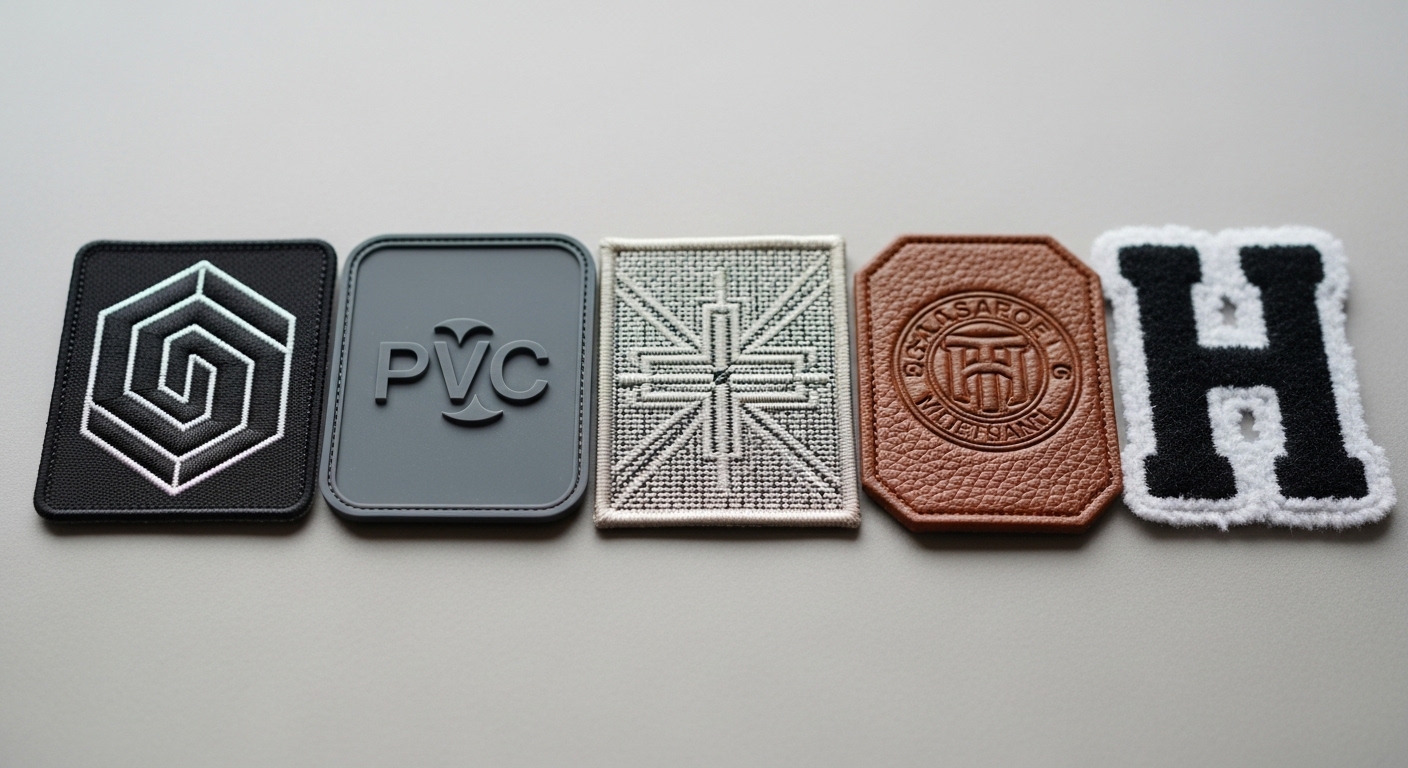
7 Key Indicators to Evaluate Reliable Patch Manufacturers
These seven criteria separate professional embroidered patch manufacturers from inconsistent suppliers. Use them as your procurement checklist.
① Material Diversity & Application Suitability
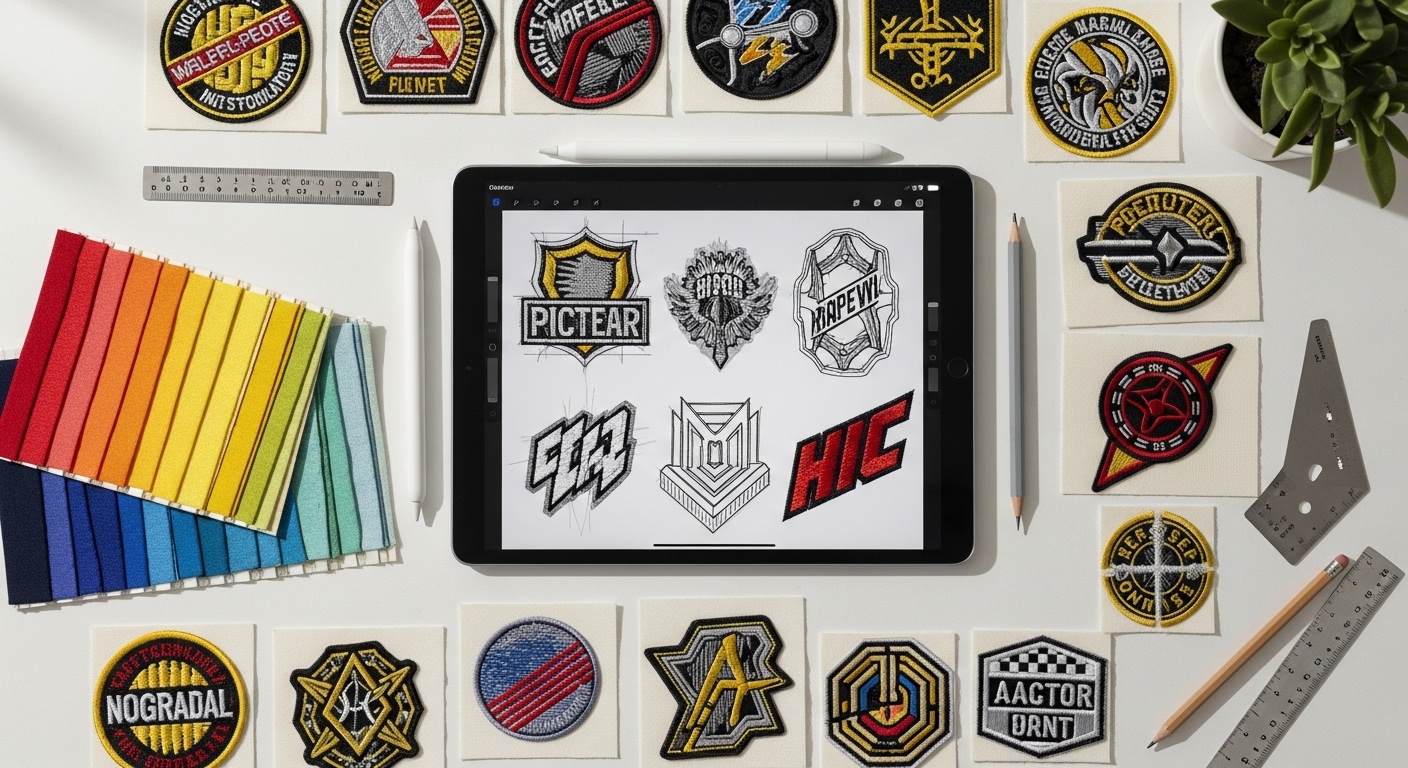
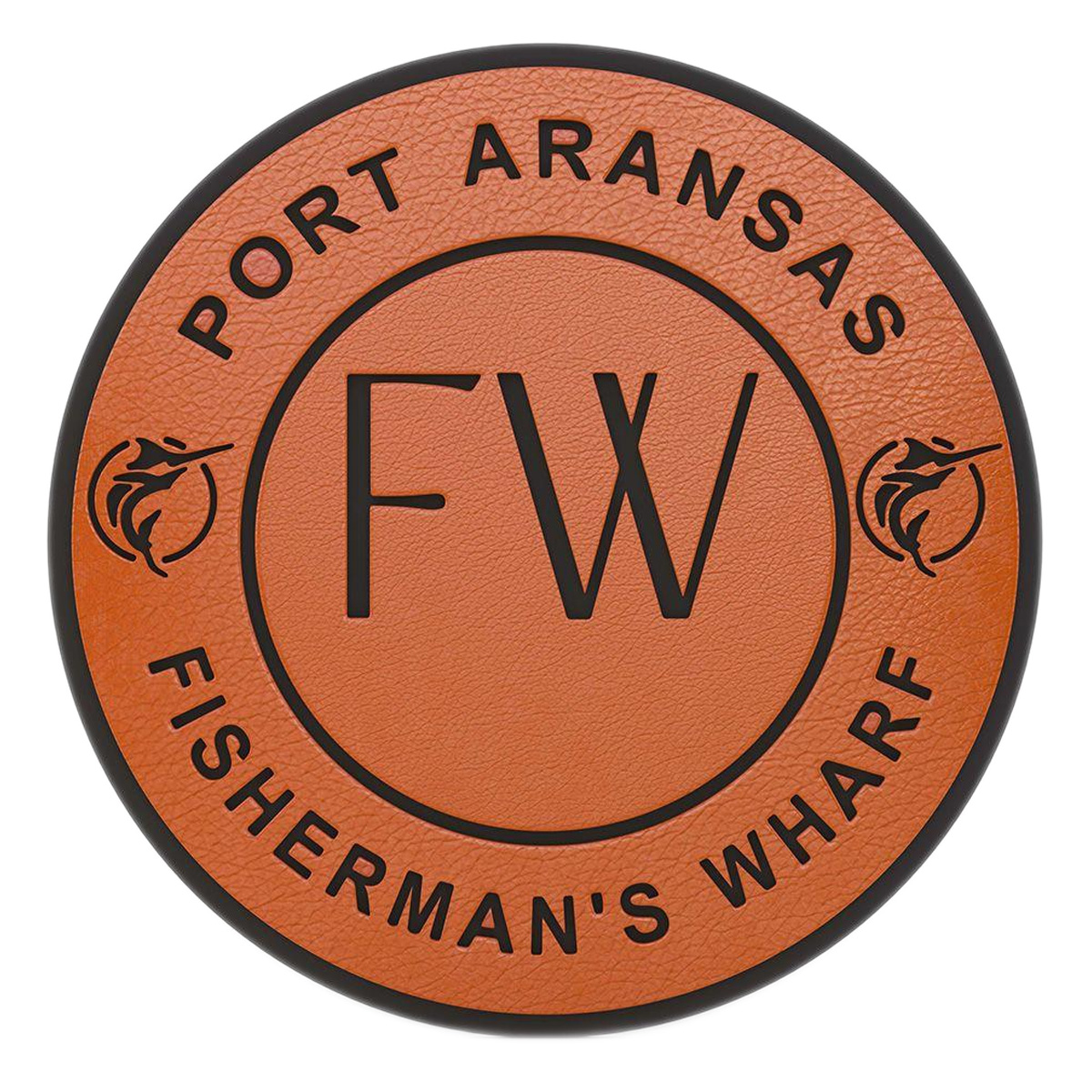
Different contexts demand different materials. A patch for outdoor workwear needs weather resistance; a luxury fashion patch requires supple texture; a motorcycle club patch must withstand heat and friction. Professional suppliers offer at least five material categories. For rugged outdoor or heritage brands, leather patches provide unmatched durability and a premium feel — they age beautifully, developing a patina over time. For high‑visibility safety vests, reflective or PVC options are better. Ask potential patch makers online for a material swatch book. If they cannot show you samples, move on. Maxemblem maintains a library of 20+ backing and fabric combinations, from twill to chenille to recycled polyester.
② Stitch Density & Detail Fidelity
Stitch density — the number of stitches per inch — determines how crisp your logo appears. Low‑density patches (under 6,000 stitches per square inch) look fuzzy and lose fine details like text or gradients. Premium embroidery patches achieve 9,000‑12,000 stitches per square inch, capturing small serifs and color transitions. Ask for a close‑up photo of a finished patch with fine text (e.g., a 6‑point font). If the letters blur, reject the supplier. At Maxemblem, we use Tajima multi‑head machines calibrated daily. For a recent aerospace client, we reproduced a 24‑character technical designation on a 1.5” patch — every letter legible under magnification. That is the level of precision your brand deserves.
③ Technical Capability for Complex Designs
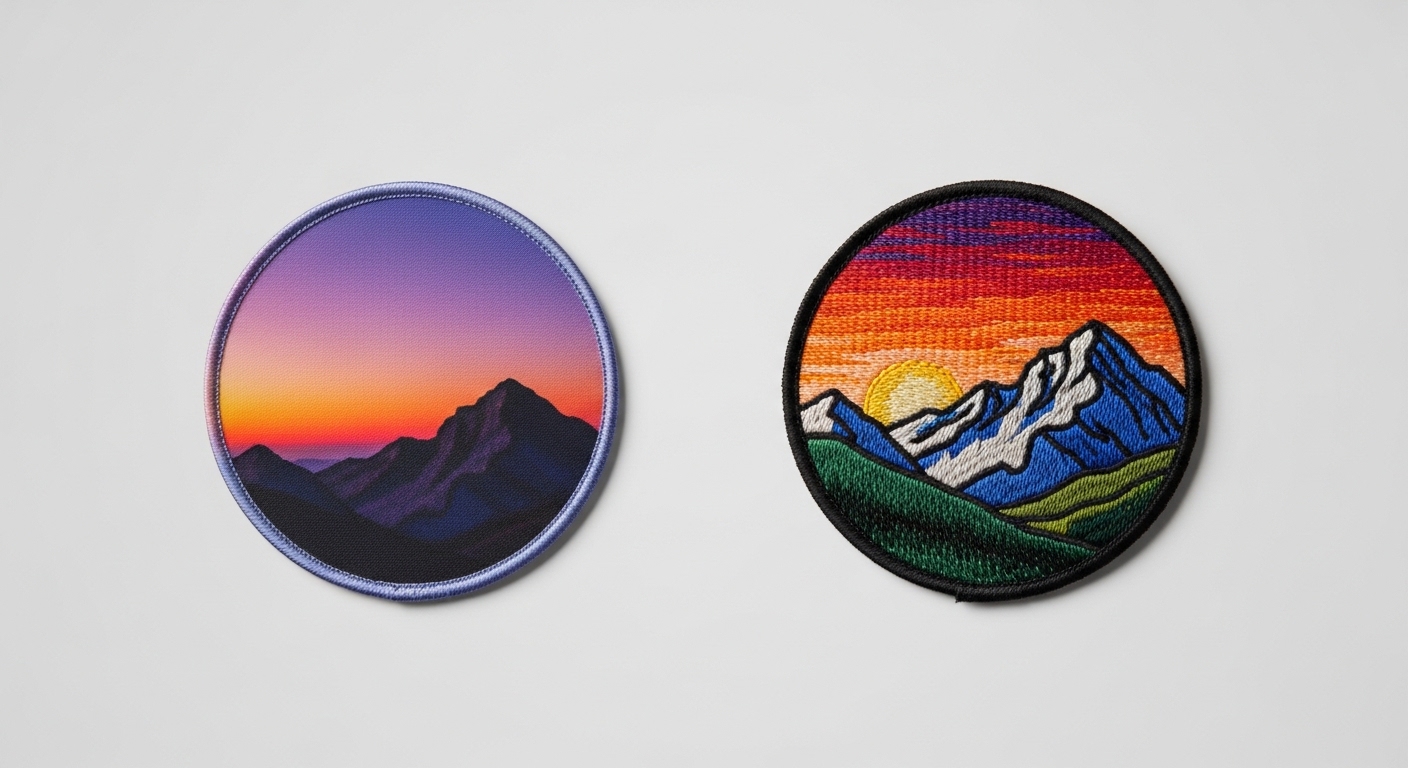
Some logos defy traditional embroidery: photorealistic images, gradient fades, or ultra‑fine line art. A supplier that says “impossible” lacks modern equipment. The solution? Printed patches using dye‑sublimation or direct‑to‑fabric printing. These processes render millions of colors and photographic detail, then the patch is cut and sewn with a merrowed border for a traditional embroidered look. For a national park’s centennial, we produced printed patches featuring a sunset landscape — visitors couldn't tell it wasn't embroidered. Ask your vendor: “What is your process for gradients or photo‑realistic art?” Their answer reveals their technological range.
④ Production Flexibility & Rush Order Handling
Events get rescheduled. Sponsors sign on late. A sudden product launch demands patches in two weeks. The best custom patch company has a transparent rush process, not excuses. Ask for their guaranteed rush timeline and on‑time rate. Maxemblem’s standard production is 10‑12 business days. For rush orders, we offer a 5‑7 business day service on many designs. More than 90% of our expedited orders arrive by the committed date. We do not claim 100% — because custom manufacturing has variables — but we provide real‑time tracking and weekly updates. For critical events, we can split‑ship: a small batch for the ceremony, the balance for distribution.
⑤ Cross‑Industry Experience (Military, Organizations & More)
Patches for military units, police departments, or fraternal organizations carry symbolic weight. Errors in color, shape, or text can disrespect traditions or violate regulations. A reliable supplier has documented experience with these sensitive sectors. When acting as a military name patch maker, we follow strict specifications: exact font style, correct background color for each branch, and proper placement of rank insignia. We also understand that these patches must withstand repeated washing and wear. Ask potential vendors: “Show me three examples of patches you’ve produced for law enforcement or military units.” If they cannot provide verifiable references, consider that a red flag.
⑥ Design Integration & Sampling Services
Many patch makers online are “order takers” — they digitize your file exactly as submitted, even if it contains errors (e.g., too‑thin lines that will break, colors that won’t match). A true partner offers pre‑production design optimization. They will suggest thickening fine strokes, converting problematic gradients to stitch patterns, and flagging mismatched Pantone® codes. At Maxemblem, our digitizers have an average of 12 years of experience. We provide a free design audit before quoting. We also offer low‑cost physical samples (typically $30‑$60) so you can feel the density and weight before full production. Avoid any supplier that refuses to provide a sample or charges exorbitant fees.
⑦ Price Transparency & Bulk Support
Hidden fees plague the patch industry: separate digitization charges, surprise shipping add‑ons, or per‑color surcharges. Professional wholesale embroidered patch manufacturers provide an itemized quote covering: digitization (one‑time), per‑patch pricing (with tiered discounts for 100/500/1000+), backing type (iron‑on, Velcro, adhesive), and shipping. They also explain how quantity affects price: a 500‑piece order might be 30‑40% cheaper per unit than 100 pieces. Maxemblem’s quotes are binding — what we quote is what you pay. We also offer a “first order digitization credit” for recurring annual programs. Always request a written quote and compare the total landed cost, not just per‑patch price.
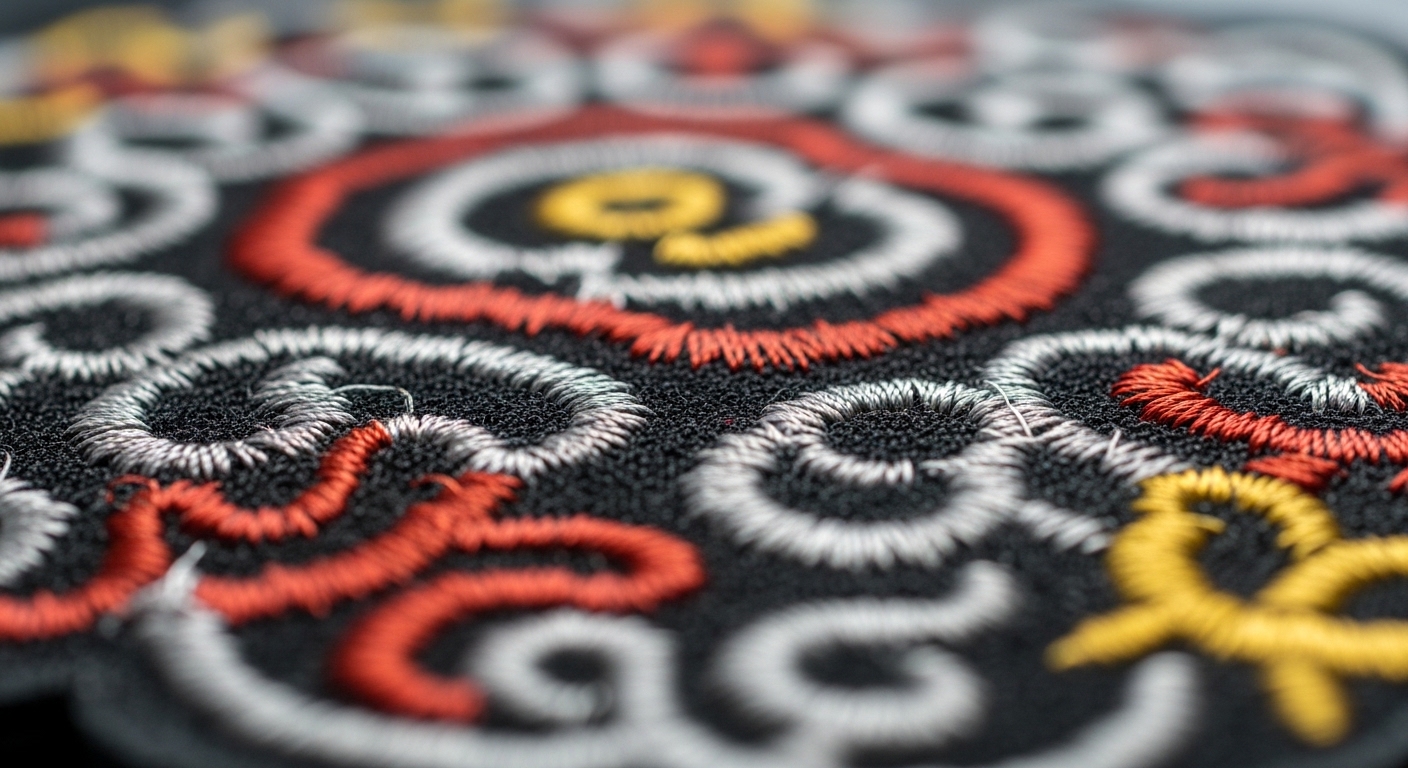
What Every Patch Buyer Must Know: Price, Size, Craftsmanship & Design
Even experienced procurement professionals can be surprised by patch manufacturing nuances. This section explains the four variables that determine cost and quality — so you can make informed decisions.
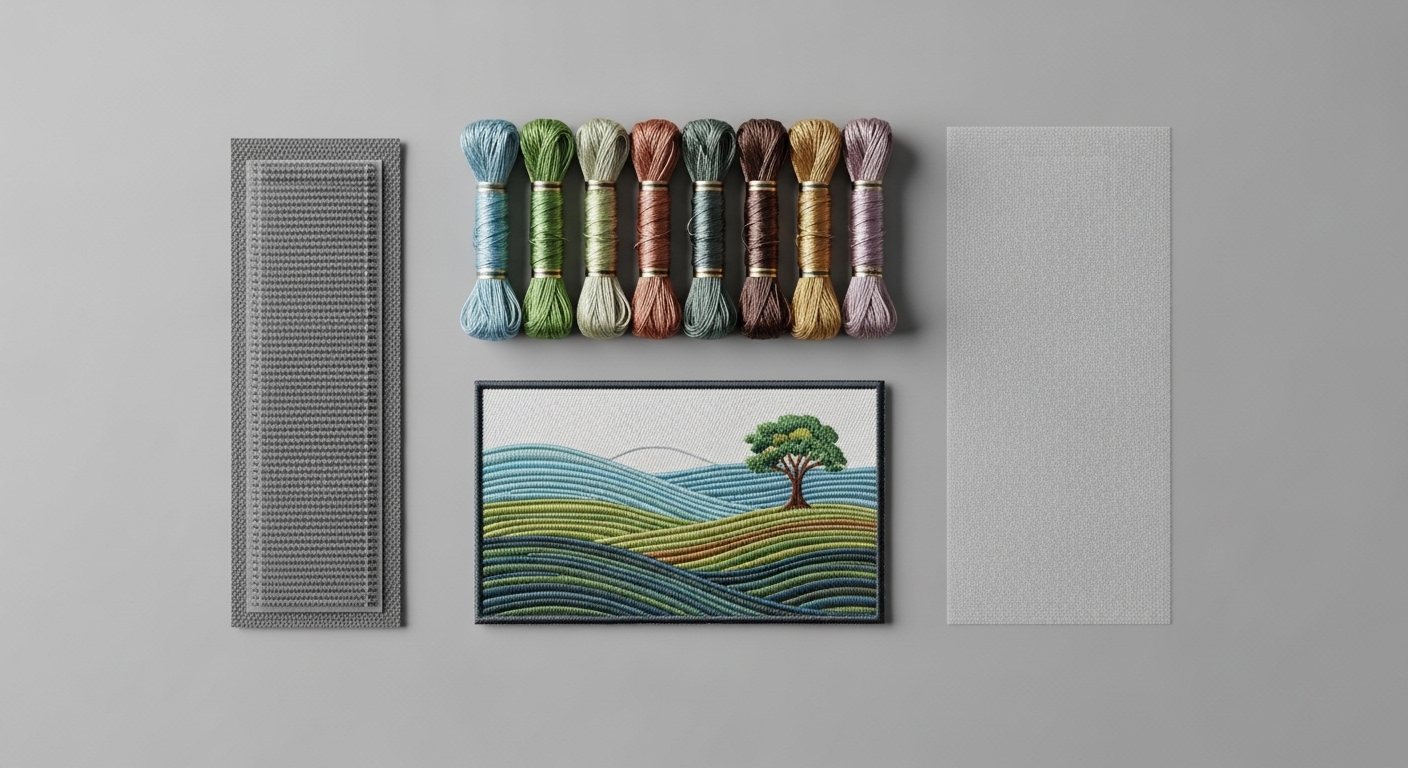
1. Price Components: Digitization + Per‑Patch + Backing
Every custom patch requires digitization (converting your artwork into stitch instructions). This one‑time fee ranges from $25 to $80 depending on complexity. Then, per‑patch pricing depends on size, stitch count, and number of colors. Additional costs: special backings (Velcro adds $0.50‑$1.00 per patch), merrowed borders, or heat‑seal adhesives. For small orders (50‑200 patches), the digitization fee significantly impacts per‑unit price. For larger wholesale orders (500+), the per‑patch cost becomes very economical. Always ask for an itemized quote that separates digitization from production.
2. Size & Its Impact on Detail
Standard patch sizes: 2” to 4” for chest logos, 3” to 5” for back patches, and 1” to 1.5” for cap or collar patches. Larger patches allow more detail but increase stitch count and cost. For text under 6pt, we recommend at least a 3” diameter to maintain legibility. If you need a small patch (under 2”) with fine detail, consider woven patches (see below) instead of traditional embroidery. Our design team can advise on the minimum size needed to preserve your logo’s integrity.
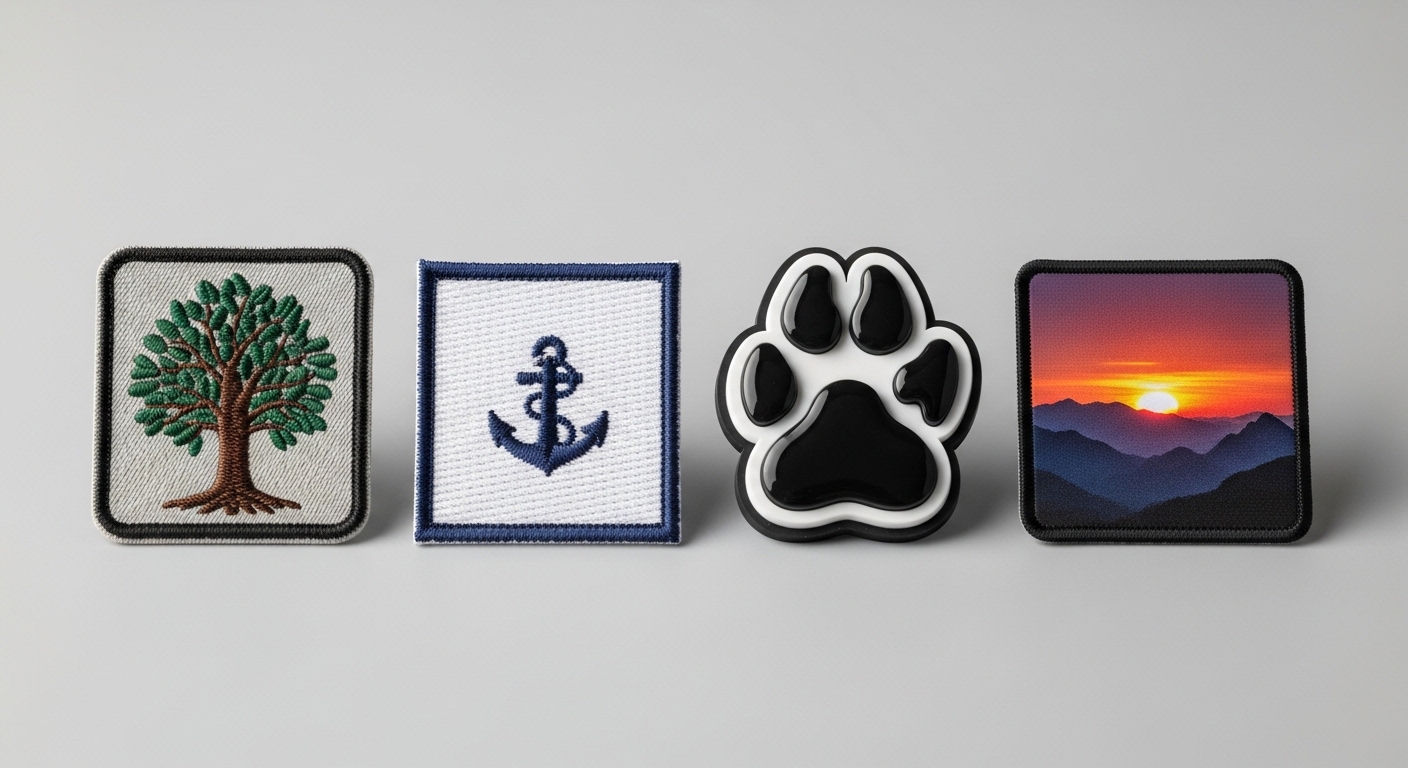
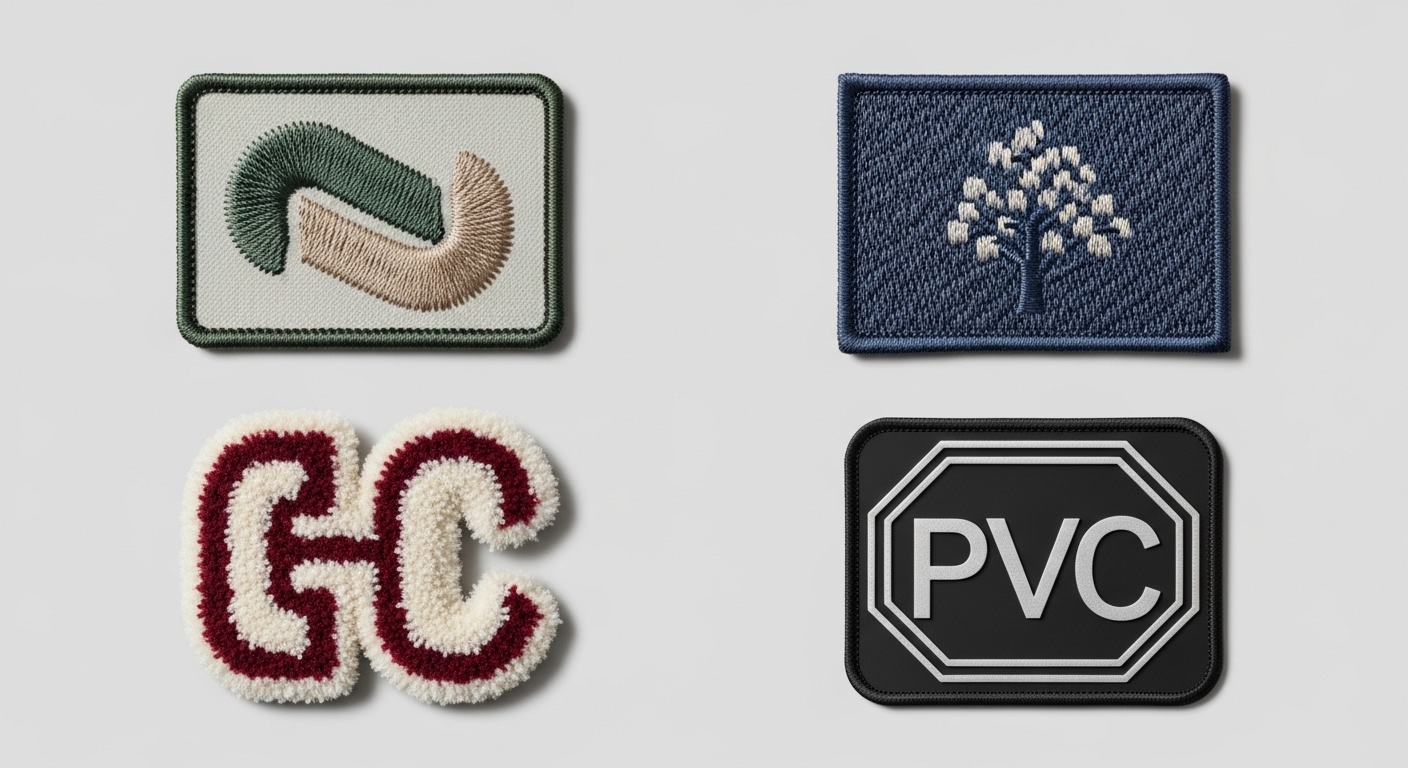
3. Craftsmanship: Embroidery, Woven, PVC, or Printed?
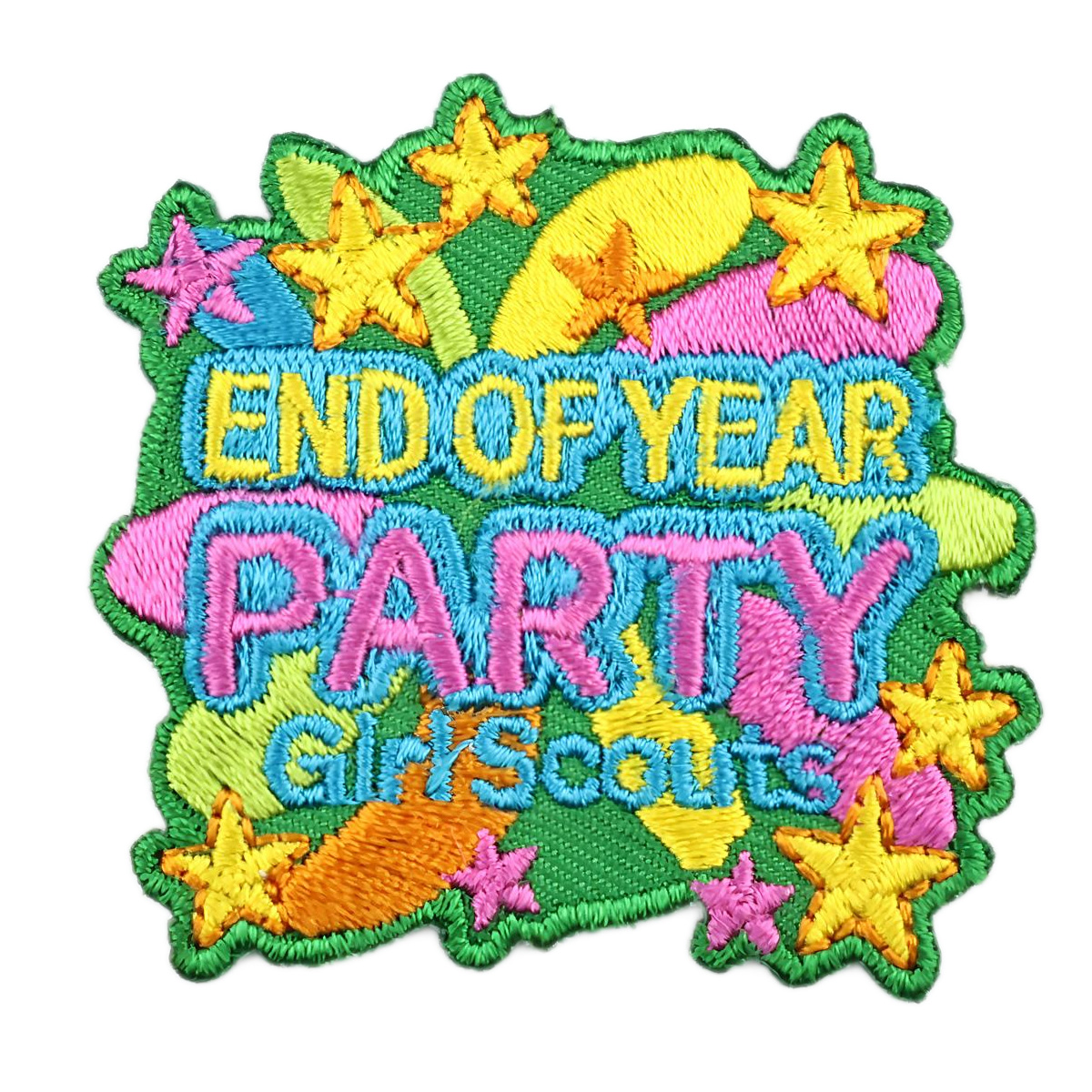
Embroidered patches: Classic texture, durable, best for logos with solid colors and moderate detail.
Woven patches: Threads are woven (not stitched), allowing finer detail and smoother gradients. Ideal for text‑heavy or intricate designs.
PVC (molded) patches: Rubber‑like, waterproof, 3D appearance. Great for outdoor gear or modern brands.
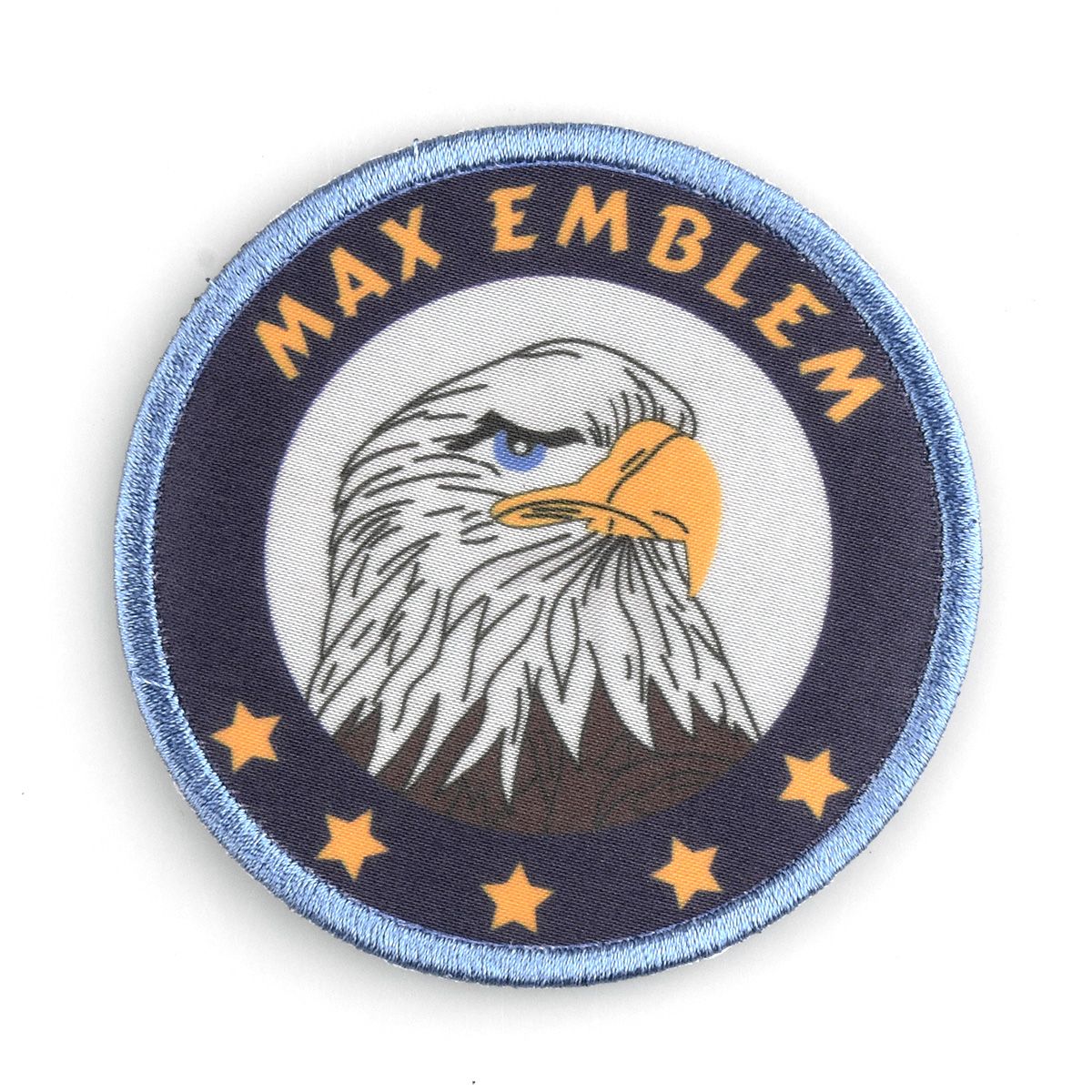
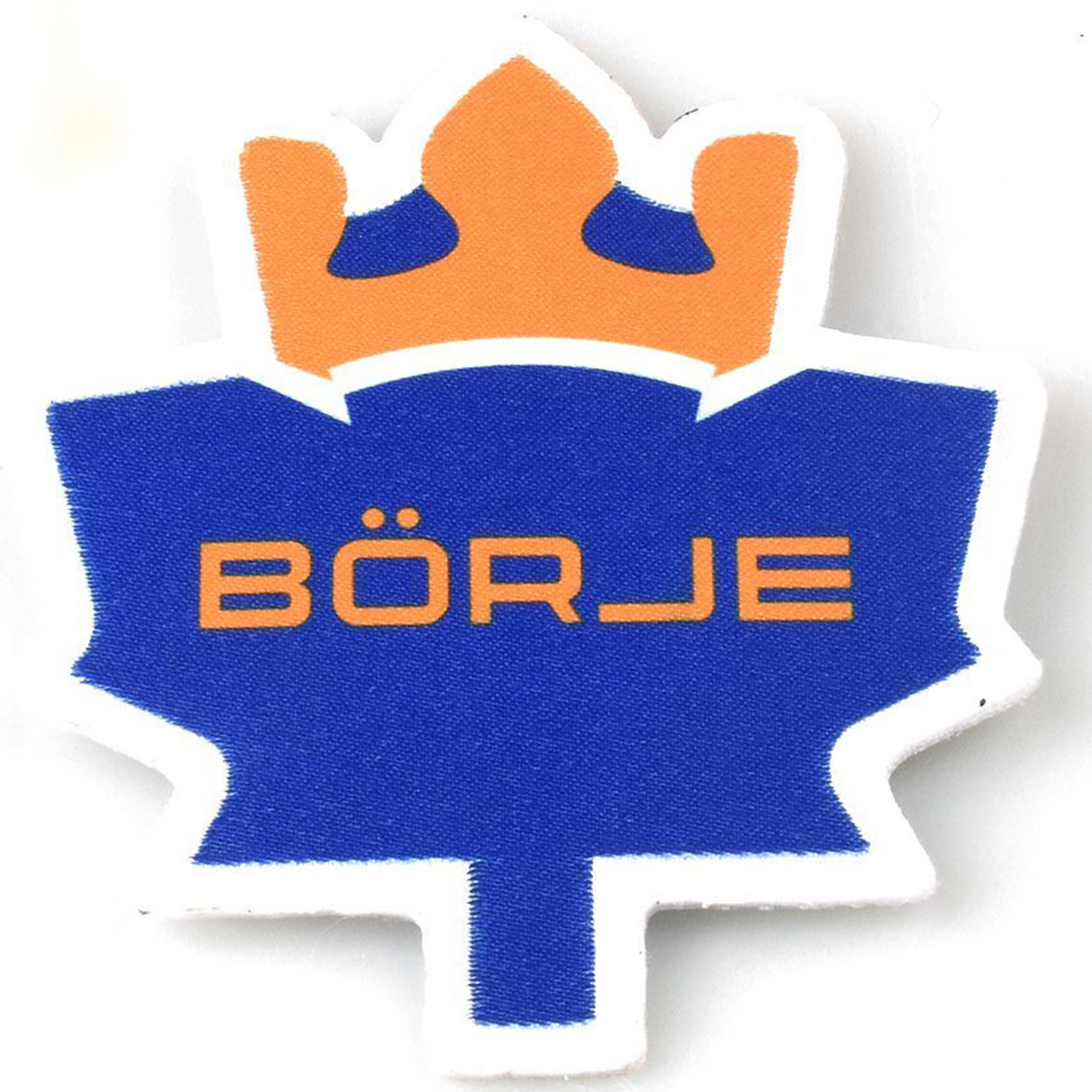
Printed patches: Photorealistic, unlimited colors, but less textural.Best for complex images or gradients.
Each technique has trade‑offs in cost, durability, and detail. We provide comparison samples so you can see and feel the difference before committing.
4. Design Complexity & Digitization Pitfalls
Simple logos with block colors digitize quickly and stitch cleanly. Complex designs with gradients, drop shadows, or ultra‑thin lines require expert digitizing — otherwise, they emerge distorted. Ask your supplier: “Will you review my artwork for manufacturability before quoting?” A responsible vendor will flag issues early. For example, they might recommend converting a 3‑pixel‑wide line to 6 pixels to avoid thread breakage. This pre‑production consultation separates professional companies that make custom patches from amateurs.
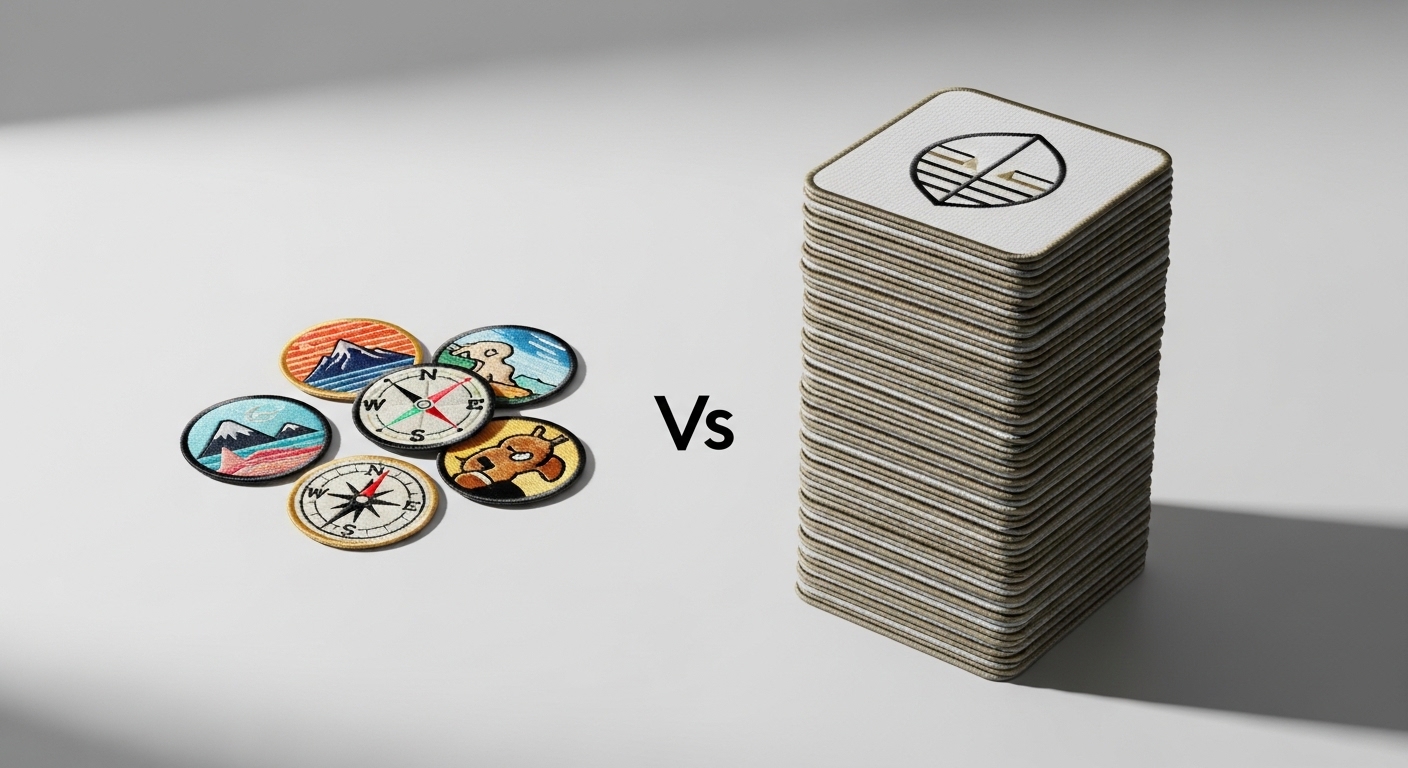
Note on Digitization & Small Batches: Every custom patch requires a one‑time digitization fee (similar to a mold in metal products). For small orders under 200 pieces, this fee impacts per‑unit cost. We offer a "first order digitization credit" for repeat annual programs. Contact us for a transparent quote that shows digitization, per‑patch pricing, and shipping separately — no hidden fees.
How to Match Patch Types to Your Specific Needs
Not all patches serve the same purpose. Use this quick guide to match product categories to your application.
Sports & Streetwear: Chenille Patches
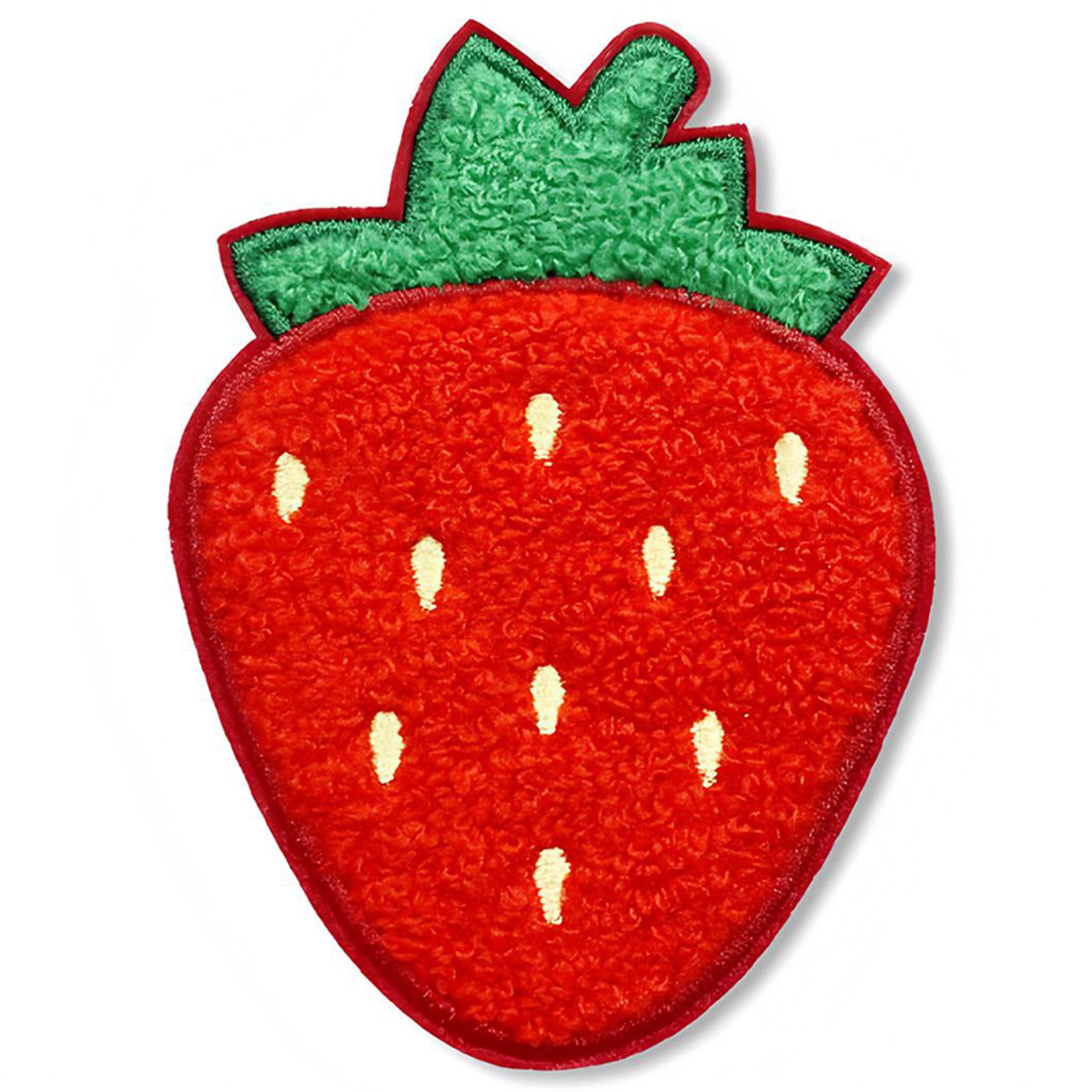
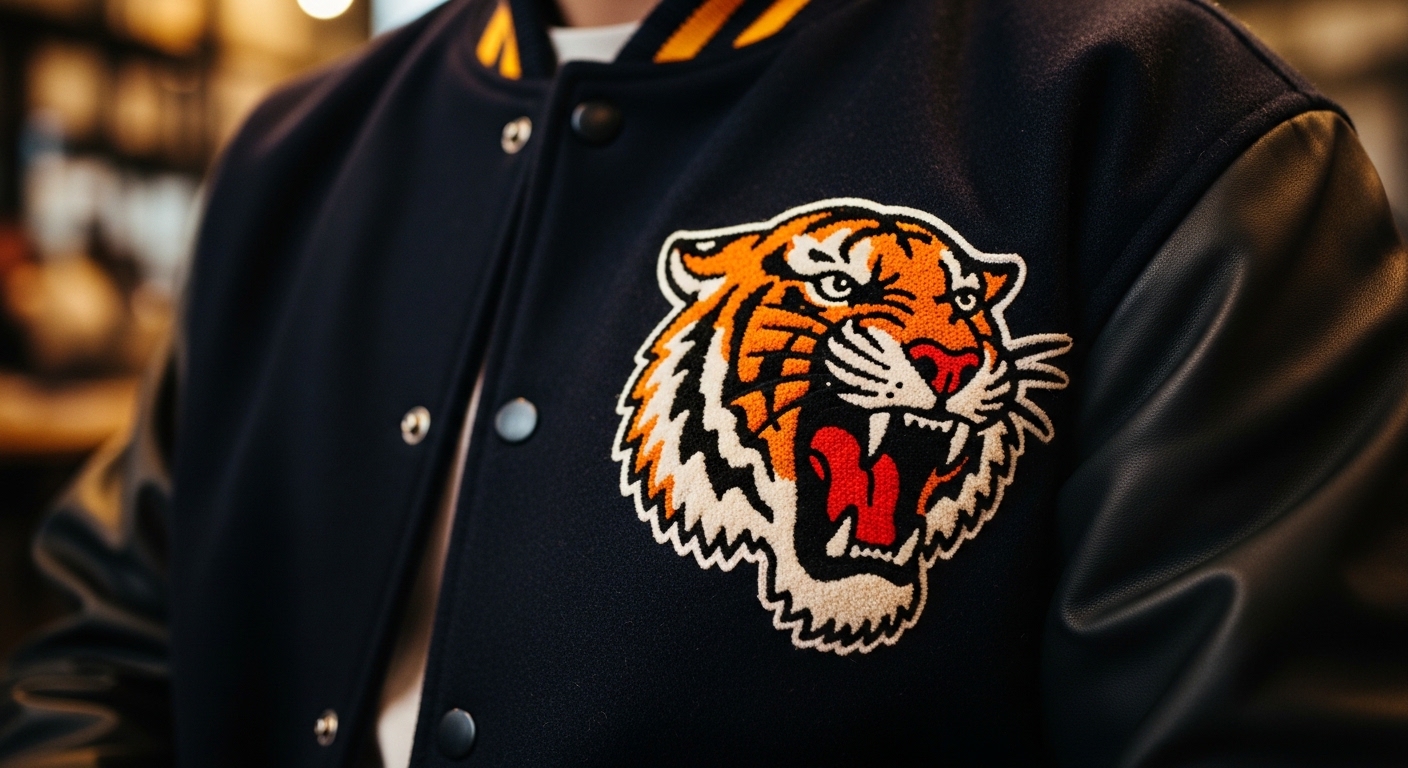
Chenille patches feature a fluffy, raised texture (often called "felt" or "wool" patches). They are classic for varsity jackets, sports teams, and retro streetwear. The material is soft to the touch and visually stands out from traditional embroidery. For a university’s 100th anniversary, we produced chenille letter patches that alumni wore on commemorative hoodies — the tactile nostalgia was a hit. Chenille works best for large, simple shapes (letters, numbers, mascot outlines). Avoid fine details; chenille is about bold, textural impact.
Modern Tech & Outdoor: TPU Flex Patches
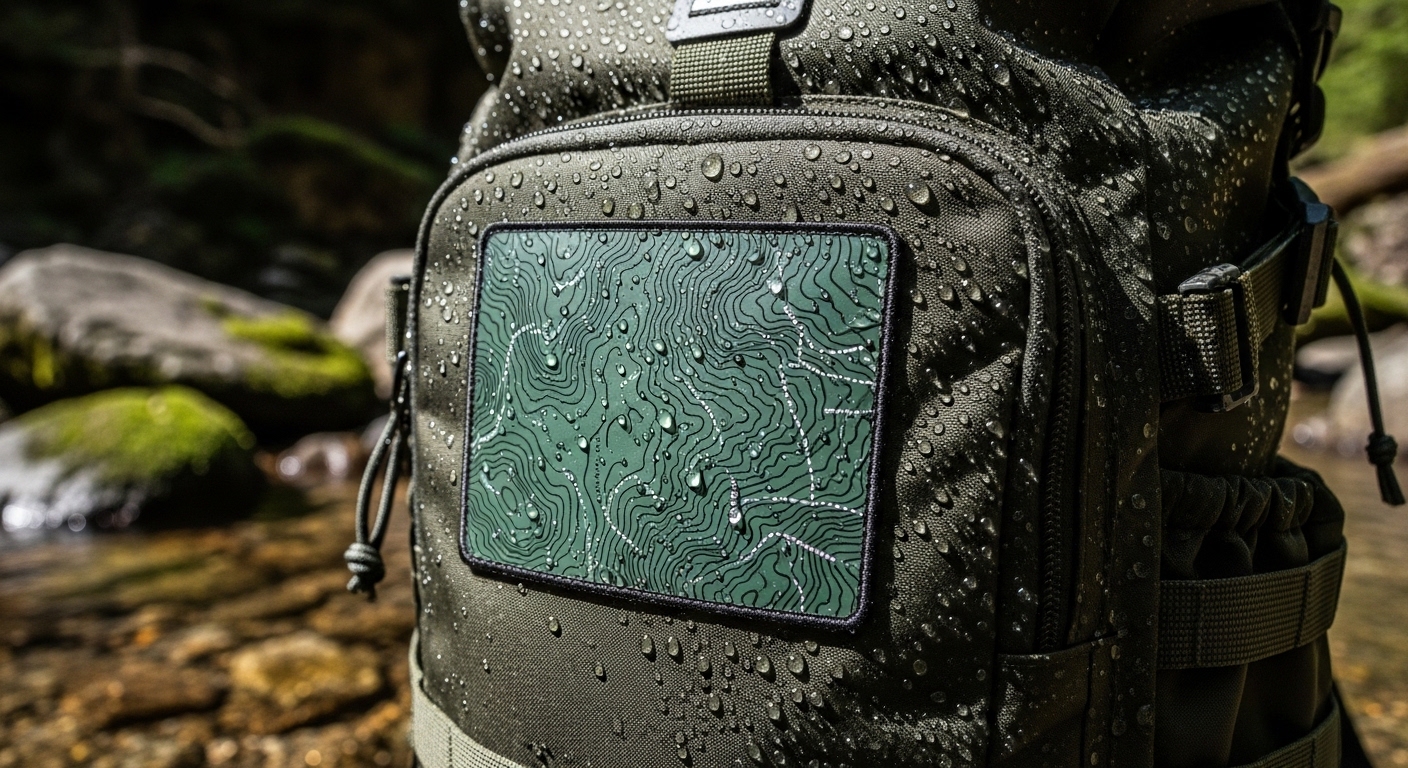
TPU (thermoplastic polyurethane) flex patches are durable, waterproof, and slightly flexible. They hold vibrant colors and can achieve 3D molded effects. These are ideal for backpacks, tech accessories, outdoor gear, and modern minimalist branding. Unlike embroidered patches, TPU won’t fray or absorb moisture. For a cycling apparel brand, we created reflective TPU patches that doubled as safety elements. The lead time is slightly longer (due to mold creation), but the result is a futuristic, rugged look.
Classic & Detailed: Woven Patches
When you need a patch with small text (e.g., a 24‑character motto) or intricate line art, woven patches outperform traditional embroidery. Instead of thick threads, woven patches use finer polyester threads that allow for higher density and smoother gradients. The result is a patch that looks almost like a printed label but has the durability of fabric. Woven patches are also thinner and lighter, making them comfortable for inside‑garment placement. For corporate uniforms requiring a detailed facility name and employee ID, woven is often the best choice.
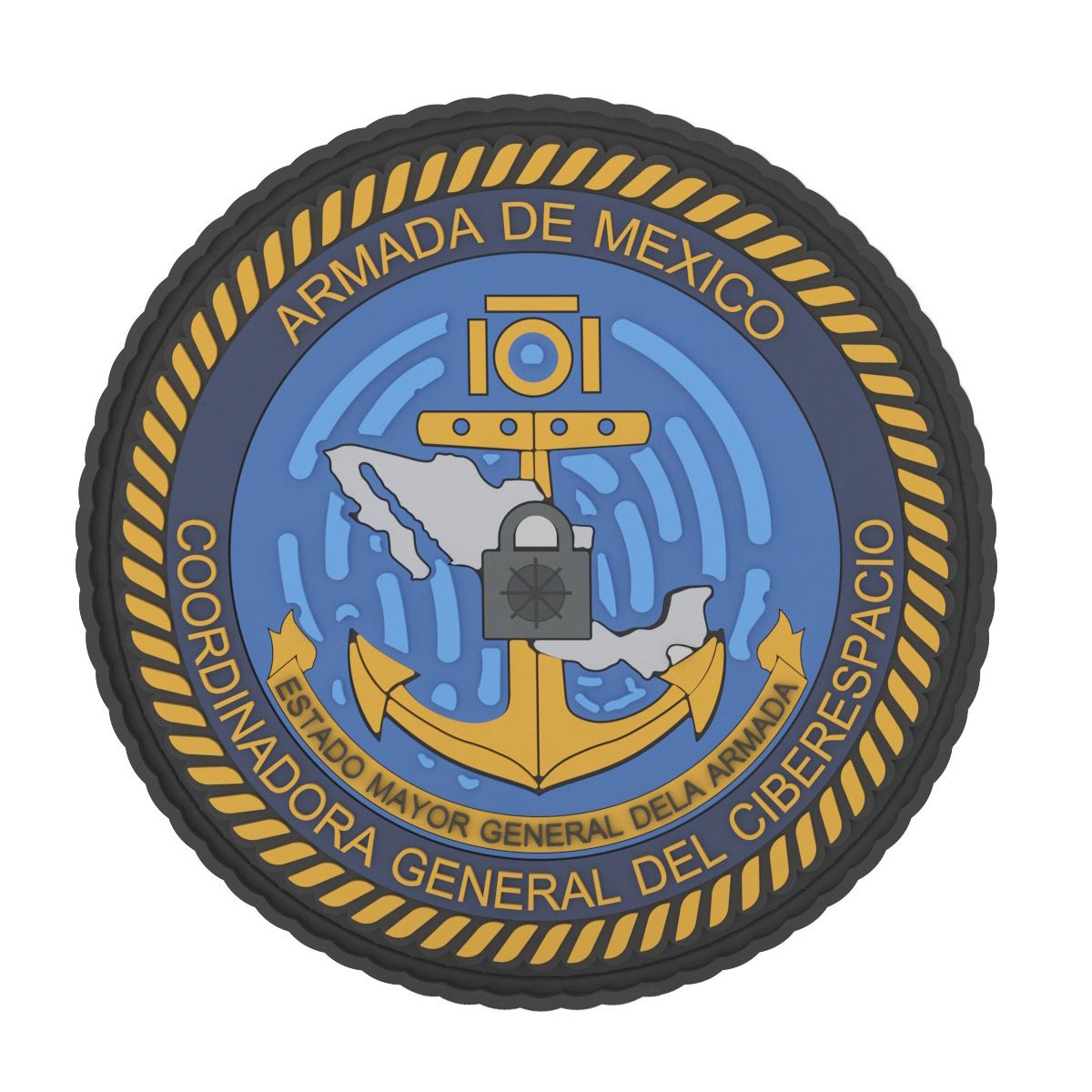
Quick Comparison: Which Patch Technology Fits Your Project?
Patch Type |
Best For |
Detail Level |
Durability |
Typical Lead Time |
|---|---|---|---|---|
Embroidered |
Uniforms, clubs, corporate logos |
Medium (solid colors) |
High (5+ years) |
10‑12 business days |
Woven |
Text‑heavy designs, small text |
Very high |
Medium‑High |
10‑12 business days |
Chenille |
Varsity jackets, sports, retro wear |
Low (bold shapes) |
High (if cared for) |
12‑15 business days |
TPU / PVC |
Outdoor gear, tech accessories |
High (3D possible) |
Very high (waterproof) |
14‑18 business days |
*Rush service available for embroidered and woven patches (5‑7 days). TPU requires mold creation and cannot be rushed.
3 Red Lines to Avoid Low‑Quality Patch Suppliers
Some patch makers online look professional but deliver substandard products. Watch for these three warning signs during your evaluation.
Red Line 1: Slow or Vague Communication
If a supplier takes more than 24‑48 hours to respond to a pre‑sales inquiry, imagine how they will handle problems during production. Slow communication often indicates disorganized internal processes, over‑outsourcing, or a skeleton crew. The best custom patch company assigns a dedicated account manager who replies within one business day. At Maxemblem, we provide a direct contact person and weekly production updates via email or project dashboard. Test potential vendors: send a detailed question about a specific backing or thread color. If the answer is generic or delayed, cross them off your list.
Red Line 2: Rough or Inaccurate Samples
A physical sample reveals everything: thread tension (uneven loops?), border finishing (fraying?), and color matching (off‑brand?). If the sample has obvious flaws — misspelled text, misaligned elements, or loose threads — the mass order will be worse. Low‑quality suppliers often send their “best possible” sample, but production corners are cut for volume. Insist on seeing a sample from the actual production line, not a hand‑made showpiece. Maxemblem offers pre‑production samples from the same machines that will run your full order. If the sample passes, the batch will match it.
Red Line 3: Inability to Advise on Cultural or Regulatory Nuances
If you need patches for a global audience — military units in different countries, medical certifications, or multilingual safety warnings — your supplier must understand cultural and legal requirements. For example, a red cross symbol has protected meaning under the Geneva Conventions; misusing it can cause legal trouble. Similarly, font choices for government patches may be regulated. A professional vendor will flag these issues. Maxemblem has produced patches for clients in 30+ countries; we maintain a database of common regulatory restrictions. If a supplier says “we just print whatever you send,” consider that a major red flag.
Ready to start your custom patch project with a trusted partner?
Finding the best custom patch company is not about finding the lowest price — it's about finding a partner who understands that each patch carries identity, pride, and professionalism. Maxemblem combines technical mastery (20 years of production) with creative partnership (design optimization, material advice, and rush support). From small clubs to global brands, we deliver patches that perform and endure.
Free digitization audit • 20 years of heritage • 90% on‑time rush delivery
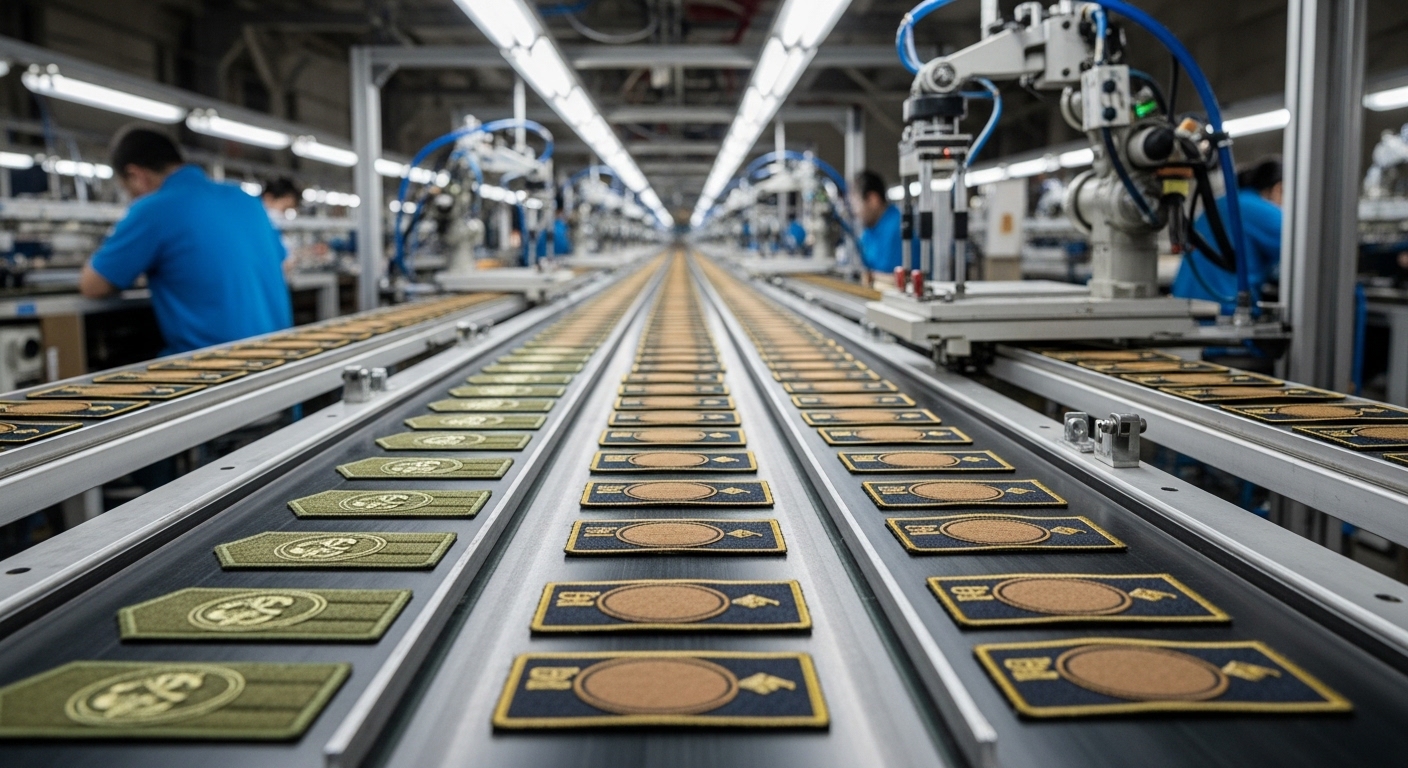
Standard production for embroidered patch manufacturers is 10‑12 business days after artwork approval and digitization. For rush orders, many suppliers (including Maxemblem) offer 5‑7 business days on simpler designs. Always confirm the timeline includes shipping, and ask about split‑shipment options if you have a fixed event date. Avoid any vendor that promises “3 days” without seeing your artwork — that usually means low‑quality digitizing or stock designs.
Yes. Many small organizations, indie bands, and local clubs need low quantities. However, note that the one‑time digitization fee ($25‑$80) will make the per‑patch price higher for small runs. For 50 pieces, expect to pay $5‑$8 per patch; for 500 pieces, that can drop to $2‑$3 per patch. We are transparent about this — we never hide digitization in a higher per‑unit price. Contact us for a small‑batch quote with no minimum order pressure.
Common backings: iron‑on (heat‑seal adhesive for fabric), Velcro / hook‑and‑loop (for tactical or removable applications), safety pin (temporary), adhesive sticker (for one‑time use), and sew‑on (most durable). Each has different cost and application. For children’s uniforms, sew‑on is safest. For law enforcement, Velcro allows easy transfer between vests. We provide samples of each backing so you can test adhesion and feel before ordering.
Professional companies that make custom patches use Pantone® thread matching systems. Provide your brand’s Pantone solid coated numbers, and we will select the closest thread colors. For critical matches (e.g., a signature red), we can send a thread card or stitch a small sample for approval. Avoid suppliers who only accept “color names” (e.g., “dark blue”) — that leads to mismatches. At Maxemblem, we also offer digital thread‑matching proofs showing your logo side‑by‑side with the proposed thread colors.


