Sign in
Create Your Account
Create My Account
Sign In
Create Your Account
Turn concepts into metal. Expert design tips for 2026 World Cup & USA 250th pins, coins, and medals.
You know you need custom commemoratives for 2026—whether for the USA 250th anniversary, the World Cup, or a corporate milestone. But there's one problem: you don't have a design yet. Maybe you have a vague idea, a collection of inspiration images, or just a logo and a hope. That's more than enough. The journey from concept to finished metal is a collaborative one, and understanding the possibilities is the first step. This guide will walk you through the art of visual storytelling in miniature, help you choose between different manufacturing techniques, and show you how Maxemblem's professional design team can bring your vision to life—even if you're starting from scratch.
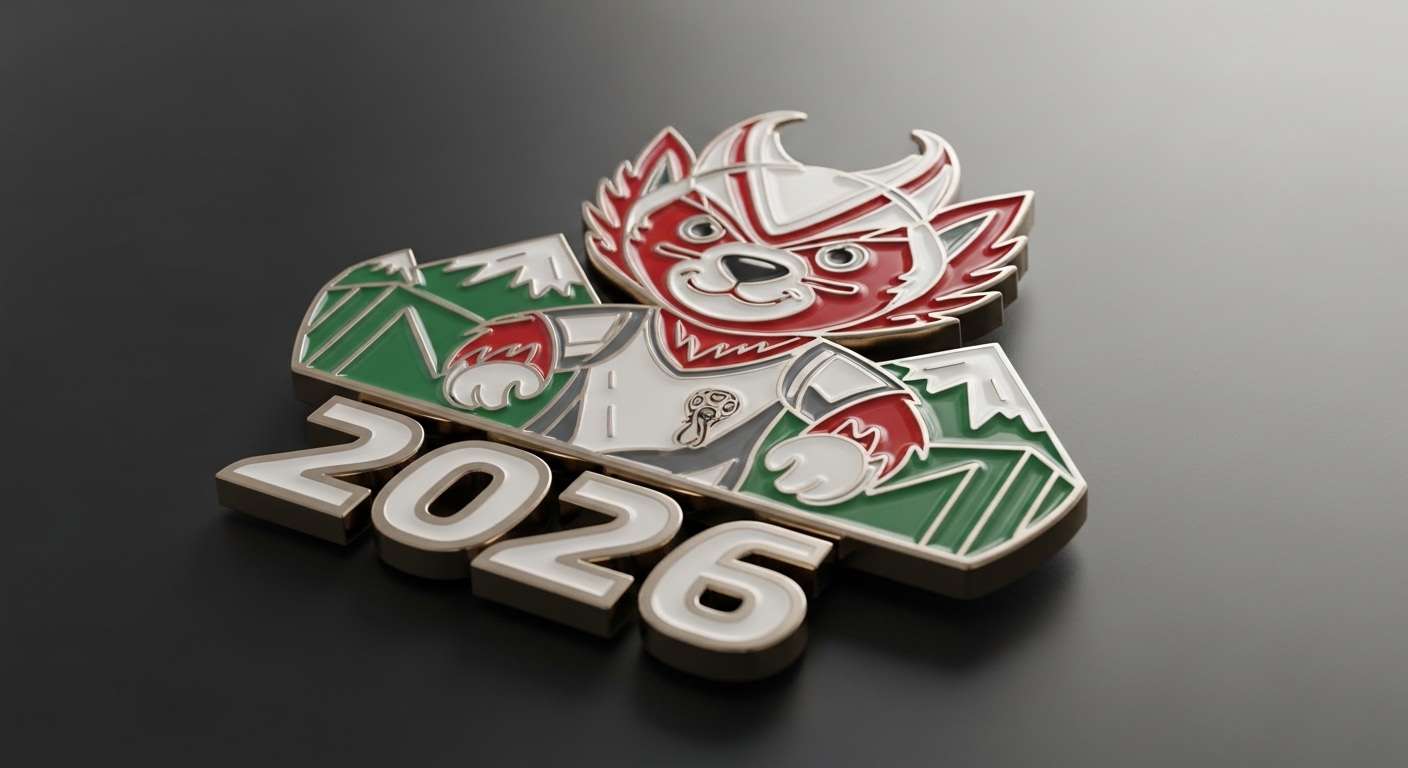
Visual Storytelling: Incorporating 250 Years of History
Designing for a 1-inch canvas is like writing a sonnet—every word, every line must earn its place. When you're commemorating 250 years of American history, you have a wealth of iconic imagery to draw from, but you can't include everything. The art lies in selecting and combining elements that tell your specific story. Let's explore how to blend the most powerful symbols of the Semiquincentennial into a cohesive, striking design.
The Liberty Bell is perhaps the most potent symbol of American independence. Its crack, its inscription "Proclaim Liberty Throughout All the Land," its very form—all evoke the founding era. But how do you render a bell on a pin without it looking like a generic clip-art shape? The key is in the details. Consider showing the bell in profile with the crack visible, or focusing on the iconic yoke and crown. For the 250th anniversary, you might pair the bell with the dates "1776-2026" in a classic serif font that echoes colonial printing. The typography itself becomes a design element—the contrast between the old-style numerals and a clean, modern font for "2026" can visually represent the passage of time.
Another powerful approach is to incorporate the American flag, but not necessarily as a flat rectangle. Imagine the flag waving, its folds creating dynamic lines that lead the eye across the pin. You can use the stars as a background pattern or feature a single star as a focal point. The Statue of Liberty's torch is another versatile symbol—it represents enlightenment, hope, and the enduring American ideal. A torch emerging from a field of stars, with the year "2026" inscribed on its base, creates a forward-looking image.
For organizations blending the 250th with other themes—like a World Cup event in a historic American city—you can fuse symbols. Imagine a soccer ball where each panel contains a star, or a Liberty Bell with a soccer goal hidden in its silhouette. The key is restraint. Pick two or three core elements and make them work together harmoniously. Our design team specializes in this kind of visual problem-solving, ensuring your pin tells a clear, compelling story at a glance.
The Classic Look: Hard Enamel for High-End Recognition
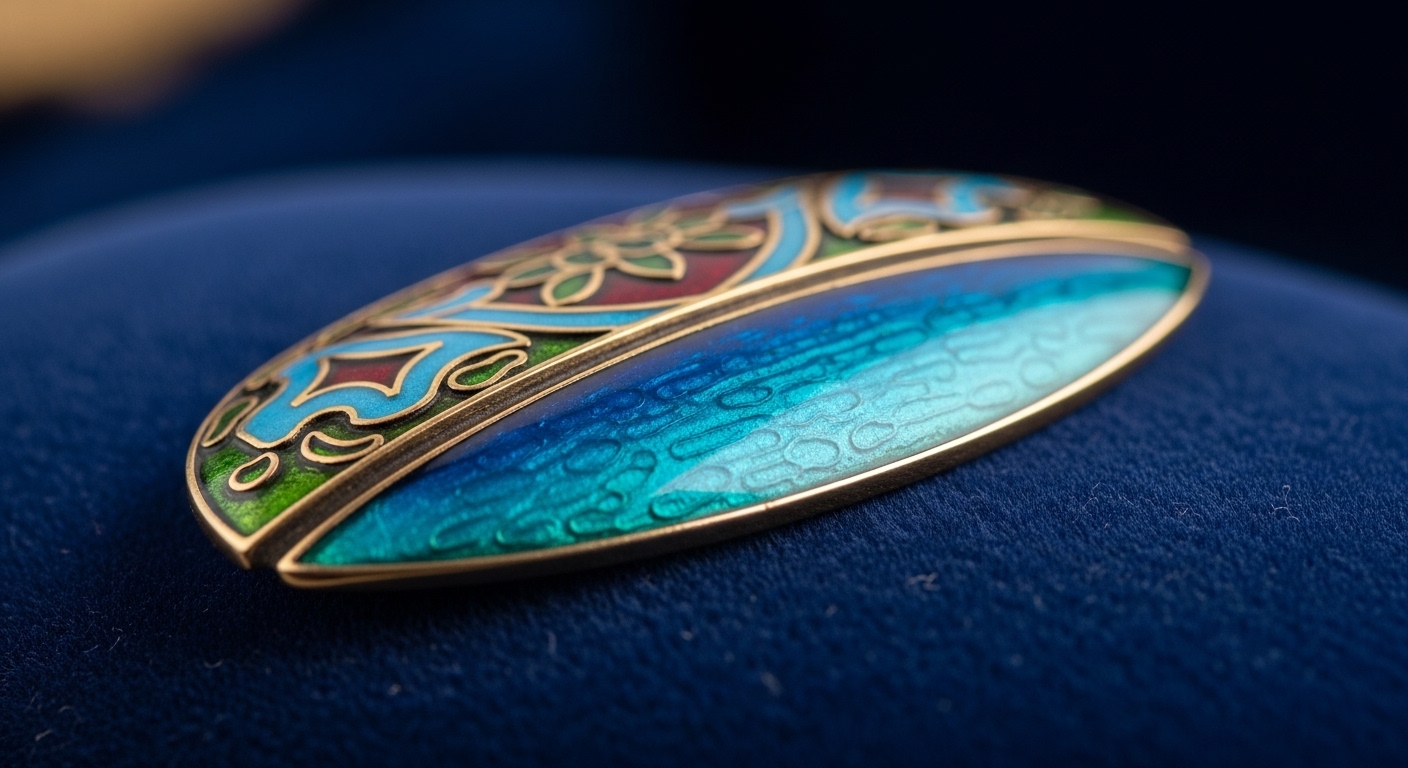
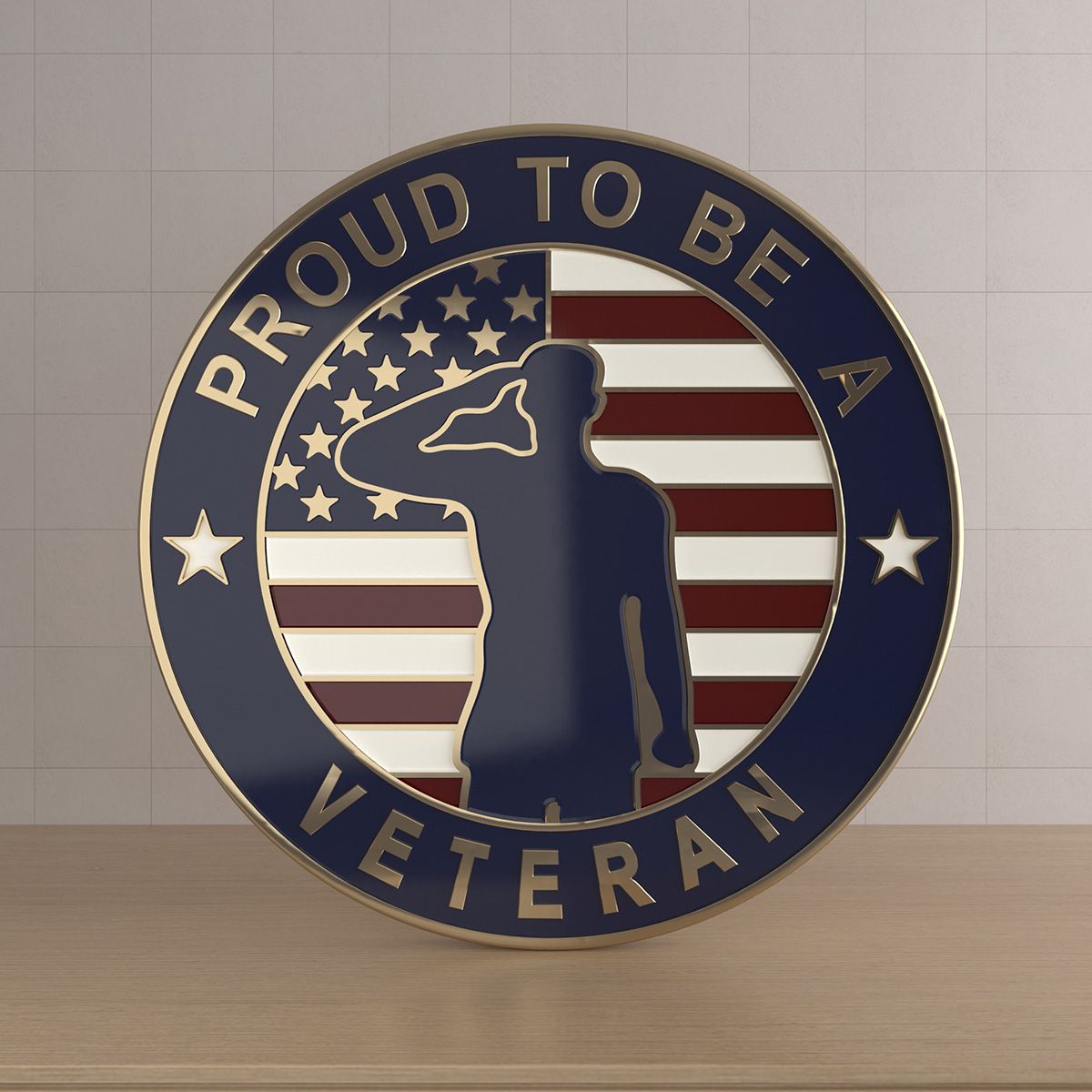
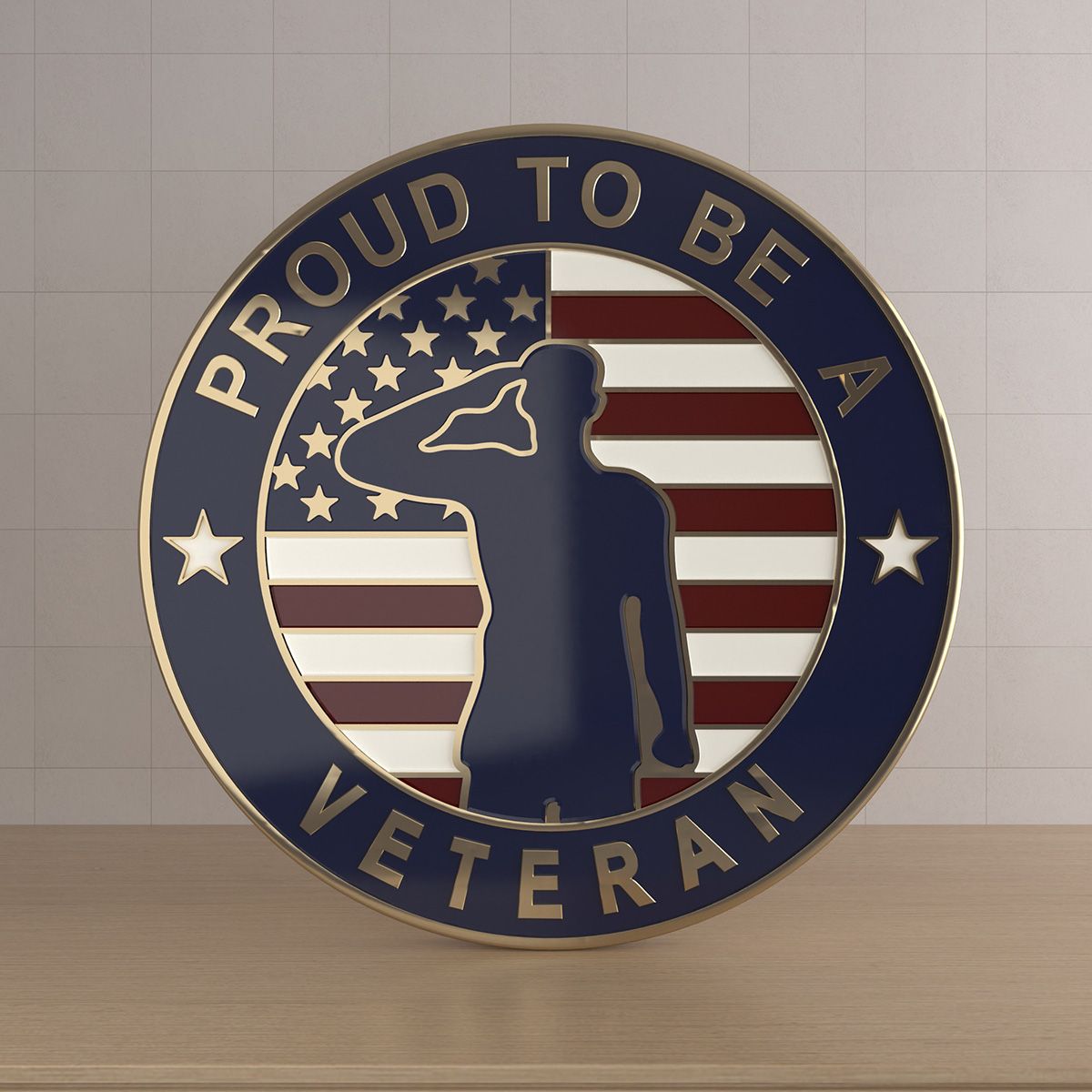
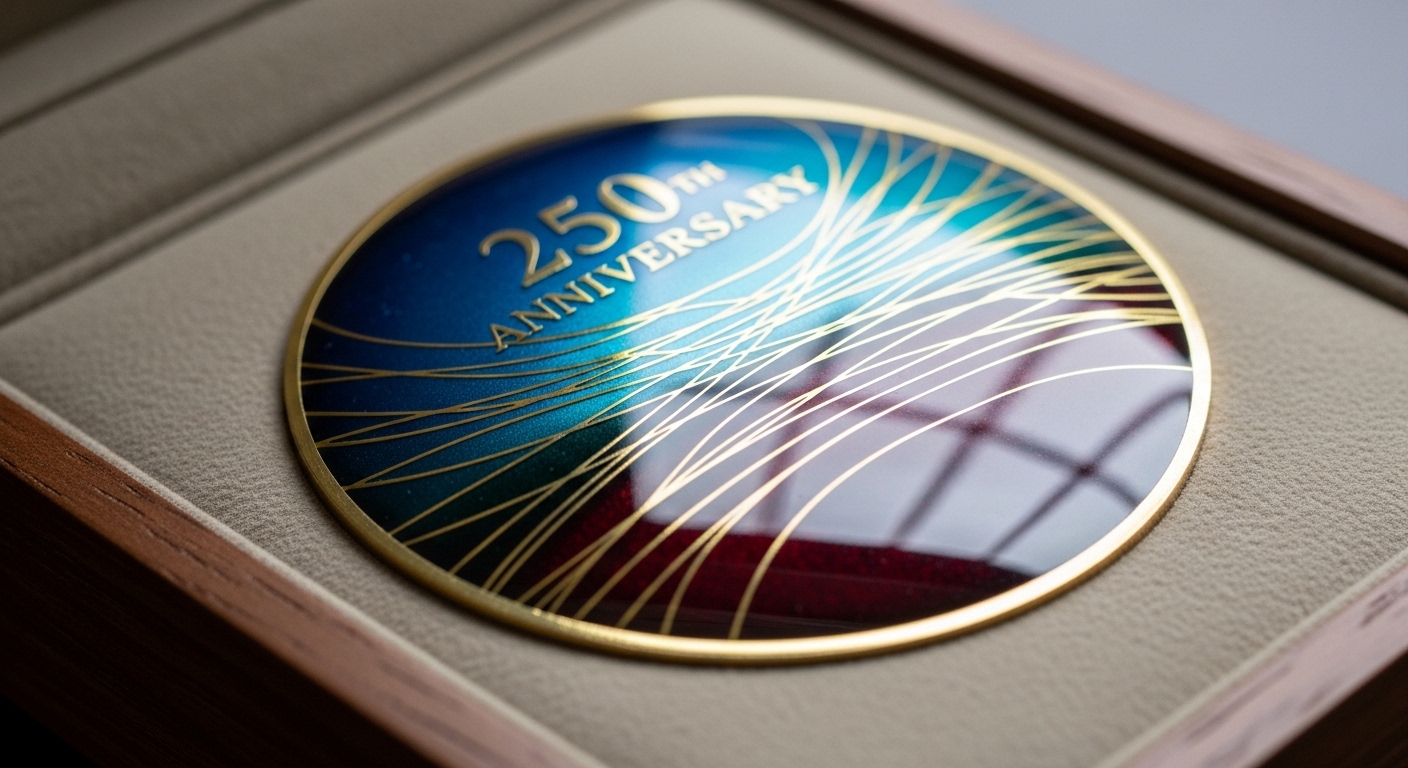
If you want your pin to feel premium, substantial, and timeless, hard enamel is the gold standard. Also known as cloisonné, this process involves filling recessed areas of the metal with colored enamel that is then fired and polished until completely smooth and flush with the metal lines. The result is a glass-like surface that is durable, scratch-resistant, and brilliantly glossy. The colors are rich and deep, and the metal lines between them are crisp and defined.
Hard enamel is ideal for prestigious awards, VIP gifts, and any application where you want the recipient to immediately perceive quality. For the 250th anniversary, a hard enamel pin with an antique gold or silver finish conveys the gravitas of the occasion. The smooth surface feels wonderful to the touch and catches the light beautifully. The downside? Hard enamel is generally more expensive and has a longer production time than soft enamel, and it's best suited for designs with distinct color areas separated by metal lines. Complex gradients or photographic images don't work well. But for classic, elegant designs featuring the Liberty Bell, American flag, or historical figures, hard enamel is unmatched.
The Detailed Look: Soft Enamel for Vibrant Complexity
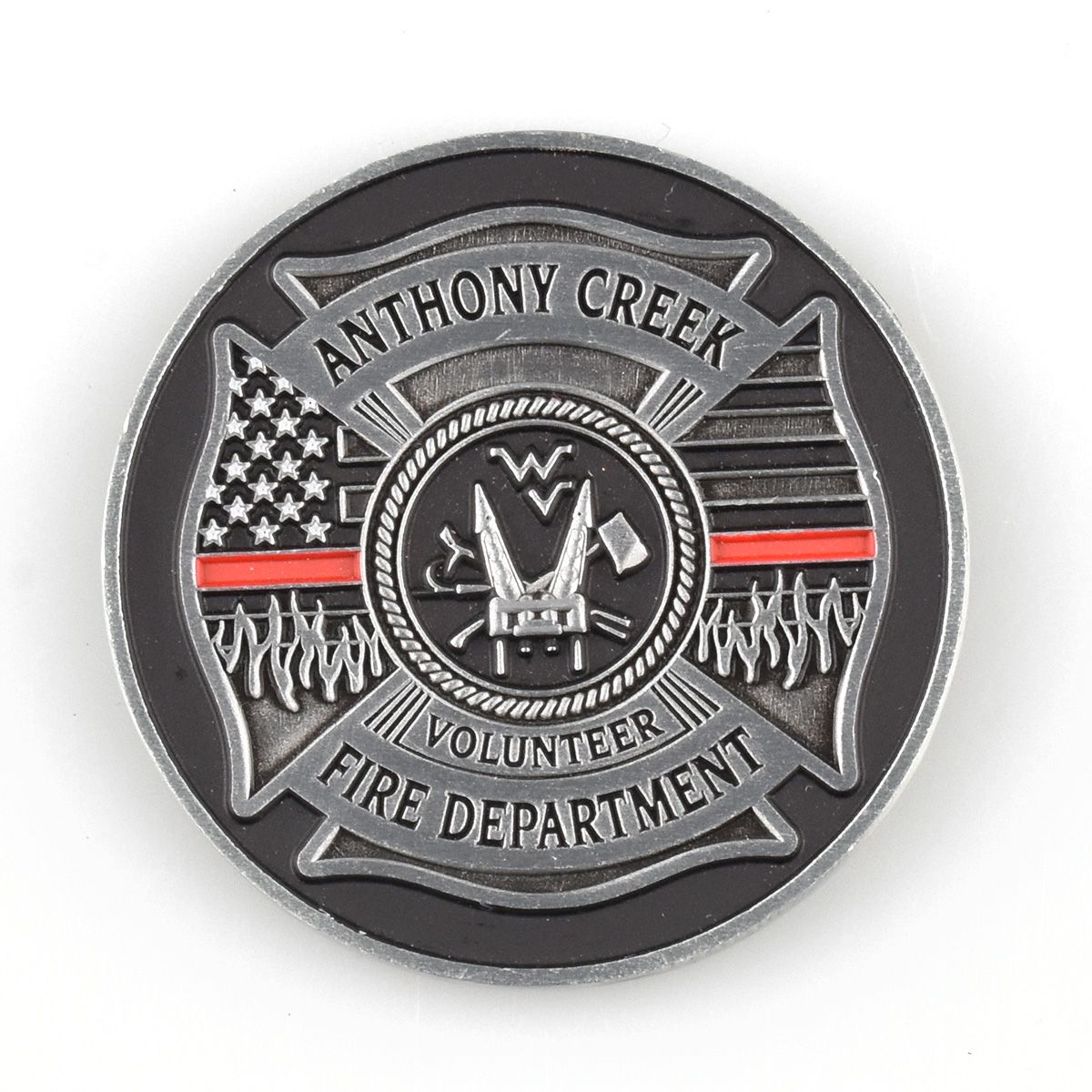
For designs with intricate details, many colors, or a more textured, artistic feel, soft enamel is the preferred choice. In soft enamel, the recessed areas are filled with color but not polished flat. This leaves the enamel slightly below the level of the metal lines, creating a tactile, textured surface. You can actually feel the outlines of the design when you run your finger across the pin. This texture gives soft enamel a handmade, artisanal quality that many people love.
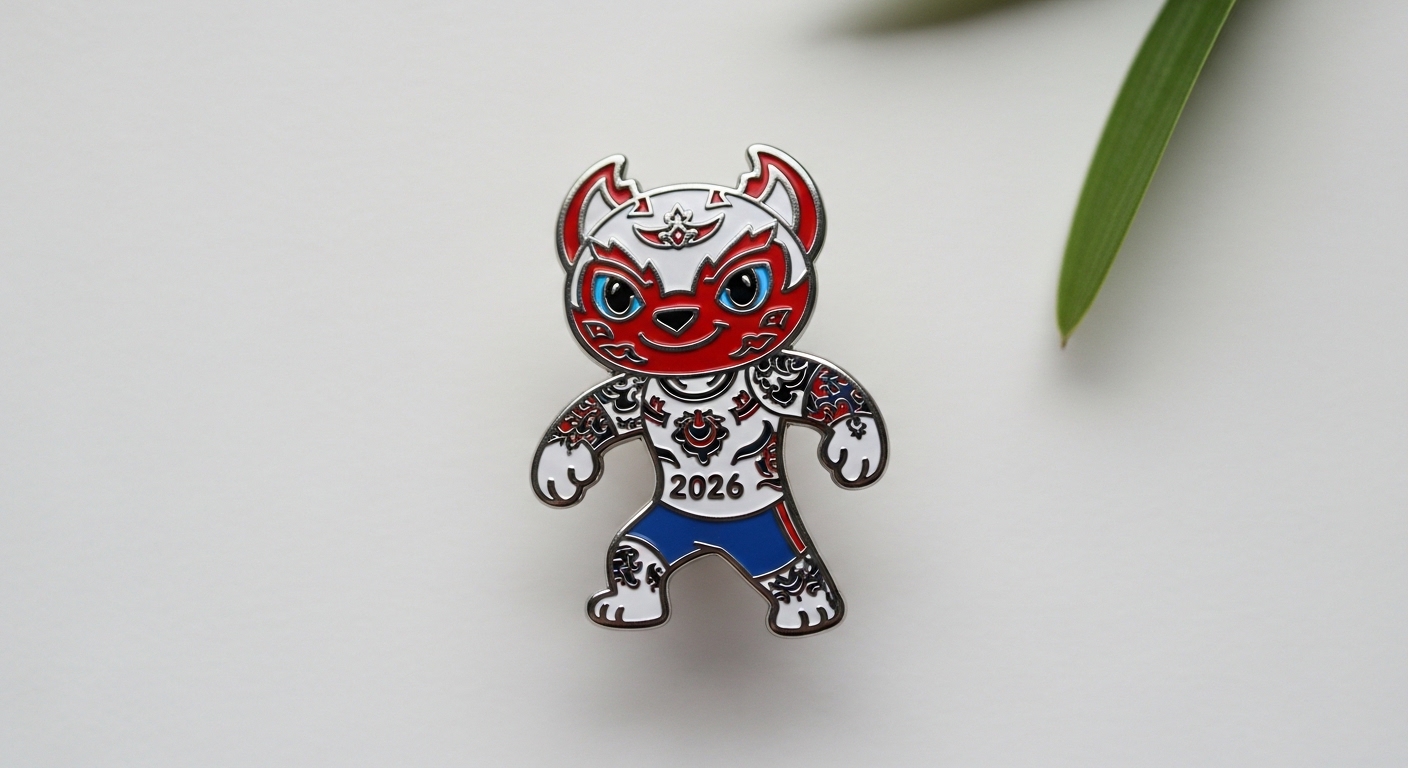
Soft enamel is also more forgiving for complex designs. Because the enamel isn't polished flat, slight variations in color application are less noticeable. It's generally more affordable than hard enamel and has a faster production turnaround. For World Cup 2026 pins featuring detailed mascots, intricate soccer scenes, or photographic-style elements, soft enamel is often the best choice. The raised metal lines help define the image, while the recessed colors add depth. You can also achieve special effects like glitter enamel or glow-in-the-dark elements more easily with soft enamel. It's the workhorse of the pin world—versatile, vibrant, and cost-effective.
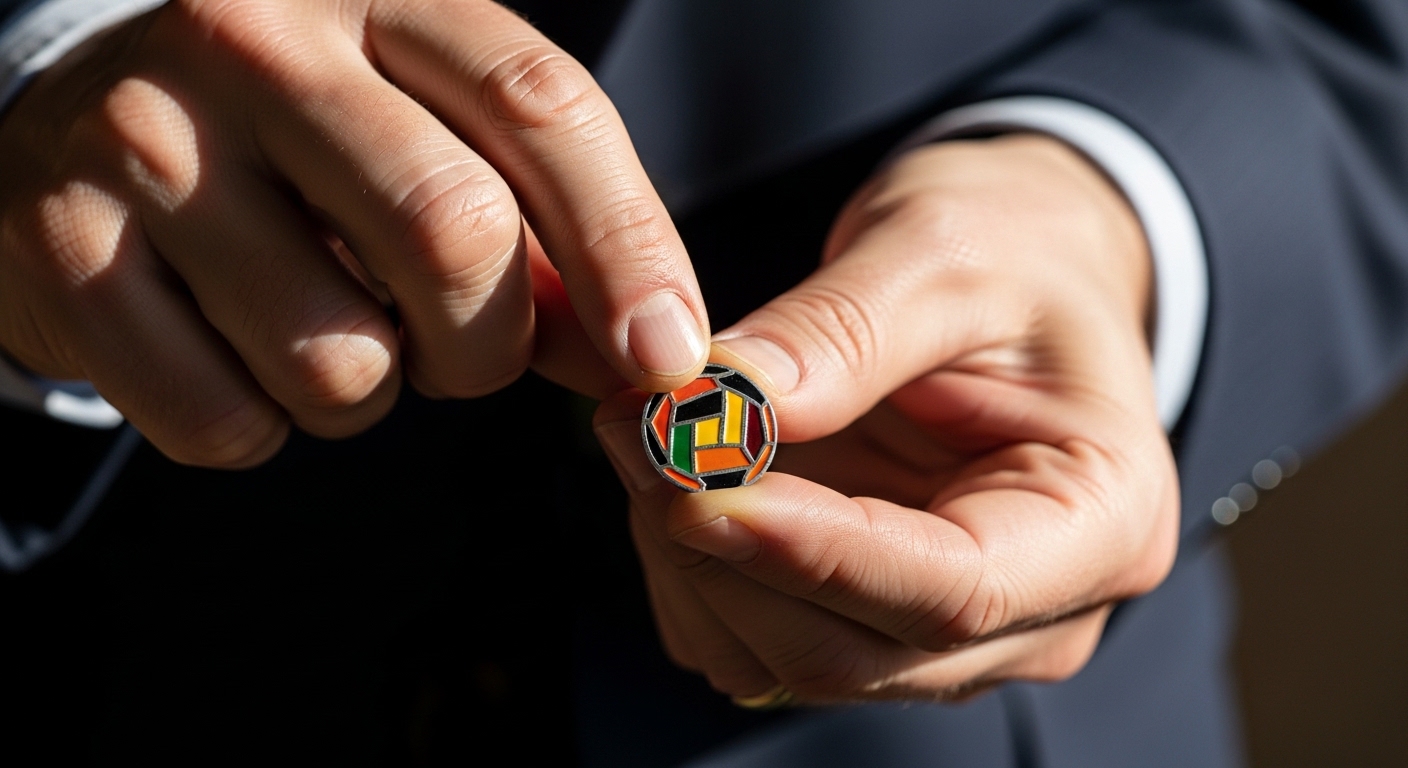
Photo Etched or Offset Printing for Photographic Logos
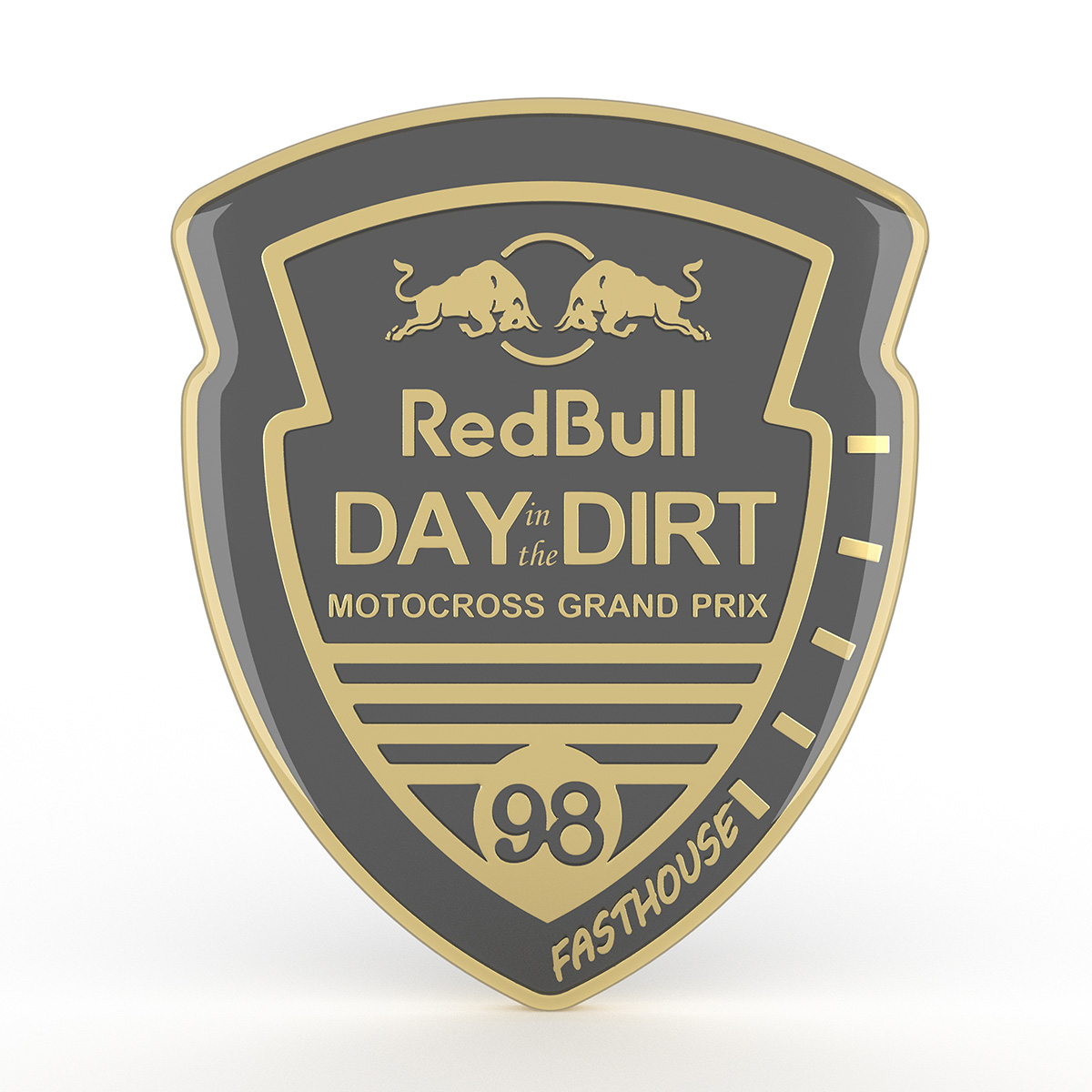
What if your design includes a complex logo with gradients, small text, or photographic elements that don't translate well to traditional enamel techniques? Enter photo etching and offset printing. These processes allow for full-color, high-resolution printing directly onto the metal surface. Photo etching uses a chemical process to create incredibly fine detail, while offset printing applies a thin layer of colored ink, similar to how a magazine is printed.
These methods are perfect for reproducing corporate logos with exact color matches (think Pantone matching), intricate patterns, or images with subtle shading. You can achieve photographic realism on a pin—imagine a pin featuring a detailed portrait of a historical figure or a precise rendering of your organization's headquarters. The result is a smooth, flat surface with vibrant, accurate colors. The trade-off is that these pins lack the dimensional, textured feel of enamel. They look more like a printed image on metal. For many corporate applications, this is exactly what's needed. And for designs that combine printed elements with raised metal edges, we can create hybrid pieces that offer the best of both worlds.
Navigating the Design Process: What Every Buyer Should Know
Creating a custom pin or coin is a journey, and like any journey, it's smoother when you know the terrain. Whether you're a first-time buyer or a seasoned event planner, understanding the four pillars of custom manufacturing—price, size, craftsmanship, and design—will help you avoid common pitfalls and ensure your project is a success.
Understanding Pricing and Mold Costs
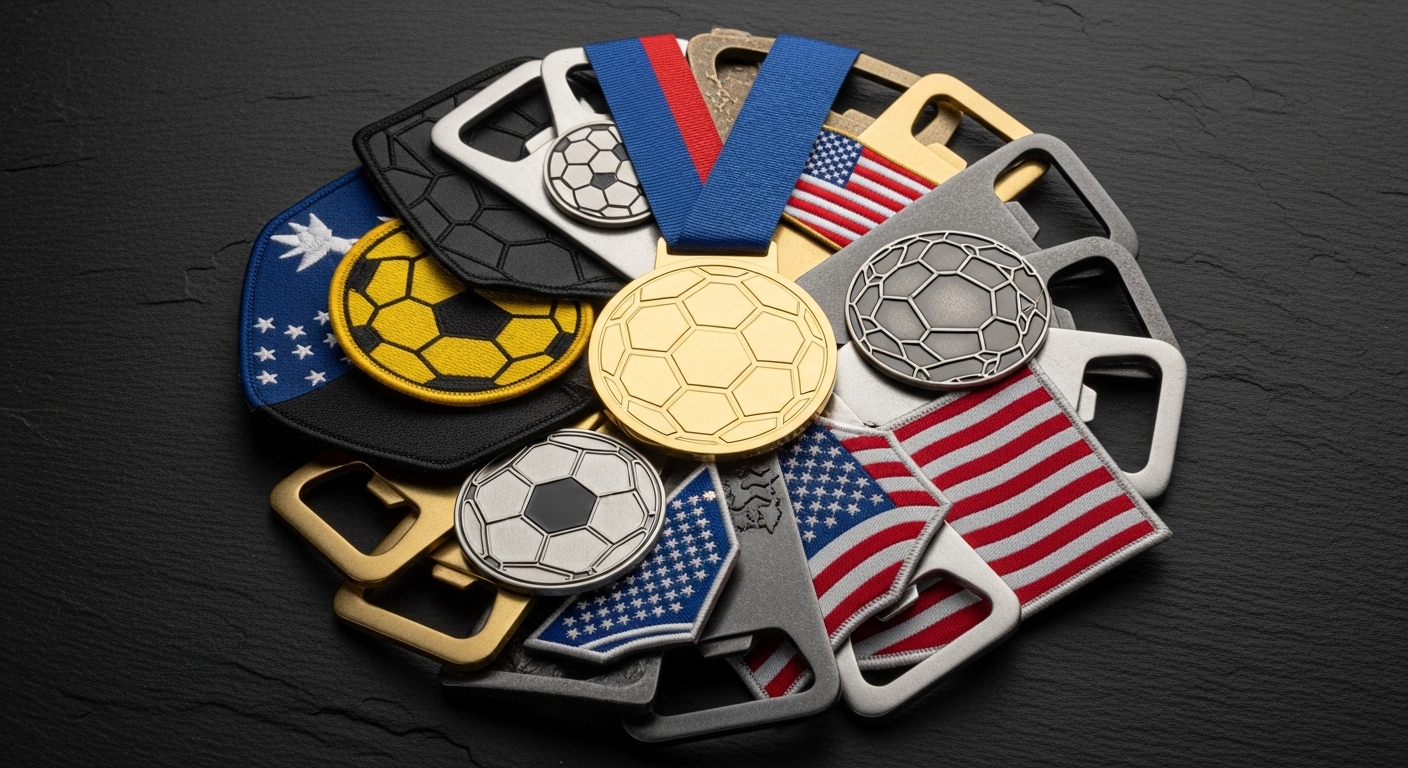
Price is often the first consideration, but it's important to understand what goes into the cost. The per-unit price is influenced by quantity, complexity, material, and finish. However, a critical and sometimes surprising cost is the mold fee (also called tooling or die fee). This one-time charge covers the creation of the steel die that will stamp your design. Think of it as the master record from which every pin is made. This is an essential, non-negotiable part of producing high-quality, custom-shaped items.
For smaller quantities, this mold fee represents a higher cost per piece. That's why bulk orders are more economical—the mold cost is spread across thousands of units. Always ask for a clear breakdown of mold fees versus unit costs. For very small, exclusive runs, we can discuss options, but understanding this fundamental cost is the first step in realistic planning. Remember, the mold is an investment in quality that ensures every single pin in your order is identical and sharp.
Decoding Size and Dimensions
Size impacts everything from visual impact to cost. A larger pin offers more canvas for intricate details but will also cost more in materials. Standard lapel pins are often around 0.75" to 1.25". This size is perfect for wearing on a jacket lapel, lanyard, or hat—visible but not overwhelming. For special commemoratives, you might go up to 1.5" or even 2".
Think about the intended use. A pin for a lanyard at a conference can be smaller. A pin for a collector's display case can be larger and more substantial. The level of detail in your design also matters. If your design includes fine text (like "1776-2026" or your organization's name), you need enough size for that text to be legible. Very small text—under about 4 points—may not reproduce well. Our design team will advise you on the optimal size to balance your design needs, budget, and practical application.
Craftsmanship: The Art Behind the Product
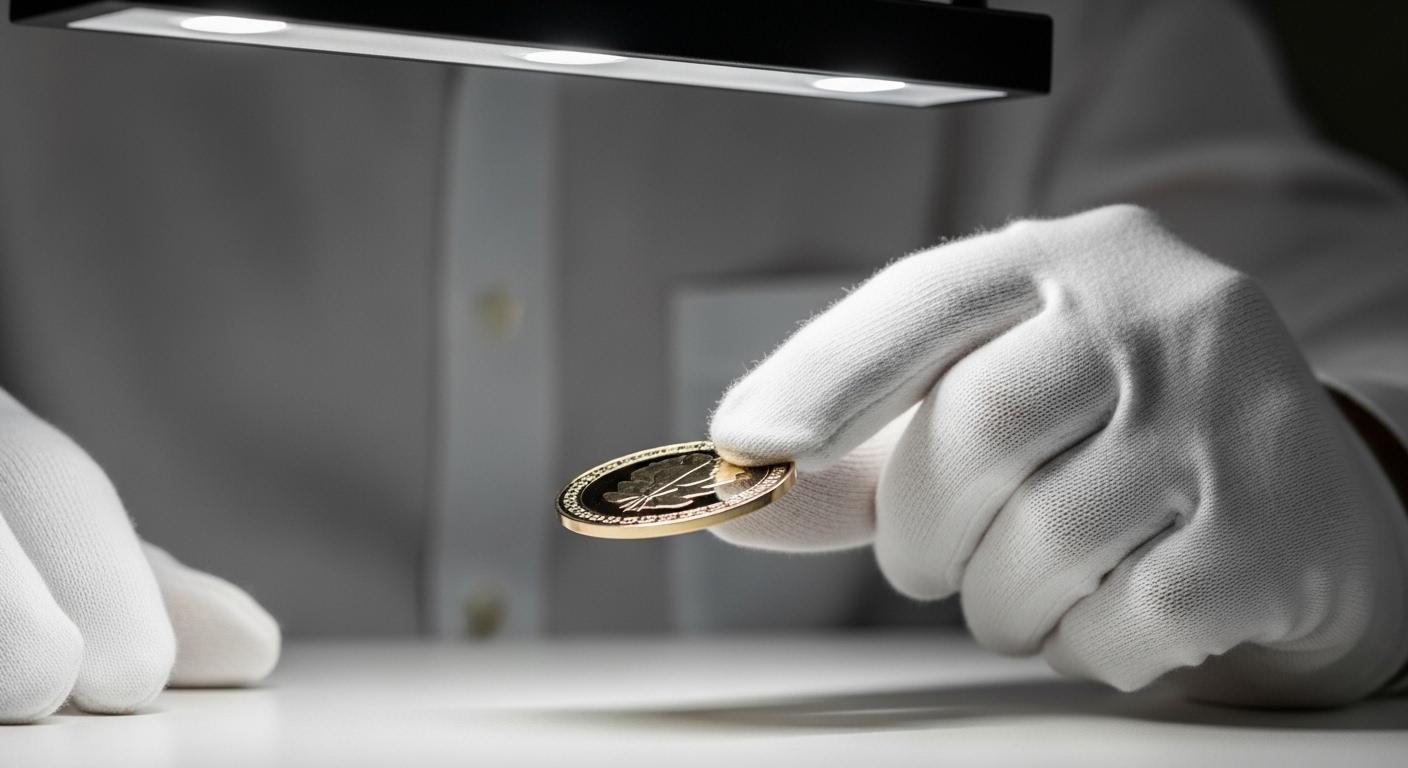
The term "craftsmanship" encompasses the manufacturing techniques that determine your product's final look and feel. As we've discussed, the choice between hard enamel, soft enamel, and printed options dramatically affects the result. But craftsmanship also refers to the quality of execution—the precision of the strike, the consistency of the enamel, the cleanliness of the edges.
At Maxemblem, our artisans take pride in their work. We inspect every piece to ensure the metal lines are crisp, the colors are true, and the finish is flawless. Inferior manufacturing can result in fuzzy details, uneven enamel, or rough edges. Quality craftsmanship ensures your pin feels as good as it looks—a keepsake people will be proud to wear and display.
Design: From Concept to Artwork
Your design is the soul of the project. The best starting point is a clear concept. You don't need a finished digital file—a sketch, a description, or even a collection of reference images is enough to begin. Our design team will work with you to refine your idea, creating digital artwork that's optimized for manufacturing.
Key considerations include line thickness (very fine lines may fill with enamel or break during stamping), text size (ensure legibility), and color separation (clear boundaries between colors). We'll guide you through these nuances, ensuring your final piece looks exactly as you imagined—or better. For clients without any design at all, we can create concepts from scratch based on your brief. A simple conversation about your organization, your event, and your goals is enough to get started.
Note on Minimum Quantities: Because custom products require creating a unique mold, there is typically a minimum order quantity. If your needs are smaller, there may be additional setup costs. Please contact us to discuss your specific volume; we can often find a solution that works for projects of all sizes.
Take Advantage of Maxemblem's Professional Design Team
Here's the truth: most of our clients don't come to us with finished, print-ready artwork. They come with an idea. Maybe it's "We want something for the 250th anniversary with the Liberty Bell and our company logo." Or "We need a pin for the World Cup that fans will love—something with the host city skyline." Sometimes it's even simpler: "We just know we need something special for 2026, and we're not sure where to start."
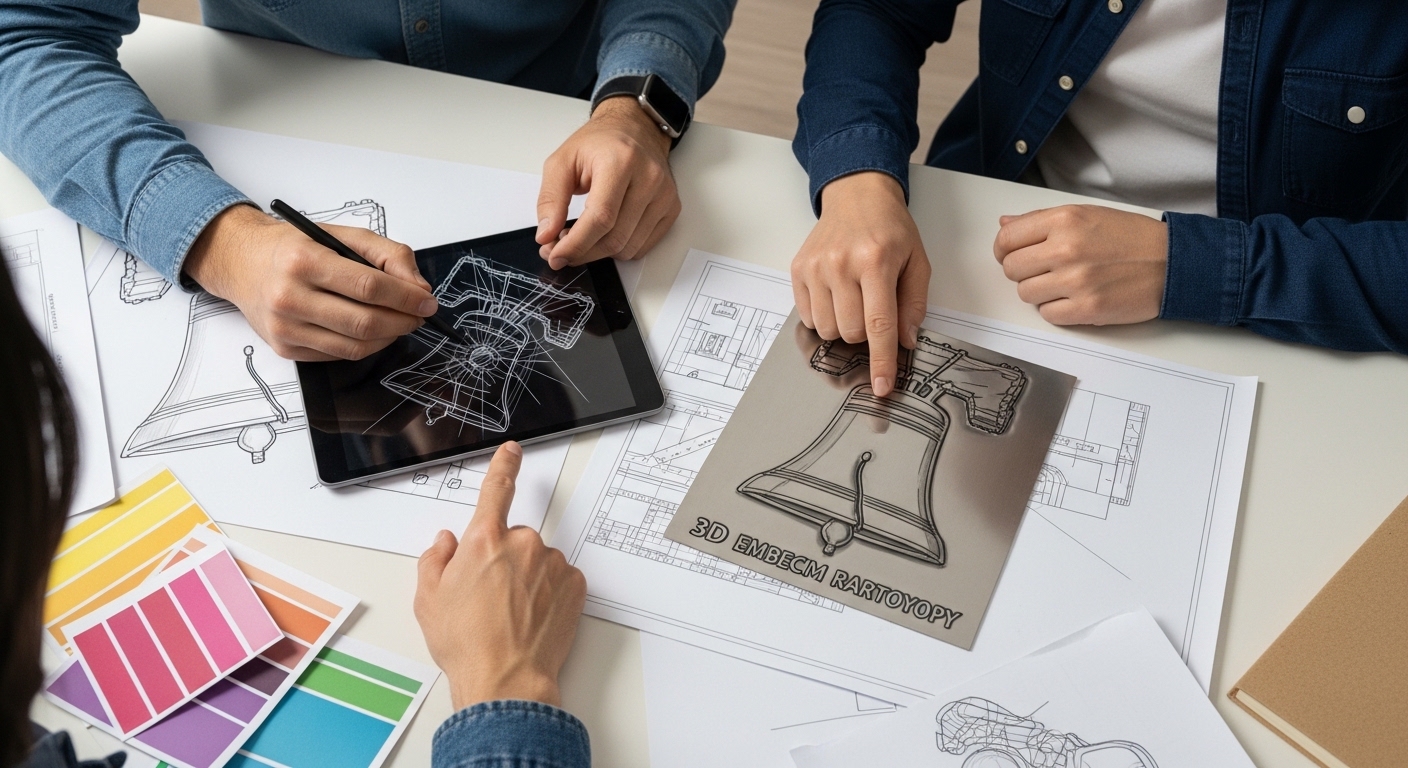
That's where we shine. Maxemblem's in-house design team exists for one reason: to turn your ideas into reality. We don't just take orders; we collaborate. You'll work directly with experienced designers who understand the unique challenges and opportunities of designing for metal. We know that a design that looks great on a screen needs adjustments to look great stamped in brass and filled with enamel. We know which fonts reproduce well at small sizes, which line thicknesses are durable, and how to make colors pop.
The process is simple and risk-free. You share your concept—however rough. We provide initial sketches and discuss possibilities. Once we've aligned on direction, we create a detailed 3D rendering that shows exactly what your finished pin or coin will look like. You approve the design, and we move to production. There's no obligation until you're completely satisfied with the design. This free design service is our way of ensuring every client, regardless of artistic ability, can get the custom commemoratives they need for 2026. You bring the vision; we bring the expertise to make it real.



Soft Enamel vs. Hard Enamel: A Detailed Comparison
Choosing between soft and hard enamel is one of the most important decisions in pin design. To help you decide, here's a side-by-side comparison of the key differences.
Feature |
Soft Enamel |
Hard Enamel |
|---|---|---|
Surface Feel |
Textured, recessed color areas. You can feel the metal lines. |
Perfectly smooth, polished flat. Color and metal are level. |
Durability |
Good, but recessed areas can collect dirt over time. |
Excellent. The smooth surface resists scratching and wear. |
Color Vibrancy |
Bright and vibrant, with a slightly matte finish. |
Rich and glossy, almost like glass. |
Detail Capability |
Excellent for intricate designs with fine lines. |
Best for bold designs with distinct color areas. |
Cost |
More affordable, faster production. |
Higher cost, longer production time. |
Best For |
Event giveaways, detailed mascots, vibrant colors. |
Premium awards, corporate gifts, collector's items. |
Production Timelines for Your Custom 2026 Pins
Once your design is finalized, understanding production timelines helps you plan your campaign. Below are our standard timelines for pin production. Note that design consultation and sampling add time before production begins, so start early!
Shipping Method |
Product Type |
Production Time (Business Days) |
Shipping Time (Business Days) |
|---|---|---|---|
Priority Shipping |
Pin |
8 |
3 |
Express Shipping |
Pin |
15 |
3 |
Standard Shipping |
Pin |
15 |
9 |
*Times are estimates from approved artwork. Design consultation and sampling add time before production begins.
Have an Idea? Let's Bring It to Life.
You bring the concept—we'll handle the rest. Free professional design, expert guidance, and custom commemoratives worthy of your 2026 event.
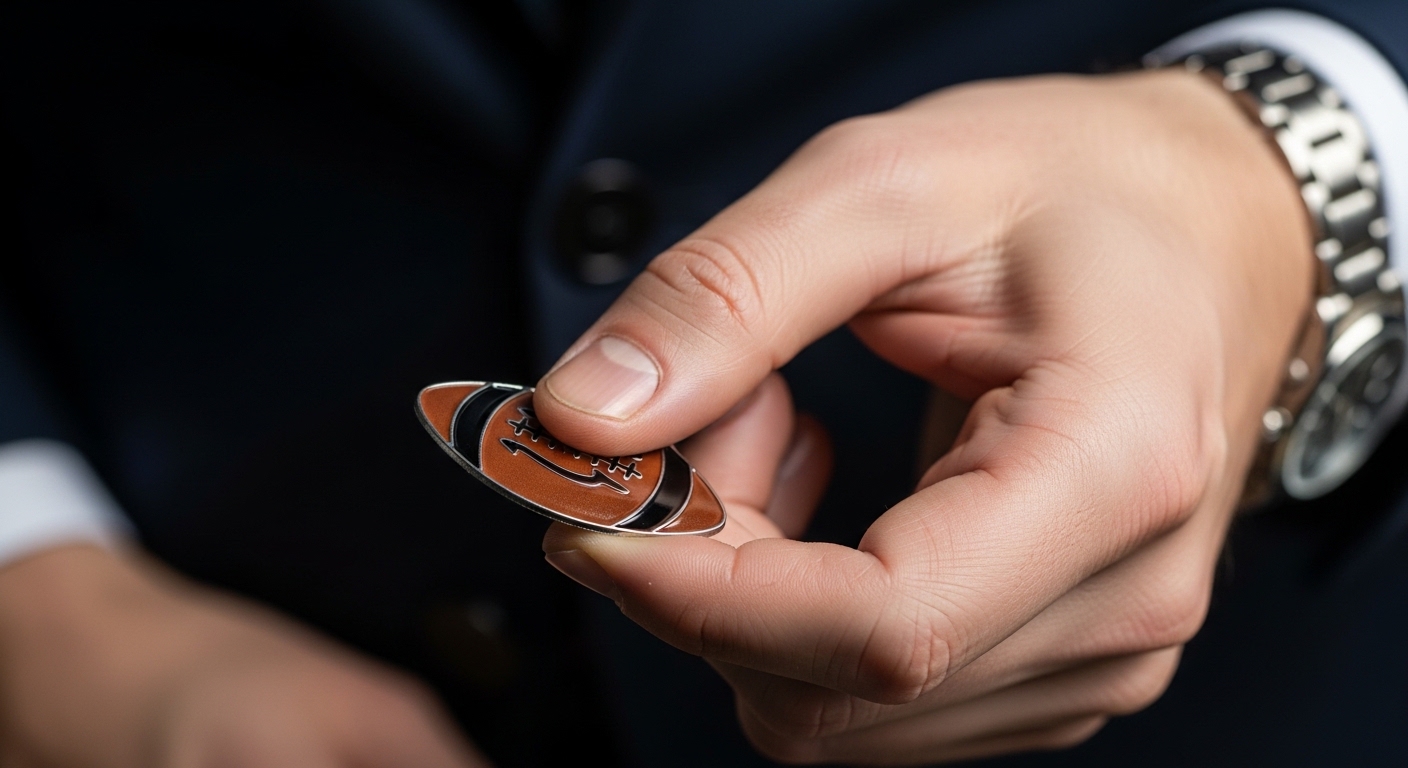
No problem at all! That's what our free design service is for. Just tell us about your organization, your event, and what you want to communicate. Share any inspiration images if you have them. Our designers will create concepts for you to review and refine. You're never obligated to proceed until you love the design.
Our design team will guide you. We'll review your artwork and suggest adjustments for optimal reproduction. Generally, we recommend bold lines, clear color separation, and text large enough to be legible at the final pin size. Very fine details or tiny text may not translate well. We'll show you what works and what doesn't before you commit.
Soft enamel has a textured surface where the color sits below the metal lines—you can feel the texture. It's vibrant, affordable, and great for detailed designs. Hard enamel is polished smooth, creating a glass-like surface that's extremely durable and glossy. It's more premium and expensive. The table above provides a full comparison to help you decide.
Yes, absolutely. For clients with strict brand color requirements, we can match Pantone colors in both soft and hard enamel. Provide your Pantone numbers, and we'll ensure your pins match your brand guidelines. For printed/offset pins, color matching is even more precise. Contact us to discuss your color requirements.