Sign in
Create Your Account
Create My Account
Sign In
Create Your Account
Discover custom rubber (PVC) & screen-printed patches—waterproof, 3D, high-detail. Perfect for outdoor gear, jackets & branding.

In the world of custom branding and personal expression, few items are as versatile and impactful as patches. Whether you're looking to create a bold statement on a jacket back, add a professional touch to a uniform, or craft a unique collectible, understanding the different types of patches is key. This comprehensive guide delves deep into the world of custom rubber patches and screen-printed cloth patches. We'll explore their unique advantages, ideal applications, and the step-by-step process to bring your vision to life, helping you choose the perfect medium for your next project.
Why Choose Rubber (PVC) or Screen-Printed Patches?
Selecting the right patch type goes beyond aesthetics; it's about matching material properties to functional needs. Rubber and screen-printed patches serve distinct purposes, each excelling in different environments. For instance, a promotional patch for an outdoor event demands different qualities than a highly detailed artwork for a collector's jacket. Understanding these core benefits is the first step in making an informed decision that ensures your patches look great and stand the test of time.

Three Core Advantages of Custom Rubber (PVC) Patches
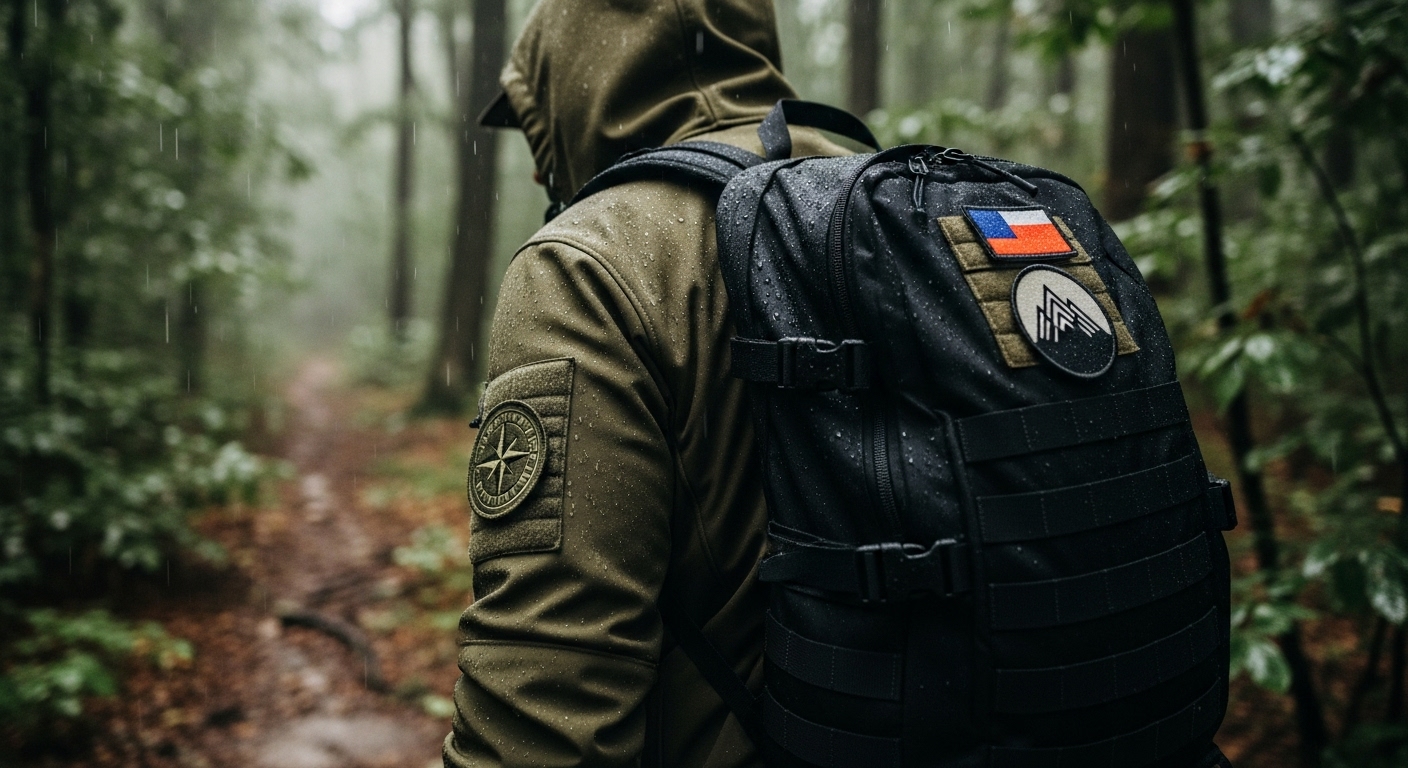
1. Exceptional Durability and Full Waterproofing: Unlike embroidered or printed fabric patches, rubber patches are molded from PVC or TPU, creating a single, solid piece with no fibers to fray or absorb moisture. This makes them completely waterproof, resistant to oils, and able to withstand harsh cleaning chemicals. They are the undisputed champion for outdoor gear, tactical equipment, and custom rubber morale patches for military, law enforcement, or outdoor enthusiast groups that face tough conditions[citation:2].
2. Vibrant 3D Visual Effects: The molding process allows for striking three-dimensional effects that are difficult to achieve with other methods. Design elements can be raised to different heights, creating deep recesses and pronounced textures. This tactile, high-relief quality gives custom rubber patches for clothing a premium, substantial feel that commands attention.
3. Color Fastness and Easy Maintenance: The colors in PVC patches are integrated throughout the material or sealed under a protective layer. They resist fading from UV exposure and will not run or bleed when washed. A simple wipe with a damp cloth is often all that's needed to clean them, maintaining their like-new appearance through years of heavy use.
The Unique Value of Screen-Printed (Silk Screen) Patches
Where rubber patches excel in texture and endurance, screen-printed patches dominate in visual detail and artistic freedom. The custom silk screen patches process involves pushing ink through a fine mesh screen onto a fabric base, typically twill or felt.
Design Comparison: Rubber vs. Printed vs. TPU – Your Selection Guide
With several high-quality options available, choosing between them can be nuanced. The decision often hinges on the patch's intended use, desired look, and feel. Below is a clear comparison to help you navigate the choice between PVC, the more flexible TPU, and traditional screen-printed patches.
Patch Type |
Material & Feel |
Best For |
Key Considerations |
|---|---|---|---|
PVC Rubber Patch |
Solid, slightly rigid PVC. Has a substantial, durable weight and a smooth or textured rubberized finish. |
Outdoor gear, tactical uniforms, hats, bags, and custom rubber morale patches where extreme durability is needed. |
Excellent color depth and 3D effect. Can be less flexible on very soft fabrics. Ideal for bold logos and emblems. |
TPU/Flex Patch |
Thermoplastic Polyurethane. Softer, more pliable, and thinner than PVC, with a smooth, often slightly glossy finish. |
Activewear, performance jackets, sportswear, and fashion applications where flexibility and a lightweight feel are crucial. |
Offers a modern, sleek look. Retains good water resistance and is less prone to cracking in cold temperatures than PVC. |
Screen-Printed Patch |
Ink printed on fabric (twill, felt). Flat, textured fabric feel. Can have a raised "puff" effect with special ink. |
Detailed artwork, custom screen printed back patches, brand logos with gradients, and projects requiring a traditional fabric look. |
Unmatched for detail and color variety. Durability depends on fabric and ink quality. May not be fully waterproof. |
Printed vs. Embroidered Patches: Defining the Best Craft
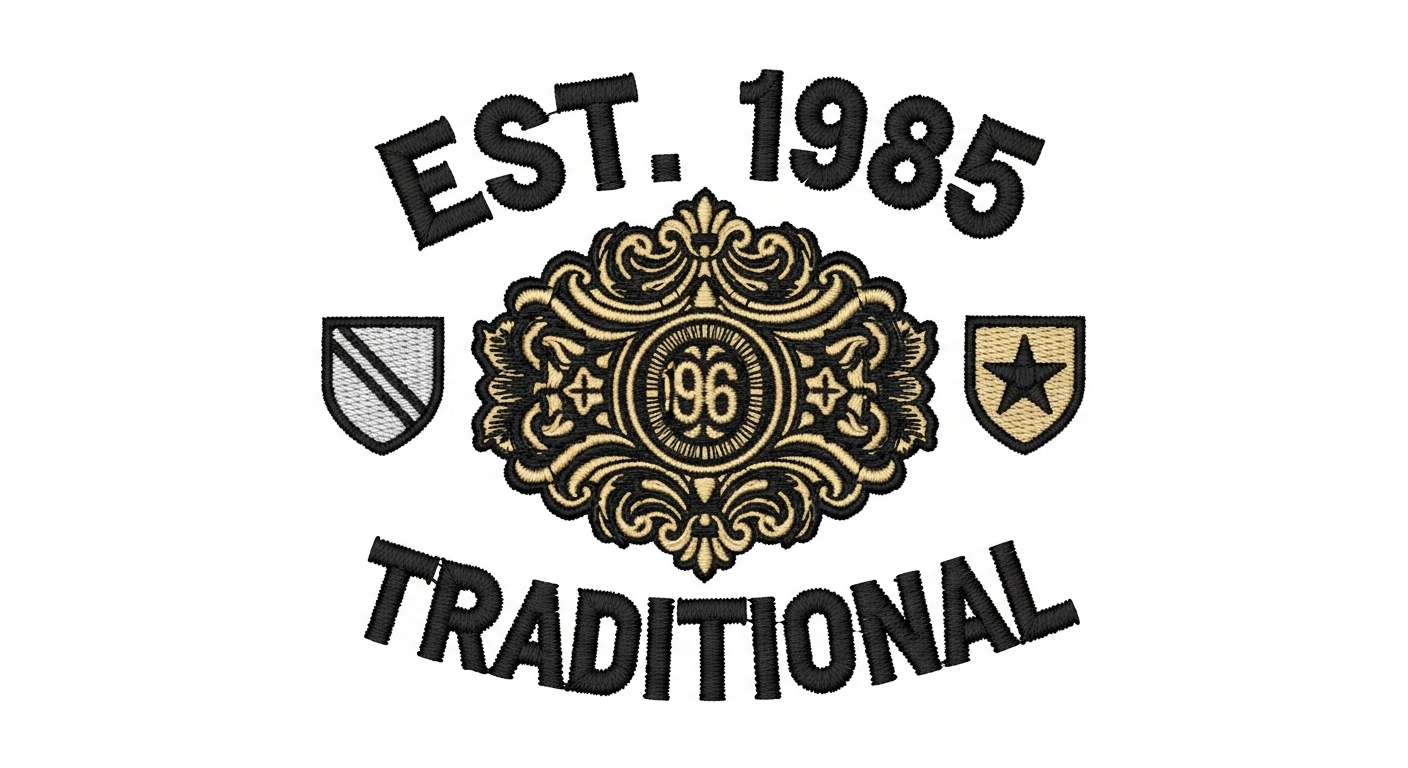
It's also useful to understand where printed patches stand versus the classic embroidered patch. The rule of thumb is clear:Avoid using a printed patch to mimic the distinct textured, raised feel of embroidery. Conversely, ensure printing is your chosen method when your goal is photographic detail, subtle shading, or large areas of smooth color.
The Customization Process and Professional Details: From Design to Attachment
Turning your concept into a tangible patch is a straightforward journey with a reliable manufacturer. Knowing what to expect at each stage—from initial design rules to final attachment options—empowers you to create the perfect product.
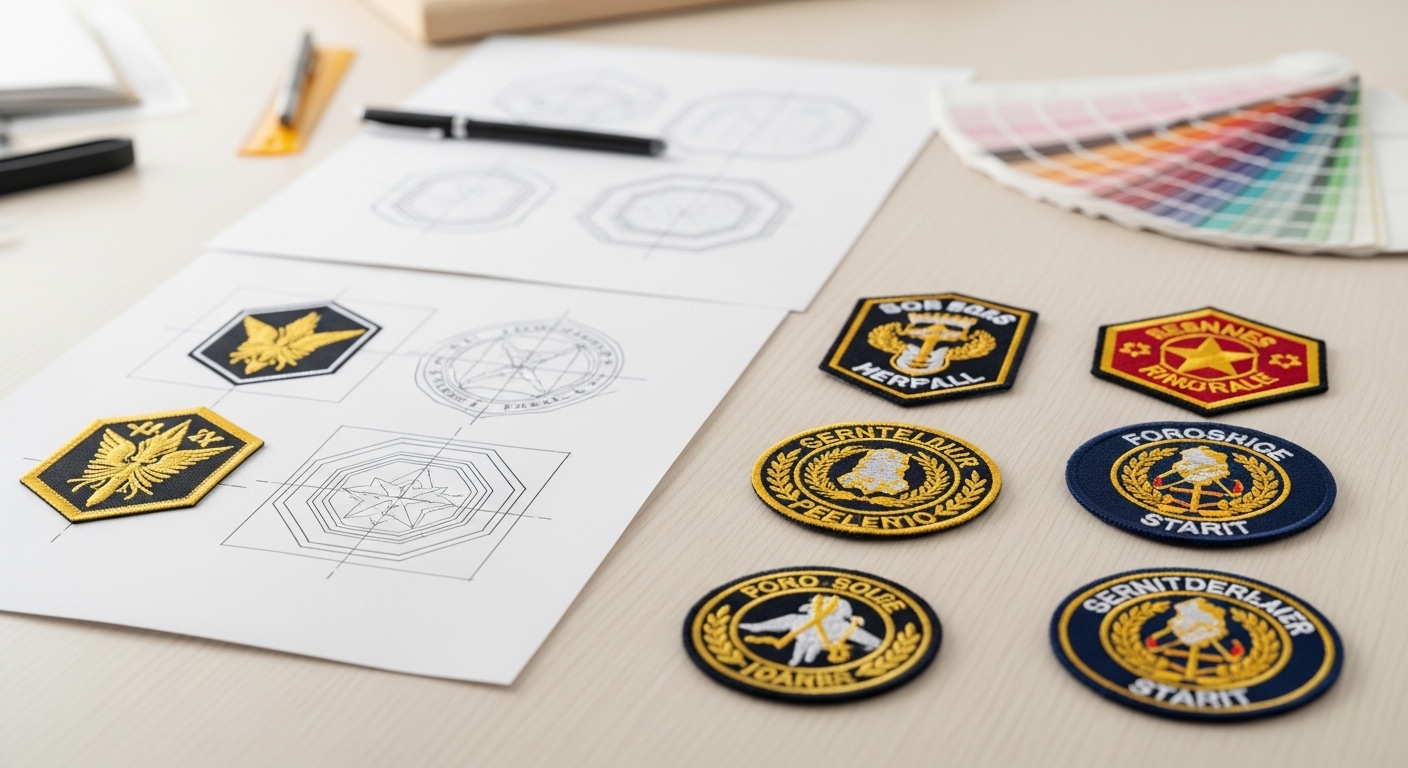
5 Essential Design Tips for Custom Rubber Patches
Ensuring a Quality Product: What to Look for in a Supplier
The manufacturer you choose directly impacts the quality, reliability, and ease of your project. Beyond just comparing prices, consider their expertise and process. A supplier with deep experience in both rubber molding and screen printing can provide invaluable guidance on which process truly best serves your design.
Look for partners who offer comprehensive services: free digital proofs to visualize your patch before production, clear communication about timelines, and rigorous quality control checks. A professional manufacturer manages the entire supply chain, ensuring that from material sourcing to final packaging, every step meets a high standard. This end-to-end oversight is what transforms a simple order into a custom made product you can be proud of.


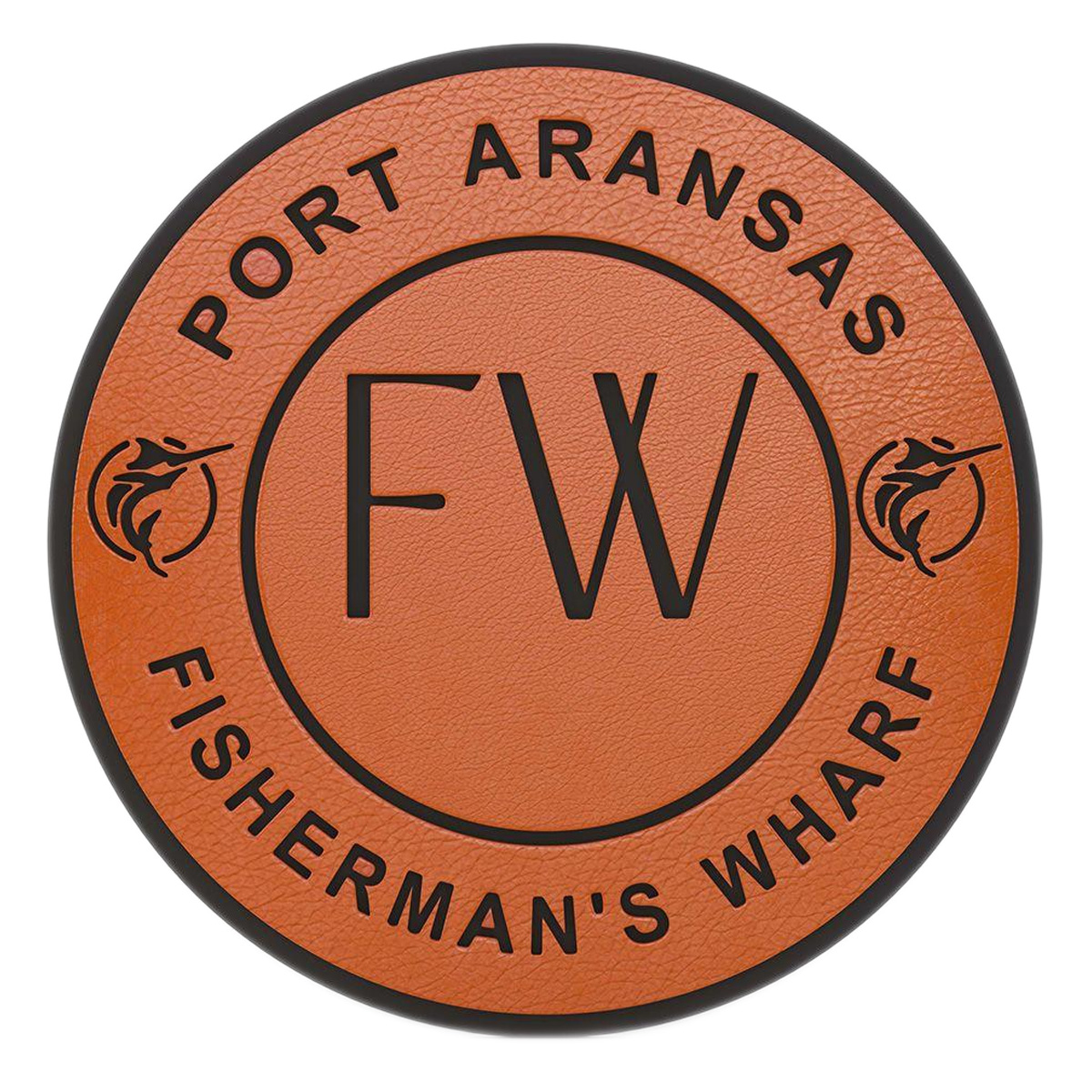
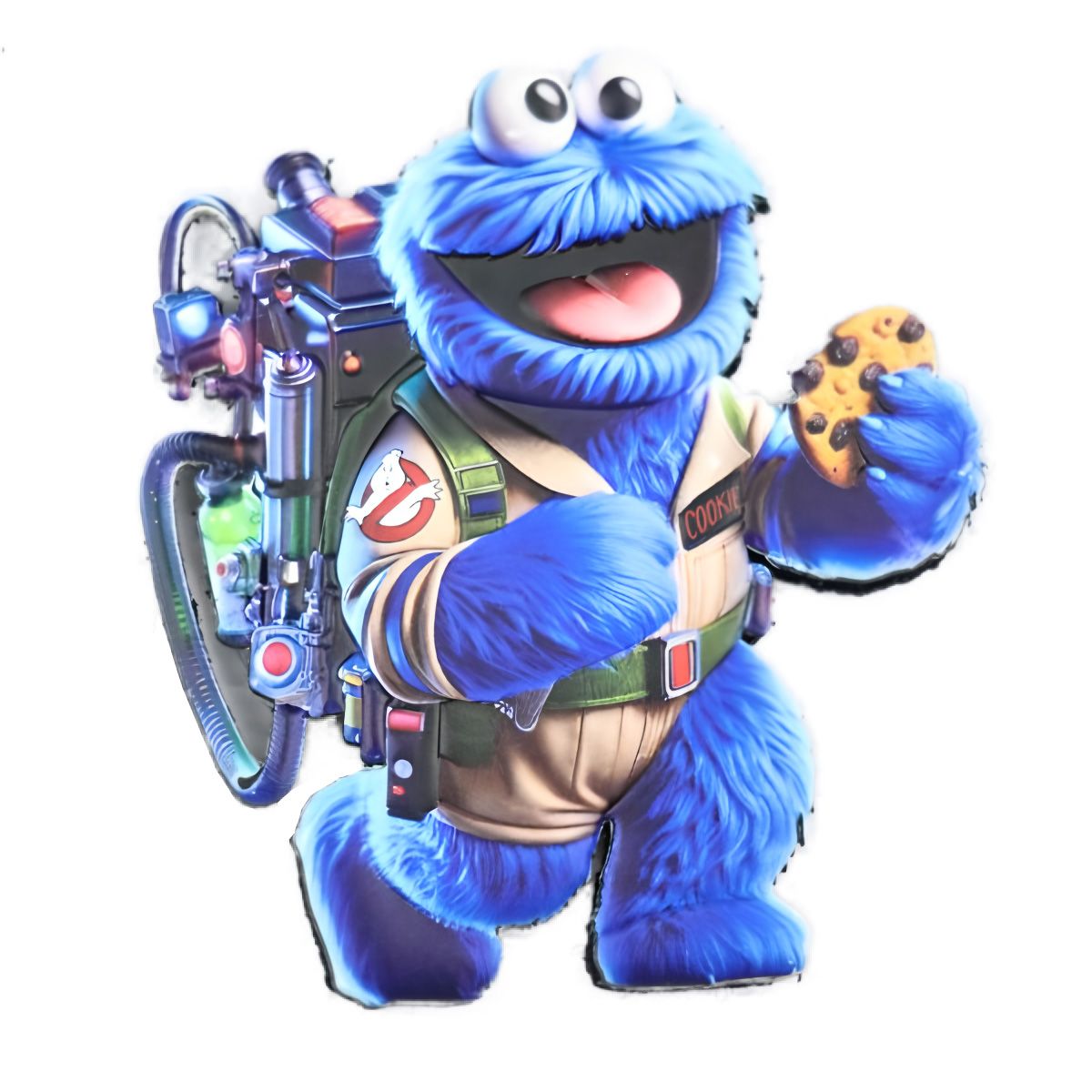
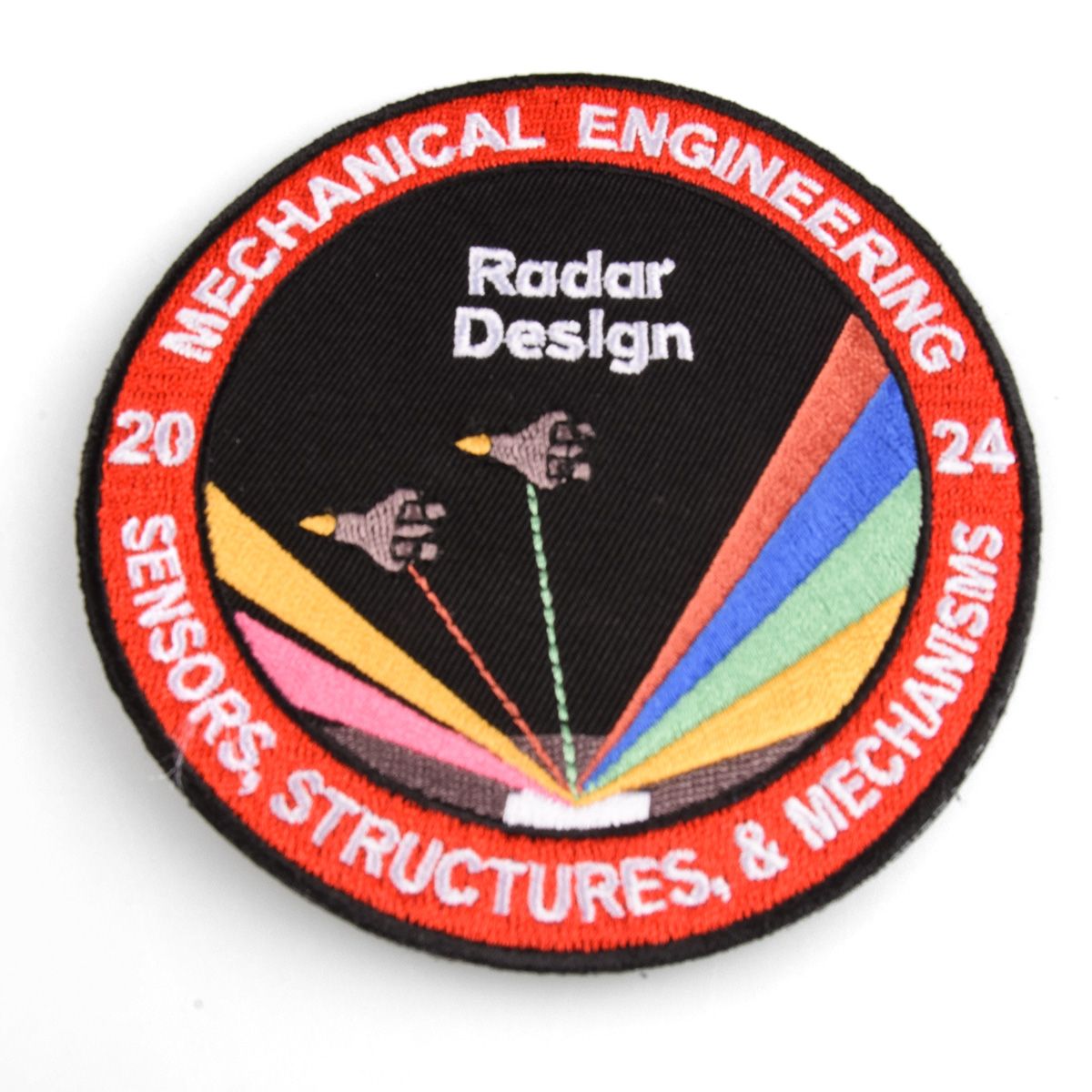
Expand Your Custom Collection: Other Popular Patch and Accessory Types
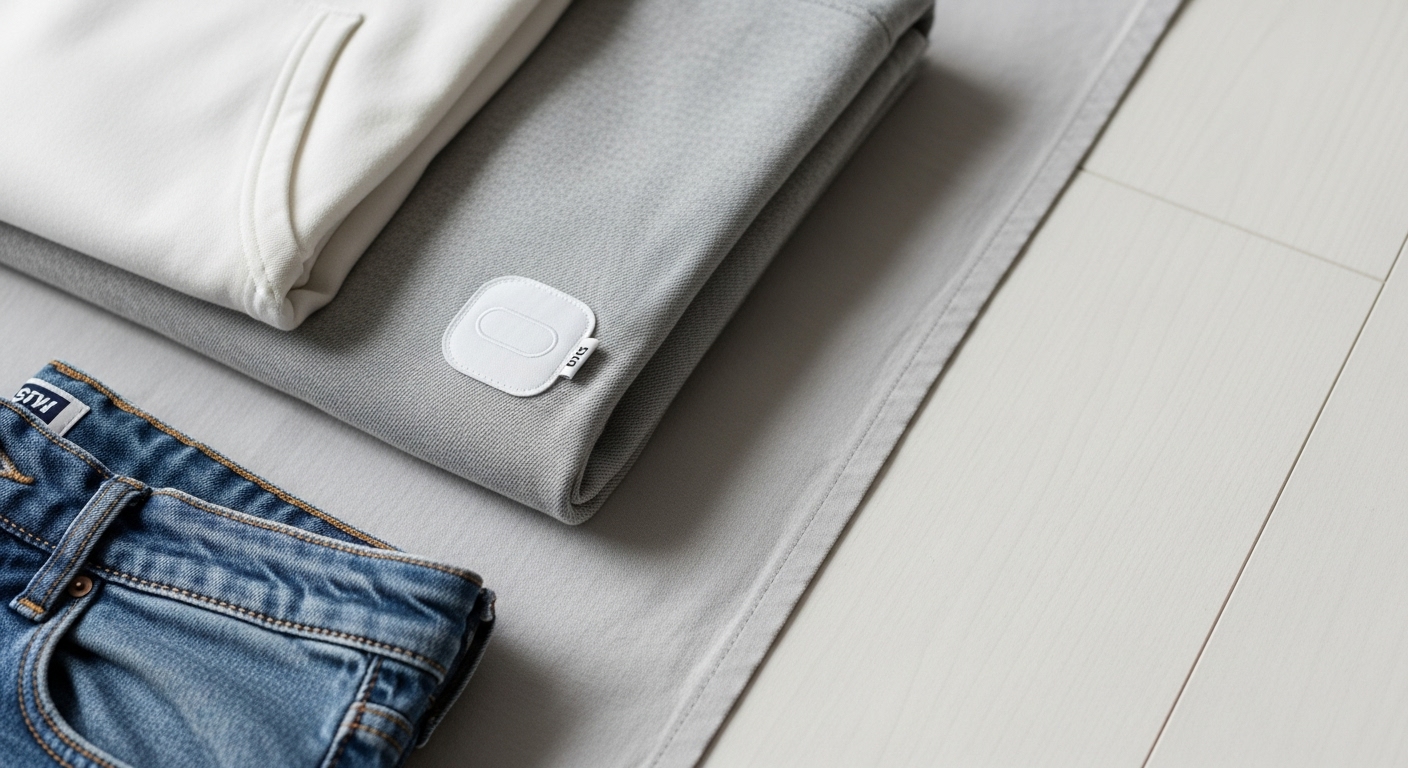
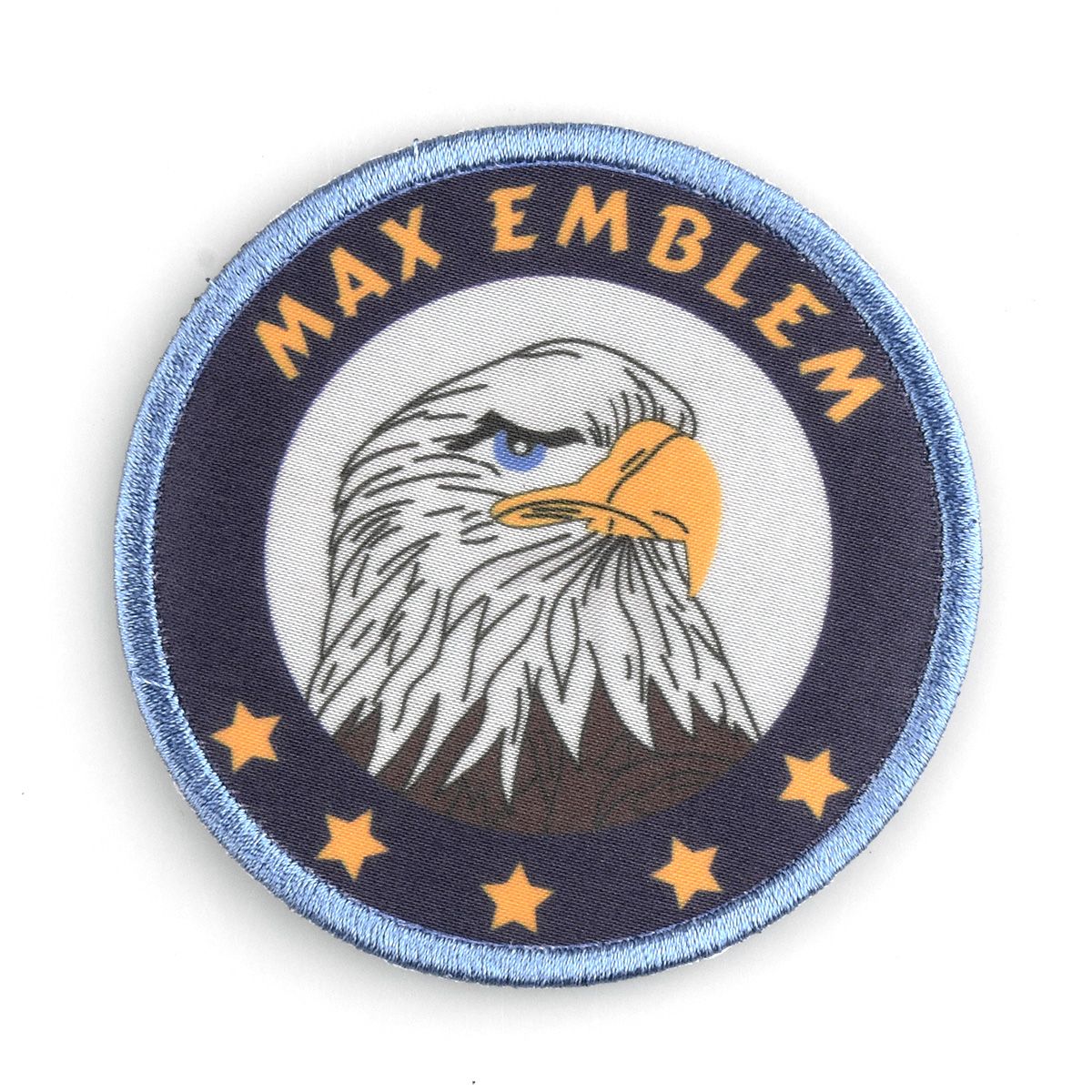
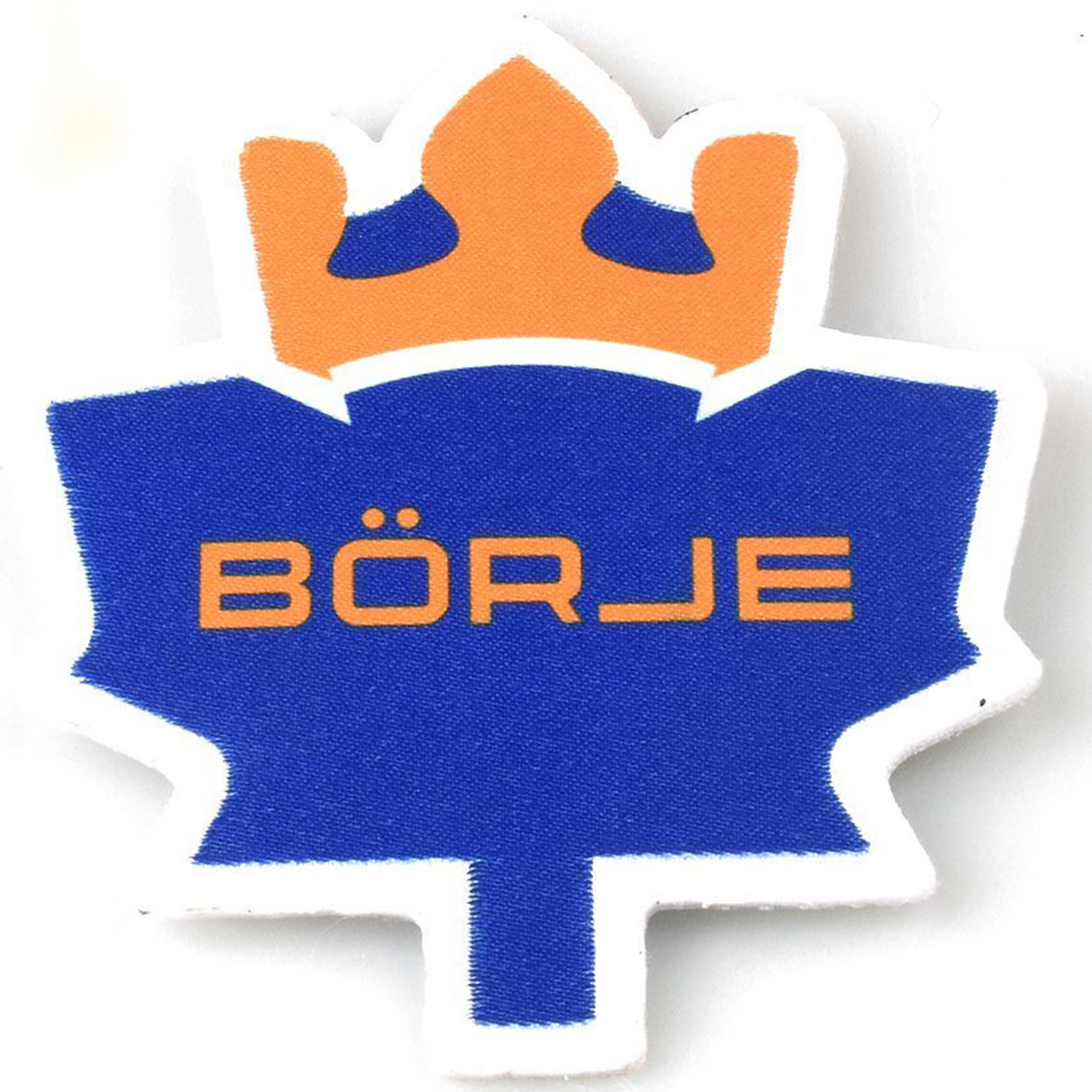
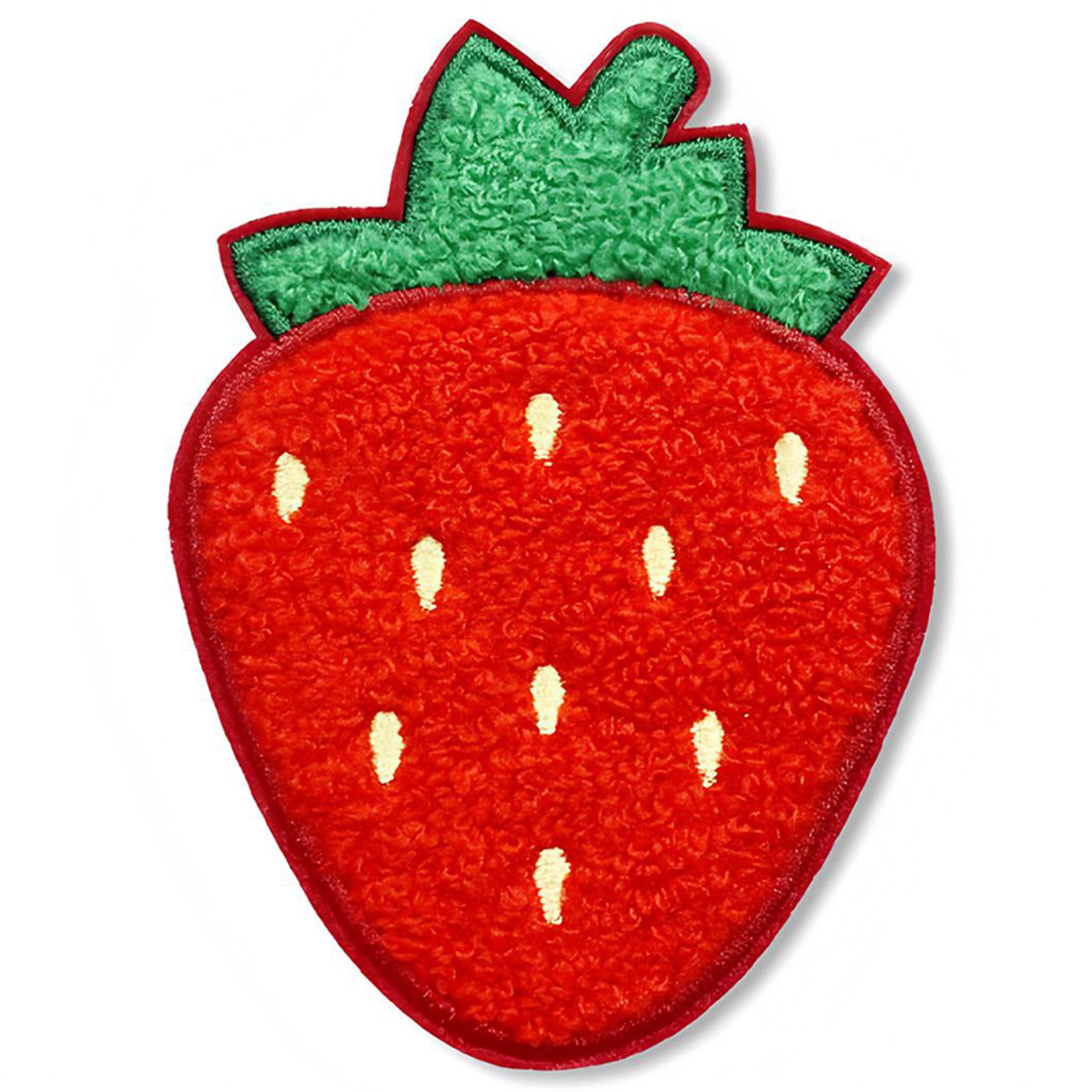
Your branding or creative project might benefit from a cohesive set of items. Exploring complementary custom products can create a powerful and versatile merchandise line.
Ready to Create Your Unique, Durable Custom Patches?
Whether you're an event planner, brand manager, or creative individual, the journey to a perfect patch starts with a conversation. With two decades of experience, we guide you through material selection, design optimization, and production to ensure your vision becomes a reality.
Frequently Asked Questions
What is the typical production time for custom rubber or printed patches?
After final design approval, standard production for custom patches typically takes 12-18 working days, plus shipping time to your location. Rush services are often available to meet tighter deadlines for urgent projects.
How do I decide between PVC rubber and a TPU/flex patch?
Can you work with my rough sketch or idea to create a design?
Absolutely. A key service offered by professional manufacturers is design assistance. You can provide a sketch, concept, or description, and their design team will create a production-ready digital proof for your approval, often at no extra cost.