Sign in
Create Your Account
Create My Account
Sign In
Create Your Account
Create low-risk, high-quality custom PVC patches (no minimums). Learn Velcro backings, materials & real-world uses for teams, brands & personal projects.
If you want professional‑grade patches for your team, brand, or personal project but hate being forced into ordering hundreds of pieces, you are exactly the kind of customer that custom pvc patches no minimum order were made for. Being able to get high‑quality PVC patches in the exact quantity you need—starting from just one piece—opens the door to low‑risk testing, small runs, and highly personalized gear.
This guide walks you through everything that actually matters when you order custom PVC patches: how PVC compares to rubber and vinyl, when to choose Velcro versus other backings, what “no MOQ” really means for your cost, and how to design patches that both look good and hold up in real‑world use.

What Are Custom PVC Patches and Why No Minimum Matters
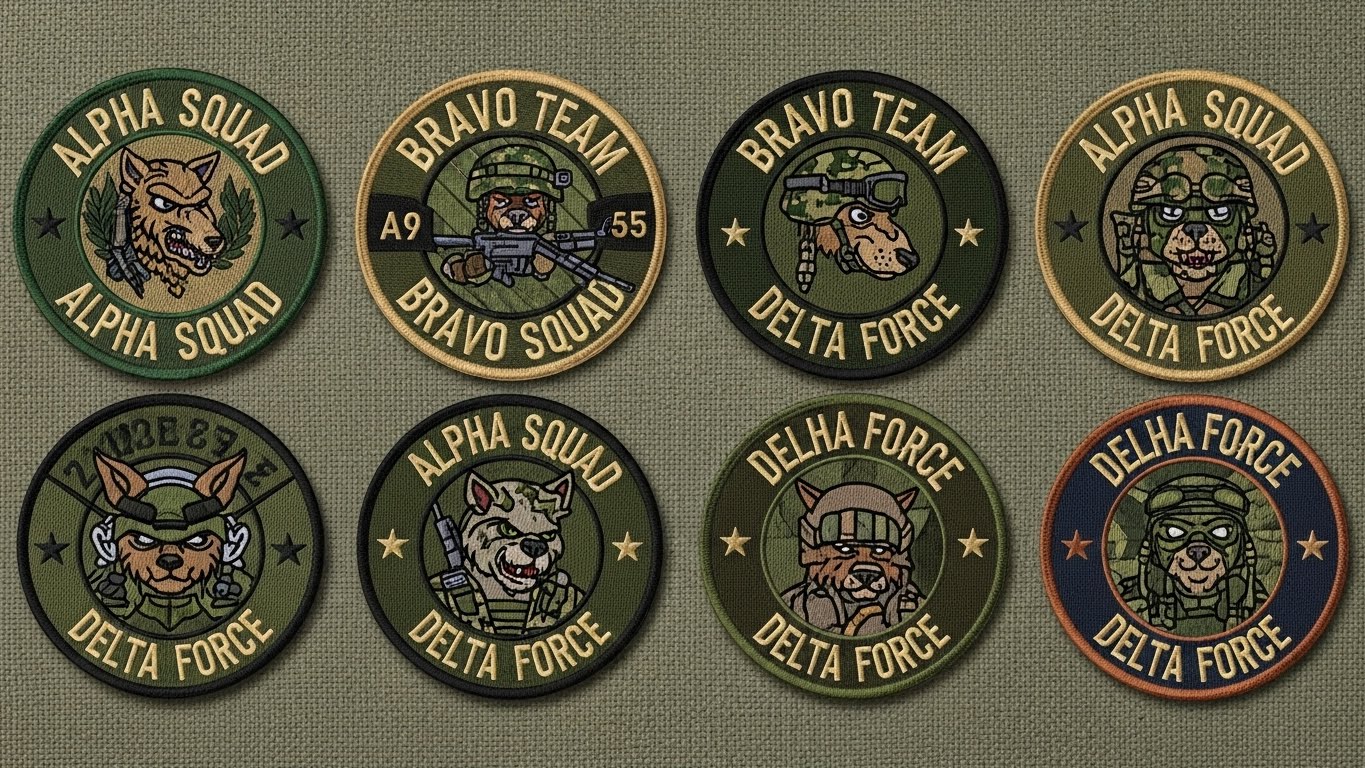
Custom PVC patches are made from polyvinyl chloride, a flexible, rubber‑like material that is waterproof, color‑stable, and resistant to cracking. Unlike traditional embroidered patches, PVC options have a smooth or textured molded surface and can be produced with bold 2D or 3D details that stay sharp even on small designs.
With custom pvc patches no minimum order, you are not locked into large quantities. The no‑MOQ model means you can order exactly the quantity you want instead of being forced into 50, 100, or 500 units. That makes it realistic to create a single prototype, a short run for a small team, or limited editions for special events without sitting on expensive leftover stock.
The Real Advantages of No‑MOQ Custom PVC Patches
Backing Options: Velcro, Sew‑On and More
How your patch attaches is just as important as how it looks. Different backings change how flexible, removable, and durable the patch will be on real gear.
Velcro Backing for Modular Use
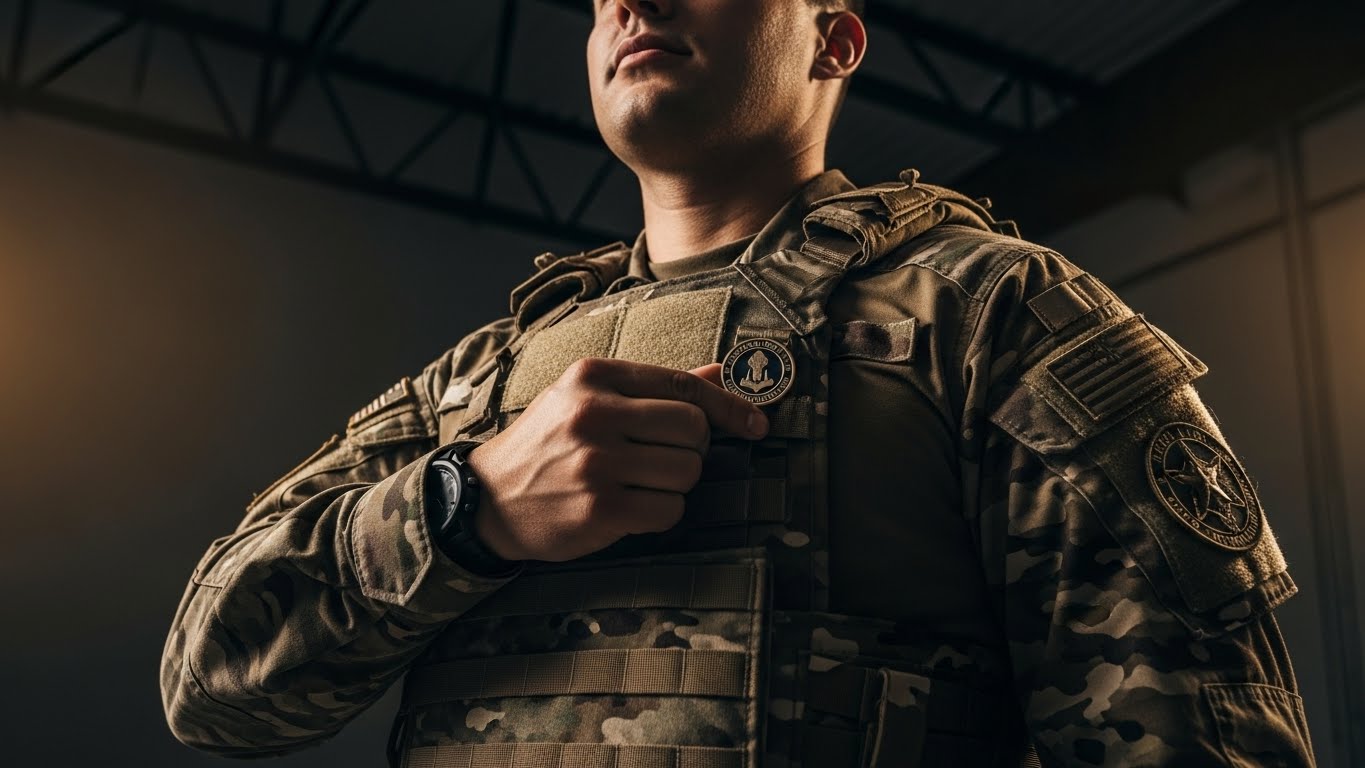
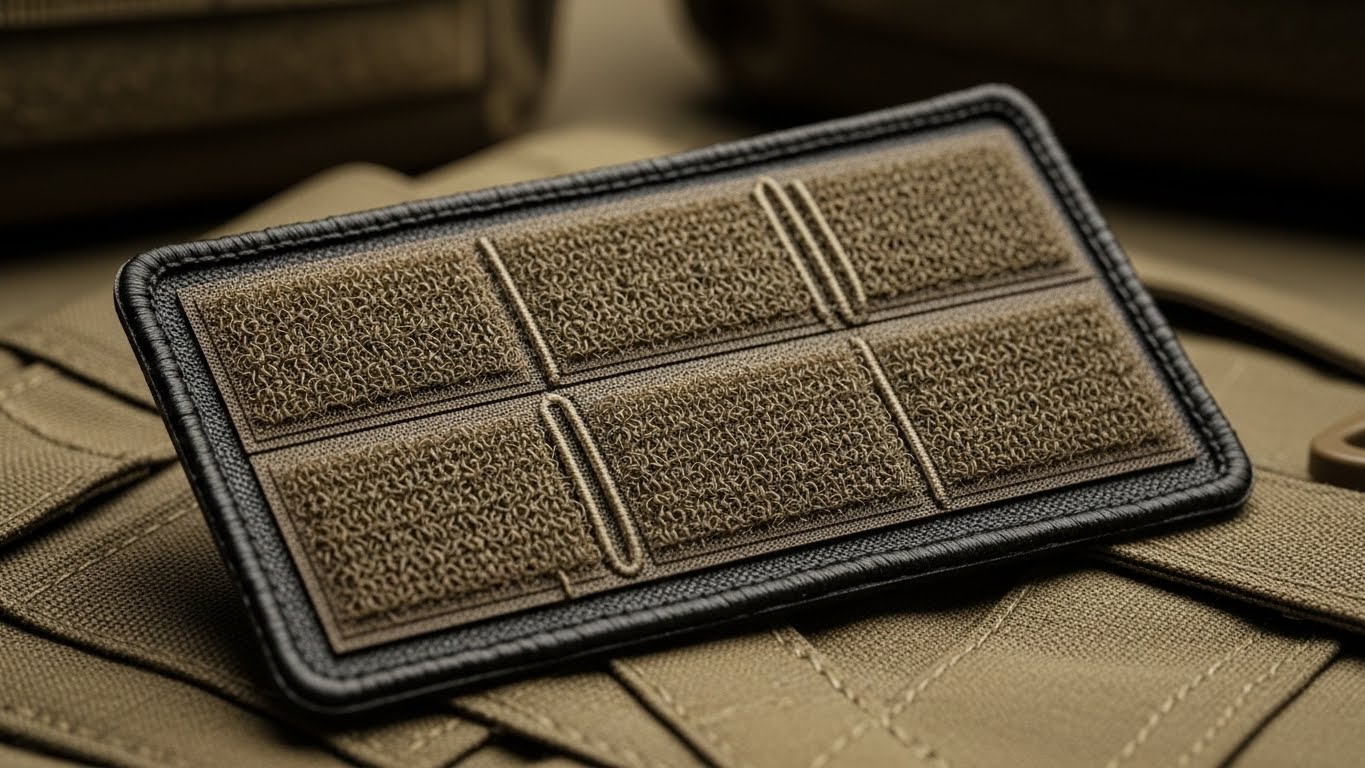
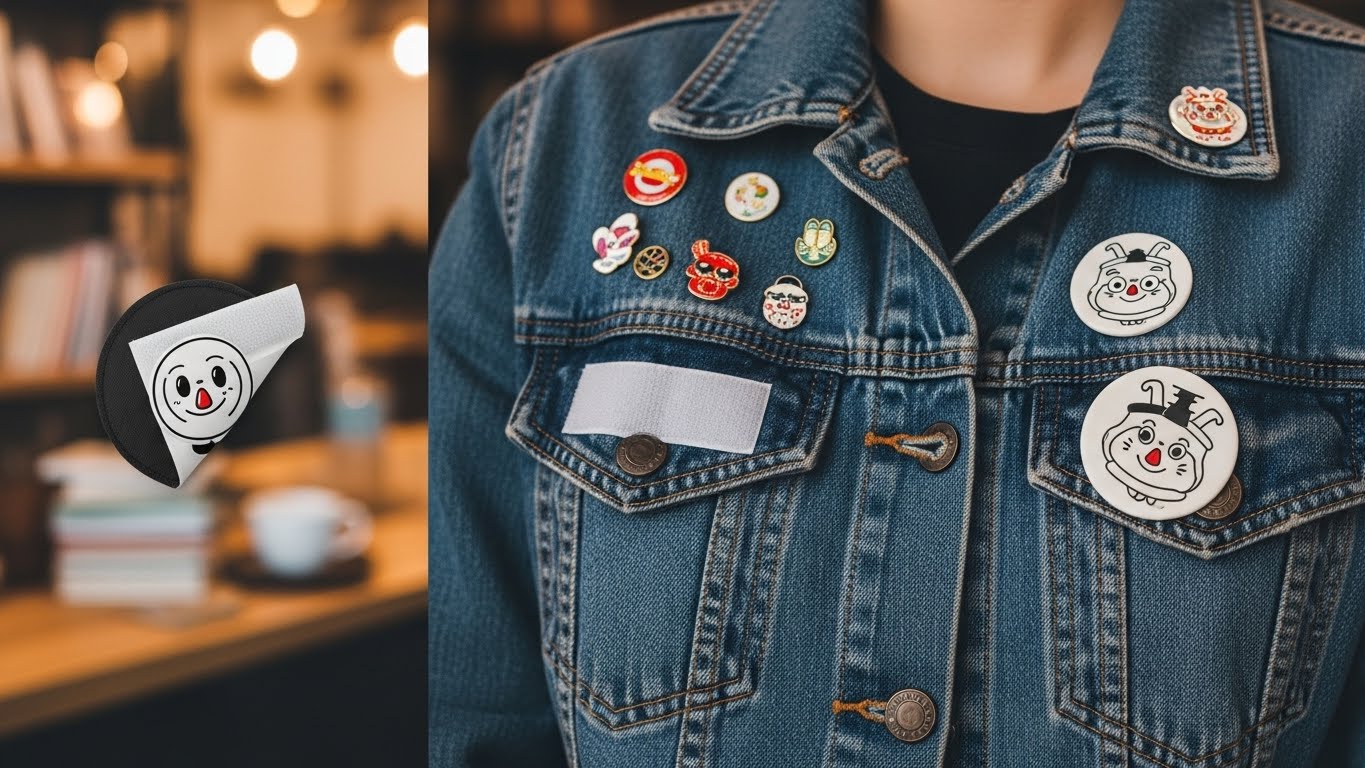
Hook‑and‑loop (Velcro‑style) backing is the standard choice for tactical gear, uniforms with patch areas, and anything that needs to be swapped or removed quickly. When you need removable emblems for tactical or work gear, custom pvc velcro patches no minimum let you test designs in small quantities and still enjoy the convenience of quick on‑and‑off attachment.
Other Common Backing Types
Material Choices: PVC, Rubber and Vinyl Compared
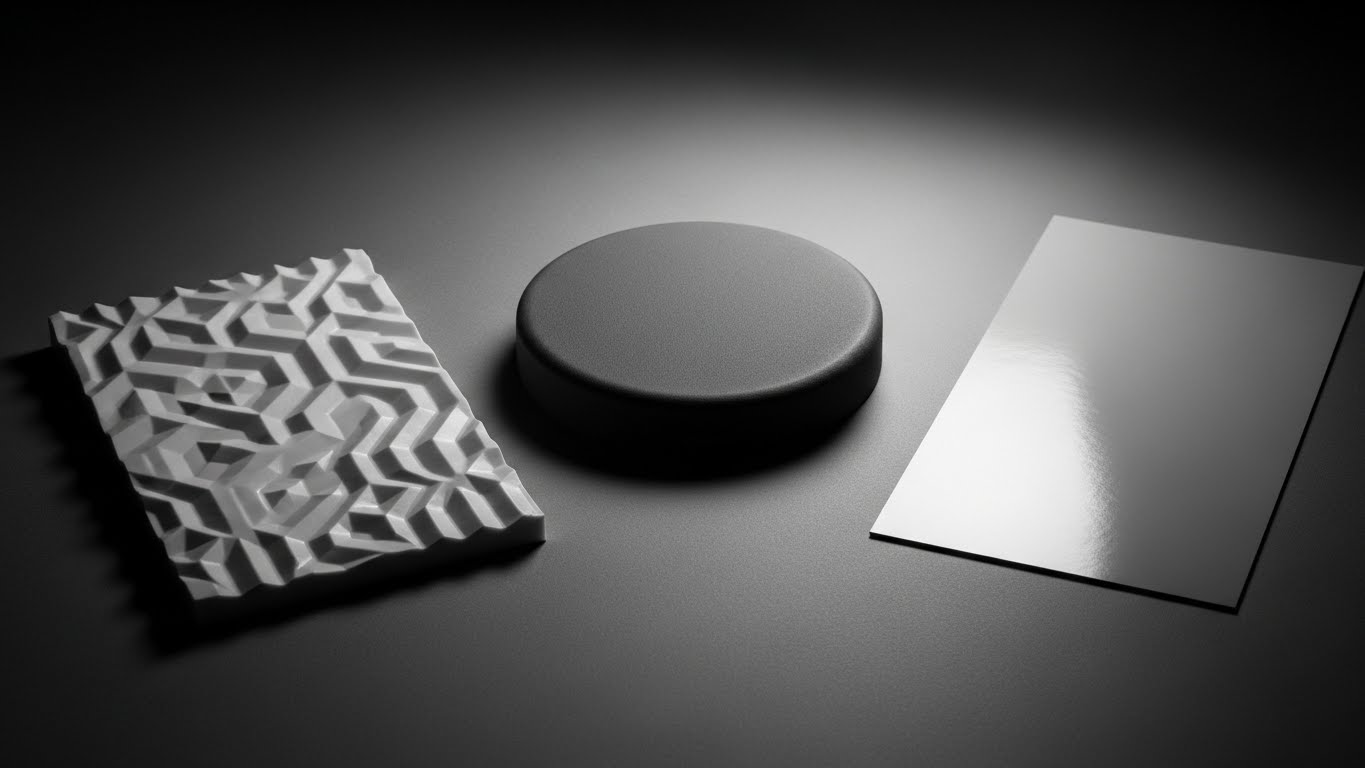
“PVC patch” is often used loosely, but you will also see rubber and vinyl options in the same category. The material you choose affects thickness, feel, durability, and price, especially if you are testing ideas with custom rubber patches no minimum or custom vinyl patches no minimum before scaling up.
Key Differences Between PVC, Rubber and Vinyl
For most applications where durability and weather resistance are priorities, PVC is the default choice. Rubber‑style and vinyl options can make sense when you are targeting a specific look, feel, or price point, especially for small test runs using custom rubber patches no minimum or custom vinyl patches no minimum to compare finishes.
Designing Your Custom PVC Patch: From Idea to Proof
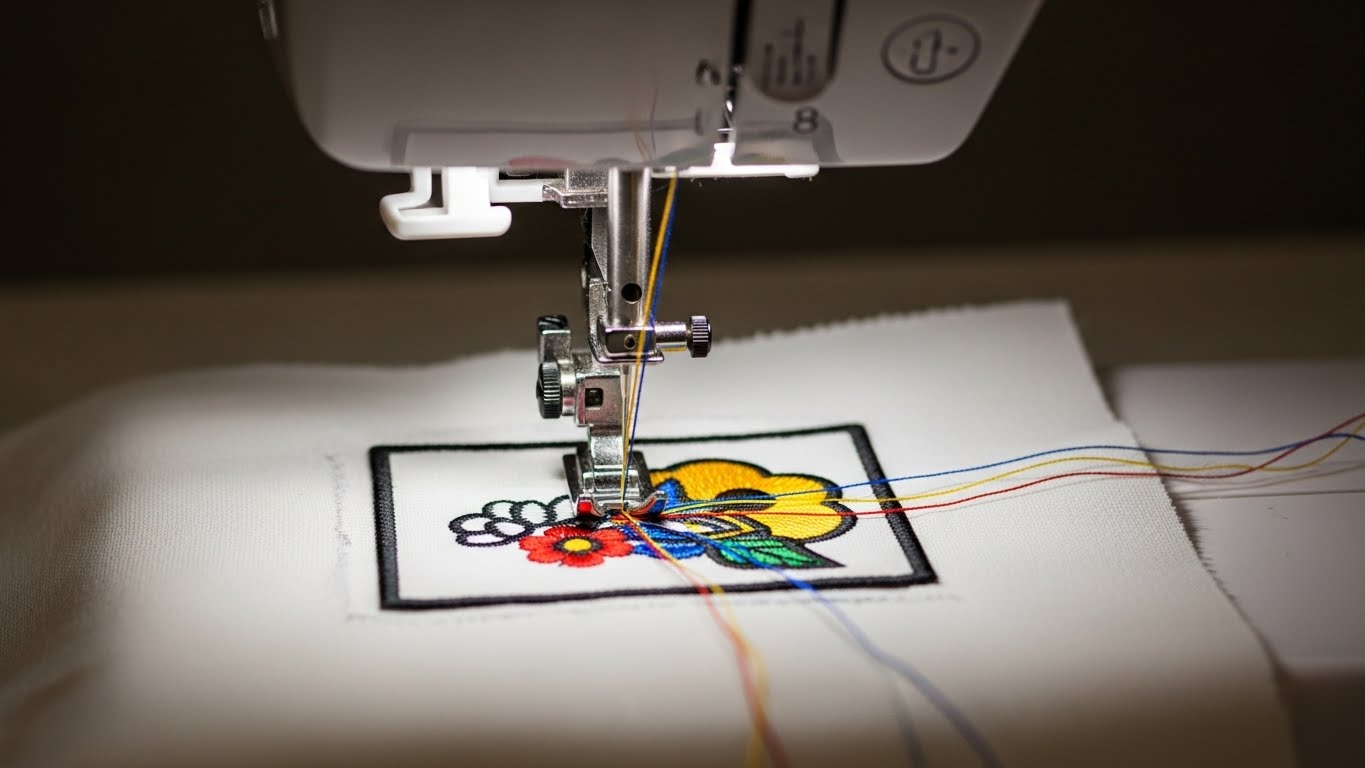
The design process is straightforward when you break it into a few decisions. A good manufacturer will guide you through each step and provide a digital proof before anything goes into production.
1. Clarify Purpose and Placement
Start by answering two questions:
what is the patch for, and where will it be worn? A small logo for a hat needs a different size and thickness than a large back patch on a jacket or a morale patch on a plate carrier. Knowing the garment and location helps determine dimensions, backing type, and the right level of detail.
2. Choose Shape, Size and Style
3. Select Colors and Details
4. Prepare Artwork and Approve the Proof
Vector files (AI, EPS, SVG) are ideal, but high‑resolution bitmap files can also work. The manufacturer will convert your artwork into a production‑ready layout and send a digital mockup showing size, colors, and layer heights. This is your chance to tweak details before the mold is made and the first custom pvc patches no minimum order batch is produced.
Where Custom PVC Patches Work Best
Because they are tough and weather‑resistant, PVC patches can go on almost anything that is worn or carried regularly. No‑MOQ ordering makes it practical even for small or experimental projects.
Tactical, Work and Outdoor Gear
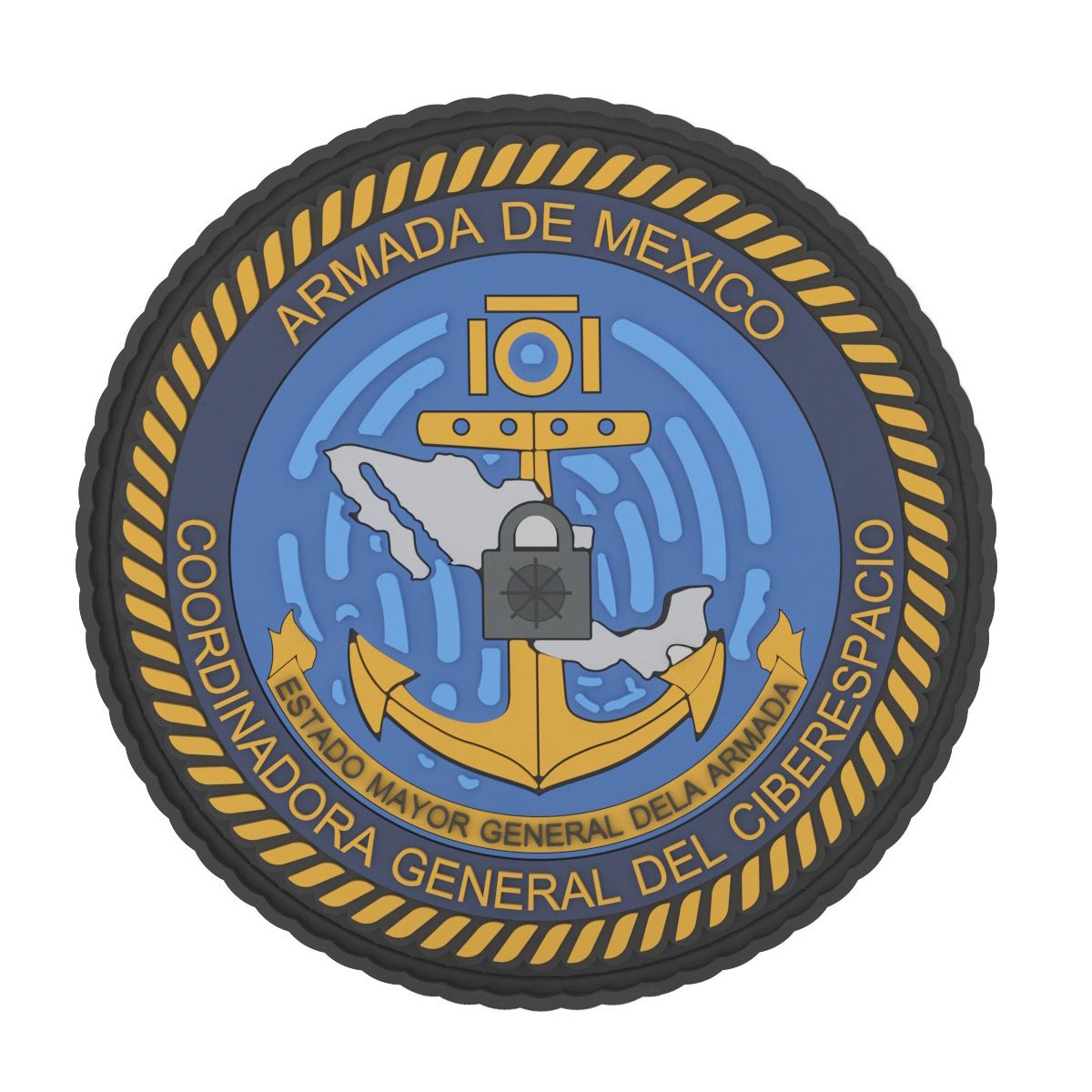
Police, military, EMS, security teams and outdoor brands favor PVC for its ability to survive abrasion, moisture, mud, and repeated washing. Velcro‑backed PVC patches are standard on plate carriers, packs, jackets, caps and gear bags where units, roles, and morale designs need to be swapped quickly using custom pvc velcro patches no minimum for different missions or events.
Branding, Uniforms and Merch
Companies use PVC patches on staff uniforms, promotional jackets, bags, hats, and limited‑run merchandise. Being able to order small quantities makes it realistic for new brands, seasonal collections, or test runs for online shops before committing to larger stock.
Personal Projects and Fashion
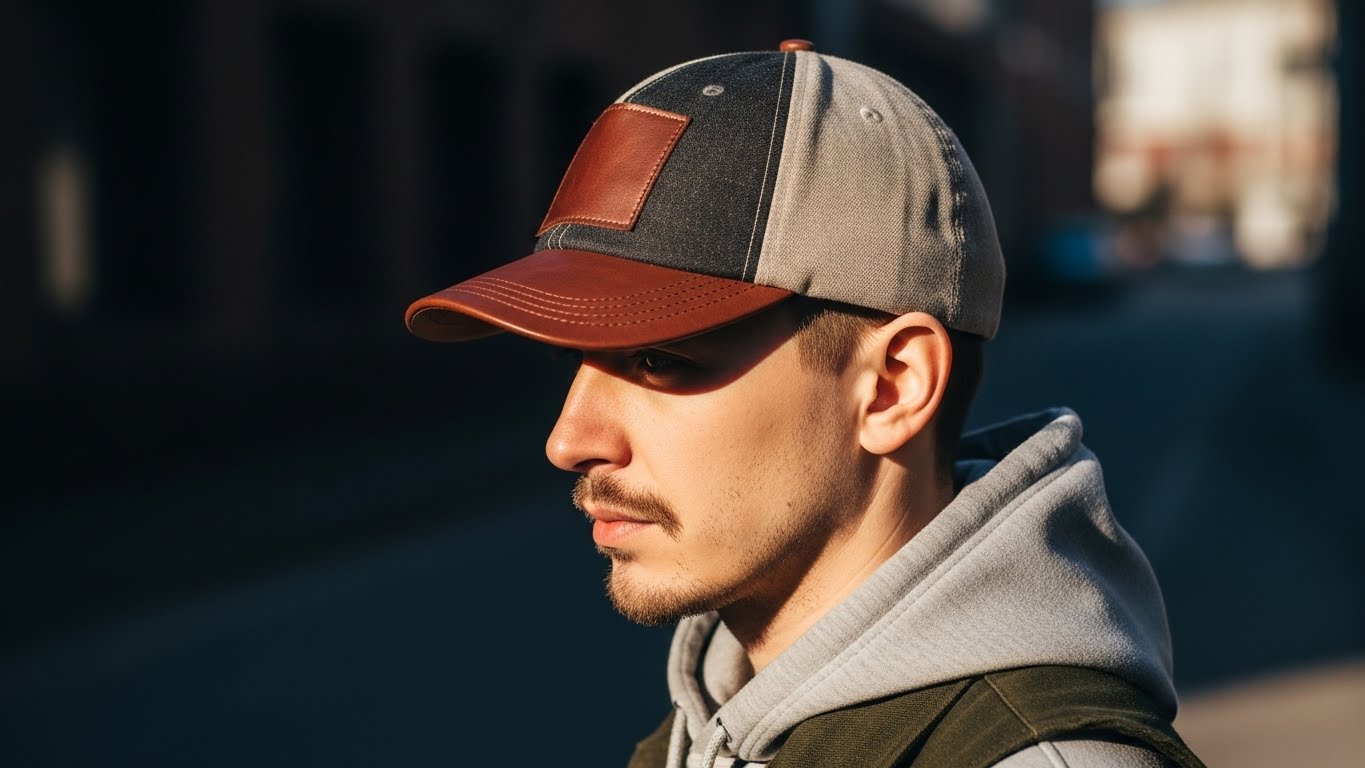
Individual creators use PVC patches to customize denim jackets, backpacks, beanies, motorcycle gear and more. With custom pvc patches no minimum order, you can create a one‑off design for yourself, a small batch for your club, or a short run for a drop without over‑ordering or taking on big inventory risk.

Durability and Care: Getting the Most from Your Patches
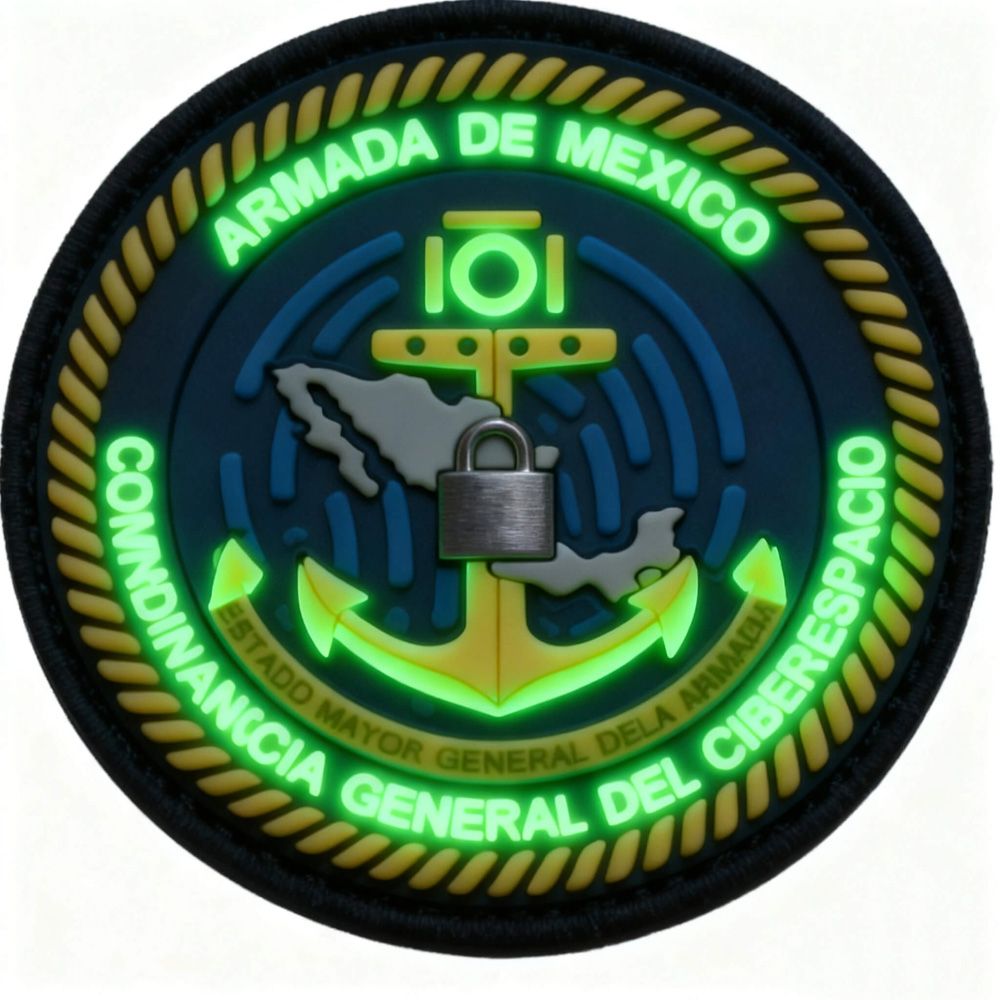
One of the biggest reasons to choose PVC is longevity. Properly made PVC patches are waterproof, UV‑resistant and flexible enough to bend with the fabric instead of cracking or breaking.
For Velcro‑backed patches, separate the hook and loop gently instead of yanking them apart, and occasionally check stitching or edge bonding on heavily used gear.
Cost Structure: How Pricing Works with No Minimum Orders
With custom pvc patches no minimum order, your cost is driven mainly by three things: complexity, size, and quantity. Even when you only order a few pieces, understanding the pricing components helps you budget accurately.
Per‑unit prices usually drop as quantities increase, but the ability to order even one patch—whether you are testing custom rubber patches no minimum or custom vinyl patches no minimum—keeps total spend under control and makes professional patches accessible to any project size.
Ready to Try Custom PVC Patches with No Minimum?
Whether you are testing a new logo with custom pvc patches no minimum order, outfitting gear with custom pvc velcro patches no minimum, or comparing finishes using custom rubber patches no minimum and custom vinyl patches no minimum, flexible quantities let you move from idea to finished product without big upfront risk.
MaxEmblem specializes in high‑quality PVC, rubber‑style and vinyl patches with no minimum order, offering design support, clear proofs, and reliable production so your patches look right and perform in the field.
Frequently Asked Questions
What does “no minimum order” actually mean for PVC patches?
It means you can order any quantity you need, starting from a single patch. There is no requirement to reach a fixed bulk number, which makes custom pvc patches no minimum order ideal for samples, small teams, and limited runs.
How durable are PVC patches with Velcro backing?
PVC itself is highly durable, and when combined with quality hook‑and‑loop backing it can handle repeated attachment and removal, washing, and outdoor use. Custom pvc velcro patches no minimum are well‑suited to tactical and work gear as long as the patch is properly stitched or bonded to the Velcro base.
How do PVC patches compare to embroidered or woven patches?
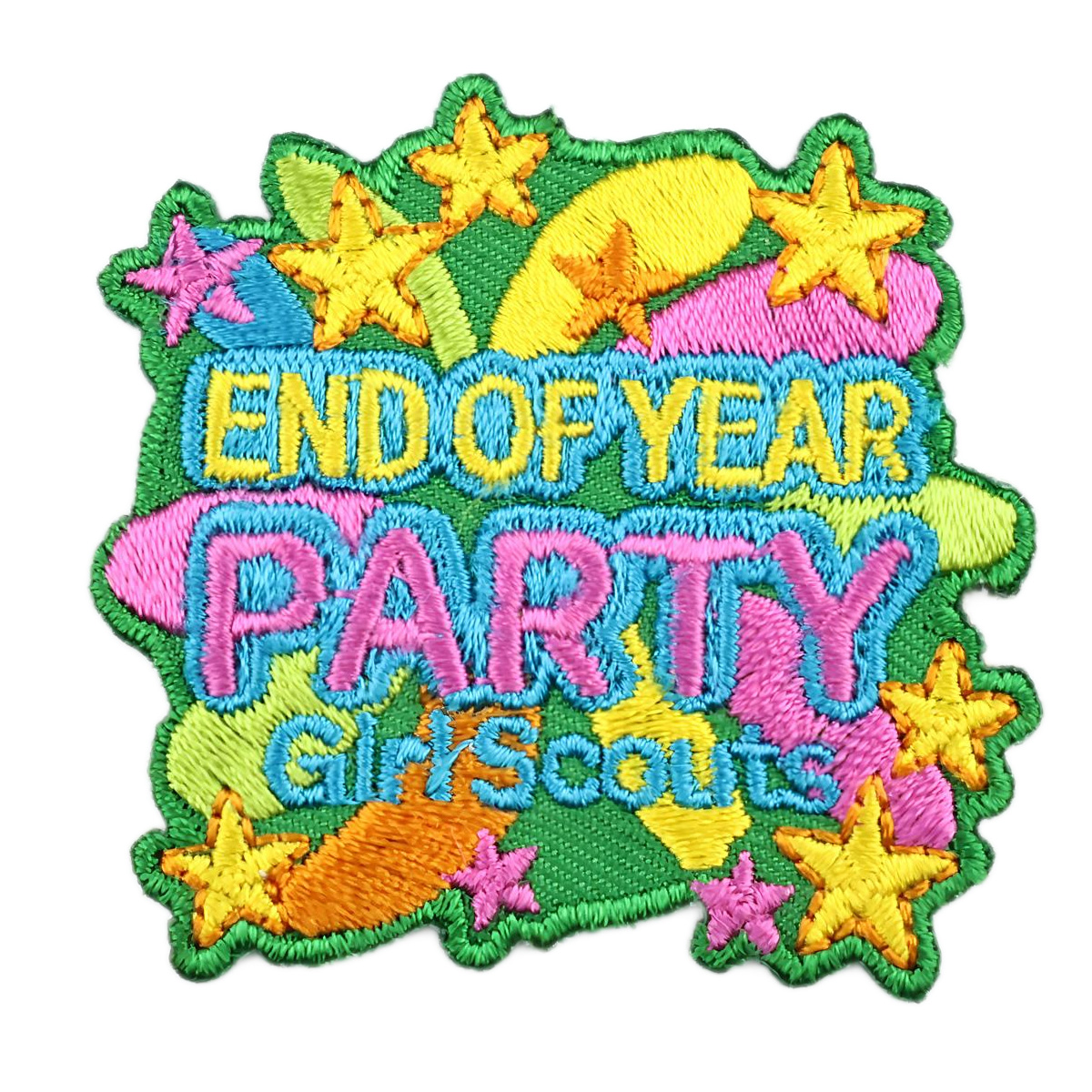
PVC patches are more weather‑resistant and offer a modern, molded look with strong colors and possible 3D effects. Embroidered and woven patches are better for a traditional textile feel or extremely fine text, but they are more prone to fraying and fading over time.
Can I order a single patch as a physical sample?
Yes. The main benefit of a no‑MOQ model is that you can order just one or a few patches to check quality, thickness, and color accuracy before placing a larger order for your team or store.
Are there design limitations with PVC patches?
PVC works well with most logos and icons, but extremely fine details, tiny text, or photo‑style gradients may need to be simplified. Your manufacturer can suggest adjustments during the proofing stage so the final molded patch stays clean and readable, whether you are ordering custom pvc patches no minimum order or planning a larger run later.