Complete Guide to Custom Pin Making Processes: Common Manufacturing Techniques and How to Choose
Table of Contents


Want to customize a one-of-a-kind pin, but feel overwhelmed by the wide variety of available processes? Don’t worry, this guide will help you understand the options, from process selection to tips for avoiding common mistakes, and help you find the right solution for your design.
I. Quick Selection Guide
Not sure which process is more suitable for your design? You can first refer to the following directions:
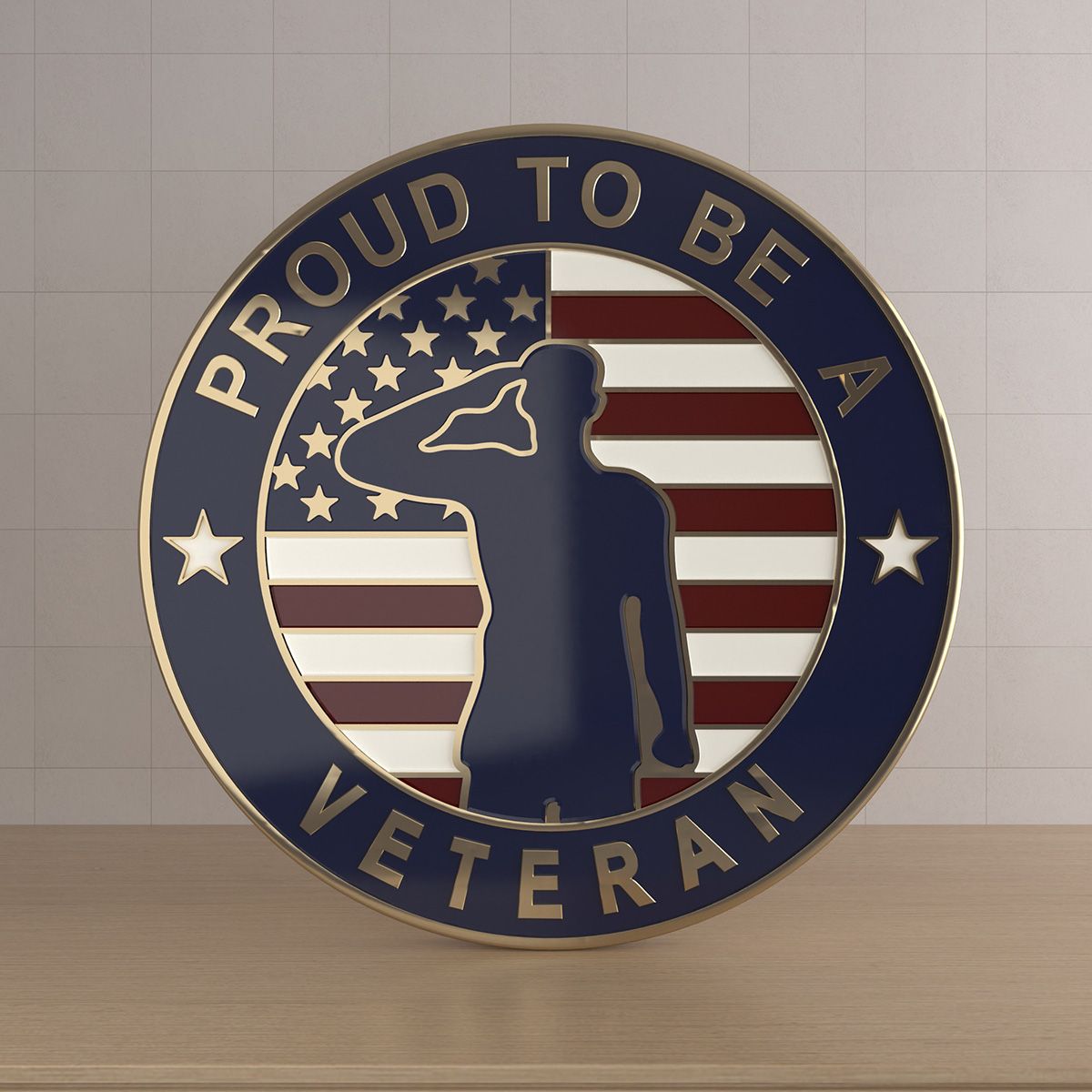
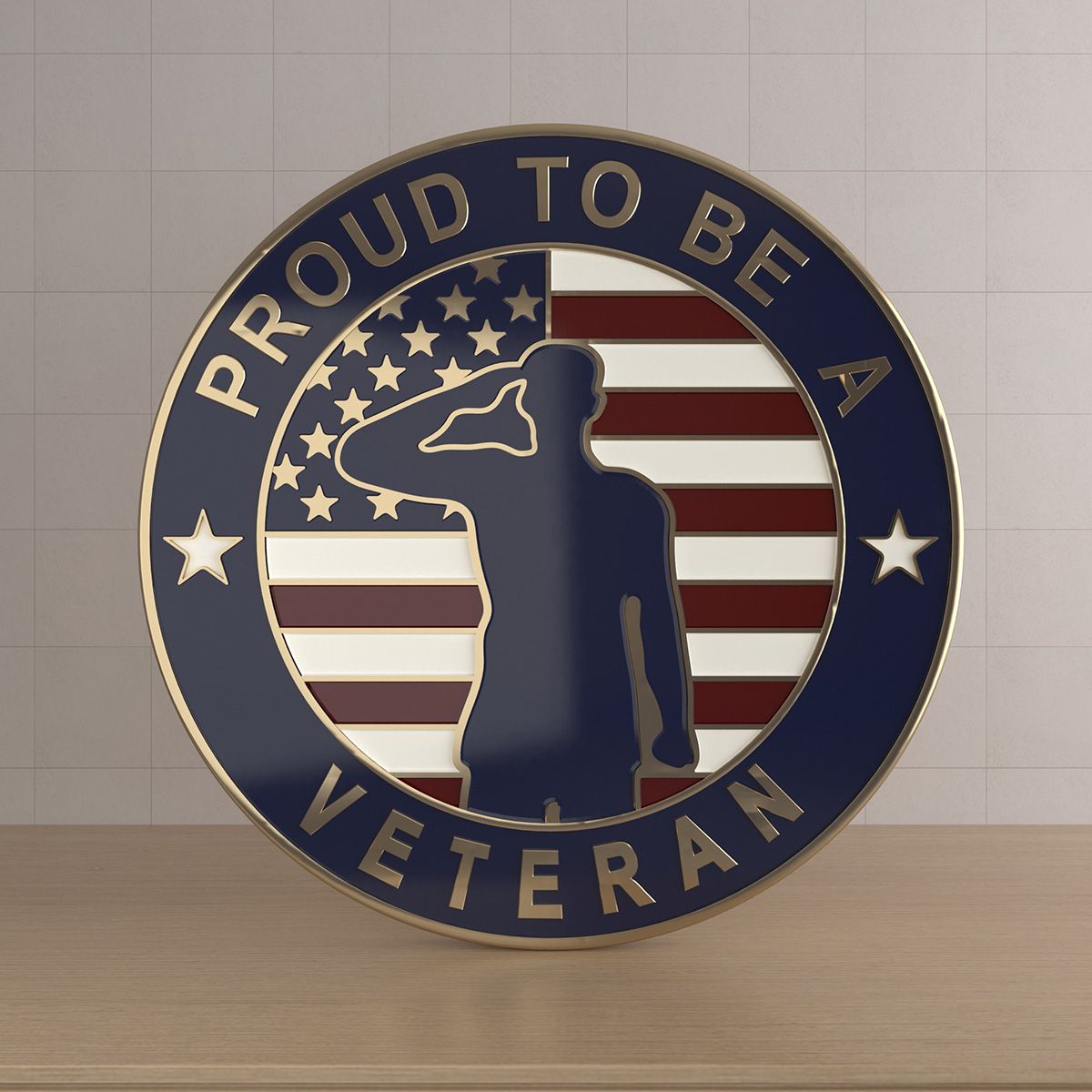
- Collectible items / Military & police badges: Hard enamel is more popular, with a smooth and flat surface, premium texture, and is suitable for long-term preservation.
- Anime merchandise / Brand events / Club pins: Soft enamel is the most widely used option, with rich color expression and the ability to present design details more easily.
- Photos / Portraits / Pet portraits / Gradient designs: Printed pins or UV printing provide better reproduction, allowing complex images to be displayed clearly.
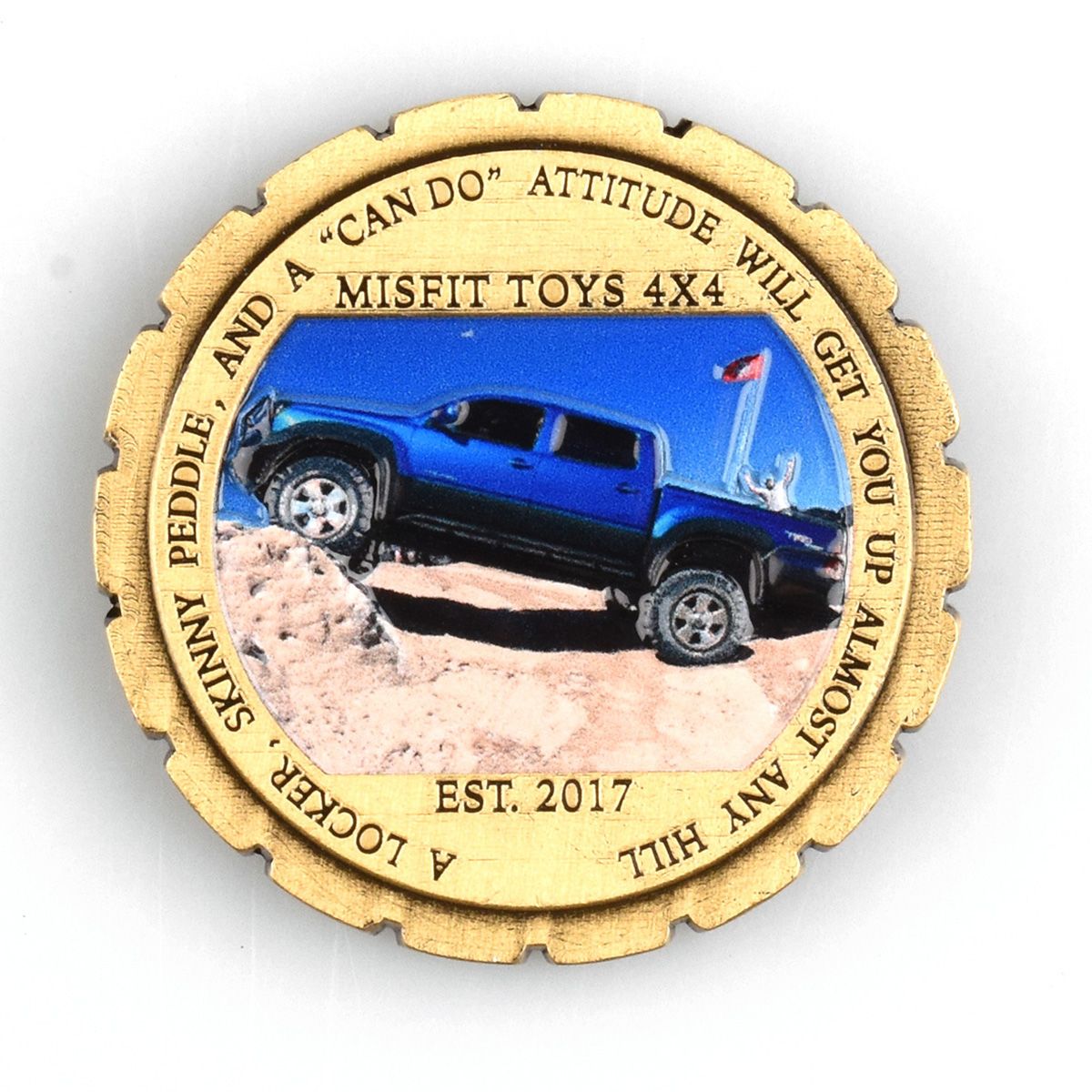
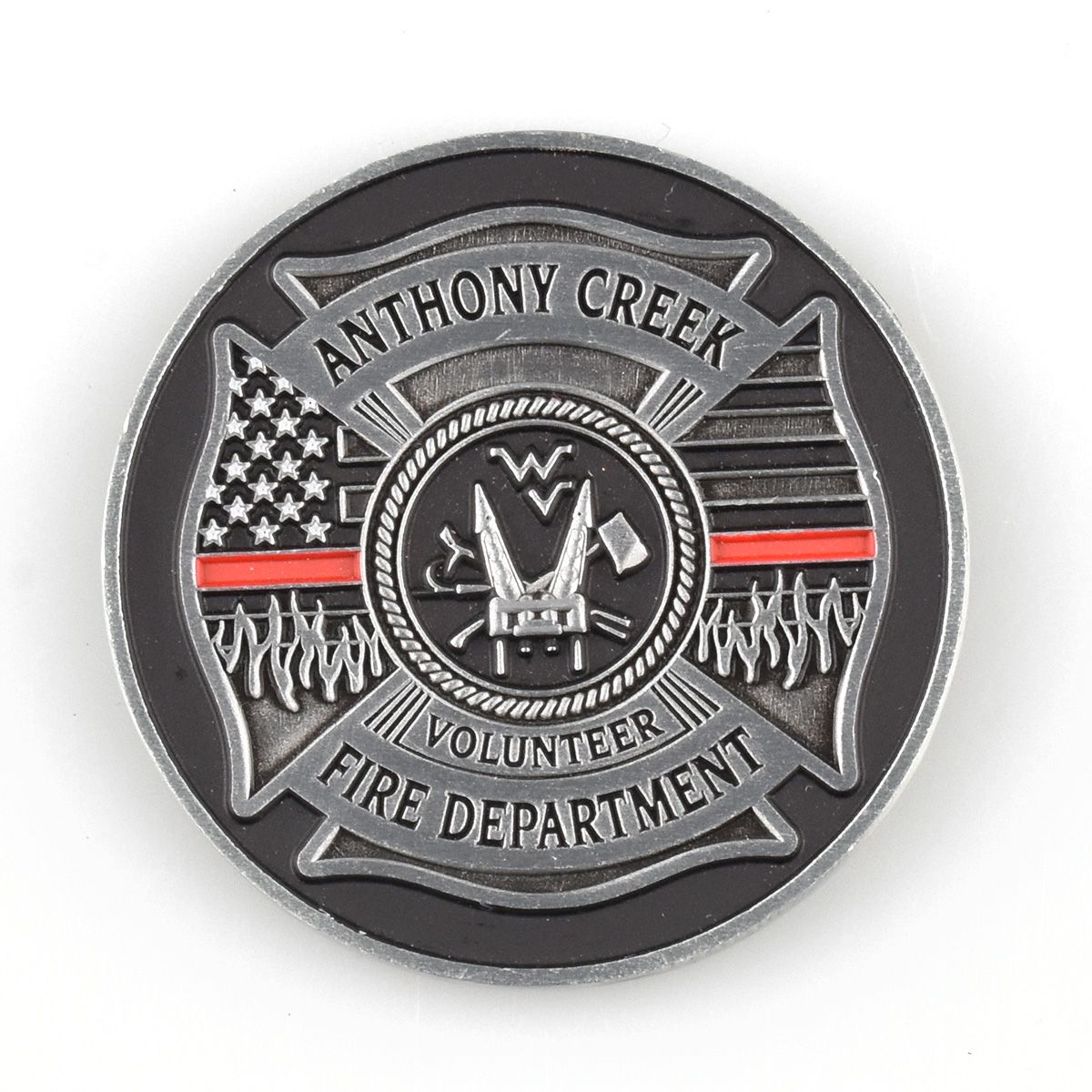
- Challenge coins / Awards / High-end commemorative products: 3D die struck can highlight the metal layers, giving the pin more weight and collectible value.
Many excellent pin designs are not limited to a single process. Cbining different techniques can create richer visual effects.
If you have special design requirements, you can also contact the manufacturer, and they will provide suitable process recommendations based on your design characteristics.
II. 8 Common Manufacturing Processes for Custom Pins
1、Hard Enamel
Hard enamel is a common choice for high-end pins and commemorative products. After filling the colors, the pin goes through high-temperature firing and polishing processes. It is durable, resistant to fading, and can maintain its appearance for 8–12 years under normal use and storage conditions. Therefore, it is suitable for collectible pins, custom military badges, military commemorative coins, and brand commemorative products, and other items designed for long-term preservation.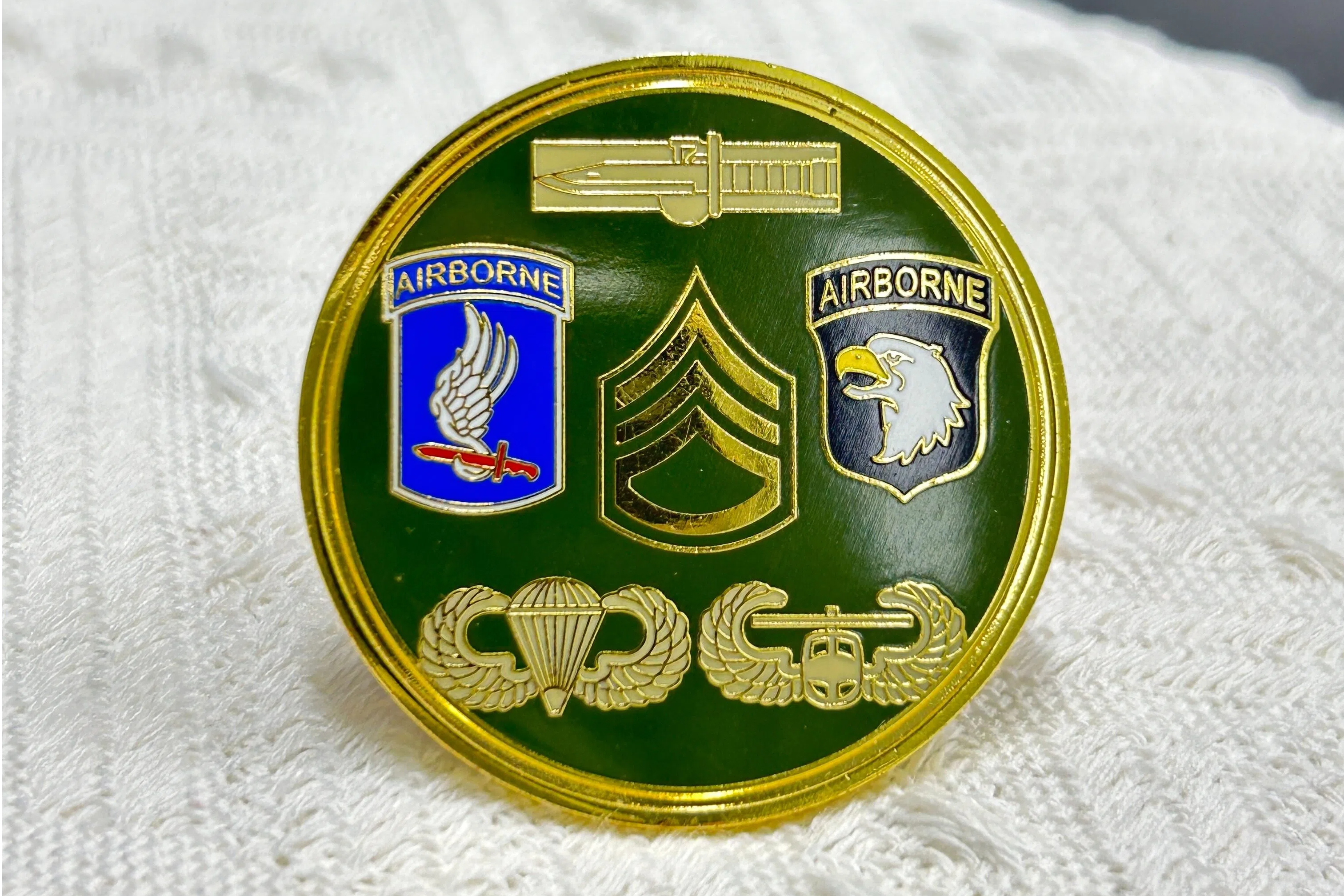
2、Soft Enamel
In MAXEMBLEM’s actual orders, soft enamel is one of the most frequently selected processes by customers because it provides excellent color performance while also offering better cost efficiency.
The metal lines are higher than the colored areas, creating a noticeable raised and recessed texture. With rich colors and good cost-effectiveness, it is suitable for anime merchandise, corporate events, club pins, and other custom pin projects.
(What is the difference between hard and soft enamel?)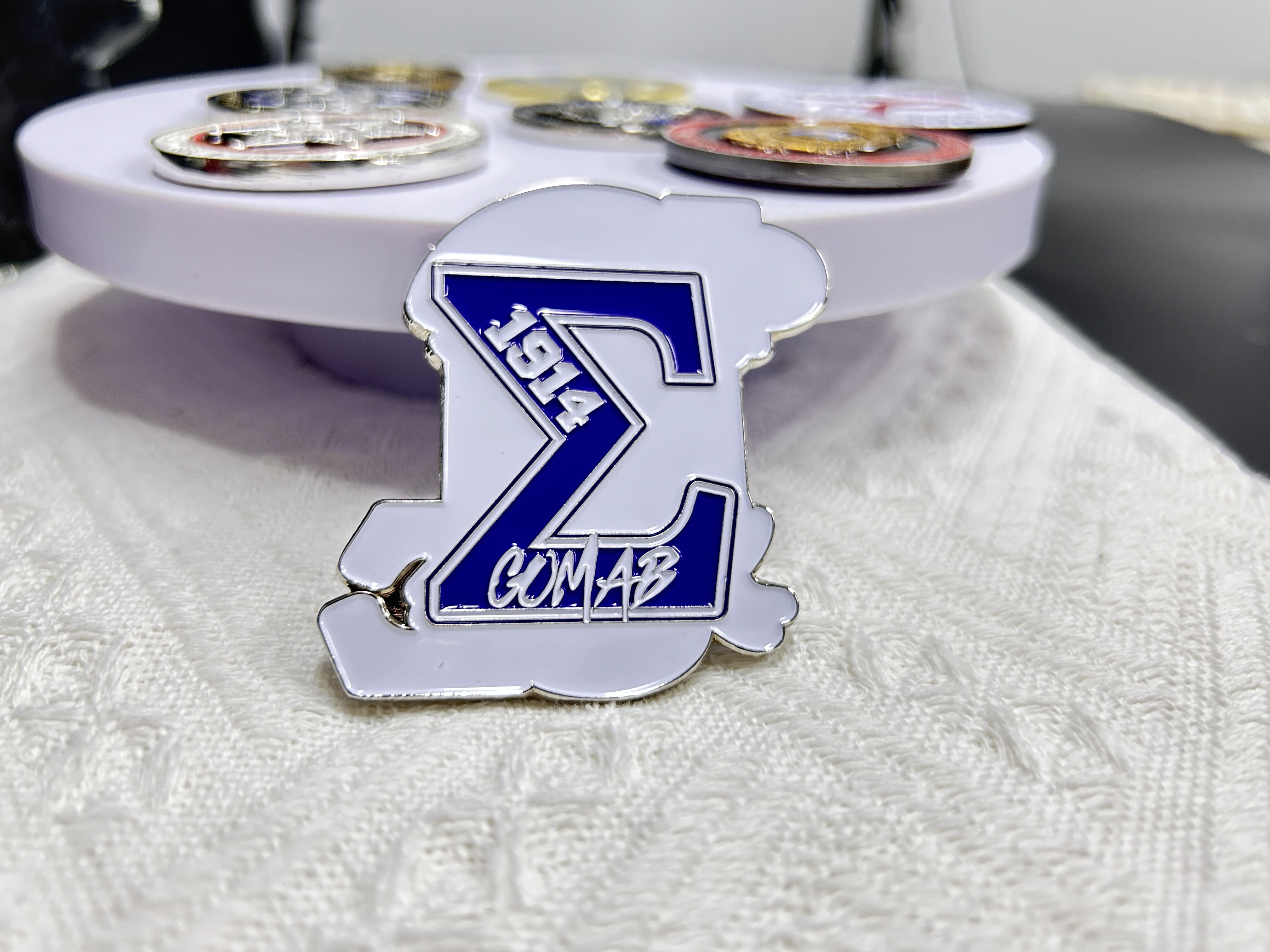
3. Glitter Enamel
Glitter enamel adds sparkling glitter powder to the enamel colors, creating a bright, eye-catching effect without changing the original design. It is a popular choice for anime merchandise, fashion accessories, holiday products, and custom pins that need extra visual impact.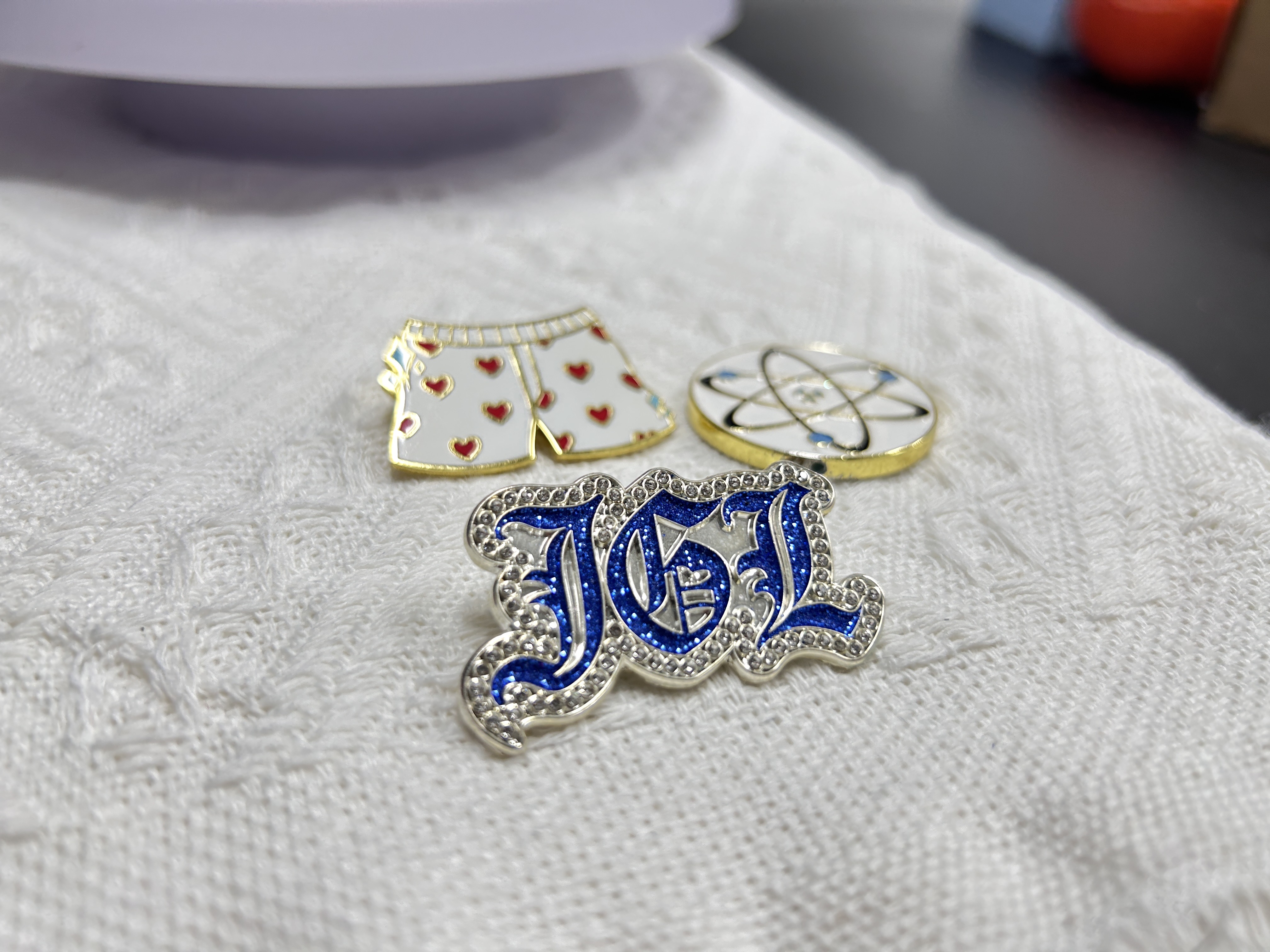
4. UV Printing
UV printing is ideal for designs that are difficult to reproduce with traditional coloring methods, such as photos, portraits, gradients, complex illustrations, detailed logos, and small text. It offers high-definition printing with excellent detail reproduction and is not limited by the number of colors. UV printing can also be combined with plating, glitter, or other decorative processes to create richer visual effects.
5、Epoxy Coating
Epoxy coating is a surface protection process. A transparent resin layer is applied over the surface of the pin, making the design brighter while improving durability. It is commonly used for promotional pins, children’s pins, and products that need extra protection for the artwork.
6、Cut-out / Openwork
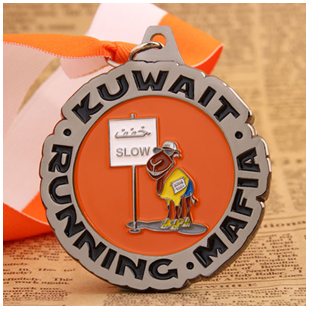
The cut-out process creates a transparent effect by removing parts of the metal material, adding more depth and visual layering to the design. It is commonly used for special-shaped pins, medals, and challenge coins.
7、3D Die Struck
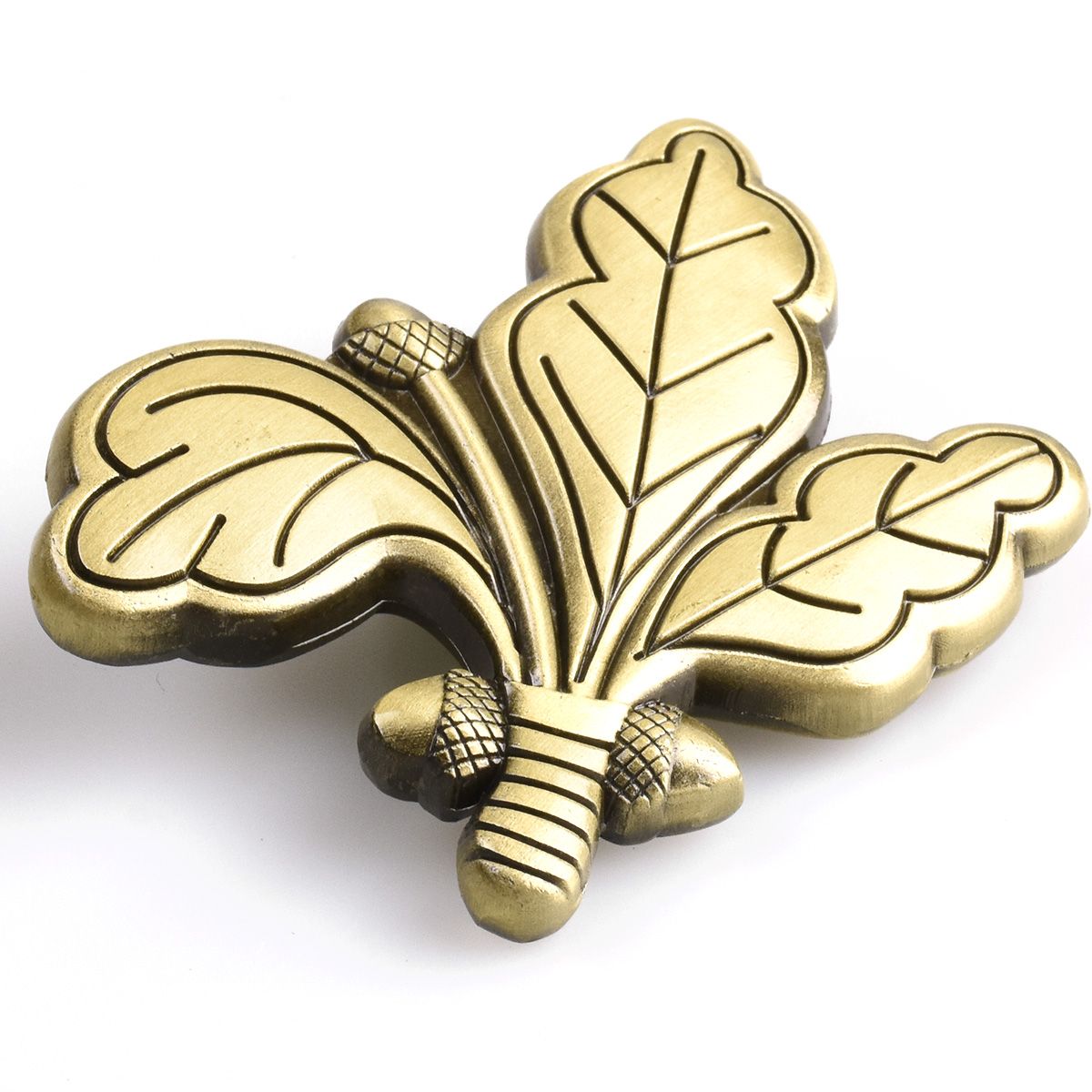
3D die struck uses molds to create different levels and depths, allowing the metal itself to form a three-dimensional effect. Without adding colors, it mainly relies on light and shadow changes to showcase the metal texture. It is commonly used for custom challenge coins, military challenge coins, medals, and high-end commemorative products.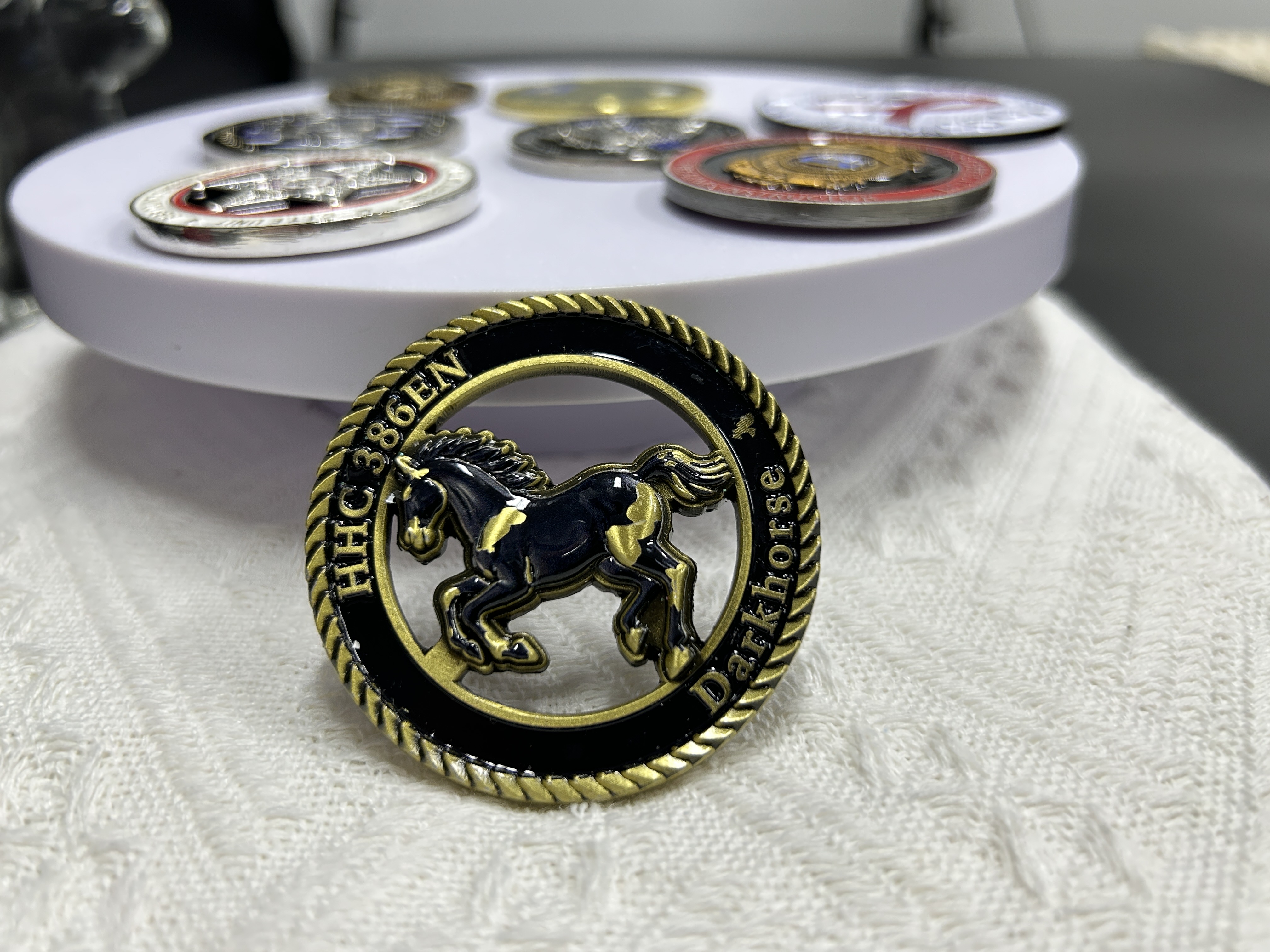
III. Comparison Table
| Process | Suitable Applications | Effect | Budget |
|---|---|---|---|
| Hard Enamel | Collectibles, commemorative products, premium brand designs | Smooth surface, durable, premium appearance | ★★★★☆ |
| Soft Enamel | Corporate events, anime merchandise, daily custom pins | Bright colors, raised and recessed texture | ★★☆☆☆ |
| Imitation Hard Enamel | Premium appearance with limited budget | Smooth and glossy, cost-effective | ★★★☆☆ |
| Printed Pins | Photos, gradients, complex designs | Highest detail reproduction | ★★☆☆☆ |
| UV Printing | Logos, small text | Clear details, rich colors | ★★★☆☆ |
| Cut-out / Openwork | Special designs, medals, challenge coins | Strong transparency effect, rich design layers | ★★★☆☆ |
| Epoxy Coating | Promotional pins, children’s products | Glossy, durable, protects artwork | ★☆☆☆☆ |
| 3D Die Struck | Challenge coins, medals, commemorative coins | Strong metal three-dimensional effect | ★★★★☆ |
Small Tip: If a single process cannot achieve the ideal result for a pin, multiple techniques can also be combined. For example, Soft Enamel + Glitter, Printed Pins + Epoxy, 3D Die Struck + Antique Plating, UV Printing + Cut-out, etc. These combinations can make the pin more layered and visually impactful. Experienced manufacturers usually provide the most suitable process combination recommendations based on your design.
IV. The Production Process of Custom Pins
Understanding the production process from design to finished product can help you better understand the characteristics of different processes and make communication with manufacturers easier.
A custom pin usually goes through multiple steps, including design and material selection, mold creation, stamping or die casting, polishing, coloring, plating, and attaching accessories. Every step can affect the final details and overall quality.
If you want to learn about the complete production process, you can check: How Custom Enamel Pins Are Made: The Complete Production Process from Design to Delivery
V. Essential Tips to Know Before Customizing Pins
Provide Clear Design Files
The quality of your design file directly affects the final result. It is recommended to provide high-resolution images or vector files (such as AI, CDR, EPS, SVG, etc.), which help manufacturers accurately reproduce lines, colors, and details. Low-resolution images may cause blurry designs and affect the final appearance.
(Click here to learn: What level of detail should a design file provide?)
Understand Color Differences in Advance
Due to differences between monitors, phone screens, and the actual production environment, slight color differences between the final product and the design file are normal. Professional manufacturers usually confirm the color scheme before production to minimize the difference between the actual result and expectations.
Balance Fine Details
Complex and detailed designs are valuable, but the actual size of a pin is limited. Extremely thin lines and very small text may not be fully reproduced. Generally, it is recommended to keep line widths above 0.5 mm and text height above 1.5 mm to ensure clear results on the finished product.
Quantity Affects Unit Price
Custom pins involve processes such as mold creation, plating, and production. The larger the order quantity, the lower the average cost is usually. If this is your first time customizing pins, it is recommended to make a small batch first to confirm the quality before moving into mass production.
Don’t Only Compare Prices
Different quotations may represent different materials, processes, and quality standards. Extremely low prices may affect color performance, metal thickness, and quality control. A reliable manufacturer will confirm details before production and recommend suitable process solutions based on your design.
FAQ
Q1: How long does it take to receive custom pins?
Usually, it takes about 2–4 weeks from confirming the design, producing samples, to completing bulk production. The exact time will vary depending on the pin size, manufacturing process, order quantity, and production schedule. If you have a specific delivery requirement, you can communicate with us in advance, and we will try our best to arrange a suitable production plan.
Q2: Do custom pins require a mold fee?
Most metal pins require a dedicated mold based on the design, so a one-time mold fee will be involved. After the mold is completed, producing the same design again usually does not require a repeated mold fee.
Q3: Can I see a design preview before production?
Yes. Before production begins, we will create a design preview based on your artwork, allowing you to view the overall effect of the pin in advance, including size proportions, color combinations, plating effects, and design details. After confirmation, we will proceed with production. After production is completed, we will also provide finished product samples for you to see the final results.
Q4: How many times can I revise the design?
MAXEMBLEM supports free design services and unlimited revisions. Before production begins, we can make the most suitable adjustments according to your actual needs. To ensure the final result, we recommend completing all revisions before confirming production. If changes are required after production has started, it may affect the production schedule or result in additional costs.
Q5: What is the minimum order quantity (MOQ) for custom pins?
MAXEMBLEM has no minimum order quantity requirement. Whether you need a single piece, a small batch order, or more than 10,000+pieces, our professional factory can produce them for you. However, bulk production usually offers more favorable pricing.