Sign in
Create Your Account
Create My Account
Sign In
Create Your Account
Master bulk custom pin ordering—learn pricing structure, sizing, craftsmanship tips to avoid quality errors and maximize value for events, organizations.


Whether you're sourcing solemn emblems for a Masonic Lodge or fun trading pins for a Destination Imagination tournament, navigating the world of personalized pins in bulk can be fraught with hidden costs and disappointing results. This guide demystifies the process, empowering you to make informed decisions that balance budget with exceptional quality.
The Four Critical Decision Points for Your Custom Pin Order
Ordering custom pins shouldn't feel like a gamble. By understanding four key dimensions—Price, Size, Craftsmanship, and Design—you can take control of the process. This isn't just about getting a product; it's about investing in a tangible representation of your brand, event, or organization. Let's break down each factor so you can communicate confidently with manufacturers and achieve the exact outcome you envision.
How Can You Maximize Value Through Bulk Purchasing?
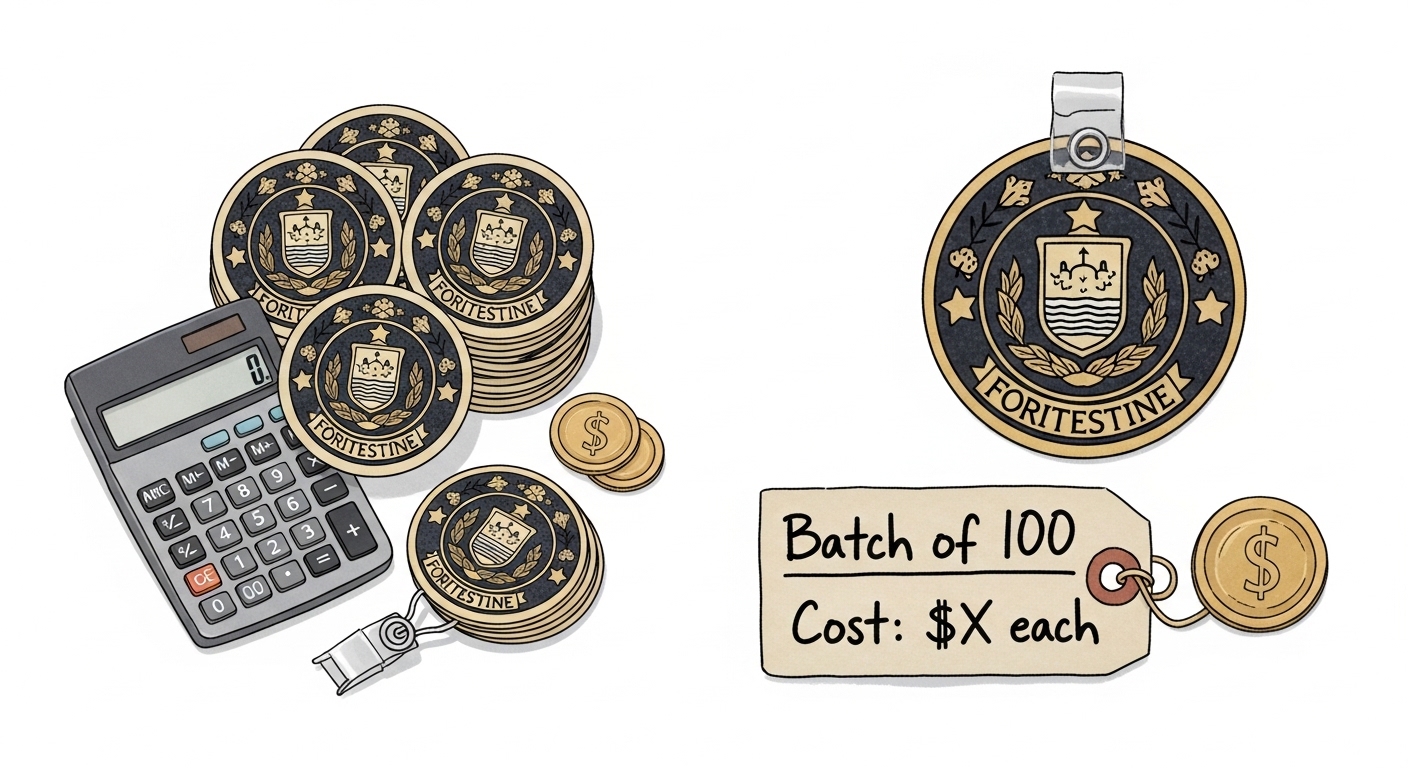
Understanding the cost structure of custom masonic lapel pins wholesale or any bulk pin order is the first step to smart budgeting. The quoted price isn't arbitrary; it's a combination of one-time setup costs and per-unit production costs.
The magic of personalized pins in bulk lies in amortization. As your order quantity increases, the fixed mold fee is spread across more units, dramatically reducing the average cost per pin. For example, a $150 mold fee adds $1.50 to the cost of each pin in a 100-piece order, but only $0.15 in a 1000-piece order.
Pro Tip for Budget-Conscious Projects:
For events, fundraisers, or promotional giveaways where absolute premium feel is secondary to cost and impact, consider soft enamel pins or custom heart shaped button pins made with printed metal. These processes often have lower setup and per-unit costs while still delivering vibrant, attractive results. Always request a detailed quote that breaks down mold fees and unit costs transparently.
Why Does Pin Size Affect More Than Just Appearance?
Choosing the right size is a balance between visual impact, wearability, and cost. Size directly influences the pin's presence and how comfortable it is to wear daily.
Size (Inches) |
Best Use Cases |
Considerations |
|---|---|---|
1.0" or less |
Subtle lapel pins for business attire, elegant club membership pins, minimalist designs. |
Offers a discreet, professional look. Limited space for complex detail. |
1.5" |
The most versatile size for custom destination imagination pins, team logos, or standard promotional items. |
Excellent balance of visibility and wearability. Sufficient area for clear artwork. |
2.0" and above |
Statement pieces, detailed organizational seals like Masonic emblems, commemorative pins. |
Makes a bold visual impact. Can be heavier; best for occasional wear or display. Higher material cost. |
A 2.0" pin might be perfect for a detailed custom masonic lapel pin wholesale order meant for ceremonial wear, while a 1.25" pin is ideal for a custom lapel pin with magnetic back meant for daily use on delicate fabrics. Always request physical samples or a size mockup to visualize the final product on its intended surface.
Which Craftsmanship Technique Matches Your Pin's Purpose?
The manufacturing technique you choose defines the pin's texture, durability, and perceived value. It's the single greatest factor influencing the final aesthetic.
Technique |
Description & Feel |
Ideal For |
|---|---|---|
Hard Enamel |
Enamel is polished flat and smooth to the metal dividers (cloisonné). Durable, glossy, and premium. Colors are vibrant and flush with the metal edges. |
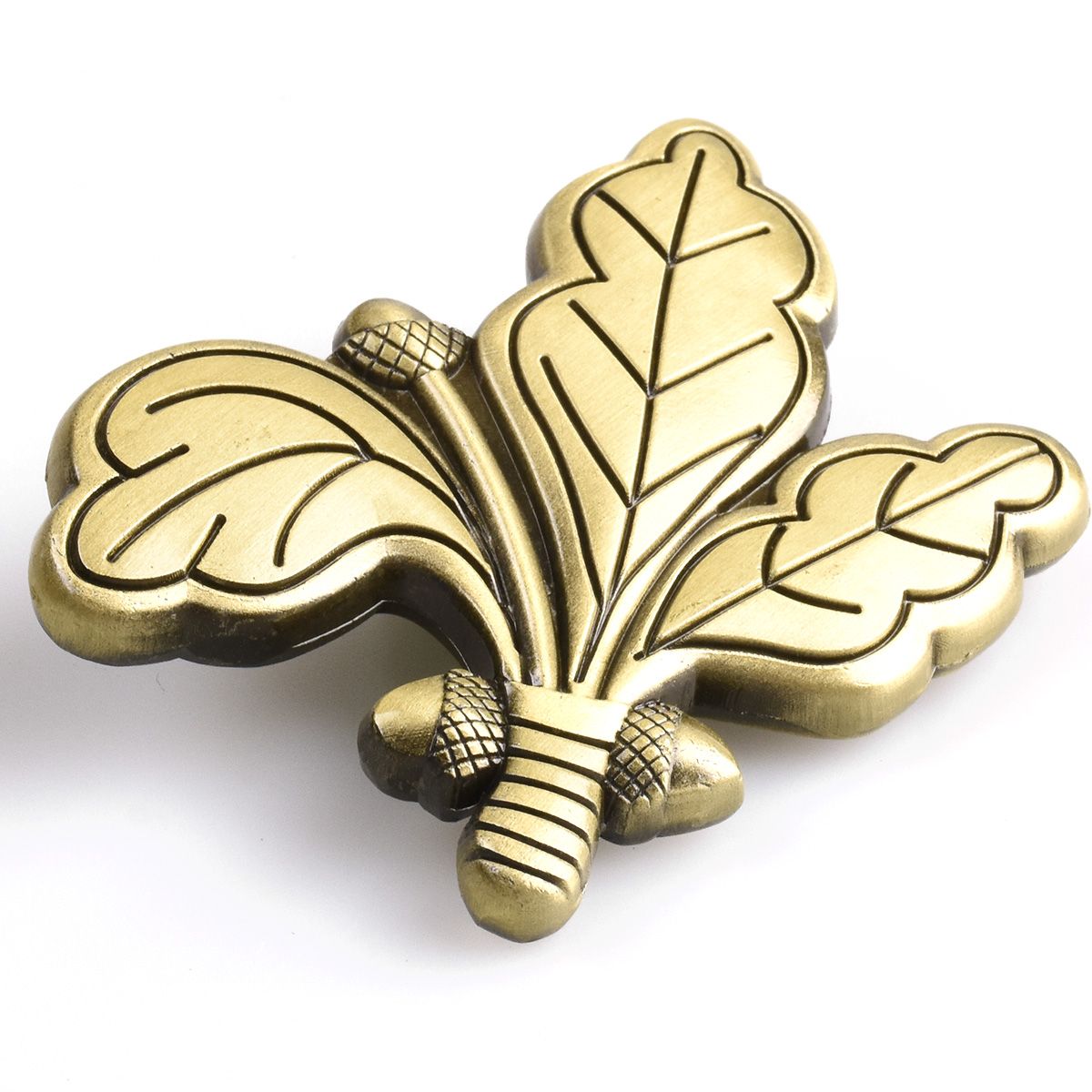
Official badges, corporate logos, custom masonic lapel pins wholesale where tradition and formality are key. Conveys permanence and authority. |
Soft Enamel |
Enamel is recessed below the metal lines, creating a tactile, textured feel. A protective epoxy coating is added. |
Most personalized pins in bulk, especially custom destination imagination pins or dynamic designs. Offers great color depth and a classic "pin" feel at a accessible price point. |
Die-Struck |
No enamel colors. Pure metal is stamped with immense pressure to create a detailed, dimensional design. Often plated in gold, silver, or nickel. |
Elegant, traditional pins where a monochromatic, sophisticated look is desired. Common in fraternal organizations and high-end awards. |
Printed/Digital |
A design is printed directly onto a metal surface. Allows for photorealistic images, gradients, and unlimited colors. |
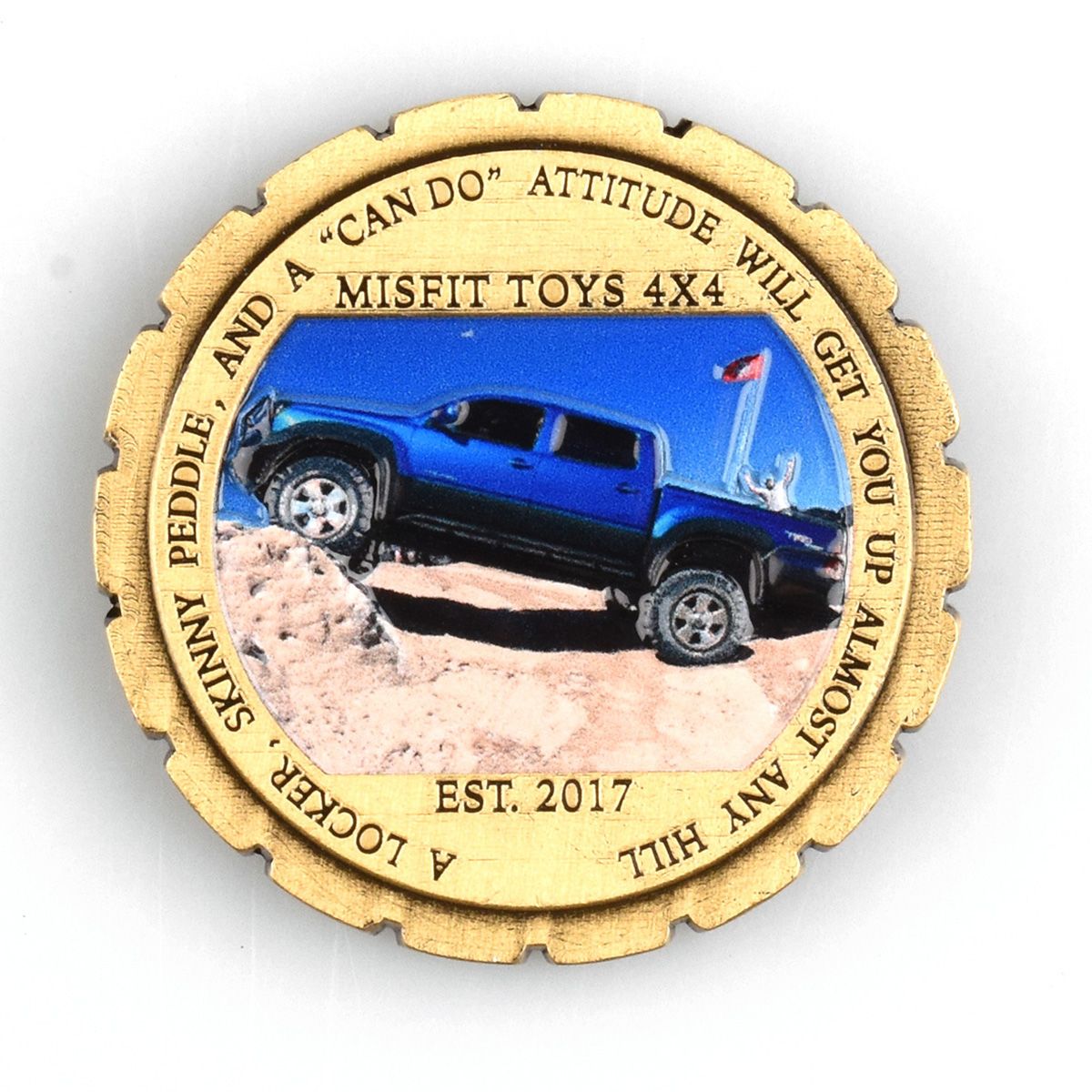
Custom heart shaped button pins with photographic designs, complex illustrations, or pins requiring a full-color logo. The epoxy layer protects the print. |
Matching the technique to the intent is crucial. A solemn Masonic pin typically demands the timeless quality of hard enamel or die-struck, while a vibrant set of custom destination imagination pins for trading might thrive in soft enamel or digital print to capture playful creativity.
How to Ensure Your Design Translates Perfectly from Screen to Metal?
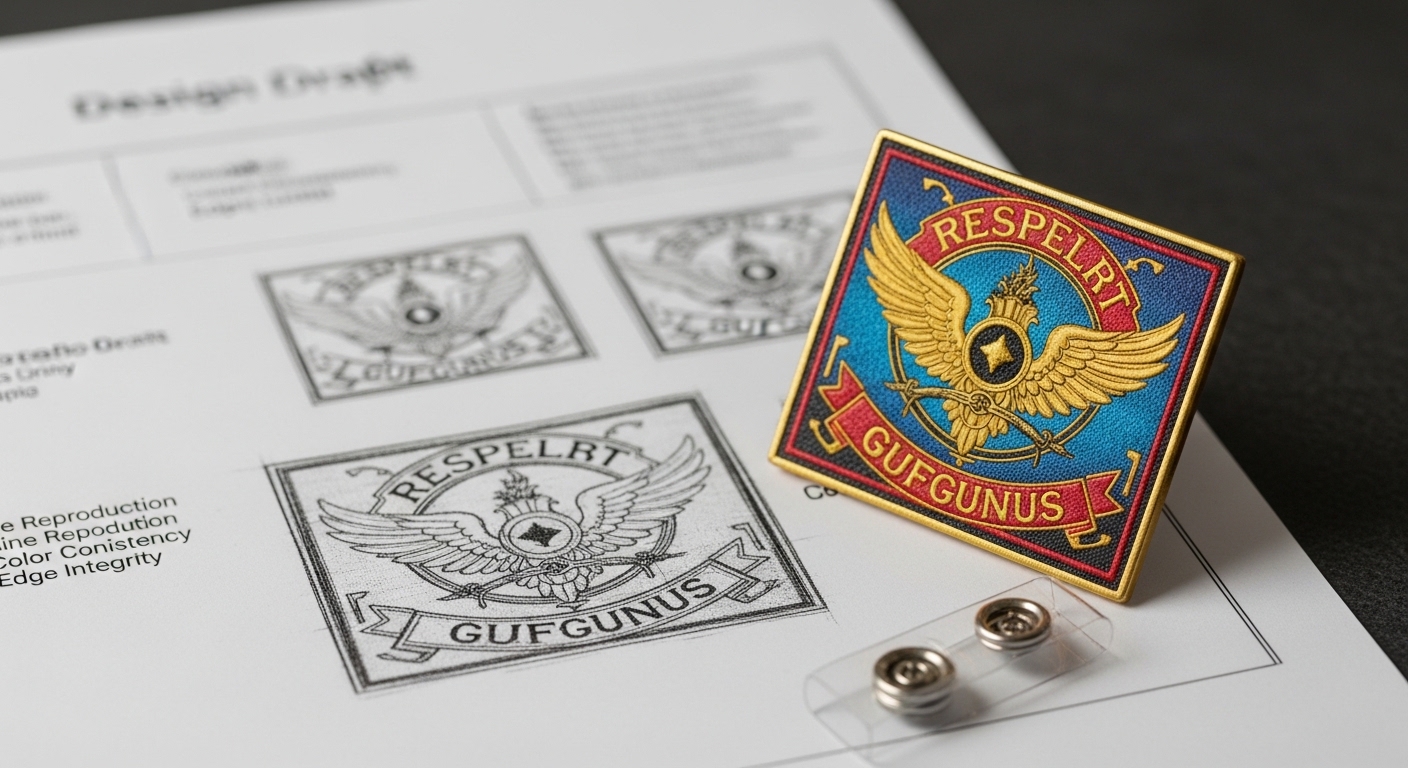
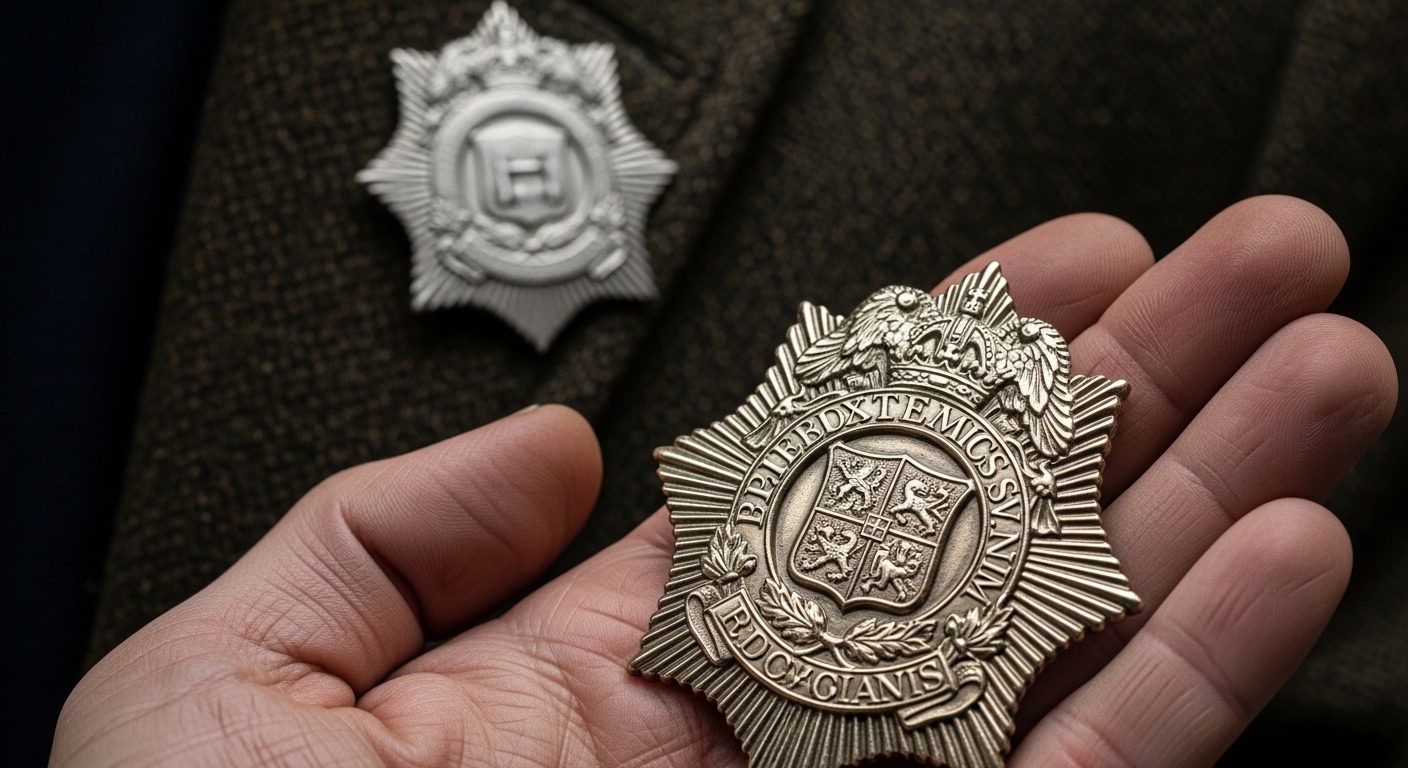
This is the most common pitfall: a beautiful digital design that fails in production. Metal stamping and enameling have physical limitations that screen design does not.
The solution is always to work with your manufacturer's design team early. Reputable suppliers offer a free design review and will provide a detailed, production-ready artwork proof, pointing out potential issues before the mold is made. This step is non-negotiable for avoiding expensive mistakes.
Solving for Special Requirements: Functionality and Creativity

What Are the Benefits of Magnetic Clasps for Delicate Fabrics?
The traditional pin-back (a sharp point with a butterfly clutch) is secure and reliable but pierces fabric. For fine materials like silk, wool suiting, or leather, this can cause permanent damage or be a safety concern.
This is where custom lapel pins with magnetic back shine. They use a powerful pair of rare-earth magnets that sandwich the fabric securely without puncturing it. They are ideal for:
While slightly more expensive than standard backs, magnetic backs offer a premium, damage-free wearing experience that reflects well on your brand's attention to detail.
Creating Engaging Pins for Trading and Collection
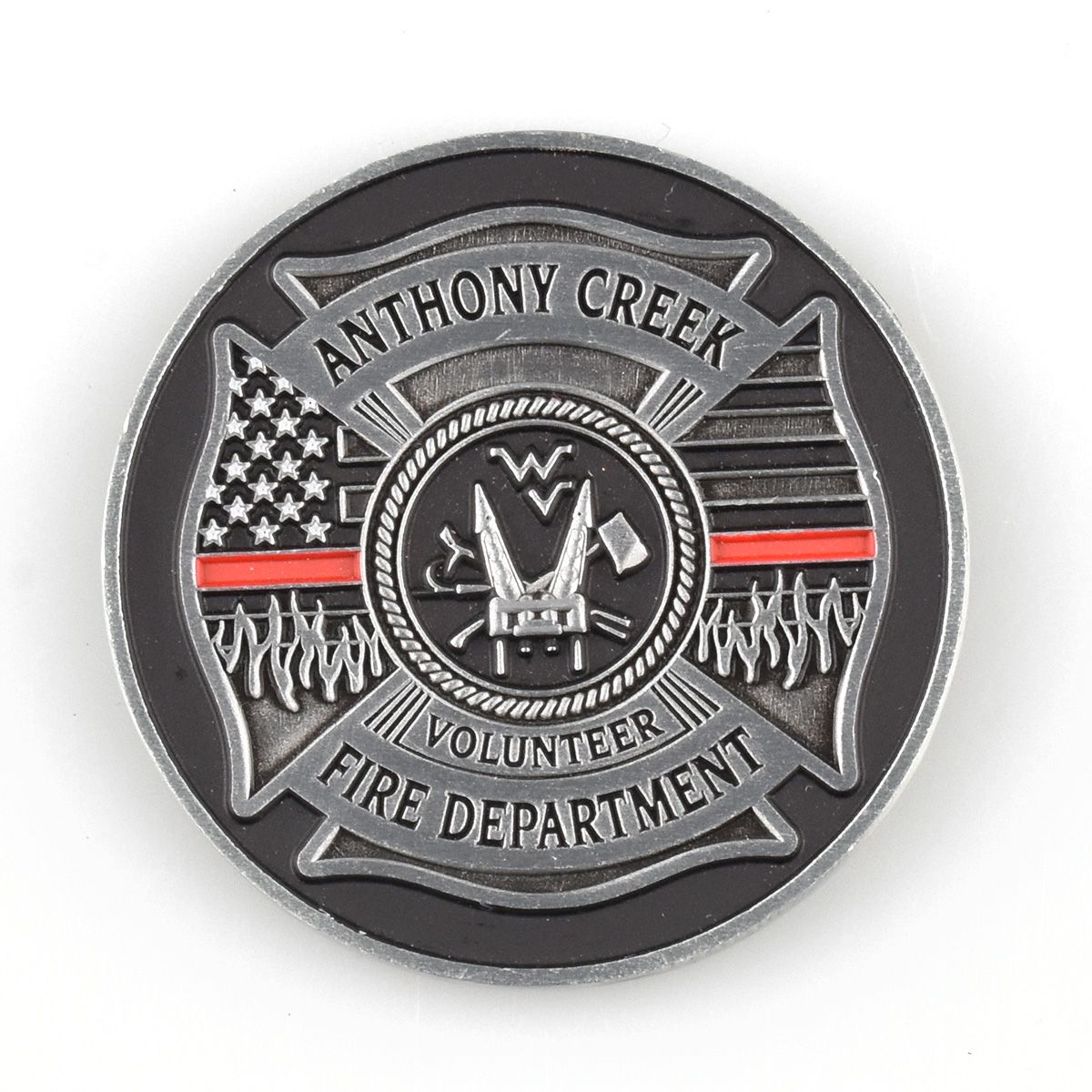
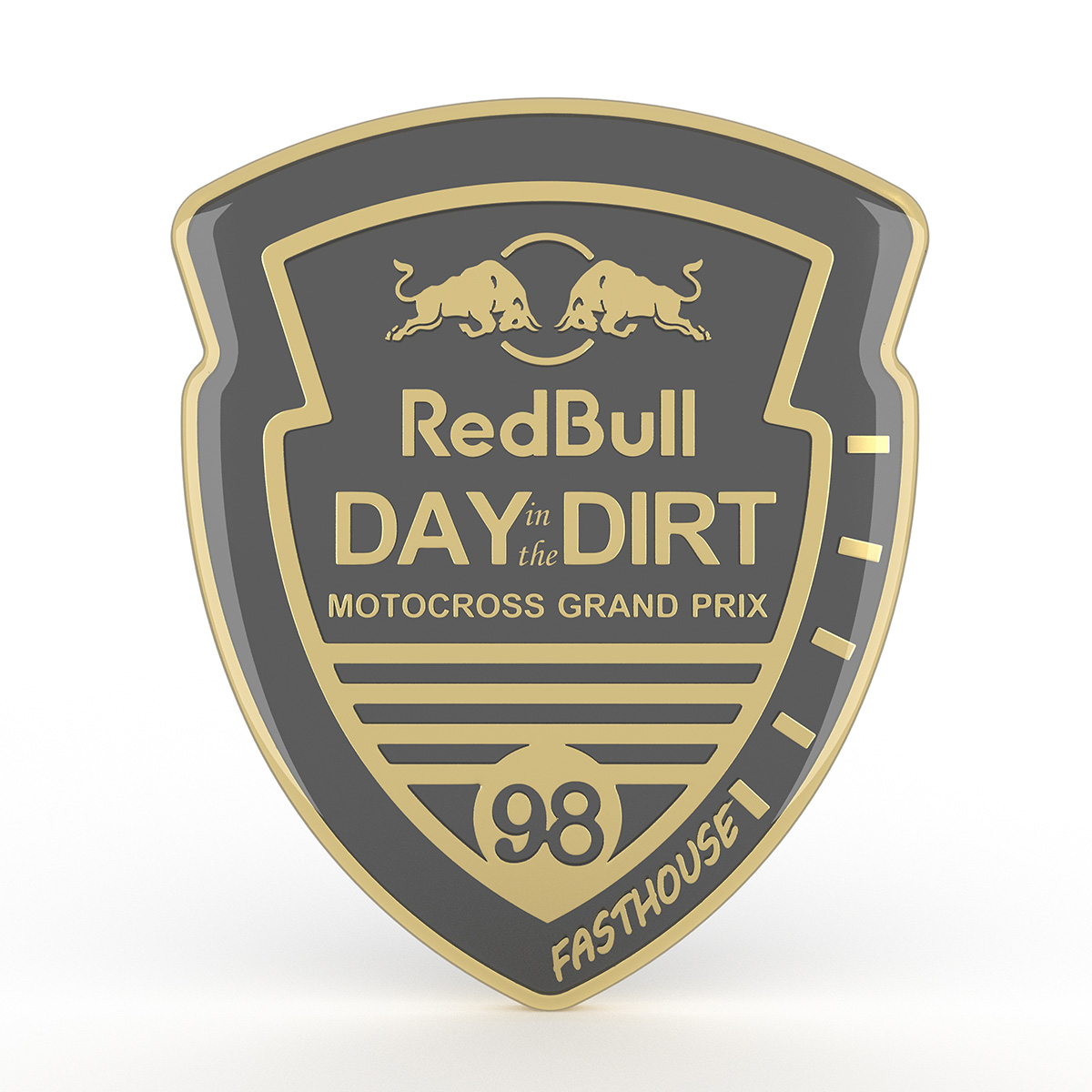
Events like Destination Imagination thrive on the culture of pin trading. For custom destination imagination pins, the goal is to create items that are visually exciting, durable for handling, and encourage interaction.
Durability is key here. Ensure your manufacturer uses a strong metal alloy (like zinc alloy for 3D pieces) and a robust epoxy coating to withstand the rigors of being traded, handled, and displayed throughout an event.
Expert Insights for Guaranteed Quality and Timely Delivery
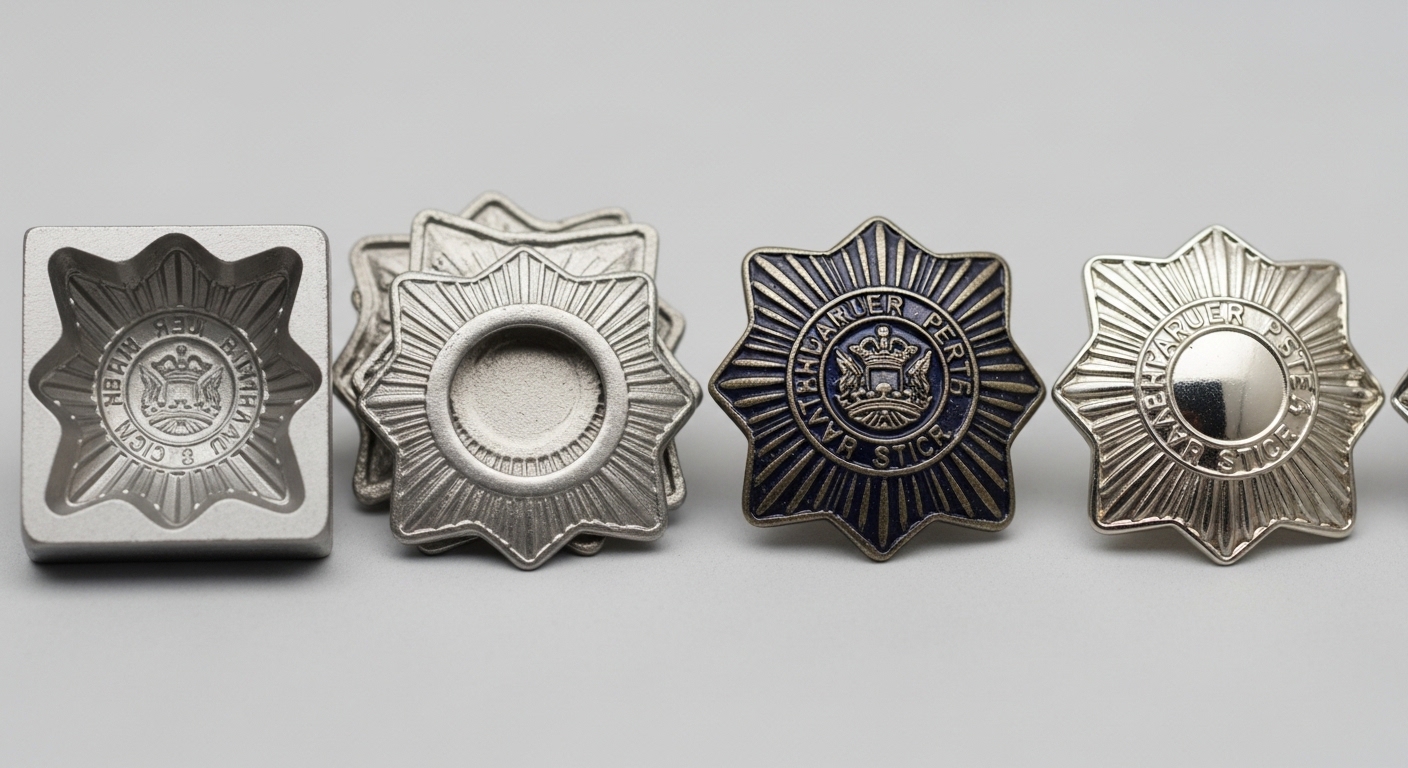
With over two decades in the industry, we've learned that quality is not an accident; it's a process. It starts with a meticulous, step-by-step production training program for every technician, ensuring each stage—from die-making to polishing to hand-filling enamel—is executed with precision. This deep, institutional knowledge is what separates a generic product from an heirloom-quality piece.
To protect your investment, always insist on a physical sample pin before authorizing full production. This "hard copy proof" allows you to verify the exact color matching, weight, finish, and clasp function. It's your final checkpoint. For projects with cultural or symbolic significance, like Masonic regalia, this step is doubly important. We approach such symbols with the utmost respect, understanding that precision in geometry and color isn't just aesthetic—it's essential to their meaning.
Finally, understand the timeline. Custom manufacturing isn't instantaneous. It involves creation of the mold, production, quality control, and shipping. Planning ahead is crucial. Here’s a general guideline for pin production:
Service Tier |
Production Time |
Shipping Time |
Total Estimate |
|---|---|---|---|
Priority Service |
Approximately 8 business days |
3 business days |
~11 business days |
Express Service |
Approximately 15 business days |
3 business days |
~18 business days |
Standard Service |
Approximately 15 business days |
9 business days |
~24 business days |
Note: These times are estimates and begin after final design approval and mold creation. Always confirm exact timelines with your supplier based on your specific order complexity and quantity.
Your Path to Perfect Pins Starts Here
You now have the knowledge to navigate the custom pin landscape with confidence. The journey from concept to a box of stunning, tangible pins is collaborative. It requires clear communication, informed choices, and a partner who values your vision as much as you do.
Do you have a sketch, a logo, or even just an idea? The most successful projects start with a conversation. Reach out to our team for a free, no-obligation design consultation and quote. We can help you explore options, clarify costs, and ensure your personalized pins in bulk become a source of pride, not a problem to solve.
Frequently Asked Questions
What is the minimum order quantity (MOQ) for custom pins?
MOQs vary by manufacturer and complexity. Many suppliers offer MOQs as low as 50-100 pieces for simple designs, but the true cost-effectiveness of personalized pins in bulk is realized at quantities of 250-500+ due to the amortization of the mold fee. For very small runs (under 50), the per-unit cost will be high, as the fixed setup cost is divided among few items.
How do I get a quote for custom masonic lapel pins wholesale?
You'll need to provide: 1) Your desired quantity, 2) Pin dimensions, 3) Preferred craftsmanship (e.g., hard enamel), 4) A digital design file or clear sketch, and 5) Any special backings (like magnetic). A reputable supplier will then provide a transparent quote listing the one-time mold/die charge and the per-unit cost.
Can you create a pin from a photograph?
Yes, but through a specific process. Photographs and complex gradients cannot be reproduced with traditional enamel. Instead, they are achieved using a printed/digital technique, where the image is printed onto a metal base and sealed with a protective epoxy layer. This is a popular choice for custom heart shaped button pins with portrait images or landscape scenes.