Sign in
Create Your Account
Create My Account
Sign In
Create Your Account
Discover the ultimate guide to adhesive fabric patches, including types, application methods, durability tips. Learn how to apply and remove patches safely for long-l

Adhesive fabric patches are versatile tools for repair, decoration, and creative customization. By choosing the right type, applying them correctly, and exploring creative applications, you can make your clothing and accessories stand out while ensuring durability. Whether it’s denim fabric patches, iron-on patches, or general fabric patches for clothes and jeans, adhesive patches offer a convenient and stylish solution for everyday use.
1. Introduction to Adhesive Fabric Patches
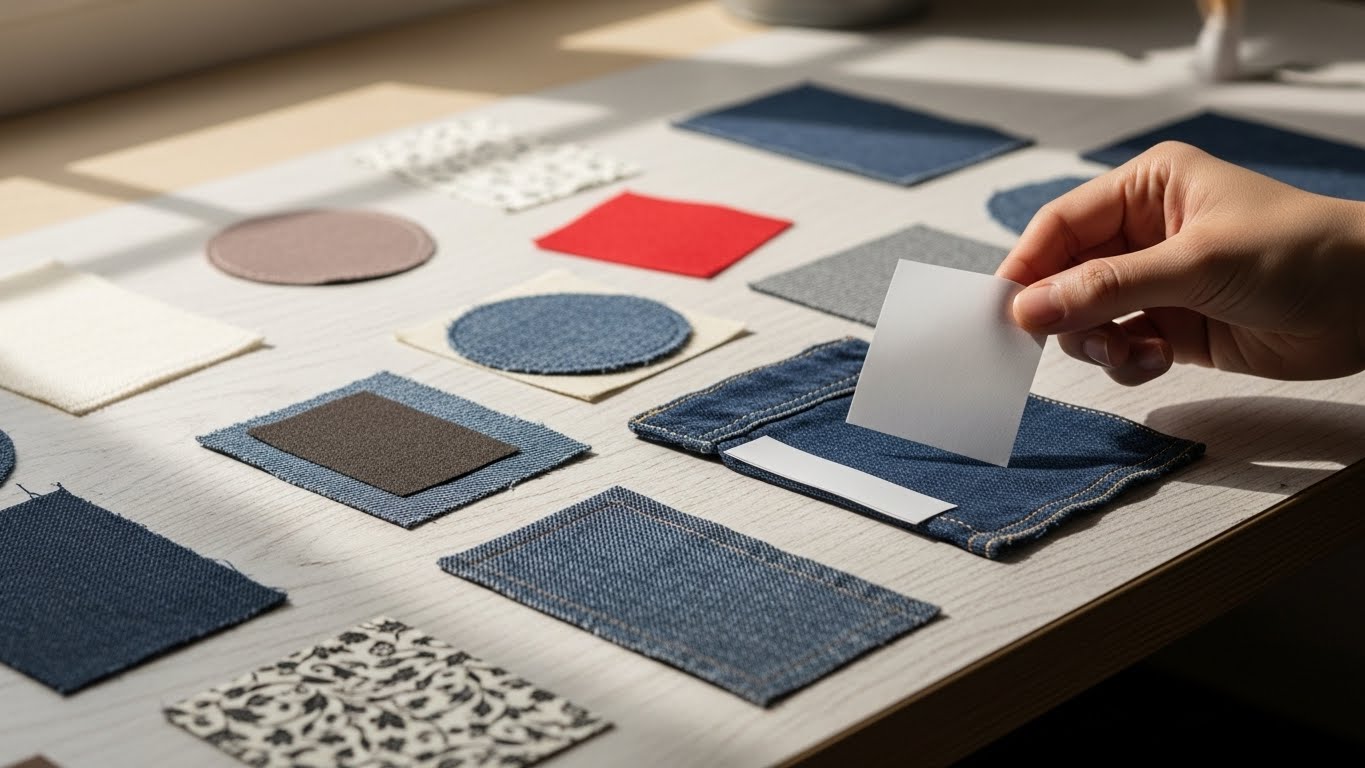
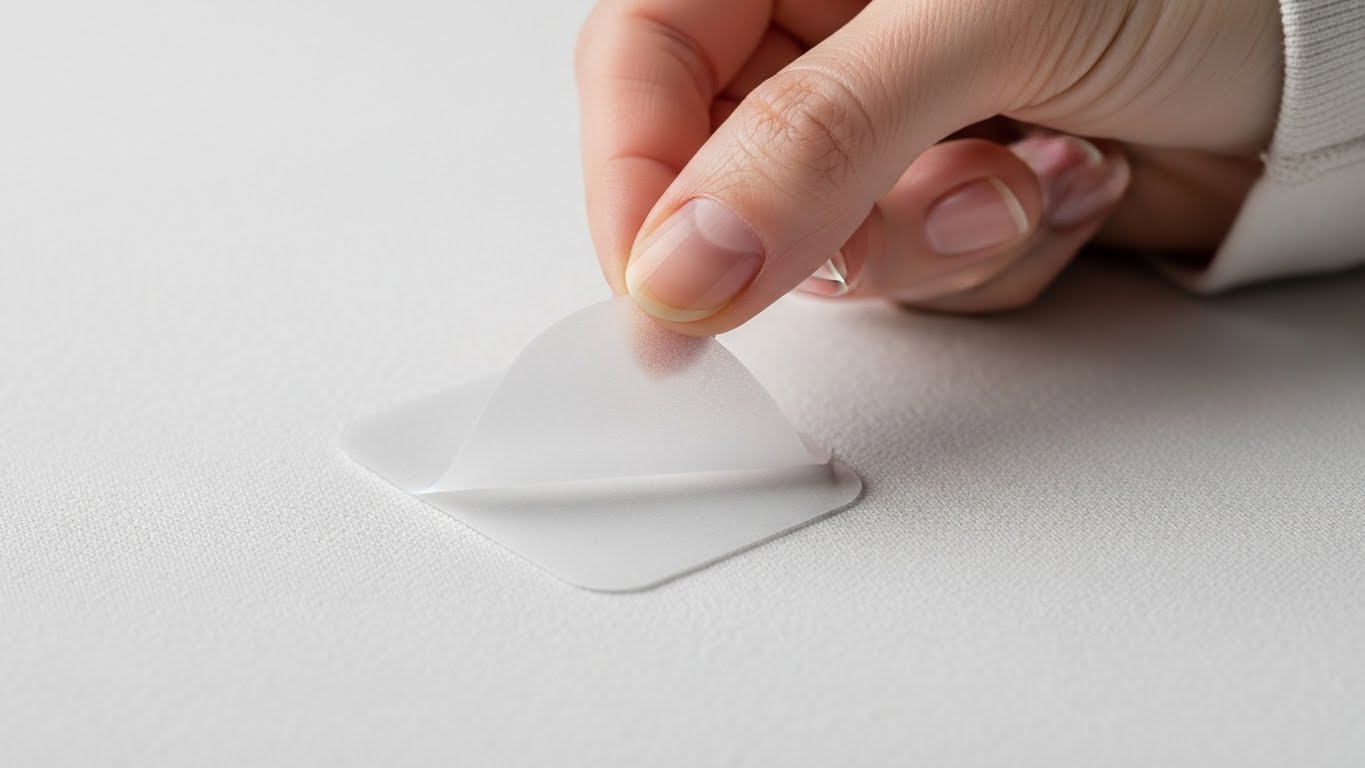
“Adhesive patches” literally refer to patches with a sticky backing (peel‑and‑stick). Unlike traditional sew-on patches, these patches come with a sticky backing that allows for quick and easy application without sewing. They have an adhesive layer on the back, allowing you to peel off the protective paper and press the patch directly onto the fabric.
These patches are commonly used for:
● Quick repairs – fixing minor tears or worn areas
● Temporary patches – easy to remove or reposition
● Decoration – adding style or custom designs
● Customization – personalizing clothing for events, teams, brands, bags, or accessories
With their easy application and wide variety of designs, adhesive patches have become a popular choice for DIY enthusiasts, crafters, and fashion lovers fashion lovers, and small businesses seeking custom apparel.
2. Different Types of Sticky Fabric Patches
Understanding the different types of adhesive patches helps you choose the right one for your project:
1. Removable Adhesive Patches – Ideal for temporary decoration or clothing you may want to change frequently. These patches can be repositioned without leaving residue., making them perfect for children’s clothing or seasonal designs.
2. Permanent Adhesive Patches – Provide long-lasting adhesion for repairs or patches that need to stay in place through multiple washes. They are suitable for repairs or for decorative patches that need to stay in place.
3. Iron-On Adhesive Patches – Combine heat activation with adhesive backing for stronger adhesion, especially on fabrics like denim or cotton. Iron-on patches are a great option for areas that experience frequent friction or movement.
4. Double-Sided Adhesive Fabric Patches – These are perfect for layering fabrics or creating multi-dimensional designs. They provide a strong attachment between two surfaces, making them versatile for creative projects.
Tip: Choose your patch type based on the fabric material (denim, cotton, polyester), the intended use (decorative vs repair), and the desired durability.
3. When and Why to Choose Adhesive Patches for Fabric
Adhesive patches are the go-to option when you need a quick, convenient, and visually appealing solution. Consider using them in these scenarios:
● Quick Repairs: Fix minor tears or worn-out areas without needing sewing skills.
● Temporary Decoration: Swap designs on jackets, jeans, or bags for events, seasonal trends, or personal style changes. Removable adhesive patches are perfect.
● Hard-to-Sew Areas: Some Thick fabrics, hard-to-reach areas, pre-sewn seams or thick layers make sewing difficult. Adhesive patches solve this problem efficiently.
● DIY Customization and decoration: Personalize clothing for branding, teams, personal expression or creative projects.
Advantages of Adhesive Patches:
● Fast and easy application
● Lightweight and flexible
● Suitable for both decorative and functional purposes
4. How to Apply Adhesive Patches for Maximum Durability and Remove Without Damaging Clothes
Applying adhesive patches correctly ensures longevity and prevents damage.
Here’s a step-by-step guide:
1. Prepare the Fabric – Make sure the surface is clean, dry, and free of dust or oils. This ensures optimal adhesion.
2. Position carefully – Align the patch before pressing; adhesive patches are sticky and can be difficult to reposition.
3. Press firmly – Apply even pressure to secure the patch. For some iron-on fabric patches, may require heat activation
4. Edge reinforcement – For higher durability, sew around the edges, especially for denim fabric patches or high-wear areas like jeans or jackets.
5. Allow Adhesive to Set – Avoid washing or heavy friction immediately after application to give the adhesive time to bond.
Removing Adhesive Patches Safely:
● Gently peel off from one corner
● Use a warm iron or hairdryer to soften adhesive if needed
● Avoid sharp tools that could damage the fabric.



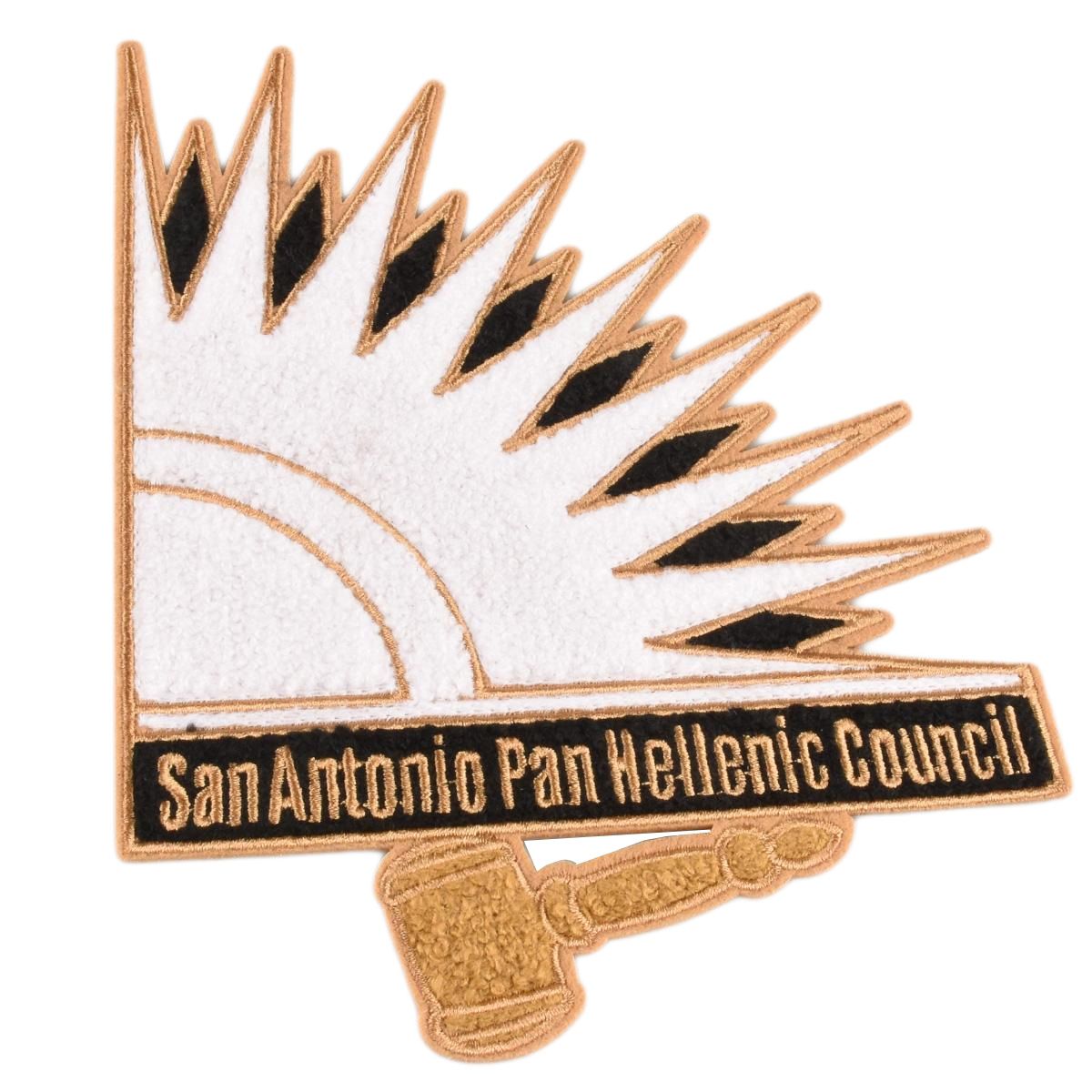

5. Creative and Decorative Applications
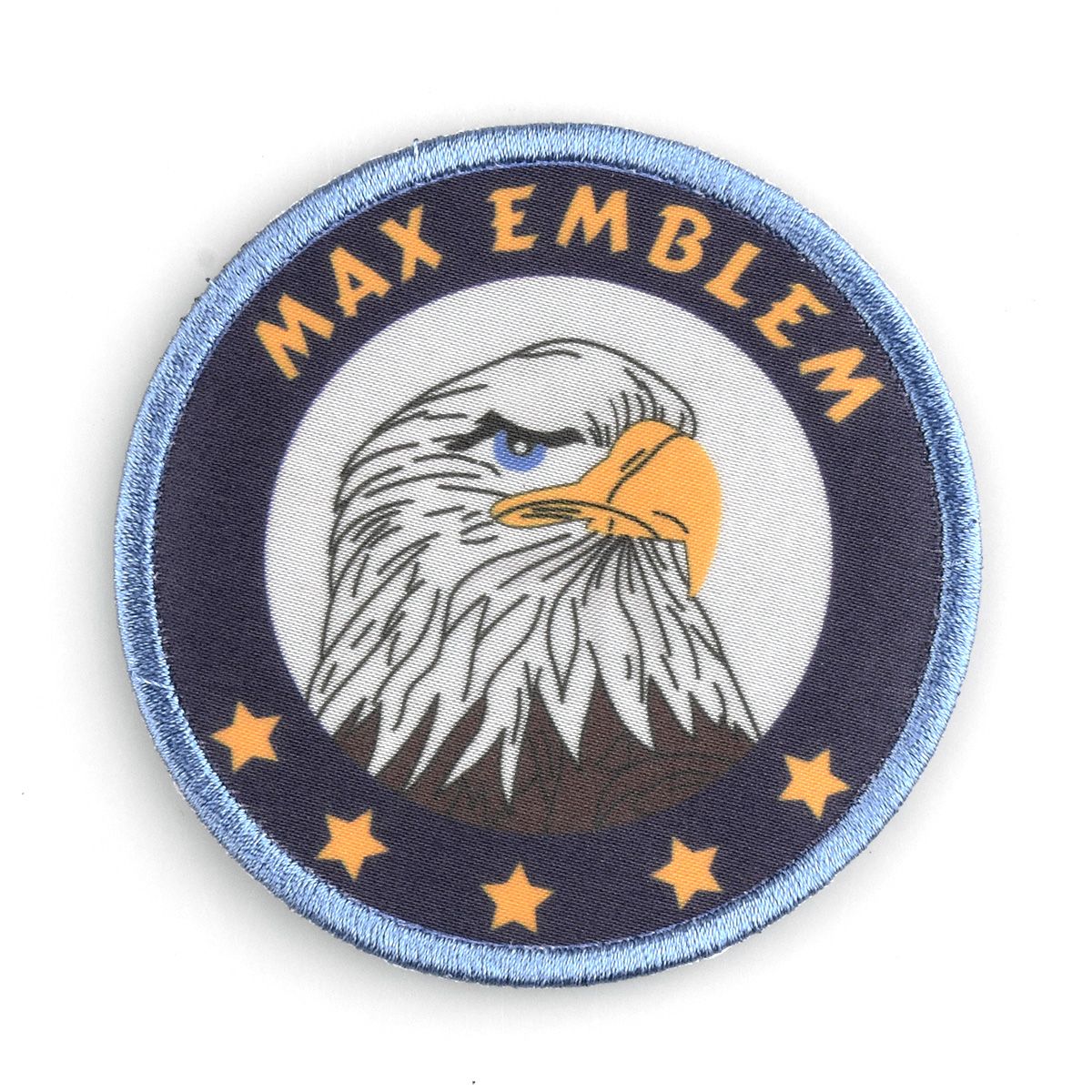
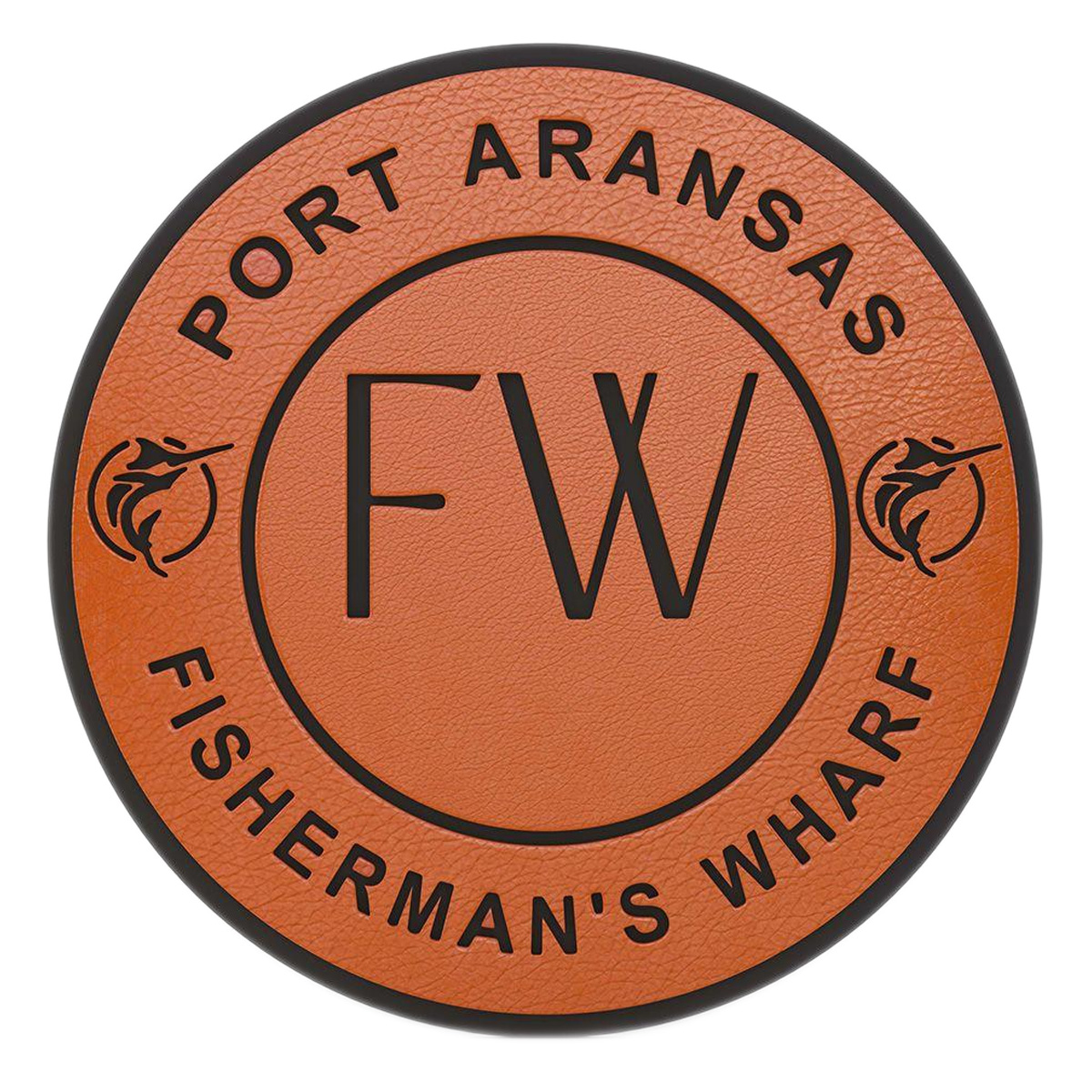
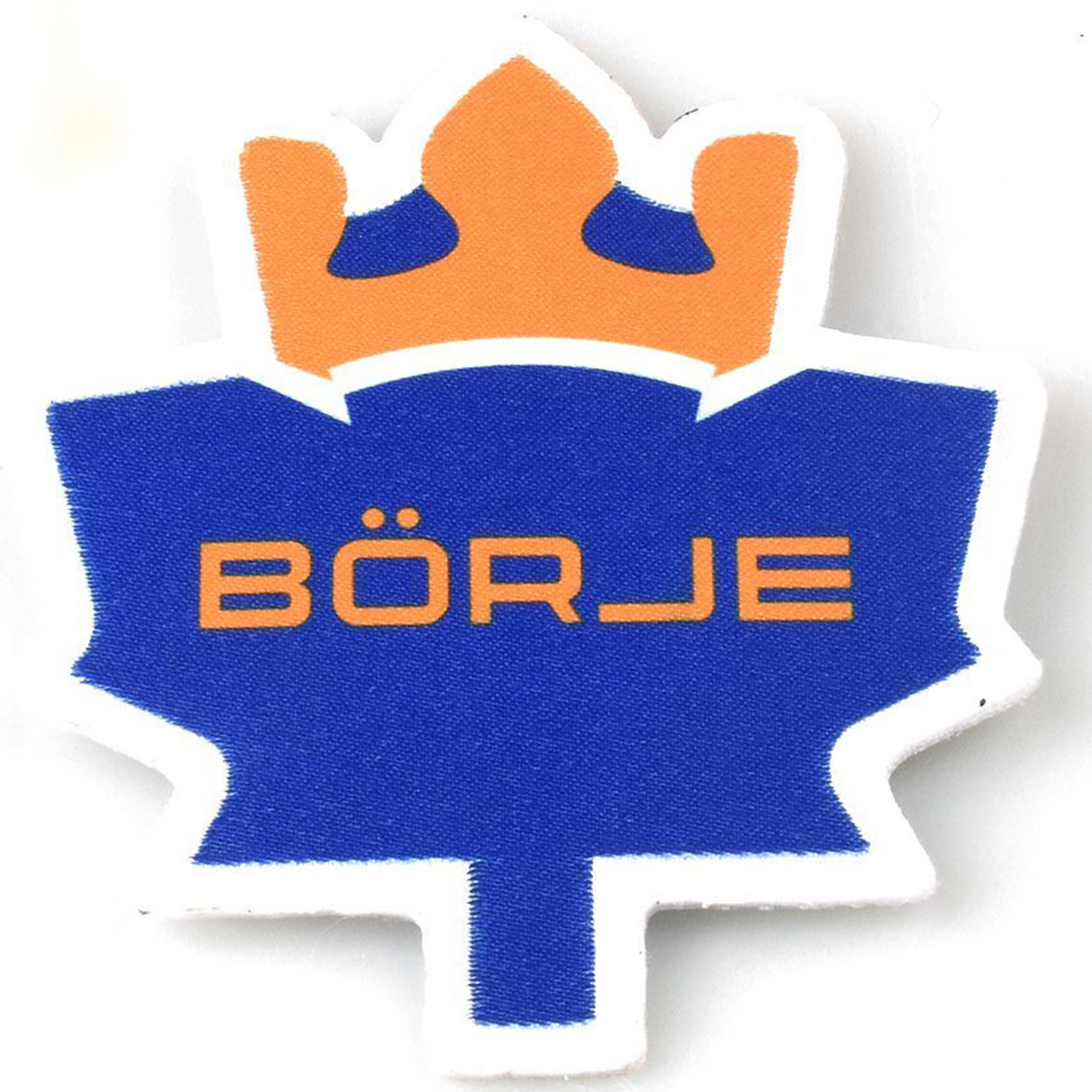
Adhesive fabric patches are not just functional; they are a canvas for endless creativity.
● Customizing denim jackets and jeans – Add personality with logos, slogans, or decorative fun designs.
● DIY fashion projects – Use on tote bags, hats, backpacks, and scarves.
● Team uniforms or event merchandise – Quickly add branding or unique designs for a professional appearance.
● Layered designs – Combine multiple patches for unique textures , patterns, multi-dimensional looks.
These creative uses make adhesive patches ideal for personal expression, crafting, fashion statements functional items or small business product customization.
6. FAQ
Q1: Can adhesive patches withstand washing?
A: Removable patches may lose adhesion after washing, while permanent or iron-on patches are more durable. Edge stitching improves longevity.
Q2: Are adhesive patches safe for all fabrics?
A: Most natural fabrics like cotton and denim work well. Synthetic fabrics or delicate materials may require testing or sewing reinforcement.
Q3: Can I reuse adhesive patches?
A: Removable adhesive patches can be repositioned a few times, but permanent ones are intended for one-time application.
Q4: How do iron-on adhesive patches differ from regular adhesive patches?
A: Iron-on patches use heat to activate the adhesive, providing stronger bonding, especially for thick or high-wear fabrics like denim.