Sign in
Create Your Account
Create My Account
Sign In
Create Your Account
Master 2026 pin trends—customize sleek black metal enamel pins & stainless steel lapel pins with bold contrast, durability & artistic flair.


In the evolving landscape of personal and brand expression, metal pins have transcended their traditional accessory status to become powerful visual totems of identity, affiliation, and artistic vision. As we look toward 2026, a distinct shift is emerging: from the raw, atmospheric aesthetic of black metal band pins favored by music subcultures to the sleek, minimalist appeal of stainless steel lapel pins embraced by contemporary brands and fashion-forward individuals. This duality represents more than just stylistic preference—it reflects deeper cultural currents where authenticity, durability, and visual impact converge.
Yet, many creators and brands encounter specific technical challenges when bringing their dark aesthetic visions to life. How do you ensure intricate occult symbols or fine band logos remain sharply defined against a black metal base? What manufacturing techniques guarantee that your decorative metal pins withstand daily wear on backpacks at festivals or commuting through urban environments? At Maxemblem, with our 20-year specialization in precision metal manufacturing, we've mastered the art of combining advanced black plating technologies with high-precision etching to deliver black metal enamel pins that don't just look exceptional but endure as lasting symbols of your vision. This comprehensive guide explores the technical, aesthetic, and practical considerations for creating metal pins that capture the spirit of 2026.

Why Black Plating Dominates 2026 Metal Aesthetics
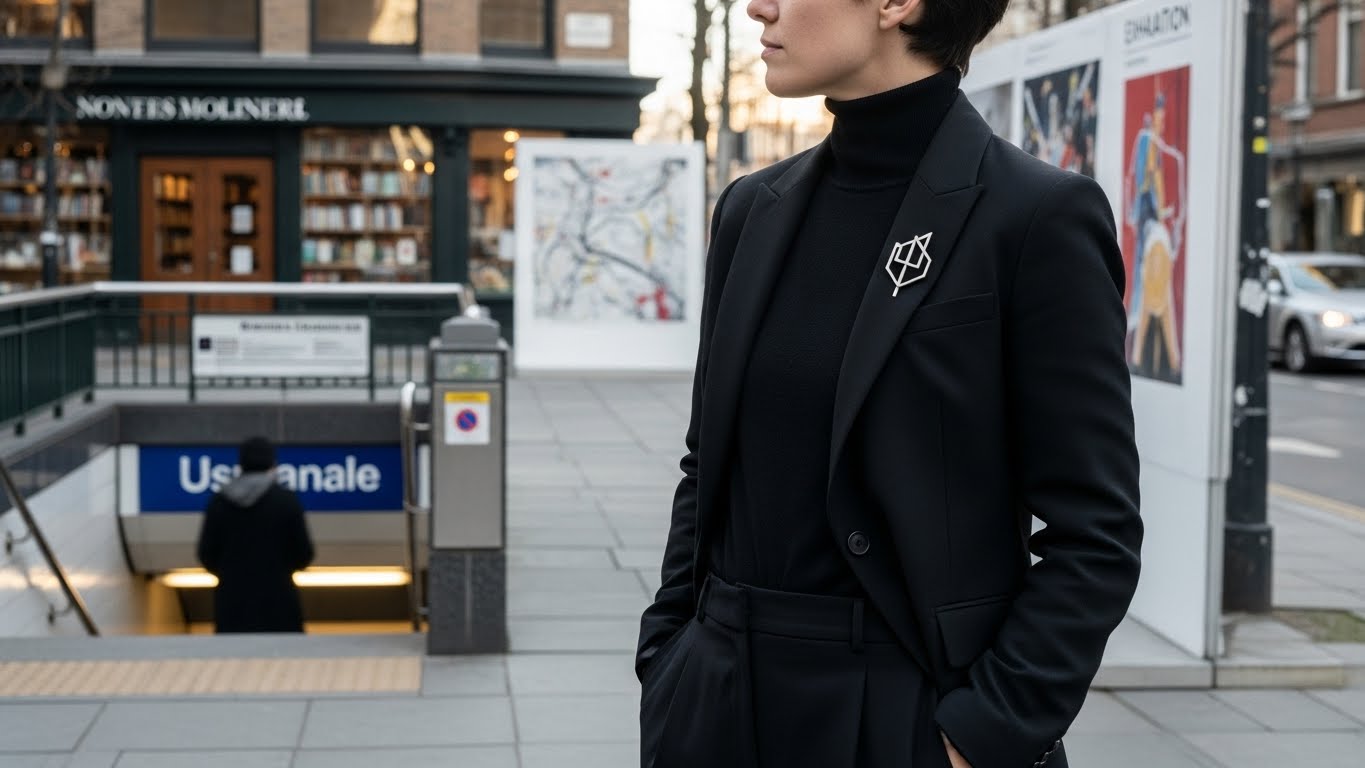
The resurgence of black as the definitive metal finish for 2026 isn't merely a color trend—it's a reflection of broader design philosophies prioritizing depth, mystery, and versatility. Unlike colored enamels that sit atop metal, black plating transforms the base material itself, creating a foundation that interacts uniquely with light, texture, and additional design elements.
What Makes Black Metal the Perfect Canvas for Complex Designs?
Black-plated metal provides unique advantages for decorative metal pins that go beyond simple aesthetics. The technical and visual benefits include:
Design Element |
On Silver/Nickel Base |
On Black Plated Base |
Visual Advantage |
|---|---|---|---|
Fine line artwork |
Can appear faint or washed out |
High contrast creates definition |
+40-60% better readability |
Metallic highlights |
Subtle, can blend with base |
Dramatic "light in darkness" effect |
Creates dimensional depth |
Color application |
Colors compete with shiny base |
Colors pop against matte background |
Increased color saturation |
Wear and aging |
Scratches show as bright marks |
Ages gracefully, scratches less visible |
Maintains aesthetic over time |
This contrast enhancement is particularly valuable for black metal band pins featuring intricate logos, occult symbols, or atmospheric artwork common in extreme music genres. The black base acts as visual "negative space" that makes positive design elements—whether enamel colors or polished metal highlights—appear more vibrant and precisely defined. From a manufacturing perspective, modern black plating processes (including electroplating with black nickel or ruthenium and PVD coating) now offer exceptional adhesion and corrosion resistance, making them suitable even for metal pins for backpacks that face daily environmental exposure.
How Do Enamel Choices Interact with Black Metal Bases?
The decision between soft and hard enamel becomes particularly significant when working with black-plated bases. Each interacts differently with the underlying surface:
Consideration |
Soft Enamel on Black Base |
Hard Enamel on Black Base |
Ideal For |
Cost Impact |
|---|---|---|---|---|
Texture contrast |
Recessed enamel creates shadow depth |
Smooth surface offers modern contrast |
Soft: Vintage/raw aesthetic Hard: Sleek/contemporary |
Similar base cost |
Light interaction |
Recesses catch shadows, dramatic effect |
Reflective surface highlights colors |
Soft: Low-light visibility Hard: High-light brilliance |
Hard enamel +25-40% |
Color presentation |
Colors appear slightly muted, atmospheric |
Colors appear vibrant, jewel-like |
Soft: Subtle/moody palettes Hard: Bold/saturated colors |
Color cost similar |
Durability factor |
Good protection within recesses |
Excellent surface scratch resistance |
Soft: Light/medium use Hard: Heavy/frequent use |
Hard enamel more durable |
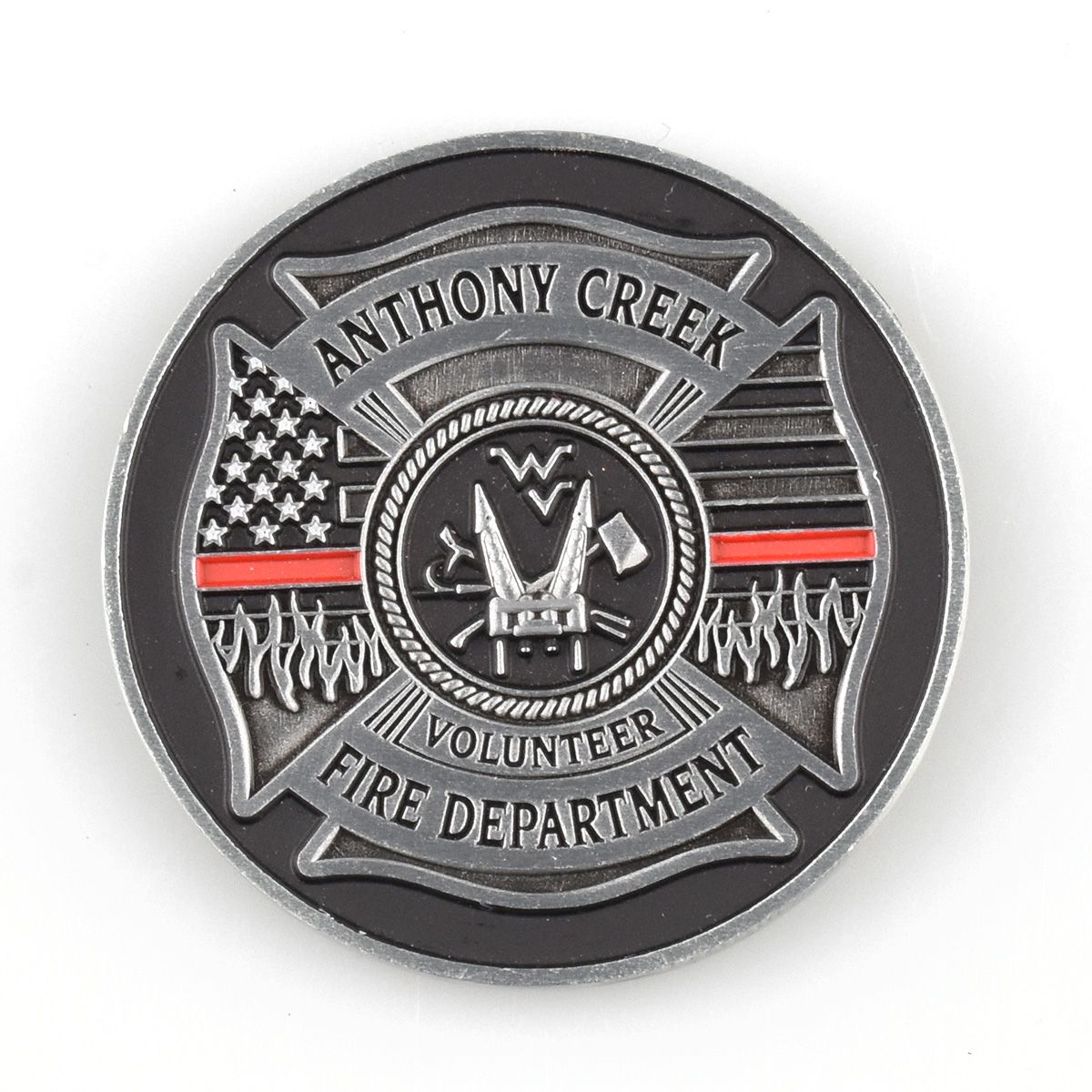
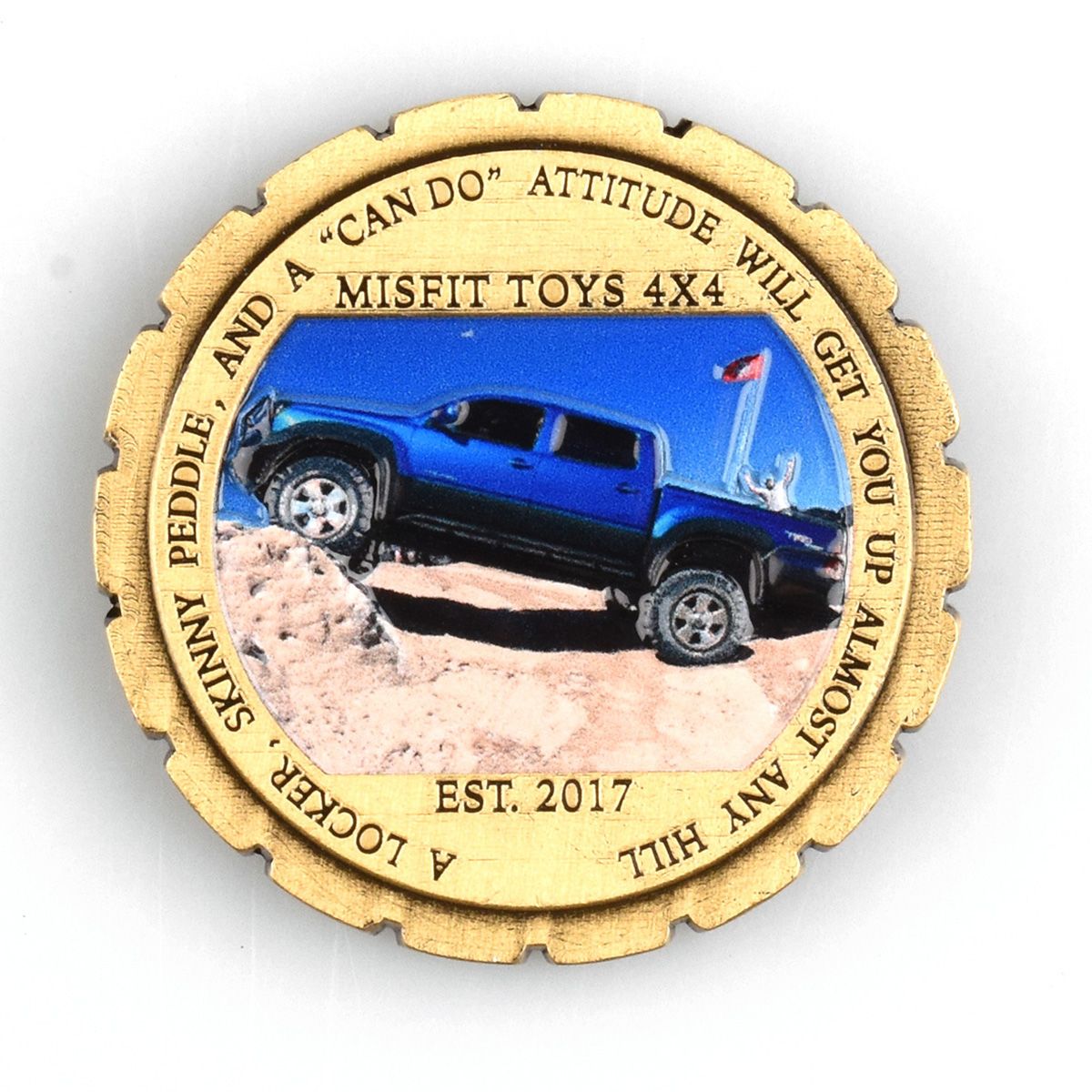
For black metal enamel pins in the music merchandise space, soft enamel often aligns better with the raw, authentic aesthetic of genres like black metal, doom, or hardcore—the dimensional texture feels handmade and immediate. For fashion brands or corporate applications seeking stainless steel lapel pins with black accents, hard enamel provides the polished, premium finish expected in those contexts. At Maxemblem, we guide clients through this decision based on their specific audience, usage context, and design goals, ensuring the enamel choice enhances rather than competes with the black metal foundation.
Customization Strategies for Different Applications
The versatility of metal pins means that optimal customization approaches vary dramatically based on intended use. What works perfectly for a band's tour merchandise might be entirely unsuitable for corporate branding, and vice versa. Understanding these application-specific considerations ensures your pins perform their intended function while maximizing visual impact.
How to Create Authentic Black Metal Band Merchandise
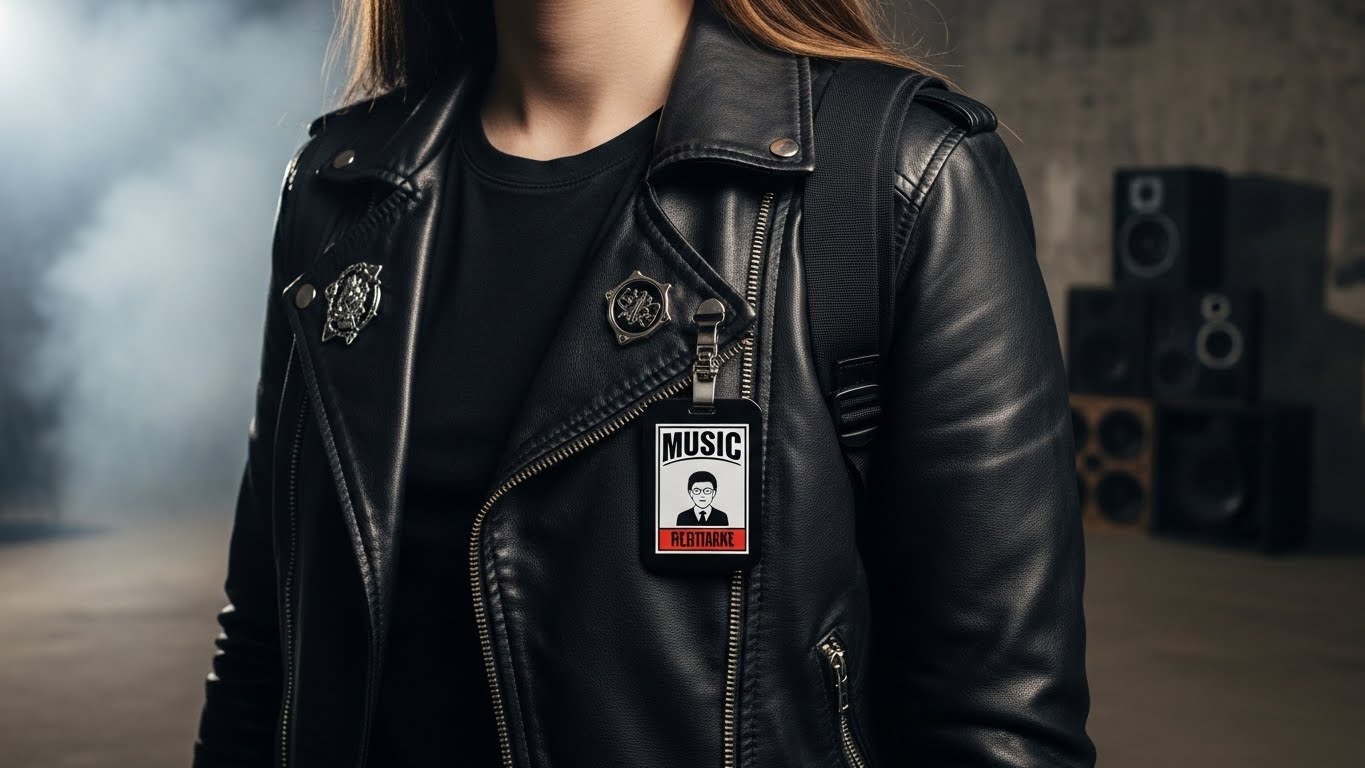
The extreme metal community possesses exceptionally discerning standards for merchandise authenticity and quality. Successful black metal band pins must balance atmospheric aesthetics with technical precision:
Industry analysis shows that bands investing in quality black metal enamel pins see 3-5x higher merchandise profit margins compared to standard printed patches or stickers, with pins often becoming collectible items traded among fans. The key is avoiding the "cheap merch" look while maintaining visual authenticity to the genre's DIY roots—a balance achieved through quality materials rather than elaborate (and expensive) processes.
What Makes the Ideal Metal Pins for Backpacks and EDC?
Backpacks, messenger bags, and battle jackets present unique challenges for pin durability. These items experience constant movement, weather exposure, and physical contact. Designing metal pins for backpacks that survive this environment requires specific considerations:
Durability Factor |
Recommended Solution |
Common Mistake |
Testing Standard at Maxemblem |
|---|---|---|---|
Enamel chipping |
Hard enamel or offset printing |
Soft enamel on thin raised lines |
200-cycle abrasion test |
Plating wear |
PVD coating or thick electroplate |
Thin decorative plating only |
Salt spray corrosion test |
Backing failure |
Locking rubber clutch or screw back |
Standard butterfly clutch |
50-lb pull strength test |
Structural integrity |
Die struck pins (solid metal) |
Hollow die cast for large designs |
Impact resistance testing |
For backpack pins that will see genuine outdoor use, we strongly recommend die struck pins over die cast for designs under 2". Die striking creates solid metal pins without hollow spaces, making them significantly more resistant to bending or breaking when caught on objects. Combined with PVD black coating (which penetrates the metal surface rather than sitting atop it) and locking clutches, this creates metal pins for backpacks that survive festivals, travel, and daily commutes while maintaining their aesthetic integrity.
When Should You Choose 3D Die Cast Pins for Maximum Impact?
For logos, mascots, or designs that benefit from dimensional presence, custom die cast lapel pins offer possibilities flat pins cannot achieve. Understanding when this investment delivers appropriate return is key:
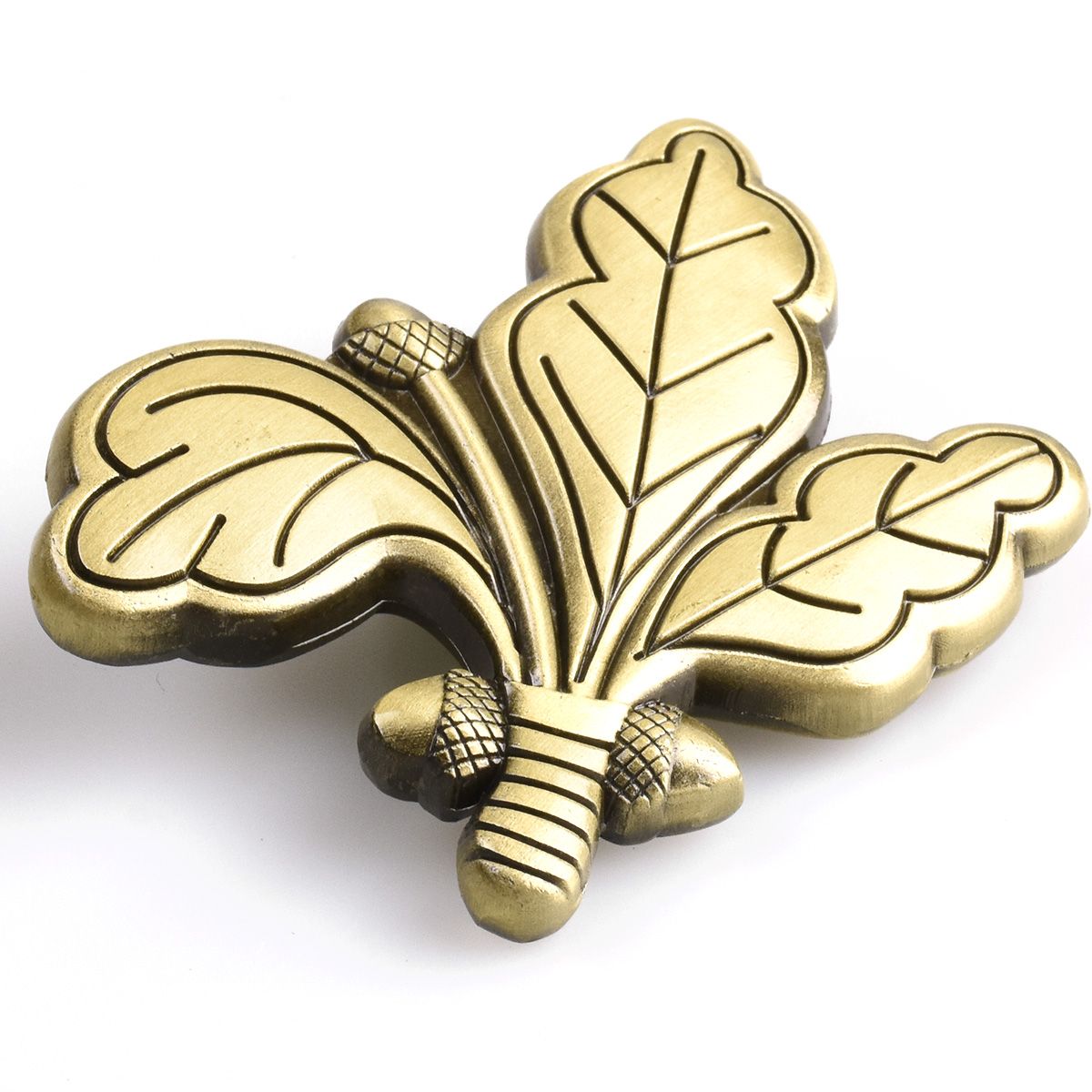
The manufacturing process for true 3D pins involves creating multiple molds for different depth levels, then assembling components. This complexity makes them 2-3x more expensive than flat pins of similar size, but for applications where the pin serves as a miniature sculpture or premium collectible, the impact justifies the cost. For brands considering custom die cast lapel pins, we recommend starting with relatively simple 3D elements before progressing to highly complex multi-piece assemblies.
Critical Details: Size, Backing, and Finishing Considerations
Even with perfect artwork and material selection, subtle details determine whether a pin feels premium or problematic in actual use. These practical considerations separate mass-produced novelties from professionally crafted decorative metal pins worthy of daily display or collection.
How to Select the Optimal Size for Different Applications?
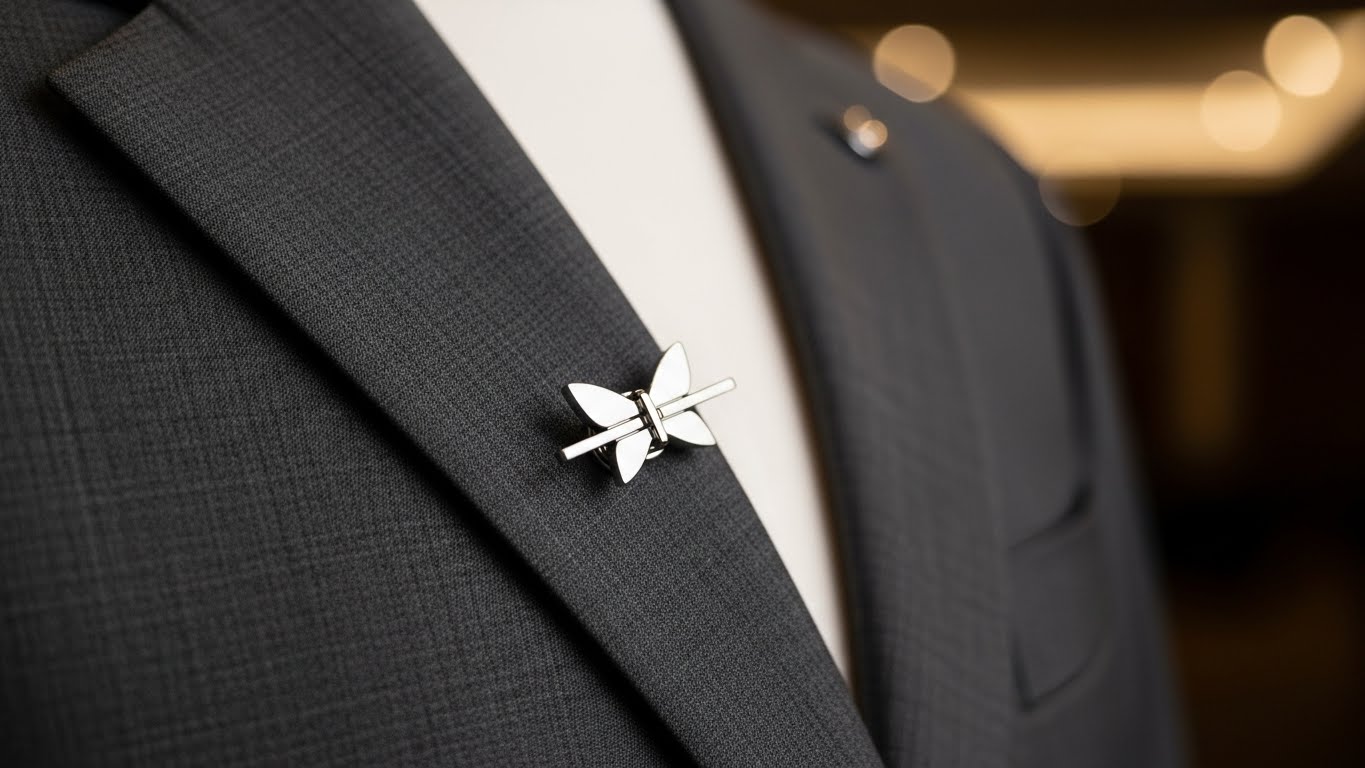
Size selection involves balancing visibility, wearability, and design integrity. The "right" size varies dramatically between a subtle stainless steel lapel pin for corporate wear and a statement black metal enamel pin for battle jacket display:
Application Context |
Recommended Size Range |
Design Consideration |
Weight Impact |
Common Error |
|---|---|---|---|---|
Corporate lapel wear |
0.5" - 0.75" |
Extreme simplification required |
5-10 grams |
Overly complex designs |
Standard custom pins |
0.75" - 1.25" |
Balance detail and clarity |
10-25 grams |
Too small for intended use |
Backpack/denim jacket |
1.25" - 2" |
Can accommodate complexity |
25-50 grams |
Excessive weight for fabric |
Collector/display pieces |
2" - 3"+ |
Full artistic expression possible |
50-150+ grams |
Impractical for actual wear |
Multi-pin arrangements |
0.5" - 1" mixed sizes |
Consistent design language |
Distributed weight |
Visual chaos from inconsistency |
For most black metal enamel pins intended for jacket or bag display, the 1.25" to 1.75" range offers optimal visibility while remaining wearable. Below 1", intricate details become difficult to appreciate; above 2", pins become heavy and may damage thinner fabrics. At Maxemblem, we provide size mockups during the design phase, showing how your artwork scales to different dimensions—a service that prevents disappointing results from incorrect size assumptions.
Why Backing Selection Matters More Than You Think
The attachment mechanism represents the critical interface between pin and wearer. Poor backing choices lead to lost pins, damaged garments, and frustrated users. For metal pins for backpacks and other high-movement applications, this decision demands particular attention:
Our testing reveals that standard butterfly clutches fail at approximately 8-12 pounds of pull force, while locking rubber clutches withstand 15-25 pounds. For pins worn at concerts, festivals, or active workplaces, this difference determines whether pins survive the experience. Every black metal band pin we produce undergoes backing security testing specific to its weight and intended use environment.

3-Step Strategic Guide for 2026 Custom Metal Pins
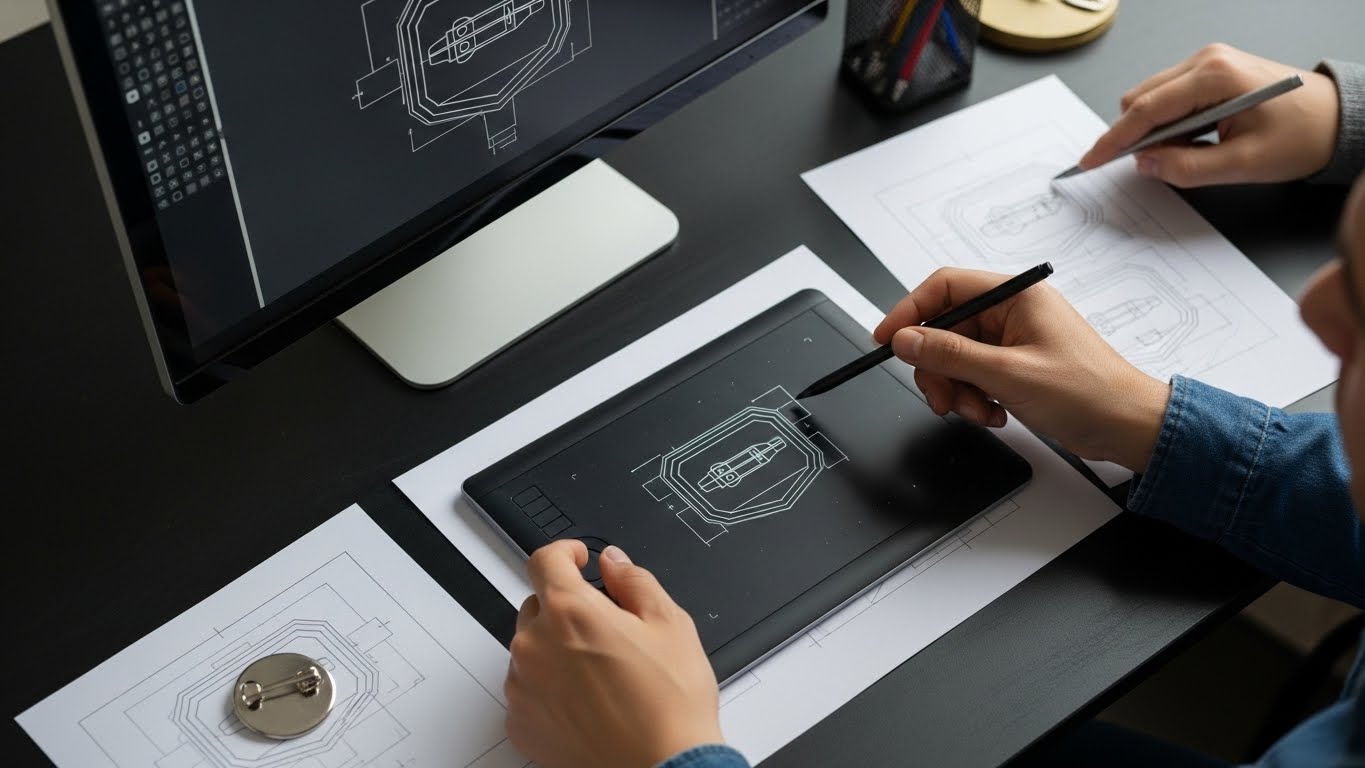
Phase 1: Design Optimization with Technical Reality in Mind
Beautiful artwork doesn't always translate directly to manufacturable pins. Our complimentary design review service identifies potential issues before production begins:
This phase typically requires 1-3 business days and often saves clients from disappointing results or unexpected cost increases. For complex designs like detailed black metal band pins, we may create digital mockups showing how different manufacturing approaches would render the artwork.
Phase 2: Physical Sampling for Critical Validation
While digital proofs show color and layout, physical samples reveal texture, weight, finish quality, and practical details no screen can convey. Our sampling process addresses key validation points:
Sample Focus Area |
What to Evaluate |
Common Issues Found |
Corrective Actions |
|---|---|---|---|
Black plating finish |
Consistency, darkness, texture |
Uneven coating, wrong black tone |
Adjust plating formula or time |
Color accuracy |
Match to Pantone or reference |
Colors appear different on black base |
Adjust enamel formulation |
Detail sharpness |
Crispness of fine lines and text |
Blurred edges, filled-in details |
Modify mold or adjust process |
Physical feel |
Weight, balance, backing function |
Too heavy/light, backing insecure |
Adjust metal thickness or backing |
For clients new to black metal enamel pins, we particularly emphasize sampling because black plating can interact unexpectedly with colors and textures. A red that appears vibrant against silver might appear burgundy or brown against black—an issue far easier to correct at sampling stage than after full production. Sample pins typically add 5-7 business days to the timeline but prevent costly full-run corrections.
Phase 3: Production Planning with Realistic Timelines
Metal pin manufacturing involves multiple sequential processes that cannot be rushed without compromising quality. Understanding these timelines helps plan for important 2026 events:
For bands planning 2026 tours, brands launching spring collections, or events scheduled for early 2026, we recommend initiating the process by November-December 2025. This allows time for design refinement, sampling, and production without requiring expensive rush fees. Our project management team provides regular updates at each milestone, ensuring you maintain visibility without needing to constantly follow up.
Define Your Metal Signature for 2026
Whether creating collectible merchandise for your band, distinctive branding for your company, or unique accessories for your community, metal pins offer unparalleled durability and visual impact. Don't settle for generic solutions when your vision deserves precision craftsmanship.
Metal Pin Customization Frequently Asked Questions
How durable is black plating compared to traditional nickel or gold plating?
Modern black plating, particularly PVD (Physical Vapor Deposition) coating, often exceeds the durability of traditional electroplating. While decorative gold or nickel plating measures 0.1-0.3 microns thick, PVD black coating typically reaches 1-3 microns with superior adhesion to the base metal. In abrasion testing, PVD black coating withstands 200+ cycles before showing significant wear, compared to 50-100 cycles for standard plating. For metal pins for backpacks or frequent wear, we recommend PVD over electroplated black finishes. The cost premium is approximately 15-25% but extends functional lifespan 2-3x.
Can you create pins with both black metal and stainless steel elements?
Yes, through selective plating or two-tone manufacturing processes. For stainless steel lapel pins with black accents, we typically create the entire pin in stainless steel, then apply black plating only to designated areas using masking techniques. For black metal enamel pins with polished stainless highlights, we plate the entire piece black, then polish specific raised areas back to bare metal. This creates dramatic contrast but adds 20-30% to production cost due to additional processing steps. The visual impact often justifies this investment for statement pieces or premium merchandise lines.
What's the minimum quantity for custom metal pins?
We offer true no-minimum quantities, but practical considerations affect pricing. For simple decorative metal pins, quantities as low as 25-50 pieces are feasible, though per-unit costs are high due to fixed mold expenses. The most cost-effective quantities begin at 100+ pieces for standard designs and 250+ for complex designs. For black metal band pins intended as tour merchandise, we typically recommend 100-250 as a starting quantity to test audience response before investing in larger wholesale runs. Our transparent pricing shows exactly how per-unit costs decrease at 100, 250, 500, and 1000+ quantities.
How do I ensure my band's logo translates well to a black metal pin?
Successful translation requires: 1) A vector file (AI, EPS, or PDF with vector elements)—never a JPG or PNG; 2) Simplified color palette—most band logos work best with 1-3 colors against the black base; 3) Adequate line thickness—elements thinner than 0.3mm may not reproduce cleanly; 4) Strategic use of negative space—let the black metal show through as part of the design rather than filling every area with enamel. Our design team specializes in adapting band artwork for black metal band pins, often suggesting subtle modifications that enhance readability while maintaining the logo's essential character. This service is complimentary with any quote.