Sign in
Create Your Account
Create My Account
Sign In
Create Your Account
2026 complete guide to custom baseball & softball trading pins. Choose soft enamel, ideal size, design & budget for team trading & tournaments.


At any youth baseball or softball tournament, you'll see players eagerly gathering after games for one cherished tradition: trading pins. These small emblems have evolved into the unofficial currency of team spirit and camaraderie. For coaches, team parents, and league organizers, choosing the right custom baseball trading pins or custom softball trading pins presents a unique challenge—how do you create pins that kids will love to show off and trade, while staying within a realistic budget and avoiding production pitfalls?
This comprehensive guide draws on decades of manufacturing experience to navigate the four most common decision points—and hidden traps—in the custom pin industry. Whether you're ordering for a local recreation team or a travel tournament with hundreds of participants, understanding these fundamentals will transform your custom pin project from a source of stress into a highlight of your season.
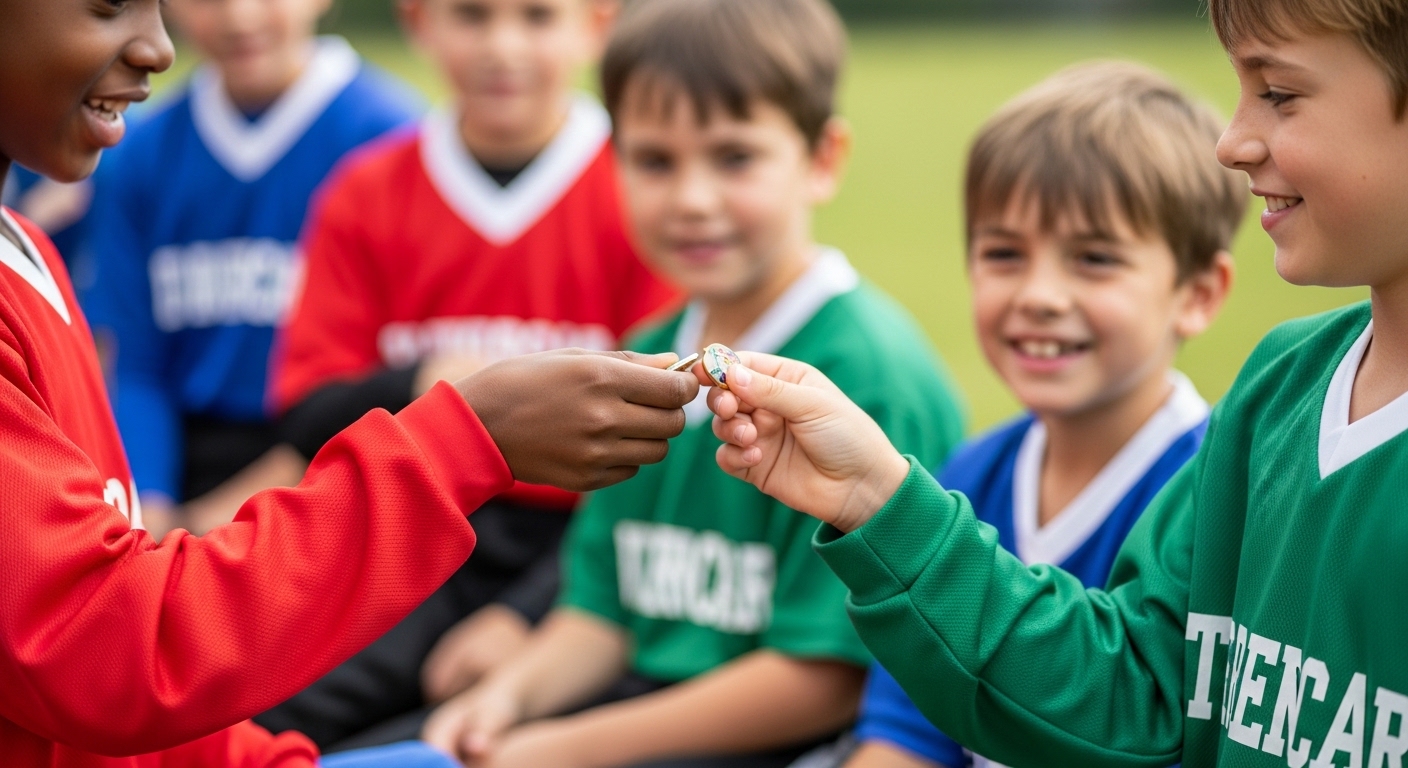
The 4 Critical Decisions for Creating Pins Players Will Love to Trade
The success of your best custom lapel pins for trading depends on balancing four interconnected factors. Getting just one wrong can mean pins that are too expensive, too fragile, or simply not exciting enough to generate that eager trading energy on the field.
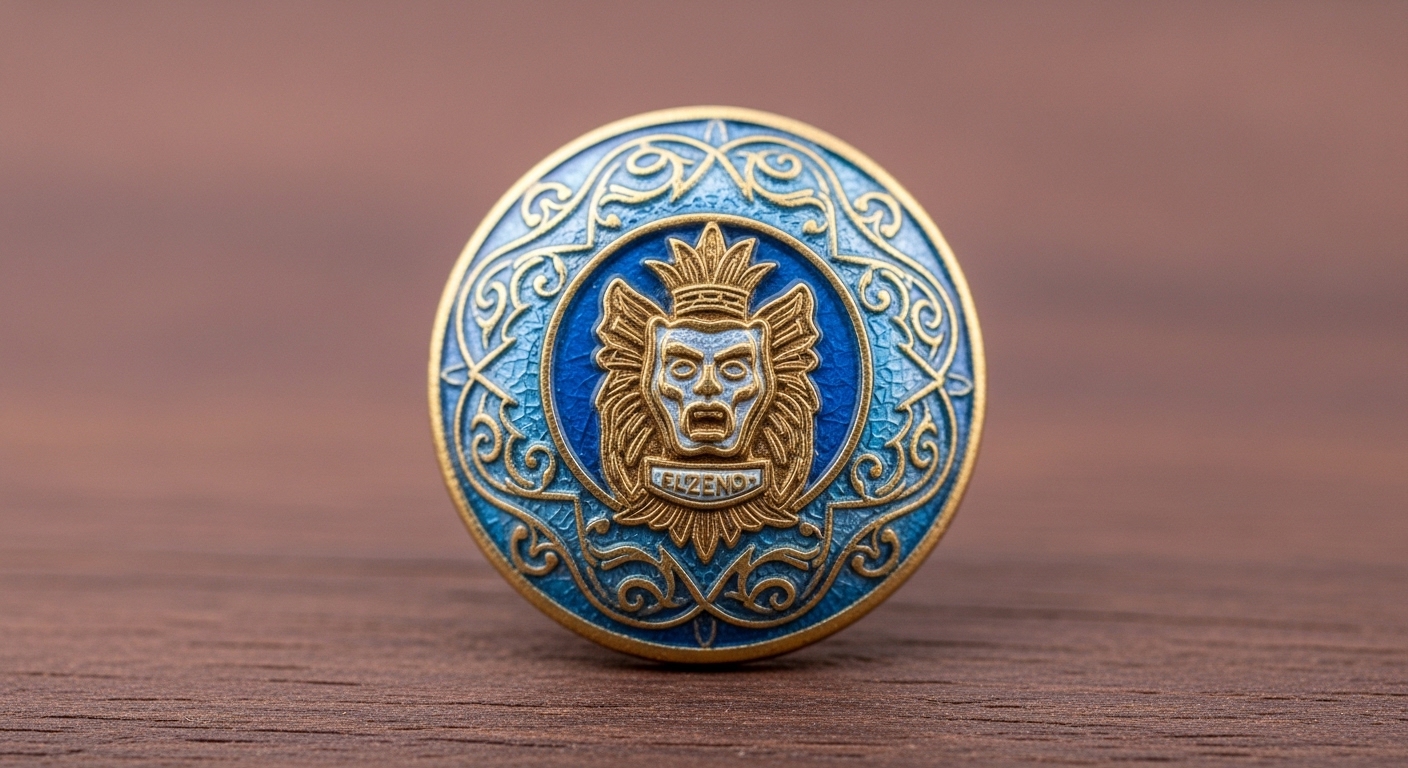
1. Process: Why Soft Enamel Wins the Trading Game
When players examine each other's pins, texture matters. The tactile experience of a pin can make it more desirable as a trading item. This is where understanding enamel types becomes crucial.
Soft Enamel: The Trading Champion
Why Players Love It: Soft enamel creates distinct, recessed color pockets with raised metal lines separating them. This texture gives pins depth and dimension that catches the light and feels interesting in hand—perfect for the tactile experience of trading.
Trading Psychology: The visible and tactile texture makes pins feel more substantial and "collectible." Kids naturally gravitate toward pins with this classic, slightly dimensional look that's become synonymous with sports trading culture.
Practical Advantage: Soft enamel is generally more affordable for multi-color designs, allowing you to incorporate team colors, logos, and text without breaking your budget for those cheap softball trading pins that still look premium.
Hard Enamel: The Formal Alternative
When It Makes Sense: Hard enamel (cloisonné) creates a perfectly smooth, glass-like surface polished flush with the metal lines. It has an elegant, jewelry-like finish that's extremely durable.
Trading Consideration: While beautiful, hard enamel's smoothness lacks the tactile appeal that makes trading fun for younger players. It's often better suited for formal coach's pins, award pins, or commemorative items rather than active trading pins.
For Photographic or Complex Designs: If your pin design includes player photos, detailed mascot illustrations, or gradient backgrounds (like a sunset behind a baseball diamond), neither enamel type will work. For these custom softball trading pins with complex imagery, offset printing or UV printing directly onto a metal base is your best choice. This digital printing method captures photographic detail while remaining cost-effective for medium to large orders.
2. Size Matters: Finding the Goldilocks Zone for Trading Pins
Size affects both the visual impact of your pin and its practicality for young players. Too small, and it gets lost on a baseball bag; too large, and it becomes cumbersome to wear or store.
Size Range |
Best For |
Trading & Practical Considerations |
Visual Impact |
|---|---|---|---|
1.25" - 1.5" (32mm - 38mm) |
Younger divisions (8U-10U) Budget-conscious orders |
Lightweight, easy for small hands to trade and attach. Lower material cost makes these ideal for cheap softball trading pins when ordering in bulk. |
Discreet but visible. Best for simple designs like team initials or basic logos. |
1.5" - 1.75" (38mm - 44mm) |
THE SWEET SPOT Most youth & travel teams |
Substantial feel without being heavy. Fits perfectly on hat brims, bag straps, and lanyards. The most popular size for custom baseball trading pins. |
Excellent visibility. Allows for detailed designs including player numbers, mascots, and year. |
1.75" - 2.25" (44mm - 57mm) |
Special commemorative pins High school varsity teams |
Makes a statement. Requires sturdy back attachments. Consider rubber clutches or safety pins for secure wear. |
High visual impact. Can include complex scenes, multiple design elements, or special effects. |
Pro Tip: Create a paper mock-up at your chosen size and attach it to a baseball cap or bag. Walk around with it for a day. Does it feel right? Does it catch your eye? This simple test prevents sizing regrets.
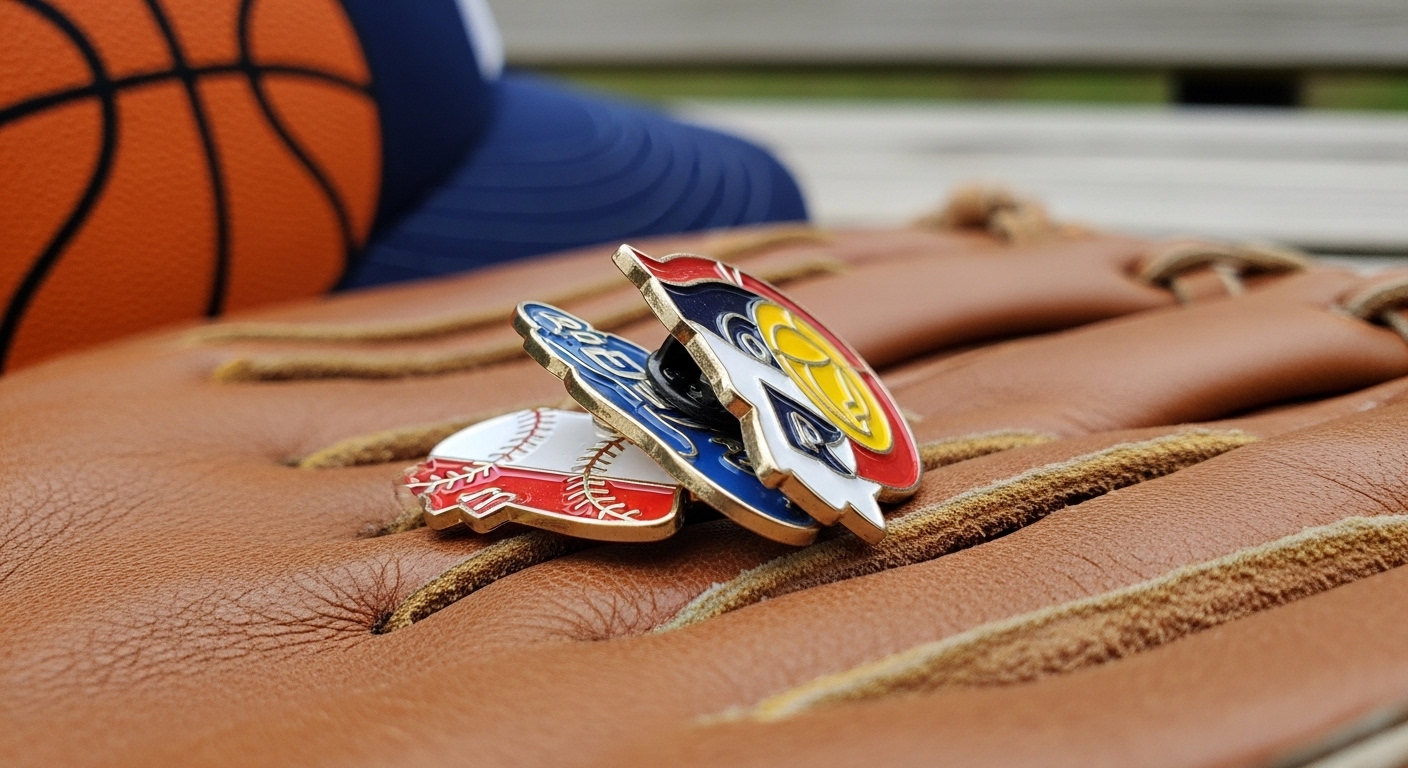
3. Design Magic: Features That Make Your Pins Trade-Worthy
Beyond your team logo, certain design elements can transform your pins from ordinary to "must-have" trading items. These features leverage the psychology of collecting that makes pin trading so engaging for young athletes.
Design Features That Increase Trading Value:
Glitter Enamel: Adding fine glitter to specific color areas (like a star on the cap or the ball itself) creates subtle sparkle that catches the light. It's especially popular for softball trading pins.
Glow-in-the-Dark Elements: Imagine a baseball that glows after being held up to light! This feature is surprisingly affordable to add to specific design areas and creates tremendous excitement.
Spinners or Sliders: A movable part—like a baseball that spins or a bat that slides—adds interactive fun. These become the most sought-after pins at any tournament.
Dual Plating: Using both gold and silver tones in the metal lines (instead of just one color) adds visual sophistication without significant cost increase.
Designing for Durability: Remember that trading pins live rough lives—they're attached to bags that get thrown in trunks, worn on hats during games, and handled repeatedly during trades. Avoid design elements with:
A good manufacturer will help you optimize your design for both visual appeal and physical durability.
4. Price Transparency: Understanding the True Cost of Custom Pins
When evaluating prices for best custom lapel pins, the lowest per-pin quote isn't always the best value. Understanding what goes into the cost helps you compare apples to apples and avoid suppliers who cut corners on quality.
The Mold Fee Explained (The Most Important Concept): Custom enamel pins require a custom metal mold (or "die") that stamps your unique design into the metal blanks. Creating this precision tool involves skilled engraving and represents a significant upfront investment. This is the mold fee—a one-time charge per design that covers the cost of creating your unique production tool.
Key Points About Mold Fees:
The Complete Pricing Picture: A transparent quote should separate:
Quantity Breaks Are Your Friend: The per-pin cost decreases significantly at certain quantity thresholds. For youth sports teams, pooling orders with other teams in your league or ordering multi-year supplies can dramatically reduce costs. A pin that costs $3.50 each at 100 pieces might drop to $2.25 each at 500 pieces.
Special Circumstances: No Minimums & Rush Orders
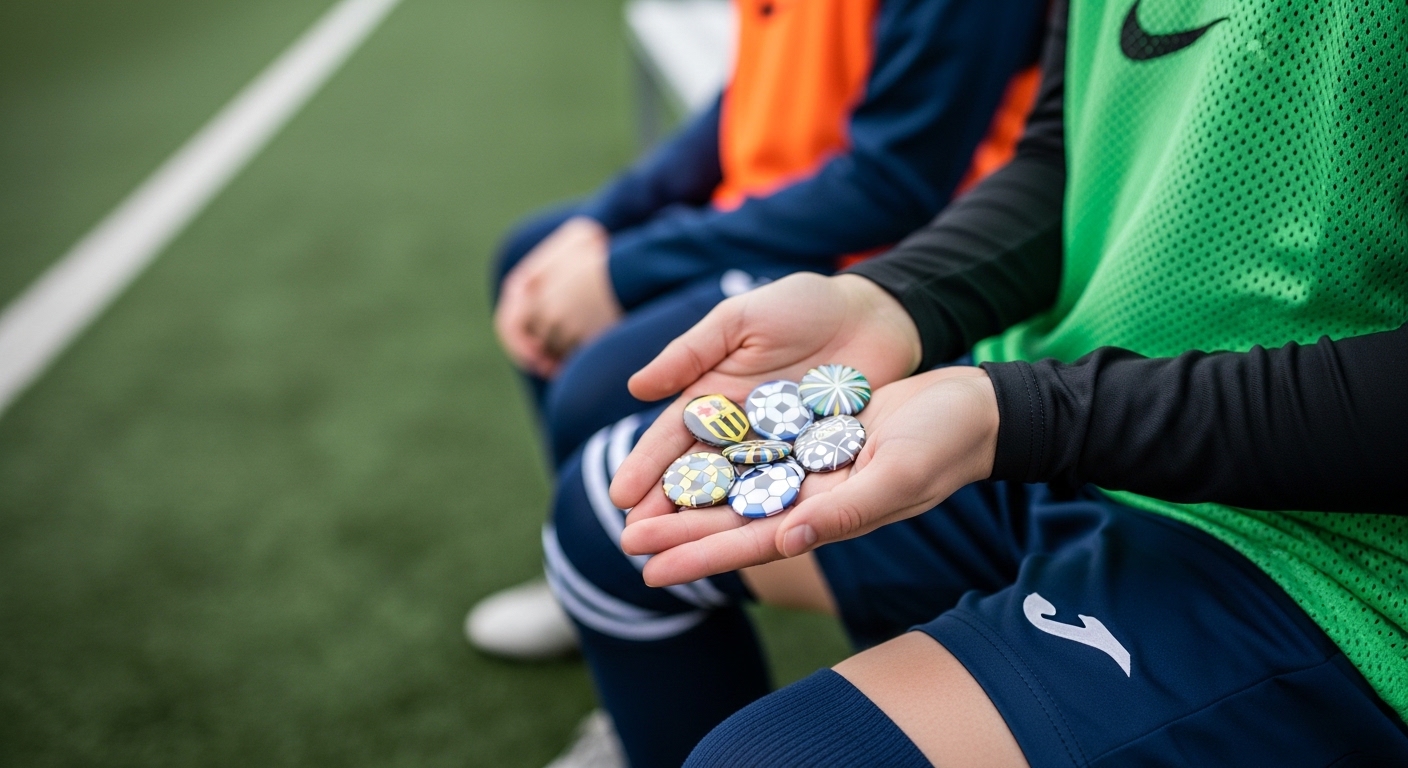
Custom Button Pins: The No-Minimum Solution
For very small teams, individual players wanting personal pins, or last-minute additions, traditional enamel pins with their mold requirements might not be practical. This is where custom button pins no minimum offers a perfect alternative.
Button Pin Advantages
Considerations
Button pins serve as excellent "test runs" before committing to larger enamel orders, or as supplementary items for coaches and volunteers.
When the Tournament Starts Next Week: Understanding Rush Services
Baseball and softball seasons have fixed schedules. Sometimes you discover you need pins with less lead time than standard production allows. Understanding rush service options prevents panic and poor decisions.
Realistic Rush Timelines: True rush production for custom enamel pins typically means 10-15 business days from approved artwork to shipping, plus express shipping. Any supplier promising significantly faster timelines for true custom pins is likely cutting critical quality control steps or misleading you about what's possible.
The Rush Service Trade-off:Rush production often involves:
Planning Ahead is Cheaper: As a rule of thumb, rush production can add 30-50% to your total project cost. Whenever possible, plan your pin orders at the beginning of the season—not when tournaments are imminent.
Pro-Level Details: Backings, Finishes & Materials
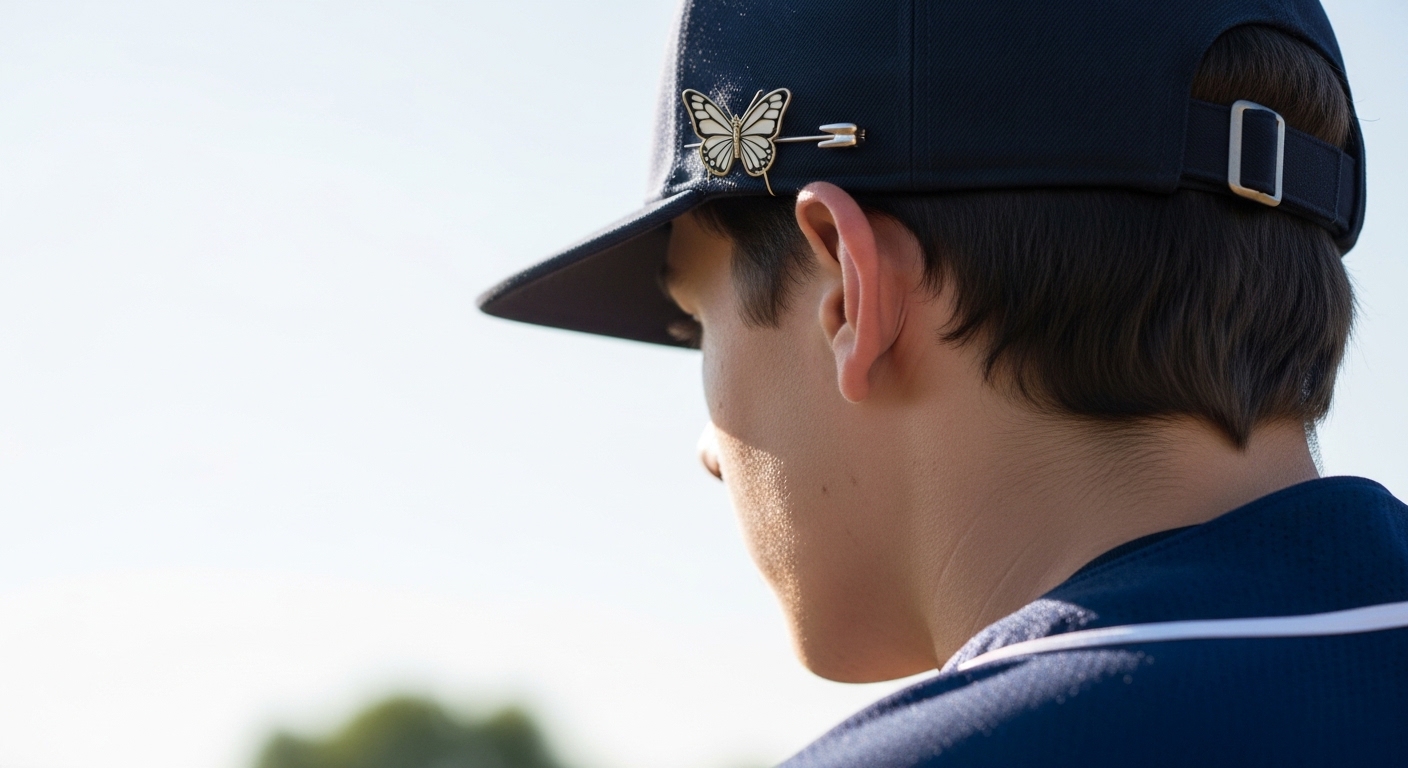
Backing It Up: Choosing the Right Attachment
The backing might seem like a minor detail, but it's critical for how pins are worn and traded. Baseball and softball equipment presents specific challenges—thick bag material, hats with structured brims, and active movement.
Backing Type |
Best For |
Pros |
Cons |
|---|---|---|---|
Butterfly Clutch |
Standard pins on hats, jerseys, thinner bags |
Secure, familiar, easy to use. The standard for most trading pins. |
Can be difficult on thick material. Small parts can be lost. |
Rubber Clutch |
Thicker baseball/softball bags, heavy pins |
Excellent grip on thick fabric. One solid piece (nothing to lose). |
Slightly more expensive. Can be tighter for younger players to use. |
Safety Pin Back |
Vintage-style pins, heavy pins |
Very secure. Easy to attach to thick material. Classic look. |
Can snag fabric. Requires more care when attaching. |
Magnetic Back |
Delicate fabrics, no-pierce situations |
No holes in material. Easy to move and reposition. |
Less secure for active wear. Thicker than other options. |
Recommendation: For most youth baseball and softball trading scenarios, rubber clutches offer the best combination of security and ease of use, especially when pins will be attached to thick canvas or nylon equipment bags.
Material Matters: Zinc Alloy vs. Iron
The base metal of your pin affects its weight, feel, durability, and even plating quality. While this might seem like manufacturer jargon, the choice has real implications for your finished pins.
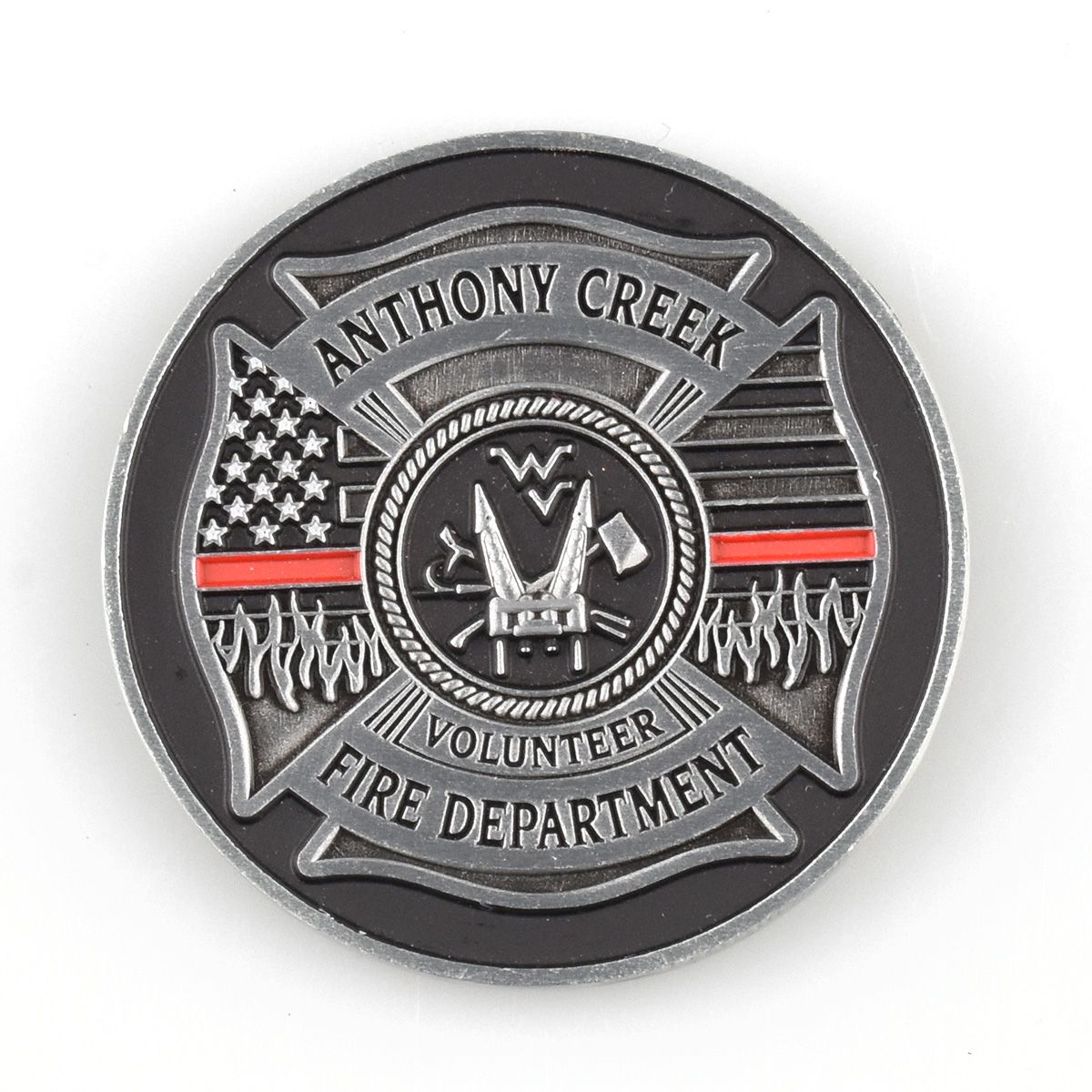
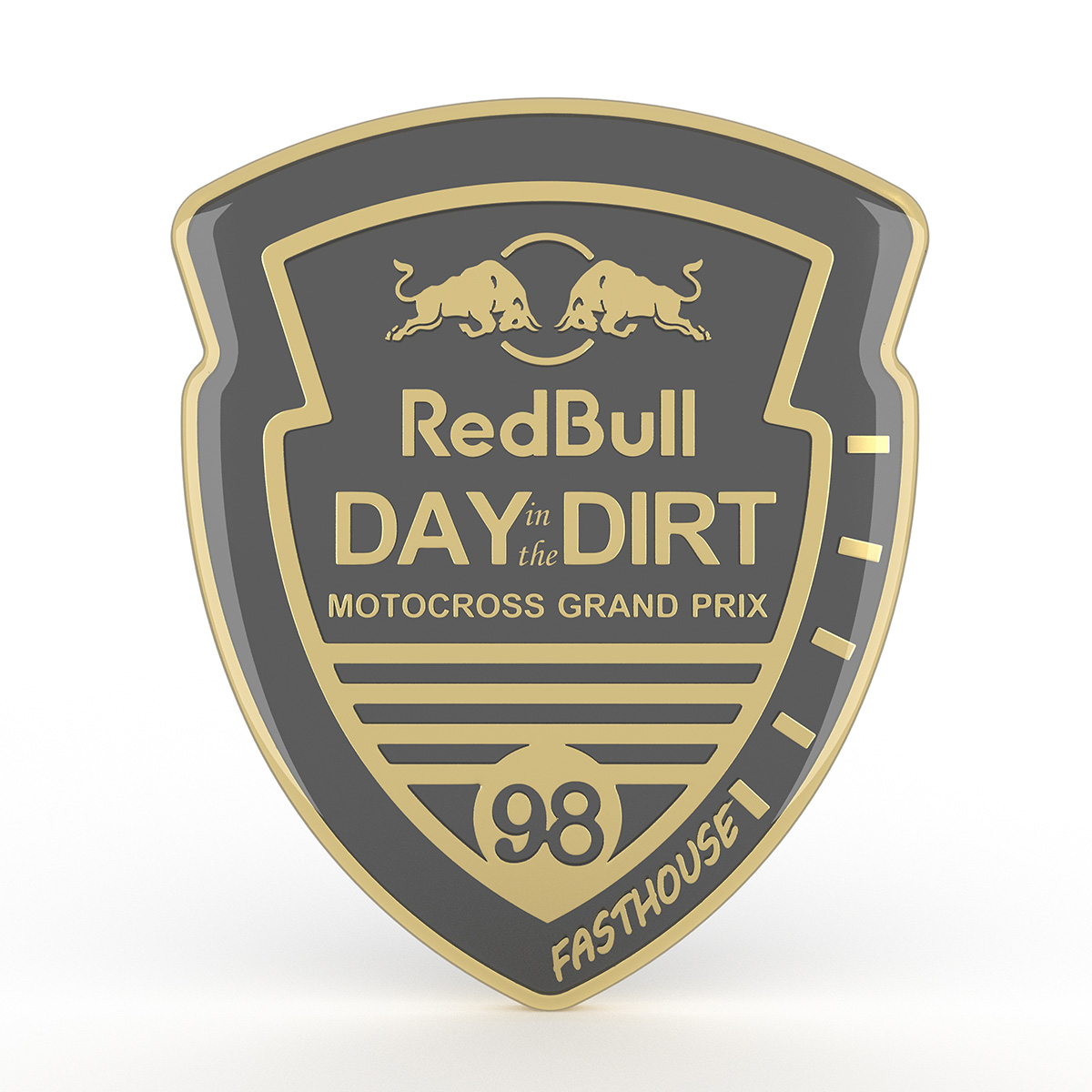
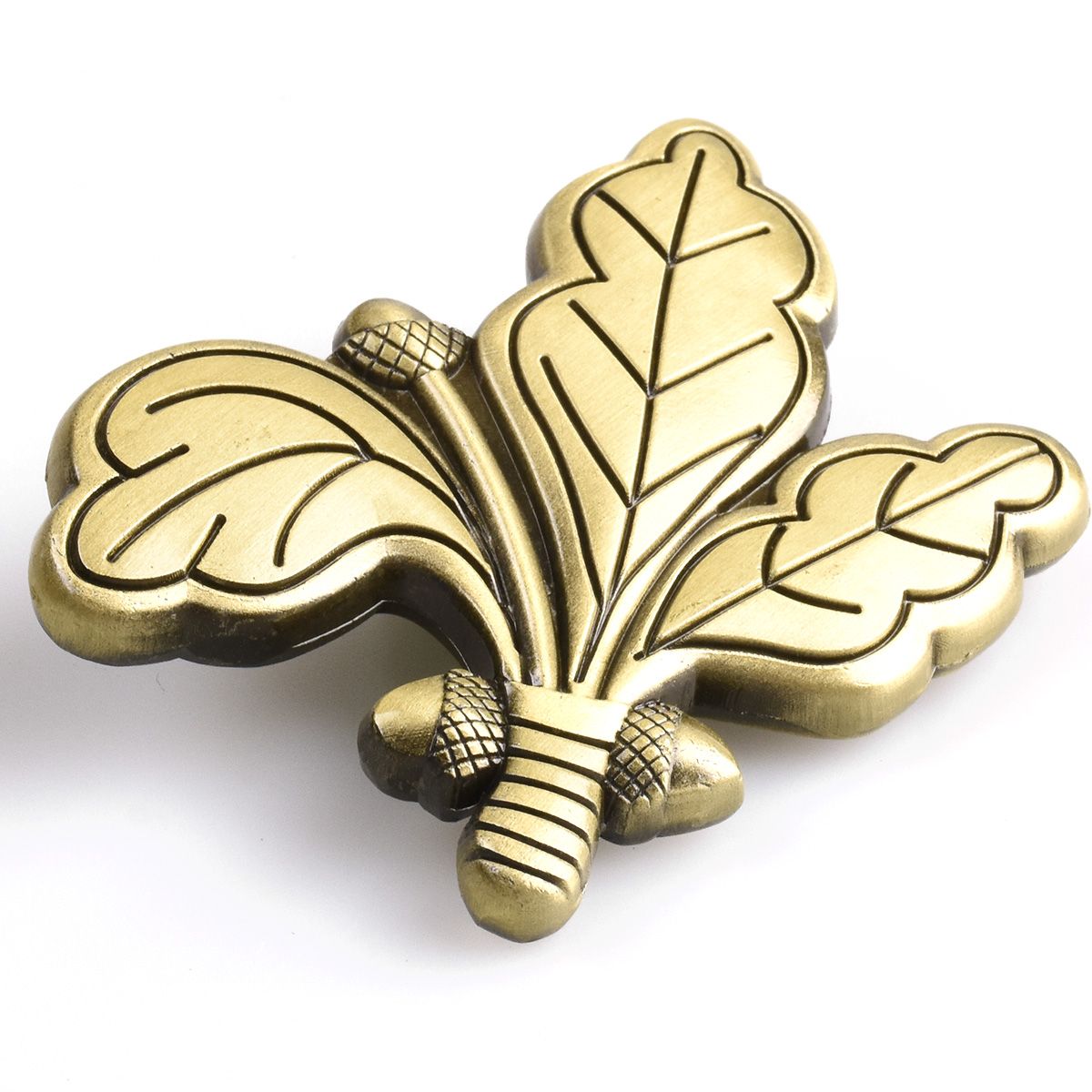
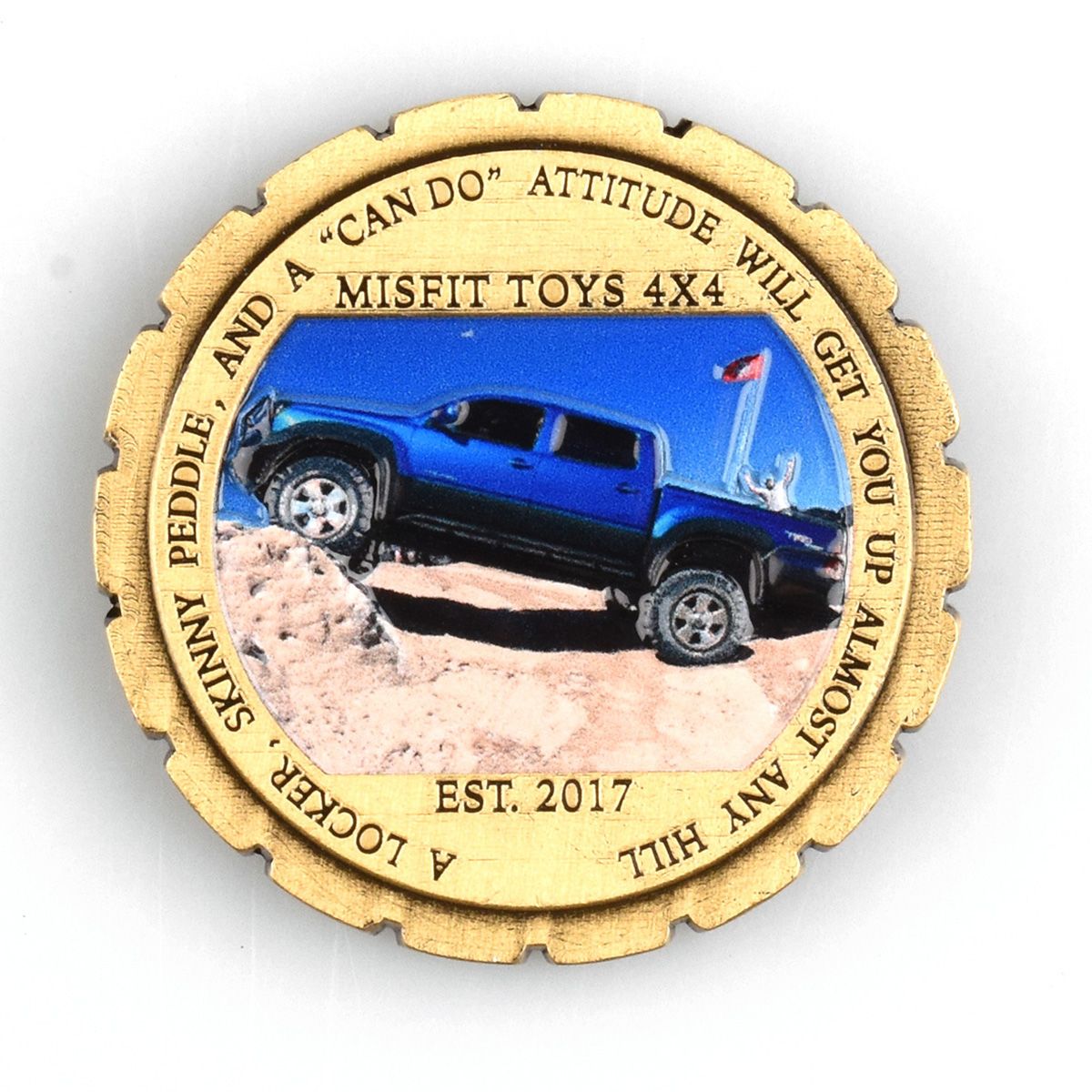
Finishing Touches: Special plating finishes like antique silver (where darkening is applied to recessed areas to create contrast) can give pins a vintage, heirloom quality perfect for commemorative seasons or anniversary teams.
Production Timeline: Planning Your Season
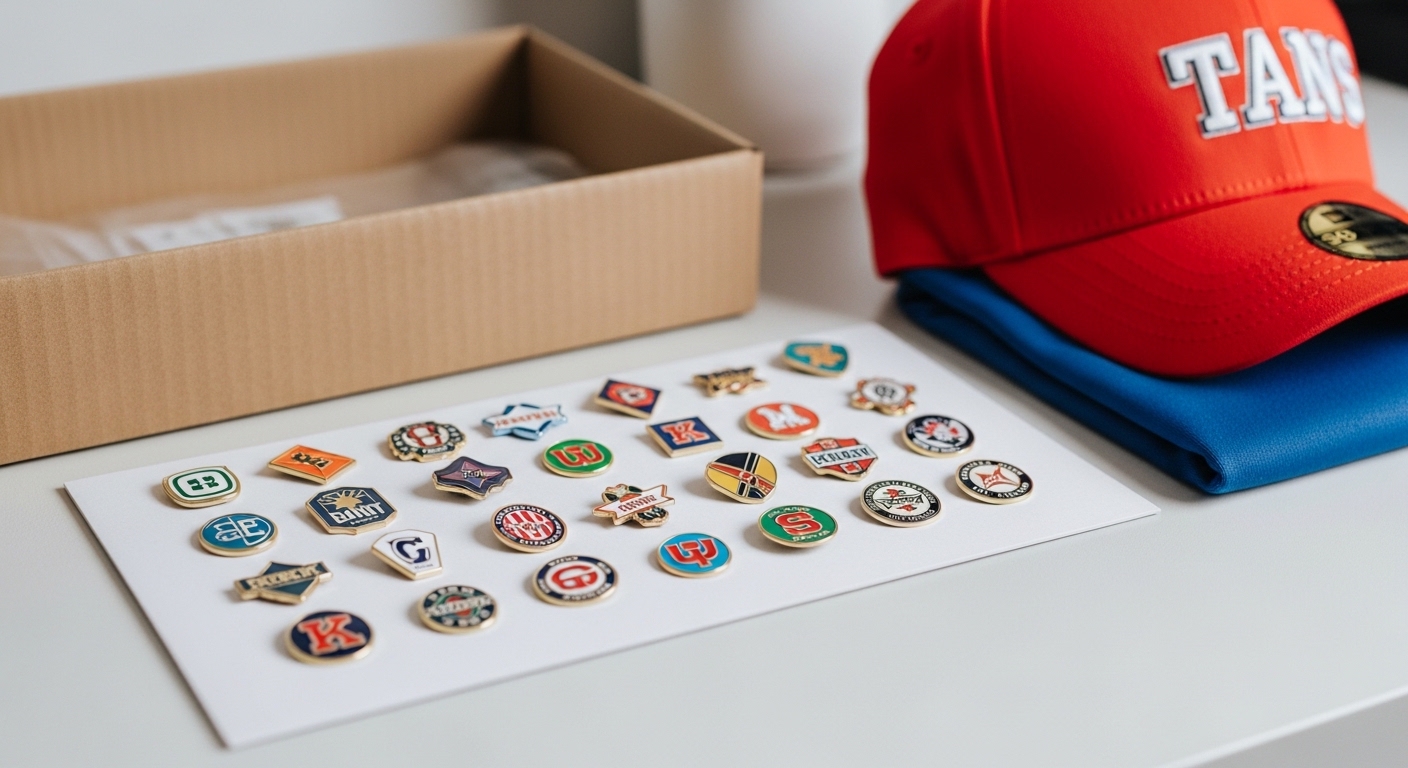
To ensure your custom baseball trading pins or custom softball trading pins arrive before your first tournament, work backward from your needed date. Here are realistic timelines based on our production experience:
Service Level |
Product Type |
Total Time (Business Days) |
Best For |
|---|---|---|---|
Priority Service |
Enamel Pins |
8 days production + 3 days shipping = 11 total days |
Last-minute orders, forgotten items |
Express Service |
Enamel Pins |
15 days production + 3 days shipping = 18 total days |
Standard season planning |
Standard Service |
Enamel Pins |
15 days production + 9 days shipping = 24 total days |
Early pre-season orders, budget-conscious planning |
Button Pins |
Custom Buttons |
3-7 days production + shipping |
Custom button pins no minimum emergency orders |
Critical Buffer Time:
Always add at least 3-5 business days buffer to any production estimate for:
A "24 business day" timeline is actually 4.5-5 calendar weeks. Plan accordingly!
Ready to Create Pins Your Team Will Love to Trade?
Great trading pins balance creative design, smart manufacturing choices, and practical budgeting. With twenty years of experience creating pins for teams at every level, we understand what makes a pin successful both in quality and in the trading circle.
Our team will guide you through each decision—from choosing between soft enamel and offset printing to selecting the perfect backing for baseball bags—ensuring your final pins become cherished mementos of a great season.
Frequently Asked Questions
What's the typical price range for custom baseball trading pins?
Prices vary widely based on size, complexity, quantity, and features. For standard 1.5" soft enamel pins with 3-4 colors:
Remember these are per-pin prices after the one-time mold fee (typically $100-$250 depending on design complexity). For true cheap softball trading pins, focus on simpler designs, standard sizes, and combining orders with other teams to reach higher quantity breaks.
Can we order a sample before committing to the full order?
Absolutely—and you should always request one! Reputable manufacturers offer physical sample services (often for a fee that's credited toward your full order). This allows you to check:
Never proceed to full production without approving a physical sample. It's the only way to ensure what you're imagining matches what gets produced.
Why do custom pins have a mold fee, and can it be avoided?
The mold fee covers the cost of creating the custom metal die that stamps your unique design. This is precision toolmaking—each line, curve, and detail must be perfectly engraved into hardened steel. This process cannot be avoided for true custom enamel pins. The fee is:
For very small quantities where the mold fee makes each pin too expensive, consider custom button pins no minimum (which don't require metal molds) or modifying existing stock designs instead of creating completely custom artwork.
Our team only has 12 players. Is it worth getting custom pins?
Absolutely—but the economics work differently for small teams. For 12 players wanting 2 pins each (24 total), traditional custom enamel pins with a mold fee might be cost-prohibitive. Here are your best options:
For personalized advice on small team orders, contact us directly—we regularly help small teams find creative, affordable solutions.
How do we provide artwork for our custom pins?
The ideal format is vector artwork (AI, EPS, PDF, or SVG files). Vector graphics use mathematical paths rather than pixels, so they scale to any size without losing quality—essential for creating crisp metal lines. If you only have a JPG, PNG, or even a hand-drawn sketch:
We'll provide a digital proof for your approval before any production begins, ensuring the design translates perfectly to the pin medium.