Why Do Your Custom Keychains Break, Rust, or Fade Easily? A Complete Buying and Care Guide
Table of Contents


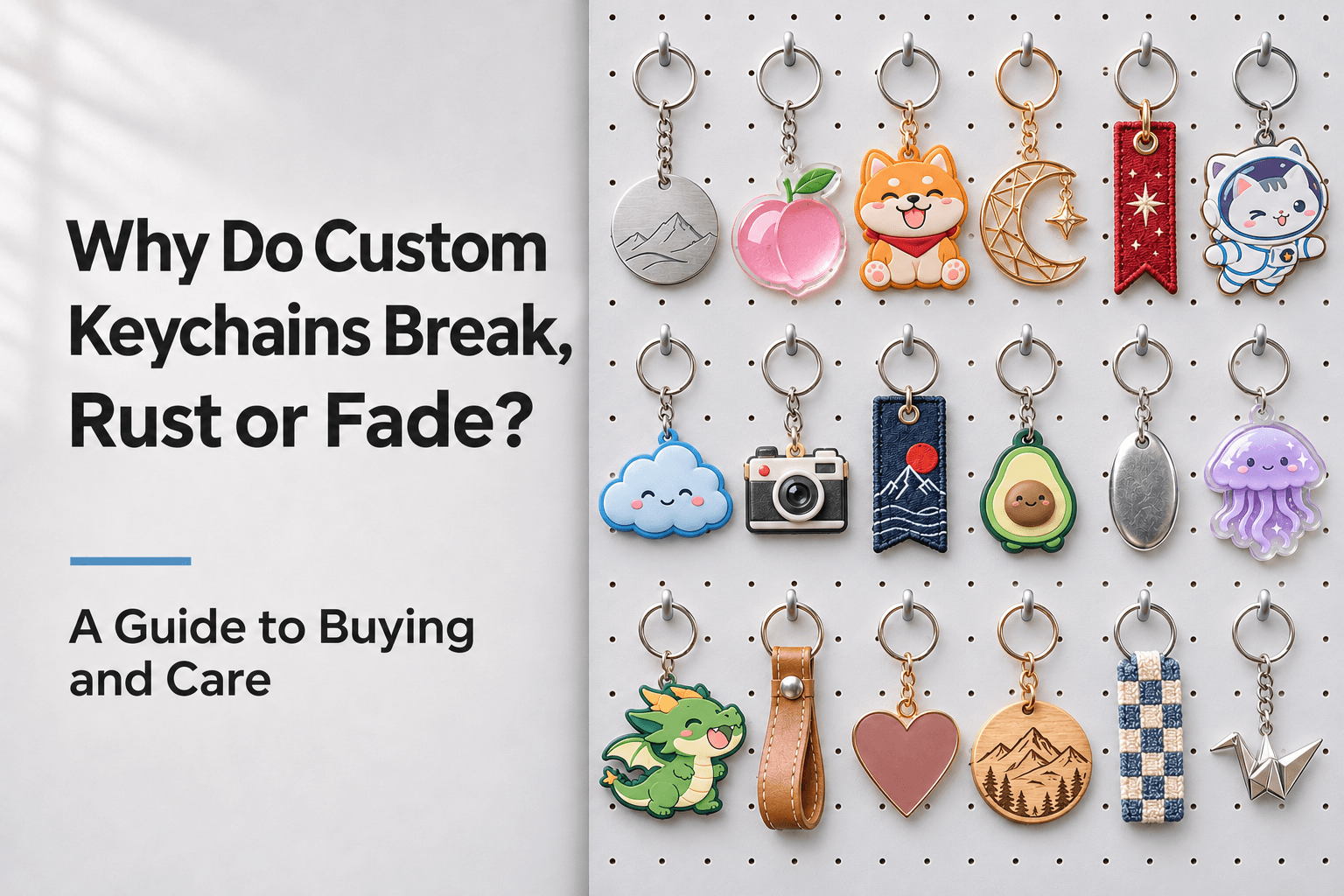
Have you ever experienced this? You finally receive your favorite custom keychains, only to find that after a short period of use, the chains break, accessories fall off, or the surface starts to rust and fade.
Custom keychains are not just everyday accessories. They also represent brand identities, team memories, and meaningful moments. Once damaged, they can be difficult to reproduce, significantly reducing their sentimental value.
Want your custom keychains to last longer? This guide will help you avoid common causes of damage, from purchasing to daily care.
I. The Four Main Reasons Why Keychains Get Damaged
The main reasons why custom keychains are easily damaged can be narrowed down to four factors: low-quality hardware, material limitations, simplified manufacturing processes, and a lack of proper daily care.
1. Low-Quality Metal Hardware
Chains, lobster clasps, and jump rings are the components that bear the most pulling force on a keychain.
Some low-cost products use thin metal chains and lightweight lobster clasps to reduce production costs.
These components have limited load-bearing capacity and can easily deform or break under repeated tension. Once a connection breaks, the entire keychain may fall off and get lost.
2. Material Limitations
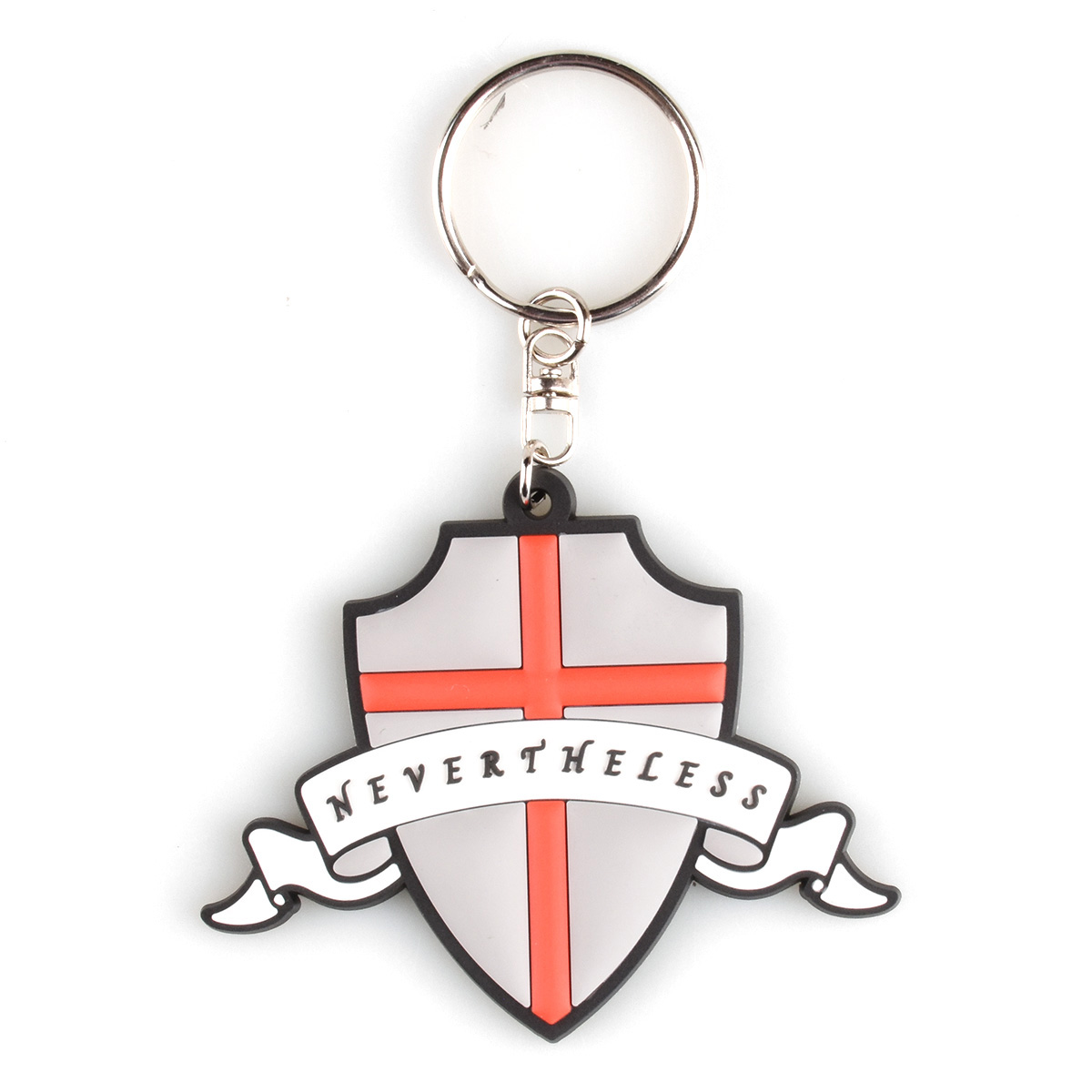
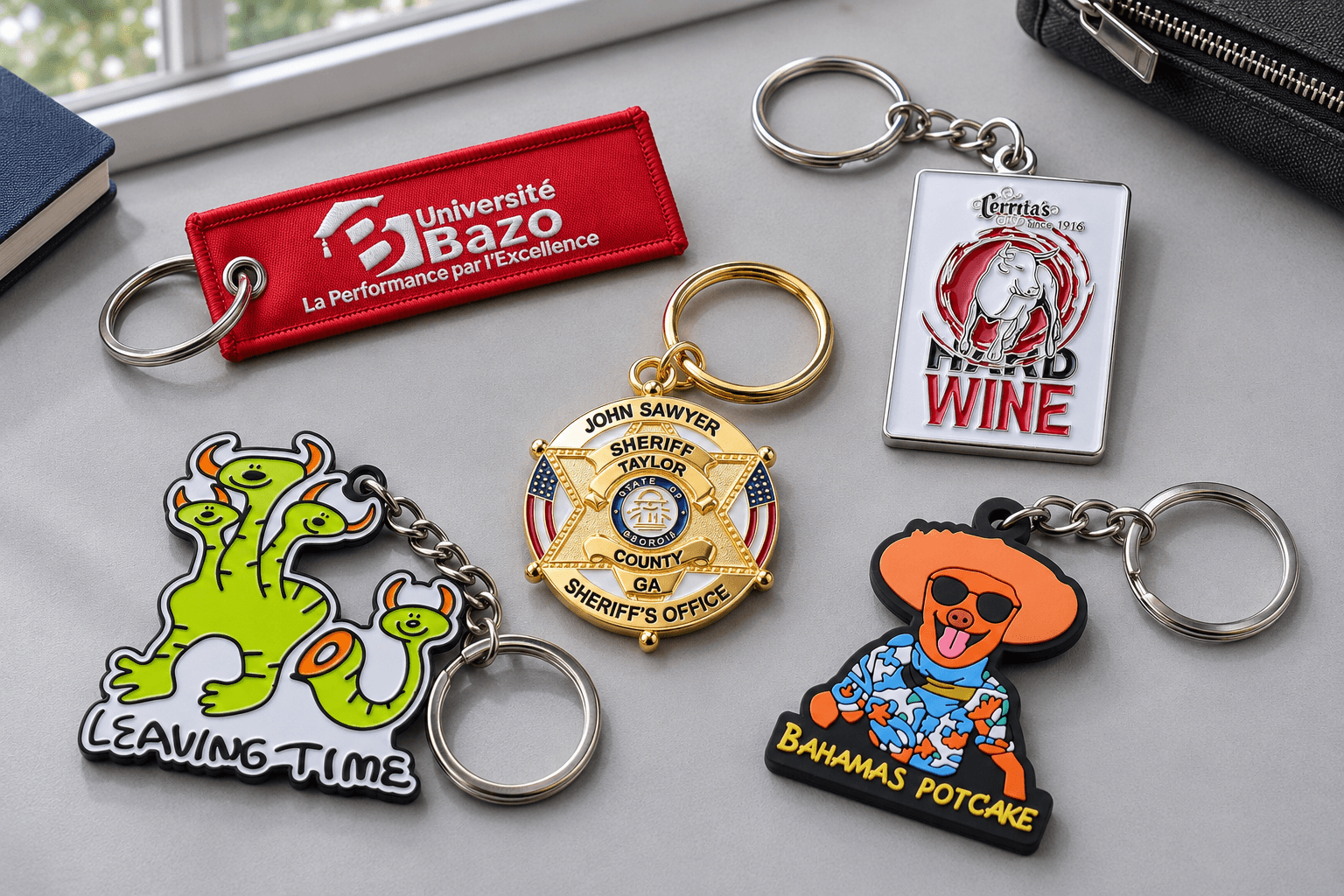
- PVC Keychains: Long-term exposure to UV rays or high temperatures can accelerate material aging, causing the PVC to become hard, brittle, yellow, or faded.
- Metal Enamel Keychains: Although the enamel surface is relatively hard, strong impacts or scratches from hard objects may cause chipping, scratches, or damage along the edges.
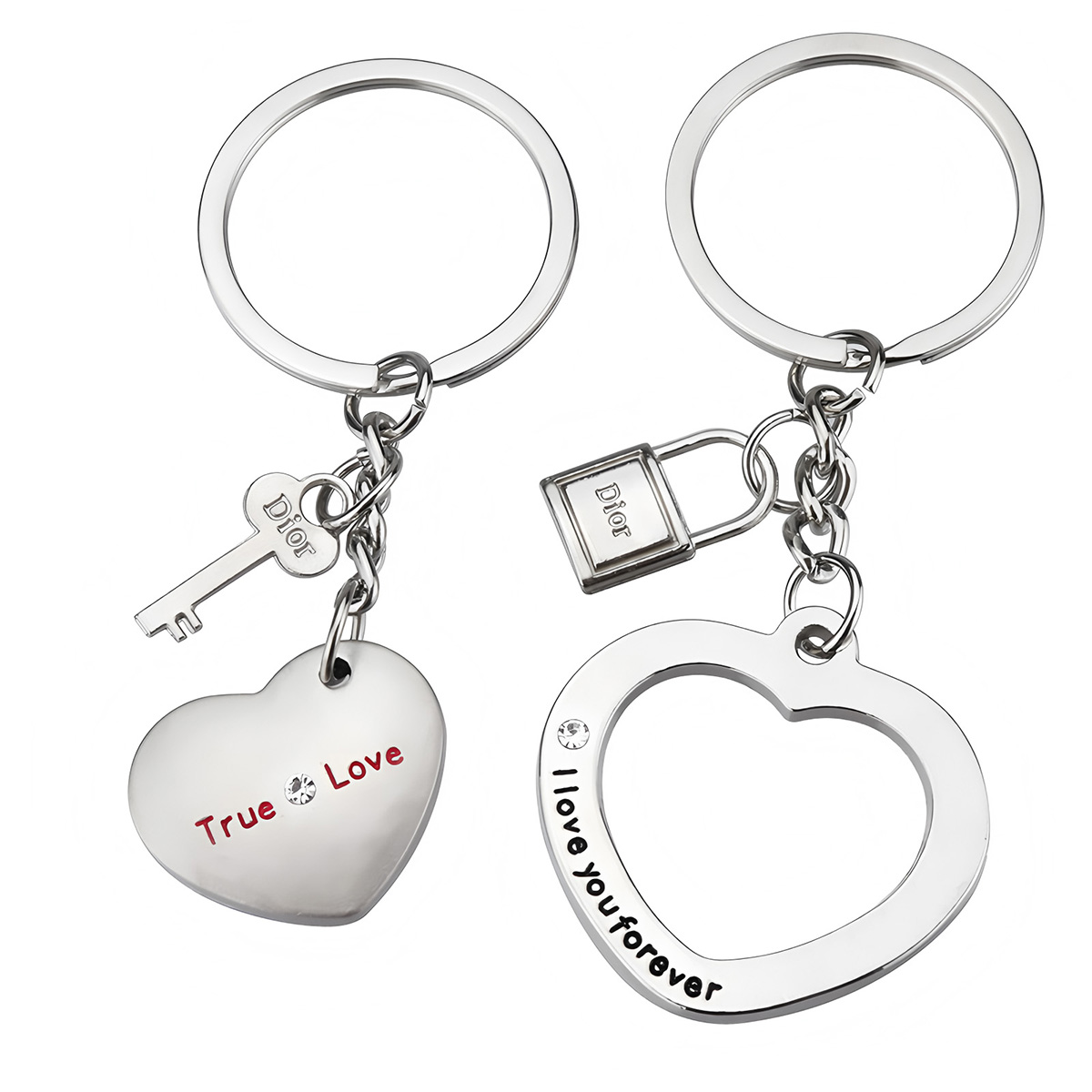
- Regular Alloy Keychains: When the surface plating is damaged or provides insufficient protection, prolonged exposure to sweat, rainwater, and humid environments can lead to oxidation and corrosion.
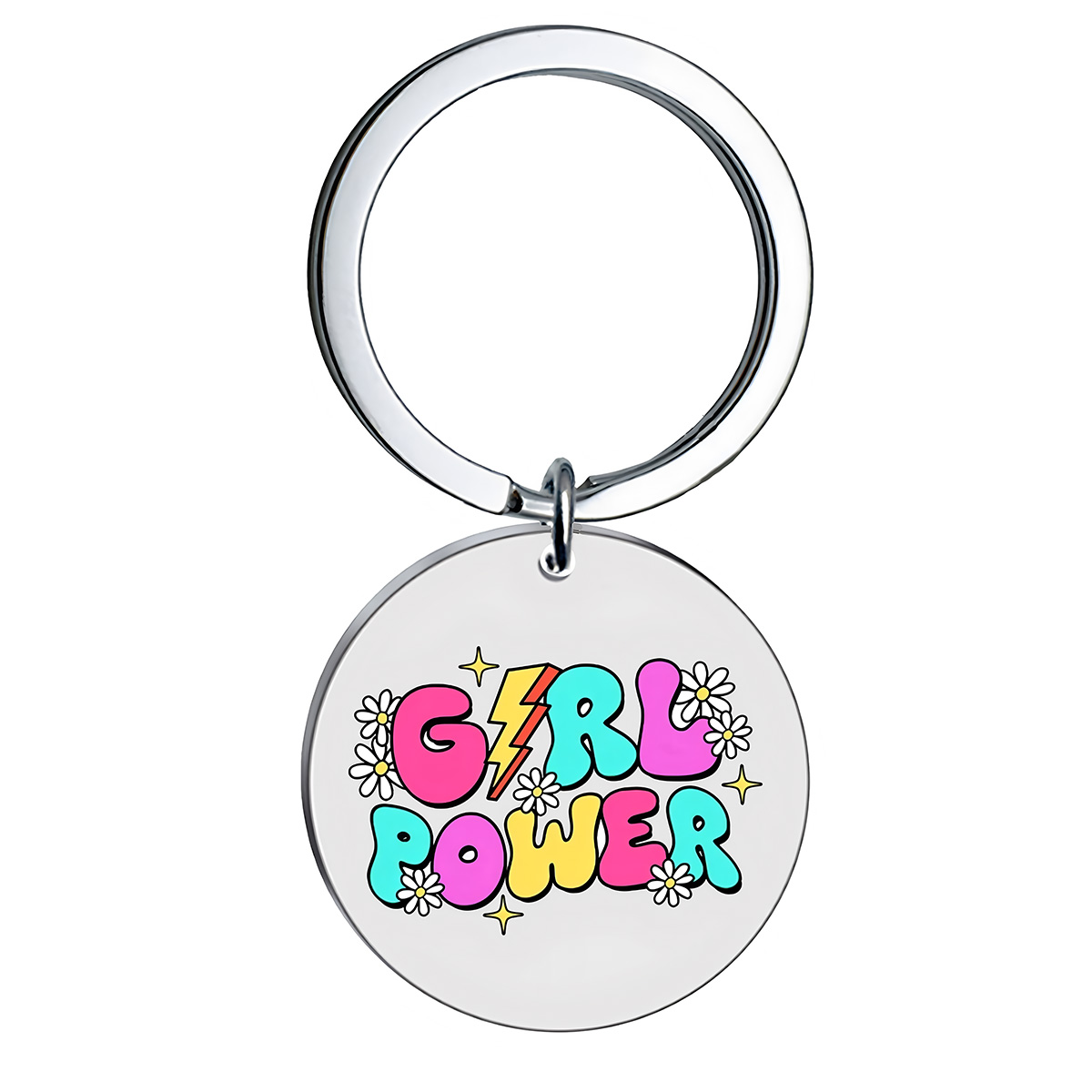
- Printed Metal Keychains: Without a protective coating, printed designs are more vulnerable to everyday friction, which can cause wear, blurring, and fading.
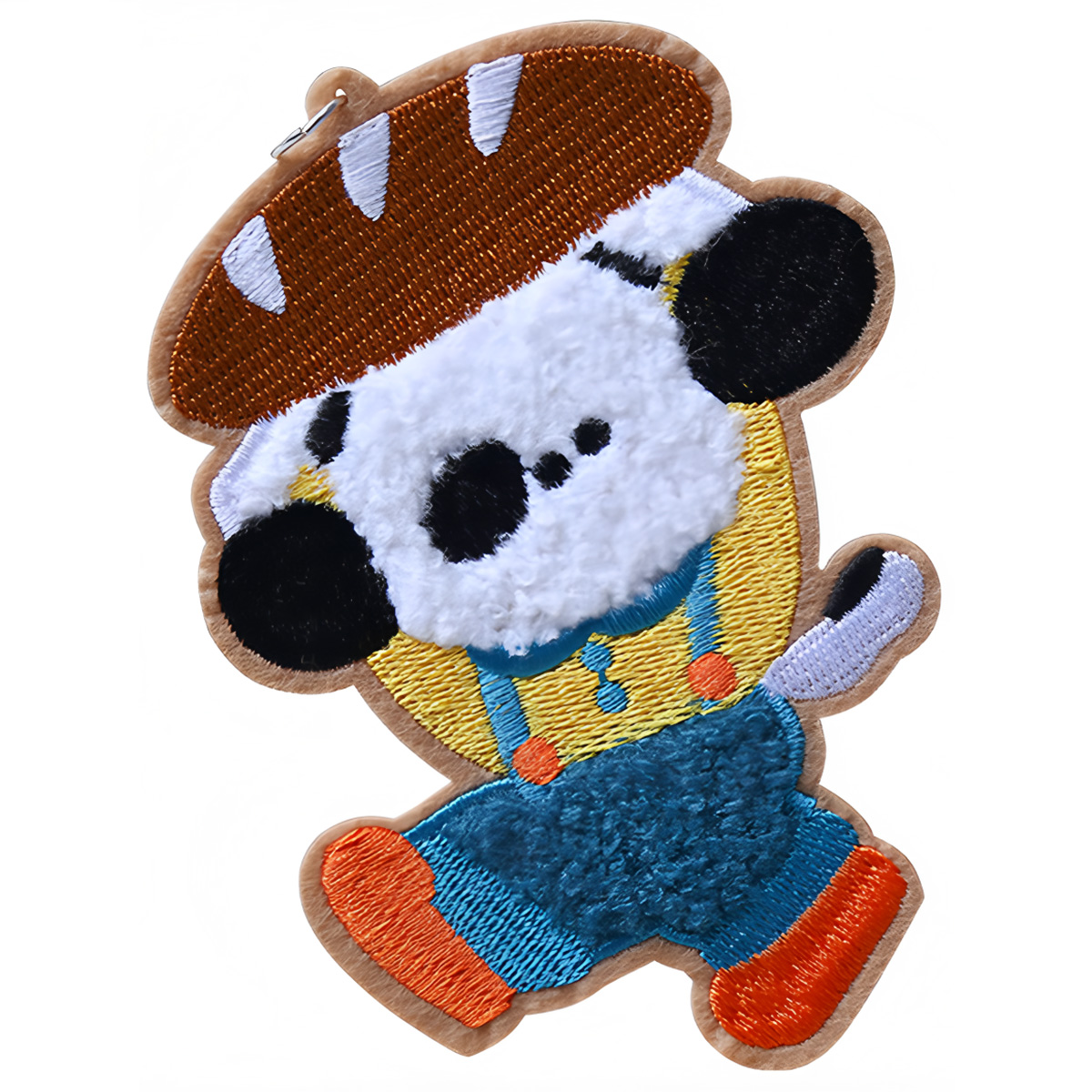
- Embroidered and Woven Keychains: Long-term friction or snagging by sharp objects can cause loose threads, pilling, and edge wear.
3. Incomplete Manufacturing Processes
Some manufacturers skip important production steps, such as electroplating and surface coating, resulting in thin plating and poor adhesion.
Enamel surfaces may become scratched or peel, while printed designs may not adhere firmly. Even slight friction can cause paint to wear off or designs to become blurry.
4. Lack of Basic Daily Care
When keychains are exposed to excessive weight, prolonged sunlight, frequent contact with sweat, or chemical substances, they experience continuous wear and tear, accelerating rusting, breakage, and fading.
II. How to Choose Durable Custom Keychains?
1. Choose Strong and Corrosion-Resistant Custom Keychain Hardware
Prioritize thicker stainless steel hardware, such as stainless steel lobster clasps, chains, and jump rings. These components offer better resistance to sweat and rainwater corrosion, stronger load-bearing capacity, and are more suitable for long-term everyday use.
2. Choose the Right Custom Keychain Materials Based on Your Needs
- PVC Keychains: Choose high-quality PVC with good flexibility, uniform coloring, and a smooth surface. Avoid products that feel unusually hard or brittle, as these may be more prone to cracking and aging during use.
- Metal Enamel Keychains: Consider enamel keychains with a clear epoxy coating or another suitable protective finish. This additional layer can help reduce everyday surface friction and minor scratches, although it cannot completely prevent impact damage.
- Regular Alloy Keychains: Pay attention to the plating quality and surface finish. Choose products with an even, firmly attached protective coating to help reduce oxidation and corrosion caused by sweat, rainwater, and humidity.
- Printed Metal Keychains: Pay particular attention to the surface protective coating. An intact protective film can help reduce moisture exposure and friction, protecting printed designs from blurring and fading.
- Embroidered and Woven Keychains: Prioritize products with dense stitching, secure thread ends, and properly finished edges to reduce loose threads, snagging, pilling, and fraying.
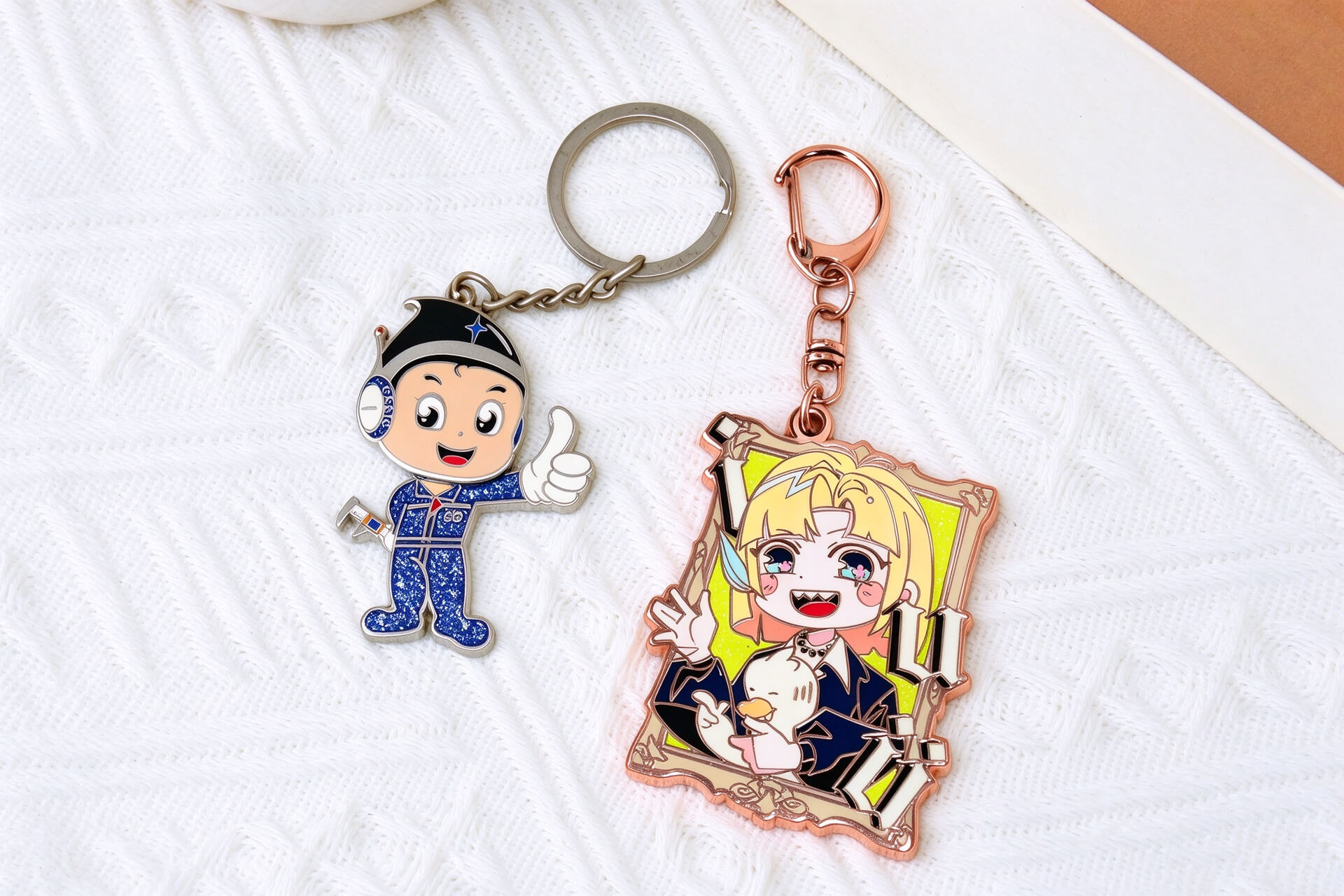
3. Choose a Professional Custom Keychain Manufacturer
When purchasing custom keychains, focus on checking three aspects:
Hardware Quality: Does the manufacturer use reinforced hardware? Are the chains, clasps, and jump rings securely attached?
Surface Finishing: Does the manufacturer offer proper electroplating, printing, and protective coating processes?
Quality Inspection: Are the products inspected for appearance, connection strength, and surface quality before shipment?
III. How to Care for Keychains
Besides the product materials, daily usage and care methods also affect the lifespan of your keychains.
Avoid Excessive Weight: Limit the number of keys attached to your keychain to prevent excessive pulling that could cause the chain to break.
Avoid Prolonged Sunlight Exposure: Store keychains in a cool, shaded place whenever possible to slow down material aging and prevent printed surfaces from fading.
Clean Promptly: After exposure to sweat or moisture, wipe metal hardware with a dry cloth to reduce oxidation.
IV. How to Protect Custom Keychains with Special Sentimental Value?
For keychains with special sentimental value, such as team souvenirs, event merchandise, branded collectibles, and personal commemorative gifts, you can take additional protective measures.
Prepare Spare Accessories in Advance: When placing an order, consider requesting extra chains, lobster clasps, and jump rings. If any component gets damaged, it can be replaced promptly without making the entire keychain unusable.
Reduce Daily Wear and Tear: For designs with high collectible value, consider rotating their use to reduce prolonged friction and pulling on individual keychains.
Store Them Properly: When not in use, place keychains in a dry, light-protected storage box to reduce exposure to moisture, dust, and sunlight.
Even the best craftsmanship cannot completely prevent wear and tear. By choosing suitable materials, controlling the weight attached to your keychain, and following simple care practices, you can help this meaningful custom keychain stay with you for much longer.
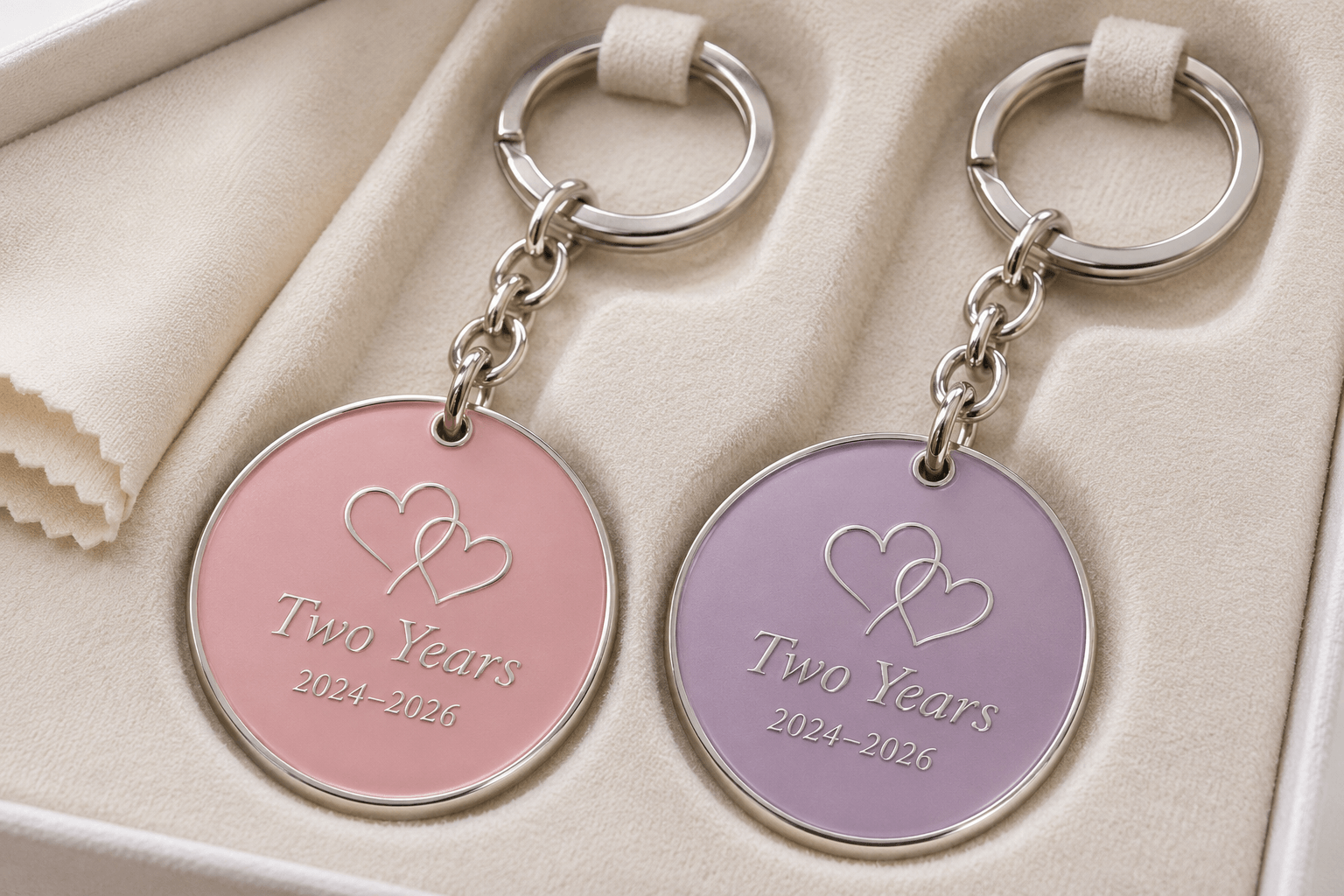
V. Maxemblem: A Custom Keychain Manufacturer Focused on Quality
Maxemblem products support customization with a variety of materials and production techniques, including metal enamel, printed metal, PVC rubber, embroidery, and woven labels.
During production, we use reinforced stainless steel chains and pay close attention to hardware connection strength . We also support optional spare chains and clasps based on project requirements.
From material selection to finished product inspection, we pay attention to every detail that affects product appearance and user experience.
Whether you need branded merchandise, corporate gifts, team souvenirs, or event and race merchandise, we can provide suitable custom solutions based on your design, budget, and usage requirements.
Looking for durable custom keychains? Contact Maxemblem today to get a free design and customization solution.