What Colors Can Enamel Pins Be Made In?
Table of Contents


When it comes to a custom enamel pin, custom enamel pin colors are often the soul that determines its visual texture. Beyond the three-dimensional outline created by metal lines, rich color combinations bring a design truly to life.
If you are preparing a custom pin project, or already have your ideal design and colors in mind, this article on pin colors just might help you out
I. What Are Enamel Pin Colors Made Of?
As a customer, we naturally care first about the safety and texture of the materials—do enamel pins use regular paint?
Actually, quality enamel colors are not ordinary water-based paints or plastic coatings. Instead, they are formed using a glass-like base combined with various inorganic coloring agents (such as metal oxides). Through different formulas and proportions, they are fired at high temperatures to stably present rich colors. For example:
* Cobalt-based coloring agents are commonly used to create blue.
* Copper-based coloring agents can produce shades like teal and blue-green.
* Chromium-based coloring agents are frequently used for green.
* Iron-based coloring agents can form brown, red, and similar tones.
* Manganese-based coloring agents can be used for purple and brown.
During actual production, colors are blended using specific materials and formulas based on the target color required.
Because of this, factories never just mix pigments together randomly; instead, they tune them according to precise formulas. Whether you choose soft enamel colors or hard enamel colors, this inorganic-based coloring method maintains excellent color stability and texture.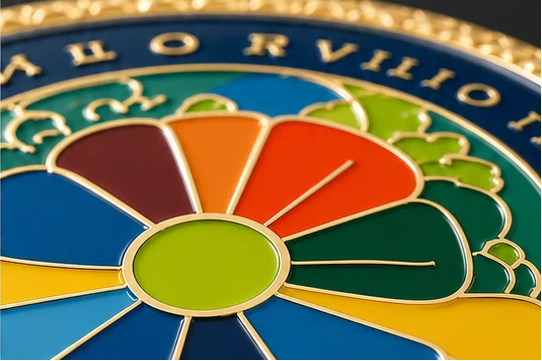
II. What Colors Can Be Made for Enamel Pins?
In actual design, enamel pin color options are extremely rich. Based on their visual effect, they can be roughly divided into five categories:
1. Classic Standard Colors (Safe and Foolproof Choices)
Representative Colors: Black, white, red, blue, yellow, and green.
Customer Experience: These colors offer exceptionally high contrast against metal borders, maximizing visual recognition. If you are creating corporate logos, brand merchandise, or formal team commemorative pins, choosing these basic colors is always the most classic and secure approach.
2. High-Saturation Bright Colors (For Youthful and Dynamic Projects)
Representative Colors: Bright orange, bright yellow, electric blue, etc.
Customer Experience: If your pins are designed for sports teams, music festivals, or youth-oriented designer toys, these high-saturation bright colors instantly grab attention and ooze vibrant energy.
3. Special Healing Tones (For Independent Design and Fashion Accessories)
Representative Colors: Pink, lavender, taro purple, etc.
Customer Experience: These gentle tones have become immensely popular among independent artists and fashion accessories in recent years. They lend a delicate, soft, and artistic vibe to the pins.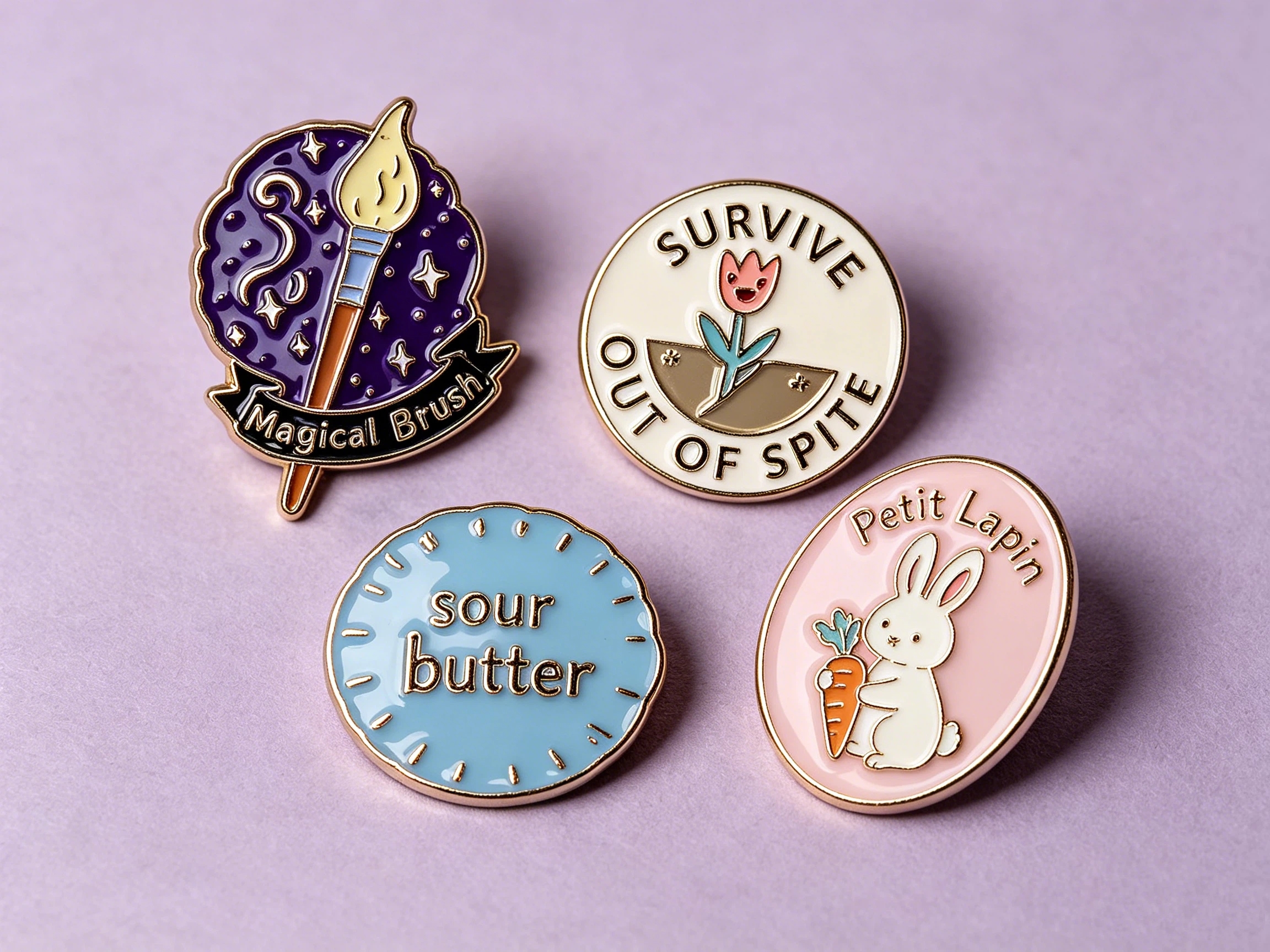
4. Deep and Vintage Tones (Exuding High-End Texture)
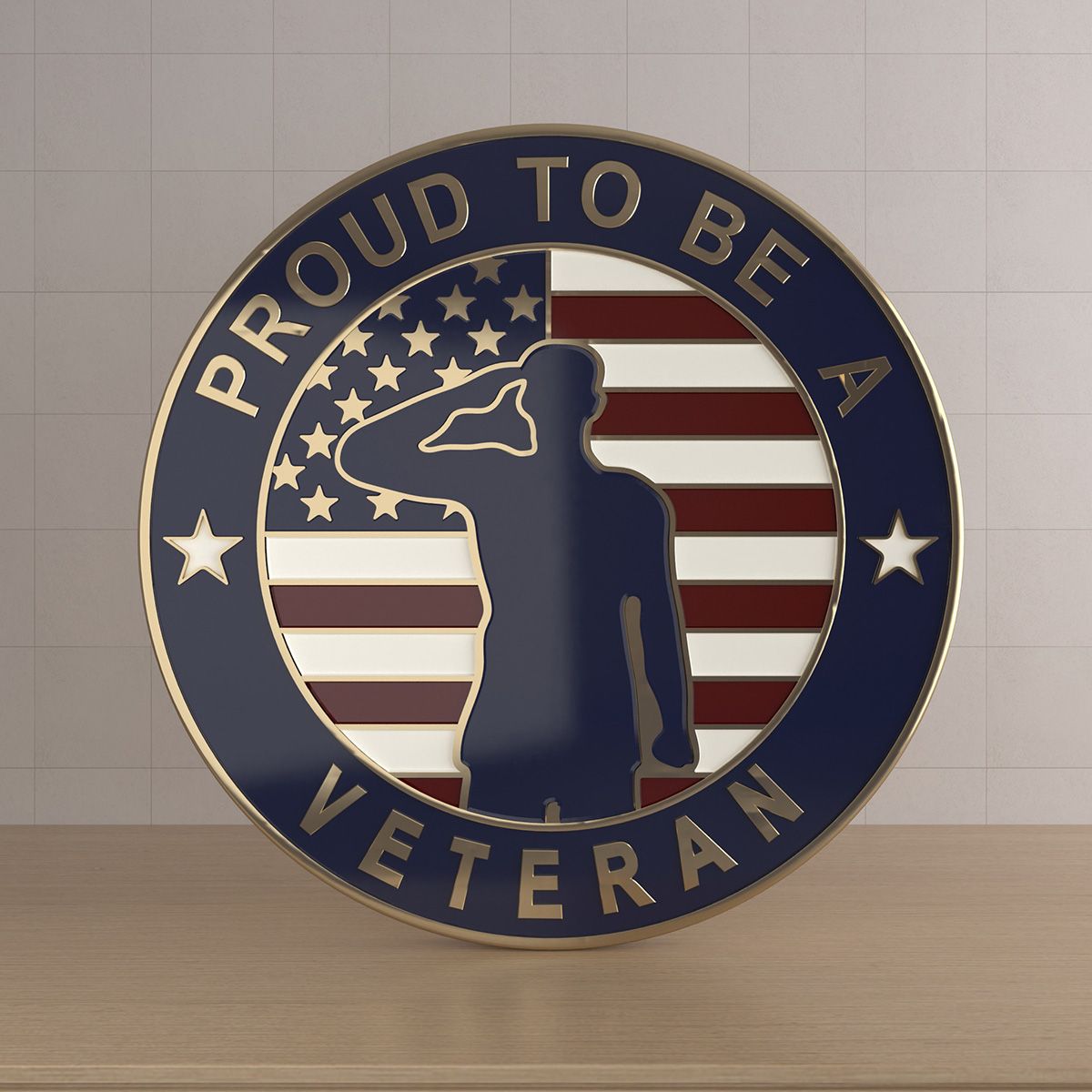
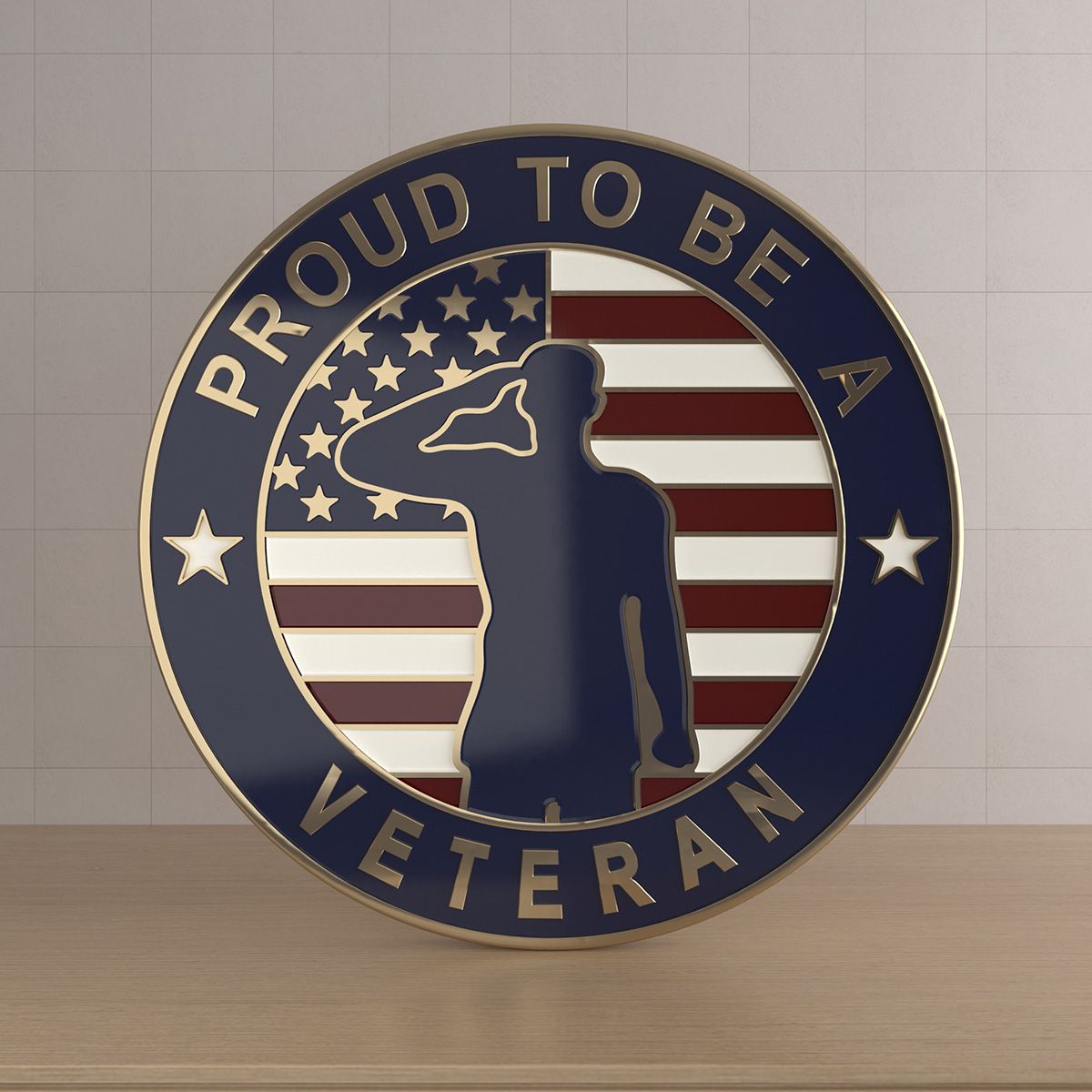
Representative Colors: Dark blue, burgundy, forest green, vintage brown.
Customer Experience: Paired with plating options like antique gold, antique silver, or black nickel, these deep tones yield a remarkably rich retro texture, making them ideal for collector's items or sophisticated, understated designs.
5. Multi-Color Combinations (Perfect for Complex Artwork)
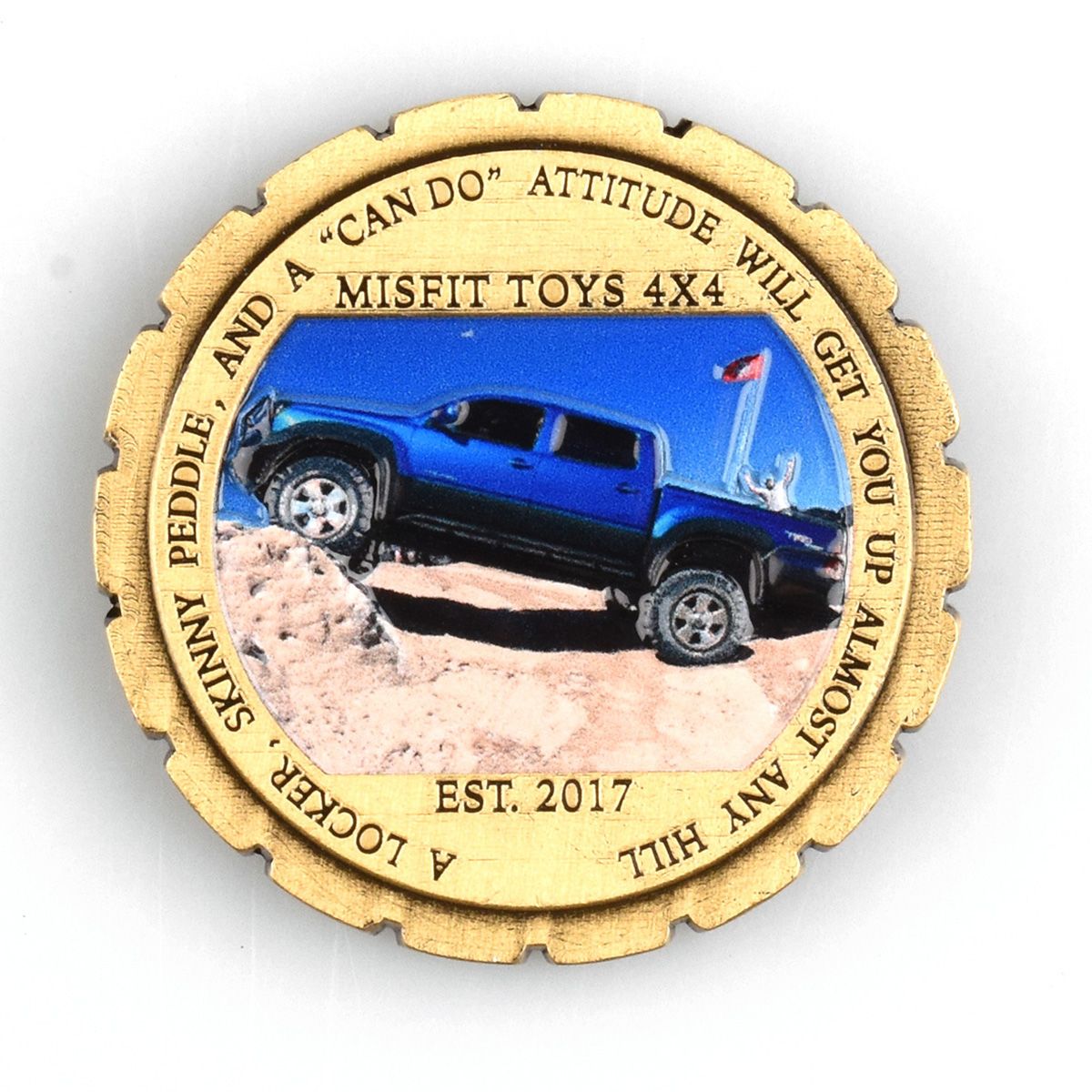
Customer Experience: One of the most convenient aspects of enamel pins is the support for multiple colors within a single design. As long as different areas are separated by metal lines, red, yellow, blue, green, or even over a dozen colors can appear simultaneously, perfectly reproducing complex illustrations or animal shapes. For intricate illustrations, brand logos, animal motifs, and artistic designs, multi-color enamel offers enormous creative space.
III. Can Enamel Pins Feature Gradients?
Traditional enamel pins are typically better suited for clear, distinct color zones. Because metal lines are required to separate different color regions, standard enamel craftsmanship is not naturally suited for achieving extremely smooth gradient effects.
If your design includes gradients, you can communicate with the manufacturer to see if alternative techniques can achieve it. For instance, printing processes, pad printing, UV printing, or special surface treatments can be utilized to present smoother color transitions. These techniques are not bound by metal line partitions, allowing them to better restore shadow changes and gradients found in photos and illustrations.
However, keep in mind that the visual results yielded by different techniques will vary. Gradients on enamel pins are generally best suited for simple color transitions or localized effects, whereas for complex multi-layer gradients or true photographic effects, printing-based processes may align closer to the original design intent.
Confirming the production method with your manufacturer early in the design stage helps prevent discrepancies between the actual color outcome and your expectations due to craftsmanship limitations.
IV. Enamel Colors Bring More Possibilities to Design
Enamel offers rich color expression for designs, while the final color outcome ultimately relies on the coordination of enamel techniques, plating, metal materials, and overall layout.
If you are still unsure which colors to choose, you can reference the enamel pin color chart provided by the manufacturer to visually compare different color and plating combinations. For a more detailed guide on choosing and using Pantone colors for custom products, see our [Pantone Color Guide for Custom Products]If you have your preferred colors or design draft in mind and are ready to produce a batch of custom enamel pins, you can hand the design over to a professional manufacturer for a craftsmanship evaluation.An experienced team will combine your design, brand colors, budget, and end-use scenario to recommend the most suitable enamel process, plating color, and production solution—ensuring manufacturability while maximizing the fidelity of your original design.
FAQ
Q1:Can enamel pins match Pantone colors?
Yes. Most manufacturers offer Pantone matching and can closely match Pantone (PMS) colors to help keep your brand colors consistent.
Q2:Can enamel pins be transparent?
Yes. Transparent enamel creates a glass-like effect and is often used over textured or engraved metal for added depth.
Q3:Can enamel pins use metallic colors?
Yes. Metallic effects come from the plating finish (such as gold, silver, or black nickel), while enamel provides the colored areas.
Q4:How many colors can one enamel pin have?
There is no fixed limit. As long as each color is separated by metal lines, an enamel pin can include many colors in a single design.