Sign in
Create Your Account
Create My Account
Sign In
Create Your Account
Create premium custom Masonic & EMS challenge coins with precise symbolism, minted quality, and functional designs to honor tradition and service.

A challenge coin is more than a piece of metal—it's a tangible representation of honor, brotherhood, identity, and service. Whether you're a Masonic Lodge seeking to commission a piece that carries centuries of tradition or an EMS department looking to recognize the lifesaving valor of your team, the stakes are inherently high. Choosing the wrong manufacturing process, material, or design detail can significantly diminish the solemnity and prestige these symbols are meant to convey.
This guide draws upon two decades of specialized manufacturing experience at Maxemblem. We'll provide a professional breakdown of how to navigate the production landscape, avoid common pitfalls, and ensure your custom coins achieve a standard worthy of museum-grade collectibles. Just as a well-planned concept is crucial in pin manufacturing, the foundational creative phase sets the stage for an exceptional challenge coin.
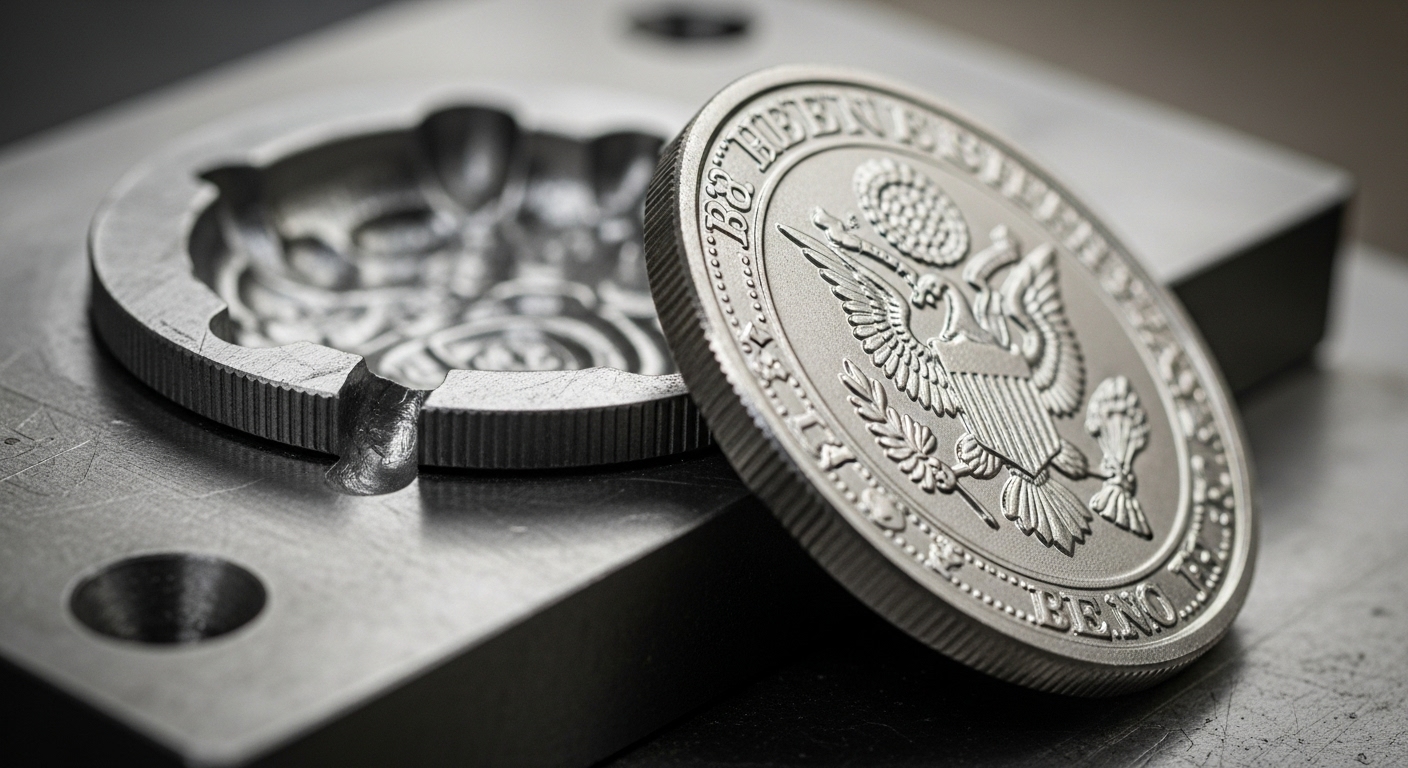
The Art and Significance of Masonic & EMS Challenge Coins
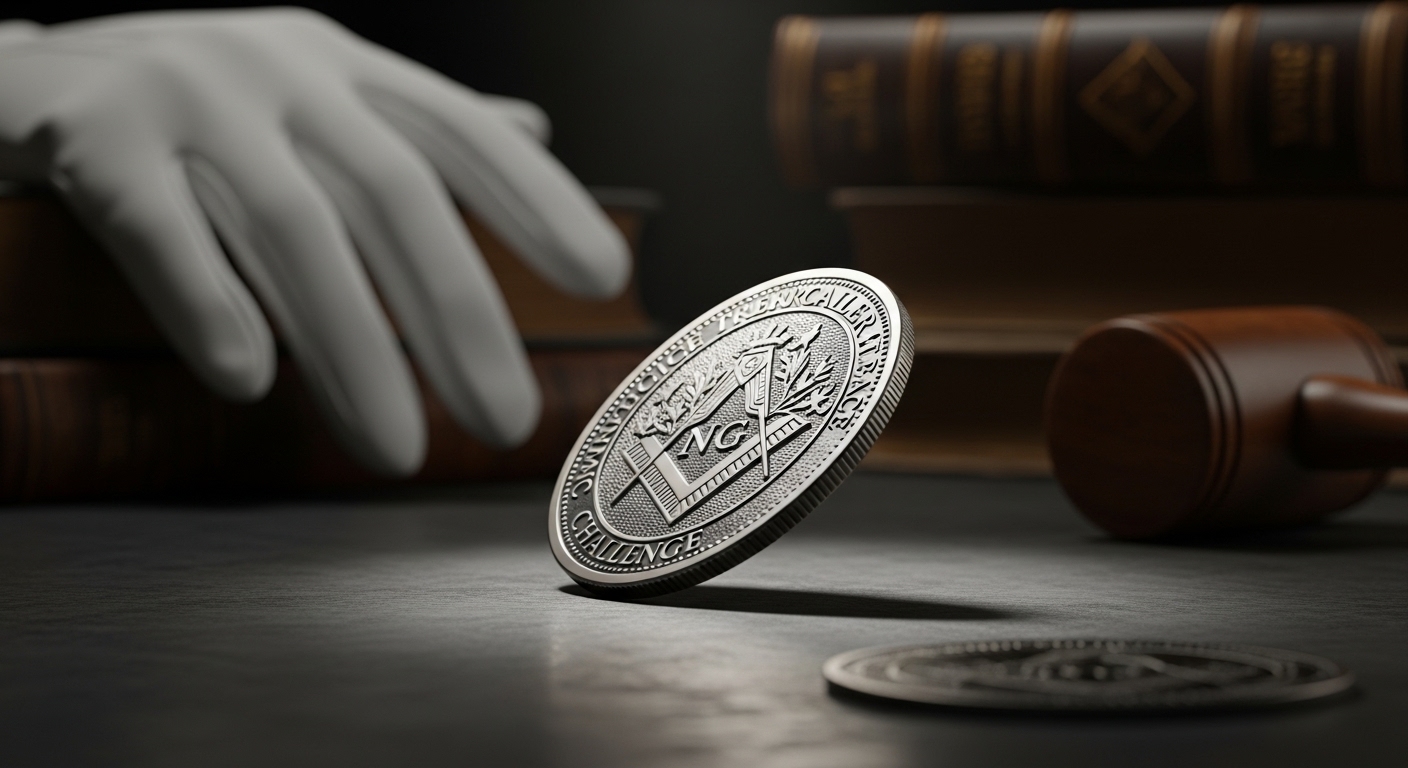
What Makes Custom Masonic Lodge Coins Unique?
Custom Masonic challenge coins serve as enduring emblems of fellowship, moral teachings, and institutional history. They are not merely promotional items; they are heirlooms. The precision required in their creation is paramount because every symbol—the Square and Compasses, the All-Seeing Eye, the Letter "G"—carries profound, specific meaning. Inaccuracies or blurred details in these icons are not just manufacturing defects; they are seen as a lack of respect for the tradition itself.
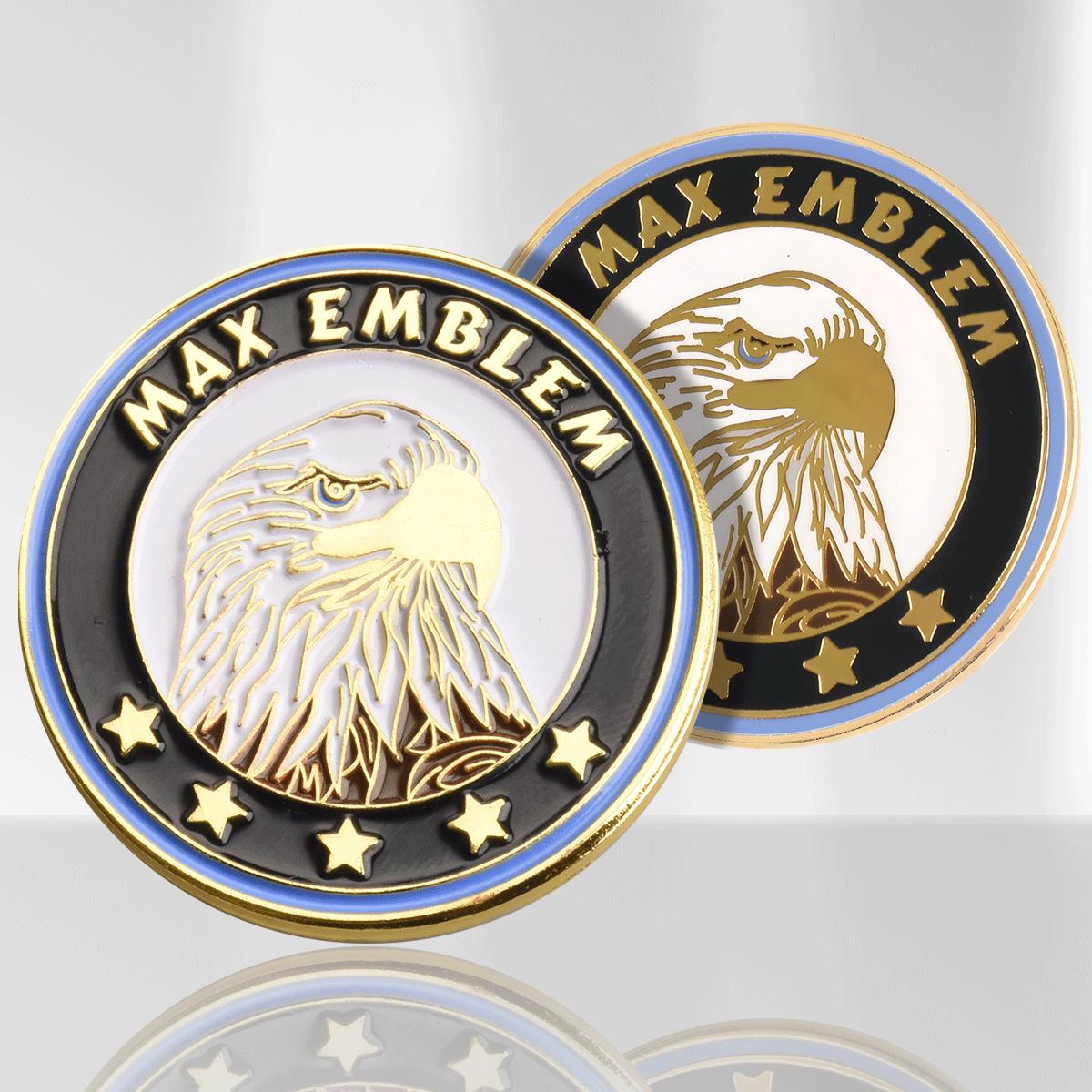
For this reason, the recommended gold standard for custom Masonic Lodge coins is the Mint Coin process. This technique involves stamping a blank planchet with immense pressure using hardened steel dies. The result is an exceptionally sharp, crisp impression with fine, intricate details that mirror the precision of Masonic symbolism. The process ensures that even the most delicate lines of a Lodge's unique seal or the subtle textures of architectural elements are rendered with impeccable clarity. Understanding the journey from design to physical object is key. Just as a step-by-step guide demystifies pin production, knowing how your artwork becomes a coin mold helps Lodge leaders make informed decisions and communicate their vision effectively to the manufacturer.
“The precision of minting is non-negotiable for Masonic coins. It transforms a design from a simple image into a legitimate artifact of the fraternity.” – Senior Production Specialist, Maxemblem
Why Custom EMS Challenge Coins Matter for Team Morale
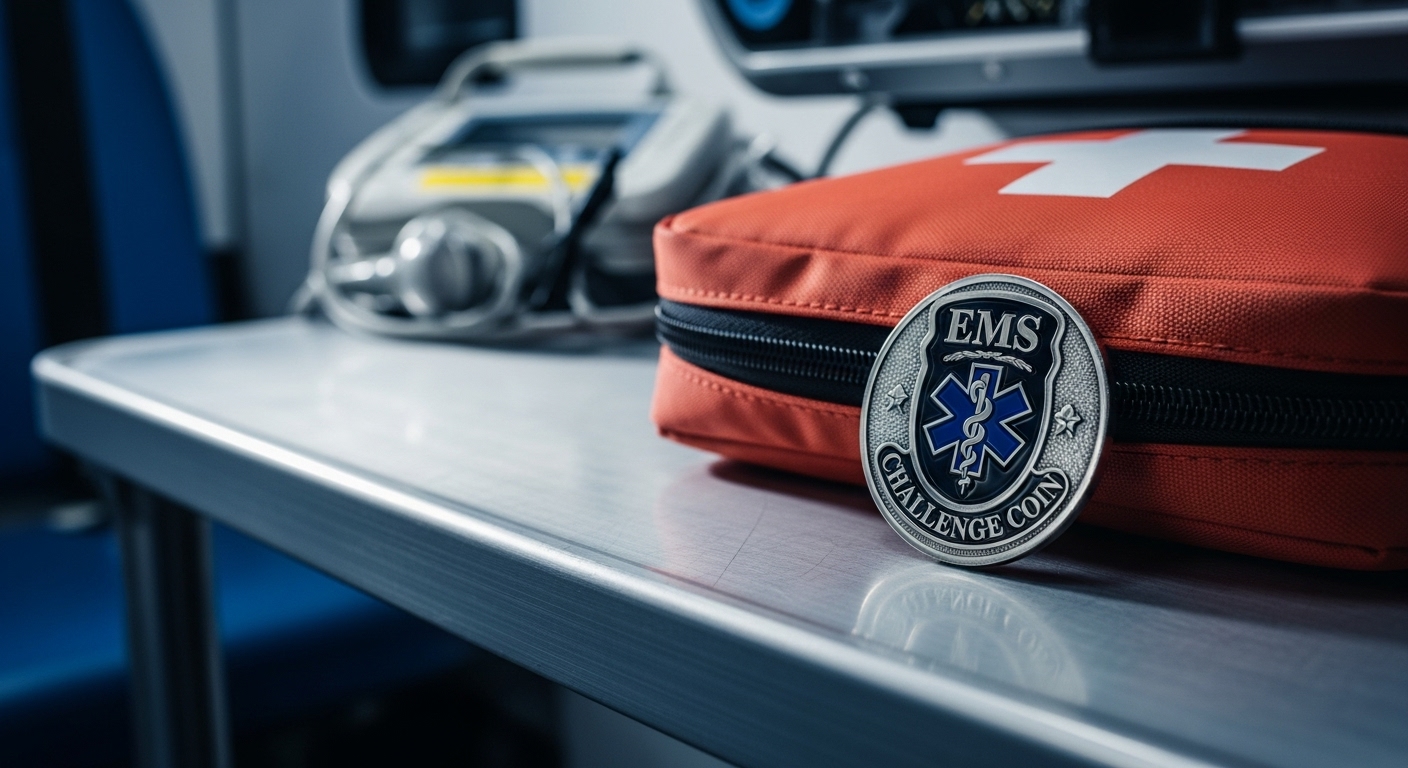
For Emergency Medical Services personnel, a custom EMS challenge coin is a powerful token of camaraderie, a badge of courage, and a reminder of their critical role as community guardians. These coins commemorate promotions, milestones, successful interventions, and the unbreakable bond formed in high-pressure environments. They bolster team spirit and reinforce a shared professional identity.
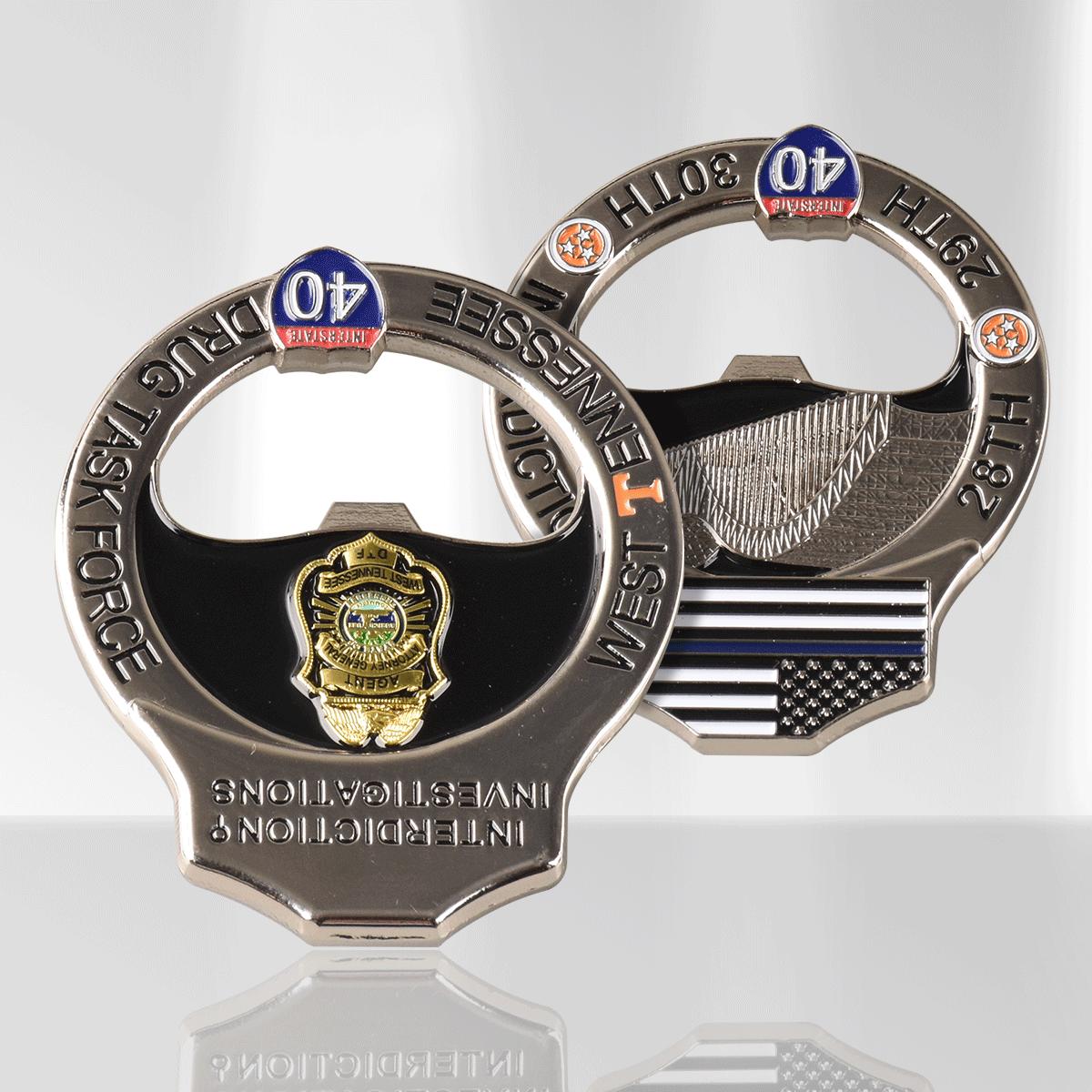
To enhance their utility and make them a constant companion, many EMS teams opt for functional designs. A highly popular choice is integrating a Bottle Opener feature into the coin. This transforms the coin from a display piece into a practical, everyday tool—a conversation starter that allows the story of service to be shared casually yet meaningfully. It becomes both an honor and a utility, seamlessly blending into the life of a first responder.
A Technical Deep Dive: Die Struck vs. 3D Relief Coins
Choosing the right manufacturing technique is the single most important decision that affects the look, feel, and cost of your coins. The two primary methods are Die Struck and 3D Relief, each with distinct advantages.
Feature |
Die Struck Coins |
3D Relief Coins |
|---|---|---|
Best For |
Classic, formal designs with sharp lines and flat surfaces. Ideal for custom Masonic challenge coins with detailed symbols, seals, and text. |
Dynamic, realistic designs requiring depth. Perfect for custom EMS challenge coins with ambulances, medical symbols, or military portraits on wholesale military challenge coins. |
Process |
High-pressure stamping with steel dies. Design is impressed into the metal. |
Uses a sculpted mold. Metal (often zinc alloy) is cast into the mold, allowing for undercuts and dramatic height variations. |
Visual & Tactile |
Crisp, precise, and elegant. Focus on fine detail and sharp edges. |
Sculptural, bold, and highly dimensional. Creates significant shadow and light play. |
Relative Cost |
Generally more cost-effective for high-volume runs of standard designs. |
Often higher due to complex mold-making and casting process, but offers unparalleled dramatic effect. |
The principle behind choosing a technique is similar to selecting between die struck and die cast for pins. Die struck is about precision and clarity, while 3D casting (or relief) is about form and dimension. 3D Coins specifically excel in creating layered depth, making a medalist's portrait or an emergency vehicle appear to leap off the surface, significantly enhancing both visual impact and tactile experience.
How to Navigate Wholesale Military Challenge Coins Procurement
When sourcing wholesale military challenge coins for a unit, veterans' association, or large event, the goal is to achieve the best possible value without compromising on the integrity of the coin. Value is not defined by the lowest price alone, but by the quality received for your budget.
A crucial note on pricing: Be wary of suppliers who promise "the world's lowest price." This often leads to compromises in metal density (using thinner, lighter alloys) and inferior electroplating that tarnishes quickly. A reputable manufacturer will ensure that within a given budget, you receive optimal material quality and finishing.
Key Strategies for Economical Bulk Orders:
The Finishing Touches: Edges, Plating, and Special Effects
Details like the edge, plating finish, and special coatings are what transform a well-made coin into an extraordinary one. These elements contribute to the overall narrative and tactile experience.
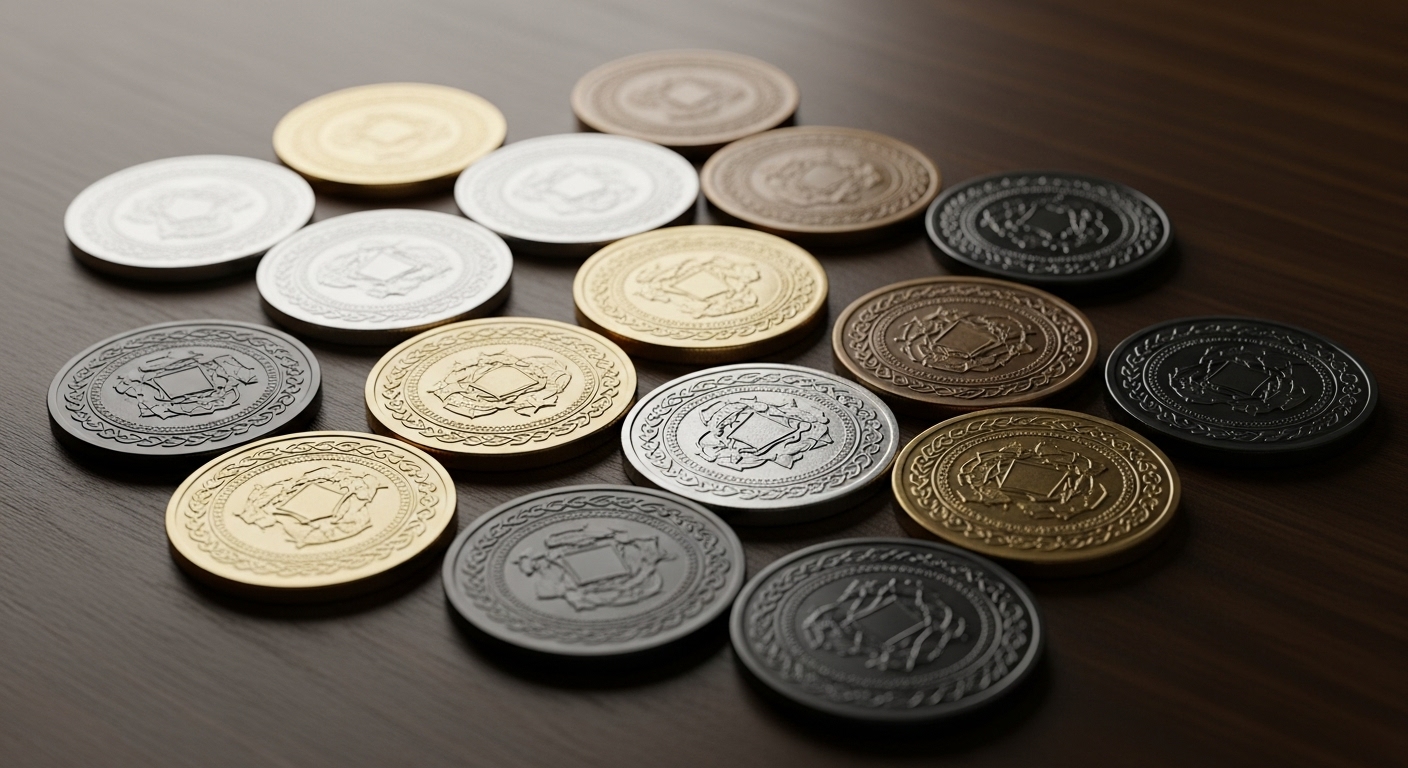
Choosing the Right Edge for Your Coin
The edge of a coin is its physical boundary and a key part of its character.
Understanding Coin Plating Finishes
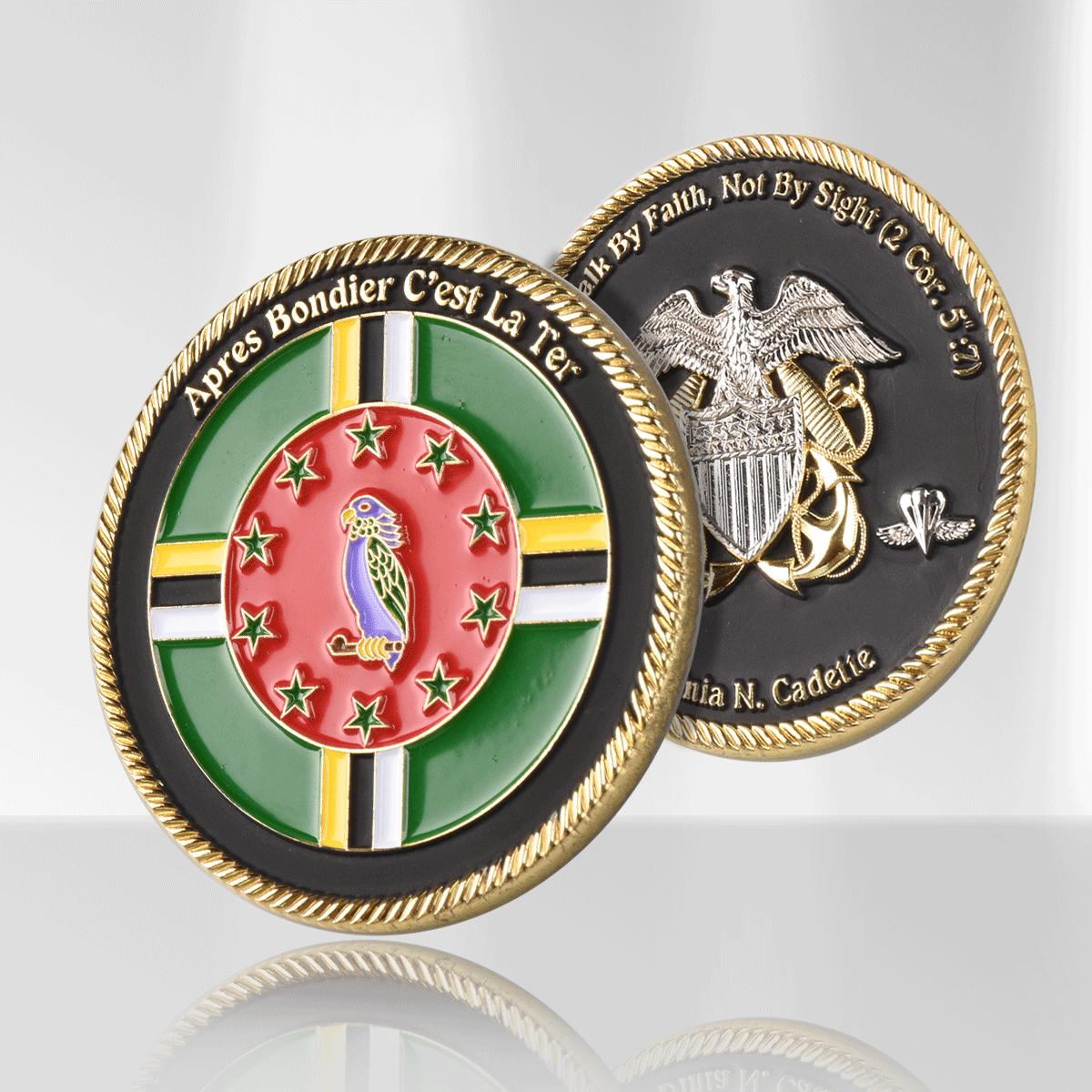
The plating determines the coin's primary color and its interaction with light. Common options include:
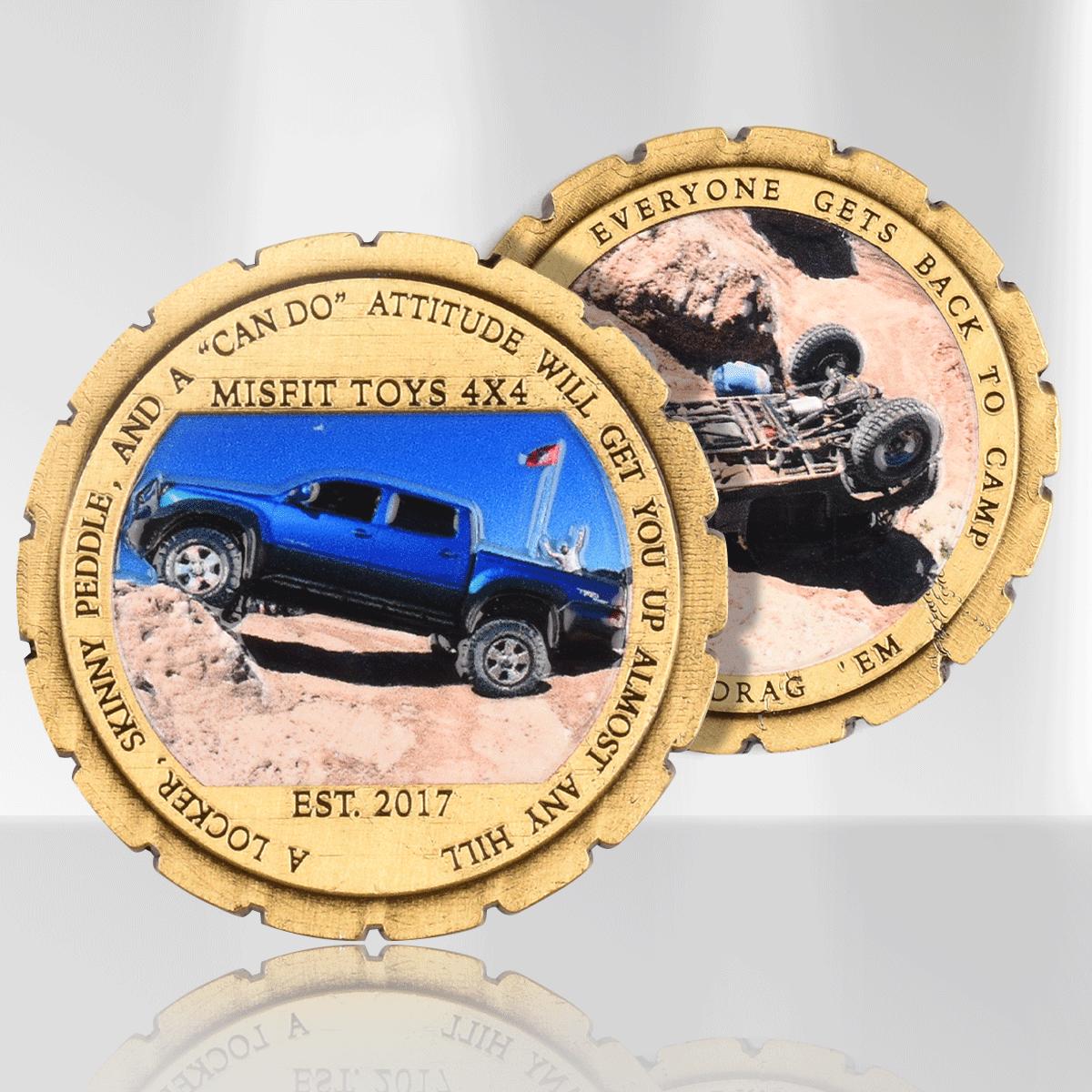
These finishes work in tandem with enamel colors. A common technique is to apply an antique finish after enameling, then polish the high points, leaving the antique tint only in the recessed areas. This dramatically accentuates the design's dimensionality.
Facing a Tight Deadline for an Award Ceremony?
We understand that ceremonies, deployments, and special events operate on fixed schedules. For urgent needs, inquire about our Rush Coins Service. This expedited production pathway can significantly shorten the standard timeline to ensure your coins arrive in time for the presentation. Always discuss your deadline upfront with your project consultant to explore viable options.
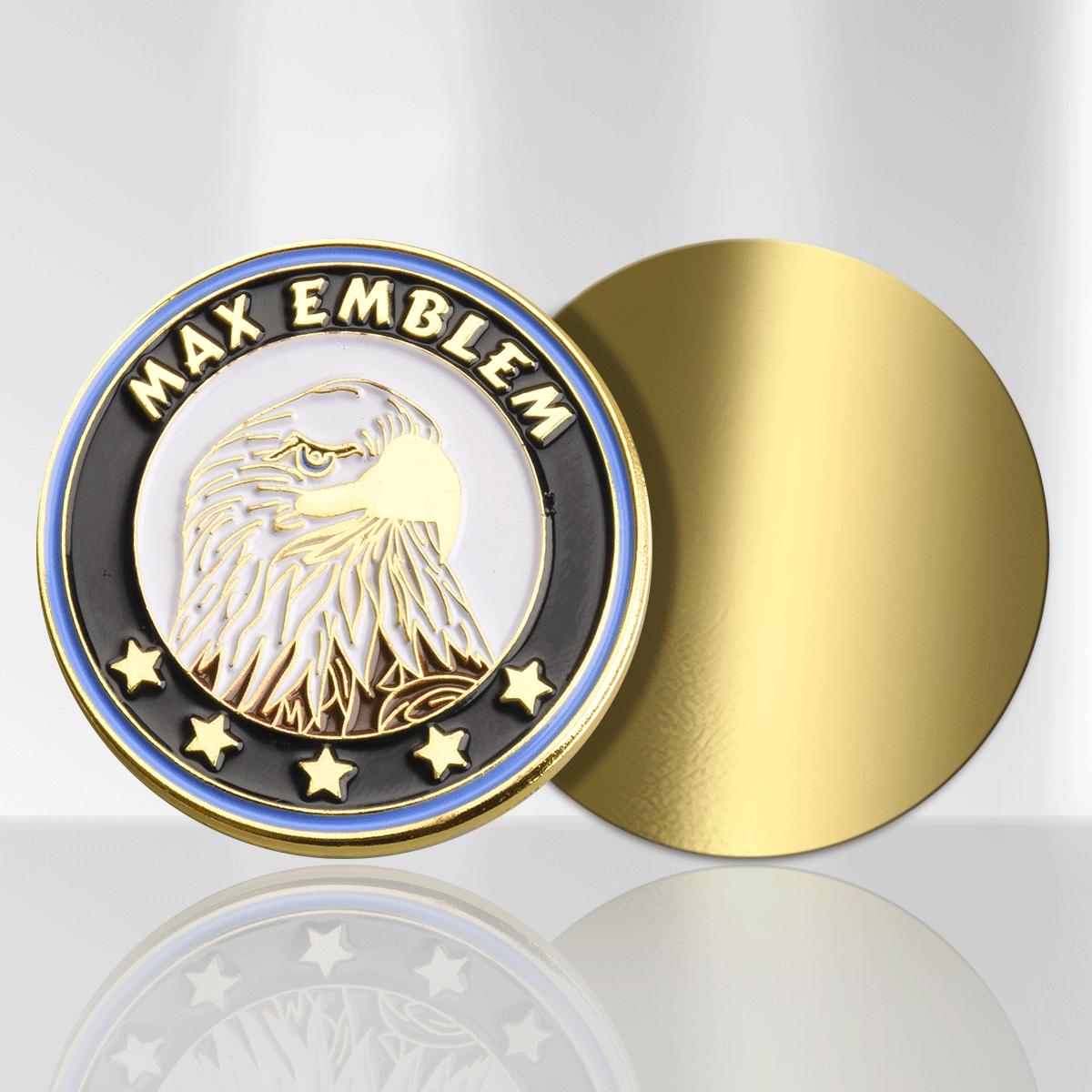
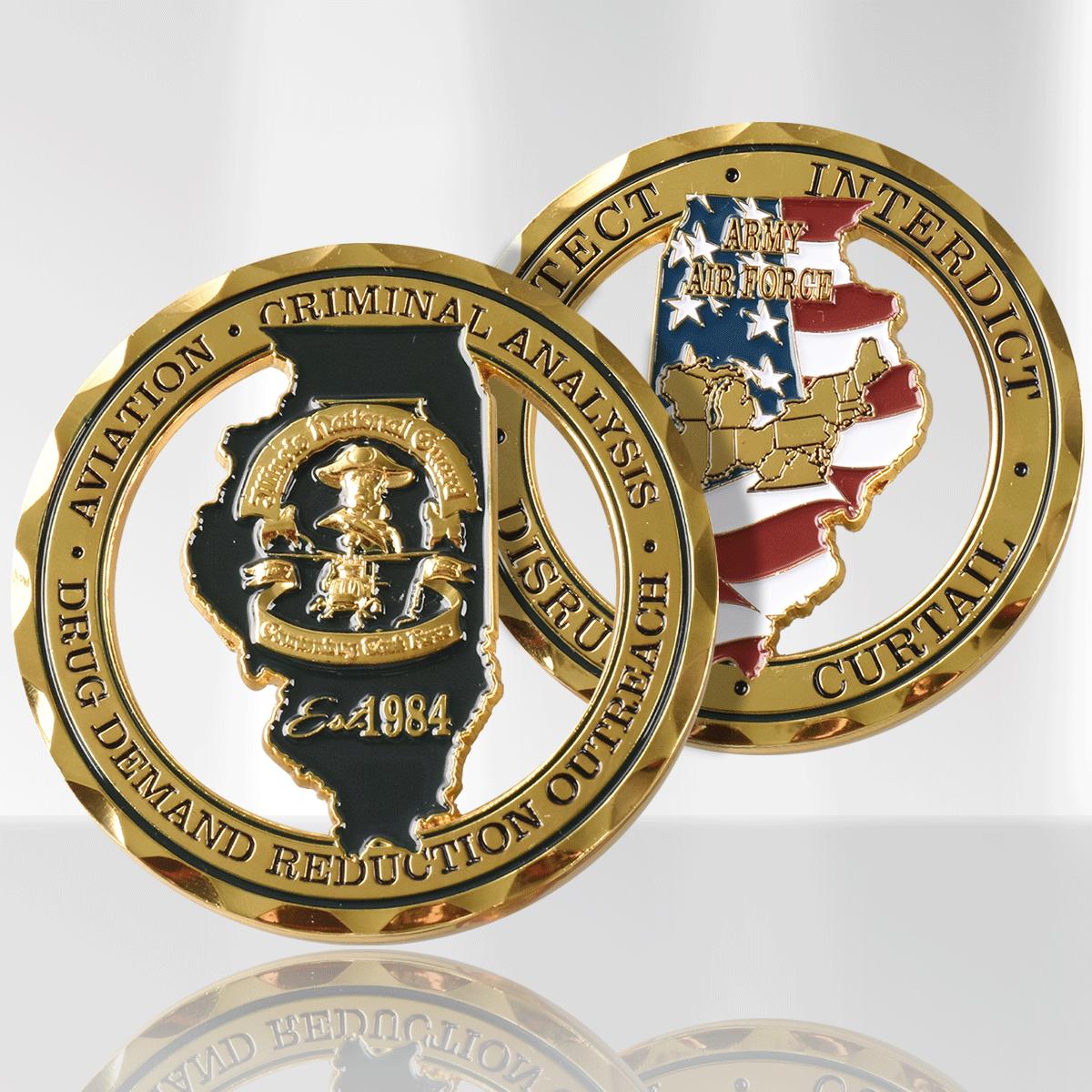
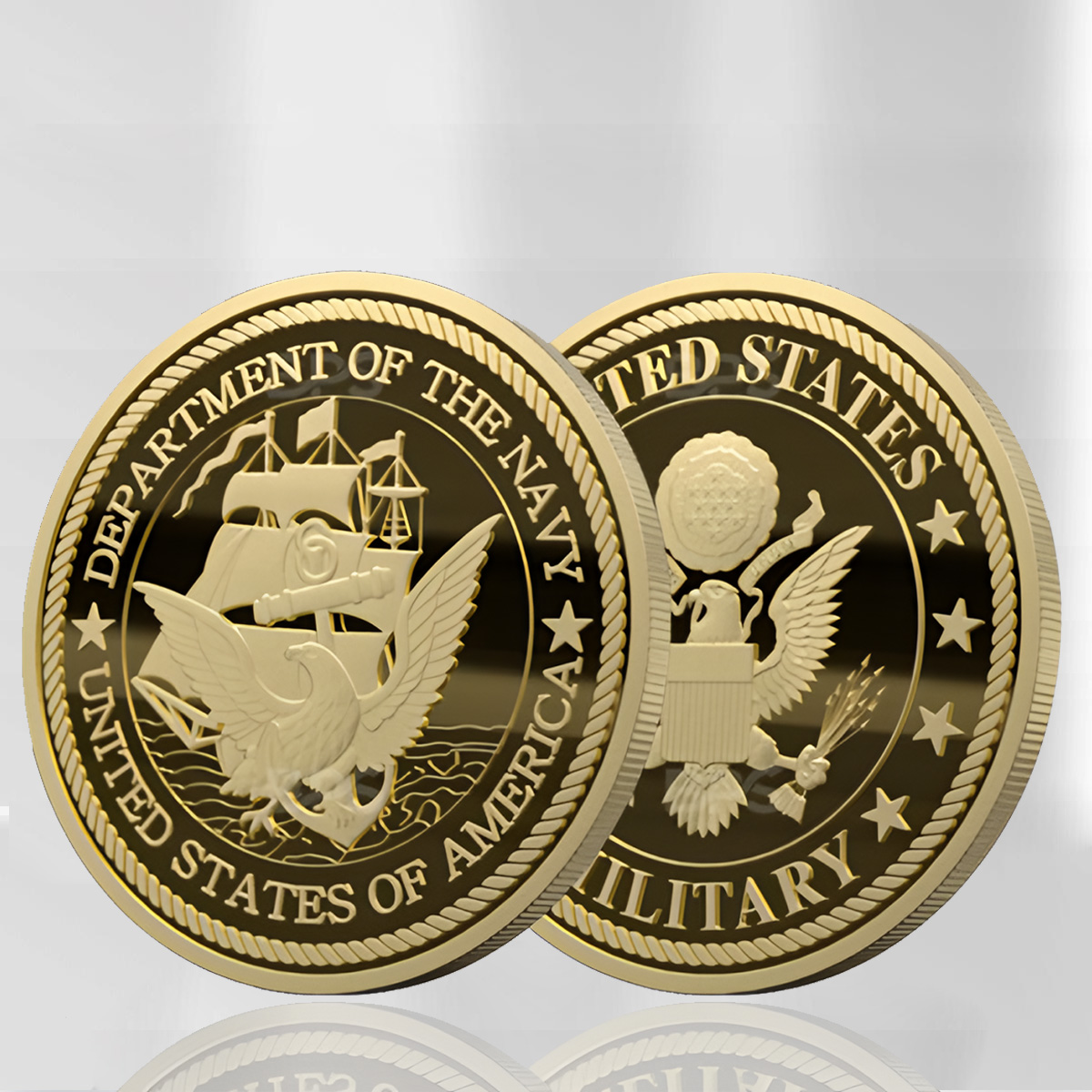
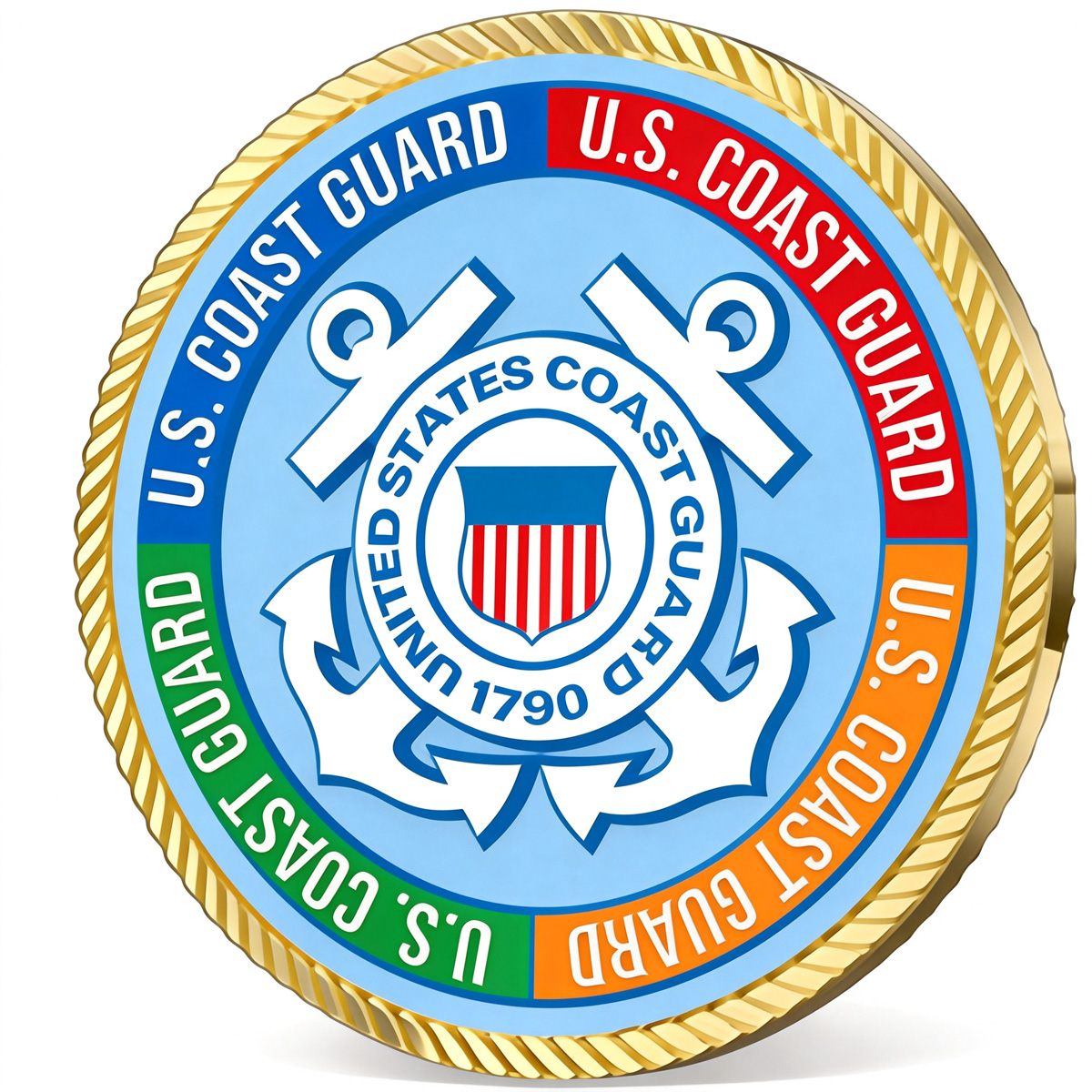
Avoiding Common Pitfalls in Challenge Coin Production
Even with a great design, projects can encounter hurdles. Proactive risk management ensures a smooth process.
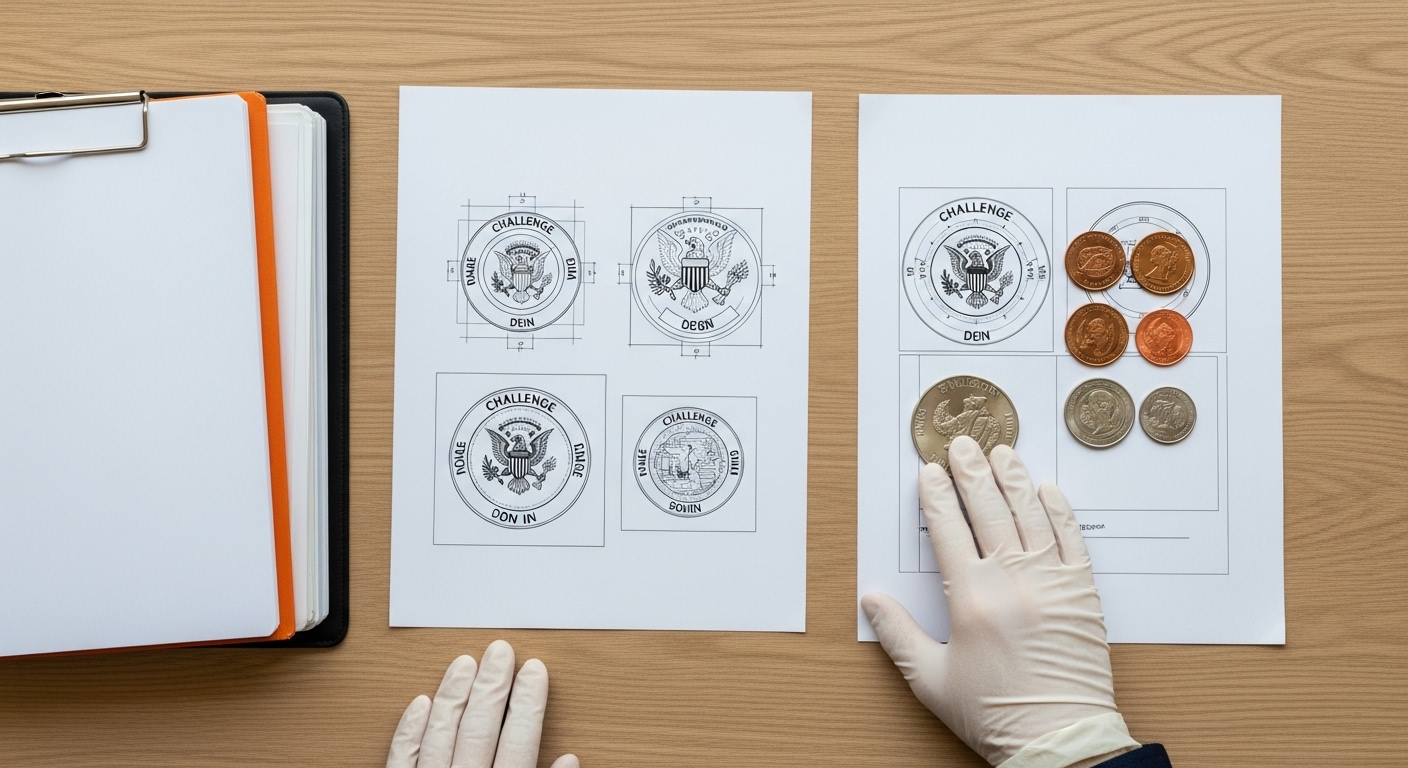
Intellectual Property and Content Compliance
This is non-negotiable. Reproducing official military unit insignia, patented corporate logos, or copyrighted Masonic artwork without explicit authorization is illegal. As the commissioning party, you must secure and provide proof of permission to use any protected imagery. A responsible manufacturer will request this documentation. Using generic symbols or creating wholly original designs is the safest path.
Technical File Preparation
Many delays originate from incorrect artwork files. Before submission, ensure your design adheres to the manufacturer's specifications. Common issues include:
Just as a checklist helps avoid pin production mistakes, a thorough pre-submission review of your coin artwork against the factory's guidelines is the best way to prevent costly and time-consuming revisions.
Ready to Bring Your Vision to Life?
A successful challenge coin is the crystallization of tradition, artistry, and master craftsmanship. At Maxemblem, our two-decade commitment is to bridge the gap between your meaningful concept and a physical object of lasting pride. We leverage professional expertise to ensure every detail—from the choice between die-struck precision and 3D relief drama, to the selection of the perfect antique finish—is executed to honor your story.
Frequently Asked Questions (FAQs)
What is the typical lead time for custom challenge coins?
Lead times vary by order complexity and shipping method. For standard orders:
Always confirm the current timeline with your project manager when placing your order.
How do I choose between hard enamel and soft enamel for my coins?
Soft Enamel: The enamel ink sits below the metal lines (cloisons), creating a tactile, textured surface where you can feel the raised metal and recessed color. It's vibrant and cost-effective.
Hard Enamel (or Imitation Hard Enamel): The enamel is applied and then polished flat, creating a smooth, glass-like surface level with the metal lines. It has a premium, formal, and durable finish. For custom Masonic Lodge coins seeking a classic, refined look, hard enamel is often preferred.
What is the minimum order quantity (MOQ) for wholesale military challenge coins?
MOQs can vary, but many reputable manufacturers offer flexible quantities. For standard designs, MOQs can be as low as 50 to 100 pieces. For highly customized or complex 3D designs, the MOQ might start at 200-300 units to cover mold creation costs. Always ask for a quote based on your specific quantity.
Can you create a coin based on a sketch or idea, or do I need a professional design?
Yes! Most experienced manufacturers, including Maxemblem, offer full in-house graphic design support. You can start with a hand-drawn sketch, a written description, or a mood board. Our designers will work with you to create a print-ready, technical vector artwork file that meets all production specifications, at no extra cost for standard revisions.