Sign in
Create Your Account
Create My Account
Sign In
Create Your Account
Follow this 100-day procurement timeline for 2026 event souvenirs (coins, pins, medals) to avoid delays, ensure quality, and stress-free preparation.

Every event planner knows the feeling: it’s three weeks before the big launch, and the commemorative coins haven’t even been minted. Rushing leads to mistakes, disappointing quality, and missed deadlines. At Maxemblem, with 20 years in the custom souvenir industry, we’ve refined the perfect antidote to procurement panic: a structured 100-day lead time. This isn’t just a schedule—it’s a ritual that guarantees your 2026 event souvenirs become heirlooms, not headaches.
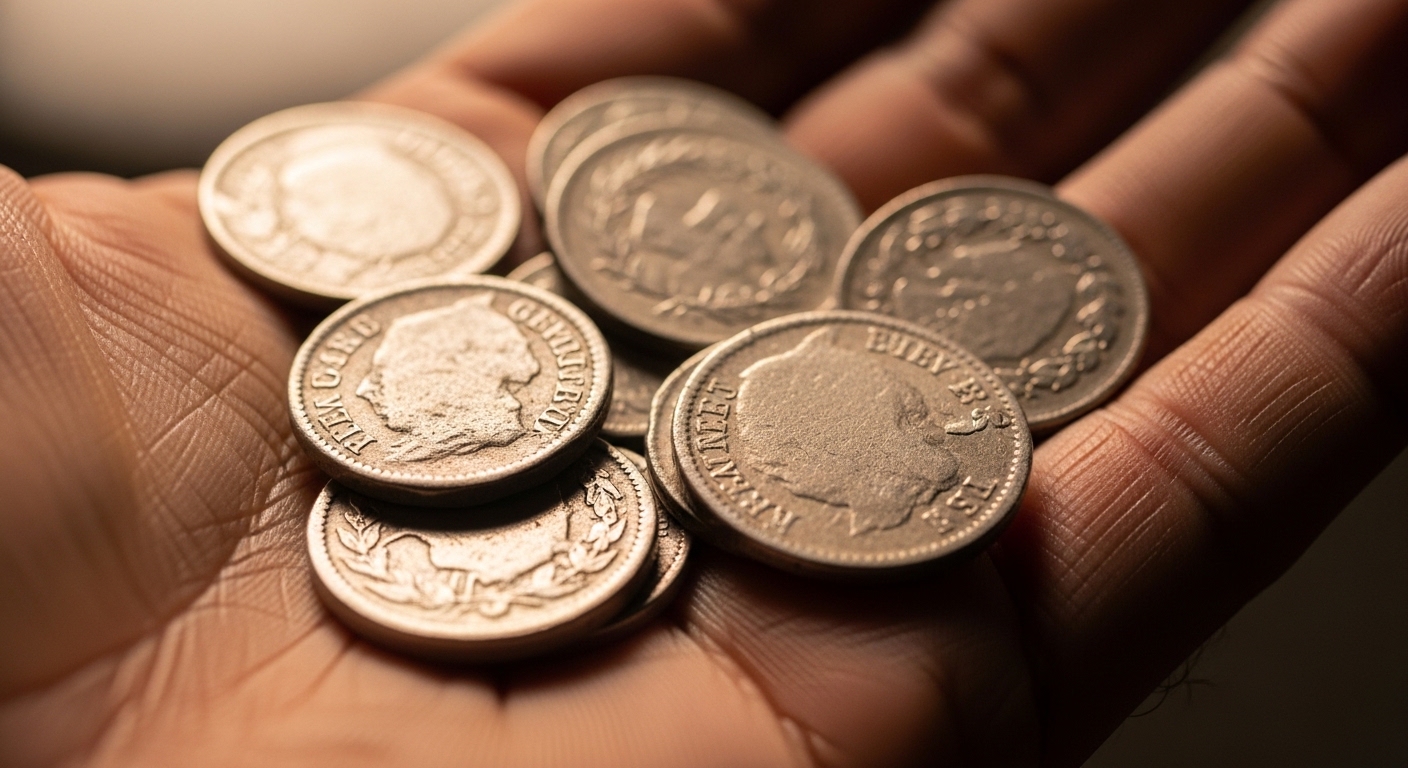
Day 100 to Day 70: Design & Prototyping – Why 3D Modelling and Metal Sampling Take Time
The first 30 days of the countdown are the most creative—and the most critical. Many buyers underestimate the iterative nature of custom design, especially for products like challenge coins, lapel pins, or commemorative medals. During this phase, your vision transforms into a tangible prototype. At Maxemblem, we start with a deep-dive briefing: artwork, symbolism, dimensions, and finishes. Our in-house designers then craft a 3D photorealistic model.
Why does this take up to 30 days? Because true refinement requires back-and-forth. You might want the eagle’s wing to curve slightly more, or the lettering to be raised rather than recessed. After digital approval, we move to tooling—crafting a steel mould. For metal items, we then produce a physical sample (strike a few pieces) to verify the feel, weight, and colour (enamel vs. soft enamel, gold plating vs. antique silver). Rushing this stage often results in die lines that are too shallow, or colours that look dull under event lighting. We build in a buffer for two or three revision loops, because the difference between a good souvenir and a great one is in the details.
Also, customers often ask: “What if I want a complex shape?” Intricate cut-outs or 3D doming require additional engineering. We document every spec so that when mass production begins, the mould is flawless.
Remember: a well-executed prototype eliminates surprises later. This stage also sets the foundation for accurate pricing—based on the complexity (number of colours, size, plating) we can lock in the cost per unit. The golden rule: never skip the sampling phase, even if you’re in a hurry. But if you follow the 100-day plan, you have ample room to perfect the design.
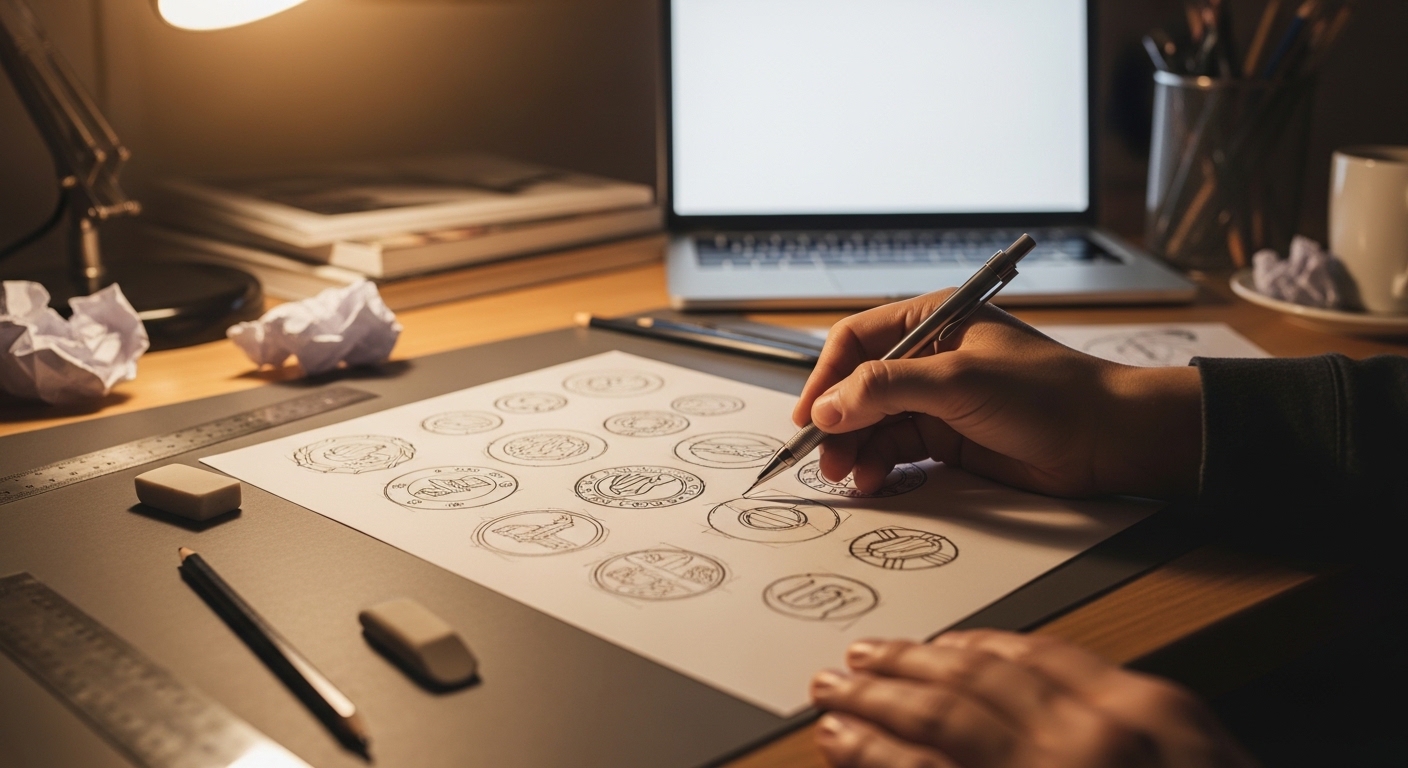
Day 70 to Day 30: Mass Production & Quality Control – Maintaining Craftsmanship Under Pressure
Once the prototype is signed off, the engine roars to life. This 40-day window is where raw metal blanks are turned into polished souvenirs. Mass production for custom souvenirs involves stamping, heat treatment (for hardness), plating, enamel filling, polishing, and finally quality inspection. Maxemblem operates with a lean but meticulous workflow: each batch is checked against the master sample.
How do we maintain high quality under the pressure of a ticking clock?
First, we assign a dedicated QC manager who monitors three critical points: after striking (to ensure die wear hasn’t blurred details), after plating (to avoid pitting or uneven tone), and after enamel curing (to prevent bubbles or chipping). We also run stress tests—like throwing a few coins from waist height to see if the enamel cracks (it shouldn’t). For large orders (say, 5,000 units), we use statistical sampling: inspect 300 pieces per thousand to keep consistency.
The 70-to-30-day window might seem generous, but it accounts for variables like plating bath maintenance or enamel drying time in different humidity. We also have a fast-track lane for rush orders, but the 100-day timeline allows us to use standard processes without shortcuts.For instance, hard enamel requires baking and cooling cycles; if you compress this, the finish may be uneven.We also use this phase to prepare packaging—velvet bags, acrylic boxes, or custom cards—ensuring they align with the souvenir dimensions. By day 30, 100% of the production should be completed and packed for shipment, not just started. This is the heartbeat of the timeline.
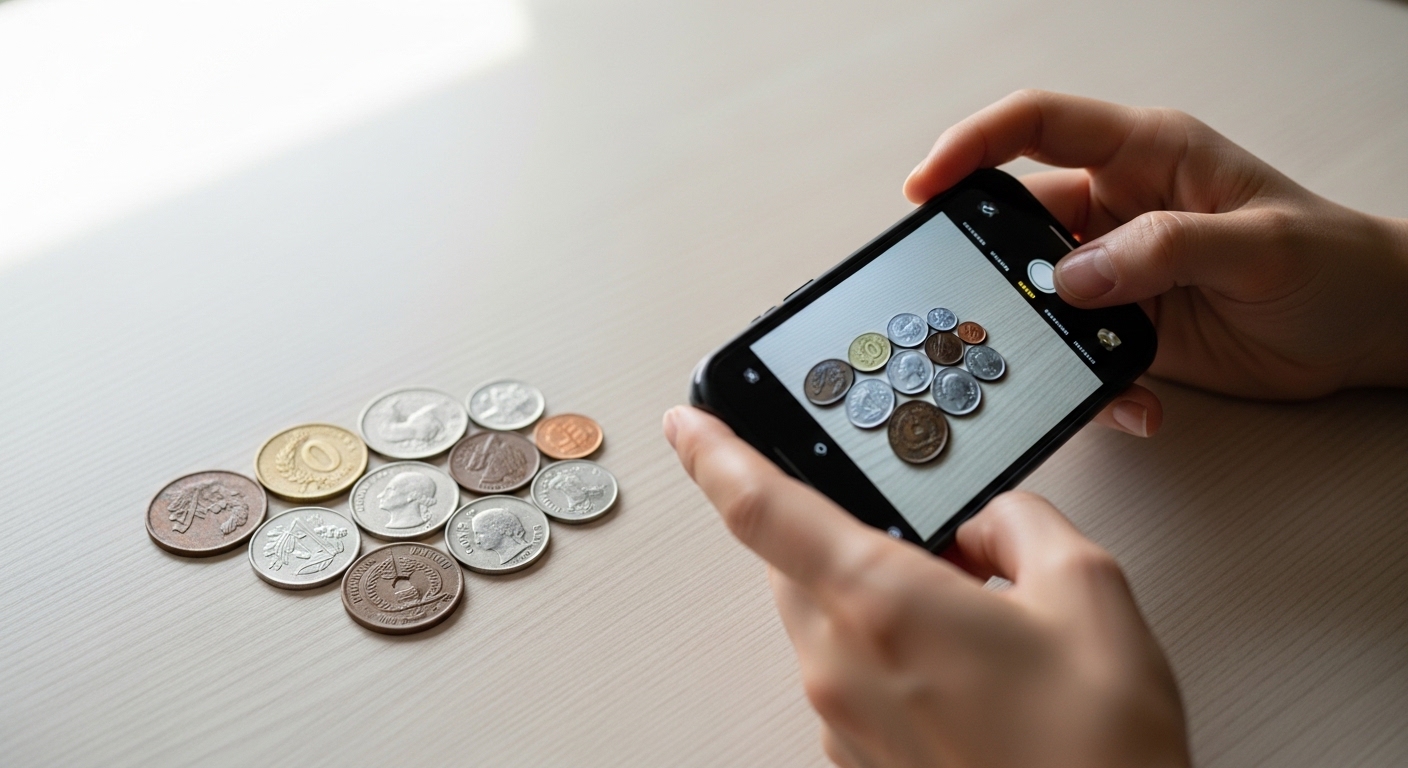
Why a 100-Day Lead Time Ensures Quality – The “Slow Craftsmanship” Truth in the Coin Industry
In an era of instant gratification, the idea of “slow” seems counterintuitive. But for custom commemorative coins, haste makes waste. The metal needs to cool evenly; enamel layers must be fired at precise temperatures; plating adhesion requires exact chemical baths. If you truncate the timeline, you might end up with coins that look acceptable from a distance but fail under scrutiny: plating that flakes after a month, enamel that scratches easily, or edges that are sharp.
Why does “slow and steady” still win?
Because each pair of hands involved—from the die-sinker to the polisher—needs time to do their craft justice.
At Maxemblem, we’ve seen rushed orders come back with “orange peel” effects on gold plating or misaligned obverse/reverse strikes. The 100-day framework respects the metallurgy and the artistry. It also allows us to source the best raw materials: sometimes the preferred brass alloy might be temporarily out of stock, and with 100 days we can wait for the premium stock rather than substituting with lower-grade metal. This philosophy extends to packaging as well: a commemorative coin deserves a box that doesn’t smell of cheap glue. That means allowing the box factory to air out the products. So, when you plan 100 days ahead, you’re not just buying a souvenir; you’re commissioning a piece that will last decades. And that’s the hallmark of an event worth remembering.
Four critical decisions you must get right (avoid these pitfalls)
Ordering custom souvenirs can feel like walking through a minefield if you’re unfamiliar with the technicalities. Based on decades of client feedback, here are the four areas where first-time buyers often stumble. Understanding these will save you from costly change orders.
Aspect |
Common Mistake |
Why it matters |
Smart approach (tips) |
|---|---|---|---|
Price |
Focusing only on unit cost, ignoring tooling & setup |
Custom moulds (dies) cost $150–$700 depending on complexity. Low MOQ increases per-piece cost. |
Ask for a split quote: tooling fee + unit price. Higher quantity amortizes die cost. |
Size |
Choosing a size that looks tiny in hand (e.g., 0.75") |
Too small and details get lost; too large may feel bulky. |
Standard challenge coins: 1.75" (44mm). For lapel pins: 1"–1.25". Always request a 3D printed mockup to feel the scale. |
Finishes |
Mixing up soft enamel vs. hard enamel |
Soft enamel has textured recess; hard enamel is smooth, polished, more durable. |
If you want a premium, glass-like surface, choose hard enamel (requires extra curing time). Soft enamel is vibrant and cost-effective. |
Design |
Overly complex art with tiny text or fine lines |
Metal stamping can’t reproduce 6pt fonts clearly; thin lines may disappear. |
Keep line weights >0.2mm. Avoid reverse text smaller than 8pt. Our designers will alert you. |
Pro tip: Every custom order requires a dedicated mould (die). For small quantities (<100 pcs) the tooling cost per unit is higher, so we recommend consolidating designs or ordering more units to spread the cost. If you have questions about your specific project, please contact us for a consultation—we’re happy to guide you.
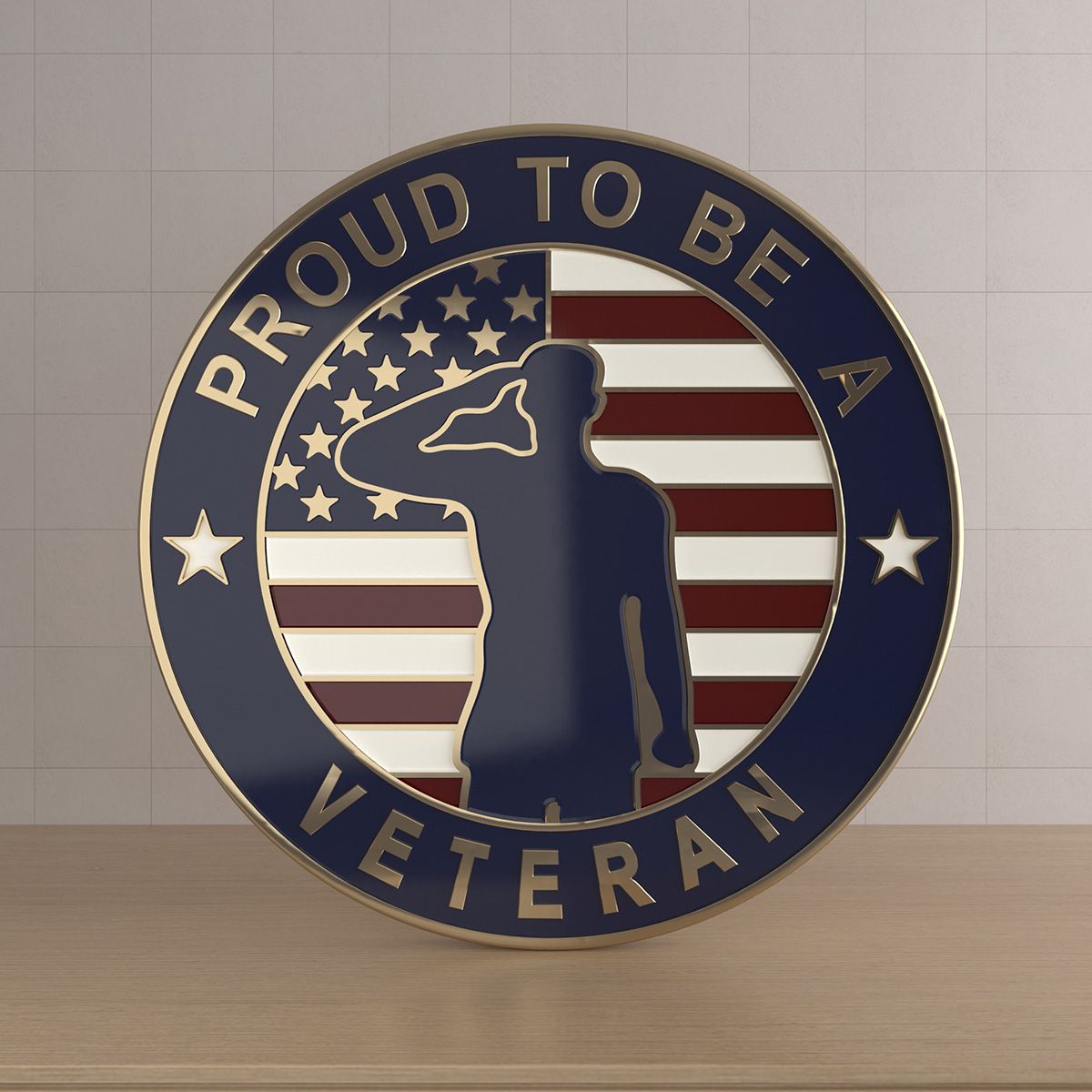
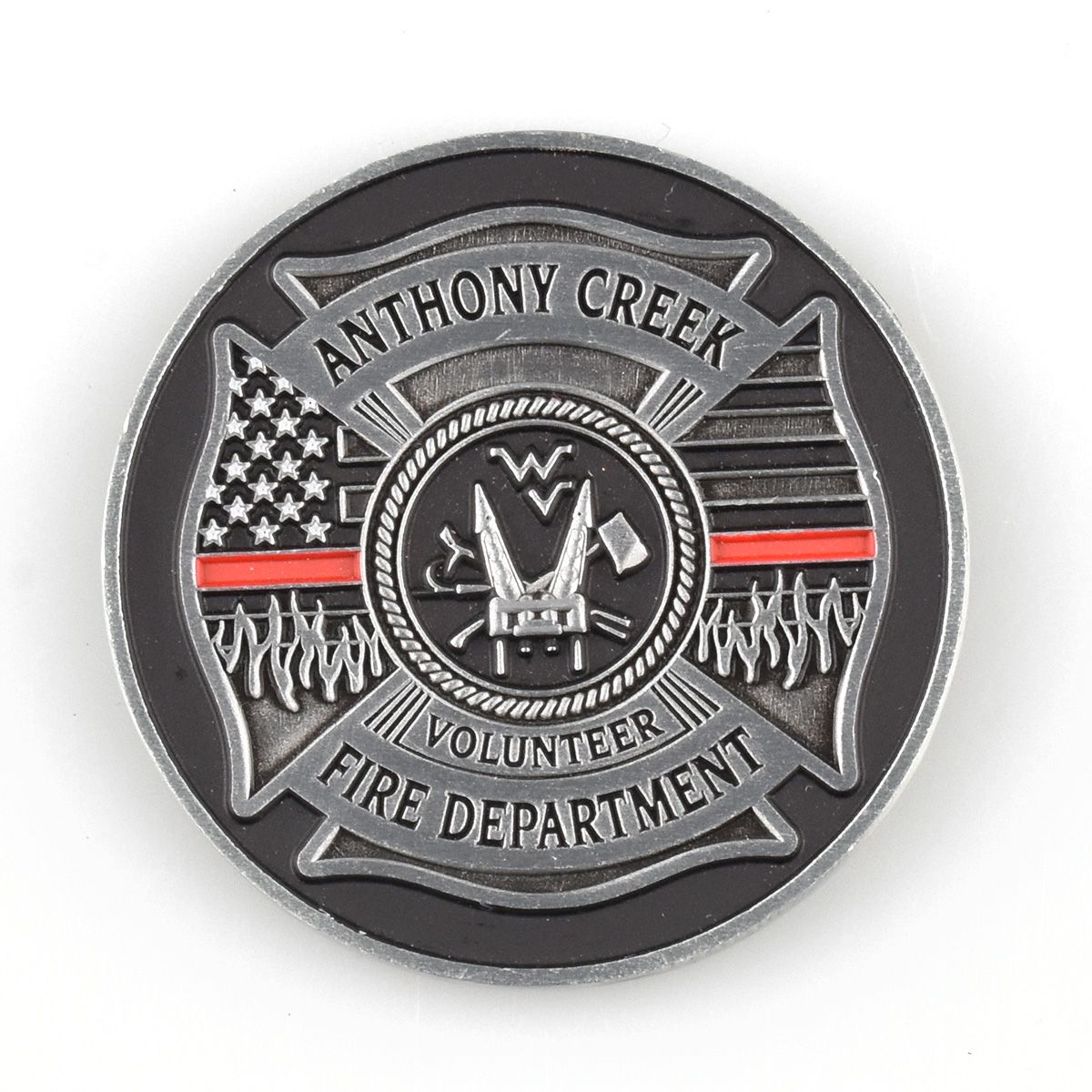
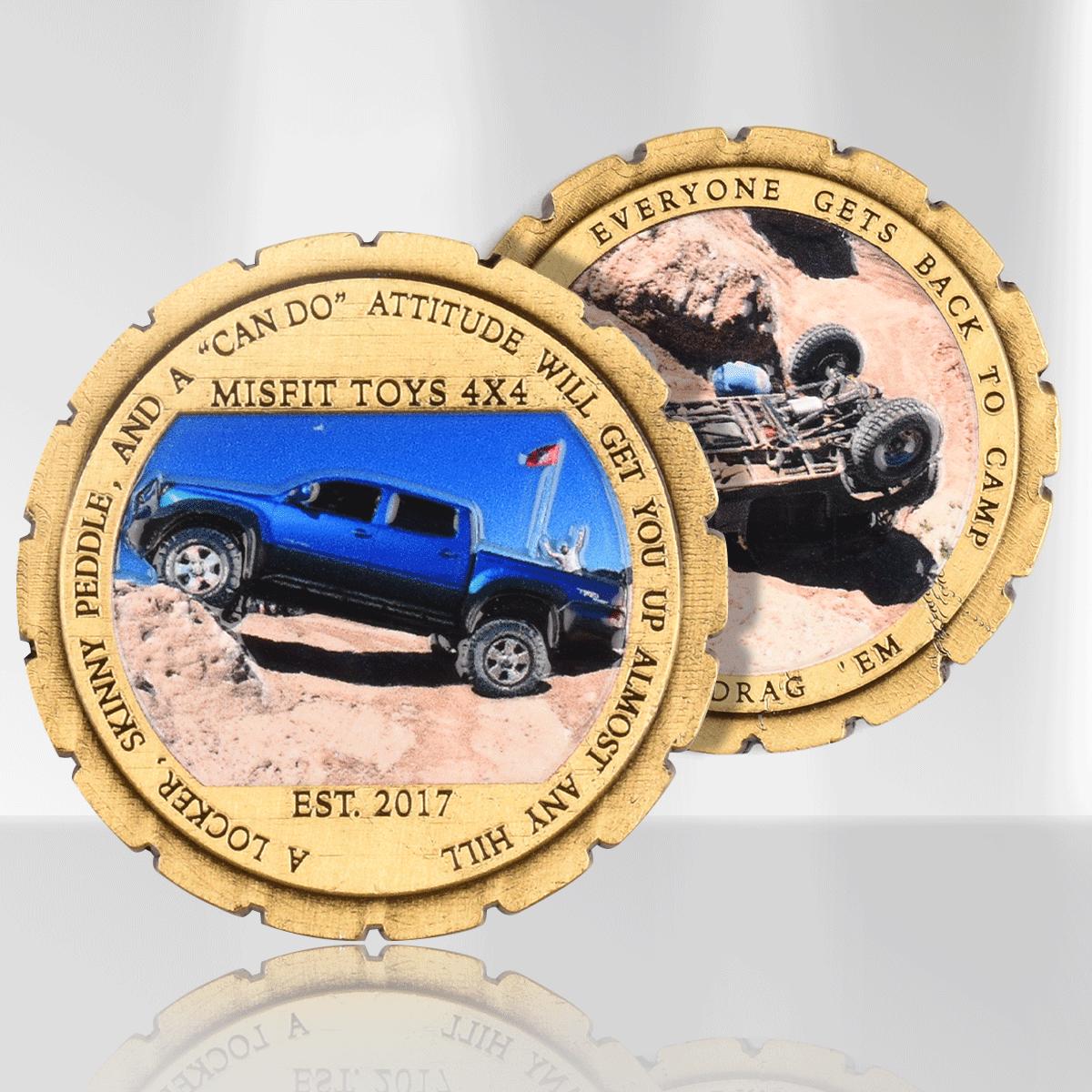
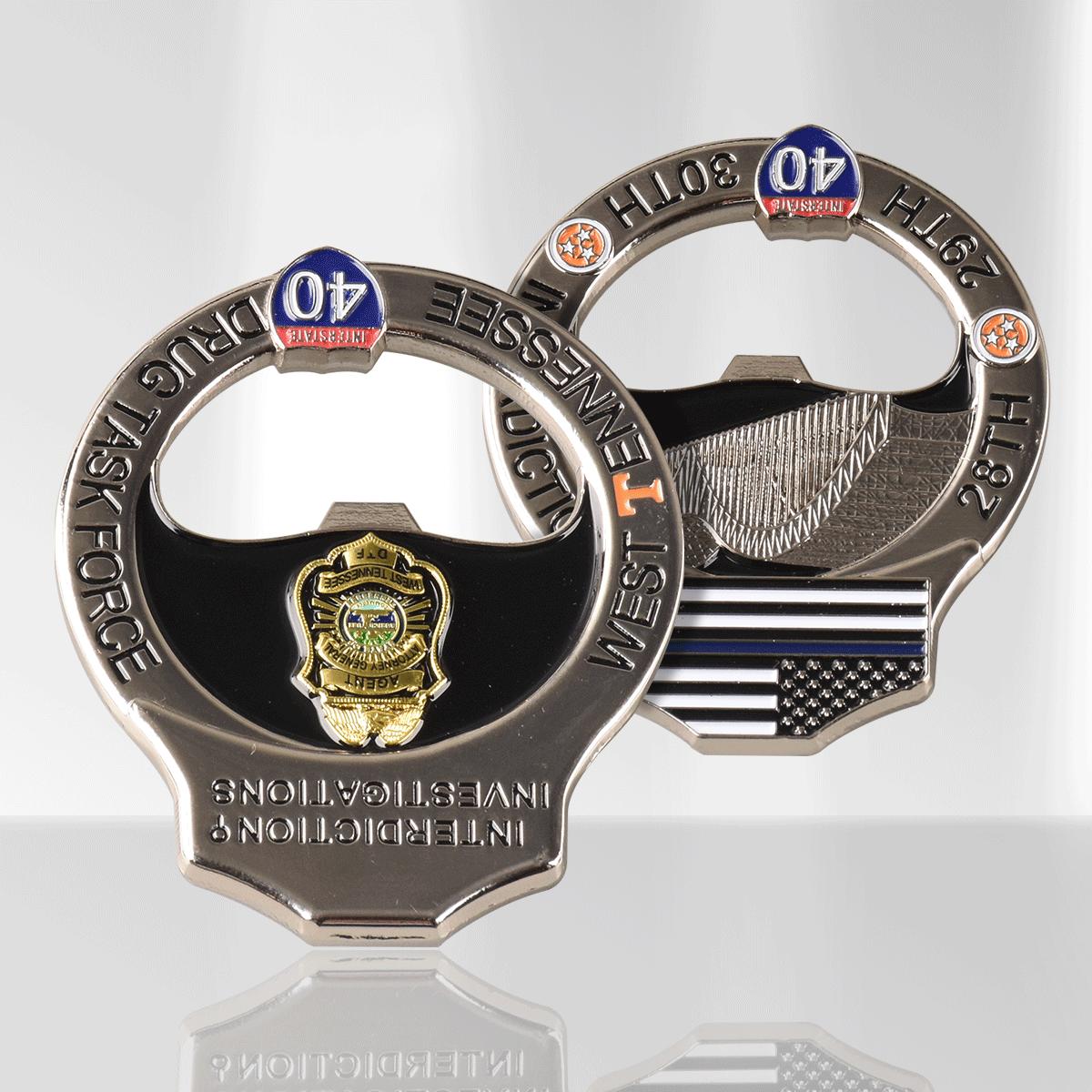
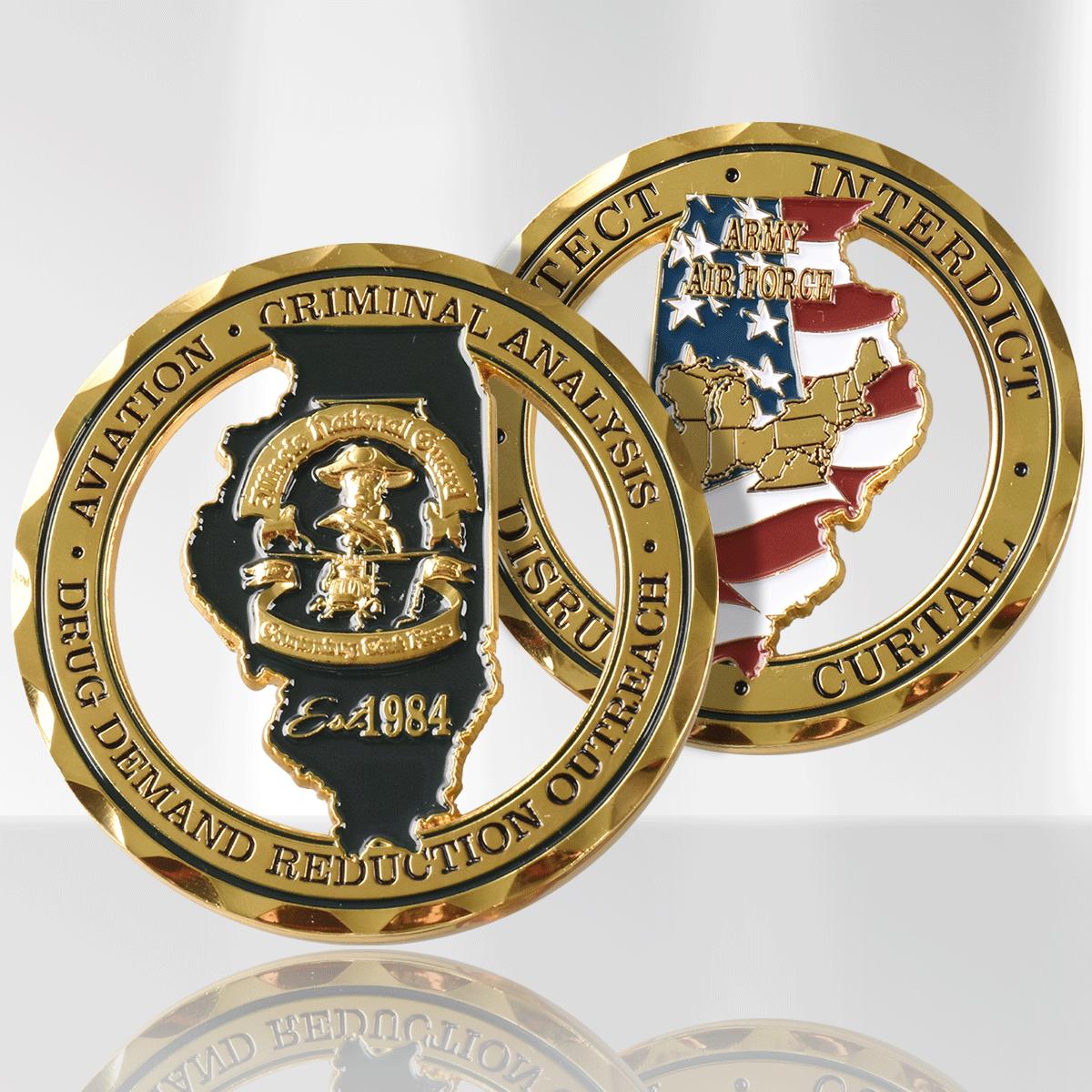
🎯 Ready to start your 100-day countdown?
Your 2026 event souvenirs deserve the perfect timeline. Our team is ready to bring your vision to life with precision and care.
No obligation, just expert advice on design, budget & timeline.
By following this 100-day procurement roadmap, you’re not just ordering merchandise—you’re curating a memory. The countdown builds anticipation, ensures accountability, and results in a product that reflects the importance of your occasion. From global brands to local community events, Maxemblem has guided thousands of clients through this journey. And with every step, we emphasize that the real value lies in the details: the weight of the metal, the crispness of the strike, and the brilliance of the enamel. That’s why our 20 years of experience matter. Now, mark your calendar: day 100 starts today.
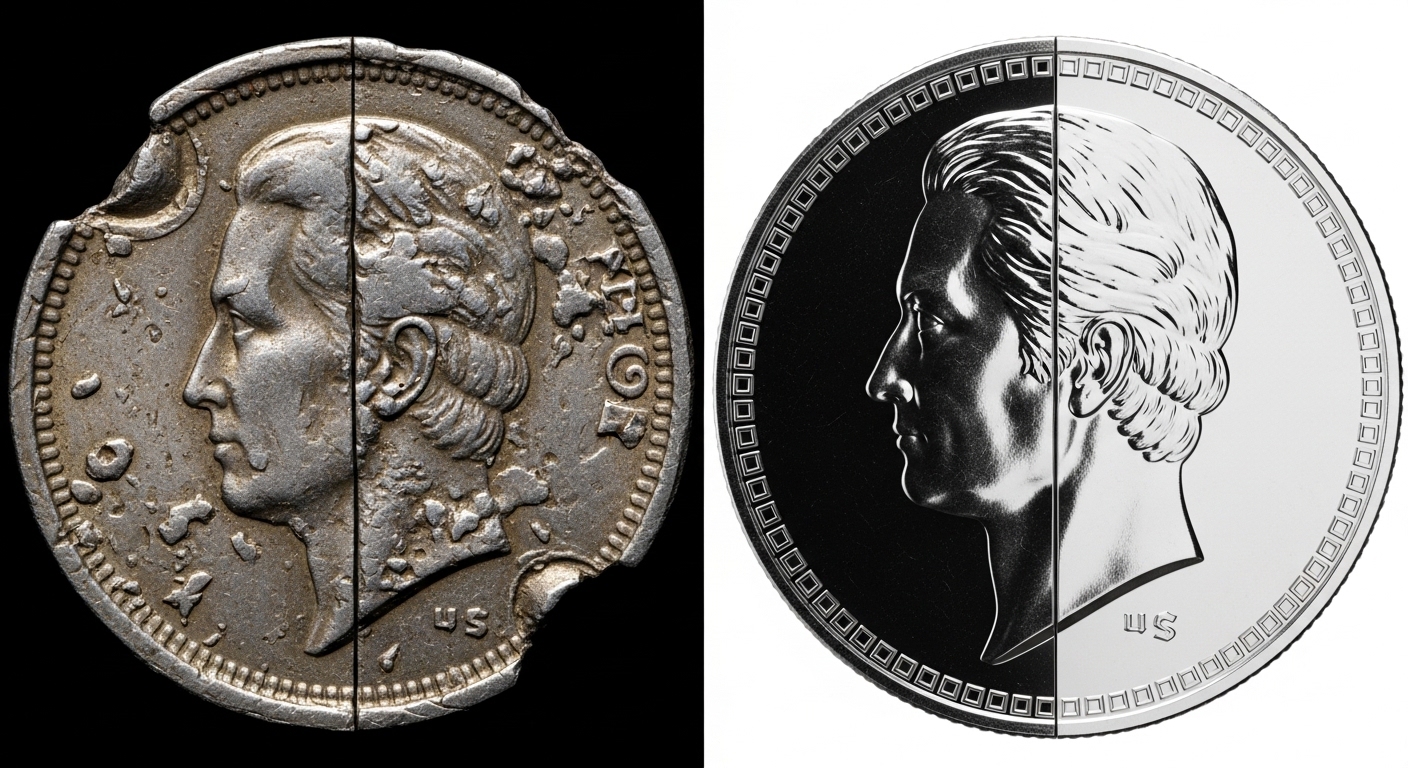
We understand that sometimes events pop up. Maxemblem offers an expedited service for orders that need faster turnaround (as quick as 25 days for simple designs). However, this involves priority die creation and overtime production, which incurs a rush fee. It’s always best to contact us immediately to check availability. But for the highest quality and to avoid stress, the 100-day window is the gold standard.
A good rule of thumb: if your design has elements that look crowded when printed on a business card, it might be too intricate for a coin. Our artists provide a free design review. We’ll mark areas that could become muddled during striking. Usually, simplifying or increasing the relief solves the issue. We also provide 3D concept art so you can visualise the depth.
Absolutely. Multi-plating (e.g., gold and nickel) is possible but requires additional masking steps during production. It adds a few days to the timeline, which is why the 100-day schedule accommodates such customisation. We’ve done coins with antique silver background and polished gold raised elements—stunning results. Just be aware that each extra process increases cost slightly.
Consider the purpose: if it’s a wearable pin for a congress, 1.5" is a common size. For a collector’s challenge coin, 2" feels substantial. We always recommend you request a plastic 3D-printed scale model (available for a nominal fee) to hold it in your hand before committing to tooling. That way you avoid the “it looked bigger on screen” regret.