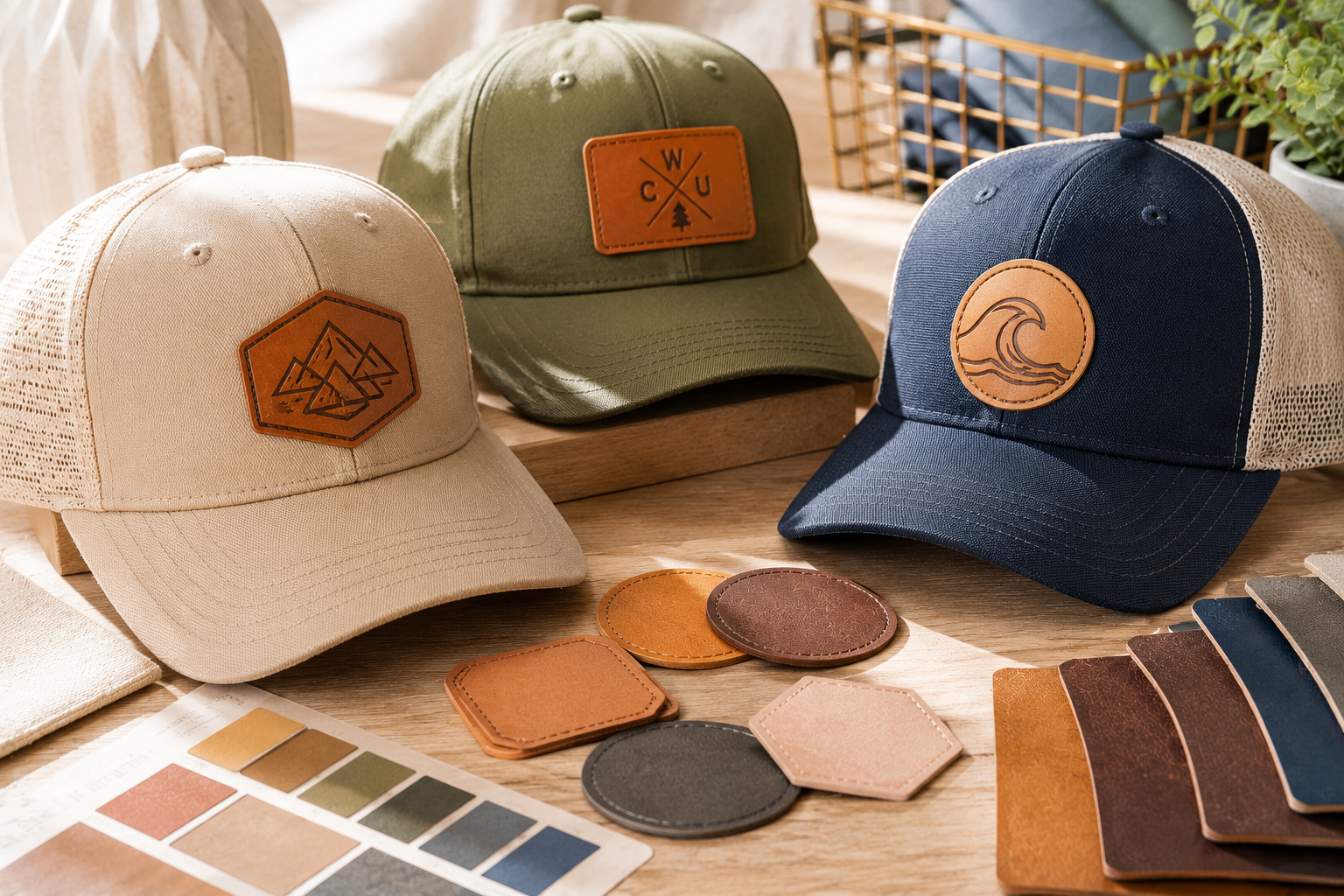
A hat is no longer just sun protection or warmth — it is a canvas for brand identity. Among all branding methods, leather patches for hats wholesale have emerged as the premium choice for outdoor brands, streetwear labels, and heritage collections. Why? Because leather communicates authenticity, durability, and craftsmanship in ways that embroidery or PVC cannot.
Yet many brand owners struggle when sourcing wholesale leather patches: genuine vs. synthetic? Debossed vs. laser engraved? Heat press vs. sew‑on? This guide answers those questions. At Maxemblem, with 20 years of custom manufacturing experience, we don't just produce patches — we help you elevate your headwear's tactile identity. From custom leather patches wholesale for emerging labels to blank leather patches for hats wholesale for in‑house decorators, we provide the material expertise and supply chain reliability that B2B buyers demand.
Leather Patch Materials & Craftsmanship: A Deep Dive
The choice of leather type and marking technique defines the final patch's look, feel, and longevity. Here is what every B2B buyer needs to know.
Genuine Leather vs. High‑Quality Synthetic (PU/PVC)
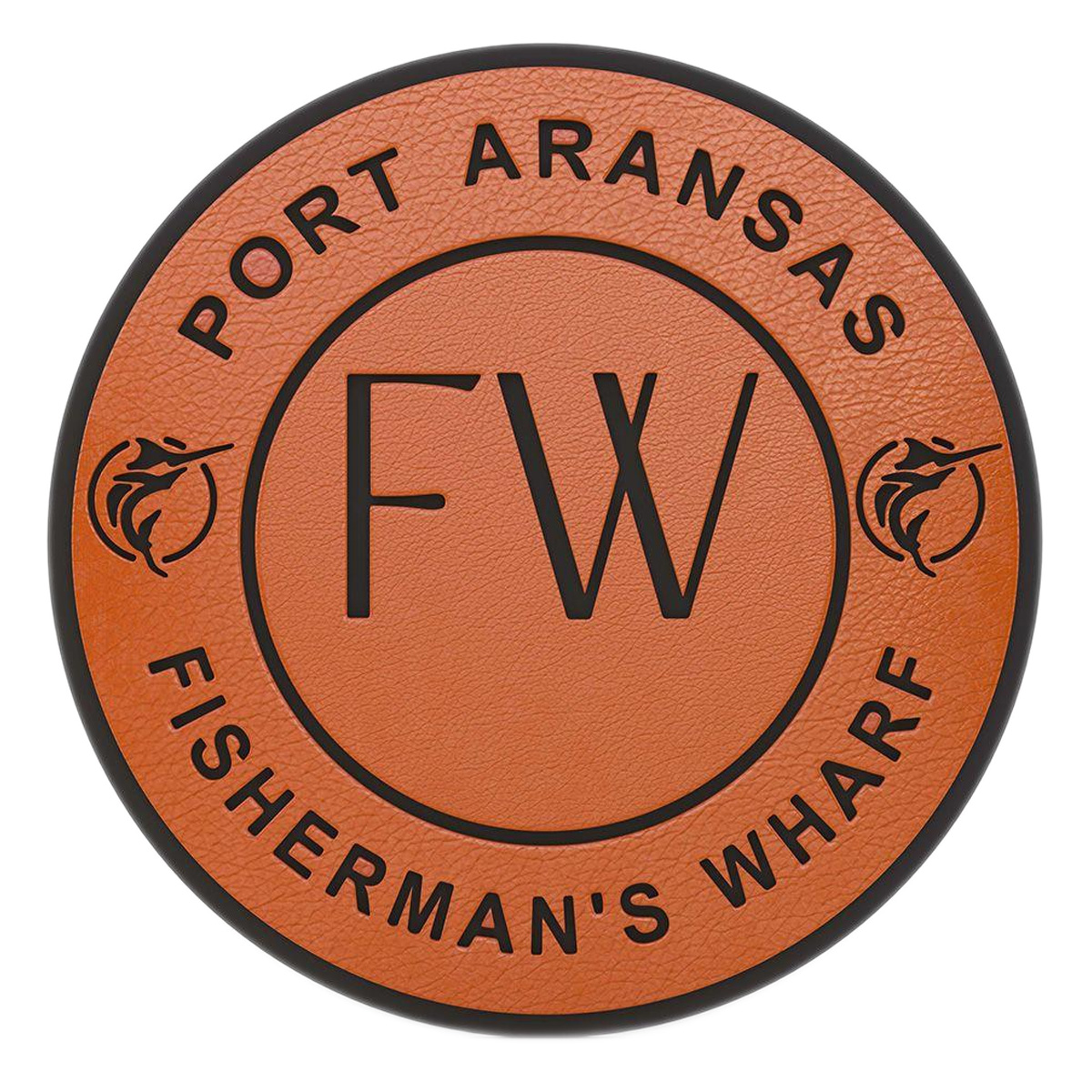
Genuine leather (cowhide, goat, or buffalo) develops a natural patina over time — a prized characteristic for heritage and vintage brands. It breathes, ages beautifully, and feels substantial. However, genuine leather has batch‑to‑batch variations in grain and thickness, and it requires careful sourcing to avoid ethical concerns. High‑quality synthetic leather (PU or microfiber) offers consistent texture, lower cost, and often better water resistance. It is also vegan — a growing requirement for many brands. For wholesale leather patches destined for outdoor or workwear hats, synthetic can outperform genuine in wet conditions. At Maxemblem, we stock both. For a recent line of fishing hats, we recommended a textured PU patch because it resisted saltwater damage better than genuine leather. For a bourbon brand's lifestyle caps, we used premium vegetable‑tanned cowhide to match their rustic aesthetic. Ask us for swatches of both families.
Debossing, Laser Engraving, and UV Printing: Choosing the Right Technique
Once you have selected the leather type, the marking method determines how your logo appears. Debossing (pressing a heated die into the leather) creates a recessed, permanent impression. It works best for bold logos without fine details — the heat can blur thin lines. Laser engraving uses a focused beam to vaporize the leather surface, producing extremely crisp lines and even photographic detail. However, laser leaves a slightly burnt smell (which fades) and is best for darker leathers. UV printing adds full color to leather — ideal for photorealistic logos or gradients. It sits on top of the surface rather than penetrating, so it may wear faster in high‑abrasion areas. For a custom Tennessee seaplane company, we used laser engraving on dark brown leather to capture the intricate wing details of their logo. The result was precise and durable. For a children's hat brand, UV printing allowed bright, multi‑colored mascots. We maintain sample libraries of all three techniques — request a comparison set.
Learn more here: How To Use Iron On Patches On Clothing? 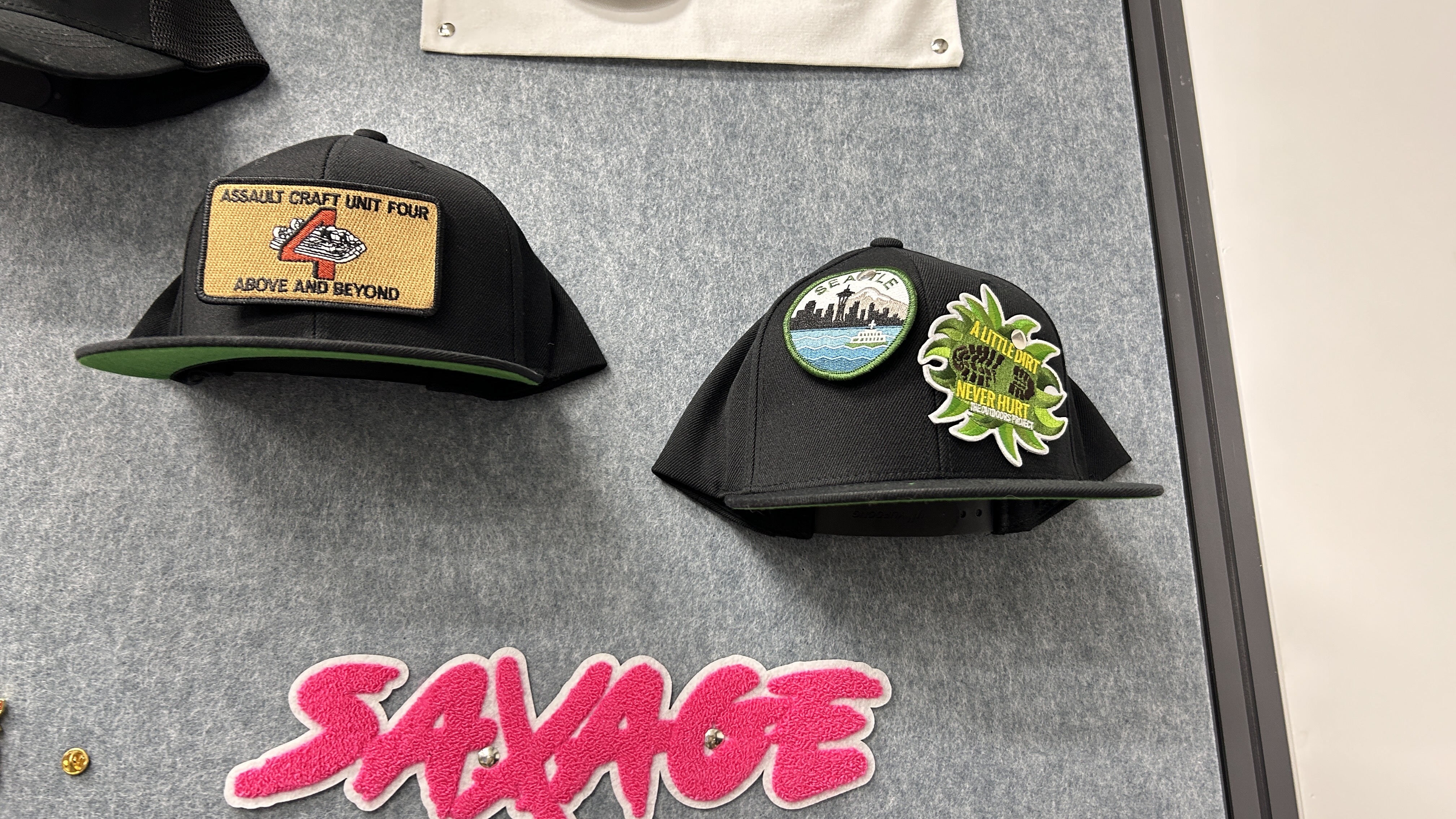
Wholesale Solutions for Headwear Brands: Beyond the Patch
Hats have unique requirements — curvature, backing adhesion, and front‑center visibility. Here is how to optimize your leather patches for hats wholesale program.
Why Hat‑Specific Patches? Curvature, Backing & Placement
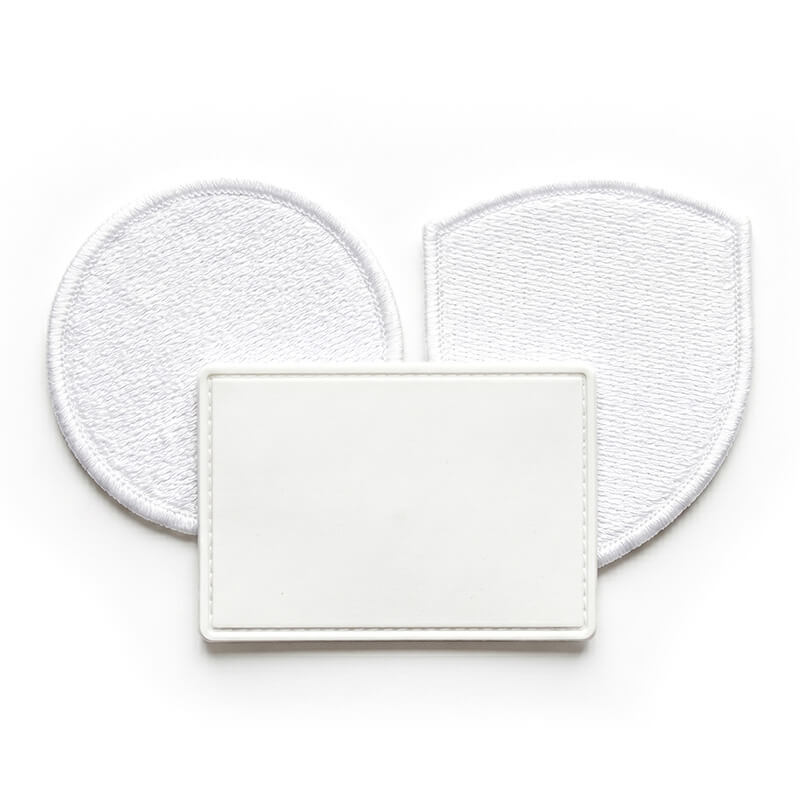
Standard flat patches can buckle or lift when sewn onto a curved hat front. Professional hat patches are pre‑curved (slight arch) to match the cap's shape. Backing also matters: heat‑press adhesive (iron‑on) creates a permanent bond for cotton or polyester hats, but it requires careful temperature control to avoid melting synthetic blends. Sew‑on backing is universal and most durable but adds labor cost. Pressure‑sensitive adhesive (peel and stick) is convenient for small batches but may fail in heat. For blank leather patches for hats wholesale, we supply pre‑curved, unmarked patches with adhesive backing — ideal for DIY decorators or brands that want to apply their own screen printing or hand‑stamping. Many smaller breweries and indie clothing lines start with blank patches to test designs before committing to custom tooling.
Identity Enhancement: How Leather Patches Elevate Brand Perception
A leather patch transforms a $15 cap into a $45 cap. Consumers associate leather with quality, durability, and authenticity. For a startup hat brand, switching from embroidered logos to leather patches immediately upgraded their retail positioning. We've seen this repeatedly: a custom spooky leather patch for a Halloween‑themed brand generated social media unboxing videos; a minimalist debossed logo on natural veg‑tan leather became a signature for a surf shop's premium line. The tactile experience — the smell, the slight grain — creates emotional connection. When sourcing custom leather patches wholesale, consider not just the logo but the story the material tells. We offer free consultation on matching leather color and texture to your brand personality: rugged (roughout leather), refined (smooth finished), or vintage (pull‑up leather that lightens at creases).
What Every B2B Hat Brand Must Know: Price, Size, Craftsmanship & Design
Sourcing leather patches involves more than picking a shape. This guide explains the four variables that determine both cost and quality — so you can make informed decisions for your headwear line.
1. Price Components: Tooling + Per‑Patch + Backing
Every custom leather patch requires a metal die for debossing (or a setup fee for laser engraving). Tooling costs typically range from $80 to $200 depending on size and complexity. For wholesale leather patches in quantities of 500+, per‑unit costs range from $0.60 to $2.50. Additional costs: heat‑press adhesive ($0.15‑$0.40 per patch), custom stitching on edges, or multi‑color UV printing. For blank leather patches for hats wholesale (no custom marking), there is no tooling fee — you pay only per‑patch pricing, ideal for trial runs.
2. Size & Placement on Hats
Standard hat front patches are 1.5” to 2.5” wide. A 1.75” patch fits most unstructured caps; 2.25” works for structured trucker hats. Larger patches (3”+) are typically placed on the back or side. Size affects both material cost and perceived visibility. For text‑heavy logos (e.g., “EST. 2015”), we recommend at least 2” width to maintain legibility. We provide printable size templates so you can test placement on your actual hat samples before ordering.
3. Craftsmanship: Leather Type & Finishing
Full‑grain genuine leather: Highest quality, shows natural markings, develops patina.
Split leather (corrected grain): Uniform surface, more affordable, less character.
PU synthetic leather: Consistent, vegan, water‑resistant, lower cost.
Suede (split reverse): Soft, brushed surface, best for casual or vintage looks.
Edge finishing also matters: raw cut (rustic), painted edge (clean), or folded (premium). We maintain a swatch binder of 20+ leather colors and finishes — request a physical sample kit.
Different crafting techniques yield unique visual effects. Click the article below for full details: The Difference Between Five Patch Styles
4. Design Complexity & Marking Limitations
Debossing works best for bold, sans‑serif logos with line weights above 1.5 points. Fine serifs or intricate patterns may fill in during pressing. Laser engraving handles much finer detail (down to 0.5mm lines) but works best on dark leathers (contrast is lower on light leather). UV printing allows unlimited colors but has lower abrasion resistance. We always provide a “manufacturability check” before quoting: we review your artwork and recommend the optimal marking technique. For complex logos, we often suggest combining techniques — e.g., debossed border with laser‑engraved inner text.
Note on Tooling Fees & Small Batches: Custom debossed leather patches require a brass die (one‑time cost). For smaller wholesale orders (100‑300 pieces), this tooling fee impacts per‑unit price. For larger annual programs, we offer a “first order die credit” — the fee is waived on reorders. Contact us for a transparent quote that separates tooling from per‑patch pricing. For no‑tooling options, ask about blank patches or laser‑engraved only (no die).
Quick Comparison: Which Leather Patch Solution Fits Your Hat Brand?
*Pricing relative: $ = under $1.00 per patch (wholesale 500+), $$ = $1.00‑2.00, $$$ = $2.00‑4.00. Tooling fees separate.
Avoiding Supplier Pitfalls: How to Ensure Quality & Reliable Delivery
Not all leather patches for hats wholesale suppliers are equal. Here are the most common traps and how Maxemblem addresses them.
Material Odor, Fading & Environmental Compliance
Low‑quality leather patches can emit chemical smells (from poor tanning) or fade after a few months of sunlight exposure. Worse, some imports use chromium‑VI or azo dyes banned in the EU and California. Professional suppliers provide material certifications upon request. At Maxemblem, our genuine leather comes from LWG (Leather Working Group) certified tanneries; our synthetic leathers are REACH and RoHS compliant. We also perform accelerated UV testing on colored patches to ensure lightfastness. For a hat brand selling to Nordic countries, we provided full documentation of phthalate‑free status. Ask your supplier for test reports — if they cannot produce them, consider that a red flag.
Rush Orders & Seasonal Deadlines
Hat collections are seasonal — spring/summer and fall/winter windows are unforgiving. A two‑week delay can mean missing the entire season. Maxemblem's production is structured for reliability: standard lead time is 10‑12 business days after sample approval. For rush orders, we offer 5‑7 business days on many designs (no extra charge for simple deboss). Over 90% of our expedited orders meet the promised ship date. We also provide weekly production photos and tracking updates. If a delay is unavoidable, we notify you within 48 hours and offer split shipments (air freight a portion). For wholesale leather patches that are mission‑critical, we recommend ordering a small safety stock — we can hold it and ship on demand.
Design Support: From Sketch to Sample
Many suppliers simply “trace” your artwork without optimization. This leads to distorted logos on the final patch. At Maxemblem, our pre‑press team reviews every file for line weight, spacing, and contrast. We convert RGB colors to Pantone® leather equivalents. For complex designs, we provide a free digital mockup (front and curved view) before tooling. We also offer low‑cost physical samples ($30‑$60) so you can feel the leather, check the adhesion, and see the curvature on your actual hat. No surprises. For one client's custom spooky leather patch — a intricate skeleton hand — our digitizer suggested enlarging the finger bones by 0.3mm to prevent them from disappearing during debossing. The client approved, and the final patch was a bestseller.
5 Steps to Wholesale Success: From Concept to Delivered Patches
Follow this proven workflow to source custom leather patches wholesale efficiently, avoiding common delays.
- Confirm Material Base (Genuine, PU, Suede, or Blank): Request swatches. Consider your brand values (vegan? heritage?) and usage environment (rainy? indoor?). We send a free material sample pack to serious B2B buyers.
- Select Backing Method (Heat‑Press, Sew‑on, Adhesive): For hats, heat‑press is fastest for mass production; sew‑on is most durable for high‑end; adhesive is for small runs or sample testing. We provide adhesion test videos for each backing type.
- Submit Vector Artwork & Optimize Design: Preferred formats: AI, EPS, PDF (outlined text). Our team reviews for manufacturability and returns a digital proof within 2 business days. For raster images (JPEG/PNG), we offer vector restoration at a nominal fee.
- Sample Approval (Physical or Digital): We produce a pre‑production sample (typically 5‑10 pieces) for your real‑world testing — apply to a hat, wash it, wear it. Approve in writing before full production begins. This step eliminates 99% of misunderstandings.
- Bulk Production & Expedited Delivery: Once approved, we run your wholesale leather patches in a single batch for consistency. Production takes 10‑12 days; rush available. We ship via FedEx, DHL, or sea freight (for 10,000+ pieces). Tracking and customs paperwork provided.
Following these steps, a typical B2B order from first inquiry to delivery takes 4‑6 weeks (standard) or 2‑3 weeks (rush). We guide you at each stage — no guesswork.
Frequently Asked Questions About Leather Patches for Hats
A leather patch is more than a label — it is a handshake, a statement of quality, and a lasting impression. Whether you need custom leather patches wholesale for a new collection, blank leather patches for hats wholesale for in‑house decoration, or simply expert guidance on materials, Maxemblem delivers. With 20 years of manufacturing heritage, ISO‑consistent quality, and a 90% on‑time rush rate, we are the partner that hat brands trust.
Ready to elevate your headwear line with premium leather patches?
Free material swatches • 20 years of heritage • 90% on‑time rush delivery