The Ultimate Guide to Wholesale Custom Patches: Quality, Pricing, and Supply Chain
Table of Contents


Global supply chains have become more complex, not less. For B2B buyers sourcing wholesale custom patches, the difference between a reliable partner and a transactional factory has never mattered more. A delayed shipment of 5,000 patches can derail a product launch. Inconsistent quality across batches can damage a brand built over decades.
This guide moves beyond basic price comparisons. It equips procurement professionals, brand managers, and merchandising leads with a framework to evaluate suppliers across quality, pricing, delivery, and compliance. At Maxemblem, we are not just a factory — we are an integration partner. With 20 years of experience producing wholesale embroidered patches, chenille patches wholesale, and more, we combine manufacturing depth with design support and logistics transparency. Let’s explore how to build a patch supply chain that scales with your success.
How to Evaluate Quality in Wholesale Custom Patches: A Deep Dive
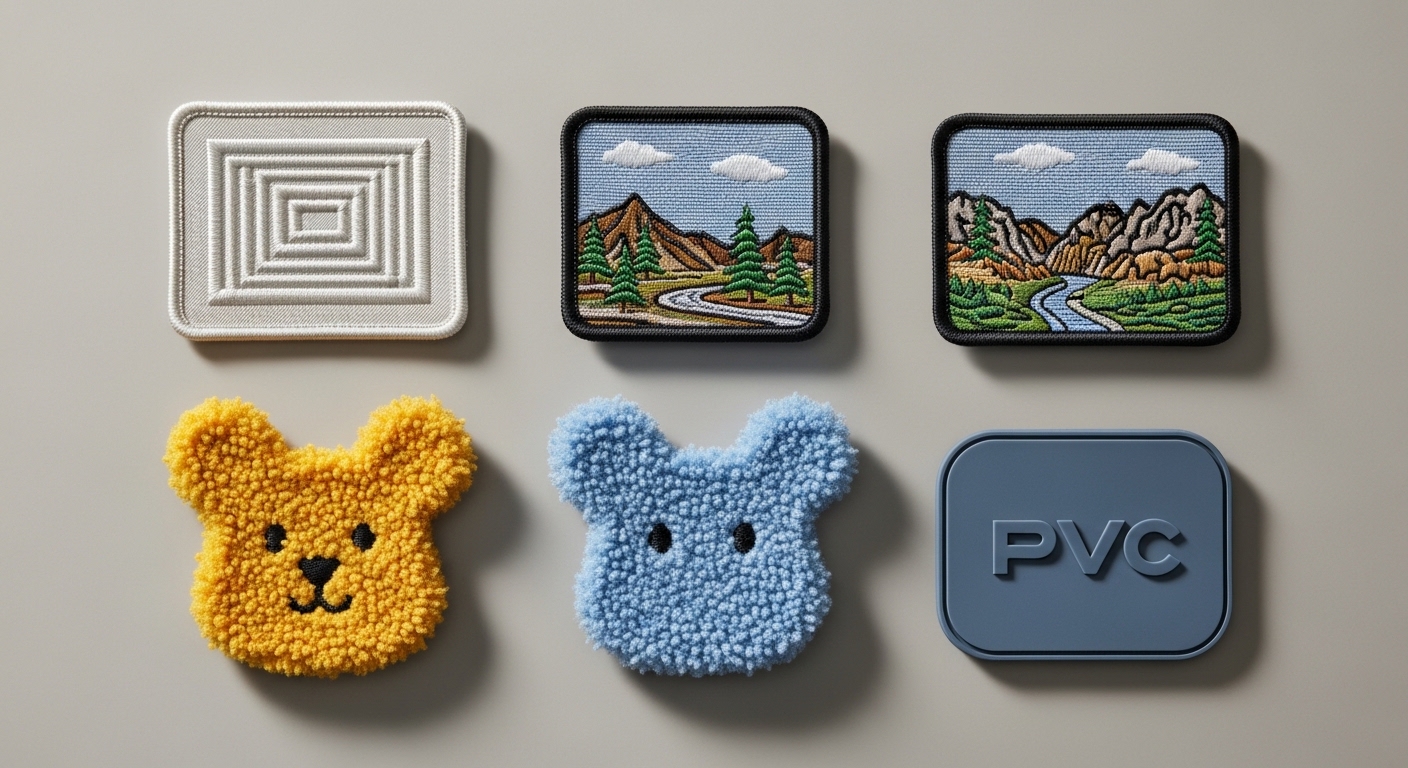
Quality is not a single attribute — it is a combination of materials, stitch technique, and finishing. Here is how to assess each dimension when sourcing wholesale custom patches.
Embroidery vs. Woven: Stitch Density & Detail Limits
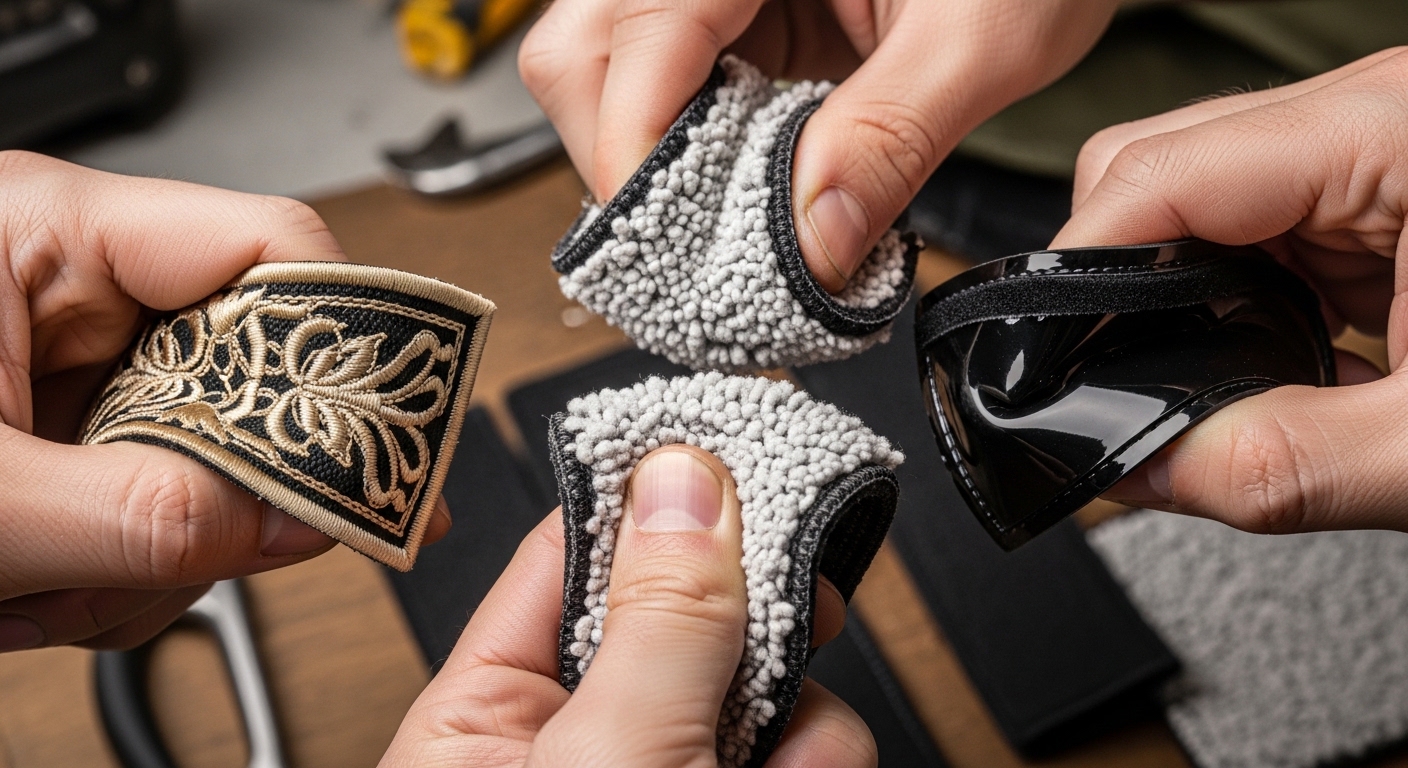
Traditional wholesale embroidered patches use colored threads stitched onto a fabric base. The key metric is stitch density — measured in stitches per square inch. Low‑density patches (under 6,000 SPI) look sparse and lose fine details. Premium embroidery achieves 9,000‑12,000 SPI, capturing small text and complex logos. However, even high‑density embroidery has limits: gradients and ultra‑fine lines (under 1mm) may distort. For those designs, wholesale sublimation patches or woven patches are better. Woven patches use thinner threads in a loom process, allowing smoother color transitions and sharper text down to 4pt. Ask your supplier for a stitch‑count guarantee. At Maxemblem, we provide a digital stitch preview before production, so you see exactly how your design will translate into thread.
Chenille: Texture, Weight & the Varsity Aesthetic
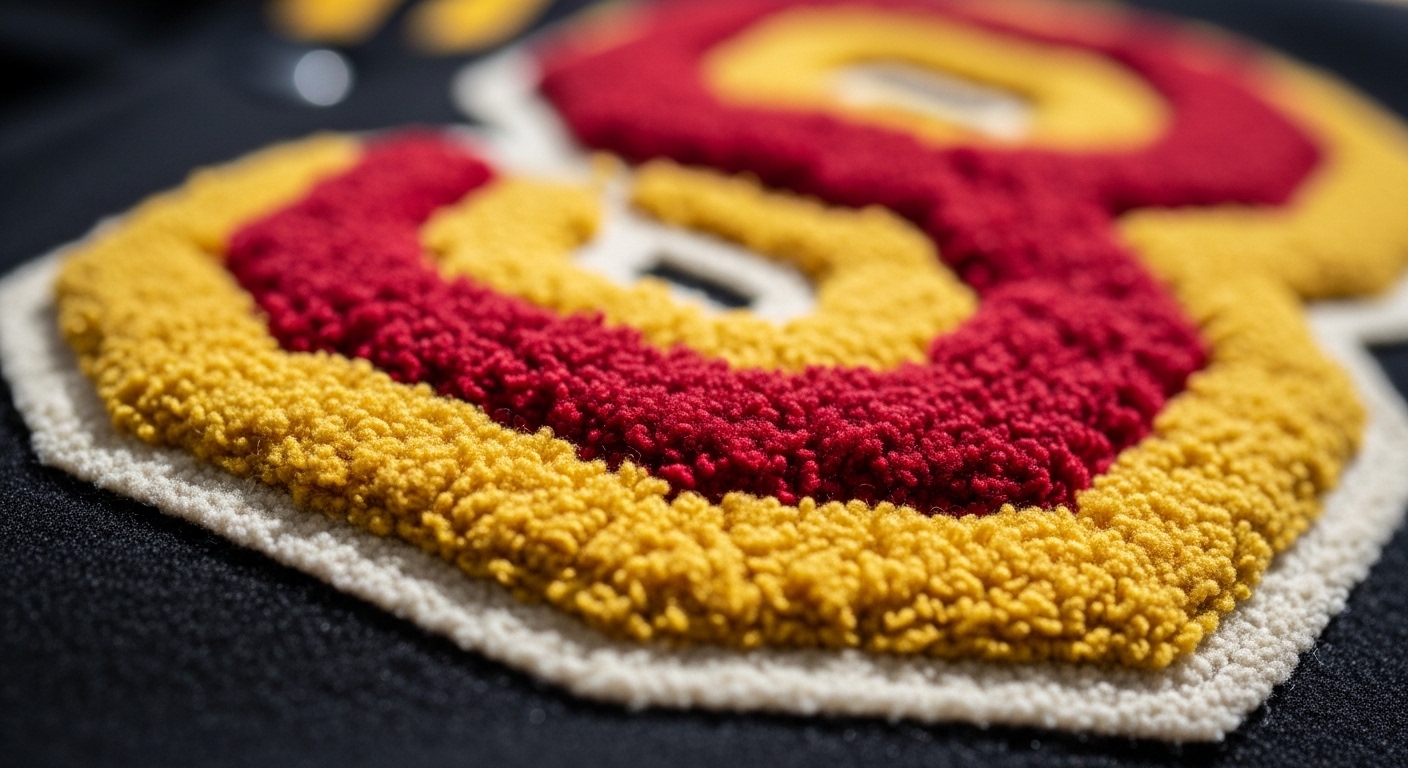
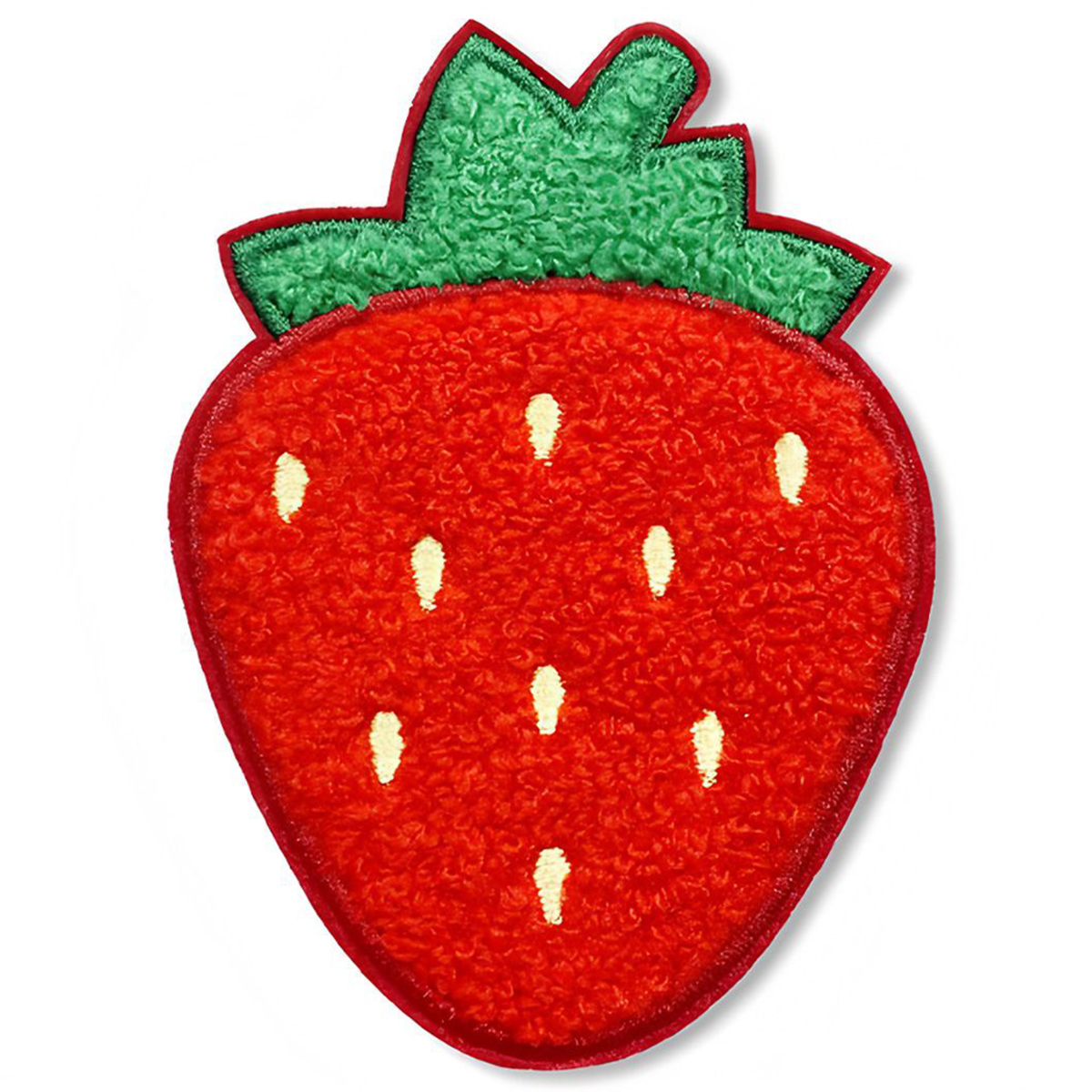
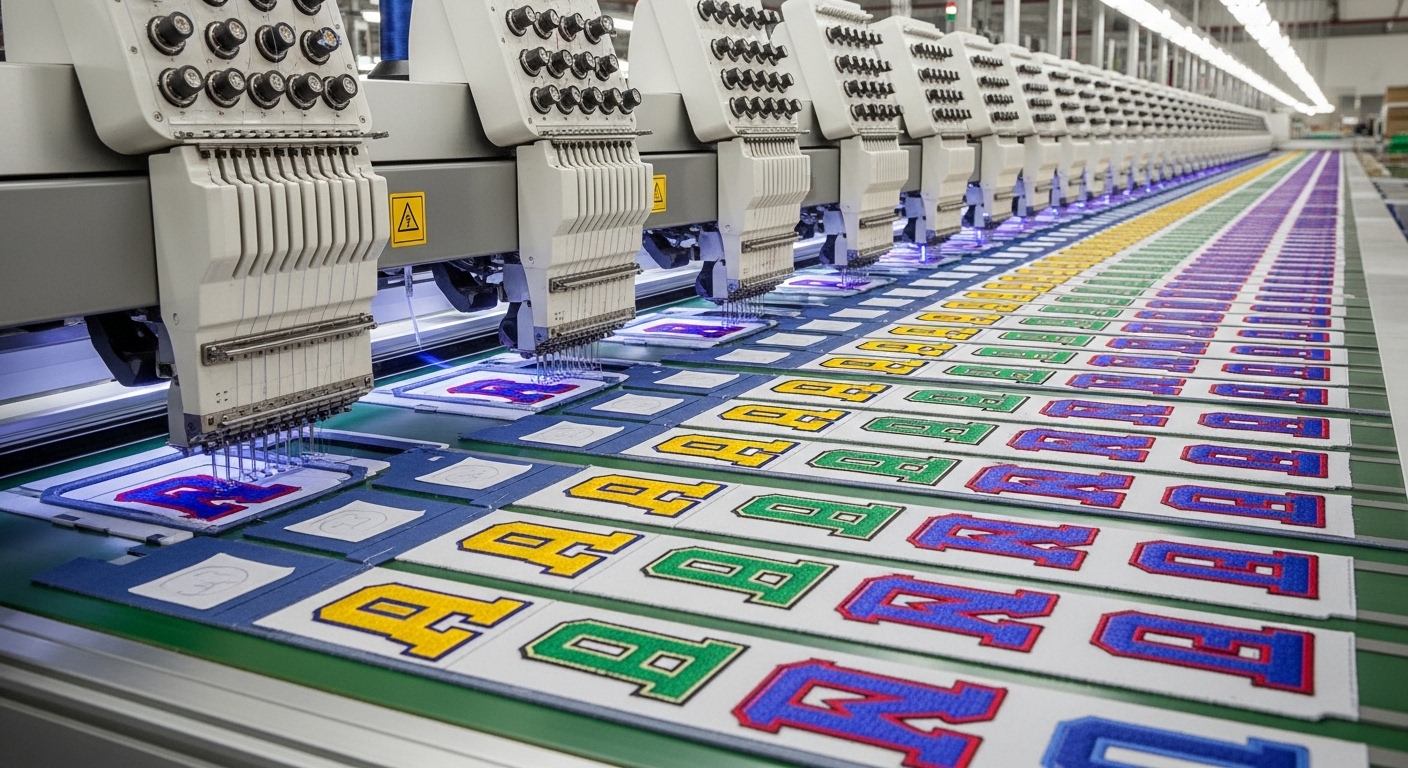
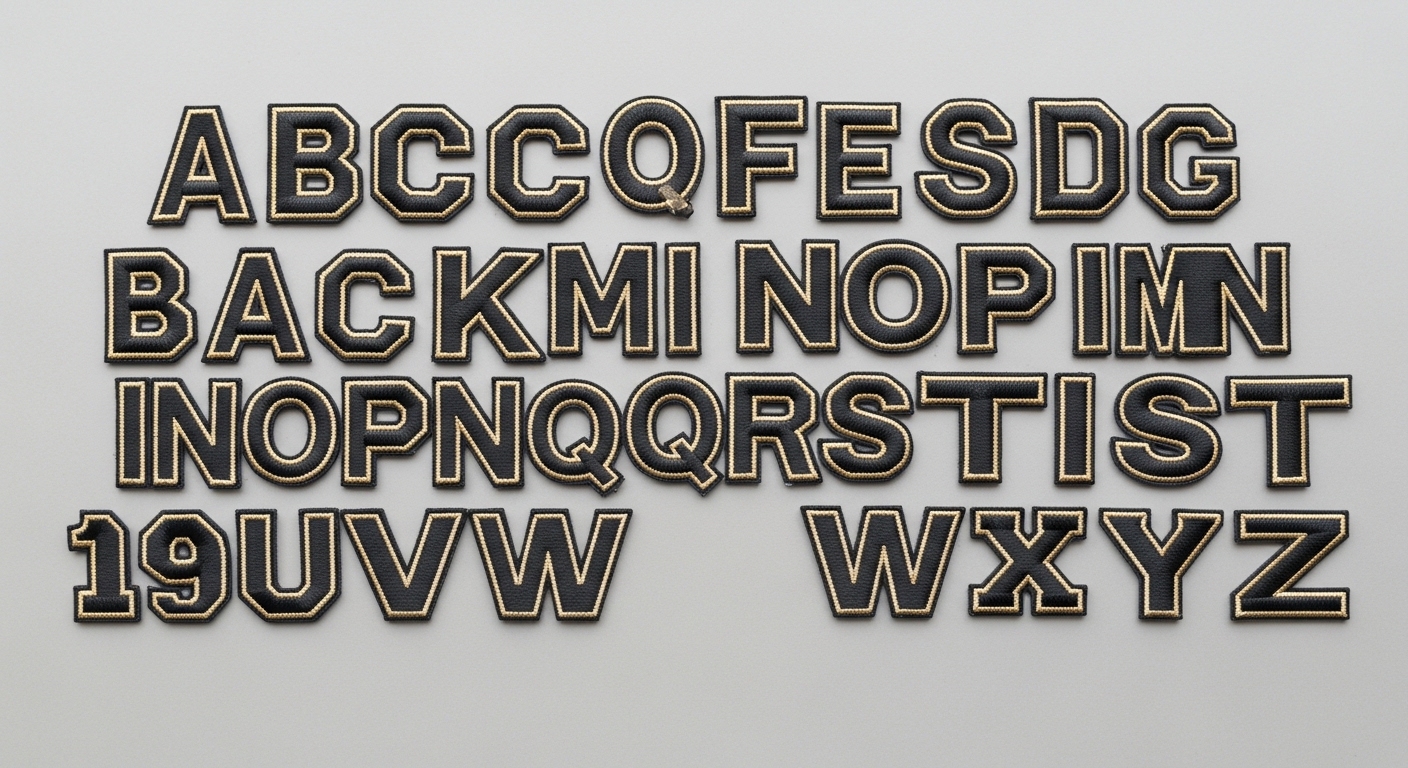
Chenille patches wholesale have seen a resurgence in streetwear, varsity jackets, and sports merchandise. Chenille uses raised, fluffy yarns (often wool or acrylic) that create a 3D, tactile effect. Quality chenille depends on yarn density and backing stability. Poor‑quality chenille sheds fibers, flattens after washing, or has uneven pile height. Professional suppliers use high‑twist yarns and secure them with a dense stitching lock. For a recent order of 2,000 chenille letter patches for a university bookshop, we specified a 4mm pile height and reinforced edges to prevent fraying. The result: patches that survived repeated wear and washing. When sourcing chenille, request a sample and stress‑test it — rub it, bend it, even wash it.
PVC & Silicone: Durability for Extreme Environments
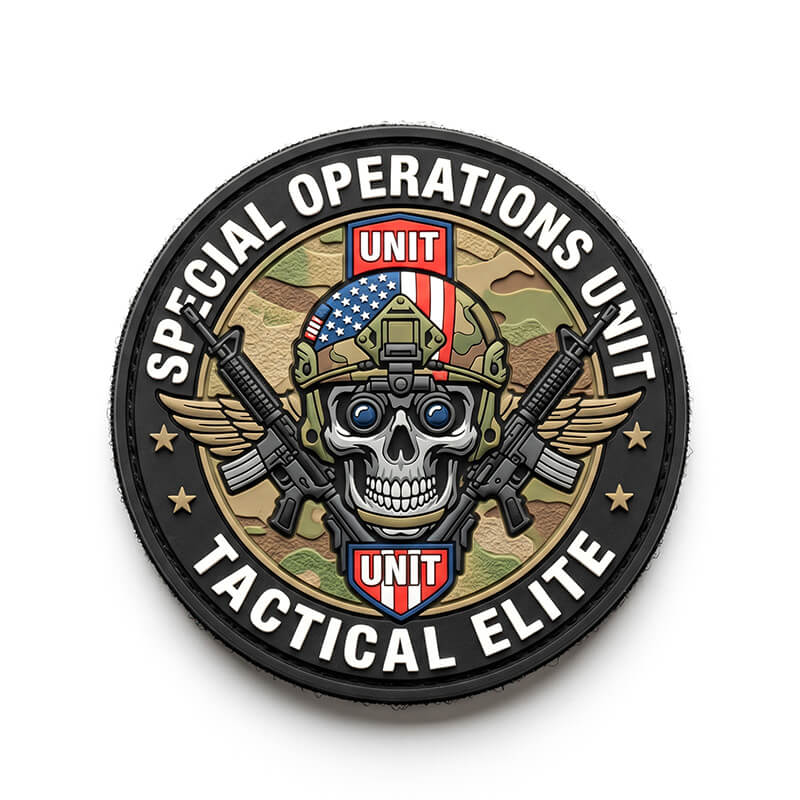
For outdoor gear, tactical equipment, or workwear exposed to chemicals and UV, wholesale PVC patches outperform fabric patches. PVC (polyvinyl chloride) is molded, not stitched, resulting in a rubber‑like patch that is waterproof, flexible, and resistant to fading. High‑quality PVC patches have sharp edge definition, consistent thickness (typically 2‑3mm), and no air bubbles. They also use non‑toxic formulations (phthalate‑free) for safety. A major camping brand switched to our PVC patches for their backpack line after fabric patches faded within six months. The PVC versions still looked new after two years. However, PVC is not breathable and has a distinct texture — not suitable for all applications. We offer silicone as an alternative for food‑contact or medical environments.
Pricing & Supply Chain Optimization: Negotiate Like a Pro
Wholesale pricing is not just about unit cost — it is about total cost of ownership. Here is how to structure your procurement for maximum value.
Tiered Pricing & MOQ: Spreading Fixed Costs
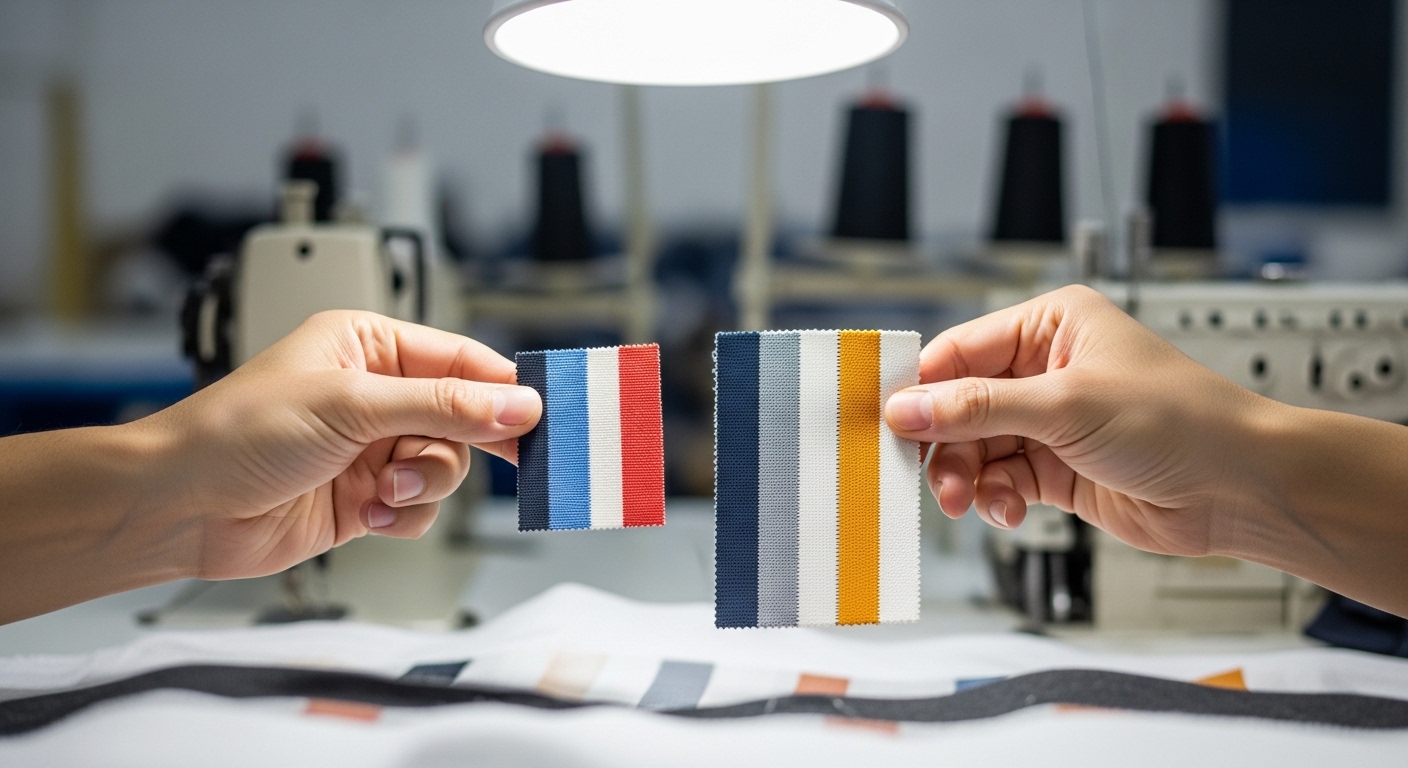
Every custom patch order has fixed costs: digitization (converting your artwork into stitch files) and, for PVC, mold creation. These one‑time fees typically range from $30 to $120. The higher your quantity, the lower the per‑patch impact. For example, a $60 digitization fee adds $0.60 per patch to a 100‑piece order but only $0.06 per patch to a 1,000‑piece order. That is why wholesale custom iron on patches become dramatically cheaper at scale. Ask suppliers for a tiered price sheet at 250, 500, 1,000, and 2,500 pieces. Also inquire about "split shipments" — producing a large order but delivering in batches to match your inventory needs. Maxemblem offers flexible MOQ (minimum order quantities) starting at 100 pieces for embroidery and 200 for PVC, with price breaks at standard tiers.
Hidden Costs: Digitization, Shipping, and Customs
Low‑quality suppliers often lure buyers with a low per‑patch price, then add surprise fees: "rush digitization," "color separation," or "express shipping" that doubles the total. A transparent supplier itemizes every cost upfront: digitization (one‑time), per‑patch price (by quantity), backing type (Velcro, iron‑on, sew‑on), packaging (bulk vs. individual polybags), and shipping (with carrier options). For international B2B orders, also consider duties and customs brokerage. Maxemblem provides a complete landed cost estimate, including estimated freight and any applicable tariffs. We also offer DDP (Delivered Duty Paid) shipping for select regions, removing surprises at the border.
Avoiding the Low‑Price Trap: Long‑Term Stability Over Short‑Term Savings
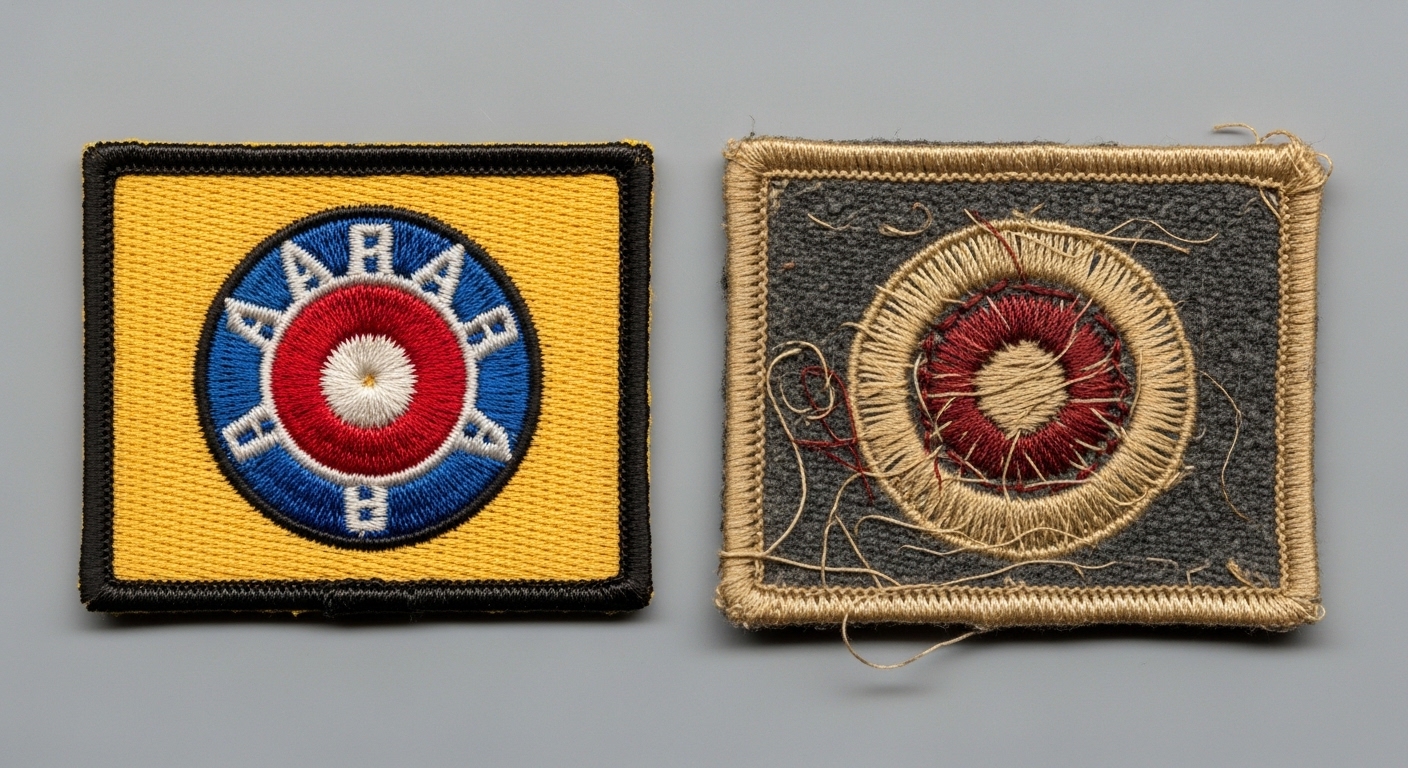
A supplier offering prices 30% below market rate is likely cutting corners — cheaper thread (which fades), thinner backing (which curls), or slower shipping (unreliable). For a B2B buyer, a failed patch order means returns, reorders, and lost customer trust. The cost of switching suppliers mid‑season far exceeds the upfront savings. Instead, evaluate suppliers on their defect rate, on‑time delivery percentage, and responsiveness. Maxemblem maintains a documented quality control process: every batch is inspected for stitch consistency, color matching, and adhesion (for iron‑on). We also provide a "first article" approval — you sign off on a sample before we run the full wholesale order. This prevents costly misunderstandings.
What Every B2B Patch Buyer Must Know: Price, Size, Craftsmanship & Design
Even experienced procurement professionals can be surprised by patch manufacturing nuances. This section explains the four variables that determine cost and quality — so you can make informed decisions.
1. Price Components: Digitization + Per‑Unit + Backing + Shipping
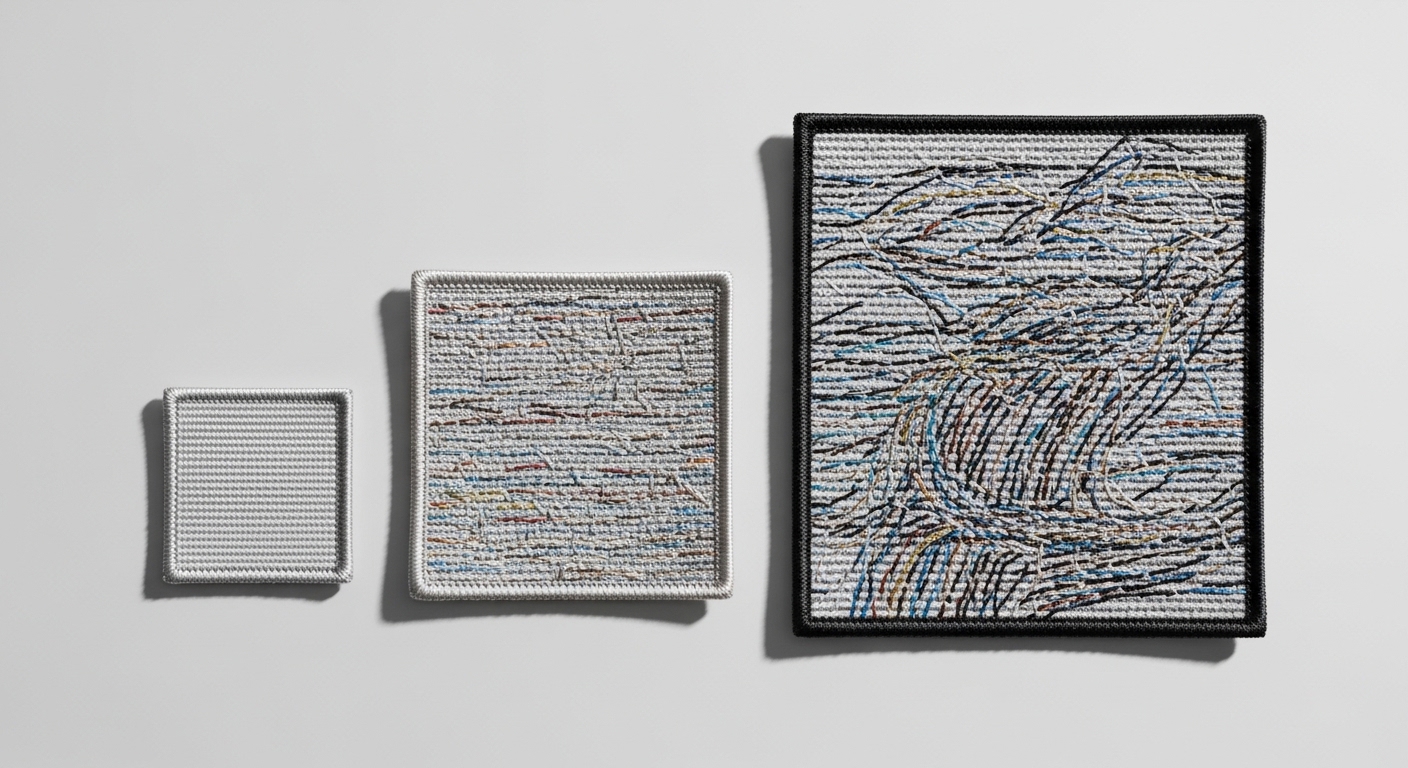
Every custom patch order includes:digitization (one‑time, $30‑$80),per‑patch production (varies by size, stitch count, colors),backing (iron‑on, Velcro, adhesive add $0.30‑$1.00 per patch), and shipping. For PVC, there is a mold fee ($80‑$200). Always ask for an itemized quote. For wholesale custom patches in quantities of 1,000+, per‑unit costs typically range from $0.80 to $3.00, depending on complexity.
2. Size & Its Impact on Cost and Detail
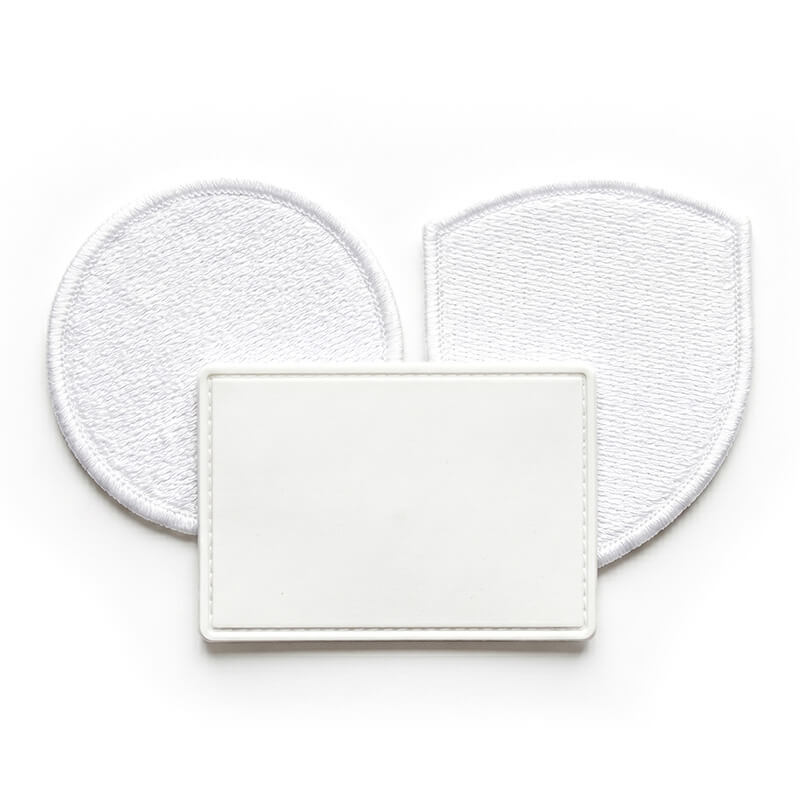
Patch size directly affects stitch count and material use. Common wholesale sizes: 2" (standard for caps), 3" (chest logos), 4" (jacket backs). Doubling the diameter roughly quadruples the stitch count and cost. For text‑heavy designs, we recommend a minimum of 3" to maintain legibility. For small sizes (under 2"), consider woven or printed patches instead of embroidery. Our design team provides size‑to‑detail recommendations before you commit.
3. Craftsmanship: Embroidery, Woven, PVC, or Sublimation?
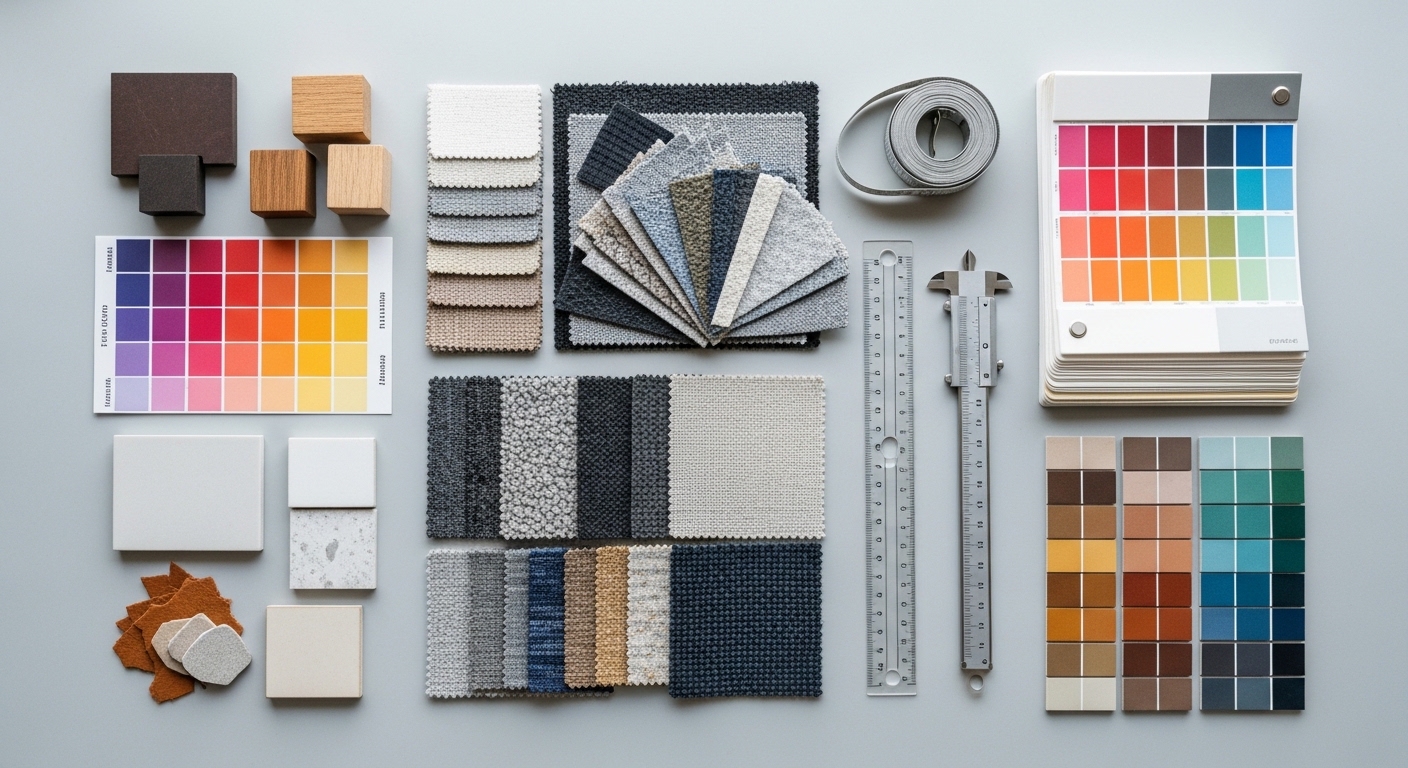
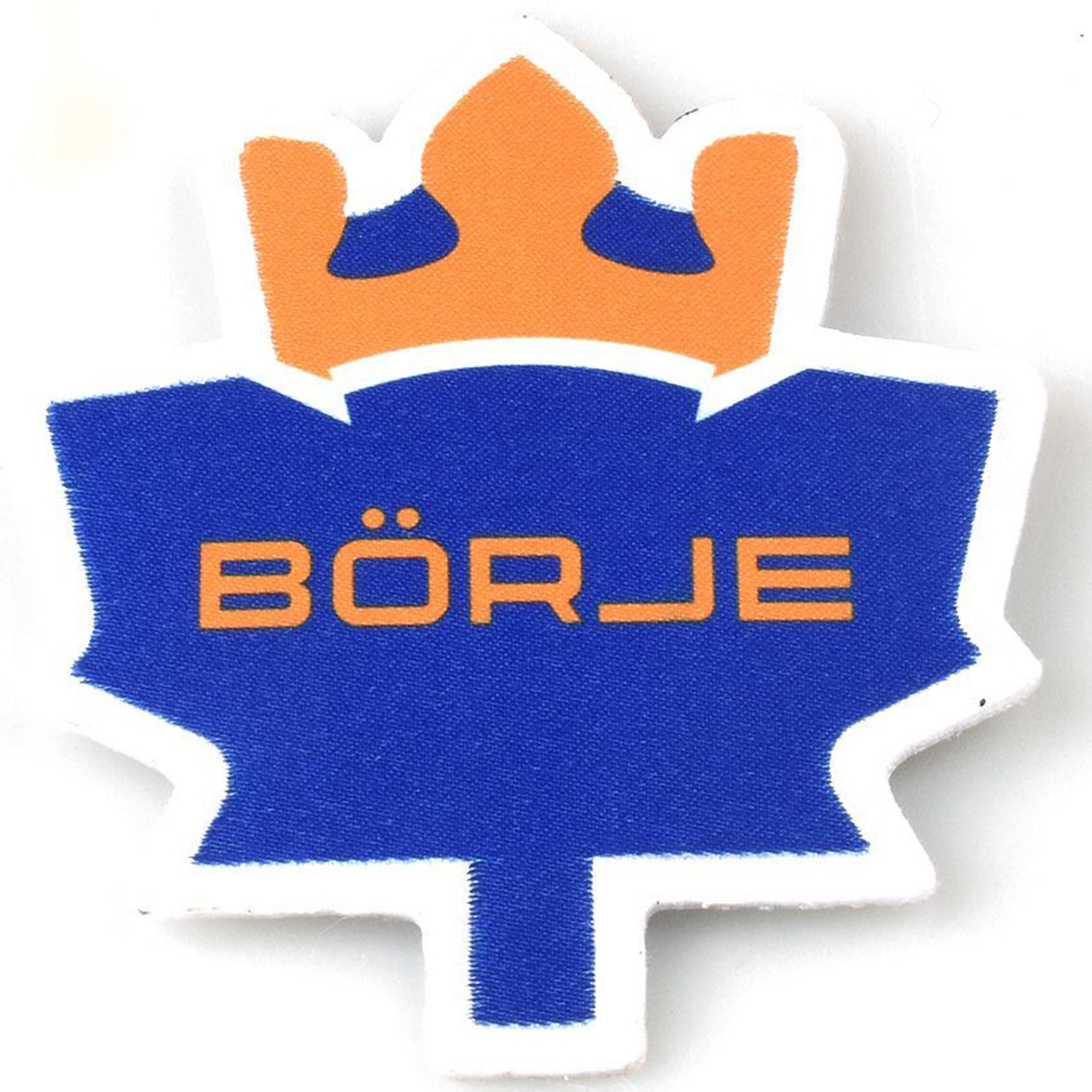
Embroidery: Classic texture, durable, best for solid colors.
Woven: Finer detail, smoother gradients, ideal for small text.
PVC: Waterproof, 3D molded, best for outdoor/tactical.
Sublimation (printed): Photorealistic, unlimited colors, but less texture.
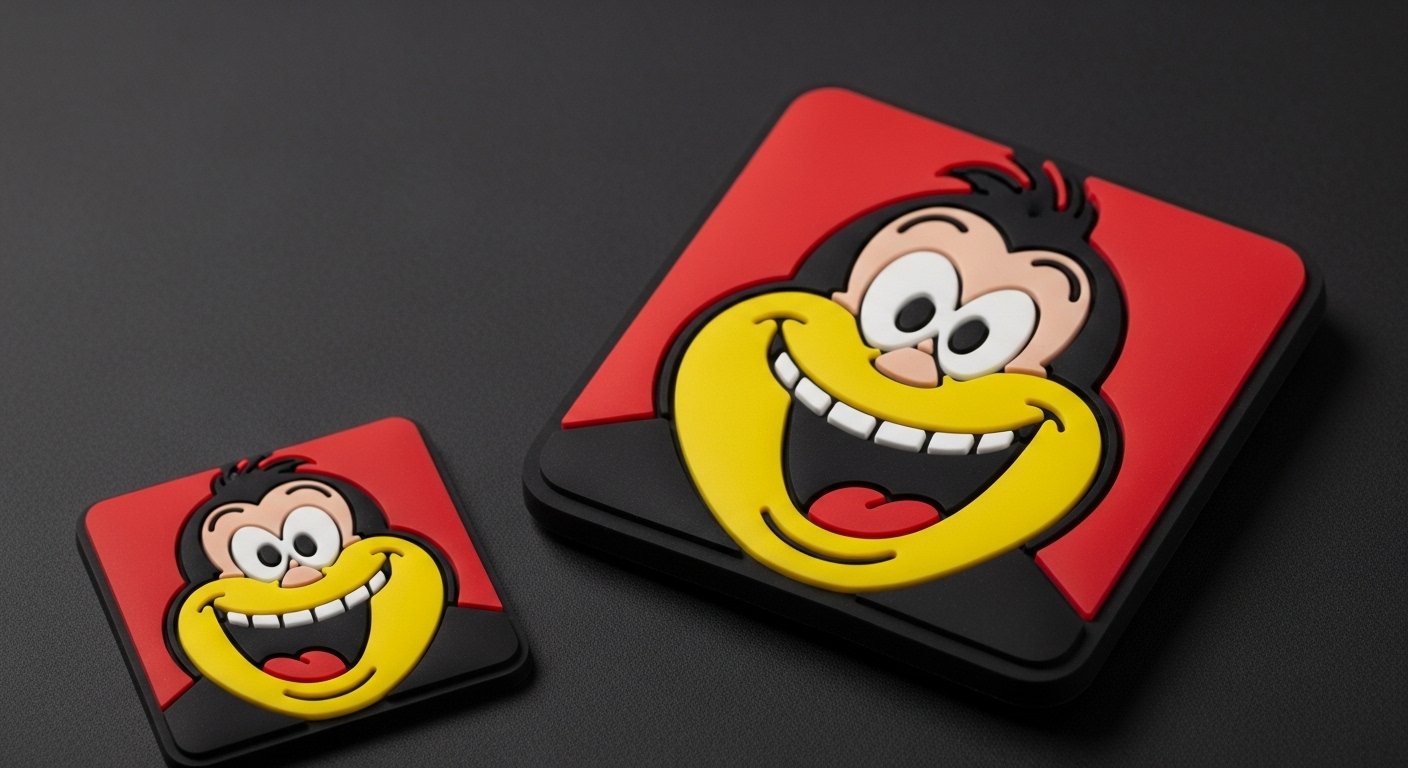
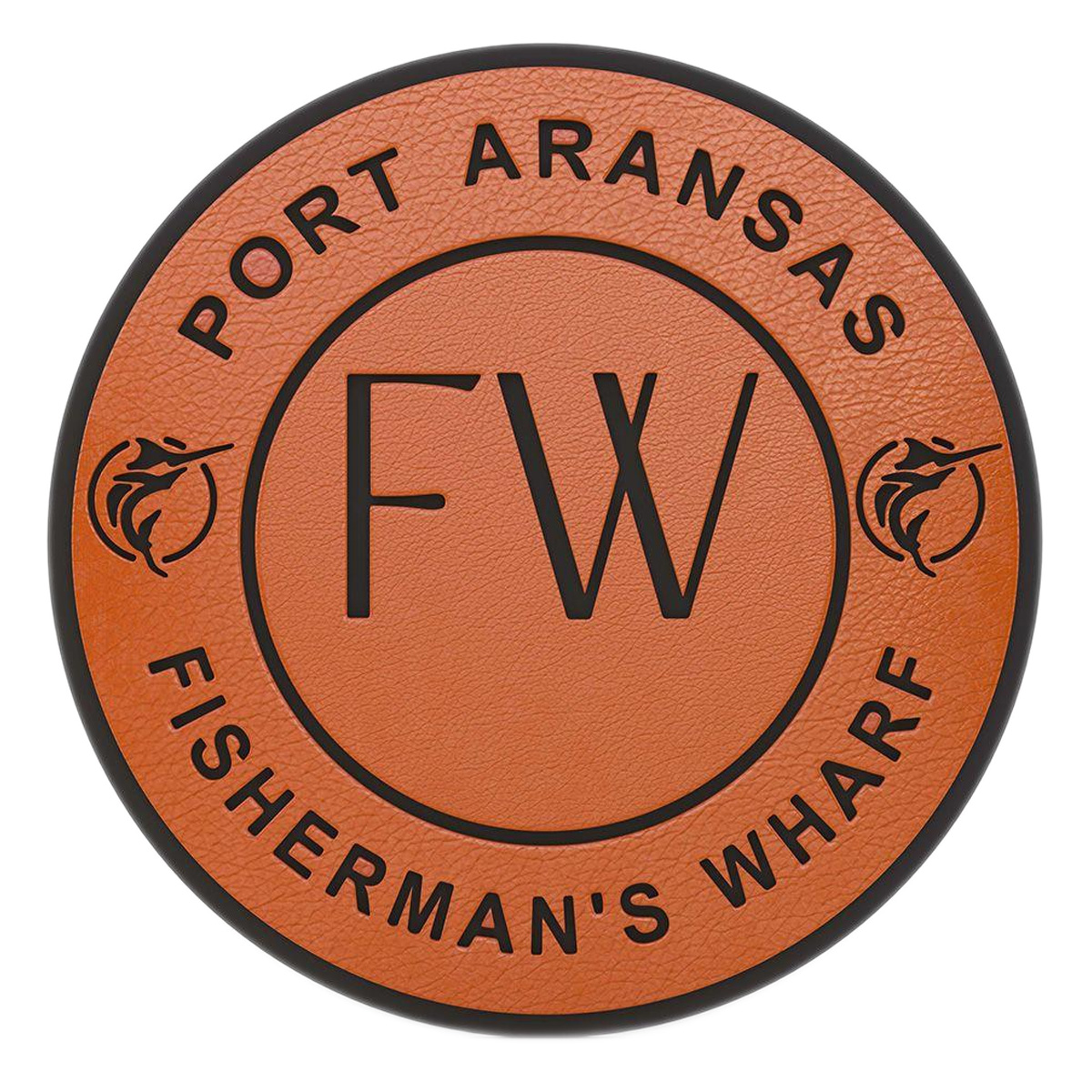
Each has trade‑offs in cost (PVC highest), durability (PVC highest, woven medium), and lead time (sublimation fastest). We maintain comparison samples for all four types — request a sample pack to see and feel the differences.
4. Design Complexity & Digitization Nuances
Simple logos with 3‑5 colors digitize quickly and stitch cleanly. Complex designs with gradients, drop shadows, or fine lines (under 1mm) require expert digitizing — otherwise, they emerge distorted. Professional suppliers provide a design audit before quoting, flagging potential issues. For example, they might recommend merging similar colors to reduce thread changes, lowering cost without visible difference. At Maxemblem, our digitizers have an average of 12 years of experience. We also offer a "vector restoration" service for low‑resolution client artwork.
Note on Digitization & Mold Fees for Small Wholesale Batches: Every custom patch design requires a one‑time digitization fee (or mold fee for PVC). For smaller wholesale orders (100‑300 pieces), this fixed cost increases per‑unit price. For larger annual programs, we offer a "first order digitization credit" — the fee is waived on reorders. Contact us for a transparent quote that separates fixed setup from variable production costs. No hidden fees, no surprises.
Quick Comparison: Which Wholesale Patch Type Fits Your Application?
Patch Type |
Best Use Case |
Detail Capacity |
Durability |
Typical MOQ (Wholesale) |
|---|---|---|---|---|
Embroidered |
Uniforms, corporate apparel, clubs |
Medium (solid colors) |
High (5+ years) |
100 pieces |
Woven |
Text‑heavy designs, small logos |
Very high (fine lines) |
Medium‑High |
200 pieces |
Chenille |
Varsity jackets, streetwear, sports |
Low (bold shapes) |
High (if reinforced) |
150 pieces |
PVC |
Outdoor gear, tactical, workwear |
High (3D possible) |
Very high (waterproof) |
200 pieces |
Sublimation (Printed) |
Photographic designs, gradients |
Maximum (unlimited colors) |
Medium (fabric dependent) |
100 pieces |
*MOQ varies by complexity. Rush options available for embroidery and woven (5‑7 days). PVC requires mold creation (adds 5‑7 days).
Delivery Speed: Supply Chain Resilience for Rush Orders
In B2B, a delayed patch shipment can mean empty shelves for a seasonal launch or missing patches for a conference. Here is how to evaluate a supplier's ability to handle urgency.
The B2B Pain Point: Seasonal Campaigns & Fixed Event Dates
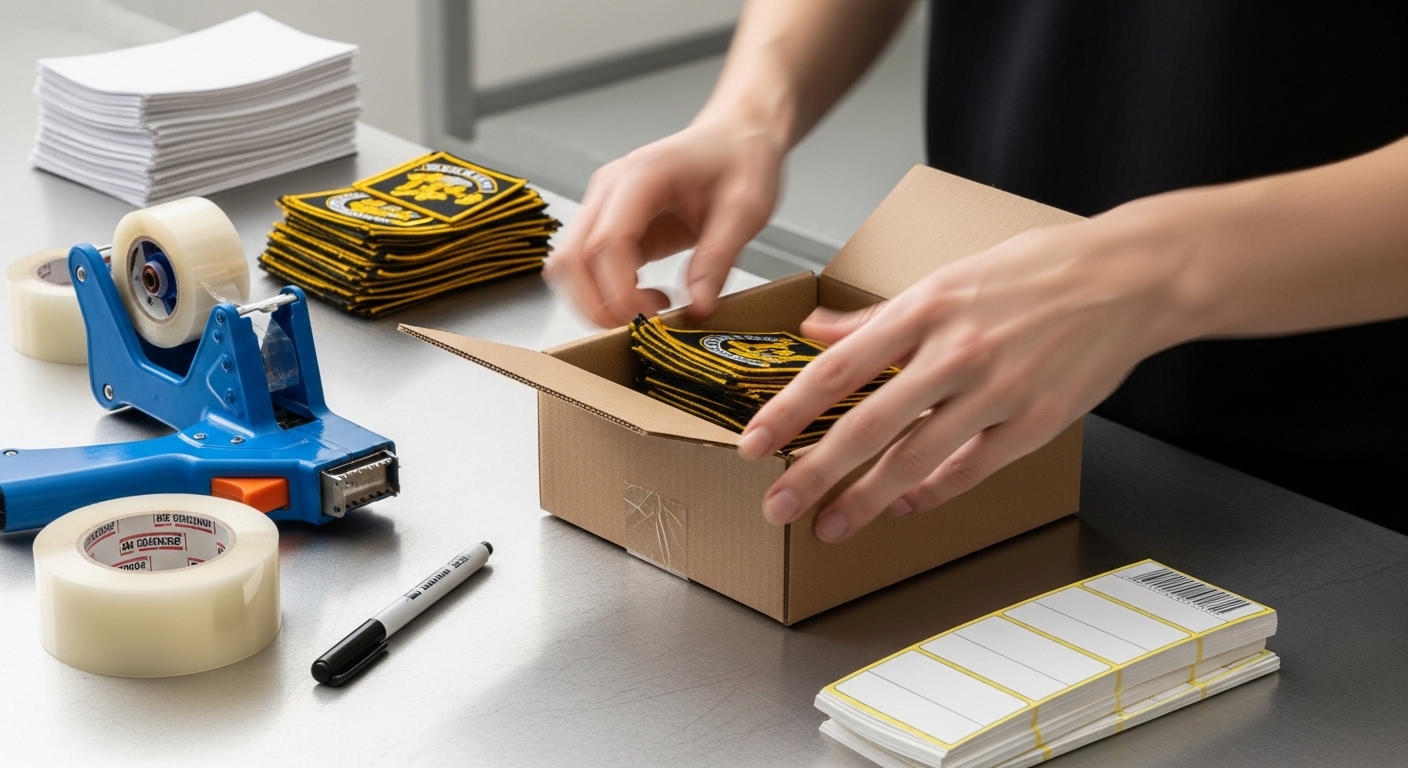
Retailers ordering wholesale custom iron on transfers for back‑to‑school collections have hard deadlines. Event organizers needing wholesale letter patches for a reunion cannot move the date. A supplier that misses delivery by even a week can destroy your margin. That is why we track on‑time delivery rigorously: over 90% of Maxemblem's orders (including rush) arrive by the committed date. We do not claim 100% — because raw material delays or shipping disruptions happen — but we communicate proactively. If a delay is possible, we inform you within 48 hours, offering split shipments or air freight options.
Flexible Production: Quick Response to Design Changes & Reorders
Agile suppliers maintain buffer capacity. At Maxemblem, we reserve 15% of our production line for rush orders and reorders. For a sporting goods client, we turned around an additional 800 embroidered patches in 6 business days after they sold out of their initial 2,000‑piece order. This "reorder speed" is a competitive advantage. When evaluating suppliers, ask: "What is your typical turnaround for a reorder of an existing design?" If they say 3‑4 weeks, they are not optimized for B2B agility. Our standard reorder time is 7‑10 business days, with rush available.
Cross‑Cultural & Brand Compliance: Protecting Your Reputation
For brands selling internationally, cultural missteps or IP violations can be disastrous. A responsible wholesale partner anticipates these risks.
Intellectual Property & Trademark Respect
Reputable wholesale custom patches suppliers refuse to produce counterfeit or unlicensed designs. At Maxemblem, we require proof of trademark or written authorization for branded logos (sports teams, entertainment properties, corporate marks). This protects both you and us from legal exposure. We also maintain a "no copycat" policy — we will not replicate another manufacturer's exact design without permission. When sharing your artwork, ask the supplier: "What is your IP verification process?" If they do not have one, consider that a compliance risk.
Cultural Symbolism & Regional Appropriateness
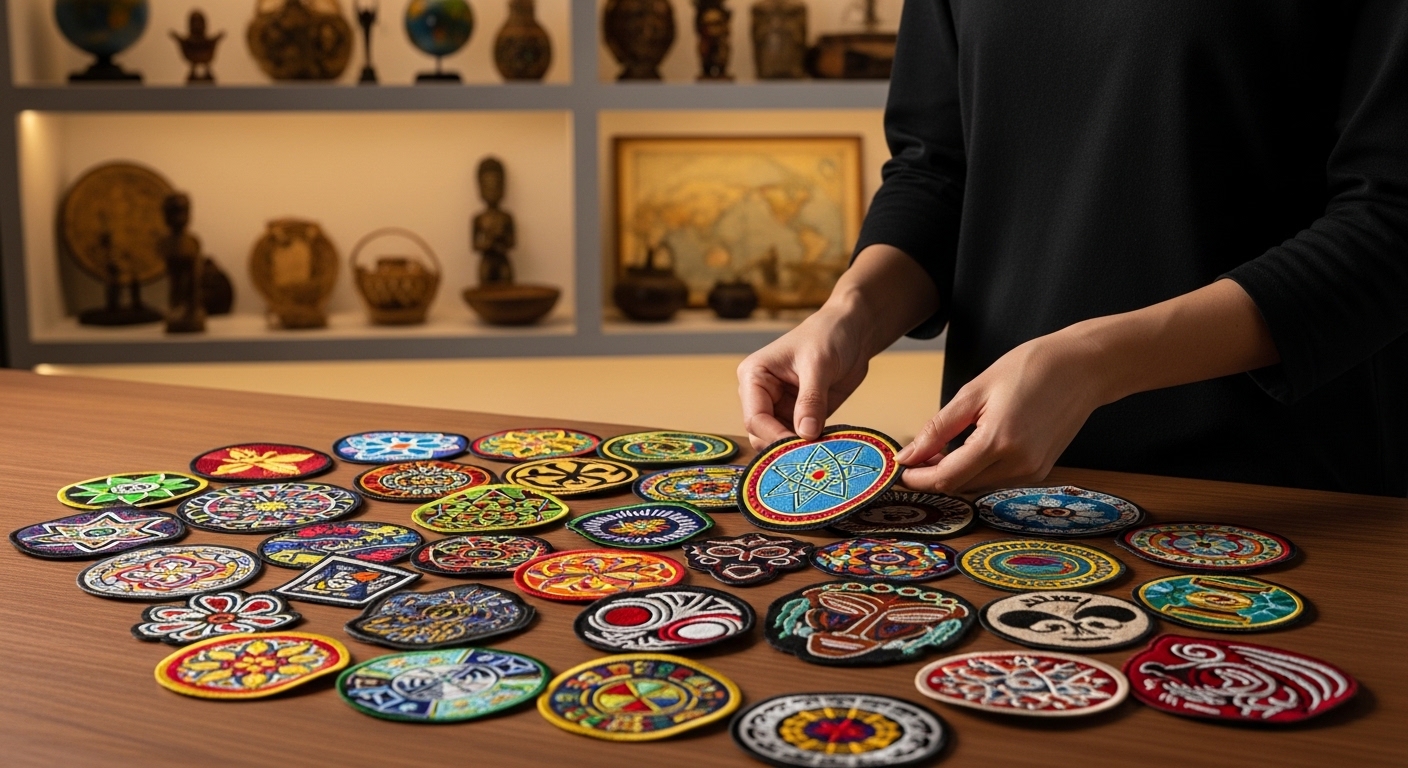
A symbol that is innocuous in one country can be offensive in another. For example, the "OK" hand gesture, a thumbs‑up, or certain animal symbols have different meanings across cultures. A supplier with global experience will flag these issues. For a UN‑affiliated client, we advised against including a specific floral motif that had negative connotations in two member nations. This saved them from a PR crisis. When sourcing wholesale letter patches for international distribution, ask: "Do you have a cultural review process for designs?" Maxemblem maintains a reference database of common cross‑cultural symbols.
Identity Enhancement: Letter Patches for Membership Programs
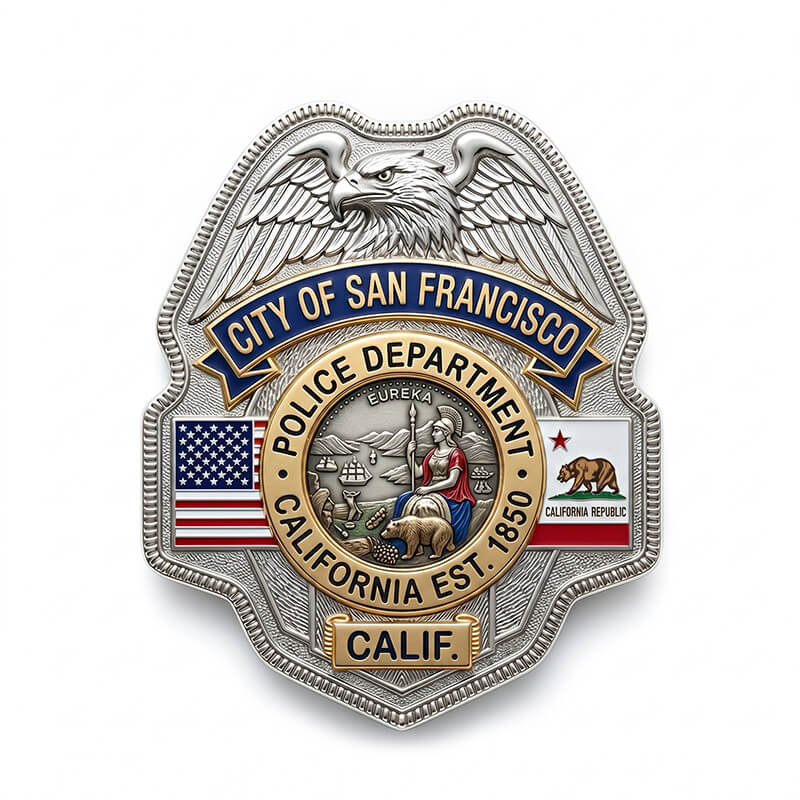
Beyond compliance, patches can build belonging. Organizations from motorcycle clubs to alumni associations use wholesale letter patches (e.g., "PRESIDENT," "MEMBER SINCE 2010," or chapter letters) to create visible hierarchies and identity. The key is consistent typography and spacing across all letters. We produce letter patches using precision laser‑cut felt or embroidered twill, ensuring that a full set (e.g., "N Y P D") lines up perfectly. For membership programs, we also offer numbering (e.g., "MEMBER #0427") to add exclusivity.
Ready to optimize your patch supply chain?
The best wholesale patch supplier delivers more than fabric and thread — they deliver reliability, design insight, and supply chain peace of mind. Maxemblem has spent 20 years building that reputation, from small businesses to global brands. We invite you to test our quality, our communication, and our commitment to your success.
Free digitization audit • 20 years of heritage • 90% on‑time rush delivery
Frequently Asked Questions
-
What is the typical price range for wholesale custom patches at 1,000 pieces?
For wholesale embroidered patches (3", 5‑7 colors, sew‑on backing), expect $1.20‑$2.50 per patch at 1,000 pieces. Chenille patches wholesale (3" letter) typically $2.00‑$3.50. Wholesale PVC patches (2.5", 3 colors) $1.80‑$3.00. These prices exclude digitization ($30‑$80 one‑time) and shipping. For exact pricing, request a quote with your artwork — complexity varies significantly.
-
How long does a typical wholesale order take from approval to delivery?
Standard production for wholesale custom patches (embroidery or woven) is 10‑12 business days after digitization approval. Add 3‑7 days for shipping (depending on destination and carrier). For PVC patches, add 5‑7 days for mold creation. Rush service can reduce embroidery production to 5‑7 business days. Always confirm lead times in writing before placing a purchase order.
-
Do you offer iron‑on or Velcro backing for wholesale orders?
Yes. We offer iron‑on (heat‑seal adhesive), Velcro (hook‑and‑loop), safety pin, adhesive sticker, and sew‑on backings. Iron‑on is popular for retail apparel; Velcro for tactical or uniform applications where patches are swapped. Each backing type adds $0.30‑$1.00 per patch. We recommend sew‑on for maximum durability (e.g., workwear). For wholesale custom iron on transfers, we can also supply loose adhesive sheets if you prefer to apply locally.
-
Can you match Pantone colors for brand consistency?
Yes. For embroidery, we match Pantone® solid coated colors to the closest thread color from major brands (Madeira, Robison‑Anton). For critical matches, we can stitch a small sample for approval. For wholesale sublimation patches, we can match Pantone exactly because printing uses CMYK + spot color simulation. Provide your Pantone numbers, and we will include a color‑match proof in your quote. We recommend ordering a physical sample for brand‑critical colors.