Sign in
Create Your Account
Create My Account
Sign In
Create Your Account
Learn to design custom military challenge coins—3D high-relief, mint-struck & functional styles to honor unit legacy, service & brotherhood.
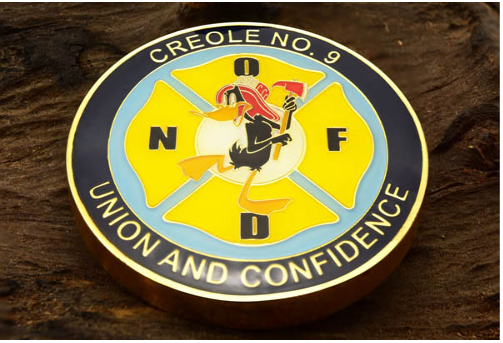
Within the ranks, few objects carry the weight, history, and unspoken respect of a challenge coin. More than a piece of metal, it's a tangible token of brotherhood, a permanent record of shared sacrifice, and a powerful symbol of honor bestowed for exceptional service or membership. For unit leaders, command teams, and veteran organizations looking to create your own military coin, the process is about translating intangible values—loyalty, courage, history—into a physical artifact that will be cherished for generations.
This guide is for those entrusted with this meaningful task. We'll navigate the journey from initial concept to a finished custom military challenge coin in hand, covering design styles, critical manufacturing choices, and how to partner with experienced military coin manufacturers who understand that they're not just stamping metal, but minting legacy.
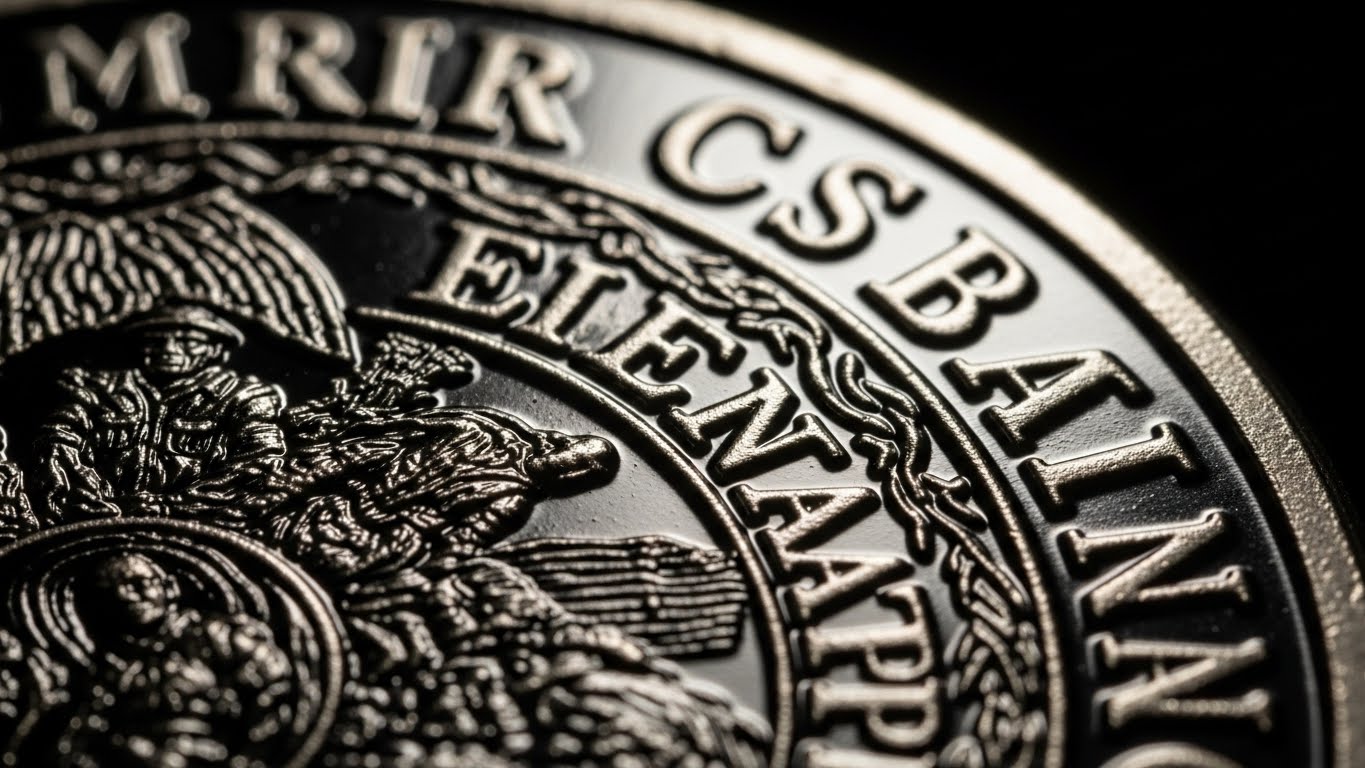
Choosing the Right Style for Your Unit's Story
The style of your coin sets its character. It determines how your unit's story is told through form, feel, and function.
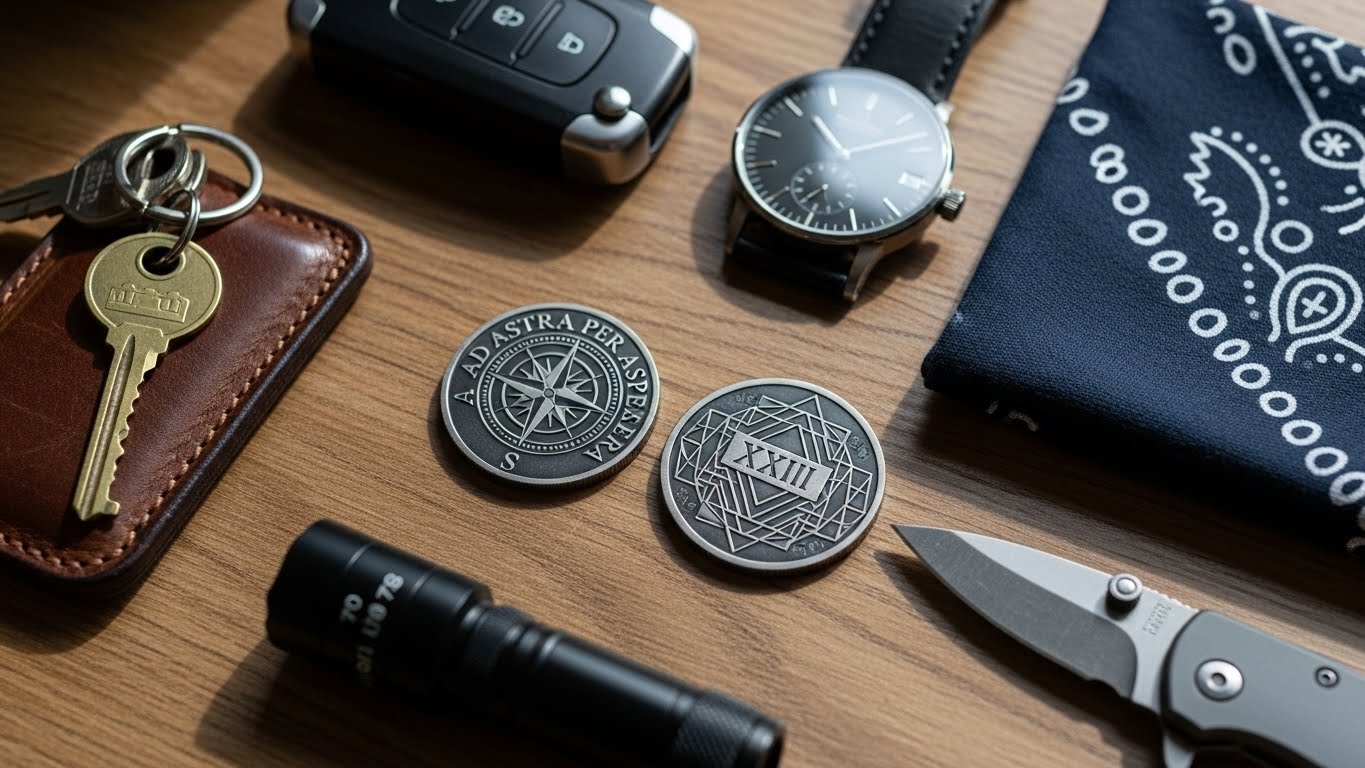
3D High-Relief Coins: Bringing Your Emblem to Life
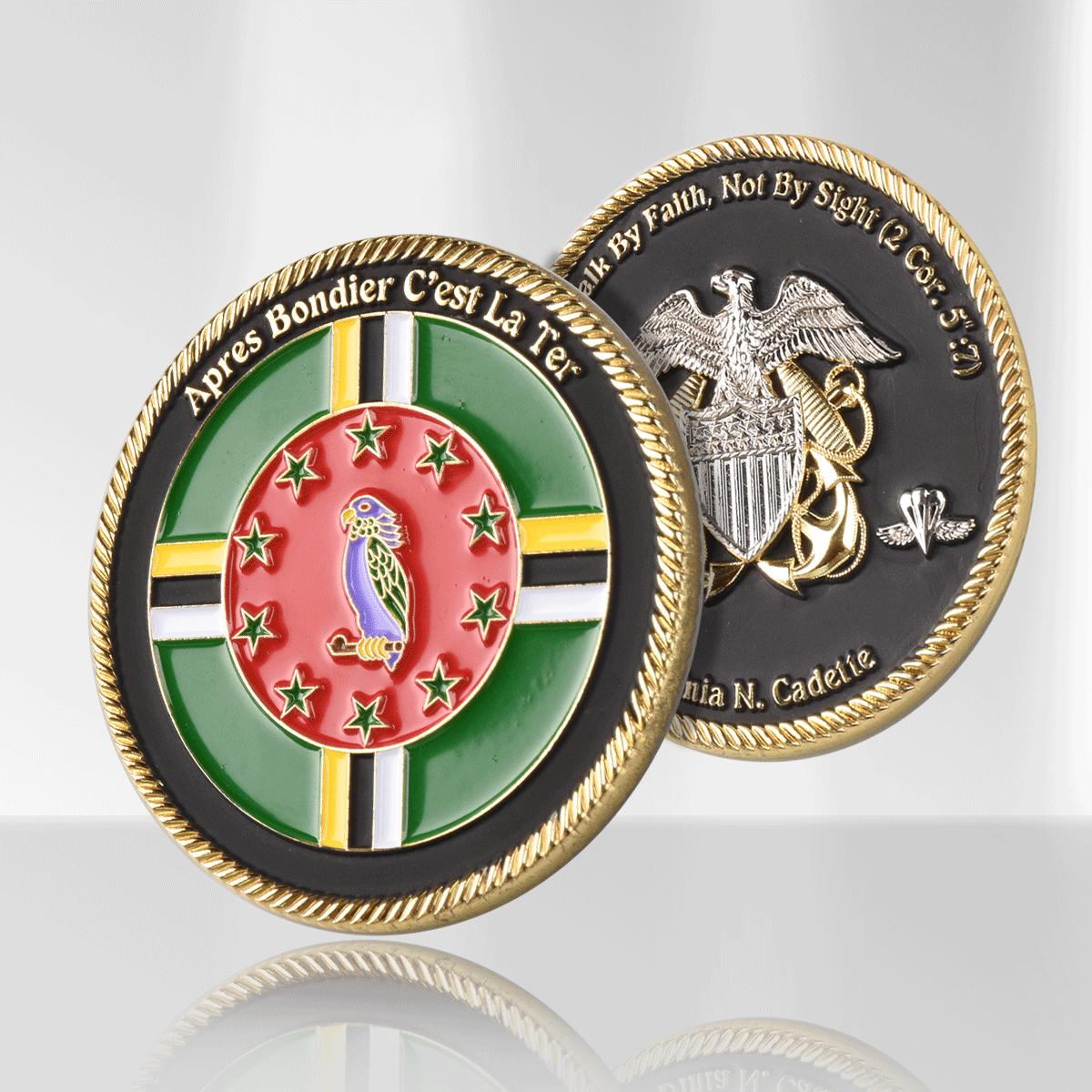
When your design features intricate details like aircraft profiles, unit crests with layered elements, or portraits, 3D coins are the definitive choice. This process, typically die-casting, involves injecting molten zinc alloy into a precision steel mold. The result is a coin with dramatic, mountainous topography where design elements can be raised at varying heights. This creates deep shadows and highlights, making the details tactile and visually stunning from every angle. It’s the preferred method for army challenge coins custom projects that feature vehicles, weaponry, or detailed landscapes, as it captures a level of realism and depth that flat stamping cannot.
Mint-Struck Coins: The Pinnacle of Formal Elegance
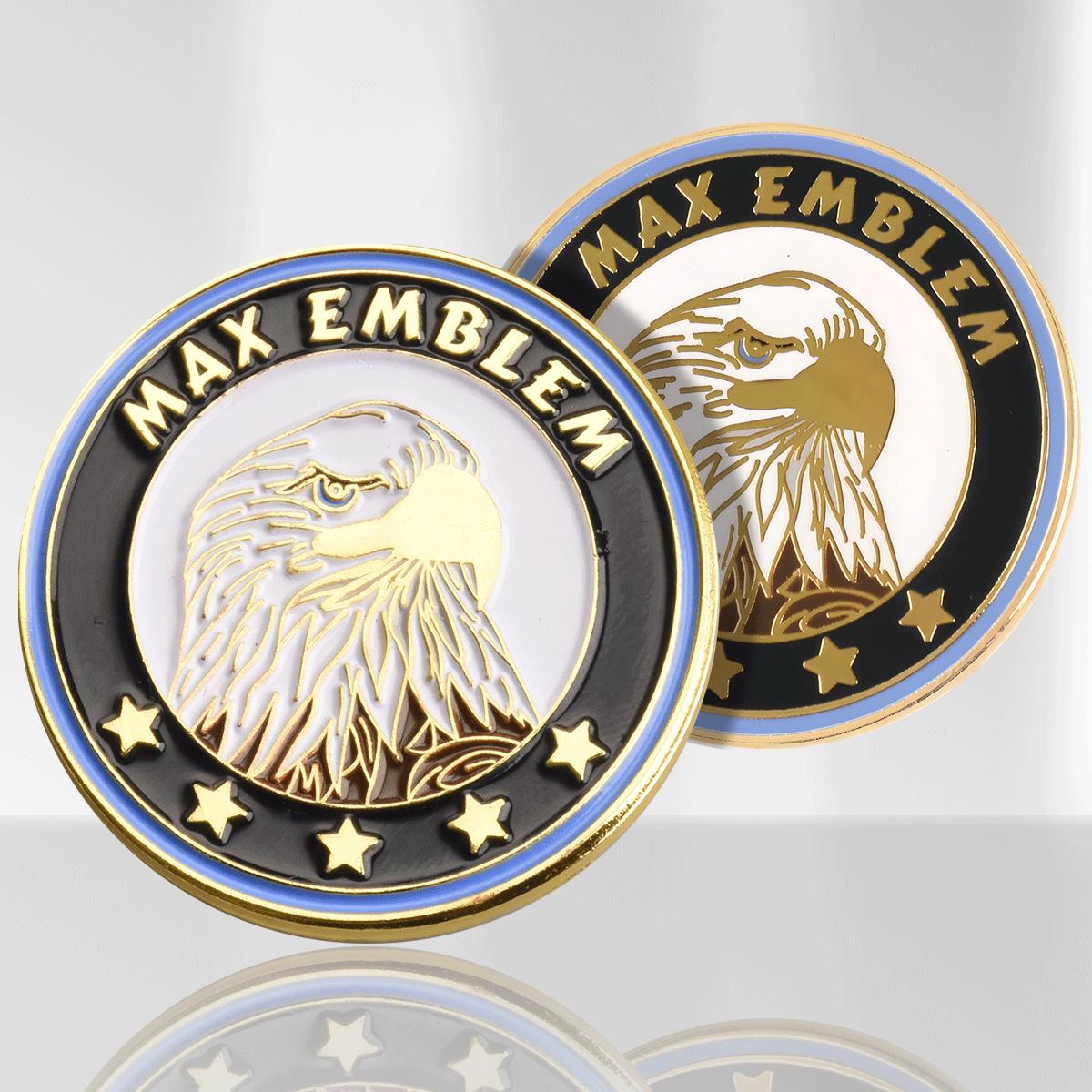
For formal awards, retirement commemorations, or high-level command gifts, mint coins represent the zenith of quality. Mimicking the process used for currency, these coins are die-struck—meaning a blank metal planchet is struck under immense pressure between two engraved dies. This creates extremely sharp, crisp detail with a distinctive "rim raise." The finish is often a brilliant mirror polish (proof-like) in silver, gold, or bronze tones. The feel is substantial, premium, and conveys the highest level of regard. It’s the equivalent of a formal dress uniform for a coin.
Functional & Modern Designs: Beyond Tradition
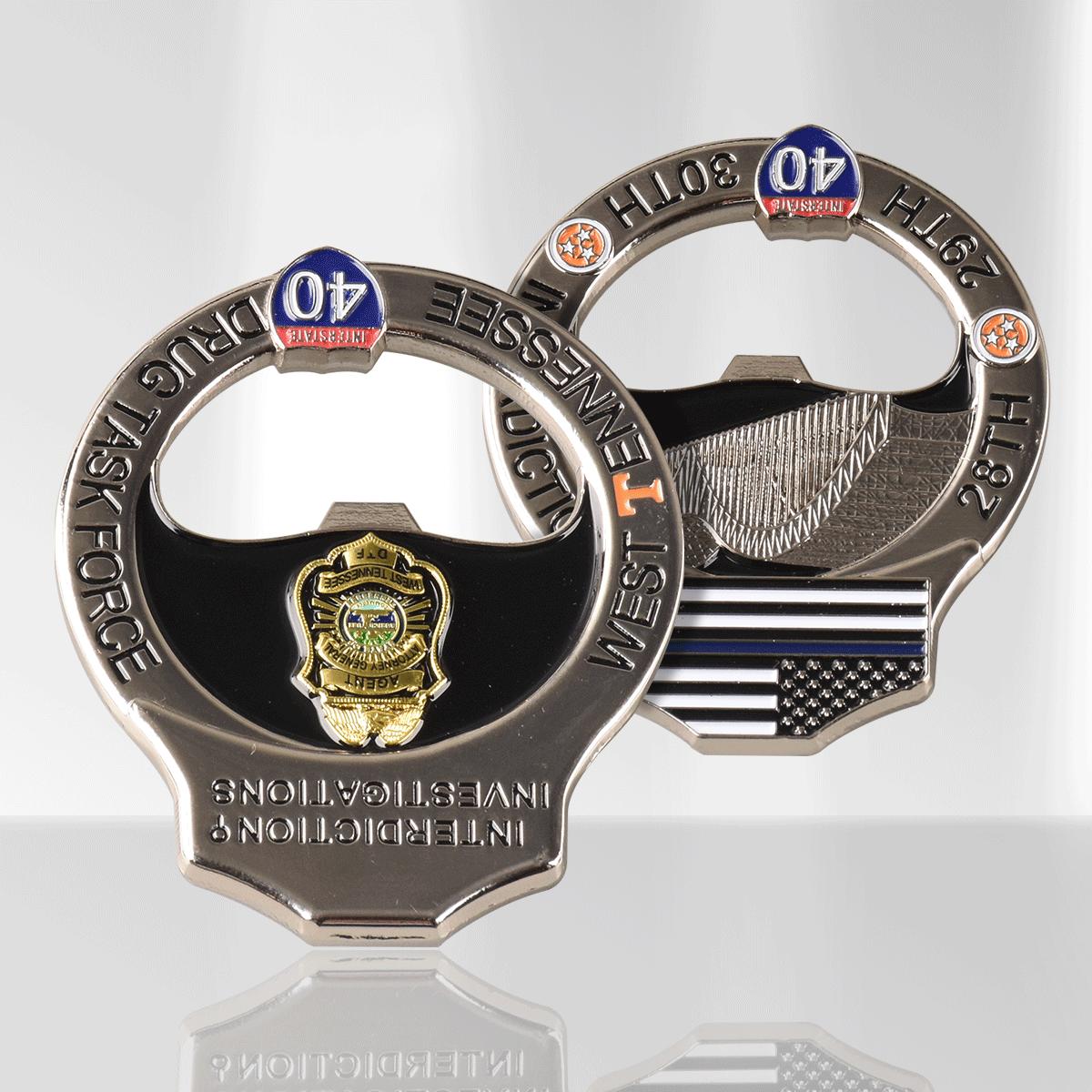
While tradition is paramount, some units seek coins that integrate into daily life. Bottle opener coins are a popular fusion of function and honor. By integrating a functional opener into the coin's edge or design, it becomes a tool for camaraderie, literally opening doors to conversation and remembrance at unit gatherings. This style speaks to a more modern, practical approach while still serving as a powerful identifier and token of membership.
Expert Insights: Ensuring Your Custom Coin is a Success
Understanding the "why" behind manufacturing choices prevents costly errors and ensures your vision is perfectly realized.
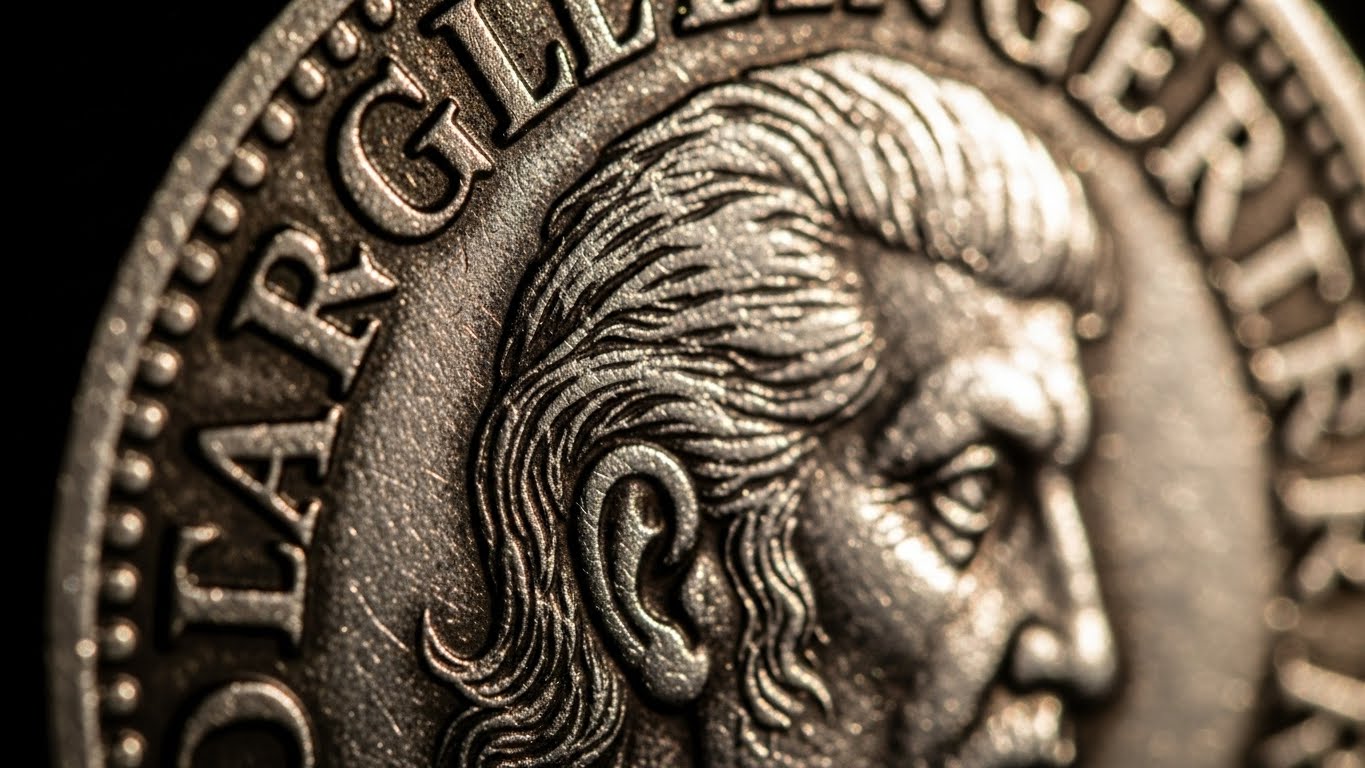
Die Struck vs. Die Cast: Selecting the Right Foundation
This is the most fundamental technical decision. Die-striking is best for designs with fine, sharp lines, text, and formal crests. It produces a flatter coin with incredible detail definition but limited 3D depth. Die-casting is the process for true 3D coins. It allows for undercuts, deep recesses, and varying levels of height across the design, making it ideal for realistic depictions of equipment or figures. For most custom made military challenge coins featuring complex, pictorial designs, die-casting is the recommended and most versatile path.
The Impact of Finishes: From Pristine to Battle-Worn
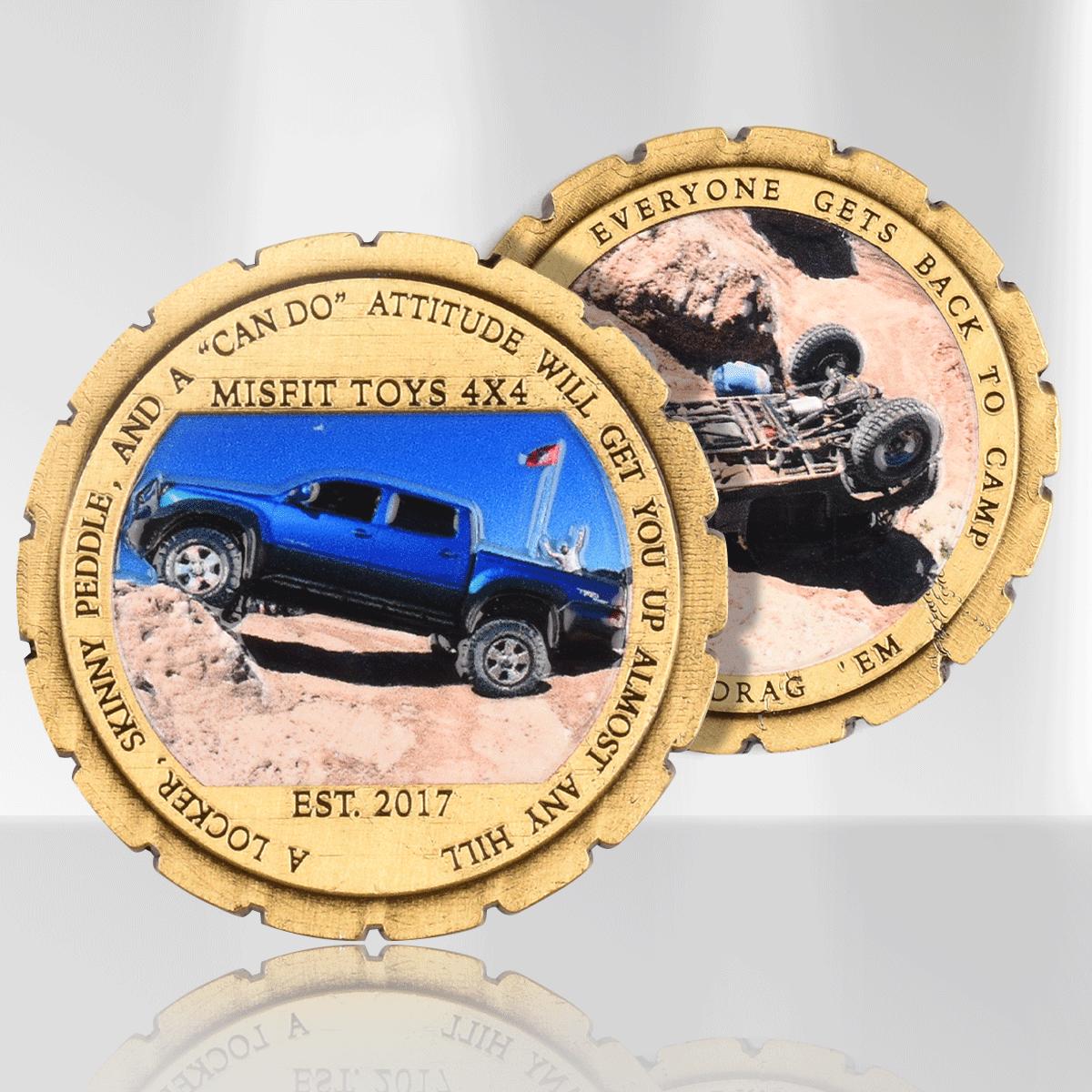
The finish applies the final layer of character to your coin. A polished chrome or gold plating offers a brilliant, ceremonial look. An antique finish, however, is a favorite for military coins. This process involves applying a darkening agent to the coin's recessed areas and then polishing the raised highlights. The result is a coin that looks aged, weathered, and full of history—as if it has already been carried on countless missions. It adds instant gravitas and depth to the design.
Avoiding Common Design Pitfalls
Even the best ideas can be undermined by simple oversights. A professional military challenge coin designer will guide you away from these common mistakes:
How to Choose the Right Designer and Manufacturer
The partnership you choose will make or break your project. Here’s what separates true experts from order-takers.
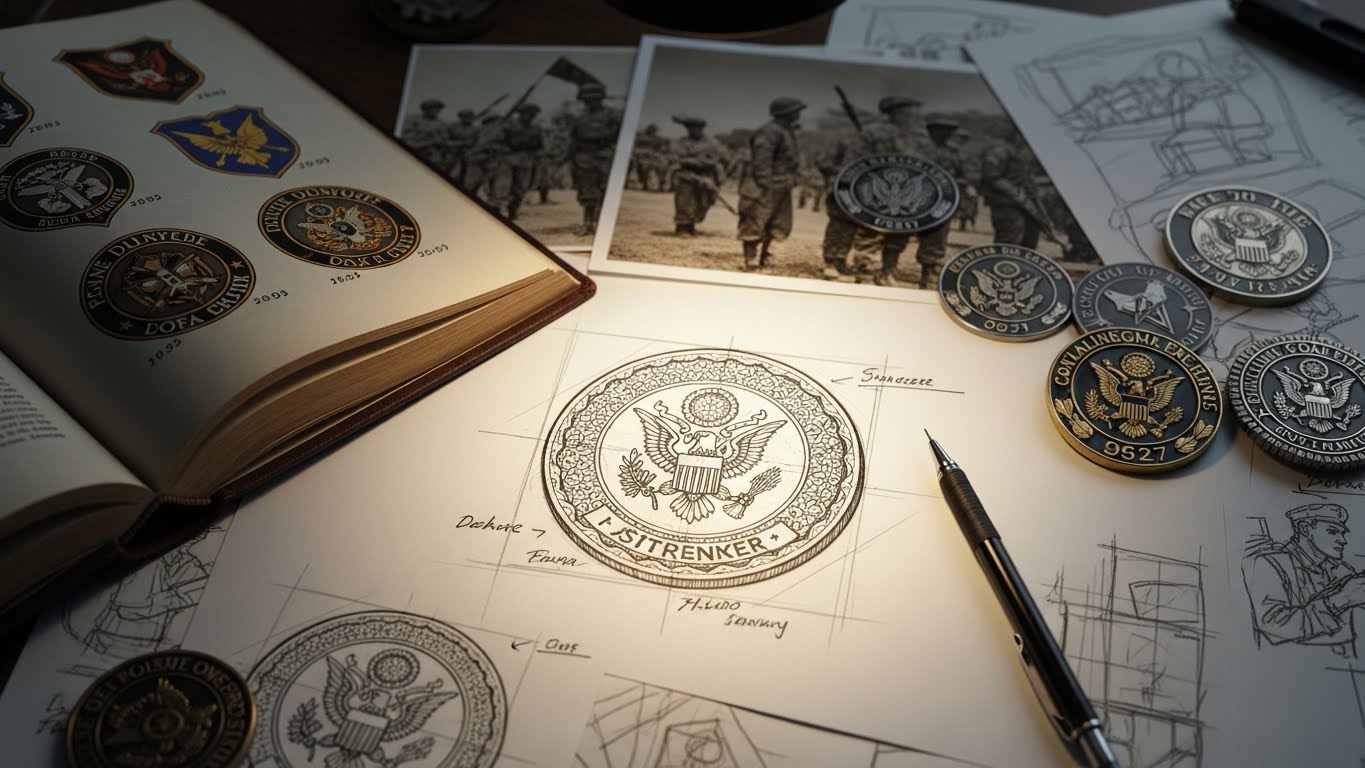
The Value of a Skilled Military Challenge Coin Designer
A true military challenge coin designer is a translator and an artist. They don't just redraw your logo; they interpret the unit's culture, history, and mission. They can take a low-resolution unit patch, a verbal description of a deployment, or a collage of ideas and synthesize them into a cohesive, manufacturable design. They understand heraldry, symbolism, and what will translate well into metal. This creative partnership is invaluable in transforming a vague notion into a breathtaking visual blueprint for your custom military challenge coins manufacturer to follow.
Manufacturing Capabilities That Matter
Beyond design, the manufacturer's operational capabilities are critical. Look for a custom military challenge coins manufacturer that offers:
A Step-by-Step Guide to Creating Your Coin
The journey from idea to holding a finished coin is straightforward with the right partner.
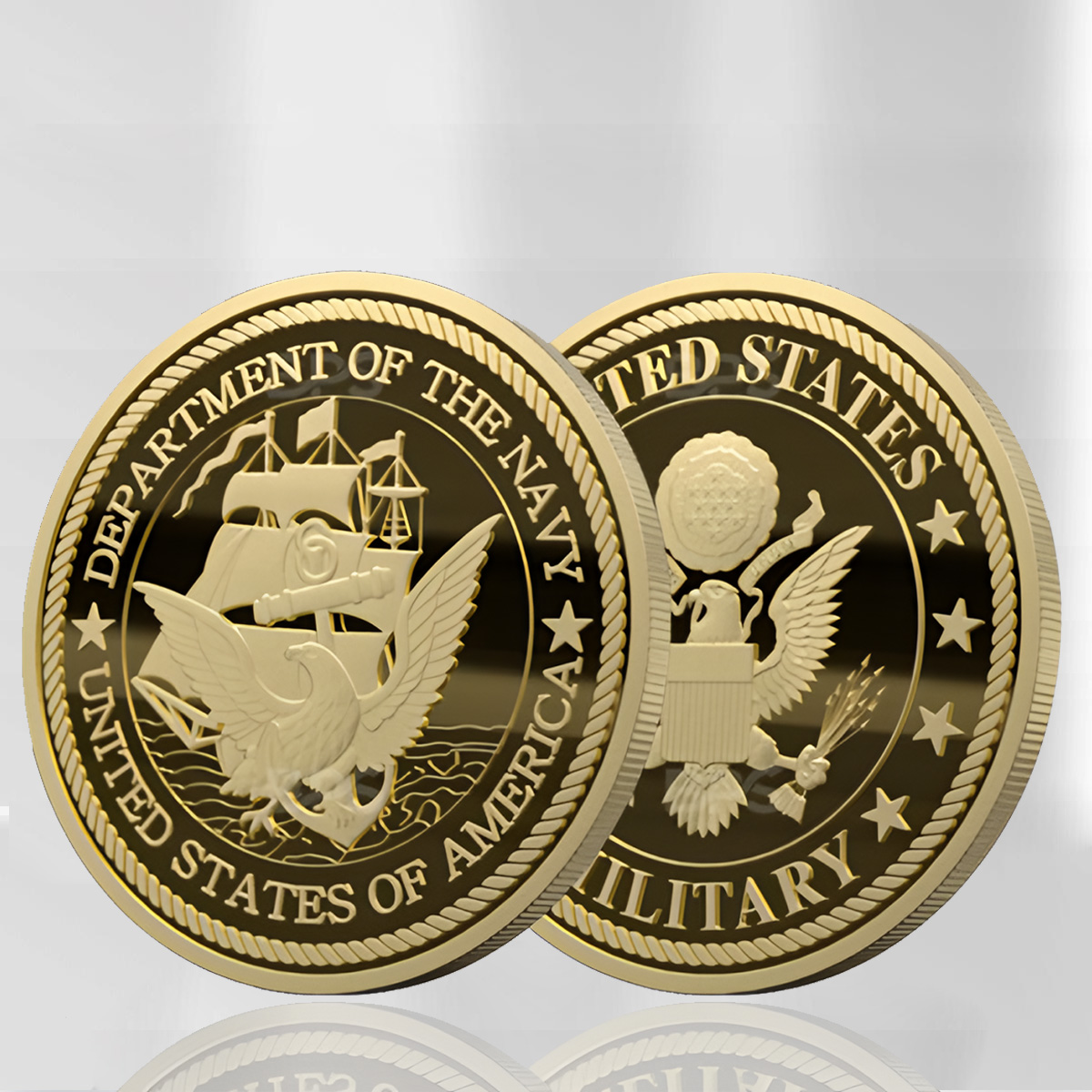
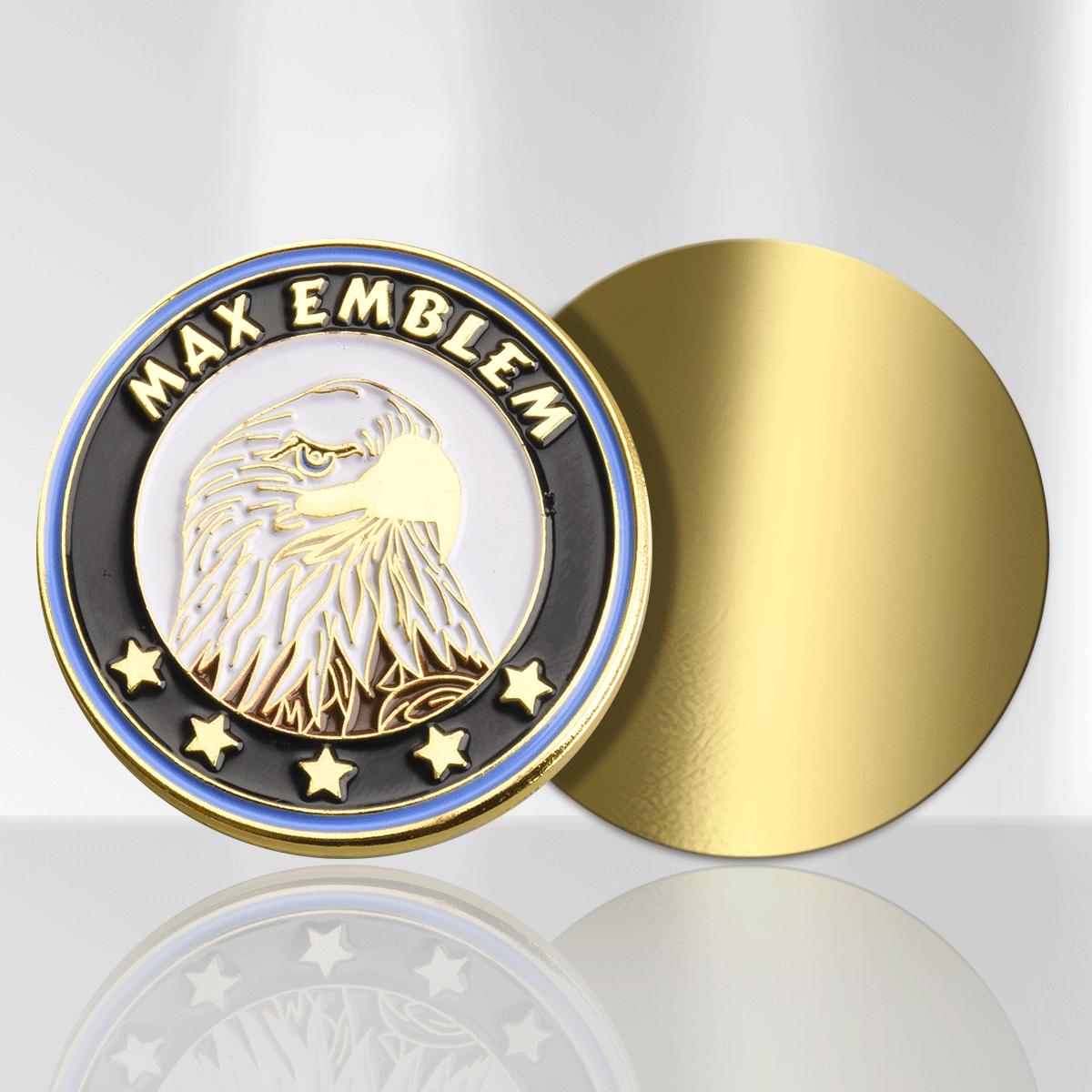
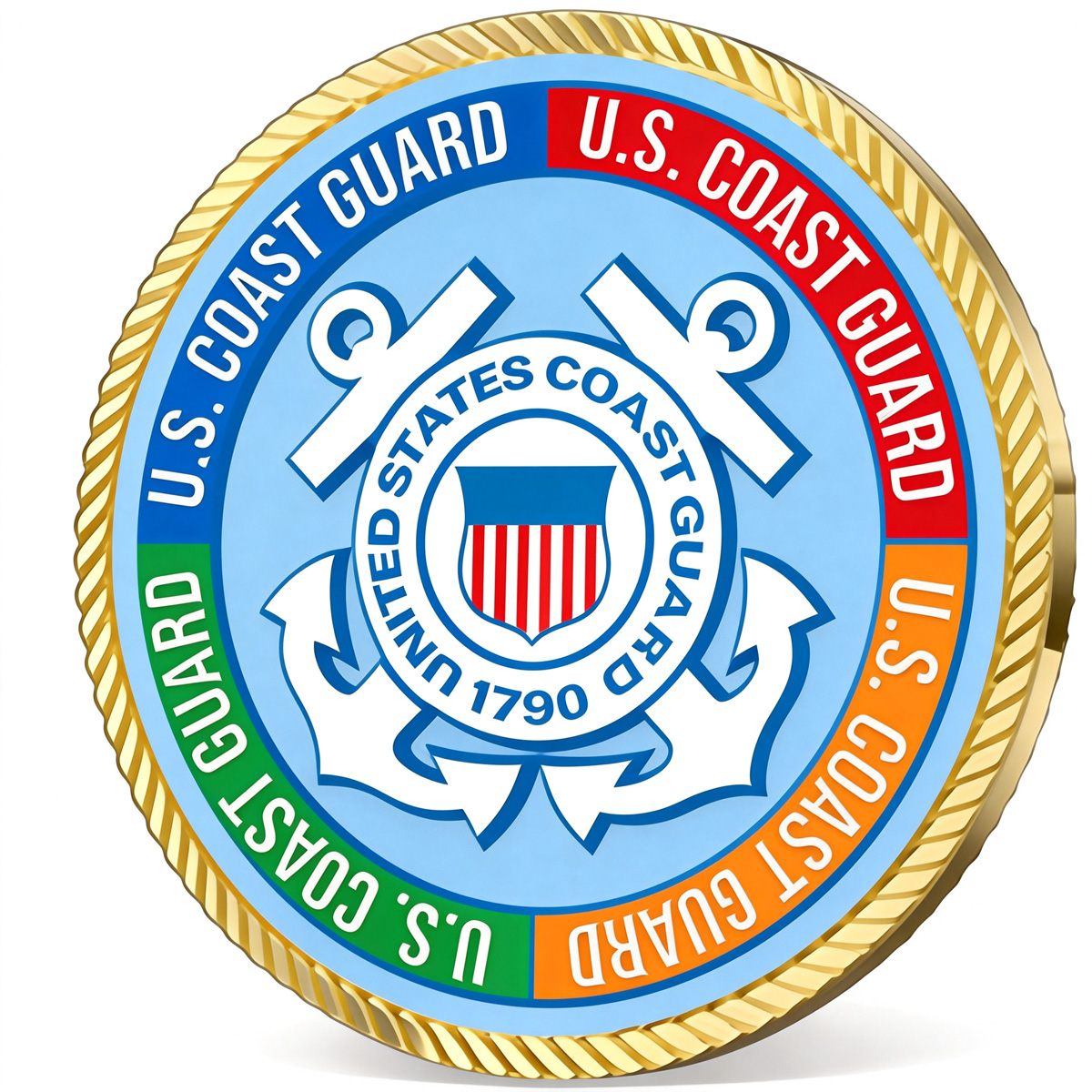
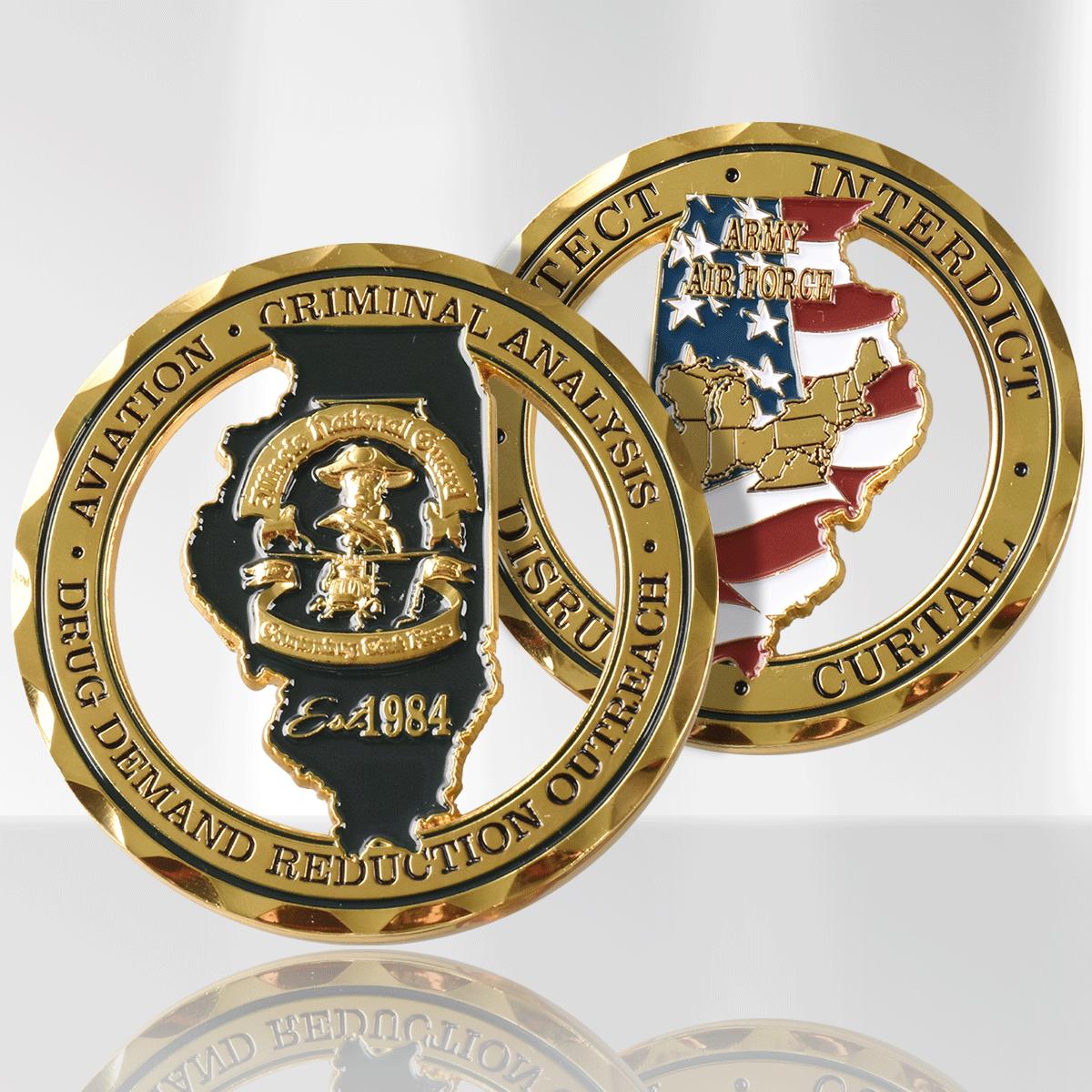
Engineering Honor into Metal
At Maxemblem, we approach every request for custom military challenge coins with the understanding that we are minting more than metal—we are helping to solidify tradition and honor service. Our two decades as military coin manufacturers have honed our expertise in both the art of design and the science of die-casting and striking. From the initial sketch by our dedicated military challenge coin designer to the final antique finish on a 3D masterpiece, we manage every detail in-house. We combine this craftsmanship with the logistical understanding to meet the urgent timelines and global distribution needs of military units, ensuring your symbol of brotherhood is delivered with the precision and respect it deserves.
Learn about our dedicated process for creating military legacy pieces.
Frequently Asked Questions
How long does it typically take to create custom military challenge coins?
The timeline varies based on complexity and order size but generally involves two phases. The design and tooling phase (creating the digital artwork and cutting the steel molds) can take 10-15 business days. The production phase after mold approval typically takes another 10-18 business days for standard shipping. Reputable military coin manufacturers understand military schedules and offer expedited services. For example, Priority Shipping can compress production to around 10 business days. Always communicate your event or presentation date early in the process to explore the fastest possible timeline.
Can you create a coin from just a low-quality photo or sketch?
Absolutely. This is where a skilled military challenge coin designer proves invaluable. Professional manufacturers have graphic artists who specialize in interpreting low-resolution images, hand-drawn sketches, and verbal descriptions. They can clean up blurry logos, re-draw details from photographs, and combine multiple reference materials into a single, cohesive, high-resolution vector design suitable for minting. The key is providing as much context as possible—the unit's history, the meaning behind symbols, and any text that must be included.
What is the main difference between 2D and 3D military coins?
The difference is in dimensionality and manufacturing. 2D coins (typically die-struck) have a flatter profile. Design elements are raised or recessed, but the variation in height is minimal. They excel at sharp text and clean lines, like a formal unit crest. 3D coins (typically die-cast) have significant, varying levels of relief. Elements like a tank, aircraft, or soldier's profile can be raised dramatically from the background, creating deep shadows and a truly sculptural, tactile feel. For army challenge coins custom projects depicting equipment or action-oriented scenes, 3D is overwhelmingly preferred for its visual impact and realism.
Can I customize the edge of the challenge coin?
Yes, edge customization is a mark of a quality manufacturer and adds a premium touch. Beyond a standard plain or cut edge, common options include:
Discussing edge options with your custom military challenge coins manufacturer is a great way to add an extra layer of distinction to your design.
How can I ensure the colors on the coin don't chip or wear off?
Color durability depends on the filling technique. For enamel colors, hard enamel (epoxy resin) is the most durable option. It is polished flat with the metal ridges, creating a smooth, glass-like surface that is highly resistant to chipping and scratching. Soft enamel colors sit recessed between metal walls and can be more vulnerable if the coin is heavily abused, though they are still quite durable for normal handling. For the longest-lasting color, especially on coins that will be carried daily, hard enamel or high-quality printed color with a protective epoxy coat is recommended. A reputable manufacturer will advise on the best option for your coin's intended use.