Sign in
Create Your Account
Create My Account
Sign In
Create Your Account
Turn your favorite decorative fabric inspirations into durable, beautiful custom patches. MaxEmblem’s 20+ years of expertise transforms textile visions into wearable


In the evolving world of fashion and branding, custom patches have transcended their utilitarian origins to become powerful statements of style, identity, and creativity. No longer confined to uniforms and corporate logos, today's patches draw inspiration from the rich tapestry of textile arts, transforming intricate fabric patterns and textures into wearable art that tells compelling stories.
With over 20 years of manufacturing expertise, MaxEmblem has mastered the art of translating fabric inspiration into durable, high-quality custom patches. Whether you're drawn to the rustic charm of Little Patch of Heaven fabric, the intricate beauty of French rooster floral patch fabric, or the specialized knowledge found at establishments like Debby's Patch Haberdashery and Fabric, we provide the technical expertise to transform your textile visions into reality.
Design Insight: "The most memorable custom patches begin with authentic inspiration. By looking to the world of fine textiles, designers can create patches that resonate emotionally while maintaining the durability required for everyday wear." - MaxEmblem Design Team
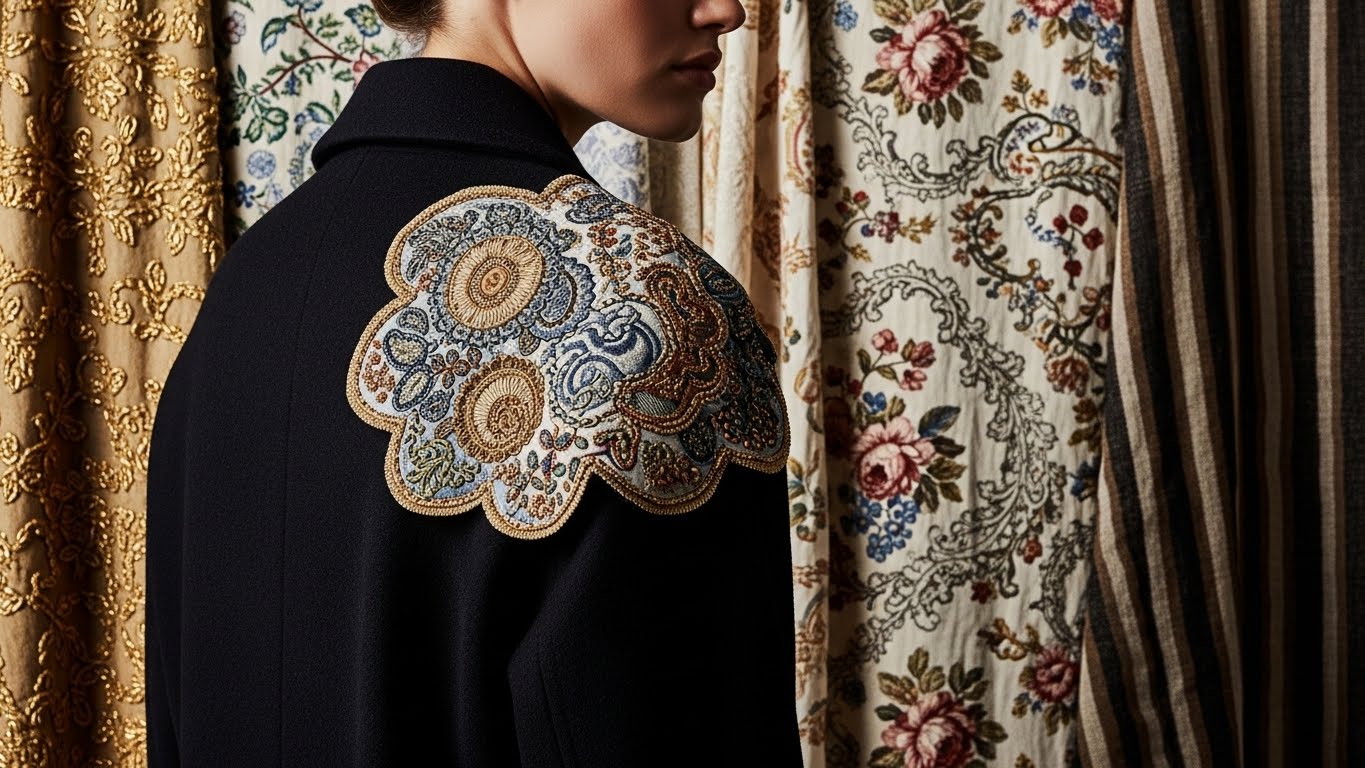
How Can Fabric Patterns Inspire Exceptional Patch Designs?
What Makes French Rooster Floral Patch Fabric So Captivating?
The distinctive charm of French rooster floral patch fabric lies in its harmonious blend of rustic symbolism and delicate botanical elements. This classic pattern offers rich inspiration for custom patches through:
Cultural Storytelling: The rooster as a French national symbol combined with floral motifs creates narrative depth
Color Harmony: Traditional color palettes featuring earthy tones with vibrant floral accents
Balanced Composition: The interplay between bold central motifs and delicate background patterns
Versatile Application: Suitable for everything from fashion accessories to home decor items
Timeless Appeal: A design aesthetic that transcends seasonal trends
How Do You Translate Complex Fabric Patterns into Durable Patches?
Converting intricate fabric designs like those found in French rooster floral patch fabric requires specialized manufacturing techniques:
Technical Translation Methods
High-Density Embroidery: Creating texture and dimension that mimics fabric weave
Dye Sublimation Printing: Capturing photographic detail for complex patterns
Layered Stitching: Building depth through multiple thread layers
Strategic Simplification: Maintaining design integrity while ensuring manufacturing feasibility
Color Matching: Precise Pantone matching to preserve original fabric hues
Success Story: French Countryside Collection
A boutique fashion brand wanted to create a line of patches inspired by vintage French rooster floral patch fabric for their denim jacket collection.Using MaxEmblem's expertise, they translated the intricate patterns into a combination of embroidered and printed patches that maintained the charm of the original textiles while withstanding the rigors of daily wear. The collection sold out within three weeks of launch, demonstrating the commercial appeal of well-executed fabric-inspired designs.
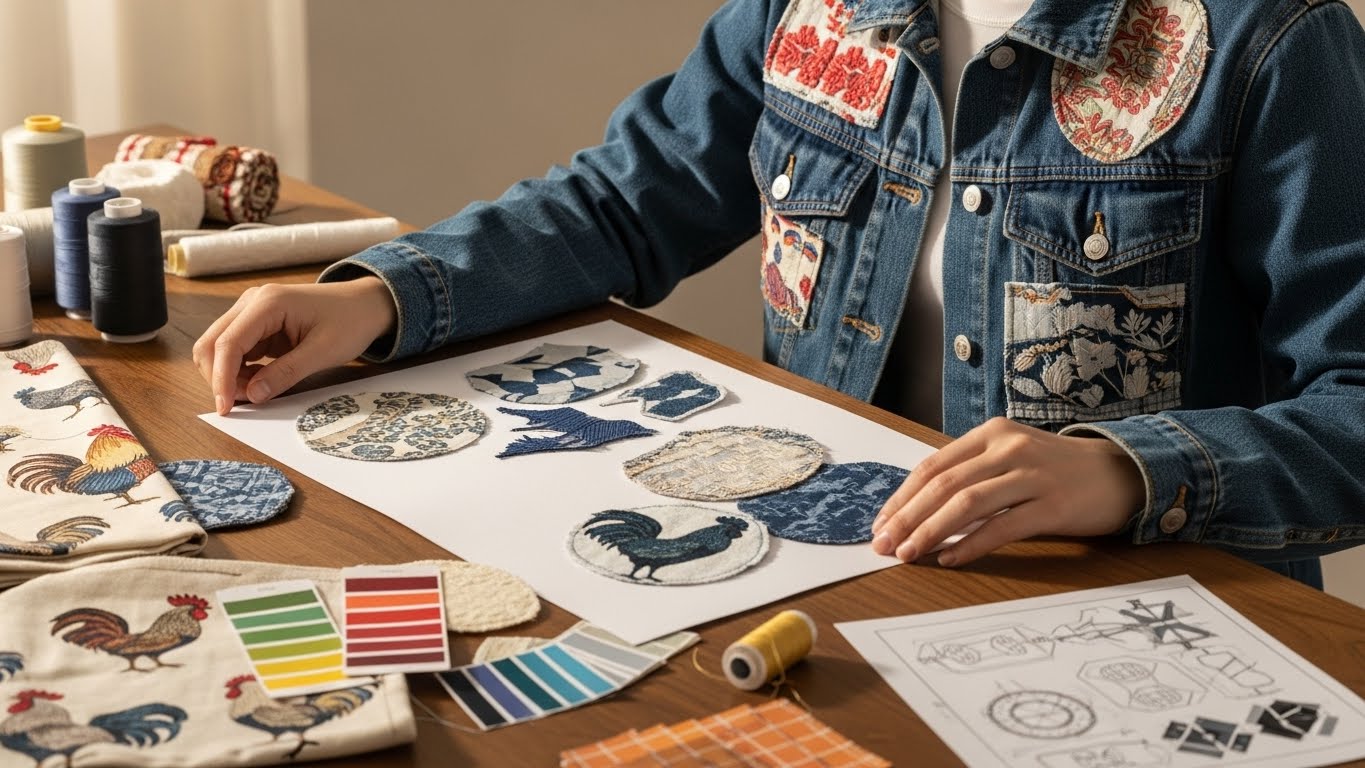
Why Does the Quilted Aesthetic Resonate in Modern Design?
What Defines the Little Patch of Heaven Fabric Appeal?
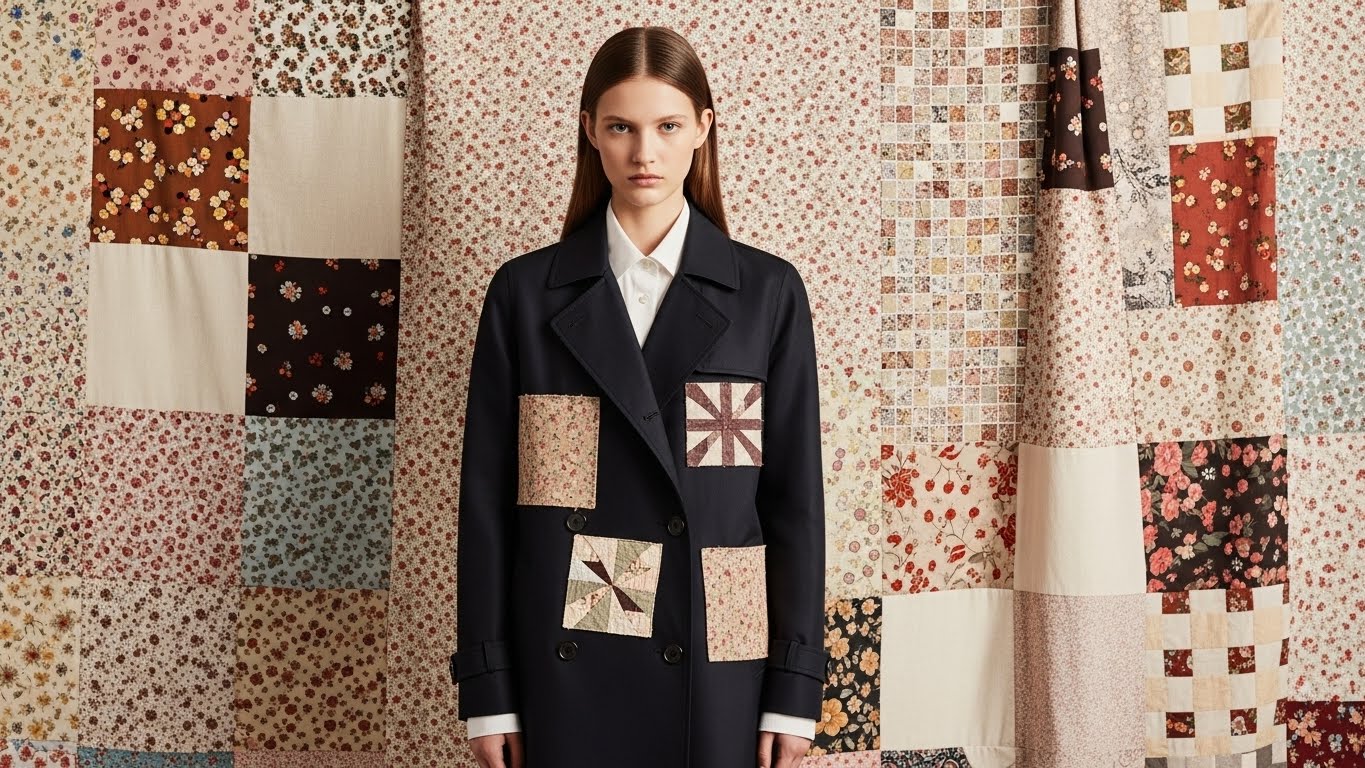
The enduring popularity of Little Patch of Heaven fabric and similar quilted textiles stems from their emotional resonance and visual warmth:
Nostalgic Quality: Evoking memories of handmade heirlooms and family traditions
Tactile Comfort: The visual suggestion of softness and warmth
Artisanal Authenticity: Celebrating the beauty of imperfect, handmade aesthetics
Versatile Styling: Complementing both rustic and contemporary design schemes
Storytelling Potential: Each "patch" suggesting a fragment of a larger narrative
How Can Manufacturers Recreate the Homespun Quilted Look?
Capturing the handmade quality of Little Patch of Heaven fabric in manufactured patches requires specific techniques:
Textured Base Materials: Using felt or heavy twill to mimic quilt fabric thickness
Merrowed Borders: Creating the appearance of sewn-on patches with finished edges
Quilting Stitch Patterns: Embroidering stitching lines that suggest quilt blocks
Layered Color Application: Building colors in stages to create depth and dimension
Intentional Imperfections: Incorporating design elements that suggest handmade charm
Manufacturing Insight: "The challenge with quilt-inspired designs isn't perfection—it's capturing the soul of handmade craftsmanship while maintaining the durability and consistency of manufactured products. This balance is where true artistry happens."
What Role Does Specialized Knowledge Play in Patch Design?
How Does Haberdashery Expertise Enhance Patch Creation?
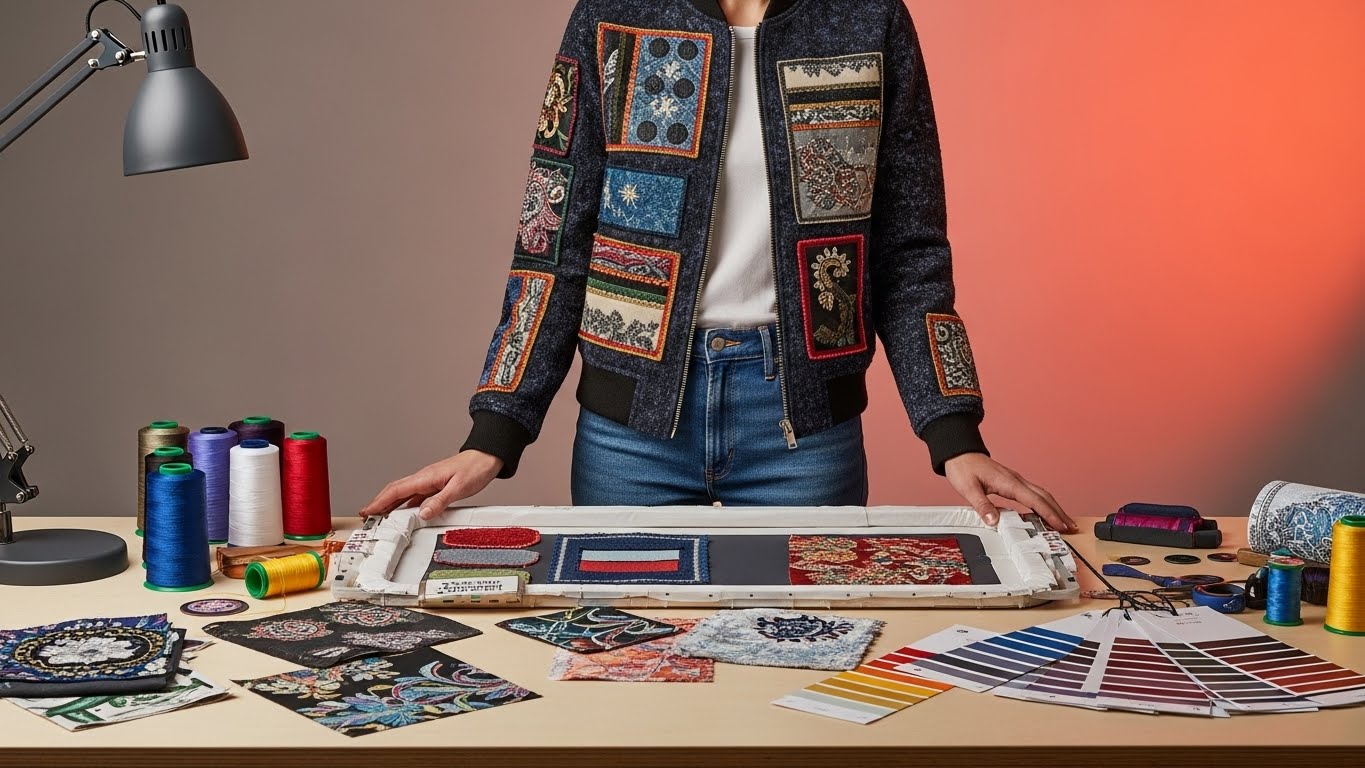
Establishments like Debby's Patch Haberdashery and Fabric represent the specialized knowledge that bridges retail fabric appreciation and industrial manufacturing:
Material Understanding: Deep knowledge of how different fabrics behave and wear
Thread Expertise: Understanding how thread types impact appearance and durability
Color Theory Application: Practical knowledge of how colors interact in textile applications
Historical Context: Awareness of traditional techniques and their modern applications
Technical Problem-Solving: Experience addressing the challenges of translating 2D designs to 3D textiles
What Manufacturing Considerations Ensure Patch Quality?
Applying haberdashery-level knowledge to industrial manufacturing requires attention to specific details:
Quality Manufacturing Elements
Base Fabric Selection: Choosing twill, felt, satin, or velvet based on application needs
Thread Quality: Selecting threads for color fastness, strength, and texture
Stitch Density: Determining optimal stitches per inch for design integrity
Backing Compatibility: Matching backing materials to intended application surfaces
Edge Finishing: Selecting merrowed, laser-cut, or hot-cut edges based on design requirements
How Do You Choose the Right Technique for Your Fabric Inspiration?
When Should You Choose Embroidery Versus Printing?
Selecting the appropriate manufacturing technique depends on your design goals and the nature of your fabric inspiration:
Embroidery Advantages: Textural dimension, classic appearance, extreme durability
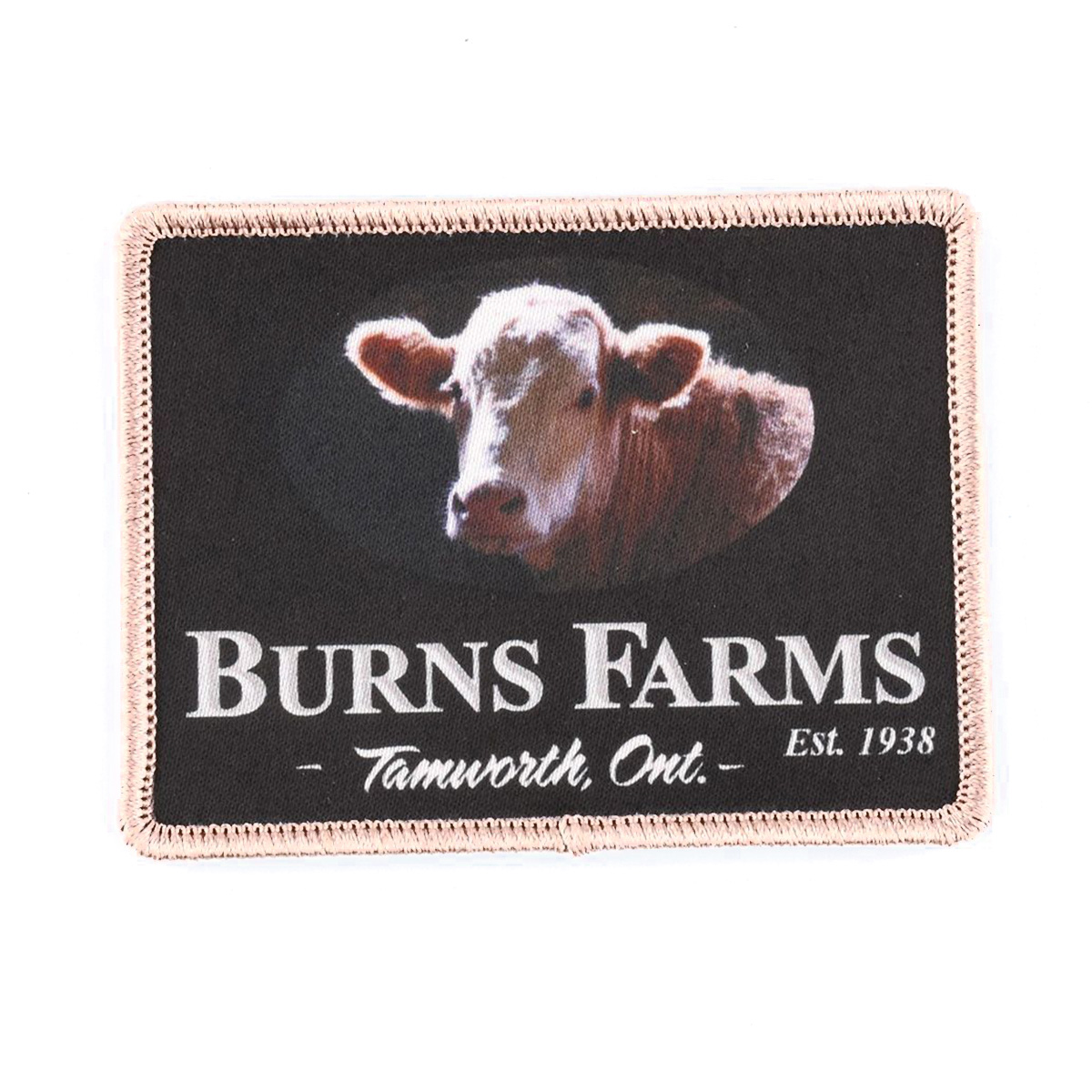
Printing Advantages: Photographic detail, color gradients, cost-effectiveness for complex designs
Woven Patches: Fine detail reproduction, smooth surface, precision for small elements
Combination Approaches: Using multiple techniques within a single patch for optimal results
Technical Solution: Complex Floral Translation
A home decor company wanted to create patches based on a delicate floral fabric for their pillow collection. The design featured subtle color gradients and intricate botanical details that challenged traditional embroidery. MaxEmblem's solution combined printed elements for the delicate color transitions with embroidered outlines for dimensional interest, creating patches that perfectly captured the essence of the original fabric while ensuring commercial durability.
What Role Does Base Material Play in Capturing Fabric Essence?
The foundation material of your patch significantly impacts how well it captures your fabric inspiration:
Base Material Guide
Twill: The standard choice offering excellent durability and stitch definition
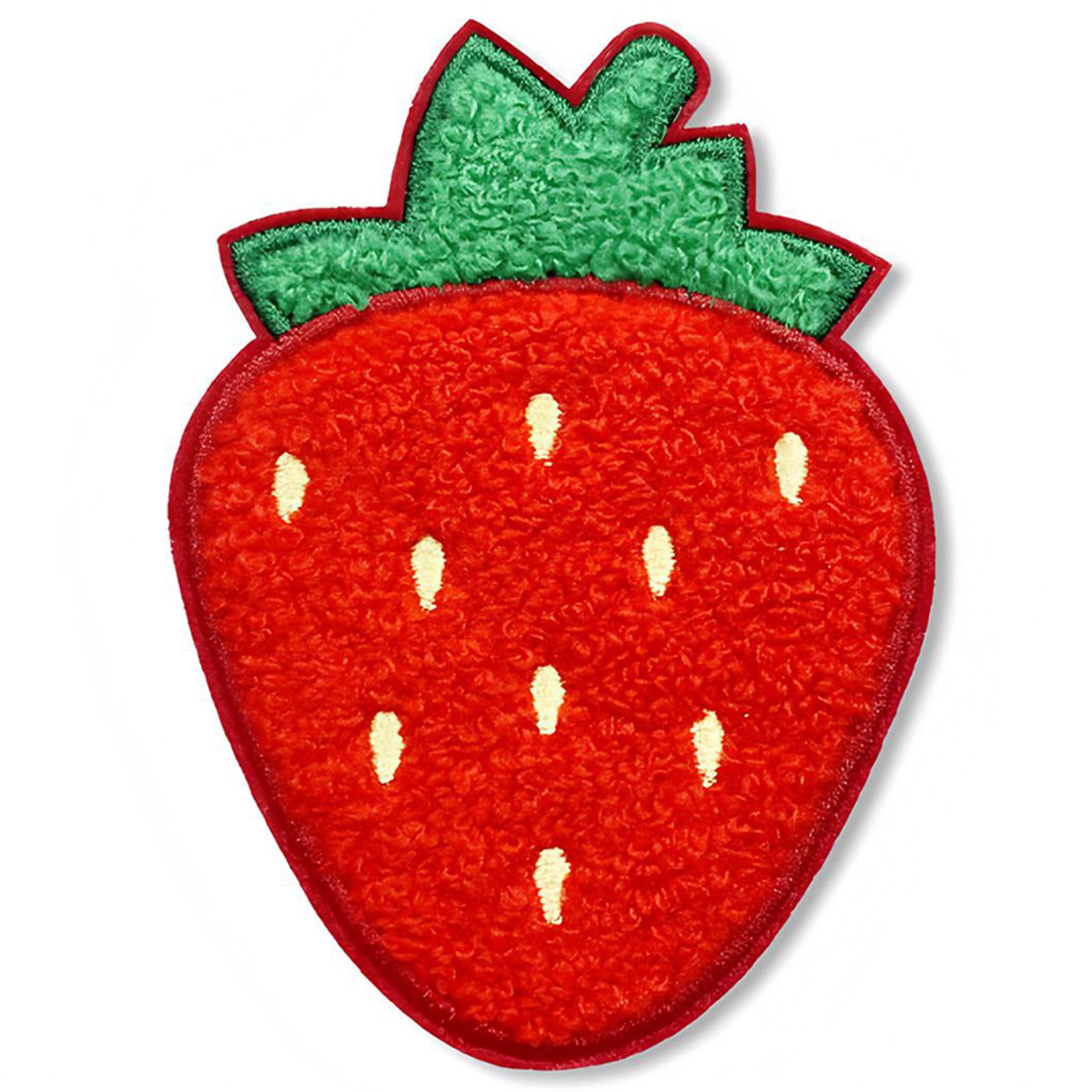
Felt: Ideal for rustic, vintage, or high-texture designs
Satin: Creates a luxury appearance with smooth, reflective surface
Velvet: Offers premium texture for high-fashion applications
Canvas: Provides sturdy foundation for heavy stitching or complex designs
How Can Seasonal Opportunities Enhance Fabric-Inspired Projects?
Why Are Custom Patches Perfect for Holiday Collections?
The Christmas season offers unique opportunities for fabric-inspired patch projects:
Festive Pattern Adaptation: Transforming traditional holiday fabrics into wearable patches
Gift Item Creation: Custom patches as unique, textile-inspired presents
Limited Edition Collections: Seasonal designs that capture holiday spirit
Corporate Gifting: Branded patches with festive fabric influences for clients and employees




These seasonal advantages make it the perfect time to explore transforming your favorite fabric patterns—whether inspired by French rooster floral patch fabric, Little Patch of Heaven fabric, or specialty finds from establishments like Debby's Patch Haberdashery and Fabric—into durable, beautiful custom patches.
Ready to Transform Your Fabric Inspiration into Custom Patches?
Whether you're drawn to the rustic charm of quilted textiles, the intricate beauty of floral patterns, or the specialized knowledge of haberdashery experts, MaxEmblem brings two decades of technical expertise to your project. Let us help you create patches that capture the soul of your favorite fabrics with the durability of professional manufacturing.
Email: [email protected] | Phone: 1-917-525-8151
Frequently Asked Questions About Fabric-Inspired Patches
What is French rooster floral patch fabric and how can it inspire custom patches?
French rooster floral patch fabric is a distinctive textile pattern featuring rooster motifs combined with floral elements, typically in a rustic, country-style aesthetic. This fabric can inspire custom patches through its color palettes, compositional balance, and cultural symbolism. The intricate patterns can be translated into patches using high-density embroidery for texture or printing techniques for detailed reproduction.
How can Little Patch of Heaven fabric influence patch design?
Little Patch of Heaven fabric represents the quilted, homespun aesthetic that evokes nostalgia and comfort. This influence can manifest in patch designs through textured base materials like felt, merrowed borders that mimic sewn edges, stitching patterns that suggest quilt blocks, and color combinations that create warmth and familiarity. The key is capturing the handmade charm while maintaining manufacturing consistency.
What expertise does a haberdashery like Debby's Patch Haberdashery and Fabric bring to patch creation?
Establishments like Debby's Patch Haberdashery and Fabric bring specialized knowledge of textiles, threads, color theory, and traditional techniques. This expertise informs patch design through understanding how different materials behave, selecting appropriate threads for specific applications, creating harmonious color combinations, and solving technical challenges in translating fabric designs to patch form.
What's the best technique for capturing intricate fabric patterns in patches?
The best technique depends on the specific fabric pattern. For designs with fine details and color gradients, printing techniques often work best. For patterns where texture and dimension are important, embroidery creates more tactile interest. Complex designs may benefit from combination approaches, using printing for detailed areas and embroidery for structural elements. Woven patches excel at reproducing very fine details and small text elements.
How durable are fabric-inspired custom patches?
When manufactured with expertise, fabric-inspired custom patches are extremely durable. Quality patches undergo rigorous testing to withstand washing, wear, and environmental factors. The key is selecting appropriate base materials, thread types, and stitching densities for the intended application. Professional manufacturers like MaxEmblem ensure that even the most delicate-looking fabric-inspired designs maintain structural integrity through years of use.