Sign in
Create Your Account
Create My Account
Sign In
Create Your Account
Discover premium die-struck bronze medals with sharp relief, antique patina & heirloom quality. Learn why striking beats casting for heritage awards.


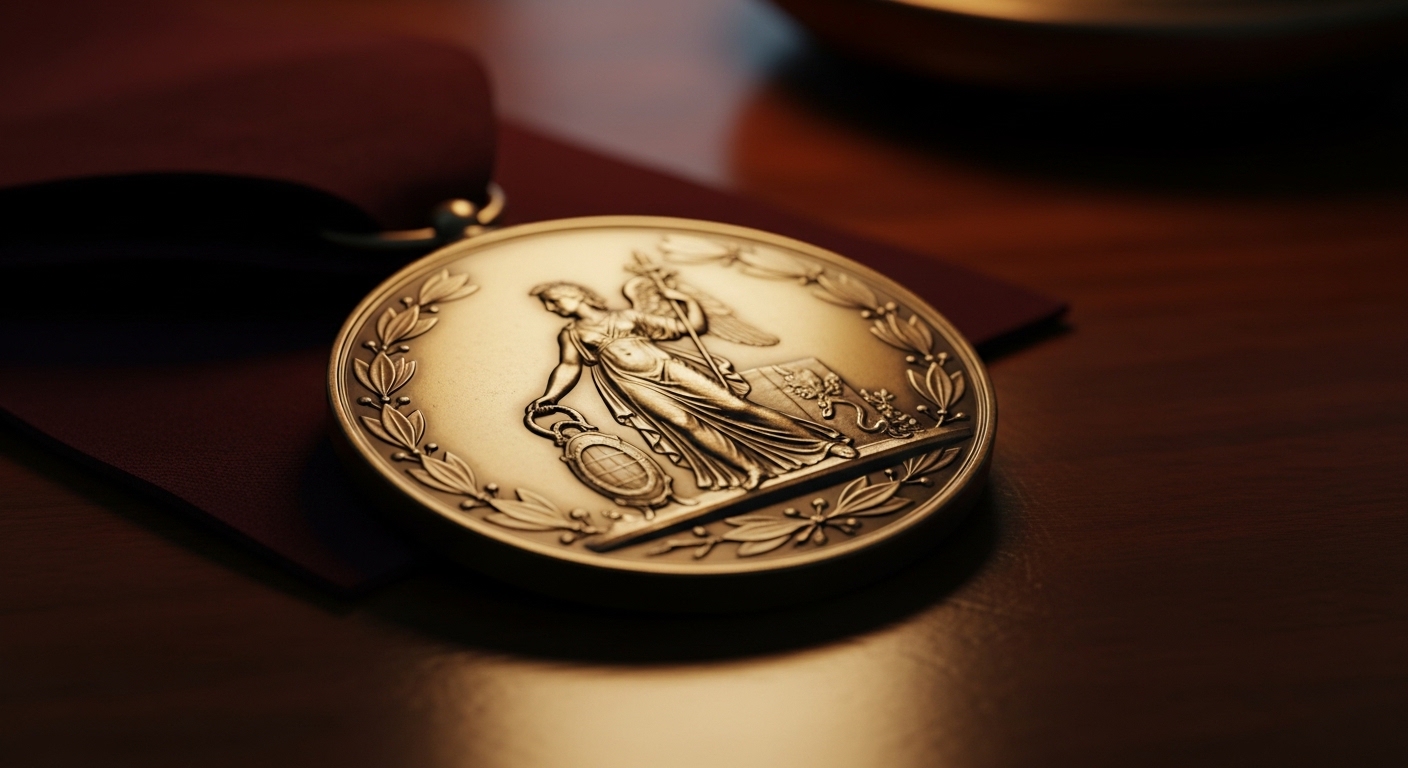
Some products are meant to be consumed. Others are made to last for generations. Die-struck bronze medals belong to the second category. With their dense metal structure, razor-sharp relief, and hand-finished patina, these medallions carry the soul of old-world craftsmanship. For institutions, high-end organizations, and collectors, custom bronze medallions represent more than recognition — they are heirlooms. At Maxemblem, we blend precision engineering with artisan finishing to help you create heritage awards that feel ancient yet arrive on time, even under tight deadlines.
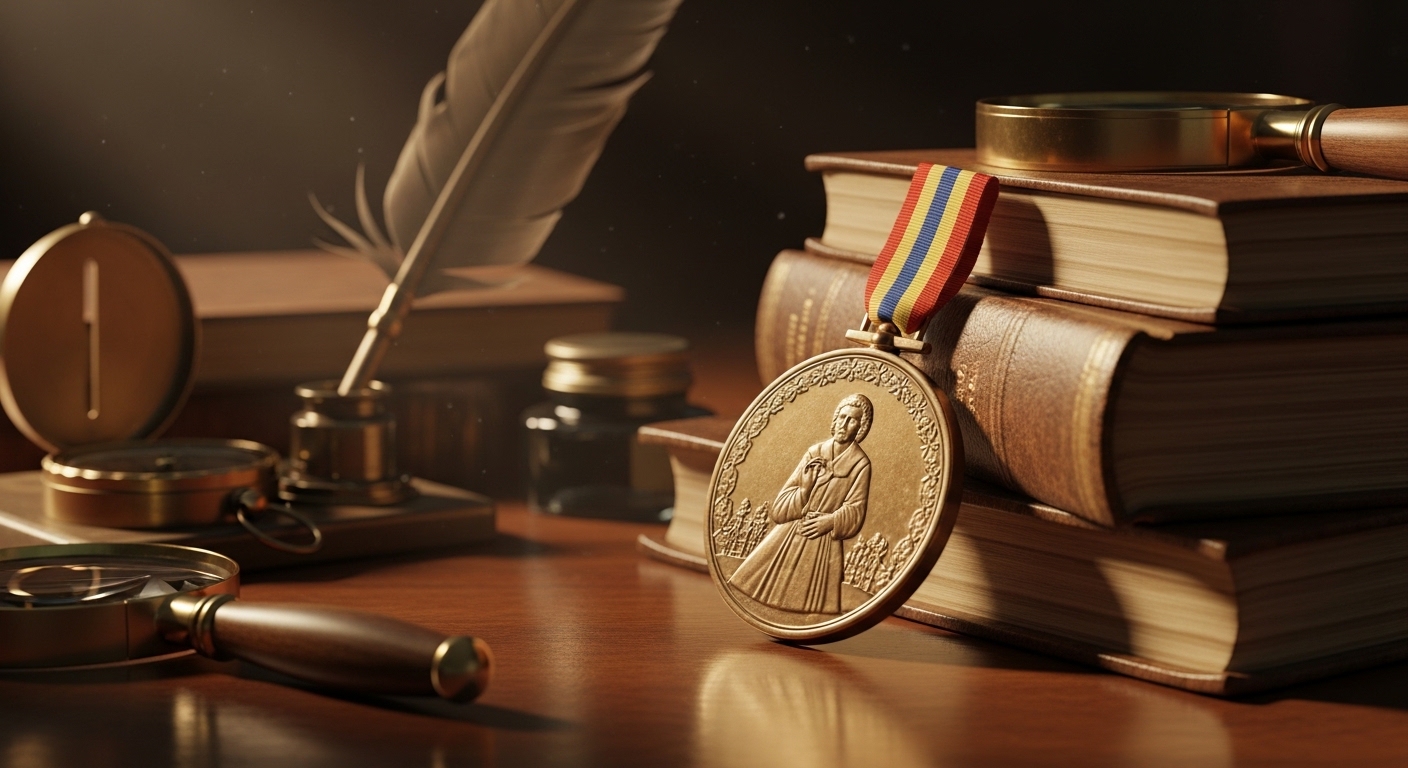
Let Metal Tell the Story of Time
Bronze has been used for millennia to commemorate heroes, victories, and sacred moments. Unlike soft alloys or mass‑produced castings, die‑struck bronze carries a distinct density. When you hold a die-struck bronze medal, you immediately feel the weight — not just in grams, but in significance. The process begins with a hardened steel die, engraved in reverse. Under hundreds of tons of pressure, a blank bronze disc is forced into every crevice of the die. This high‑pressure striking aligns the metal's grain structure, creating edges that are crisp and surfaces that resist wear over decades. At Maxemblem, we combine this ancient technique with modern quality controls: laser‑measured die depths, consistent annealling cycles, and a multi‑step polishing process. Whether you need 50 pieces for a leadership academy or 2,000 for a national heritage society, our production line respects the integrity of each medal. We don't just stamp metal; we preserve stories.
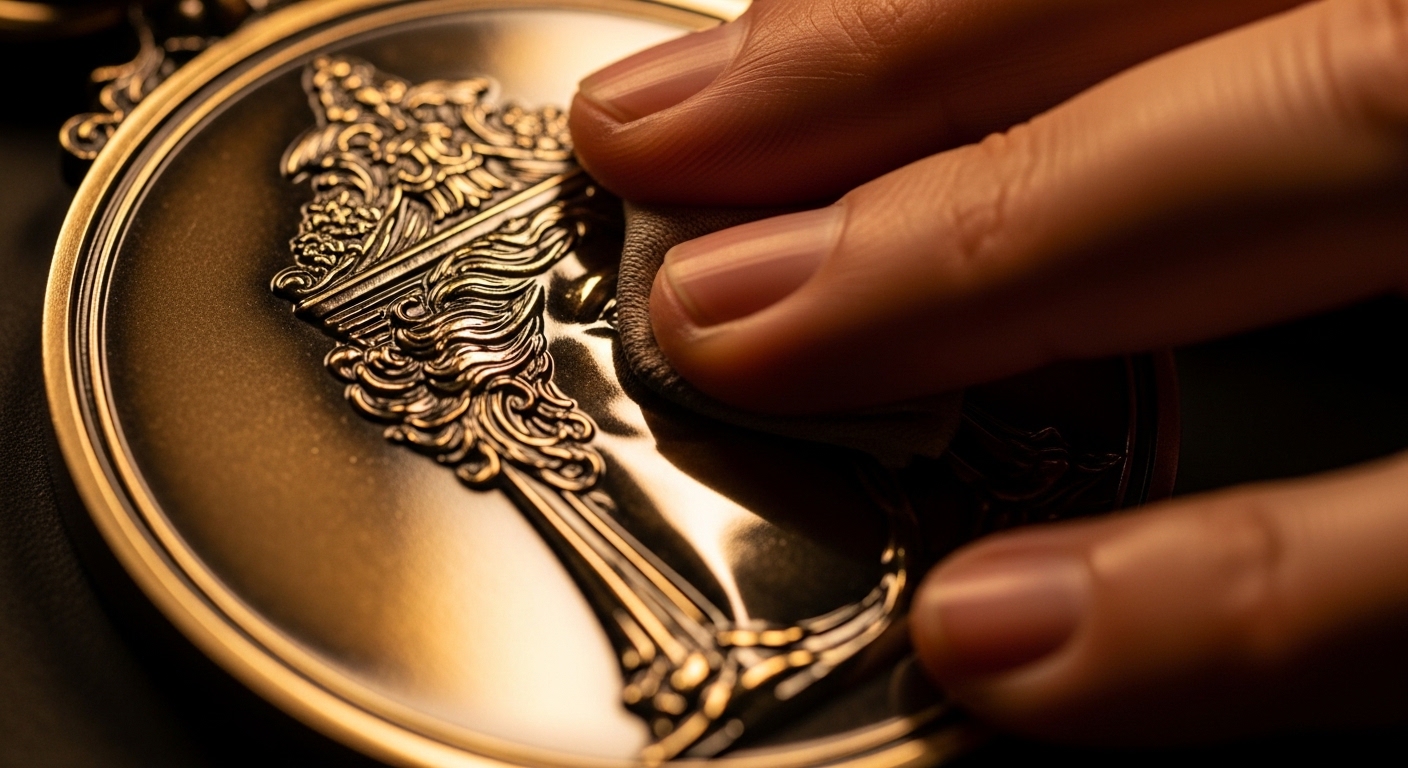
What Is Die‑Striking and Why Does It Represent the Industry's Highest Standard?
Die‑striking (or "struck" manufacturing) is the process of using extreme pressure to form metal between two custom‑engraved dies. Unlike die casting, where molten metal is poured into a mold, die‑striking works the metal cold or slightly warmed. This cold‑working process increases the metal's density and hardness, resulting in a medallion that resists bending and scratching. For custom bronze medallions used in high‑touch environments — such as annual galas, hall of fame inductions, or military retirements — this durability is non‑negotiable. Additionally, die‑striking produces incredibly sharp lines. Letters as small as 1.5mm remain legible, and complex logos with fine detail (think eagles, torches, or academic crests) emerge with clarity that casting cannot match. Maxemblem's toolroom uses carbide‑grade steel for dies, guaranteeing up to 50,000 strikes before any degradation. For clients who prioritize heritage awards, we also offer hand‑finishing after striking: removing burrs, applying patina solutions, and buffing highlights to create a three‑dimensional antique effect. This combination of industrial precision and hand craftsmanship is rarely found in one facility — but it is the core of our service.
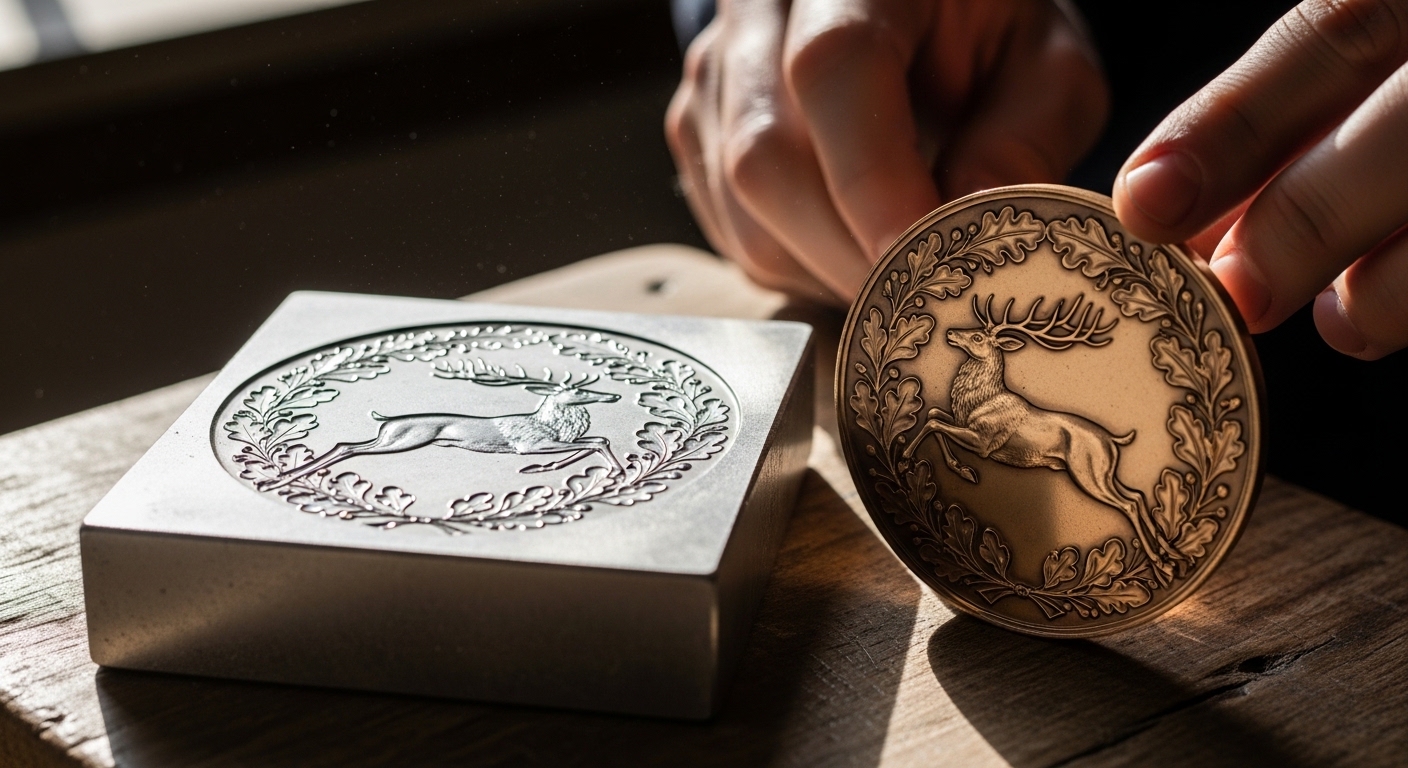
Why Does High‑Pressure Striking Outperform Die Casting for Premium Medals?
When you compare a die‑struck bronze piece to a cast zinc alloy piece side by side, the difference is obvious. Die‑struck medals have no porosity (tiny air holes), sharper edge definition, and a more satisfying "ring" when tapped. Cast medals, while cheaper and adequate for promotional giveaways, often feel lighter and less precise. For die-struck bronze medals intended as lifetime achievement awards or corporate heritage tokens, the extra investment in striking pays back in perceived value and longevity. Furthermore, die‑striking allows for selective antique finishing: because the metal is dense, polishing can remove patina from raised areas while leaving it recessed, creating a natural aged look that cast metals struggle to achieve.
Feature |
Die-Struck Bronze |
Zinc Alloy Die Casting |
|---|---|---|
Edge Sharpness |
Extremely sharp, crisp detail |
Moderate, softer edges |
Metal Density / Feel |
High, substantial weight |
Medium, lighter |
Longevity (decades) |
Excellent, heirloom quality |
Good for gifts, not heirlooms |
Antique Finish Depth |
Rich, natural contrast |
Fair, often artificial |
Mold Cost (one-time) |
$120 – $250 (steel die) |
$80 – $150 |
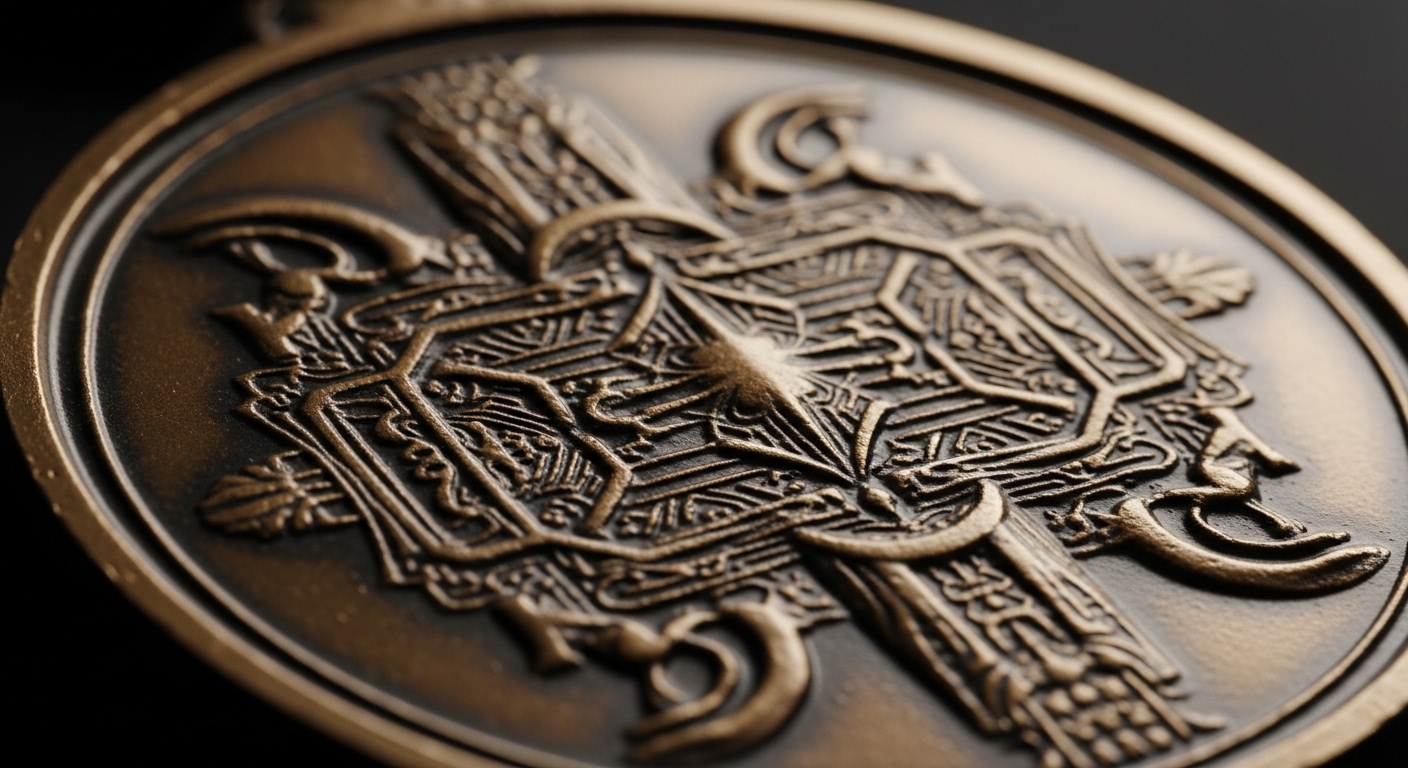
How Does Antique Finish Give a Medal Its “Soul”?
Raw bronze is bright and uniform — beautiful, but lacking depth. The antique finishing process transforms a new medal into an object that looks like it has witnessed history. At Maxemblem, our artisans apply a chemical patina solution (usually sulfur-based for bronze) that darkens the entire surface. Then begins the hand‑polishing stage: using fine abrasives and cloth wheels, we remove the dark patina from the high points — the raised rim, the facial details, the lettering tops — while leaving it in the recesses. This creates a dramatic contrast: highlights gleam like aged gold, while shadows stay deep brown‑black. The result is a custom bronze medallion with a three‑dimensional, chiaroscuro effect. For die-struck bronze medals intended as heritage awards (e.g., founder's society, 50‑year service, or historical society tokens), this finish is essential. It signals authenticity, respect for tradition, and a refusal to settle for “cookie‑cutter” products. Furthermore, we seal every antique medal with a clear lacquer coating that prevents fingerprints and slows natural oxidation. So the look remains stable, yet the character stays intact. Clients often tell us that their recipients frame these medals or display them on office desks — they become conversation pieces that carry institutional pride.
Which Antique Colors Work Best for Premium Awards?
Bronze antique (dark brown with golden highlights) is the most traditional and works universally for military, academic, and corporate honors. For a more vintage look, antique copper (reddish‑brown undertones) pairs beautifully with natural wood display boxes. Antique silver, achieved by striking nickel‑plated bronze then oxidizing, gives a cool, stately appearance — ideal for law enforcement or medical association awards. Maxemblem offers free patina samples so you can see how your design will look under each finish before committing to mass production. We also provide a patina wear test (accelerated aging) for orders above 500 pieces, ensuring your chosen finish will last for decades.
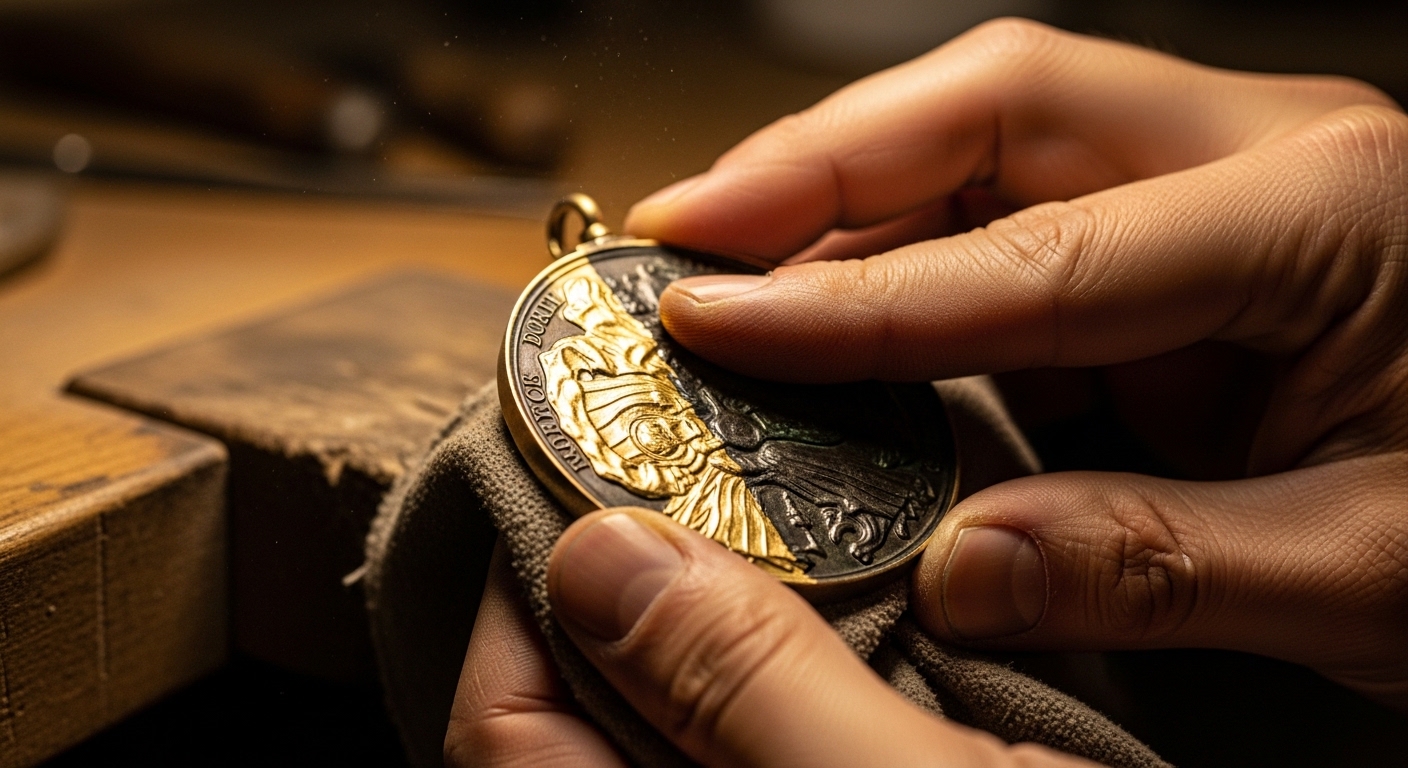
How Maxemblem Transforms Your Design into a Rare Bronze Heirloom
Working with Maxemblem means you are not just ordering medals — you are partnering with a team that understands numismatic standards. Our process begins with a consultation: you send us your logo, artwork, or rough sketch. We then generate a 3D digital rendering showing exactly how the relief will look under antique finish. Once approved, we cut a hardened steel die (not a cheap epoxy mold). This die can strike thousands of pieces with identical precision. For die-struck bronze medals requiring intricate detail — such as a portrait, a building facade, or a complex emblem — we use CNC‑engraved dies with up to 0.1mm resolution. After striking, every medal passes through our hand‑finishing department for burr removal, patina application, and edge polishing. We also offer optional enhancements: edge numbering (for limited editions), velvet presentation boxes, and custom ribbons with gold foil stamping. Even for rush orders (7‑10 days), we never skip the hand‑polishing step. Our Rush Medals service simply prioritizes your die‑cutting and assigns extra finishers to your batch. 90% of our express orders arrive on or before the requested date, giving you peace of mind for gala events or surprise retirement ceremonies.

Critical Buying Guide: Price, Size, Artwork, and Mold Considerations for Bronze Medals
First‑time buyers of high‑end bronze awards often have four core questions:
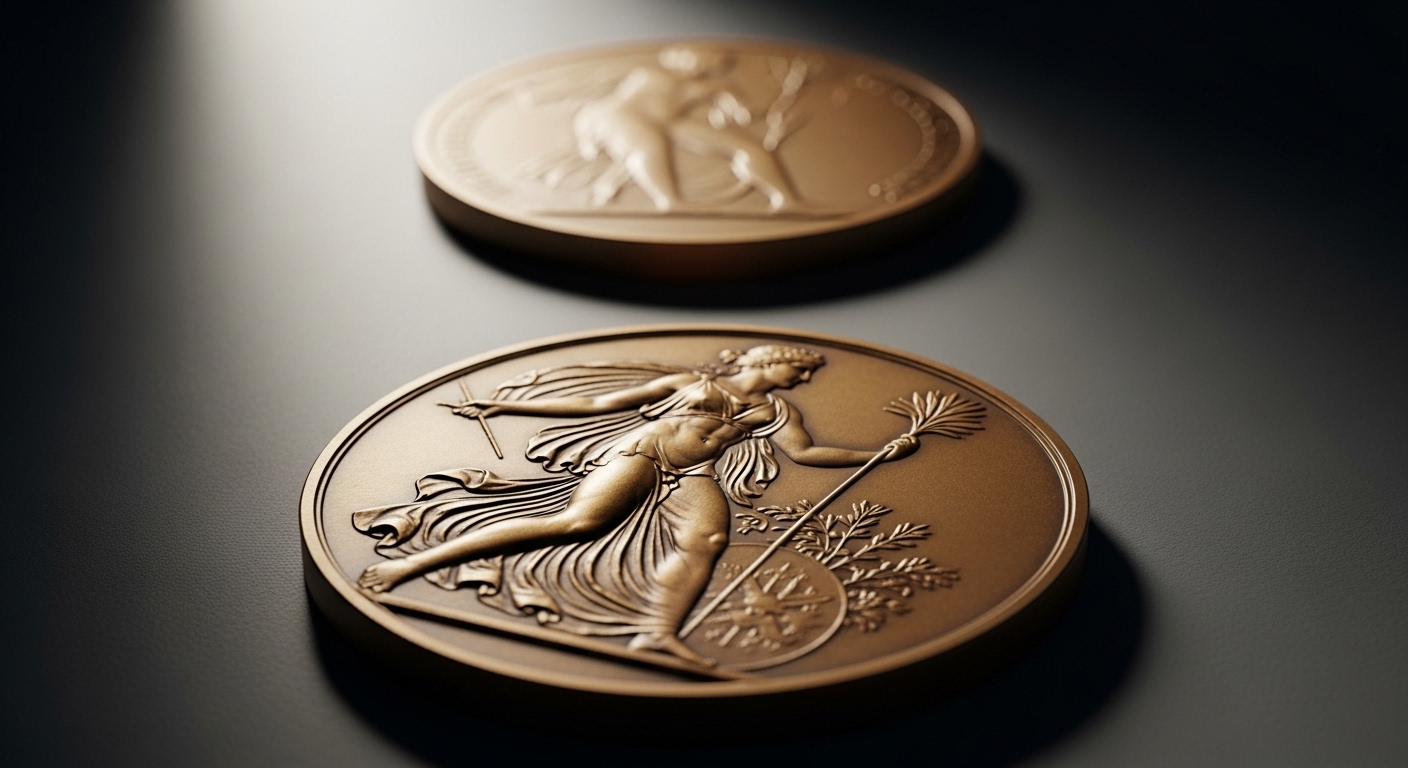
Cast in bronze. Polished by hand. Built for generations.
Whether you need 50 heritage medals or 2,000 corporate awards, Maxemblem delivers antique craftsmanship with modern reliability. Request your free 3D design proof today.
Die‑striking requires hardened steel dies that can withstand hundreds of tons of pressure. These dies are CNC‑machined and heat‑treated, lasting for up to 50,000 strikes. In contrast, casting molds are often made from softer materials or rubber for short runs. The higher upfront mold fee for die‑struck bronze is an investment in consistency and precision. For orders above 300 pieces, the per‑unit cost becomes very competitive due to the die's longevity. We provide a mold amortization table so you can see the break‑even point.
Our antique finish is chemically bonded to the bronze surface, not just painted on. After patination, we apply a protective clear lacquer coating (automotive‑grade) that resists sweat, moisture, and UV light. With normal display and occasional handling, the finish will remain stable for 20+ years. For medals that will be worn frequently (e.g., challenge coins carried in pockets), we recommend an additional layer of epoxy coating. We offer a 5‑year finish warranty on all die‑struck bronze products.
Absolutely. Our Rush Medals service compresses the typical 18‑22 day schedule into 7‑10 calendar days, including air freight. We prioritize die‑cutting and assign a dedicated finisher to hand‑polish your batch. While rush orders incur a small expedite fee, the antique finish quality remains identical to our standard production. Please contact us before placing your order to check current rush slot availability. Over 90% of our rush deliveries arrive on or before the promised date.
We accept orders as low as 50 pieces for die‑struck bronze. However, please note that the mold fee will represent a larger portion of the total cost at lower quantities. For budgets under $500, we may recommend alternative processes like cast bronze or stock blanks with custom engraving. Our team is transparent about these trade‑offs — we never push you toward an unsuitable solution. Talk to us for a no‑obligation quote and we will suggest the most cost‑effective path for your specific design.