What Is the Best Material for Custom Enamel Pins? Copper vs Zinc Alloy vs Iron Explained
Table of Contents


Choosing the right material is one of the most important decisions in custom enamel pin production. The material directly affects durability, detail performance, appearance, cost, and overall manufacturing process.
Many customers ask: which enamel pin material is the best?
In fact, different materials are suitable for different design complexities, budgets, and use cases.
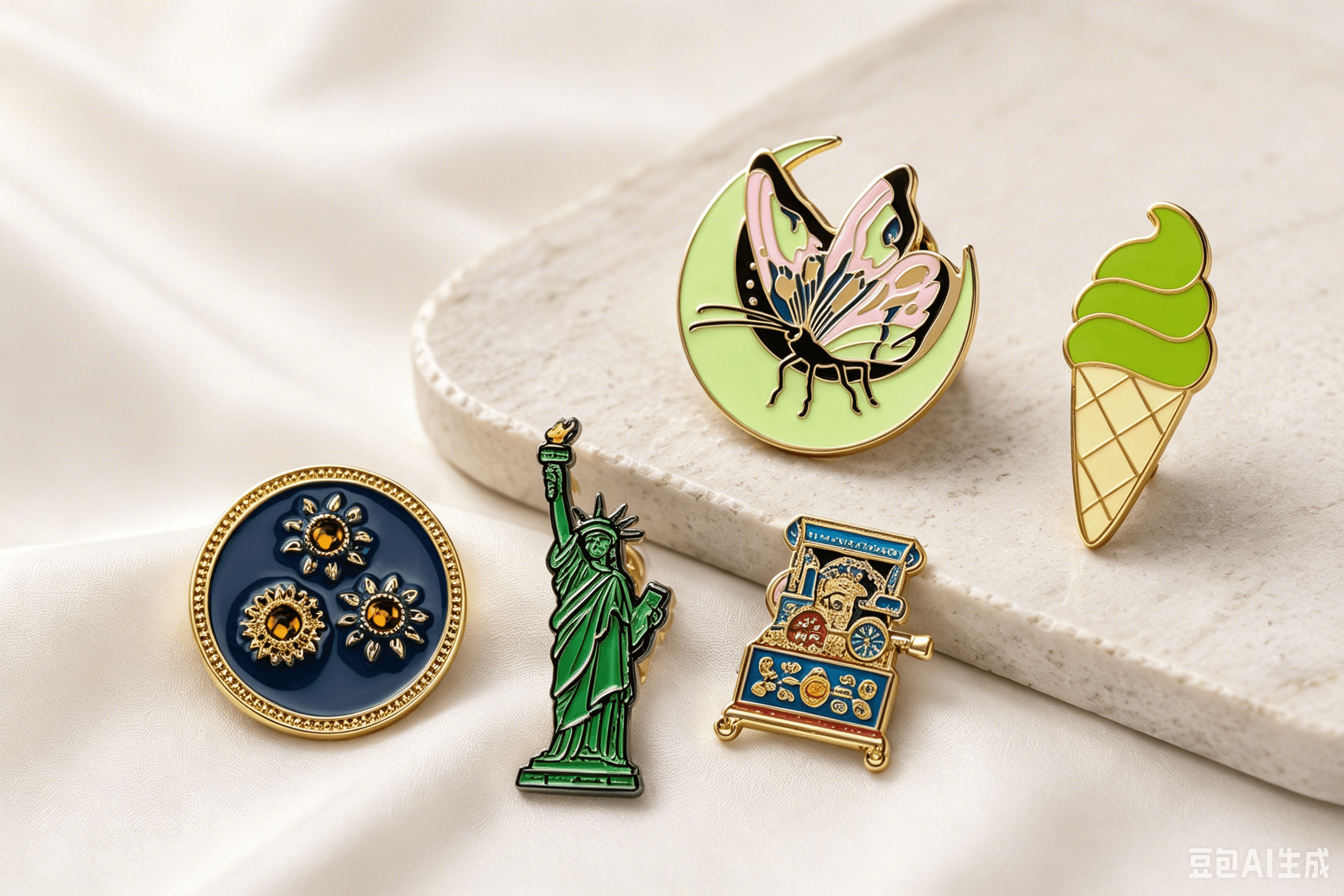
This article systematically explains the five most commonly used metal materials for custom pins: Copper, Zinc Alloy, Iron, Stainless Steel, and Stainless Iron, helping you quickly make the right choice.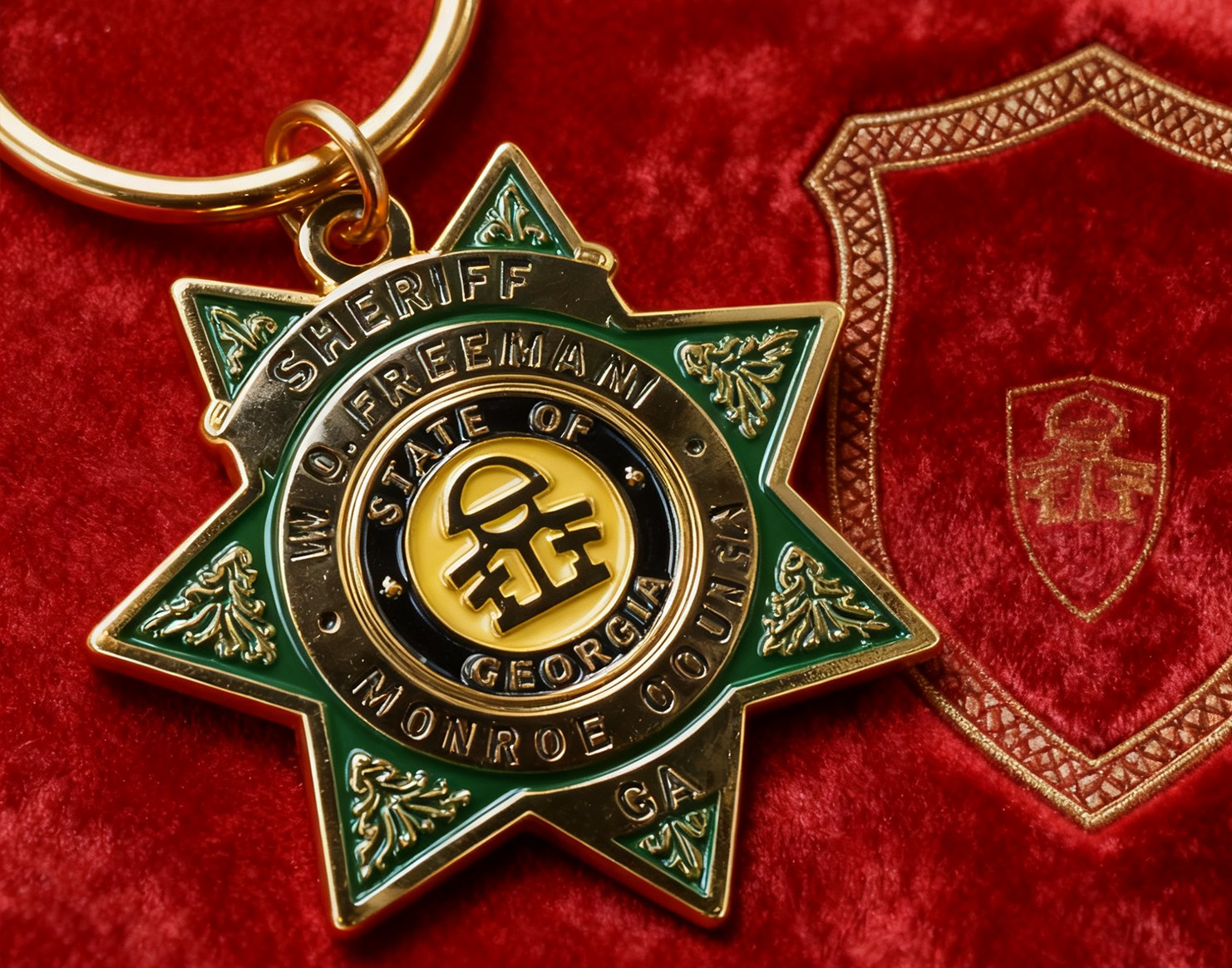
I: Quick Selection Guide – How to Choose the Right Pin Material
If you need a quick answer, you can refer to the following selection logic:
High-end quality, collectibles, long-term preservation → Copper
3D shapes, complex structures, custom designs → Zinc Alloy
Bulk orders, cost-effective standard pins → Iron
Photo pins, color printing, gradient designs → Stainless Steel / Stainless Iron
Balanced budget and quality → Zinc Alloy or Iron
II: Full Comparison of Five Types of Enamel Pin Materials
| Material | Quality | Manufacturing Process | 3D Complexity | Cost | Use Case |
| Copper | High | Enamel (soft/hard) | Medium–High | High | High-end commemorative pins, military badges |
| Zinc Alloy | High | Die casting / 3D molding | Medium–High | Medium | Custom shapes, 3D pins |
| Iron | Medium | Enamel / baking finish | Medium | Low | Promotional bulk orders |
| Stainless Steel | Medium–High | UV / silk screen printing | Medium | Medium | Logo pins, photo pins |
| Stainless Iron | Medium | UV printing | Medium | Low | Promotional giveaways |
III: Five Types of Enamel Pin Materials Explained
1. Copper——Premium Choice for High-End Enamel Pins
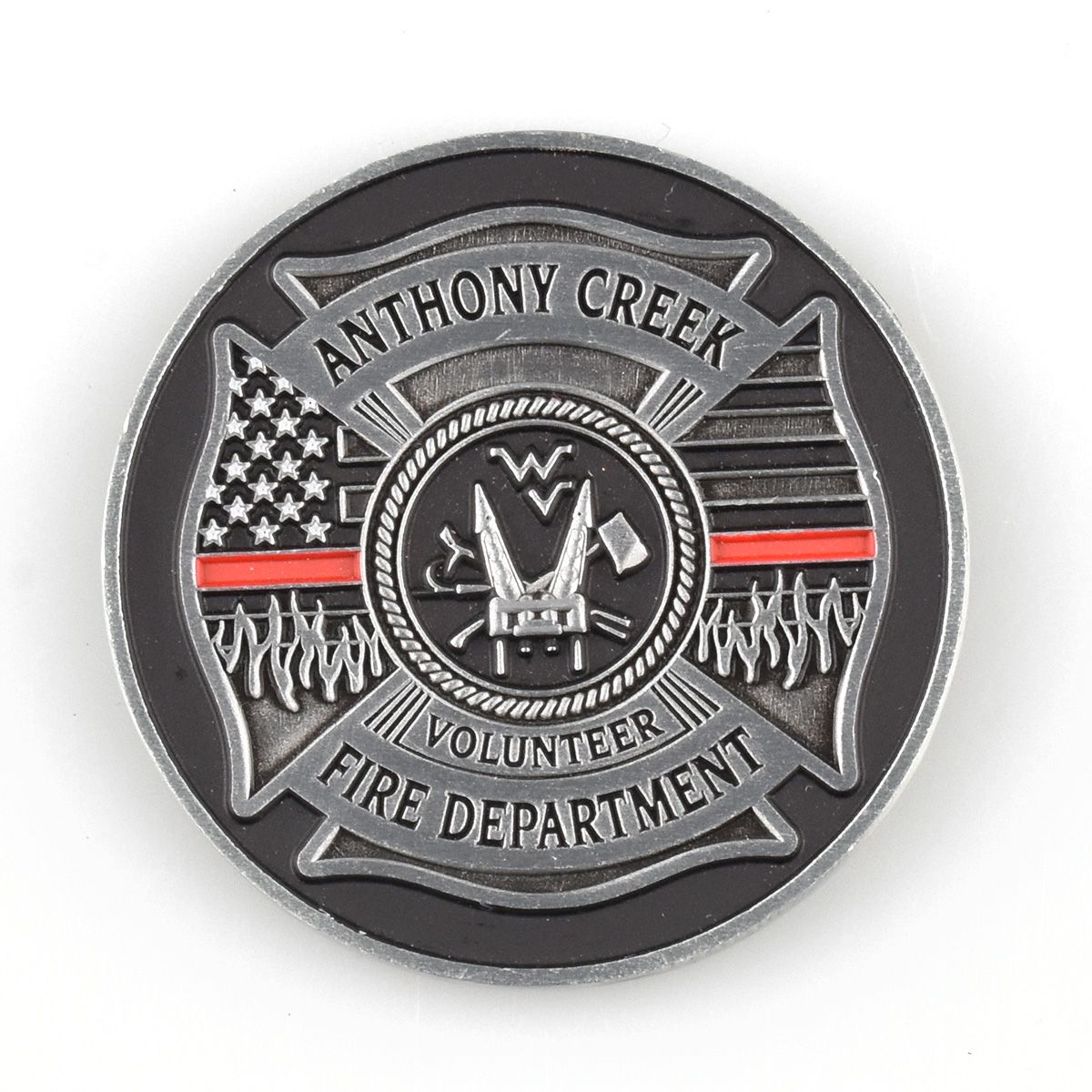
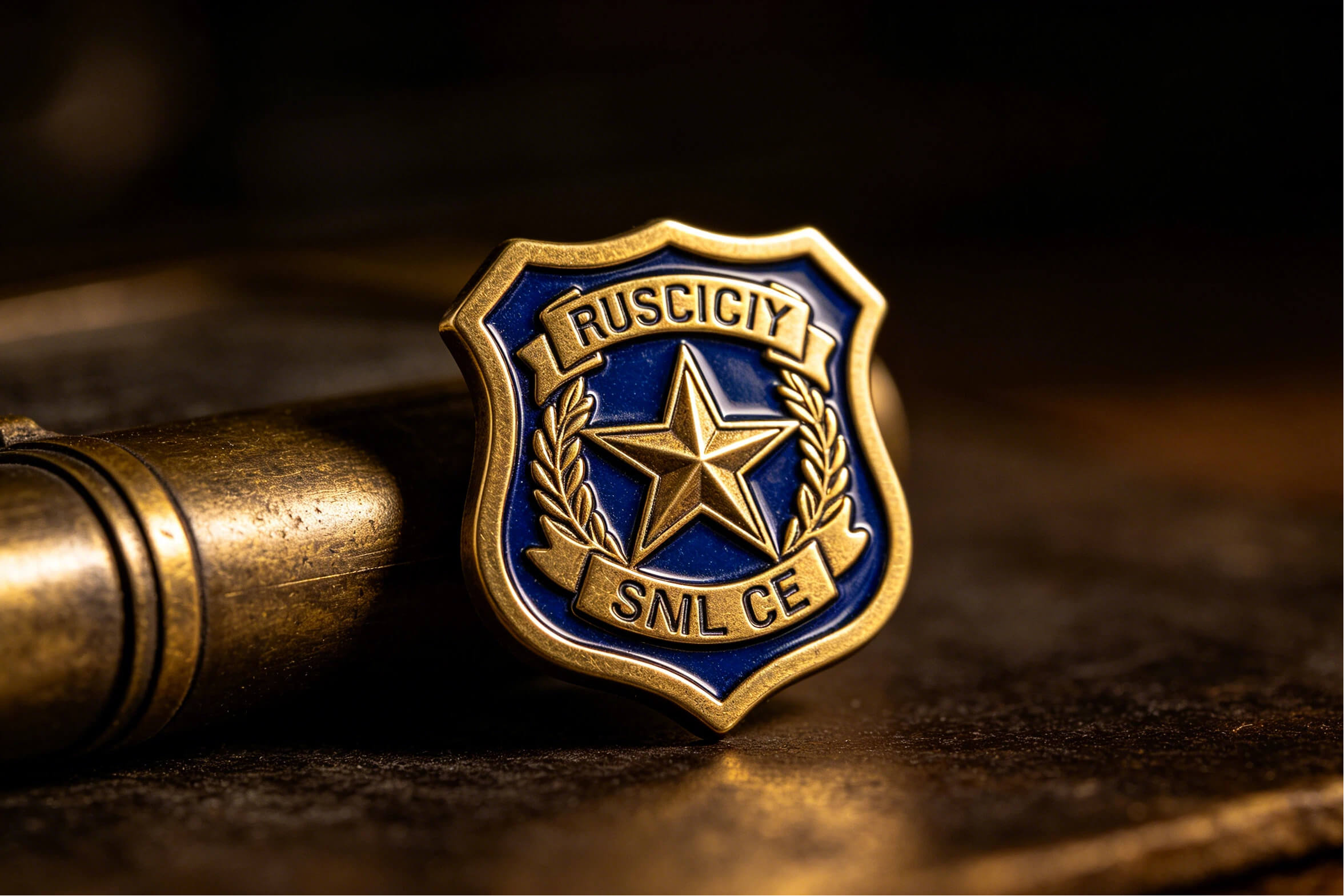
Copper is widely regarded as a premium material in custom pin manufacturing. It offers excellent ductility, strong detail performance, solid structure, and a high-end finish suitable for long-term preservation.
It can produce extremely fine line details and allows smooth enamel filling. It is commonly used for both soft enamel and hard enamel pins, especially for projects requiring high quality.
Use cases:
- Corporate commemorative pins
- Military badges
- High-end collectible pins
2. Zinc Alloy——Best Choice for 3D and Custom Shapes
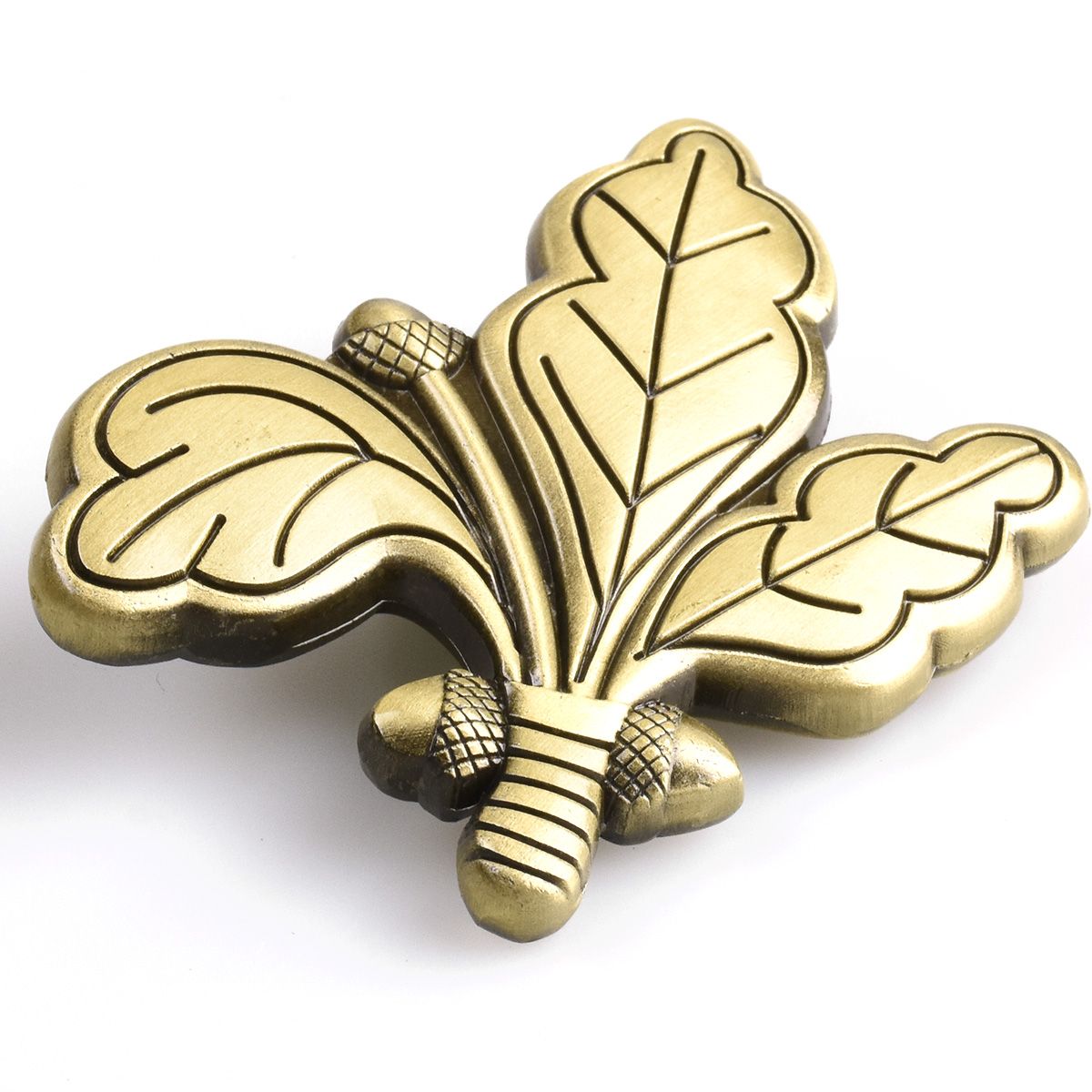
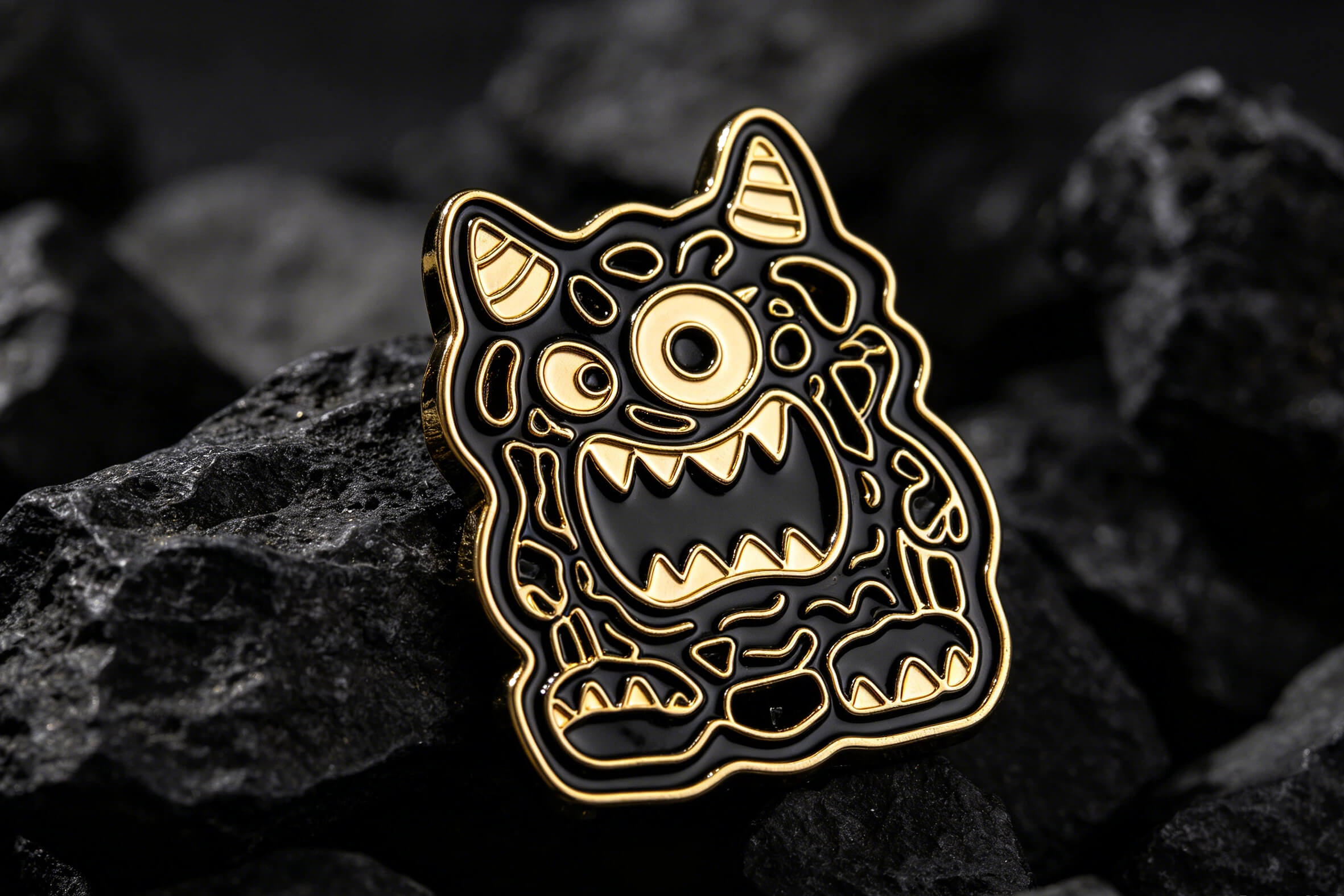
Zinc alloy is the most suitable material for complex designs. Through die-casting, it can achieve high-precision 3D structures, hollow designs, and irregular shapes. Strong forming ability
supports complex structures, and has lower cost than copper, making it suitable for creative designs. If your design is more artistic or 3D-oriented, zinc alloy is usually the best choice.
Use cases:
- IP character pins
- Custom-shaped products
3. Iron——Cost-Effective Choice for Large-Volume Production
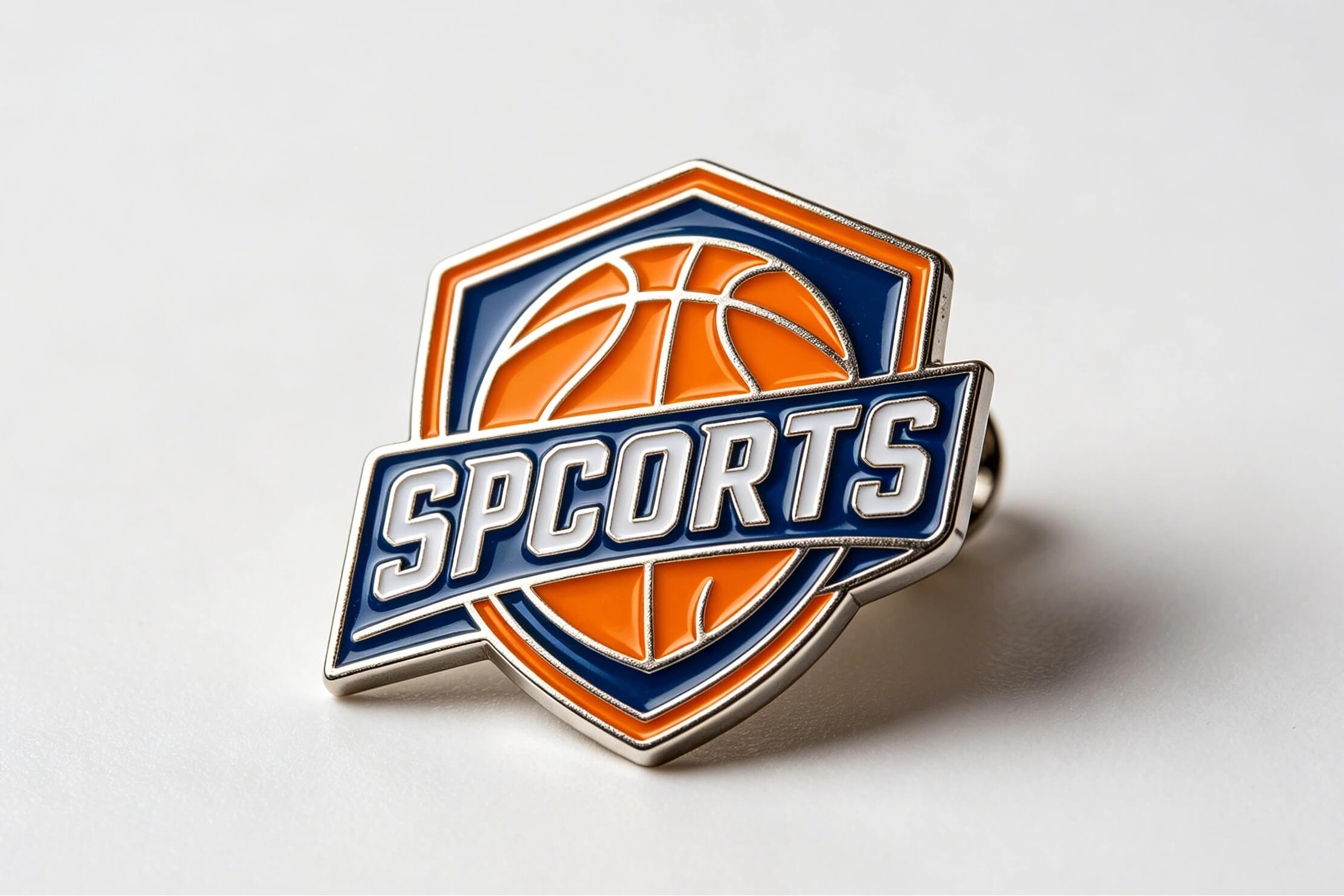
Iron is one of the most commonly used materials for mass production. It features low cost, high production efficiency, and stable performance, making it ideal for event and promotional bulk orders.
After electroplating and coloring, iron can still achieve a clean and neat appearance.
Use cases:
- Large event giveaways
- School badges
- Employee name badges
4. Stainless Iron——Budget-Friendly Promotional Option
Stainless iron is also a cost-effective metal material used for short-term promotional and mass production projects. It can also support color printing, but with lower overall cost and better budget efficiency.
Due to its economic advantage, stainless iron is commonly used for one-time events or short-term marketing campaigns.
Use cases:
- Promotional event pins
- Exhibition giveaways
- Short-term brand promotion
- Large-volume orders
★ (Difference from iron: slightly higher price and slightly better corrosion resistance)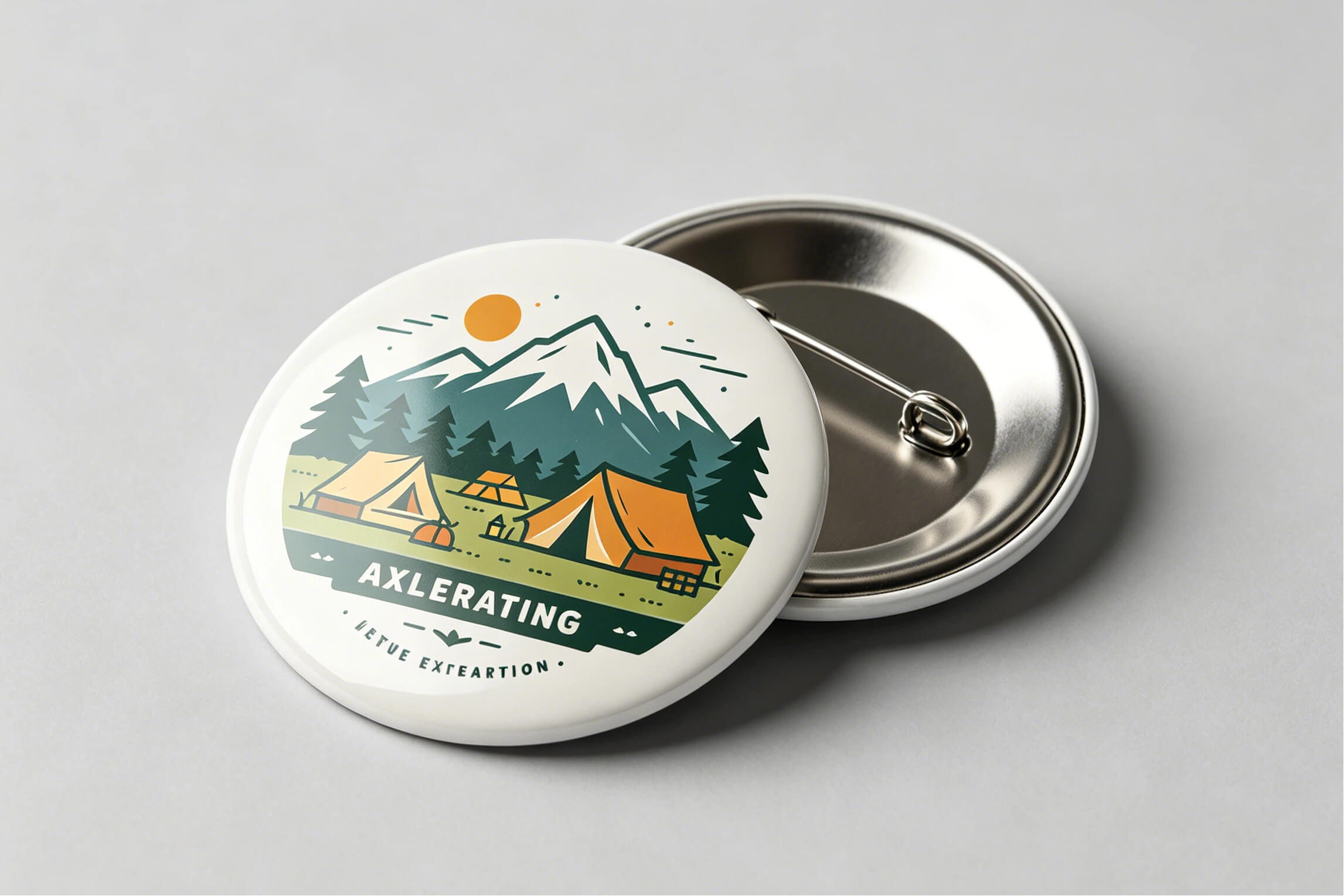
5. Stainless Steel——High-Definition Color Printing & Brand Pins
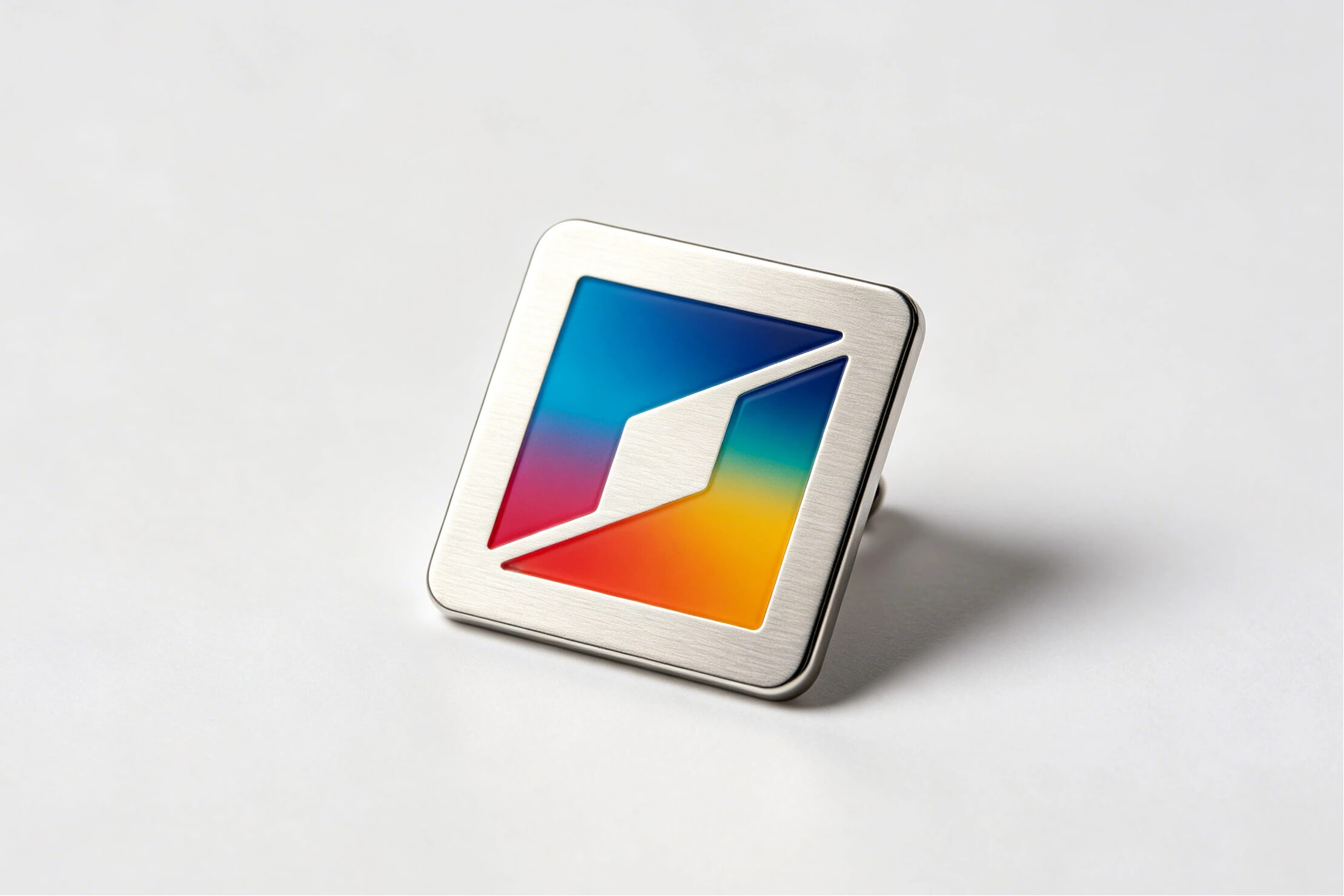
Stainless steel offers a cleaner, more modern appearance with high color accuracy and a smooth surface, making it ideal for detailed printing designs.
Therefore, it is widely used in brand and promotional pins.
Use cases:- Company logo pins
- Gradient design pins
- Photo pins
- Brand promotion & marketing pins
IV. Conclusion
There is no universal “best” material—only the most suitable choice for your project.If you are unsure which material fits your design, you can directly provide your artwork. A professional manufacturer can recommend the most suitable material based on structure, budget, and production requirements.