How to Order Custom Patches Online: A Step-by-Step Guide to Avoiding Common Pitfalls
Table of Contents


 Searching for a place to order custom patches online often feels overwhelming. Dozens of suppliers promise low prices, but the horror stories are everywhere: patches that arrive with colors completely wrong, logos that look nothing like the digital mockup, or — worst of all — shipments that miss the event entirely.
This guide exists to change that. Drawing on 20 years of manufacturing experience, we break down exactly how to order embroidered patches (or any patch type) with confidence. From design file preparation to rush delivery, you will learn the pitfalls to avoid and the questions to ask. At Maxemblem, we believe the best place to order custom patches is one that combines transparent processes, design expertise, and supply chain reliability. Let us walk you through the five essential steps.
Searching for a place to order custom patches online often feels overwhelming. Dozens of suppliers promise low prices, but the horror stories are everywhere: patches that arrive with colors completely wrong, logos that look nothing like the digital mockup, or — worst of all — shipments that miss the event entirely.
This guide exists to change that. Drawing on 20 years of manufacturing experience, we break down exactly how to order embroidered patches (or any patch type) with confidence. From design file preparation to rush delivery, you will learn the pitfalls to avoid and the questions to ask. At Maxemblem, we believe the best place to order custom patches is one that combines transparent processes, design expertise, and supply chain reliability. Let us walk you through the five essential steps.
Step 1: Define Your Design & Purpose — The Foundation of a Great Patch
Before you buy custom patches online, you must match the patch type to your application. A patch for a youth soccer team has different needs than one for a motorcycle club or a corporate uniform.
Before you buy custom patches online, you must match the patch type to your application. A patch for a youth soccer team has different needs than one for a motorcycle club or a corporate uniform.
Choosing the Right Patch Type: Embroidered, Woven, Chenille, or PVC?
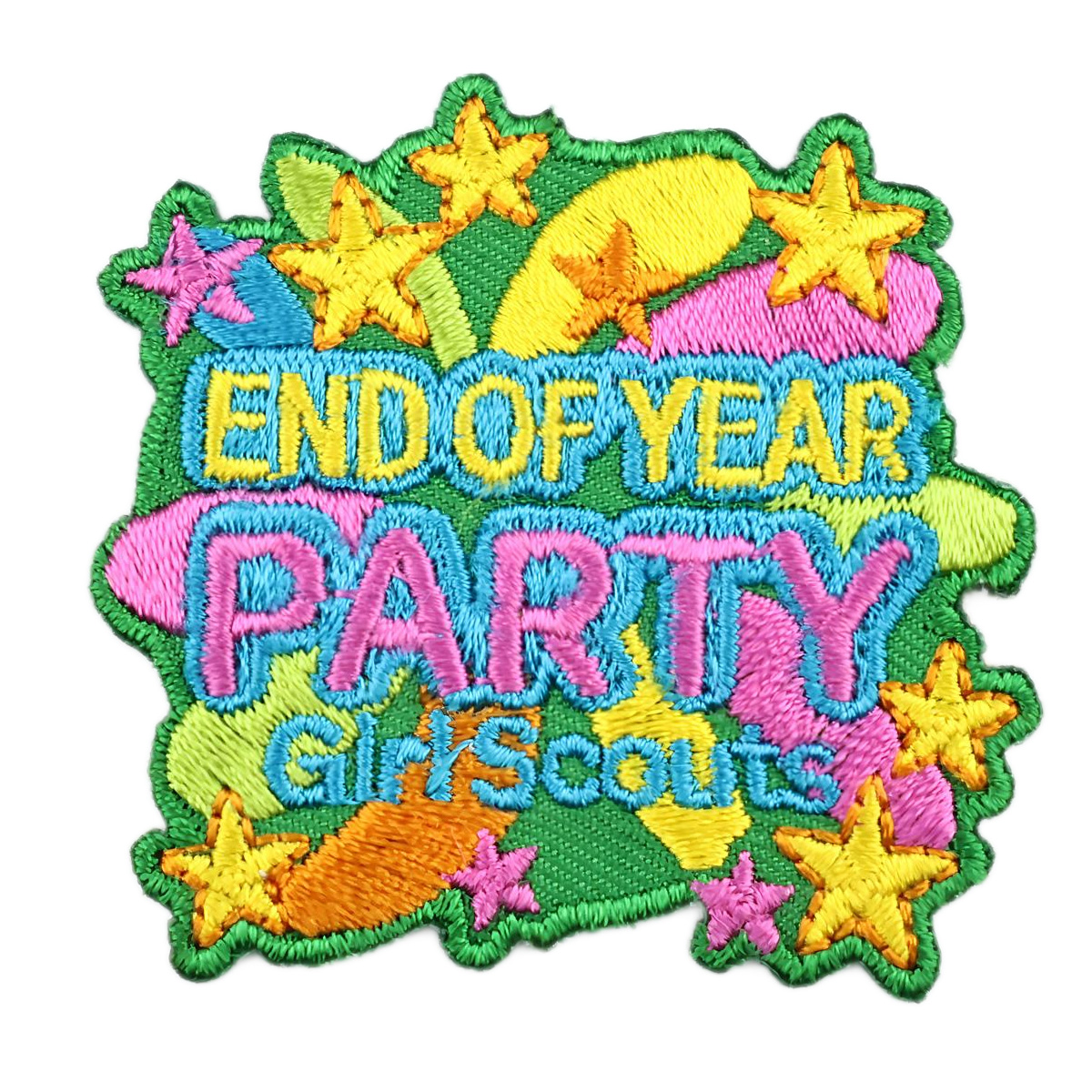
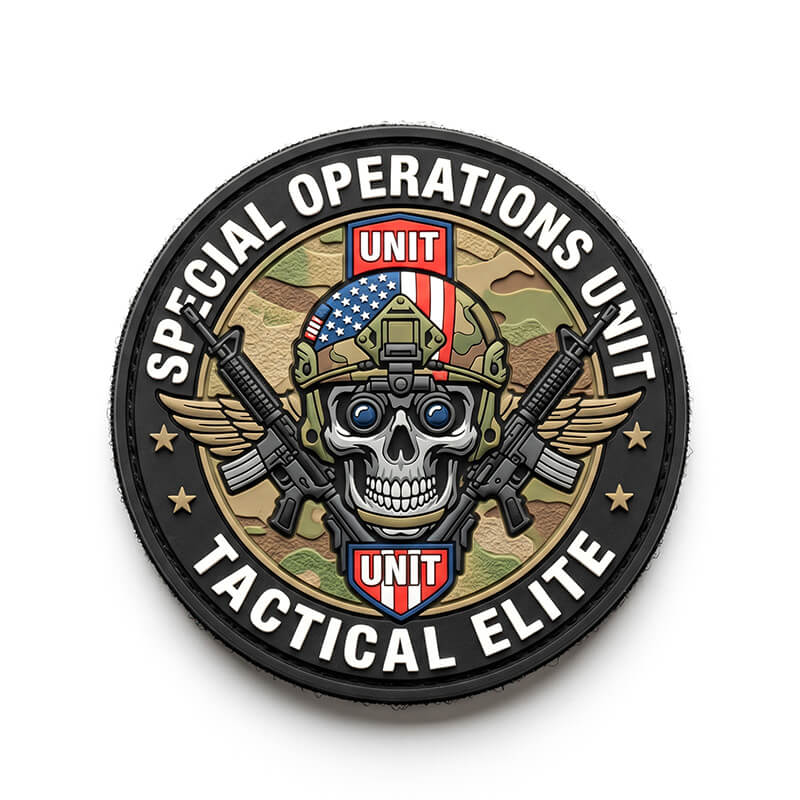
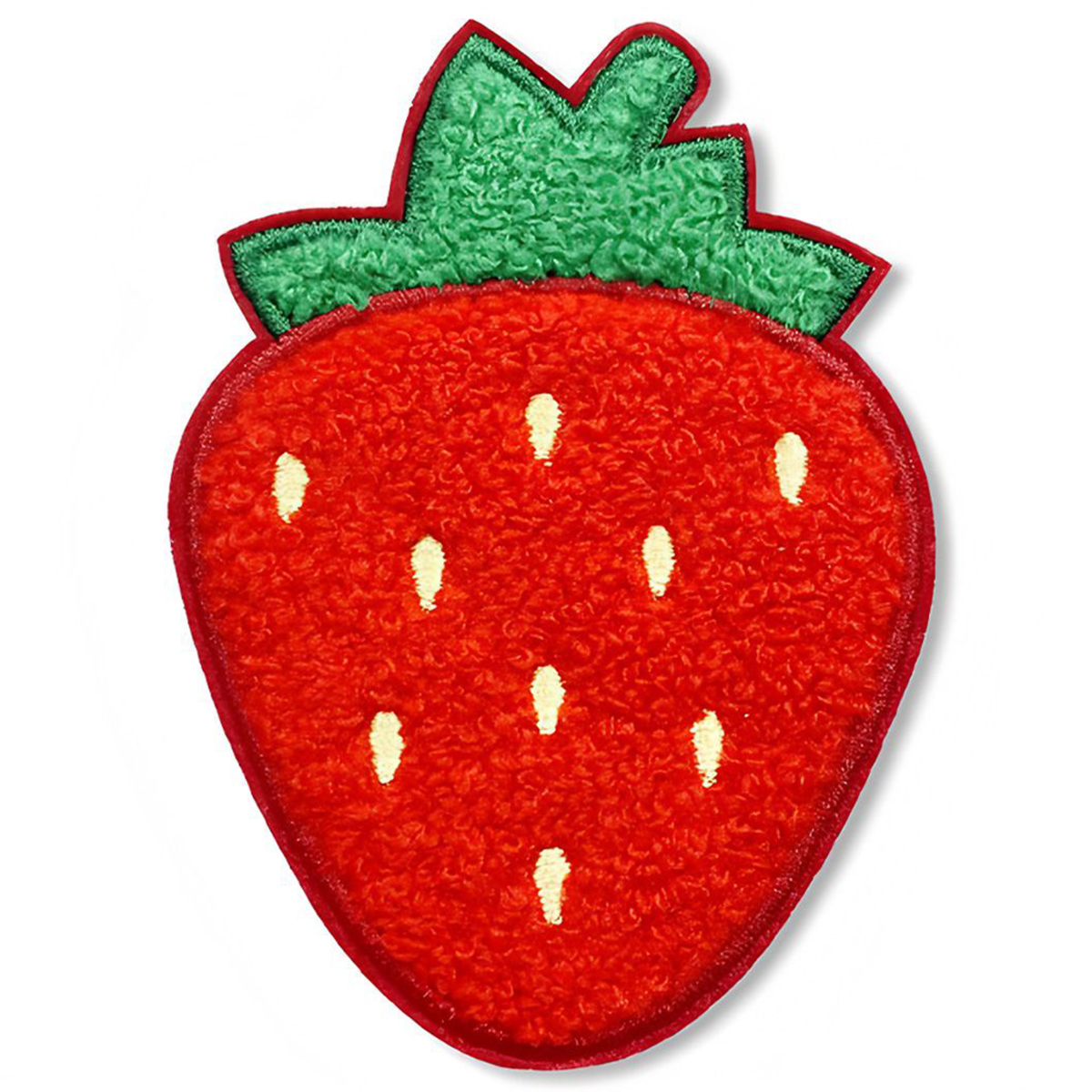
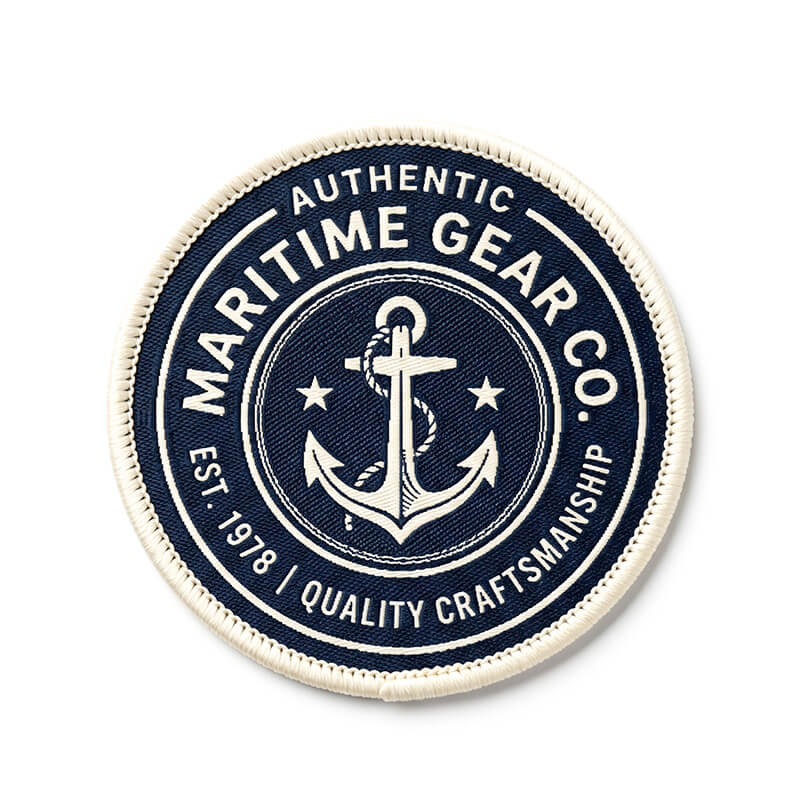
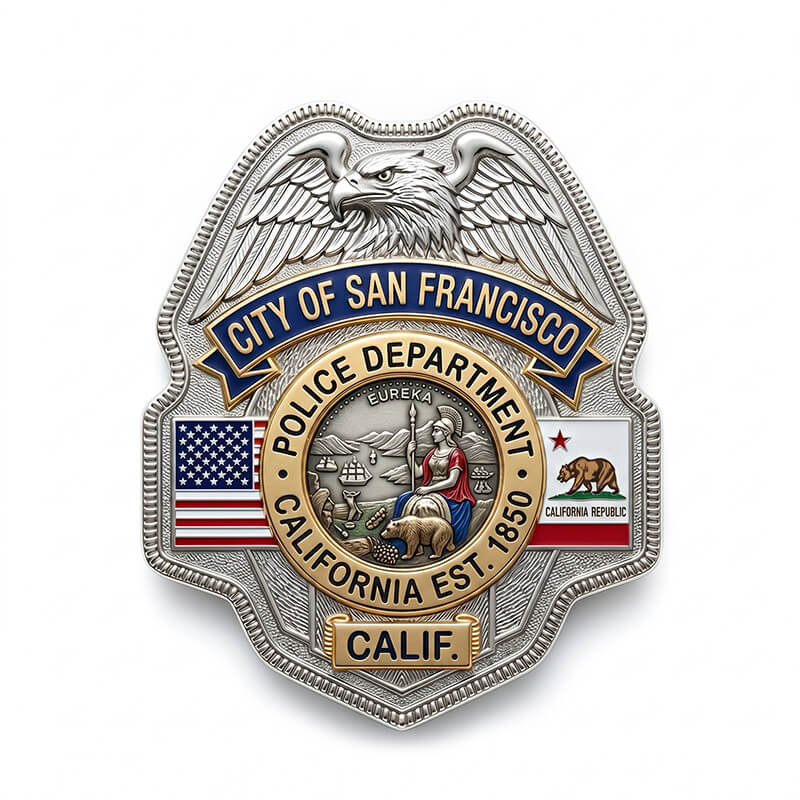
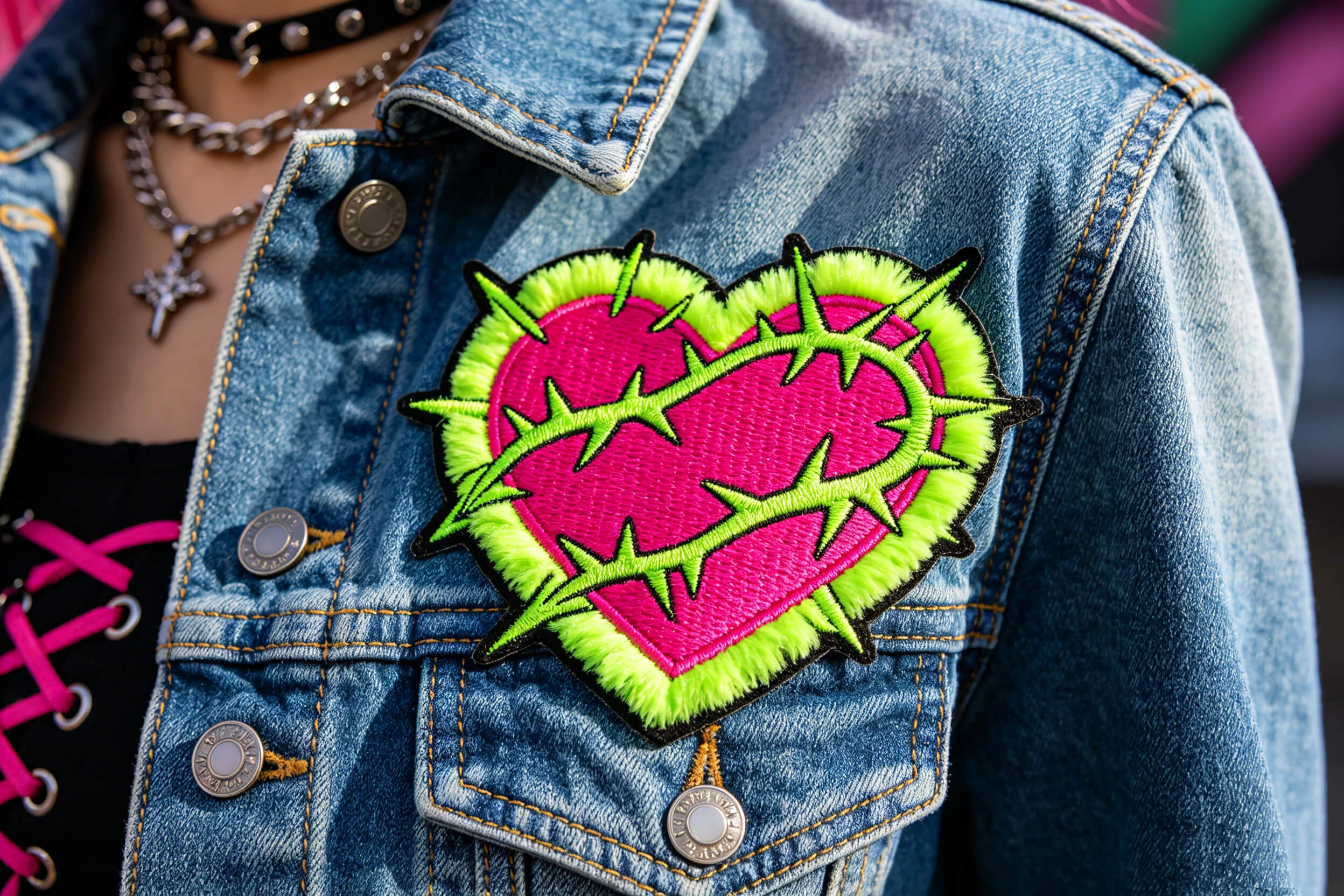
Embroidered patches are the classic choice — textured, durable, and excellent for logos with solid colors. They work for almost any application. Woven patches use thinner threads, allowing finer detail and smoother gradients; ideal for text‑heavy or intricate designs. Chenille patches feature a fluffy, raised texture, perfect for varsity jackets and retro streetwear. PVC patches are molded rubber — waterproof and 3D — best for outdoor gear or tactical use. When you order custom patches online, many suppliers assume you know the difference. We do not. Our design team asks about your use case (uniforms? giveaways? outdoor wear?) and recommends the optimal type. For a recent corporate event, a client wanted a photorealistic sunset logo; we guided them to printed patches instead of embroidery, saving them from a disappointing result.
Embroidered patches are the classic choice — textured, durable, and excellent for logos with solid colors. They work for almost any application. Woven patches use thinner threads, allowing finer detail and smoother gradients; ideal for text‑heavy or intricate designs. Chenille patches feature a fluffy, raised texture, perfect for varsity jackets and retro streetwear. PVC patches are molded rubber — waterproof and 3D — best for outdoor gear or tactical use. When you order custom patches online, many suppliers assume you know the difference. We do not. Our design team asks about your use case (uniforms? giveaways? outdoor wear?) and recommends the optimal type. For a recent corporate event, a client wanted a photorealistic sunset logo; we guided them to printed patches instead of embroidery, saving them from a disappointing result.
Pitfall to Avoid: Overly Complex Fine Lines in Embroidery
Embroidery uses thread, which has thickness (typically 0.3mm to 0.5mm). If your design contains lines thinner than 1mm or text smaller than 6pt, those details will blur or disappear. A responsible supplier will flag this during artwork review. Maxemblem provides a free design audit: we circle problematic areas and suggest modifications (e.g., thickening strokes, simplifying gradients) that maintain the visual intent while ensuring manufacturability. We also offer a “vector restoration” service for low‑resolution client files. Do not assume your logo will translate perfectly — always ask for a digitized preview.
Embroidery uses thread, which has thickness (typically 0.3mm to 0.5mm). If your design contains lines thinner than 1mm or text smaller than 6pt, those details will blur or disappear. A responsible supplier will flag this during artwork review. Maxemblem provides a free design audit: we circle problematic areas and suggest modifications (e.g., thickening strokes, simplifying gradients) that maintain the visual intent while ensuring manufacturability. We also offer a “vector restoration” service for low‑resolution client files. Do not assume your logo will translate perfectly — always ask for a digitized preview.
Step 2: Select Materials & Specifications — Where Identity Takes Shape
Material choices directly affect perceived quality, durability, and cost. Here is how to navigate them when you order patches online.
Material choices directly affect perceived quality, durability, and cost. Here is how to navigate them when you order patches online.
The Identity Factor: How Leather Patches Elevate Brand Perception
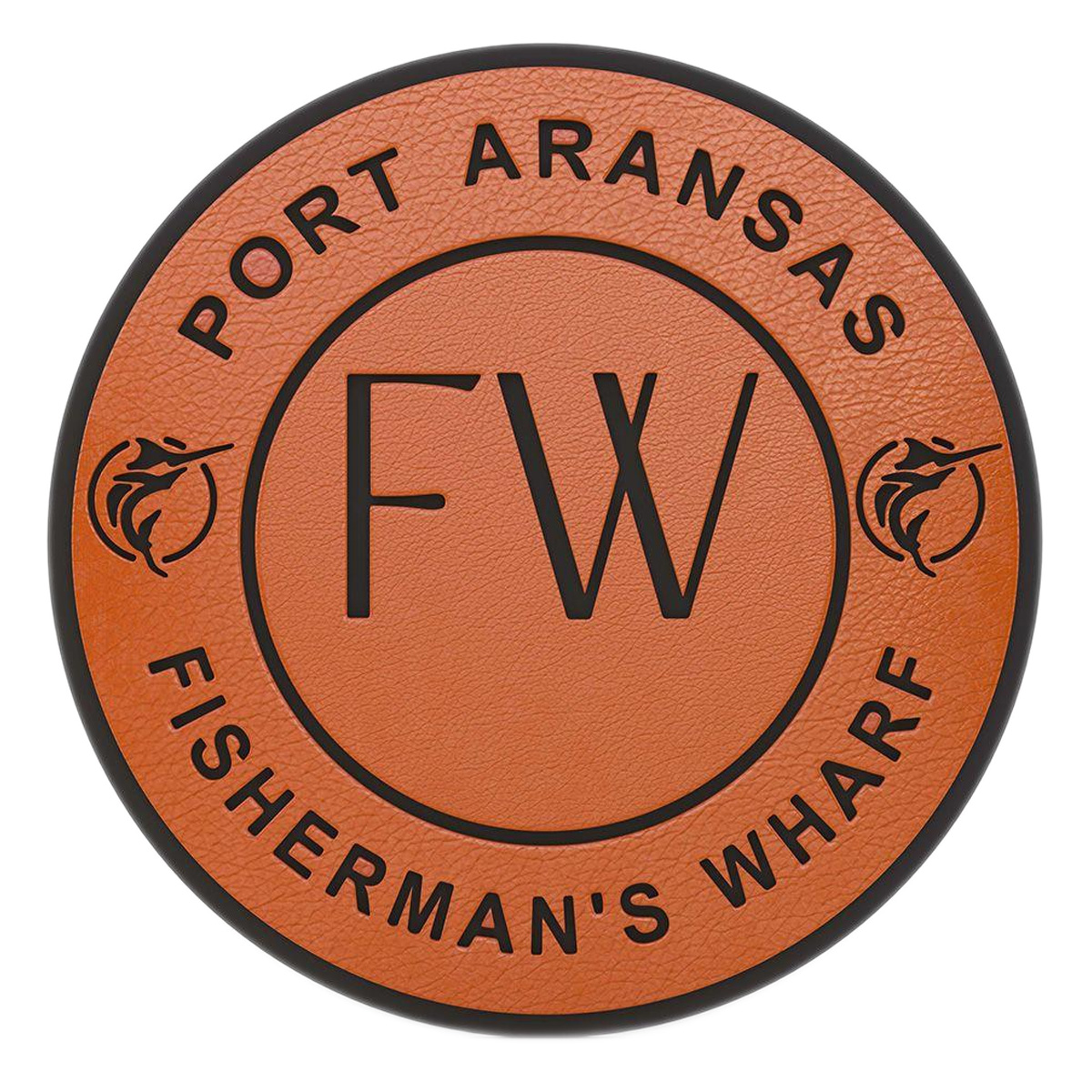
For hats, bags, and premium apparel, leather patches communicate craftsmanship and heritage. Genuine leather develops a beautiful patina; synthetic leather offers consistency and vegan appeal. When you order custom patches online for a brand that wants to stand out, leather is a strategic choice. It adds weight (literal and figurative) to your product. For a startup whiskey brand, we produced debossed leather patches for their caps — the tactile experience matched the premium liquid inside. For a sustainable outdoor label, we used recycled PU leather with laser‑engraved logos. Maxemblem offers 20+ leather colors and finishes; request a swatch binder to feel the difference.
For hats, bags, and premium apparel, leather patches communicate craftsmanship and heritage. Genuine leather develops a beautiful patina; synthetic leather offers consistency and vegan appeal. When you order custom patches online for a brand that wants to stand out, leather is a strategic choice. It adds weight (literal and figurative) to your product. For a startup whiskey brand, we produced debossed leather patches for their caps — the tactile experience matched the premium liquid inside. For a sustainable outdoor label, we used recycled PU leather with laser‑engraved logos. Maxemblem offers 20+ leather colors and finishes; request a swatch binder to feel the difference.
Backing Options: Iron‑On, Velcro, Sew‑On, or Adhesive?
Iron‑on (heat‑seal): Fastest for mass production, bonds permanently to cotton or poly‑cotton fabrics. Not recommended for nylon or foam‑backed hats.
Velcro (hook‑and‑loop): Allows patch removal and reattachment — popular for tactical gear, scouts, and uniforms where patches are swapped.
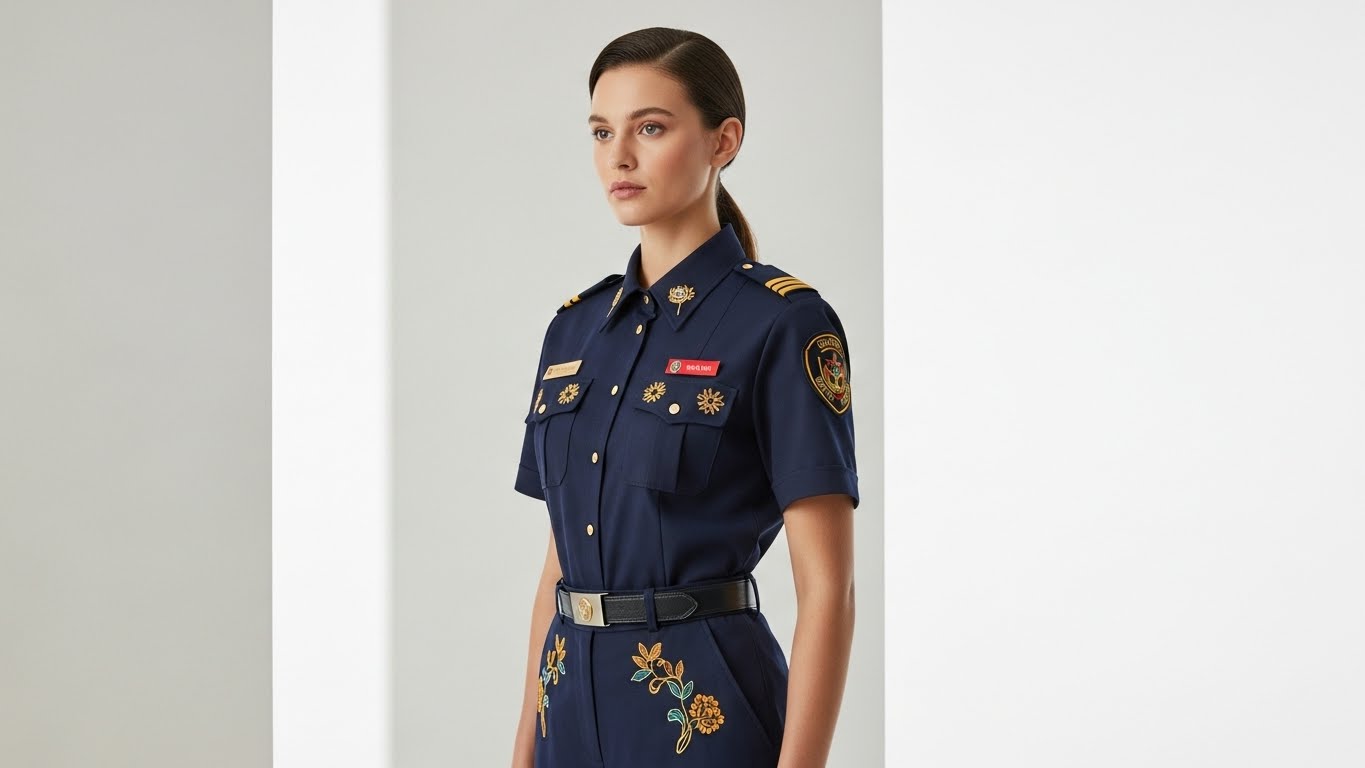
Sew‑on: Most durable, works on any fabric, but requires labor. Ideal for workwear or items that will be washed frequently.
Pressure‑sensitive adhesive (peel and stick): Convenient for temporary applications or small batches, but less permanent.
When you order embroidered patches for a youth sports league, sew‑on or iron‑on is best. For a corporate event lanyard, adhesive might suffice. We provide backing samples and adhesion test videos so you can decide with confidence.
Want to learn more about chenille patches? Read our complete guide: Custom Chenille Patches: Embroidery Guide, Benefits & Custom Uses.
Iron‑on (heat‑seal): Fastest for mass production, bonds permanently to cotton or poly‑cotton fabrics. Not recommended for nylon or foam‑backed hats.
Velcro (hook‑and‑loop): Allows patch removal and reattachment — popular for tactical gear, scouts, and uniforms where patches are swapped.
Sew‑on: Most durable, works on any fabric, but requires labor. Ideal for workwear or items that will be washed frequently.
Pressure‑sensitive adhesive (peel and stick): Convenient for temporary applications or small batches, but less permanent.
When you order embroidered patches for a youth sports league, sew‑on or iron‑on is best. For a corporate event lanyard, adhesive might suffice. We provide backing samples and adhesion test videos so you can decide with confidence.
Want to learn more about chenille patches? Read our complete guide: Custom Chenille Patches: Embroidery Guide, Benefits & Custom Uses.
Step 3: Get a Transparent Quote & Approve a Digital Proof
Hidden fees and unexpected charges are a top complaint when people order custom patches online. A professional quote should itemize everything.
Hidden fees and unexpected charges are a top complaint when people order custom patches online. A professional quote should itemize everything.
Transparent Pricing: Digitization, Per‑Unit, and Shipping
Every custom patch requires a one‑time digitization fee (converting your artwork into stitch instructions), typically $25‑$80. Per‑unit pricing depends on size, stitch count, and quantity. Additional costs: backing upgrades ($0.30‑$1.00 per patch), custom edge finishing, and shipping. A trustworthy supplier provides an itemized quote before you pay anything. At Maxemblem, our quotes are binding — what we show is what you pay. We also offer tiered pricing at 100, 250, 500, 1,000, and 2,500 pieces, so you can see exactly how scaling up reduces per‑unit cost. For bulk custom patches online, we can also provide DDP (Delivered Duty Paid) shipping to select countries, removing customs surprises.
Every custom patch requires a one‑time digitization fee (converting your artwork into stitch instructions), typically $25‑$80. Per‑unit pricing depends on size, stitch count, and quantity. Additional costs: backing upgrades ($0.30‑$1.00 per patch), custom edge finishing, and shipping. A trustworthy supplier provides an itemized quote before you pay anything. At Maxemblem, our quotes are binding — what we show is what you pay. We also offer tiered pricing at 100, 250, 500, 1,000, and 2,500 pieces, so you can see exactly how scaling up reduces per‑unit cost. For bulk custom patches online, we can also provide DDP (Delivered Duty Paid) shipping to select countries, removing customs surprises.
Why a Digital Proof Is Non‑Negotiable
A digital proof (also called a digitized mockup) shows you exactly how your design will stitch out — color placement, stitch direction, and text legibility. Never approve production without one. Many low‑cost suppliers skip this step or provide a generic stock image. At Maxemblem, we provide a free, high‑resolution digital proof within 2 business days. You can request changes (e.g., “make the border thicker,” “change this red to burgundy”) until you are 100% satisfied. Only then do we proceed to tooling. This “design‑first” approach is why we are consistently rated as a best place to order custom patches for organizations that value quality.
A digital proof (also called a digitized mockup) shows you exactly how your design will stitch out — color placement, stitch direction, and text legibility. Never approve production without one. Many low‑cost suppliers skip this step or provide a generic stock image. At Maxemblem, we provide a free, high‑resolution digital proof within 2 business days. You can request changes (e.g., “make the border thicker,” “change this red to burgundy”) until you are 100% satisfied. Only then do we proceed to tooling. This “design‑first” approach is why we are consistently rated as a best place to order custom patches for organizations that value quality.
What Every Custom Patch Buyer Must Know: Price, Size, Craftsmanship & Design
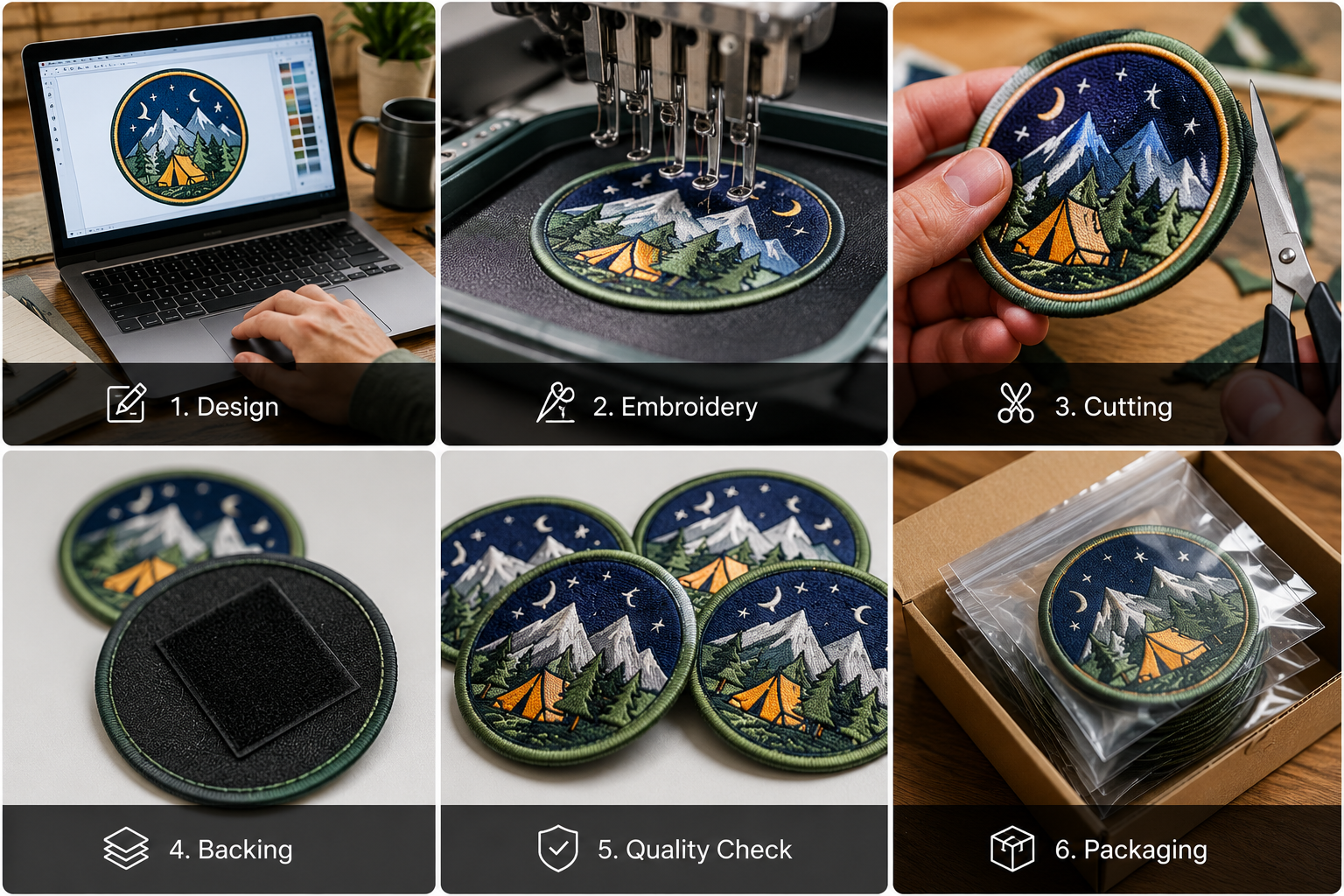
Even experienced purchasers can be surprised by patch manufacturing nuances. This section explains the four variables that determine cost and quality — so you can make informed decisions when you order custom patches online.
Even experienced purchasers can be surprised by patch manufacturing nuances. This section explains the four variables that determine cost and quality — so you can make informed decisions when you order custom patches online.
1. Price Components: Digitization + Per‑Patch + Backing + Shipping
Every custom patch order includes: digitization (one‑time, $25‑$80), per‑patch production (varies by size, stitch count, colors), backing (iron‑on, Velcro, adhesive add $0.30‑$1.00 per patch), and shipping. For PVC patches, there is a mold fee ($80‑$200). Always ask for an itemized quote. For bulk custom patches online in quantities of 500+, per‑unit costs typically range from $0.80 to $3.00.
Every custom patch order includes: digitization (one‑time, $25‑$80), per‑patch production (varies by size, stitch count, colors), backing (iron‑on, Velcro, adhesive add $0.30‑$1.00 per patch), and shipping. For PVC patches, there is a mold fee ($80‑$200). Always ask for an itemized quote. For bulk custom patches online in quantities of 500+, per‑unit costs typically range from $0.80 to $3.00.
2. Size & Its Impact on Cost and Detail
Patch size directly affects stitch count and material use. Common sizes: 2" (caps), 3" (chest logos), 4" (jacket backs). Doubling the diameter roughly quadruples the stitch count and cost. For text‑heavy designs, we recommend a minimum of 3" for legibility. For small patches (under 2"), consider woven or printed patches instead of embroidery. Our design team provides size‑to‑detail recommendations before you commit.
Patch size directly affects stitch count and material use. Common sizes: 2" (caps), 3" (chest logos), 4" (jacket backs). Doubling the diameter roughly quadruples the stitch count and cost. For text‑heavy designs, we recommend a minimum of 3" for legibility. For small patches (under 2"), consider woven or printed patches instead of embroidery. Our design team provides size‑to‑detail recommendations before you commit.
3. Craftsmanship: Embroidery, Woven, PVC, or Sublimation?
Embroidery: Classic texture, durable, best for solid colors. Woven: Finer detail, smoother gradients, ideal for small text. PVC: Waterproof, 3D molded, best for outdoor/tactical. Sublimation (printed): Photorealistic, unlimited colors, but less texture. Each has trade‑offs in cost (PVC highest), durability (PVC highest, woven medium), and lead time (sublimation fastest). We maintain comparison samples for all four types — request a sample pack.
Different crafting techniques yield unique visual effects. Click the article below for full details: The Difference Between Five Patch Styles
Embroidery: Classic texture, durable, best for solid colors. Woven: Finer detail, smoother gradients, ideal for small text. PVC: Waterproof, 3D molded, best for outdoor/tactical. Sublimation (printed): Photorealistic, unlimited colors, but less texture. Each has trade‑offs in cost (PVC highest), durability (PVC highest, woven medium), and lead time (sublimation fastest). We maintain comparison samples for all four types — request a sample pack.
Different crafting techniques yield unique visual effects. Click the article below for full details: The Difference Between Five Patch Styles
4. Design Complexity & Digitization Nuances
Simple logos with 3‑5 colors digitize quickly and stitch cleanly. Complex designs with gradients, drop shadows, or fine lines (under 1mm) require expert digitizing — otherwise, they emerge distorted. Professional suppliers provide a design audit before quoting, flagging potential issues. For example, they might recommend merging similar colors to reduce thread changes, lowering cost without visible difference. At Maxemblem, our digitizers have an average of 12 years of experience. We also offer a "vector restoration" service for low‑resolution client artwork.
Note on Digitization & Mold Fees for Small Batches: Every custom patch design requires a one‑time digitization fee (or mold fee for PVC). For smaller orders (50‑200 pieces), this fixed cost increases per‑unit price. For larger annual programs, we offer a "first order digitization credit" — the fee is waived on reorders. Contact us for a transparent quote that separates fixed setup from variable production costs. No hidden fees.
Simple logos with 3‑5 colors digitize quickly and stitch cleanly. Complex designs with gradients, drop shadows, or fine lines (under 1mm) require expert digitizing — otherwise, they emerge distorted. Professional suppliers provide a design audit before quoting, flagging potential issues. For example, they might recommend merging similar colors to reduce thread changes, lowering cost without visible difference. At Maxemblem, our digitizers have an average of 12 years of experience. We also offer a "vector restoration" service for low‑resolution client artwork.
Note on Digitization & Mold Fees for Small Batches: Every custom patch design requires a one‑time digitization fee (or mold fee for PVC). For smaller orders (50‑200 pieces), this fixed cost increases per‑unit price. For larger annual programs, we offer a "first order digitization credit" — the fee is waived on reorders. Contact us for a transparent quote that separates fixed setup from variable production costs. No hidden fees.
Quick Comparison: Which Patch Type Fits Your Project?
*MOQ varies by complexity. Rush options available for embroidery and woven (5‑7 days). PVC requires mold creation (adds 5‑7 days).
*MOQ varies by complexity. Rush options available for embroidery and woven (5‑7 days). PVC requires mold creation (adds 5‑7 days).
Step 4: Production & Quality Control — What Happens Behind the Scenes
Once you approve the digital proof, production begins. Here is what a responsible manufacturer does to ensure your patches meet expectations.
Once you approve the digital proof, production begins. Here is what a responsible manufacturer does to ensure your patches meet expectations.
In‑House Quality Control: From Thread Tension to Edge Finishing
At Maxemblem, we maintain a multi‑point QC checklist: thread tension (too loose = looping, too tight = fabric puckering), color matching (against Pantone® references), backing adhesion (peel test for iron‑on), and edge trimming (merrowed or laser‑cut). We also check for loose threads and misaligned borders. For bulk custom patches online, we inspect a random sample from every batch. If the sample fails any point, we re‑run the entire batch. This commitment to quality is why we have a customer retention rate above 90%. When you order embroidered patches from us, you receive a finished product that matches the approved proof — not a “close enough” approximation.
At Maxemblem, we maintain a multi‑point QC checklist: thread tension (too loose = looping, too tight = fabric puckering), color matching (against Pantone® references), backing adhesion (peel test for iron‑on), and edge trimming (merrowed or laser‑cut). We also check for loose threads and misaligned borders. For bulk custom patches online, we inspect a random sample from every batch. If the sample fails any point, we re‑run the entire batch. This commitment to quality is why we have a customer retention rate above 90%. When you order embroidered patches from us, you receive a finished product that matches the approved proof — not a “close enough” approximation.
Compliance: Environmental & Intellectual Property Standards
Low‑cost suppliers sometimes use non‑compliant dyes (e.g., azo, lead) or produce unlicensed logos. At Maxemblem, we require proof of trademark or written authorization for branded designs. We also maintain REACH and RoHS compliance for all materials. For a global sportswear brand, we provided full documentation showing our threads were free of restricted substances. This protected them from customs holds and reputational risk. When you buy custom patches online, always ask: “Can you provide compliance certificates for your materials?” If the supplier hesitates, consider that a red flag.
Low‑cost suppliers sometimes use non‑compliant dyes (e.g., azo, lead) or produce unlicensed logos. At Maxemblem, we require proof of trademark or written authorization for branded designs. We also maintain REACH and RoHS compliance for all materials. For a global sportswear brand, we provided full documentation showing our threads were free of restricted substances. This protected them from customs holds and reputational risk. When you buy custom patches online, always ask: “Can you provide compliance certificates for your materials?” If the supplier hesitates, consider that a red flag.
Step 5: Delivery & Rush Orders — When Every Day Counts
Events do not always follow a perfect timeline. Here is how to handle urgent needs when you order custom patches online.
Events do not always follow a perfect timeline. Here is how to handle urgent needs when you order custom patches online.
The Pain Point: Seasonal Campaigns & Fixed Event Dates
A delayed patch shipment can mean empty shelves for a product launch or missing patches for a conference. That is why supply chain reliability is critical. At Maxemblem, we track on‑time delivery rigorously: over 90% of our orders (including rush) arrive by the committed date. We do not claim 100% — because raw material delays or shipping disruptions happen — but we communicate proactively. If a delay is possible, we inform you within 48 hours, offering split shipments (air freight a portion) or alternative backing options to speed production.
A delayed patch shipment can mean empty shelves for a product launch or missing patches for a conference. That is why supply chain reliability is critical. At Maxemblem, we track on‑time delivery rigorously: over 90% of our orders (including rush) arrive by the committed date. We do not claim 100% — because raw material delays or shipping disruptions happen — but we communicate proactively. If a delay is possible, we inform you within 48 hours, offering split shipments (air freight a portion) or alternative backing options to speed production.
Rush Service: 5‑7 Day Production for Urgent Needs
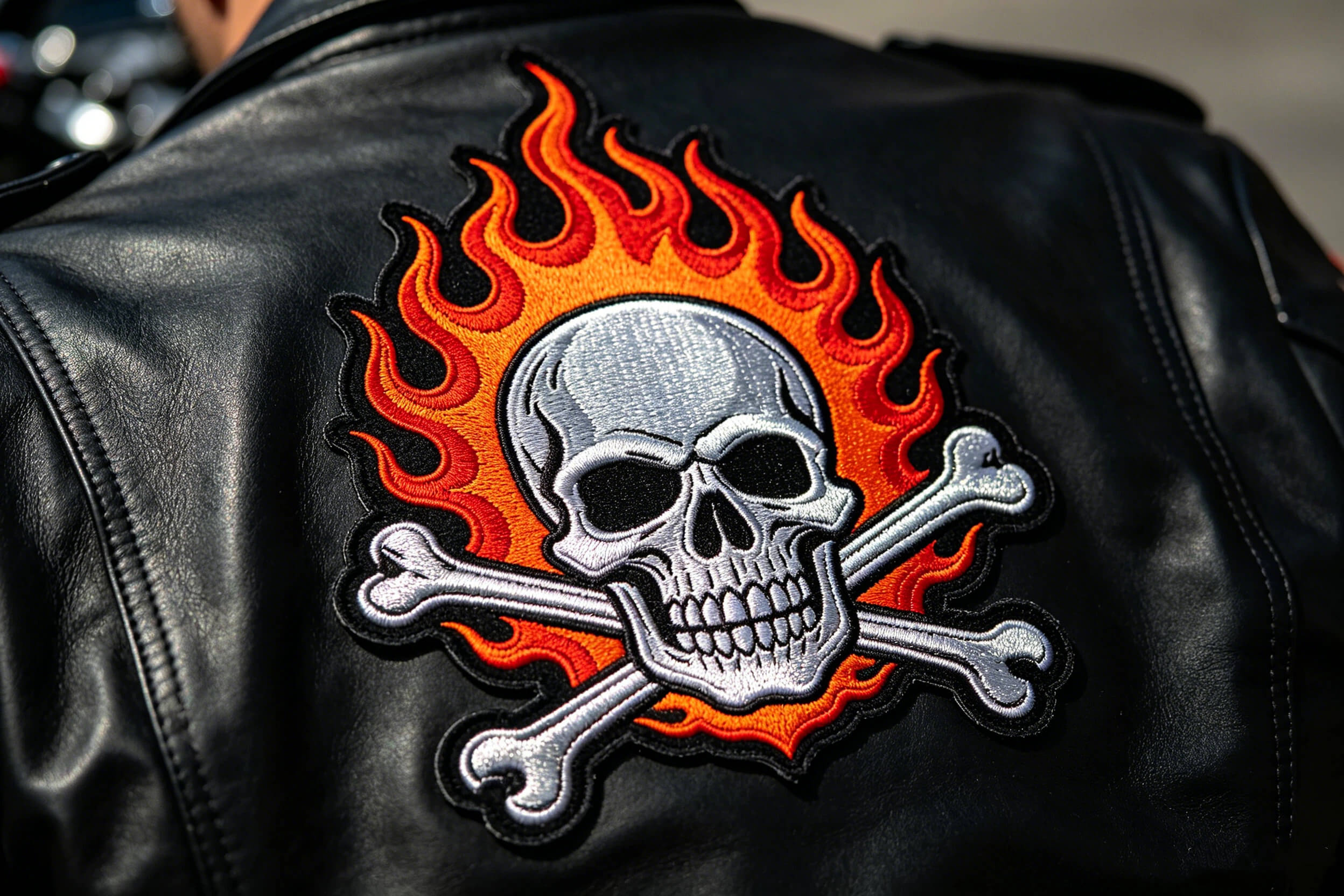
For qualifying designs (simple embroidery or woven patches, standard sizes, no complex digitization), we offer a rush service that delivers in 5‑7 business days after artwork approval. This is not an extra‑cost gimmick — we maintain dedicated production lines for expedited orders. For a recent non‑profit gala, we produced 300 embroidered patches in 6 days, enabling the client to include them in VIP gift bags. When you order custom patches online for a tight deadline, always confirm rush feasibility before placing the order. We will be honest about what is achievable.
For qualifying designs (simple embroidery or woven patches, standard sizes, no complex digitization), we offer a rush service that delivers in 5‑7 business days after artwork approval. This is not an extra‑cost gimmick — we maintain dedicated production lines for expedited orders. For a recent non‑profit gala, we produced 300 embroidered patches in 6 days, enabling the client to include them in VIP gift bags. When you order custom patches online for a tight deadline, always confirm rush feasibility before placing the order. We will be honest about what is achievable.
Frequently Asked Questions About Ordering Custom Patches Online
Ordering custom patches online should be straightforward, not stressful. By following these five steps — defining your design, selecting materials, approving a digital proof, trusting in‑house quality control, and planning for delivery — you can avoid the common pitfalls that plague so many buyers. Maxemblem has guided thousands of organizations through this process, from small clubs to global brands. We invite you to experience the difference that transparency, expertise, and reliability make.
Ready to start your custom patch project with confidence?
Free artwork audit • 20 years of heritage • 90% on‑time rush delivery
Ordering custom patches online should be straightforward, not stressful. By following these five steps — defining your design, selecting materials, approving a digital proof, trusting in‑house quality control, and planning for delivery — you can avoid the common pitfalls that plague so many buyers. Maxemblem has guided thousands of organizations through this process, from small clubs to global brands. We invite you to experience the difference that transparency, expertise, and reliability make.
Ready to start your custom patch project with confidence?
Free artwork audit • 20 years of heritage • 90% on‑time rush delivery